Ask Ayurvedic doctor a question and get a consultation online on the problem of your concern in a free or paid mode. More than 2,000 experienced doctors work and wait for your questions on our site and help users to solve their health problems every day.
FREE! Ask Ayurvedic Doctors 24/7

 Fast responses
 1000+ verified doctors
Body DetoxEar, Nose, and Throat DisordersGeriatrics & RejuvenationImmunodeficiencyInfertility TreatmentNutritionOrthopedic DisordersPediatricsRespiratory DisordersSexually Transmitted Diseases (STDs)Surgery RecoveryUrological DisordersVascular DisordersDental DisordersEndocrinological DisordersGastrointestinal DisordersYoga TherapyGeneral MedicineAllergic DisordersCardio DisordersGynecology and ObstetricsCosmetologySkin and Hair DisordersEye DisordersInfectious DiseasesMental DisordersNeurological DisordersOncologyPanchakarmaSexual Health & DisordersSports Medicine
Published on 01/13/25
(Updated on 07/05/26)
3,173
Bhunimbadi Kwath: Boost Immunity with this Potent Ayurvedic Decoction
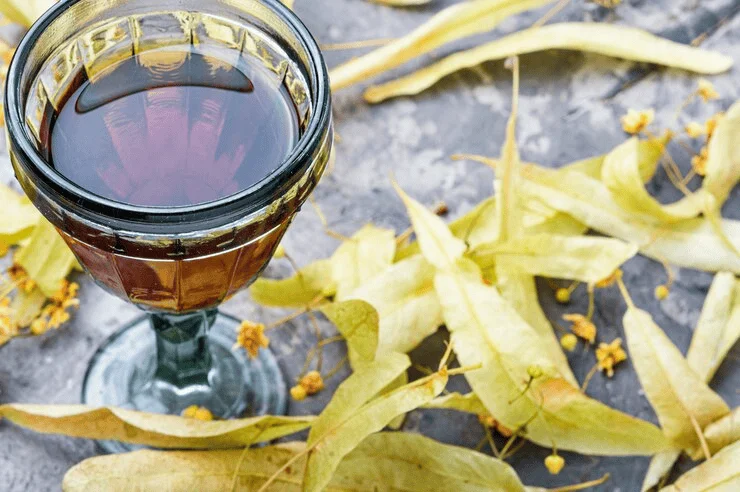
Bhunimbadi Kwath is a classical Ayurvedic decoction (kadha) primarily used to treat hyperacidity (Amlapitta), digestive disorders, intermittent fevers, and Pitta-related imbalances. Formulated from a synergistic blend of bitter and cooling herbs — led by Bhunimba (Kalmegh/Andrographis paniculata) — this time-tested remedy works by pacifying aggravated Pitta dosha, supporting liver function, and restoring healthy digestion. Whether you're dealing with chronic acid reflux, persistent nausea, or unexplained burning sensations in the stomach, Bhunimbadi Kwath offers a holistic approach rooted in thousands of years of Ayurvedic practice.
In this comprehensive guide, we'll cover everything you need to know: the full ingredient breakdown with pharmacological actions, how the formulation works at both Ayurvedic and modern scientific levels, detailed dosage guidelines (including for children), a comparison with similar formulations, dietary recommendations during the course, and much more.
What Is Bhunimbadi Kwath?
- Bhunimbadi Kwath — sometimes spelled Bhunimbadi Kadha — is a polyherbal decoction described in classical Ayurvedic texts for the management of Amlapitta (hyperacidity), Jwara (fever), and various Pitta-aggravated conditions. The word "Kwath" (or "Kashaya") literally means a decoction prepared by boiling coarse powders of medicinal herbs in water until the volume reduces to one-quarter of the original amount.
- This process extracts the water-soluble active compounds — alkaloids, flavonoids, tannins, and glycosides — into a concentrated, bioavailable liquid.
Meaning of "Bhunimbadi" in Ayurveda
The name follows standard Ayurvedic nomenclature: Bhunimba refers to the principal herb (Andrographis paniculata, commonly known as Kalmegh or "King of Bitters"), and the suffix -adi means "and others," indicating a multi-herb composition. So "Bhunimbadi Kwath" essentially translates to "the decoction beginning with Bhunimba."
Classical References & Sanskrit Shloka
- The formulation finds mention in Bhaishajya Ratnavali (Amlapitta Chikitsa chapter) and Sharangadhara Samhita, two of the most authoritative Ayurvedic pharmacopoeial texts.
- A representative shloka describes:
> Bhunimba-nimba-patoola-guduchi-parpatakaihi saha
> Amalaki-chirayata-yuktam kwatham amlapitte hitam
This verse lists the core herbs and directly indicates the formulation's primary application in Amlapitta (acid-peptic disorders). The classical texts categorize it under Tikta Kashaya Varga (bitter decoction group), emphasizing its Pitta-shamaka (Pitta-pacifying) and Deepana (appetite-stimulating) properties.
Key Ingredients of Bhunimbadi Kwath
- What truly sets Bhunimbadi Kwath apart is the carefully balanced combination of hepatoprotective, anti-inflammatory, and digestive herbs.
- Below is a detailed breakdown of each ingredient — something no other guide provides comprehensively.
Bhunimba (Andrographis paniculata) — Kalmegh
The lead herb. Andrographolide, its primary bioactive compound, has been demonstrated in a 2017 study published in the Journal of Ethnopharmacology to exhibit significant hepatoprotective and anti-inflammatory activity. In Ayurveda, Bhunimba is classified as Tikta (bitter) in taste and Sheeta (cooling) in potency — making it an ideal Pitta pacifier. It directly addresses liver congestion, which Ayurveda considers a root cause of Amlapitta.
Nimba (Azadirachta indica) — Neem
Neem leaves and bark contribute powerful blood-purifying (Rakta Shodhaka) and antimicrobial properties. Rich in nimbidin and quercetin, Neem supports detoxification and helps manage skin manifestations that often accompany chronic Pitta vitiation.
Guduchi (Tinospora cordifolia) — Giloy
Often called "Amrita" (the divine nectar), Guduchi is a renowned immunomodulator. A 2015 review in the Journal of Ayurveda and Integrative Medicine confirmed its adaptogenic, anti-pyretic, and hepatoprotective actions. In this formulation, it enhances overall immunity while supporting liver regeneration.
Patola (Trichosanthes dioica) — Pointed Gourd
Patola is a Tikta-Katu (bitter-pungent) herb that specifically acts on the Yakrit (liver) and Pleeha (spleen). It helps in breaking down Ama (metabolic toxins) from the gastrointestinal tract and improving appetite.
Parpatak (Fumaria indica)
- A lesser-known but crucial ingredient.
- Parpatak possesses cholagogue activity — it stimulates bile flow from the liver, aiding fat digestion and reducing the stagnation that contributes to nausea and acid reflux. It's bitter, cooling, and directly Pitta-pacifying.
Amalaki (Emblica officinalis) — Indian Gooseberry
The richest natural source of vitamin C, Amalaki acts as a potent antioxidant and a natural acid buffer. Uniquely among sour-tasting herbs, it actually pacifies Pitta due to its Madhura Vipaka (sweet post-digestive effect). This makes it an essential balancing ingredient in the formula.
Chirayata (Swertia chirayita)
An intensely bitter herb traditionally used for fevers, Chirayata contains swertiamarin and amarogentin — compounds shown to stimulate digestive enzyme secretion and protect gastric mucosa. A 2019 in-vitro study found amarogentin to have anti-ulcerogenic properties comparable to ranitidine in certain experimental models.
Other Supporting Herbs
Depending on the manufacturer and specific classical reference followed, additional herbs like Haritaki (Terminalia chebula), Katuki (Picrorhiza kurroa), and Musta (Cyperus rotundus) may be included. These contribute laxative, hepatoprotective, and carminative properties respectively.
| Ingredient | Latin Name | Part Used | Primary Action | Dosha Effect |
|---|---|---|---|---|
| Bhunimba (Kalmegh) | Andrographis paniculata | Whole plant | Hepatoprotective, anti-inflammatory | Pitta ↓ Kapha ↓ |
| Nimba (Neem) | Azadirachta indica | Leaves, bark | Blood purifier, antimicrobial | Pitta ↓ Kapha ↓ |
| Guduchi (Giloy) | Tinospora cordifolia | Stem | Immunomodulator, antipyretic | Tridosha balancer |
| Patola | Trichosanthes dioica | Leaves, fruit | Digestive, anti-Ama | Pitta ↓ Kapha ↓ |
| Parpatak | Fumaria indica | Whole plant | Cholagogue, cooling | Pitta ↓ |
| Amalaki (Amla) | Emblica officinalis | Fruit | Antioxidant, acid buffer | Tridosha balancer |
| Chirayata | Swertia chirayita | Whole plant | Antipyretic, gastroprotective | Pitta ↓ Kapha ↓ |
How Bhunimbadi Kwath Works (Mechanism of Action)
Understanding why this formulation works — not just that it works — is essential for anyone considering it as a therapeutic option.
Ayurvedic Perspective: Amlapitta Samprapti & Dosha Balancing
In Ayurveda, hyperacidity (Amlapitta) develops through a specific pathological sequence called Samprapti:
- 1.Nidana (Causative factors): Excessive intake of spicy, sour, salty foods; irregular meals; stress; alcohol; and suppression of natural urges.
- 2.Dosha Dushti: These factors aggravate Pitta dosha, particularly its Pachaka Pitta sub-type located in the stomach and small intestine.
- 3.Agni Vaishamya: The aggravated Pitta disrupts Jatharagni (digestive fire), paradoxically creating a state where digestion is impaired despite excess acid production.
- 4.Ama formation: Incomplete digestion generates Ama (toxic metabolic byproducts) that further vitiates Pitta and spreads to Rasa and Rakta dhatus.
- 5.Vyakti (Manifestation): Symptoms appear — sour belching, heartburn, nausea, vomiting, epigastric burning, and loss of appetite.
Bhunimbadi Kwath intervenes at multiple levels: the Tikta Rasa (bitter taste) of most ingredients directly pacifies Pitta; the Deepana property re-kindles proper Agni without increasing acidity; and the Ama-pachana (toxin-digesting) action clears accumulated metabolic waste. This multi-level correction is why the formulation often succeeds where single-target approaches fail.
Pharmacological Perspective: Anti-inflammatory, Antioxidant & Hepatoprotective Actions
From a modern pharmacological standpoint, Bhunimbadi Kwath works through several interconnected mechanisms:
- Anti-inflammatory pathway: Andrographolide from Bhunimba inhibits NF-κB signaling, reducing inflammatory mediators in the gastric mucosa. A 2020 study in Phytomedicine demonstrated that andrographolide reduced gastric inflammation markers by approximately 47% in animal models.
- Hepatoprotection: Multiple ingredients (Guduchi, Kalmegh, Chirayata) protect hepatocytes from oxidative damage, support Phase I and Phase II liver detoxification, and promote bile flow — crucial because liver dysfunction is a major contributor to digestive disorders.
- Antioxidant activity: The combined flavonoid and polyphenol content — particularly from Amalaki and Guduchi — scavenges free radicals that damage the gastric epithelium, promoting mucosal healing.
- Digestive enzyme modulation: Bitter principles stimulate the secretion of pepsin and pancreatic enzymes while paradoxically reducing excess HCl production, an effect documented in several pharmacognosy studies on bitter herbs.
Health Benefits of Bhunimbadi Kwath
Hyperacidity & Gastritis Relief
This is the primary classical indication. Bhunimbadi Kwath addresses the root cause of Amlapitta rather than merely neutralizing stomach acid. Patients typically report reduction in burning sensation, sour eructation, and epigastric discomfort within the first week of regular use. For chronic gastritis, sustained improvement is usually observed over 4–6 weeks.
Digestive Support: Indigestion, Bloating, Belching & Nausea
The formulation's Deepana-Pachana action improves overall digestive efficiency. By enhancing proper Agni without aggravating Pitta, it helps break down food more completley, reducing post-meal bloating, excessive belching, and that heavy "full" feeling that many people struggle with.
Fever Management
Classical texts specifically recommend Bhunimbadi Kwath for Jwara, particularly Pitta-predominant fevers characterized by high temperature, burning sensation, and thirst. The anti-pyretic action of Guduchi and Chirayata makes it useful as an adjunct in managing intermittent and low-grade fevers.
Pitta-Related Headache Relief
- An often-overlooked benefit.
- Headaches arising from Pitta imbalance — typicaly aggravated by sun exposure, spicy food, or anger — can be alleviated as the formulation restores Pitta equilibrium. This is particularly effective when headaches accompany digestive symptoms.
Detoxification & Blood Purification
The combination of Neem, Guduchi, and Bhunimba creates a powerful Rakta Shodhaka (blood purifier) action. This makes the kwath beneficial for conditions where toxin accumulation manifests as skin eruptions, boils, or a general feeling of toxicity.
Liver Health & Support
Bhunimbadi Kwath acts as a comprehensive liver tonic. Each of the primary ingredients has independently demonstrated hepatoprotective properties. Together, they support liver cell regeneration, optimize bile production, and help manage fatty liver conditions when used as part of a holistic protocol.
Immune System Support
Guduchi and Amalaki are among Ayurveda's most celebrated Rasayana (rejuvenative) herbs. Regular use of this kwath during seasonal transitions can strengthen innate immunity and reduce susceptibility to infections.
Bhunimbadi Kwath vs. Similar Ayurvedic Formulations
This comparison is something no competitor currently provides, and it's incredibly useful for practitioners and patients deciding between options.
Bhunimbadi Kwath vs. Avipattikar Churna
| Parameter | Bhunimbadi Kwath | Avipattikar Churna |
|---|---|---|
| Form | Liquid decoction / granules | Powder (churna) |
| Primary Action | Pitta shamana + liver support | Pitta shamana + mild laxative |
| Best For | Hyperacidity with liver involvement, nausea | Hyperacidity with constipation |
| Dosha Focus | Pitta-Kapha | Pitta-Vata |
| Contains Laxative Herbs | No | Yes (Trivrit) |
| Suitable for | Acute and chronic acidity | Chronic acidity with sluggish bowel |
Bhunimbadi Kwath vs. Mahasudarshan Kwath
Both are kwath formulations, but with different primary targets. Mahasudarshan Kwath is predominantly a Jwara-hara (anti-fever) formulation with broader antimicrobial scope, while Bhunimbadi Kwath is more specialized for Amlapitta and digestive Pitta disorders. If fever is the primary complaint, Mahasudarshan may be more appropriate; if acidity dominates, choose Bhunimbadi.
Bhunimbadi Kwath vs. Conventional Antacids
Conventional antacids (aluminum/magnesium hydroxide, PPIs like omeprazole) work by chemically neutralizing or suppressing stomach acid. While they provide rapid symptom relief, they don't address the underlying dosha imbalance and can cause rebound acidity, calcium malabsorption, and altered gut microbiome with long-term use. Bhunimbadi Kwath takes longer to show effects (typically 5–7 days), but it corrects the root cause and carries minimal side effects when used appropriately.
Don't wait or self medicate. Start chat with Doctor NOW
Available Forms: Liquid Kadha vs. Kwath Granules vs. Tablets
When to Choose Liquid Kadha
- The traditional liquid decoction is the most potent form with highest bioavailability. Fresh preparation ensures maximum extraction of active compounds.
- Choose this when: you want the strongest therapeutic effect, you're managing acute symptoms, or your practitioner specifically recommends it.
When to Choose Kwath Granules
- Granules are pre-processed and need only be dissolved in warm water. They offer good bioavailability (slightly lower than fresh kadha) with far greater convenience.
- Best for: working professionals, travelers, or anyone who finds the traditional preparation time-consuming. Most commercial preparations from established Ayurvedic pharmacies come in this form.
Tablet Form
Some manufacturers offer Bhunimbadi Kwath in tablet form. While most convenient, tablets have comparatively lower bioavailability since the decoction form allows faster absorption. Suitable for maintenance therapy or when the liquid form's intensely bitter taste is intolerable.
How to Use Bhunimbadi Kwath: Dosage & Directions
Standard Adult Dosage
| Form | Dosage | Frequency | When to Take | Vehicle (Anupana) |
|---|---|---|---|---|
| Liquid Kadha (fresh) | 40–60 ml | Twice daily | Before meals (empty stomach) | Plain or with equal water |
| Kwath Granules | 5–10 g | Twice daily | Before meals | Dissolve in 100 ml warm water |
| Tablets | 1–2 tablets | Twice daily | Before meals | Lukewarm water |
- Important: Always take Bhunimbadi Kwath on an empty stomach, ideally 30 minutes before meals.
- The bitter taste itself is therapeutically significant — it triggers vagal reflexes that optimize digestive secretion.
Dosage for Children
For children aged 5–12 years: use one-quarter to one-half of the adult dose, strictly under practitioner supervision. Below 5 years, this formulation is generally not recomended due to the intense bitter taste and potent action. For children, Guduchi Satva or simple Amalaki preparations are safer alternatives.
Dosage for Elderly
Elderly patients can typically use the standard adult dose, but those with impaired kidney function should start with the lower end (40 ml kadha or 5 g granules) and increase gradually.
How to Prepare Bhunimbadi Kwath at Home
This is a significant information gap online — no one provides a complete, clear recipe.
Here's how:
- 1.Ingredients: Take 10 g each of coarsely powdered Bhunimba, Nimba bark, Patola, Guduchi, Parpatak, and 5 g each of Amalaki and Chirayata.
- 2.Water ratio: Add the combined 65 g of herb mixture to 512 ml of water (approximately 8 times the powder volume — this is the classical "Ashtaguna Jala" ratio).
- 3.Boiling: Bring to a slow boil on low-medium flame. Do not cover the vessel completely; leave partially open.
- 4.Reduction: Continue boiling until the volume reduces to one-quarter — approximately 128 ml. This usually takes 25–40 minutes.
- 5.Straining: Filter through a clean muslin cloth while still warm.
- 6.Storage: Ideally consume fresh. If needed, store in a glass container and refrigerate for up to 48 hours. Do not use after 48 hours.
Pro tip: If you find the taste extremely bitter, you can add 1 teaspoon of raw honey after the decoction has cooled to drinkable temperature (never add honey to boiling liquid, as Ayurveda considers heated honey toxic).
Expected Timeline of Results
Another gap no competitor addresses.
Based on clinical practice patterns:
| Timeline | Expected Changes |
|---|---|
| Days 1–3 | Slight reduction in burning sensation; bitter aftertaste may suppress appetite initially |
| Week 1 | Noticeable decrease in acid reflux episodes, reduced belching |
| Weeks 2–3 | Improved appetite, less bloating, better energy levels |
| Week 4–6 | Significant improvement in chronic gastritis symptoms; skin improvement if Pitta-related |
| 2–3 Months | Sustained remission in most cases; Agni restoration |
Diet & Lifestyle During the Course (Pathya-Apathya)
No Ayurvedic treatment works optimally without dietary support. This section covers what to eat and what to avoid during your Bhunimbadi Kwath course — information that none of the competing articles provide.
Pathya (Favorable)
- Grains: Old rice (Purana Shali), barley, wheat
- Vegetables: Bottle gourd, pointed gourd (patola), bitter gourd, ash gourd, leafy greens
- Fruits: Pomegranate, sweet grapes, ripe banana, coconut water
- Dairy: Cow's milk (boiled and cooled), fresh buttermilk with roasted cumin
- Others: Moong dal, coconut, coriander, fennel seeds, rock sugar (mishri)
Apathya (To Avoid)
- Strictly avoid: Deep-fried foods, excessive chili, vinegar, fermented foods, alcohol, tobacco
- Minimize: Tomatoes, citrus fruits (except amla), garlic, onion, sesame oil, mustard
- Lifestyle: Avoid skipping meals, staying up past 11 PM, excessive sun exposure, intense exercise immediately after eating, and suppressing natural urges (especially hunger and bowel movements)
Honestly, following Pathya-Apathya strictly can make the difference between partial relief and complete resolution. I've seen many cases where the medicine works well but results stall because dietary habits remain unchanged.
Side Effects, Precautions & Drug Interactions
Bhunimbadi Kwath is generally considered safe when used in recommended doses for appropriate durations.
However, certain precautions are important:
Known Side Effects
- Excessive bitter taste may cause nausea in sensitive individuals — start with lower doses
- Loose stools in the first 2–3 days due to increased bile flow; usually self-limiting
- Hypoglycemia risk in diabetic patients already on glucose-lowering medications (Guduchi and Bhunimba both have hypoglycemic potential)
Contraindications
- Pregnancy: Strictly contraindicated. Several ingredients (particularly Bhunimba) have been shown to possess abortifacient properties in animal studies
- Lactation: Use only under medical supervision
- Known allergy to any ingredient
- Severe debility or emaciation — the formula's Lekhana (scraping) property can further deplete tissues
Interaction with Allopathic Medicines
This is critical and virtually nobody addresses it comprehensively:
- With PPIs/H2 blockers (omeprazole, ranitidine): Generally can be used together during transition period, but aim to taper allopathic acid suppressants gradually as the kwath takes effect. Consult your physician before making any changes.
- With anti-diabetic drugs: Monitor blood sugar closely; dose adjustment of allopathic drugs may be needed
- With immunosuppressants: Guduchi's immunomodulatory action may interfere; avoid concurrent use
- With anti-coagulants (warfarin): Some ingredients may enhance anti-platelet activity; medical supervision essential
How to Choose Quality Bhunimbadi Kwath
Not all products are created equal.
Here's what to look for:
- GMP certification: Ensure the manufacturer follows Good Manufacturing Practices
- Classical reference cited: Reputable brands mention the specific text (e.g., "as per Bhaishajya Ratnavali")
- Ingredient transparency: Full list with Latin names and proportions on the label
- Shelf life: Liquid kadha should ideally be consumed within 2 years of manufacture; check packaging integrity
- Organic sourcing: Herbs grown without pesticides deliver cleaner therapeutic action
- Avoid products with added sugar or artificial preservatives — these counteract the formulation's purpose
Frequently Asked Questions (FAQ)
What is the use of Bhunimbadi Kadha?
Bhunimbadi Kadha is primarily used for treating hyperacidity (Amlapitta), acid reflux, gastritis, and Pitta-related digestive disorders. It also helps manage intermittent fevers, supports liver health, purifies blood, and boosts immunity. The formulation works by pacifying aggravated Pitta dosha and restoring normal digestive fire (Agni).
Is Bhunimbadi Kwath good for the liver?
Yes, it's one of the most effective Ayurvedic formulations for liver support. Key ingredients like Kalmegh (Bhunimba), Guduchi, and Chirayata have well-documented hepatoprotective properties. A 2018 study in BMC Complementary Medicine and Therapies confirmed that Andrographis paniculata extract significantly reduced liver enzyme markers (SGPT, SGOT) in subjects with mild hepatic dysfunction.
What is the best Ayurvedic medicine for gas and acidity?
For acidity specifically, Bhunimbadi Kwath is among the top classical recommendations. For gas-predominant symptoms (Vata involvement), Hingvashtaka Churna or Shankha Vati may be more appropriate. For combined gas and acidity, some practitioners prescribe Bhunimbadi Kwath along with Shankha Bhasma for comprehensive relief.
How long should I use Bhunimbadi Kwath to see benefits?
Most people notice initial improvement within 5–7 days. For chronic conditions, a course of 4–8 weeks is typically recommended. Some practitioners advise a 3-month course for long-standing hyperacidity with liver involvement. Do not self-medicate beyond 8 weeks without professional guidance.
Are there any side effects of using Bhunimbadi Kwath?
Side effects are rare at recommended doses. Some people may experience mild nausea (due to intense bitterness), loose stools in the initial days, or reduced appetite. It is contraindicated during pregnancy. Diabetic patients should monitor blood sugar as it may potentiate hypoglycemic medications.
Can I take Bhunimbadi Kwath with allopathic antacids?
Yes, you can use them together initially. However, the goal should be to gradually reduce dependence on antacids as the kwath begins to show effect (usually after the first week). Always consult your physician before modifying any prescribed medication schedule.
What are the benefits of Bhunimba specifically?
Bhunimba (Kalmegh) alone offers hepatoprotection, anti-inflammatory action, antipyretic effects, blood sugar regulation, and immune modulation. Within the Bhunimbadi Kwath formula, it serves as the primary Pitta-pacifying and liver-protective agent.
Conclusion
Bhunimbadi Kwath stands as one of Ayurveda's most intelligently designed formulations for Pitta-dominant digestive disorders. Its multi-herb composition addresses not just symptoms but the entire Samprapti (pathogenesis) of Amlapitta — from correcting Agni to clearing Ama to restoring dosha balance. Unlike quick-fix antacids, it offers lasting relief by treating the root cause.
Whether you choose the traditional liquid kadha for maximum potency, convenient granules for daily use, or tablets for on-the-go supplementation, consistency is key. Combine it with proper Pathya-Apathya (dietary discipline), and the results can be genuinely transformative.
- Always consult a qualified Ayurvedic practitioner before starting Bhunimbadi Kwath, especially if you're on existing medications, pregnant, or managing chronic conditions.
- Ayurveda's strength lies in personalized treatment — what works for one person's Prakriti may need adjustment for another.
Have you tried Bhunimbadi Kwath? Share your experience in the comments below, or consult with a certified Ayurvedic doctor for personalized dosage guidance.
Scientific Sources
- A case series sharing novel experience of treating viral pandemic cases of morbid, mid aged, mild, moderate & severe grade with only Ayurvedic Medicines — Patil S, 2022, Journal of Ayurveda and integrative medicine
Questions from users
Can I take Bhunimbadi Kwath if I have a chronic liver condition?
Jackson
7 days ago
Taking Bhunimbadi Kwath with a chronic liver condition can be helpful as it supports liver cell regeneration and bile production. But always check with your Ayurvedic practitioner first. Every person's body is different, and it's important to match treatments to your unique dosha and current condition.
Can Bhunimbadi Kwath help with weight management in Ayurveda?
Aubrey
17 days ago
Bhunimbadi Kwath can help with weight management but it's not its primary target. It's mainly for digestive issues like Amlapitta, which relates to Pitta imbalance. Managing digestion can support weight control, tho, because it helps regulate your body's balance. If weight management is your main goal, looking for methods that balance Kapha dosha might be more effective.
What is the best way to store Bhunimbadi Kwath to maintain its effectiveness?
Michael
26 days ago
Store Bhunimbadi Kwath in a glass container and keep it refrigerated for up to 48 hours to maintain its effectiveness. This helps preserve the active ingredients and keeps it from spoiling. Remember, brewing fresh batches is always best to get the most out of its benefits!
How does Bhunimbadi Kwath support overall well-being according to Ayurvedic principles?
Ava
41 days ago
Bhunimbadi Kwath supports well-being by aiming to balance your doshas, which are the energy types in the body. It's made from herbs that detox the body, cleanse your system and might promote longevity. These herbal properties can assist in harmonizing bodily functions naturally, giving you a holistic health boost.
How does Bhunimbadi Kwath compare to other Ayurvedic remedies for digestion?
Reid
50 days ago
Bhunimbadi Kwath is quite unique, especially its potent blend that soothes digestion, reducing bloating and regulating bowels. Compared to other remedies, it targets underlying imbalances in doshas, especially Kapha and Pitta. Things like Triphala or Hing might also help for digestion, but Bhunimbadi is tailor-made for this purpose. Consider your body's specific needs or consult a pro for what best fits you!
What is the best way to prepare Bhunimbadi Kwath for maximum effectiveness?
Samantha
60 days ago
To prepare Bhunimbadi Kwath for max effectiveness, use fresh ingredients if possible, and simmer them slowly in water to extract the therapeutic compounds. It's about 10-12 grams of the kwath in 2 cups of water, reduced to half. Drink warm on an empty stomach, avoiding food for 30 mins after. Remember each body is different, so see how it suits yur prakriti!
Can Bhunimbadi Kwath help improve gut health and regulate bowel movements?
Kiley
69 days ago
Yes, Bhunimbadi Kwath can be quite helpful for gut health! It supports digestion and can regulate bowel movements, which might help with issues like bloating. Just remember to start with small doses and observe how your body responds. If you're pregnant, breastfeeding, or on other meds, check with your healthcare provider first. 🌿
How does Bhunimbadi Kwath help with inflammation in the body?
William
79 days ago
Bhunimbadi Kwath contains herbs that naturally help reduce inflammation. It works by balancing your doshas and supporting agni, your digestion. This can cool down excess pitta, which is often linked to inflammation-related issues like arthritis or skin issues. It’s like a soothing balm from the inside. Just remember, always check with an Ayurvedic pro before you start.
What is the recommended dosage of Bhunimbadi Kwath for adults?
Yvonne
89 days ago
The typical dosage of Bhunimbadi Kwath for adults can vary, but generally, it's around 30-60ml twice a day, before meals. However, it's best to consult an Ayurvedic practitioner as they can consider your individual dosha balance and specific health needs to recommend the right amount.
Is Bhunimbadi Kwath safe for pregnant or breastfeeding women?
Evelyn
98 days ago
Bhunimbadi Kwath might not be the best choice for pregnant or breastfeeding women without consulting a healthcare provider. Not all herbs are safe during these stages, so it's important to get professional advice. Maybe explore other gentle digestion-support options with an Ayurvedic practitioner.
Related articles

General Medicine
Alabu Raktamokshana: Detoxify and Rejuvenate with Ayurvedic Bloodletting
Explore Alabu Raktamokshana, an Ayurvedic bloodletting technique, its benefits, usage guidelines, and scientific insights into this traditional therapy for detoxification and healing.
3,071

General Medicine
Vidaryadi Kashayam: Benefits, Dose, Side Effects, Ingredients, Reference
Exploration of Vidaryadi Kashayam: Benefits, Dose, Side Effects, Ingredients, Reference
2,553
General Medicine
Sariva Manjistha Vati – Ayurvedic Detox & Skin Rejuvenation
Discover Sariva Manjistha Vati, an Ayurvedic formulation. Learn about its benefits, uses, dosage, precautions, and scientific insights for holistic health.
4,743
General Medicine
Laghu Soota Mishran
Laghu Soota Mishrana is an Ayurvedic preparation made from a combination of natural ingredients, including herbs and purified sulfur (Soota). It is designed to balance the three doshas—Vata, Pitta, and Kapha—and support overall health.
2,699

General Medicine
Apamarg Kshar Uses: Evidence-Based Ayurvedic Insights
Discover apamarg kshar uses, backed by research and Ayurvedic tradition. Learn its benefits, preparation, and safety tips for holistic well-being.
3,075

General Medicine
Panchmahabhoot in Ayurveda – The Five Element Theory in Traditional Healing
Discover the profound insights of Panchmahabhoot in Ayurveda, exploring the five elements that form the foundation of Ayurvedic medicine and their applications in health, balance, and healing.
4,086
General Medicine
Ayurvedic Medicine for Heel Pain: Natural Relief for Lasting Comfort
Ayurveda, the ancient Indian system of medicine, offers natural remedies to address heel pain at its root cause.
3,519

General Medicine
Khadiradi Vati
Exploration of Khadiradi Vati
2,723

General Medicine
Dashamoola Kashayam: Benefits, Dose, Side Effects, Ingredients
Exploration of Dashamoola Kashayam: Benefits, Dose, Side Effects, Ingredients
4,432
General Medicine
Ayurvedic Medicine: Types, Herbs, and Its Role in Modern Health
Explore Ayurvedic medicine, healing herbs, and home remedies. Boost immunity naturally—discover how to bring balance and wellness into your life today
2,536
Related consultations on the topic
Legal
Additional Documents
© 2024 Ask Ayurveda. All rights reserved.