Ask Ayurvedic doctor a question and get a consultation online on the problem of your concern in a free or paid mode. More than 2,000 experienced doctors work and wait for your questions on our site and help users to solve their health problems every day.
FREE! Ask Ayurvedic Doctors 24/7

 Fast responses
 1000+ verified doctors
Body DetoxEar, Nose, and Throat DisordersGeriatrics & RejuvenationImmunodeficiencyInfertility TreatmentNutritionOrthopedic DisordersPediatricsRespiratory DisordersSexually Transmitted Diseases (STDs)Surgery RecoveryUrological DisordersVascular DisordersDental DisordersEndocrinological DisordersGastrointestinal DisordersYoga TherapyGeneral MedicineAllergic DisordersCardio DisordersGynecology and ObstetricsCosmetologySkin and Hair DisordersEye DisordersInfectious DiseasesMental DisordersNeurological DisordersOncologyPanchakarmaSexual Health & DisordersSports Medicine
Published on 01/14/25
(Updated on 07/06/26)
star_border 5
5,381
Water Retention Cure Ayurveda – Effective Natural Remedies
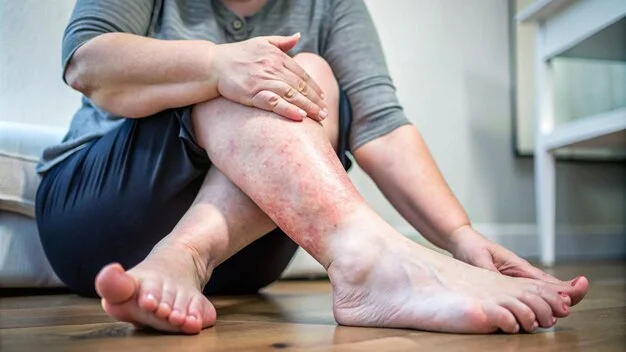
Water retention — known as Shotha in Ayurveda — happens when excess fluid accumulates in your body's tissues, causing puffiness, swelling, and that uncomfortable heavy feeling. If you're looking for an Ayurvedic cure, here's the direct answer: balance your doshas, strengthen your Agni (digestive fire), clear Ama (toxins), and use targeted herbs like Punarnava, Gokshura, and Triphala alongside Panchakarma therapies and dietary changes. Unlike conventional diuretics that simply flush water, Ayurveda addresses the root cause — which is why results tend to be deeper and more lasting.
In this evidence-based guide, we'll walk you through every aspect of the Ayurvedic approach: from understanding why your body holds water, to exact herbs with dosages, Panchakarma protocols, yoga asanas, home remedies, and a clear treatment timeline so you know what to expect.
What Causes Water Retention? The Ayurvedic Understanding
- Before jumping to remedies, you need to understand why your body is retaining water.
- Both modern medicine and Ayurveda offer explanations — and surprisingly, they align more than you'd think.
Modern Causes of Edema
Common triggers include:
- High sodium intake — excess salt forces your body to hold water to maintain electrolyte balance
- Dehydration — paradoxically, not drinking enough water causes your body to store what it has
- Hormonal fluctuations — PMS, pregnancy, menopause
- Prolonged sitting or standing — gravity pools fluid in the lower extremities
- Medications — NSAIDs, corticosteroids, blood pressure drugs
- Organ dysfunction — kidney, liver, or heart conditions
The Dosha-Agni-Ama Connection
In Ayurveda, water retention isn't just about fluid — it's about disturbed water metabolism.
Three key mechanisms drive it:
- 1.Dosha Imbalance — primarily Kapha (which governs fluids and structure), but Vata and Pitta play roles too
- 2.Weakened Agni — when your digestive fire is low, food isn't properly metabolized, leading to the accumulation of Ama (metabolic toxins)
- 3.Ama Accumulation — these sticky, undigested toxins block the body's microchannels (Srotas), preventing proper fluid circulation and drainage
A 2017 review published in the Journal of Ayurveda and Integrative Medicine confirmed that Agni dysfunction is central to most Kapha-related disorders, including fluid retention and edema.
When you fix the root — Agni and Ama — the symptom (water retention) resolves naturally.
Classification of Shotha by Dosha Type
Ayurveda classifies edema into four distinct types. Understanding which type you have determines your entire treatment approach:
| Type | Dosha | Location | Characteristics | Associated Organ |
|---|---|---|---|---|
| Kaphaja Shotha | Kapha | Generalized, face, upper body | Cold, heavy, pale swelling; pitting edema; slow onset | Lungs, stomach |
| Pittaja Shotha | Pitta | Abdomen, mid-body | Warm, red, tender swelling; burning sensation | Liver, spleen |
| Vataja Shotha | Vata | Legs, ankles, feet | Dry, dark, fluctuating swelling; non-pitting; pain | Kidneys, colon |
| Abhigataja Shotha | Trauma | Localized to injury site | Post-injury swelling; inflammation | Variable |
Quick self-check: Press your swollen area with a finger for 5 seconds. If it leaves a dent (pit) that slowly fills back, you likely have pitting edema (often Kaphaja). If no dent remains, it's non-pitting (often Vataja or thyroid-related). Either way, sudden or one-sided swelling warrants immediate medical evaluation — don't rely on home remedies alone for that.
Which Herb Is Best for Water Retention? Top Ayurvedic Herbs with Dosages
- This is where Ayurveda truly shines. Several herbs have been used for centuries to manage fluid retention, and modern research is beginning to validate their mechanisms.
- Below are the most effective ones — with actual dosages that no other guide seems to provide.
Punarnava (Boerhavia diffusa) — The Gold Standard
Punarnava literally means "one that renews the body." It's the single most important Ayurvedic herb for water retention.
- How it works: Acts as a natural diuretic, supports kidney function, reduces inflammation, and protects the liver
- Evidence: A 2014 study in the Journal of Ethnopharmacology demonstrated that Boerhavia diffusa extract showed significant diuretic activity comparable to furosemide in animal models — without depleting potassium
- Dosage: Punarnava powder — 3-5 grams twice daily with warm water; Punarnava decoction (Kwath) — 30-50 ml twice daily before meals; Punarnavadi Guggulu tablets — 2 tablets (250 mg each) twice daily
- Duration: Minimum 4-6 weeks for noticeable results
Gokshura (Tribulus terrestris) — The Kidney Tonic
- How it works: Enhances urine output, reduces fluid buildup, supports urinary tract health
- Evidence: A 2012 study in Pharmacognosy Magazine found Gokshura to possess significant diuretic and nephroprotective properties
- Dosage: Gokshura Churna — 3 grams twice daily with warm milk or water; Gokshuradi Guggulu — 2 tablets twice daily after meals
- Best for: Vataja Shotha, ankle/leg swelling, urinary-related fluid retention
Triphala — The Gentle Detoxifier
- How it works: Improves digestion, clears Ama, mild laxative and diuretic effect, balances all three doshas
- Dosage: 3-5 grams at bedtime with warm water or 15-30 ml Triphala Kwath
- Best for: General fluid retention with digestive sluggishness
Shilajit — The Mineral Balancer
- How it works: Rich in fulvic acid and 84+ minerals, it enhances cellular metabolism and fluid regulation
- Dosage: 250-500 mg twice daily with warm milk. Always source purified (Shuddha) Shilajit
- Best for: Chronic edema with fatigue and weakness
Other Important Herbs
- Shunthi (Dry Ginger): 1-2 grams with honey, improves Agni and reduces Ama. A 2020 Nutrients journal review confirmed ginger's anti-inflammatory and diuretic properties
- Haridra (Turmeric): 3-5 grams daily. Curcumin's anti-inflammatory action reduces tissue swelling
- Musta (Cyperus rotundus): 2-3 grams twice daily — excellent for Ama-pachana (toxin digestion)
- Arjuna (Terminalia arjuna): 3-5 grams twice daily — specifically for cardiac-related edema
- Guggulu (Commiphora mukul): 500 mg twice daily — anti-inflammatory, improves circulation
Specific Ayurvedic Formulations
| Formulation | Key Ingredients | Best For | Dosage |
|---|---|---|---|
| Punarnavadi Kwath | Punarnava, Shunthi, Devdaru | General edema | 30-50 ml twice daily |
| Gokshuradi Guggulu | Gokshura, Guggulu, Triphala | Leg/ankle swelling | 2 tablets twice daily |
| Dashamoola Kwatha | 10 root herbs | Vata-type edema with pain | 30 ml twice daily |
| Punarnavasava | Punarnava, Dhataki, Pippali | Chronic fluid retention | 15-20 ml with equal water after meals |
> Important: These dosages are general guidelines for adults. Individual needs vary based on Prakriti, severity, and concurrent medications. Always consult a qualified Ayurvedic practitioner before starting any regimen.
How to Get Rid of Water Retention with Panchakarma Therapies
Panchakarma — Ayurveda's five-fold detoxification system — offers targeted therapies that go far beyond what herbs alone can achieve. Think of herbs as daily maintenance and Panchakarma as a deep reset.
Abhyanga (Therapeutic Oil Massage)
Full-body warm oil massage using medicated oils like Dashamoola Taila or Bala Taila. Stimulates lymphatic drainage, improves circulation, and mobilizes trapped fluids. Recommended daily during treatment phase (self-massage at home) and weekly professional sessions.
Udvartana (Dry Herbal Powder Massage)
This is a hidden gem that most guides miss. Unlike Abhyanga, Udvartana uses dry herbal powders (Triphala, Kolakulathadi Churna) massaged vigorously against the direction of body hair. It directly addresses Kapha accumulation, improves lymphatic flow, breaks down subcutaneous fluid, and helps reduce both swelling and cellulite. Particularly effective for Kaphaja Shotha.
Virechana (Therapeutic Purgation)
Controlled purgation therapy under medical supervision. Eliminates excess Pitta and Kapha from the GI tract, clearing the channels that regulate fluid metabolism. Typically done as a 7-day protocol with preparation (Snehana and Swedana) of 3-5 days. Best for Pittaja Shotha with abdominal bloating.
Basti (Medicated Enema)
Considered the king of Panchakarma treatments, Basti uses herbal decoctions or medicated oils administered rectally. It directly balances Vata dosha, which controls all movement in the body — including fluid movement. Dashamoola Kwatha Basti is specifically indicated for Vataja Shotha.
Lepa/Lepam (Herbal Paste Application)
- External application of herbal pastes made from Punarnava, Shunthi, Haridra, and Devdaru directly on swollen areas. Provides localized anti-inflammatory and fluid-draining effects.
- Can be done at home: mix equal parts Punarnava and Haridra powder with warm water to make a paste, apply to swollen areas for 30 minutes, and wash off.
Raktamokshana (Bloodletting Therapy)
- Used in severe cases, particularly inflammatory edema.
- Leech therapy (Jalaukavacharana) is the most common method — modern research has shown leech saliva contains hirudin and other anti-inflammatory compounds. Only to be done under strict medical supervision.
Indian Home Remedies for Water Retention That Actually Work
You don't always need a clinic visit. These kitchen-based remedies have been passed down through generations, and they're surprisingly effective for mild to moderate water retention.
Jeera-Coriander Water (Diuretic Drink)
Recipe: Soak 1 tablespoon of cumin seeds and 1 tablespoon of coriander seeds in 500 ml water overnight. Boil in the morning until reduced to half. Strain and drink warm on an empty stomach. Why it works: Both cumin and coriander have mild diuretic properties. A 2014 study in the Journal of Renal Nutrition found coriander extract to significantly increase urinary output in animal models.
Barley Water (Yava Kshara)
Recipe: Boil 2 tablespoons of barley in 1 liter of water for 30 minutes. Strain, add a pinch of rock salt and squeeze of lime. Drink throughout the day. Why it works: Barley is Kapha-pacifying, light, and has natural diuretic properties. Classical Ayurvedic texts like Charaka Samhita specifically recommend Yava (barley) for Shotha management.
Turmeric Golden Milk
Recipe: Warm 1 cup of milk (cow's milk or almond milk), add 1/2 teaspoon turmeric powder, a pinch of black pepper (enhances curcumin absorption by 2000% per Planta Medica research), and 1/4 teaspoon of dry ginger. Drink before bed.
Aloe Vera and Ginger Paste (Topical)
Recipe: Mix 2 tablespoons fresh aloe vera gel with 1 teaspoon ginger juice. Apply on swollen areas. Leave for 20 minutes and rinse. The anti-inflammatory compounds in both ingredients help reduce localized swelling.
Epsom Salt Bath
Add 2 cups of Epsom salt (magnesium sulfate) to a warm bath. Soak for 15-20 minutes. Magnesium is absorbed through the skin and helps draw out excess fluid through osmosis. This is a simple, effective remedy for generalized water retention and heaviness.
How to Lose Water Weight Naturally: Diet & Lifestyle Protocol
Dietary Recommendations by Dosha Type
For Kaphaja Shotha (Most Common)
- Favor: Warm, light, dry foods. Mung dal, barley, bitter gourd, bottle gourd, old rice (purana shali), honey, black pepper, ginger, turmeric, mustard
- Avoid: Cold, heavy, oily foods. Dairy (except buttermilk), wheat, sugar, fried foods, bananas, potatoes, excessive salt
- Cooking: Always cook with warming spices — cumin, black pepper, fenugreek, asafoetida
For Pittaja Shotha
- Favor: Cooling but not cold foods. Cucumber, coconut water, coriander, fennel, mint, ghee in moderation, sweet fruits
- Avoid: Spicy, sour, fermented foods. Alcohol, vinegar, tomatoes, citrus excess
For Vataja Shotha
- Favor: Warm, moist, nourishing foods. Sesame oil, ghee, warm soups, cooked vegetables, sweet potatoes
- Avoid: Raw, cold, dry foods. Excessive salads, beans (except mung), carbonated drinks
The Morning Routine That Reduces Water Retention
Follow this daily protocol for best results:
- 5:30 AM — Wake up, drink 500 ml warm water with 1/2 lemon juice
- 6:00 AM — Drink Jeera-Coriander water (recipe above)
- 6:15 AM — Self-Abhyanga with warm sesame oil (10 minutes)
- 6:30 AM — Hot shower (the heat improves circulation after massage)
- 6:45 AM — Yoga asanas (detailed below)
- 7:30 AM — Light breakfast: mung dal chilla or barley porridge with ginger
Yoga Asanas for Water Retention
Specific asanas help move stagnant lymphatic fluid and reduce swelling:
- Viparita Karani (Legs Up the Wall): Lie on your back with legs elevated against a wall for 10-15 minutes. Gravity drains pooled fluid from legs. This single pose can reduce ankle swelling visibly within 20 minutes
- Surya Namaskar (Sun Salutation): 6-12 rounds daily — full-body movement that stimulates circulation and lymph flow
- Ardha Matsyendrasana (Seated Spinal Twist): Compresses abdominal organs, stimulates kidney and liver function
- Dhanurasana (Bow Pose): Stimulates kidneys and adrenal glands
- Pawanmuktasana (Wind-Relieving Pose): Improves digestion, reduces abdominal bloating
- Pranayama — Kapalbhati: 3 rounds of 30 strokes. Stimulates Agni, clears Kapha from channels
Dry Brushing for Lymphatic Drainage
- Before your morning shower, use a natural bristle brush to stroke your skin in long sweeps toward your heart.
- Start from feet, move upward.
- This technique — similar to Udvartana principles — stimulates lymphatic drainage and helps move trapped fluid. Spend 3-5 minutes daily.
Don't wait or self medicate. Start chat with Doctor NOW
Seasonal Recommendations (Ritucharya) for Water Balance
- This is something no other guide covers, but it's a foundational Ayurvedic principle.
- Your fluid retention risk changes with the seasons:
| Season | Risk Level | Why | What To Do |
|---|---|---|---|
| Varsha (Monsoon) — July-Sept | Highest | Kapha aggravated, Agni weakened, humidity traps fluid | Strongest herbs + spices; avoid cold foods entirely; favor honey, barley, old rice |
| Hemanta/Shishira (Winter) — Nov-Feb | Moderate | Kapha accumulates | Regular Abhyanga with warm oils; spiced foods; moderate exercise |
| Vasanta (Spring) — Mar-April | Moderate-High | Accumulated Kapha liquefies | Virechana recommended; bitter foods; Udvartana |
| Grishma (Summer) — May-June | Low | Kapha naturally pacified by heat | Light hydration; coconut water; avoid excessive salt |
| Sharad (Autumn) — Oct-Nov | Low-Moderate | Pitta involvement possible | Cooling herbs like coriander; avoid sour/salty excess |
How to Choose Treatment Based on Your Prakriti (Body Constitution)
Your Prakriti — your unique constitutional type determined at birth — influences how you retain water and which remedies work best for you.
Quick Prakriti Assessment
- Kapha Prakriti: Large frame, gains weight easily, slow metabolism, thick skin, calm nature → Most prone to water retention. Focus on Punarnava, Shunthi, dry/warm foods, vigorous exercise, Udvartana
- Vata Prakriti: Thin frame, variable digestion, dry skin, anxious tendencies → Prone to Vataja Shotha (legs/ankles). Focus on Gokshura, Dashamoola, warm oily foods, gentle yoga, Basti therapy
- Pitta Prakriti: Medium frame, strong digestion, sensitive skin, driven personality → Prone to Pittaja Shotha (abdomen). Focus on coriander, fennel, cooling herbs, Virechana, moderate exercise
Treatment Timeline: When to Expect Results
One of the biggest frustrations with natural remedies is not knowing when they'll work.
Here's a realistic timeline based on clinical practice:
| Intervention | First Signs of Improvement | Significant Results | Full Stabilization |
|---|---|---|---|
| Dietary changes | 3-5 days | 2-3 weeks | 6-8 weeks |
| Herbal medicines (Punarnava, Gokshura) | 5-7 days | 3-4 weeks | 8-12 weeks |
| Home remedies (Jeera-Coriander water) | 2-3 days (mild cases) | 1-2 weeks | 4-6 weeks |
| Panchakarma therapies | 1-3 days (post-session) | After full course (7-14 days) | 4-6 weeks post-treatment |
| Yoga + Lifestyle changes | 1-2 weeks | 4-6 weeks | Ongoing maintenance |
| Legs Up the Wall (Viparita Karani) | 15-20 minutes (acute relief) | Daily practice for 1 week | Ongoing |
Note: Chronic water retention (persisting over 6 months) takes longer. Expect 3-6 months of consistent Ayurvedic treatment. Acute seasonal water retention may resolve within 1-2 weeks.
Contraindications & Drug Interactions — What Your Other Guides Won't Tell You
This is critical. Ayurvedic herbs are powerful, and they can interact with pharmaceutical medications.
| Herb | Do NOT Combine With | Reason |
|---|---|---|
| Punarnava | Loop diuretics (Furosemide), Thiazides | Additive diuretic effect may cause excessive fluid/electrolyte loss |
| Gokshura | Lithium, ACE inhibitors | May alter lithium excretion; additive hypotensive effect |
| Shilajit | Iron supplements | Shilajit contains iron — risk of iron overload |
| Arjuna | Beta-blockers, Digoxin | Additive cardiac effects — may cause bradycardia |
| Guggulu | Thyroid medications, blood thinners | May alter thyroid hormone levels; antiplatelet properties |
| Triphala | Diabetes medications | May lower blood sugar — risk of hypoglycemia |
When to See a Doctor Immediately
Stop self-treatment and seek medical help if:
- Swelling is sudden and one-sided (possible DVT — deep vein thrombosis)
- Shortness of breath accompanies swelling (possible heart failure)
- Swelling doesn't respond to 2 weeks of consistent treatment
- You have known kidney, liver, or heart disease
- You're pregnant — some Ayurvedic herbs are contraindicated during pregnancy (particularly Guggulu and strong purgatives)
Ayurvedic Medicine for Water Retention in Legs
Leg and ankle swelling is the most common presentation.
Here's a focused protocol:
- 1.Herbs: Punarnava 3g + Gokshura 3g twice daily with warm water
- 2.External: Apply Punarnava-Haridra paste on swollen areas for 30 minutes
- 3.Yoga: Viparita Karani for 15 minutes, twice daily
- 4.Massage: Upward strokes from ankle to knee with warm Dashamoola Taila
- 5.Diet: Eliminate salt for 3 days, then reduce to 1/4 teaspoon per meal. Drink barley water throughout the day
- 6.Movement: Avoid sitting for more than 30 minutes at a stretch. Set a timer. Walk for 5 minutes every half hour
- 7.At Night: Elevate legs on a pillow 6-8 inches above heart level
Frequently Asked Questions
What is the best remedy for fluid retention?
The single best Ayurvedic remedy is Punarnava (Boerhavia diffusa). It works as a natural diuretic, anti-inflammatory, and kidney protectant — all without depleting potassium like conventional diuretics. For fastest results, combine Punarnava powder (3-5g twice daily) with dietary salt reduction and daily Viparita Karani yoga pose.
How to flush water retention naturally?
The most effective natural approach combines three things simultaneously: increase potassium-rich foods (coconut water, bananas, spinach) while reducing sodium, drink Jeera-Coriander water on an empty stomach daily, and perform 20-30 minutes of light exercise to stimulate lymphatic drainage. Most people see reduced puffiness within 3-5 days with this combination.
Is Punarnava safe for long-term use?
Yes, Punarnava is generally considered safe for long-term use at recommended doses (3-5g/day) for up to 12 weeks. A 2015 safety review in BMC Complementary Medicine and Therapies found no significant adverse effects at standard doses. However, take a 2-week break after every 12-week cycle, and monitor kidney function if using concurrently with pharmaceutical diuretics.
Can Ayurvedic treatment help with water retention during pregnancy?
- Mild measures like elevating legs, reducing salt, drinking coriander water, and gentle Abhyanga with coconut oil are generally safe during pregnancy.
- However, most internal Ayurvedic medications — especially Guggulu, Shilajit, and strong herbal formulations — should be avoided unless specifically prescribed by both your Ayurvedic doctor and obstetrician. Pregnancy-related edema can also signal preeclampsia, so always get medical clearance first.
How is Ayurveda different from modern medicine for treating edema?
- Modern medicine primarily uses pharmaceutical diuretics (furosemide, spironolactone) that force the kidneys to excrete water. They work fast but can deplete electrolytes and don't address the root cause.
- Ayurveda takes a systemic approach: correcting Agni, clearing Ama, balancing doshas, and restoring proper Srotas (channel) function. It takes longer but offers more sustainable results with fewer side effects.
- Ideally, both systems complement each other — use modern diagnostics to rule out serious conditions, and Ayurvedic protocols for ongoing management.
Best Ayurvedic medicine for swelling and pain?
- When swelling is accompanied by pain (suggesting Vata involvement), Dashamoola Kwatha (30 ml twice daily) combined with Gokshuradi Guggulu (2 tablets twice daily) is the classical approach. Externally, apply warm Dashamoola Taila with gentle massage.
- If the pain is inflammatory (Pitta type — warm, red swelling), add Shallaki (Boswellia serrata) 400 mg twice daily — its anti-inflammatory effects are well documented in a 2011 Indian Journal of Pharmaceutical Sciences study.
Final Thoughts: Your Action Plan Starts Today
Water retention isn't just an inconvenience — it's your body signaling that something deeper needs attention. Ayurveda doesn't just drain the excess water; it rewires your body's fluid intelligence by fixing Agni, clearing Ama, and rebalancing your doshas.
Here's your immediate action plan:
- 1.Today: Start Jeera-Coriander water and reduce salt intake
- 2.This Week: Begin Punarnava (3g twice daily) and daily Viparita Karani
- 3.This Month: Adopt the full morning routine and dosha-specific diet
- 4.In 6-8 Weeks: Evaluate progress, consider Panchakarma if needed
If your water retention is persistent or accompanied by other symptoms, consult a qualified Ayurvedic practitioner who can assess your Prakriti, determine your specific Shotha type, and create a personalized protocol. The path to a lighter, fluid-balanced body starts with understanding — and now you have the knowledge to begin.
Scientific Sources
- Ayurvedic drug induced liver injury — Dalal KK et al., 2017, World journal of hepatology
- Effective management Alopecia totalis by Ayurveda - A case report — Patil SB et al., 2023, Journal of Ayurveda and integrative medicine
- Clinical efficacy of Gokshura-Punarnava Basti in the management of microalbuminuria in diabetes mellitus — Ramteke RS et al., 2012, Ayu
- Suspected Cutaneous Allergic Reactions with Ayurveda Medicine Punaranava Mandura: A Case Report — Roseleena S et al., 2025, Current drug safety
- Ethnomedicinal values of Boerhaavia diffusa L. as a panacea against multiple human ailments: a state of art review — Das S et al., 2023, Frontiers in chemistry
- A critical review on two types of Laghupanchamula — Ghildiyal S et al., 2012, Ayu
- Clinical study of Tribulus terrestris Linn. in Oligozoospermia: A double blind study — Sellandi TM et al., 2012, Ayu
- Potential therapeutic use of Indian medicinal plants for preeclampsia management — Wazib S et al., 2025, Journal of Ayurveda and integrative medicine
- Wound healing and antimicrobial activity of two classical formulations of Laghupanchamula in rats — Ghildiyal S et al., 2015, Journal of Ayurveda and integrative medicine
- Ulcerative colitis: molecular insights and intervention therapy — Liang Y et al., 2024, Molecular biomedicine
- Turmeric and Curcumin: From Traditional to Modern Medicine — Akaberi M et al., 2021, Advances in experimental medicine and biology
- Curcumin (Turmeric) and cancer — Unlu A et al., 2016, Journal of B.U.ON. : official journal of the Balkan Union of Oncology
- The Essential Medicinal Chemistry of Curcumin — Nelson KM et al., 2017, Journal of medicinal chemistry
- Neuroprotective Herbs for the Management of Alzheimer's Disease — Gregory J et al., 2021, Biomolecules
Questions from users
What is the best time to drink jeera-coriander water for water retention relief?
Walter
7 days ago
The best time to drink jeera-coriander water is in the morning on an empty stomach. This way, it can help stimulate digestion and effectively assist with reducing water retention. Just remember consistency is key! But, if your swelling's severe or sudden, definitely see a doctor.
What is Dashamoola Kwatha and how does it help with pain and swelling?
Lila
16 days ago
Dashamoola Kwatha is a decoction made from ten roots, used in Ayurveda to balance Vata dosha. It's known for its anti-inflammatory properties which can help reduce pain and swelling. Works well in conjunction with Gokshuradi Guggulu, as it supports the body's healing process especially where there is Vata involvement. Always think about both diet & lifestyle while using ayurvedic treatments, since balancing your dosha is key!
What is the best way to prepare and use aloe vera for topical treatment?
Tiffany
26 days ago
For using aloe vera topically, just cut a fresh aloe leaf, scoop the gel, and mix 2 tablespoons of it with 1 teaspoon of ginger juice. Apply to the skin where needed, like inflamed or sunburned areas. Rinse off after about 20 minutes. This combo can cool down the skin and help with inflammation. Make sure you know your skin reactions to these first in case of sensitivity.
What is the role of hydration in managing water retention according to Ayurveda?
Presley
41 days ago
Ayurveda suggests that maintaining proper hydration is key for managing water retention as it balances your body's fluids and supports "agni" (digestive fire). Staying hydrated keeps the kidneys functioning well, aiding in flushing out toxins and reducing excess Kapha, which can cause water retention. Avoid dehydration, which can actually make your body hold onto more water. Also, warm water with a dash of lemon might help balance Kapha and improve digestion.
Is it safe to combine herbal treatments with a low-salt Ayurvedic diet for water retention?
Hunter
50 days ago
Yes, it's generally safe to combine herbal treatments with a low-salt Ayurvedic diet for water retention. Many herbs like punarnava strengthen kidney function which helps fluid balance. Just remember, it's good to consult with an Ayurvedic practitioner or health professional, as everyone's body reacts differently to treatment combos. Trust you’ll do great!
Can I take turmeric during pregnancy, and is it safe for water retention?
Sebastian
60 days ago
Turmeric can be helpful for reducing water retention due to its anti-inflammatory properties, but be cautious during pregnancy. It's always best to consult with your healthcare provider, or an ayurvedic practitioner, to ensure it's safe for you. The amount and form of turmeric (like fresh roots or supplements) can make a difference too.
Is it normal to experience bloating alongside water retention?
Victoria
69 days ago
Yup, experiencing bloating with water retention can be pretty common. In Ayurveda, it's often tied to imbalances like excess Kapha or weak agni (digestive fire). Consider focusing on foods that reduce Kapha and support your digestion, like ginger or cumin. A small tweak like this could make a big difference!
Can regular exercise help prevent water retention, and how should I start?
Mateo
79 days ago
Absolutely, regular exercise can definitely help prevent water retention! It boosts circulation and helps lymphatic system work better, which eases fluid buildup. Start slow with walking or gentle yoga, whatever feels right for you. Just make sure to listen to your body and maybe chat with a doc if you’ve got specific health concerns. Keep it fun and easy! 😄
Can I use Arjuna bark for water retention, and how does it work?
Nevaah
88 days ago
Yes, Arjuna bark can help with water retention. It improves heart health and circulation, which might help flush out excess fluids. It also has anti-inflammatory benefits. But it's always a good idea to chat with an Ayurvedic practitioner first to make sure it's right for your body type and needs!
Is it safe to use dandelion during pregnancy for water retention?
Allison
98 days ago
Using dandelion during pregnancy should be approached with caution. Even though it's used for its diuretic properties, it's always safest to consult a healthcare provider or Ayurvedic practitioner first. They can help evaluate your overall health, dosha imbalances, and ensure it's suitable for your condition and stage of pregnancy. Better to be safe!
Related articles

Skin and Hair Disorders
What Food to Eat When You Have Skin Allergy: Ayurvedic Dietary Solutions
Discover what food to eat when you have skin allergy: good food for skin allergy, food for skin allergy treatment, and foods to avoid for healthier skin
4,039

Skin and Hair Disorders
What Is Manjistha? Ayurvedic Herb for Skin, Blood, and Detox
Learn the meaning, uses, and benefits of manjistha powder and oil in Ayurveda. Discover how manjistha supports skin, blood purification, and wellness
7,569

Skin and Hair Disorders
What Happens If You Use Anti-Aging Products at a Young Age?
Is it safe to use anti-aging products at a young age? Learn about side effects, ideal age to start, and Ayurvedic views on skin rejuvenation and prevention
2,963

Skin and Hair Disorders
Why White Hair Happens — And How Ayurveda Looks at It
Yep, we’re going there. White hair. Those stubborn little strands that show up uninvited, sometimes way too early, and totally ignore how old you feel. While some folks wear them like a badge of wisdom (hello, silver foxes), for others, spotting that firs
3,717

Skin and Hair Disorders
Yashtimadhu Oil Benefits, How To Use, Ingredients, Side Effects
Exploration of Yashtimadhu Oil Benefits, How To Use, Ingredients, Side Effects
2,683

Skin and Hair Disorders
How to Detan Body at Home Using Natural Remedies
Discover how to detan body at home using natural remedies. Learn how to remove tan from body naturally with DIY full body detan tips and ayurvedic methods
9,247

Skin and Hair Disorders
Which Oil Is Good for Dandruff: Ayurvedic Oils and Remedies
Which oil is good for dandruff? Learn the best oils for dandruff and hair fall. Discover Ayurvedic hair oil remedies and essential oils for scalp health
8,579

Skin and Hair Disorders
Which Oil Is Best for Face Massage: Ayurvedic Guide by Skin Type
Discover which oil is best for face massage based on your skin type. Explore Ayurvedic benefits of almond, coconut, castor, and jojoba oils for healthy glow
21,257
Skin and Hair Disorders
Maharajaprasarini Thailam Capsule – Ayurvedic Remedy for Cognitive Health & Neurological Balance
Discover the benefits of Maharajaprasarini Thailam Capsule – an Ayurvedic remedy crafted for cognitive enhancement, stress reduction, and neurological balance through potent, natural herbal ingredients.
2,438

Skin and Hair Disorders
Scalp Psoriasis Ayurveda Treatment: Herbal Remedies & Tips
Explore Ayurvedic solutions for scalp psoriasis. Discover natural remedies, herbal treatments, and lifestyle tips to manage symptoms, reduce inflammation, and promote scalp health.
2,987
Related consultations on the topic
Legal
Additional Documents
© 2024 Ask Ayurveda. All rights reserved.