Ask Ayurvedic doctor a question and get a consultation online on the problem of your concern in a free or paid mode. More than 2,000 experienced doctors work and wait for your questions on our site and help users to solve their health problems every day.
FREE! Ask Ayurvedic Doctors 24/7

 Fast responses
 1000+ verified doctors
Body DetoxEar, Nose, and Throat DisordersGeriatrics & RejuvenationImmunodeficiencyInfertility TreatmentNutritionOrthopedic DisordersPediatricsRespiratory DisordersSexually Transmitted Diseases (STDs)Surgery RecoveryUrological DisordersVascular DisordersDental DisordersEndocrinological DisordersGastrointestinal DisordersYoga TherapyGeneral MedicineAllergic DisordersCardio DisordersGynecology and ObstetricsCosmetologySkin and Hair DisordersEye DisordersInfectious DiseasesMental DisordersNeurological DisordersOncologyPanchakarmaSexual Health & DisordersSports Medicine
Published on 03/07/25
(Updated on 07/08/26)
2,439
Maharajaprasarini Thailam Capsule – Ayurvedic Remedy for Cognitive Health & Neurological Balance
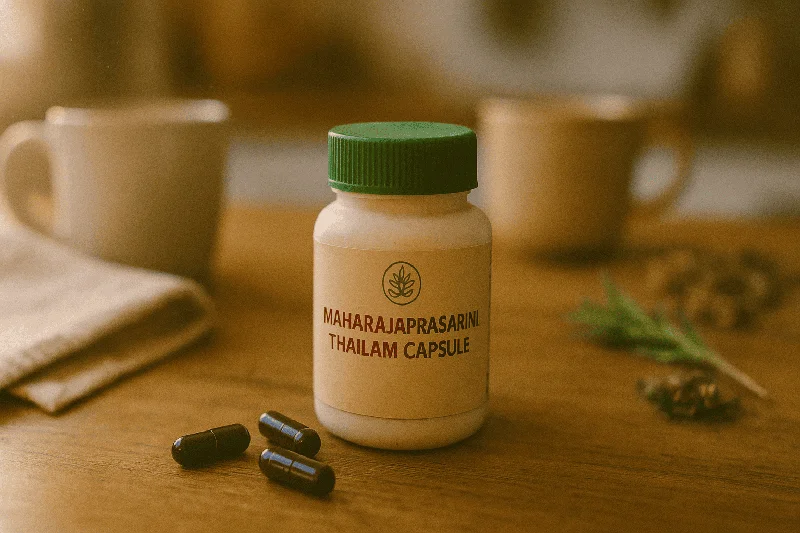
Maharajaprasarini Thailam Capsule is a classical Ayurvedic formulation that encapsulates the time-tested Maharajaprasarini Thailam oil inside a convenient soft gel. It is primarily used to manage joint pain, neurological disorders, muscular stiffness, and Vata-related imbalances. If you're dealing with conditions like cervical spondylosis, sciatica, arthritis, or even post-stroke paralysis — this capsule is one of the most respected formulations in the Ayurvedic pharmacopoeia for exactly those problems.
- But here's what most articles won't tell you: not all Maharajaprasarini Thailam Capsules on the market are the same. Different manufacturers use slightly different processing methods, ingredient counts, and potencies.
- In this guide, we go far beyond the basics — covering the pharmacology of key herbs, clinical evidence, drug interactions, realistic timelines for results, and a direct comparison of popular brands. Everything you need to make an informed decision.
What Is Maharajaprasarini Thailam Capsule?
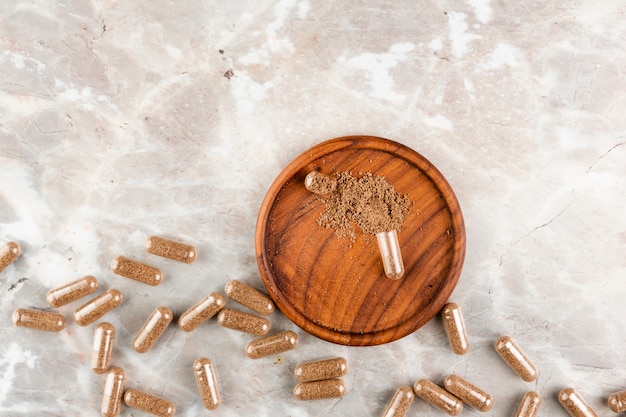
Maharajaprasarini Thailam Capsule is essentially the traditional Maharajaprasarini Thailam oil — a complex polyherbal medicated oil — sealed inside a soft gelatin or vegetarian capsule for internal consumption. The original oil formulation contains over 50 ingredients processed through a meticulous Ayurvedic oil-cooking (Taila Paka) method, where herbs are decocted in a sesame oil (Tila Taila) base along with milk and herbal pastes.
The capsule form was developed to solve a practical problem: Maharajaprasarini Thailam oil has a strong taste and oily texture that many patients find difficult to consume orally. Capsules deliver the same therapeutic oil directly to the digestive system without the taste barrier, making compliance significantly easier.
Capsule vs Traditional Oil Format — Key Differences
This is something most resources completely overlook, even though it's probably the first question on your mind.
| Feature | Traditional Oil (Thailam) | Soft Gel Capsule |
|---|---|---|
| Route of use | Internal (oral) + External (massage, Nasya, foot application) | Internal (oral) only |
| Taste | Strong, oily, herbal | No taste (encapsulated) |
| Dosage precision | Measured by teaspoon — can vary | Pre-measured per capsule (typically 300–600 mg) |
| Portability | Requires bottle, may leak | Easy to carry, travel-friendly |
| Panchakarma use | Yes (Abhyanga, Basti, Nasya) | No — capsules are for oral use only |
| Shelf life | 3–5 years (varies by manufacturer) | Typically 2–3 years |
| Bioavailability | Absorbed partly through mucosa if held in mouth | Standard GI absorption |
Key takeaway: If you need the oil for external therapies like massage, Nasya (nasal administration), or Panchakarma treatments — you still need the oil form. The capsule is strictly an oral-consumption alternative. For most people managing joint or neurological conditions at home, the capsule is the more practical choice.
Historical Background: Sahasrayogam & Classical Roots
The formulation traces its origins to the classical Ayurvedic text Sahasrayogam (literally "thousand formulations"), a compilation from the Kerala Ayurvedic tradition. Some references also connect it to Bhaishajya Ratnavali, another authoritative pharmaceutical text.
The prefix "Maharaja" (meaning "great king") suggests this was considered a superior or "royal" version of the simpler Prasarini Thailam. Historical records indicate such complex oil formulations were prepared under royal patronage in Kerala, where the Ashtavaidya families (eight families of traditional physicians) preserved and refined these recipes over centuries.
The traditional preparation method involves:
- Preparing individual decoctions (Kashaya) of the herbs
- Making herbal pastes (Kalka) of specific ingredients
- Slowly cooking the sesame oil base with the decoctions, pastes, and cow's milk
- Processing over controlled heat for hours until all moisture evaporates and the oil absorbs the herbal compounds
Modern manufacturers like AVP (Arya Vaidya Pharmacy), Kottakkal Arya Vaidya Sala, and Sitaram Ayurveda follow these traditional methods before encapsulating the finished oil.
Key Ingredients and Their Roles
Maharajaprasarini Thailam contains an extensive list of herbs — often 50 or more. Understanding the key active ingredients helps you appreciate why this formulation works the way it does.
Prasarini (Merremia tridentata) — The Star Herb
Prasarini is the foundational herb of this formulation, and surprisingly, almost no competitor article explains why it's so important.
Merremia tridentata is a creeping plant from the Convolvulaceae family, widely found across tropical India. In Ayurveda, it is classified as a potent Vata-Shamaka (Vata-pacifying) herb with Ushna Virya (hot potency).
Pharmacological profile: Modern research has identified several bioactive compounds in Prasarini, including flavonoids, alkaloids, and triterpenoids. A 2016 study published in the Journal of Ethnopharmacology demonstrated significant anti-inflammatory and analgesic activity of Merremia tridentata extracts in animal models, supporting its traditional use for pain and stiffness. The plant also shows antioxidant properties that may contribute to neuroprotection.
Its primary role in this formulation is to promote nerve and muscle function, reduce pain from Vata aggravation, and improve mobility in stiff joints.
Bala (Sida cordifolia)
Bala literally means "strength" in Sanskrit — and that's exactly what this herb provides. It is a renowned Rasayana (rejuvenative) for the muscular and nervous systems. Bala contains ephedrine alkaloids and phytosterols that contribute to its muscle-strengthening and anti-inflammatory effects. Research published in Phytotherapy Research (2011) confirmed its analgesic and anti-inflammatory properties. In this formulation, Bala works synergistically with Prasarini to support muscular tone and neurological function.
Rasna (Alpinia calcarata / Pluchea lanceolata)
Rasna is one of the most important anti-rheumatic herbs in Ayurveda. It is specifically indicated for Amavata (rheumatoid conditions) and Vataja disorders. The herb demonstrates anti-inflammatory action partly through inhibition of COX-2 enzymes, as suggested by in vitro studies. Its inclusion helps address inflammatory joint conditions.
Ashwagandha (Withania somnifera)
Perhaps the most globally recognized Ayurvedic herb. Ashwagandha is an adaptogen with clinically validated anti-inflammatory, neuroprotective, and anxiolytic properties. A 2015 systematic review in the Journal of Alternative and Complementary Medicine found it significantly reduced joint pain and improved mobility in osteoarthritis patients. In this formulation, it contributes to nerve repair, stress reduction, and overall rejuvenation.
Eranda (Ricinus communis)
Castor plant. In Ayurveda, Eranda is considered one of the best single herbs for Vata disorders. The ricinoleic acid in castor oil has proven anti-inflammatory and analgesic effects. Eranda supports joint lubrication and helps reduce stiffness, particularly in conditions like lumbar spondylosis and sciatica.
Dashamoola & Other Supporting Herbs
Dashamoola ("ten roots") is a classical group of ten herbs divided into Brihat Panchamoola (five tree roots) and Laghu Panchamoola (five smaller plant roots). This group provides broad-spectrum anti-inflammatory and analgesic action.
Other supporting ingredients include:
- Gokshura (Tribulus terrestris) — Supports urinary and musculoskeletal health
- Ketaki (Pandanus odoratissimus) — Anti-inflammatory, supports Vata balance
- Lodhra (Symplocos racemosa) — Astringent and anti-inflammatory
- Patala (Stereospermum suaveolens) — Part of Dashamoola, reduces inflammation
- Brihati (Solanum indicum) — Expectorant and Vata-pacifying
- Twak (Cinnamomum zeylanicum) — Improves circulation, bioenhancer
Full Ingredients List (Table)
| Category | Key Herbs |
|---|---|
| Primary herb | Prasarini (Merremia tridentata) |
| Nervine tonics | Ashwagandha, Bala, Shatavari |
| Anti-inflammatories | Rasna, Devadaru, Eranda, Shunthi |
| Dashamoola group | Bilva, Agnimantha, Shyonaka, Patala, Gambhari, Brihati, Kantakari, Gokshura, Shalaparni, Prishnaparni |
| Aromatic / circulation herbs | Twak, Ela, Nagakesara, Jatamamsi |
| Base | Tila Taila (sesame oil), Ksheera (cow's milk) |
| Other supporting herbs | Lodhra, Ketaki, Manjishta, Sariva, Punarnava + others (varies by manufacturer) |
> Note: The exact number and proportion of ingredients can vary slightly between brands. The Kottakkal formulation, for example, closely follows the Sahasrayogam text, while some manufacturers add or emphasize certain herbs.
Maharajaprasarini Thailam Capsule Benefits & Uses
Joint Pain, Stiffness & Arthritis
This is the most common reason people reach for this capsule.
The formulation addresses multiple types of joint problems:
- Osteoarthritis (Sandhivata): Reduces cartilage-related pain and improves joint mobility. The combination of Rasna, Eranda, and Dashamoola provides both pain relief and anti-inflammatory action.
- Rheumatoid Arthritis (Amavata): Helps manage autoimmune-driven joint inflammation. The Ushna Virya herbs counter the cold, heavy qualities of Ama (toxins) that trigger RA.
- General stiffness: Particularly morning stiffness in elderly patients. The oil-based capsule lubricates joints from within.
Frozen Shoulder & Sports Injuries
Sitaram Ayurveda and AVP both highlight the capsule's effectiveness for shoulder dysfunction, including adhesive capsulitis (frozen shoulder). Athletes dealing with repetitive strain injuries, ligament sprains, or post-training soreness may benefit from its anti-inflammatory and tissue-repair properties. The capsule works especially well when combined with external application of the oil.
Neurological Conditions: Neuralgia, Paralysis & Sciatica
The neurological benefits of Maharajaprasarini Thailam Capsule are arguably where this formulation truly shines.
Its deep Vata-pacifying action makes it relevant for:
- - Sciatica (Gridhrasi): Compression or irritation of the sciatic nerve causes radiating pain.
- The capsule's nerve-nourishing herbs — Ashwagandha, Bala, Prasarini — help reduce nerve inflammation and promote repair.
- Facial palsy (Ardita): Traditional Ayurvedic practitioners commonly prescribe this for Bell's palsy and other facial nerve conditions.
- Hemiplegia / Post-stroke paralysis (Pakshaghata): Used as part of a comprehensive rehabilitation protocol. It supports nerve regeneration and muscle tone recovery.
- Peripheral neuropathy: Numbness, tingling, and weakness in extremities caused by nerve damage.
Cervical Spondylosis & Neck Pain
Cervical spondylosis — degenerative changes in the cervical spine — is incredibly common among desk workers and people over 40. Maharajaprasarini Thailam Capsule helps by reducing inflammation around cervical vertebrae, nourishing the nerves exiting the spinal column, and relaxing the muscles of the neck and upper back. Many Ayurvedic hospitals in Kerala use this formulation (both capsule and oil) as a standard part of cervical spondylosis management protocols.
Muscular Dystrophy & Muscle Weakness
The Bala-Ashwagandha combination provides anabolic and myoprotective support. While not a cure for genetic muscular dystrophies, the capsule may slow degeneration and improve quality of life by supporting muscle tone and reducing associated pain.
Women's Health: Infertility & Post-Natal Care
A less commonly discussed use — Sitaram Ayurveda mentions the capsule's role in female infertility, particularly when Vata imbalance affects reproductive organ function. The oil form is also traditionally used for post-natal massage to help new mothers recover from delivery-related muscular and joint stress. The capsule's internal action complements this by reducing Vata from within.
Skin Health, Scar Healing & Sleep
Some practitioners report benefits for skin conditions driven by Vata imbalance — dry, rough, cracked skin, and slow-healing scars. The nourishing oil base and herbs like Manjishta support skin recovery. Additionally, the Vata-pacifying and nervine properties of herbs like Ashwagandha and Jatamamsi can improve sleep quality, particularly in patients whose insomnia stems from pain or nervous system agitation.
How to Use Maharajaprasarini Thailam Capsule — Dosage & Administration
Standard Dosage
| Patient Group | Dosage | Frequency | Timing |
|---|---|---|---|
| Adults (general) | 1–2 capsules | Twice daily | After meals |
| Mild conditions | 1 capsule | Once or twice daily | After meals |
| Severe / chronic cases | 2 capsules | Twice daily | After meals, or as directed by physician |
| Elderly (60+) | Start with 1 capsule | Once daily, increase gradually | After main meal |
| Children | Generally not recommended without physician guidance | — | — |
Adjuvant: Take with warm water or warm milk. Warm milk enhances the absorption of fat-soluble compounds in the oil.
How Long Until You See Results?
This is the question nobody seems to answer — and it's probably the most important one for patients.
Based on clinical practice patterns reported by Ayurvedic practitioners:
- Acute joint pain / stiffness: Noticeable relief often within 1–2 weeks
- Chronic arthritis / spondylosis: Meaningful improvement typically by 4–6 weeks, with continued gains over 2–3 months
- Neurological conditions (sciatica, paralysis): These take longer — expect 6–12 weeks minimum for observable changes, with ongoing treatment for several months
- General Vata balancing / rejuvenation: Benefits accumulate gradually over 4–8 weeks
Important: These are approximate timelines. Individual responses vary based on disease severity, constitution (Prakriti), diet, and concurrent treatments.
Duration of Course
- A typical course runs 3 to 6 months, depending on the condition. Chronic neurological conditions may require longer courses with periodic breaks as advised by the prescribing physician.
- Don't stop abruptly once you feel better — discuss tapering with your doctor.
Maharajaprasarini Thailam Capsule Side Effects & Contraindications
Known Side Effects
Maharajaprasarini Thailam Capsule is generally considered safe when taken in recommended doses.
However, some reported side effects include:
- Mild gastrointestinal discomfort: Some patients experience loose stools or mild stomach upset, especially when taken on an empty stomach. This is due to the oil base.
- Allergic reactions: Rare, but possible if you are sensitive to any of the 50+ herbal ingredients. Watch for skin rash, itching, or swelling.
- Heaviness or nausea: More common when the dosage is too high or when taken without food.
Contraindications
- Pregnancy: Not recommended unless specifically prescribed by an Ayurvedic physician. Several herbs in the formulation have Ushna Virya (heating potency) which may not be suitable.
- Lactation: Use with caution — consult your doctor.
- Severe liver or kidney disease: The complex herbal composition demands healthy metabolic processing.
- Kapha-dominant conditions with Ama: If there is significant Ama (toxin accumulation) with heavy Kapha symptoms, this oil-based formulation may aggravate the condition initially.
Drug Interactions — What Nobody Tells You
This is a critical gap in existing literature. While no formal drug interaction studies exist specifically for Maharajaprasarini Thailam Capsule, practitioners should be aware of theoretical interactions:
- NSAIDs (Ibuprofen, Diclofenac): The capsule has its own anti-inflammatory action. Combining both may increase the risk of GI side effects. If you're taking NSAIDs, inform your Ayurvedic doctor.
- Anticoagulants / Blood thinners (Warfarin, Aspirin): Some ingredients like sesame oil and certain herbs may have mild blood-thinning properties. Monitor INR if on Warfarin.
- Muscle relaxants: Additive sedation is theoretically possible given the Vata-pacifying (calming) herbs in the formulation.
- Anti-diabetic medications: Ashwagandha and some other herbs may lower blood sugar. If you're on Metformin or insulin, monitor glucose levels closely.
- Immunosuppressants: Ashwagandha has immunomodulatory properties. Discuss with your doctor if you're on immunosuppressive therapy.
> Bottom line: Always disclose all medications — Ayurvedic and allopathic — to both your doctors. This isn't optional, it's essential.
Don't wait or self medicate. Start chat with Doctor NOW
How Maharajaprasarini Thailam Capsule Balances Vata Dosha
Understanding the mechanism through the Ayurvedic lens is important for appreciating why this formulation works across such a wide range of seemingly unrelated conditions.
Vata dosha — the biological force governing all movement in the body — controls nerve impulses, muscle contractions, joint mobility, circulation, and even mental activity.
When Vata becomes aggravated (Vata Prakopa), it manifests as:
- Pain (especially shifting, variable pain)
- Stiffness and cracking in joints
- Nerve dysfunction (numbness, tingling, paralysis)
- Muscle wasting and weakness
- Anxiety, insomnia, restlessness
Maharajaprasarini Thailam Capsule counters Vata aggravation through multiple mechanisms:
- Snigdha (unctuous) quality of the sesame oil base directly opposes Vata's dry, rough nature
- Ushna Virya (hot potency) herbs counteract Vata's cold quality
- Guru (heavy) quality of the oil and certain herbs provides grounding against Vata's light, mobile nature
- Specific Vatahara herbs like Prasarini, Bala, and Eranda have direct affinity for the nervous and musculoskeletal systems
This is why the same capsule helps with joint arthritis, sciatic nerve pain, facial paralysis, and even insomnia — they all share Vata aggravation as the underlying pathology.
Maharajaprasarini Thailam Capsule: Brand Comparison
No competitor provides this — so here's a practical comparison to help you choose.
| Feature | Kottakkal (AVS) | AVP (Arya Vaidya Pharmacy) | Sitaram Ayurveda |
|---|---|---|---|
| Capsule type | Soft gel | Soft gel | Soft gel |
| Per capsule | ~300 mg oil | ~500 mg oil | ~600 mg oil |
| Pack sizes | 10, 100 capsules | 100 capsules | 100 capsules |
| Avartana (processing cycles) | Standard | Standard | 21 Avartita (21 cycles — more potent) |
| Price range (approx.) | ₹150–₹800 (varies by pack) | ₹350–₹450 (100 caps) | ₹400–₹500 (100 caps) |
| Availability | Wide — online + offline | Primarily online + AVP stores | Online + select stores |
| Follows | Sahasrayogam text | Sahasrayogam text | Sahasrayogam text |
What is 21 Avartita? This means the oil undergoes 21 cycles of processing (repeated cooking with fresh herbs), making it significantly more concentrated and potent. Sitaram and Sahasrayogam brand offer this variant. It is typically recommended for more severe or chronic conditions.
Maharajaprasarini Thailam Capsule vs Other Ayurvedic Oil Capsules
Another comparison nobody makes — but you need it.
| Formulation | Primary Focus | Best For | Vata Action |
|---|---|---|---|
| Maharajaprasarini Thailam Capsule | Nerves + Joints + Muscles | Neurological disorders, arthritis, paralysis | Strong Vatahara |
| Dhanwantharam Thailam Capsule | Joints + Reproductive | Rheumatic conditions, post-partum care | Moderate Vatahara |
| Ksheerabala Capsule (101) | Nerves + General Vata | Neuralgia, insomnia, general Vata balance | Strong Vatahara (milder formula) |
| Sahacharadi Thailam Capsule | Lower limbs | Sciatica, lower back pain, varicose veins | Moderate Vatahara |
When to choose Maharajaprasarini Thailam Capsule over others: When the condition involves significant neurological component (numbness, paralysis, nerve pain) alongside joint or muscle symptoms. It has the broadest spectrum of neuro-musculoskeletal action among these options.
Diet & Lifestyle Recommendations During the Course (Pathya-Apathya)
No Ayurvedic treatment works optimally without supporting diet and lifestyle. This is a fundamental principle called Pathya-Apathya that every competitor article ignores.
Pathya (Favorable)
- Warm, freshly cooked food — soups, stews, cooked vegetables, rice with ghee
- Healthy fats — ghee, sesame oil, almond oil in cooking
- Warm milk (especially at bedtime with a pinch of turmeric or nutmeg)
- Ginger tea and warming spices (cumin, black pepper, cinnamon)
- Regular oil massage (Abhyanga) with sesame oil or the Maharajaprasarini Thailam oil itself
- Gentle yoga — Pawanmuktasana series, gentle stretching, Shavasana
- Consistent sleep schedule — bed by 10 PM
Apathya (Unfavorable)
- Cold foods and drinks — ice cream, cold water, raw salads in excess
- Dry, light foods — crackers, popcorn, dry cereals without fat
- Excessive travel or physical exertion — aggravates Vata
- Skipping meals or irregular eating times
- Late nights and excessive screen time
- Suppressing natural urges (sneezing, urination, etc.) — this is a classical Ayurvedic principle
Storage and Shelf Life
| Parameter | Guideline |
|---|---|
| Storage temperature | Below 30°C, away from direct sunlight |
| Humidity | Keep in dry place; moisture can damage soft gel capsules |
| After opening | Use within 6 months; reseal container tightly |
| Shelf life (sealed) | Typically 2–3 years from manufacture date (check label) |
| Refrigeration | Not required, but acceptable in hot climates |
Frequently Asked Questions (FAQ)
What is Maharajaprasarini Tailam softgel capsules used for?
Maharajaprasarini Thailam softgel capsules are used primarily for joint pain, arthritis, neurological disorders (sciatica, neuralgia, paralysis), cervical spondylosis, muscular stiffness, and general Vata imbalance. They are also used supportively for frozen shoulder, sports injuries, muscular dystrophy, and certain cases of female infertility.
What are the side effects of Maharajaprasarini Thailam Capsule?
Side effects are generally mild and uncommon. They may include gastrointestinal discomfort (loose stools, nausea), especially if taken on an empty stomach. Allergic reactions to specific herbal ingredients are rare but possible. Avoid during pregnancy unless prescribed by a qualified Ayurvedic physician.
What is Prasarini Tailam used for?
Prasarini Tailam (the simpler version without the "Maharaja" prefix) is used for similar conditions but is considered less potent. It is primarily applied externally for joint pain, muscular stiffness, and mild neurological complaints. Maharajaprasarini Thailam is the enhanced, multi-herb version with broader and stronger action.
Can I take this capsule along with allopathic painkillers?
You can, but with caution. If you're currently taking NSAIDs, muscle relaxants, or blood thinners, inform both your Ayurvedic and allopathic doctors. There may be additive effects that require dose adjustments.
What is Maharaja Prasarini Tailam 21 Avartita?
21 Avartita means the oil has been processed through 21 repeated cycles of cooking with fresh herbal decoctions and pastes. Each cycle increases the concentration and potency of the oil. The 21 Avartita version (600 mg capsules from brands like Sitaram) is considered more powerful and is usually preferred for severe or long-standing conditions.
Is this capsule safe for long-term use?
Under medical supervision, courses of 3–6 months are common. Some chronic conditions may require longer usage with periodic breaks. There are no reports of serious long-term toxicity, but any extended Ayurvedic treatment should involve periodic check-ins with your practitioner.
Can this capsule replace external oil application?
- Not entirely.
- The capsule works internally — nourishing nerves, joints, and muscles from within. External oil application (massage) works locally on muscles, skin, and peripheral nerves. For best results, many practitioners recommend using both forms together.
Final Thoughts: Is Maharajaprasarini Thailam Capsule Right for You?
- Maharajaprasarini Thailam Capsule is one of the most comprehensive Vata-balancing formulations in the Ayurvedic tradition.
- Its strength lies in its broad neuro-musculoskeletal action — it doesn't just mask pain, it addresses the root cause through deep tissue nourishment and dosha correction.
- That said, it's not a magic pill.
- It works best as part of a holistic approach — proper diet, lifestyle modifications, and ideally under the guidance of a qualified Ayurvedic practitioner who can tailor the dosage and duration to your specific condition.
If you're considering this capsule, consult with a certified Ayurvedic doctor who can assess your Prakriti, evaluate the severity of your condition, and determine whether Maharajaprasarini Thailam Capsule — or perhaps the oil form or the 21 Avartita variant — is the best fit for you. This article is for informational purposes only and does not replace professional medical advice. Always consult a qualified healthcare practitioner before starting any new supplement or medication.
Scientific Sources
- Ayurvedic and Chinese Herbs against Coronaviruses — Gasmi A et al., 2024, Current pharmaceutical design
- A Review on Natural Products and Herbs Used in the Management of Diabetes — Patle D et al., 2021, Current diabetes reviews
- Strategies and techniques for multi-component drug design from medicinal herbs and traditional Chinese medicine — Wang Y et al., 2012, Current topics in medicinal chemistry
- Exploring the Role of Mentha in Gut Microbiota: A Modern Perspective of an Ancient Herb — Arora S et al., 2023, Recent advances in food, nutrition & agriculture
- Ayurveda and yoga in cardiovascular diseases — Mamtani R et al., 2005, Cardiology in review
- From kitchen to clinic: Pharmacotherapeutic potential of common spices in Indian cooking in age-related neurological disorders — Norouzkhani N et al., 2022, Frontiers in pharmacology
- Integrative oncology in Indian subcontinent: an overview — Ramamoorthy A et al., 2015, Journal of clinical and diagnostic research : JCDR
- Adaptogenic properties of six rasayana herbs used in Ayurvedic medicine — Rege NN et al., 1999, Phytotherapy research : PTR
- The Role of Medicinal Plants in the Diabetic Wound Healing Process — Chaudhary R, 2023, Current diabetes reviews
- Shatavari (Asparagus racemosus Willd) root extract for postpartum lactation: A randomised, double-blind, placebo-controlled study — Ajgaonkar A et al., 2025, Journal of obstetrics and gynaecology : the journal of the Institute of Obstetrics and Gynaecology
- Prameha in Ayurveda: correlation with obesity, metabolic syndrome, and diabetes mellitus.Part 2--management of Prameha — Sharma H et al., 2011, Journal of alternative and complementary medicine (New York, N.Y.)
- Essential concepts and vocabulary in herbal medicine — Tillotson AK, 2008, Journal of dietary supplements
- Giardiasis: pathophysiology and management — Hawrelak J, 2003, Alternative medicine review : a journal of clinical therapeutic
- Efficacy of herbaceous Apiaceae plants in primary dysmenorrhea: A systematic review and meta-analysis of RCTs — Thaliyil Poduval A et al., 2026, Annales pharmaceutiques francaises
- Traditional Formulations for Managing COVID-19: A Systematic Review — Bhandari RB et al., 2024, Journal of integrative and complementary medicine
- Ayurvedic Herbal Therapies: A Review of Treatment and Management of Dementia — Srivastava V et al., 2022, Current Alzheimer research
- Pharmacologic overview of Withania somnifera, the Indian Ginseng — Dar NJ et al., 2015, Cellular and molecular life sciences : CMLS
- An In-vitro evaluation of a polyherbal formulation, against SARS-Cov-2 — Kanchibhotla D et al., 2022, Journal of Ayurveda and integrative medicine
- Molecular targets and therapeutic potential of baicalein: a review — Munjal K et al., 2024, Drug target insights
- Mechanistic role and potential of Ayurvedic herbs as anti-aging therapies — Raina K et al., 2023, Drug metabolism and personalized therapy
Questions from users
What joint conditions can Maharajaprasarini Thailam Capsule help alleviate?
Julian
4 days ago
Maharajaprasarini Thailam Capsules are primarily used to alleviate symptoms of joint pain, stiffness, and arthritis, particularly osteoarthritis. The herbal formulation in these capsules aims to reduce cartilage-related pain and improve joint mobility. While some patients may notice improvement in symptoms within a few weeks, the full benefits may take longer depending on individual health conditions and the severity of joint issues. If pain persists or worsens, it's essential to consult a healthcare professional to explore additional treatment options.
What is Prasarini and how does it work for pain relief?
Phillip
14 days ago
Prasarini, found in Merremia tridentata, is used for pain relief due to its anti-inflammatory and analgesic properties. It helps reduce pain and stiffness by working with your body’s natural processes. Make sure your prakriti and doshas are balanced as this can help optimize Prasarini's benefits!
Can I use Maharajaprasarini Thailam Capsule for managing daily stress and anxiety effectively?
Daniel
27 days ago
Yes, Maharajaprasarini Thailam Capsule can help with managing daily stress and anxiety due to its supportive effects on the nervous system. It is especially good if stress is affecting your cognitive functions like memory and concentration. Just make sure it fits your prakriti and doesn't conflict with any other health considerations. Stay chill!
Is it safe to take Maharajaprasarini Thailam Capsule for anxiety alongside other natural remedies?
Lily
36 days ago
Yep, it can be safe, but it's always a good idea to be cautious and check with an Ayurvedic practitioner or doctor first. Some natural remedies might interact with each another. The capsules are great for calming and balancing, but make sure they're aligning with your unique body's needs and any other remedies you're taking!
What is the role of herbal composition in promoting mental clarity with Maharajaprasarini Thailam?
Oakley
45 days ago
The herbal composition of Maharajaprasarini Thailam supports mental clarity by protecting neuron cells and helping the nervous system communicate better. This helps boost memory, concentration, and brain function overall, giving you a sharper mind. So basically, the herbs work together to balance and support these brain functions naturally!
What is the best time of day to take Maharajaprasarini Thailam Capsule for cognitive benefits?
Kiley
55 days ago
Taking Maharajaprasarini Thailam Capsule in the morning might be beneficial, as it can set a calming tone for the day and support cognitive focus. But listen to your body; if evening works better for you because it helps with relaxation, that's also fine. And always find out what's best for your personal dosha balance!
How does Ayurveda approach the treatment of stress-related neurological issues?
Shelby
64 days ago
Ayurveda treats stress-related neurological issues by focusing on balancing the body's doshas, especially Vata, which when imbalanced, could lead to anxiety and stress. It's key to strengthen your Agni (digestive fire) and use calming herbs like Ashwagandha and Brahmi. Lifestyle changes, like regular yoga and meditation, also help a ton in reducing stress and promoting balance. It's all about holistic healing, focusing on mind-body harmony!
What is the recommended dosage for Maharajaprasarini Thailam Capsule for optimal cognitive support?
Lillian
74 days ago
The dosage for Maharajaprasarini Thailam Capsule can really depend on individual factors like body constitution, age, and existing health conditions. It's usually best to consult an Ayurvedic doctor to get a personalized dose. Generally, the recommended dosage is 1-2 capsules after meals, but it's always safe to get expert advice :)
Can I take Maharajaprasarini Thailam Capsule for long-term cognitive support?
Virginia
83 days ago
Maharajaprasarini Thailam Capsule might be useful for cognitive support, but I wouldn't suggest long-term use without chatting to an Ayurvedic practitioner. Our bodies are so unique, and a practitioner can help balance your doshas & agni for better results. Plus, be mindful of any digestive issues, they can sometimes pop up with this capsule!
Can I take Maharajaprasarini Thailam Capsule for better emotional stability?
Millie
93 days ago
Yes, Maharajaprasarini Thailam Capsule might help with emotional stability as it works on balancing neurotransmitter activity. But, since emotions can be complex, it’s always a good idea to look at your overall lifestyle, diet, and dosha balance too! Don't forget to consult with an Ayurvedic practitioner for personalized advice.
Related articles

Skin and Hair Disorders
Which Is Better: Coconut Oil or Mustard Oil for Hair?
Discover which is better: coconut oil or mustard oil for hair. Learn their unique benefits, differences, and if mixing both oils is good for growth and shine
22,480

Skin and Hair Disorders
Ayurvedic Medicine for Premature Grey Hair: What You Really Need to Know
Now, maybe you’ve spotted those first silvery threads in your twenties. Or maybe they arrived in your thirties, and now they’ve multiplied like they own the place. Either way, you’re not alone. Studies suggest that premature greying affects nearly 15–30%
5,346

Skin and Hair Disorders
Ayurvedic Hair Growth Tips and Remedies for Hair Fall
Hair loss – a phrase dreaded by many, it can shake our confidence and leave us scrambling for solutions.
6,511

Skin and Hair Disorders
Which Juice Is Best for Skin: Ayurvedic Guide to Glowing and Whitening
Exploration of Ultimate Guide to Juices for Glowing Skin: Ayurvedic Tips and Recipes
16,596

Skin and Hair Disorders
SLE Treatment in Ayurveda – A Holistic Approach to Lupus Management
Discover Ayurvedic strategies for SLE treatment, focusing on natural herbal remedies, detoxification, dosha balancing, and lifestyle adjustments to manage Lupus holistically.
3,259

Skin and Hair Disorders
How to Remove Facial Hair Permanently in Ayurveda
Explore Ayurvedic methods for permanent facial hair removal. Learn evidence-based tips, real research findings, and practical steps for smoother skin.
7,669

Skin and Hair Disorders
How to Use Chirata for Skin: Ayurvedic Remedies and Benefits
Exploration of Chirata: The Ayurvedic Herb for Clearer and Brighter Skin
4,128

Skin and Hair Disorders
Does Salt Make Hair White? Ayurvedic Perspective and Hair Care Tips
Does salt make hair white or damage it? Learn the side effects, benefits of salt for hair, sea salt uses, and Ayurvedic tips for healthy hair
11,324

Skin and Hair Disorders
How to Remove Facial Hair Permanently – Ayurveda
Let’s talk about something that’s not exactly a dinner-table conversation, but definitely something most of us have obsessed over in front of a mirror at some point: facial hair. And not just removing it for a few days — we’re talking about permanent remo
6,298

Skin and Hair Disorders
Gandhaka Rasayana: Scientific Insights & Health Applications
Explore Gandhaka Rasayana, an Ayurvedic sulfur-based remedy. Learn its science, research backing, potential benefits, and safety considerations.
2,676
Related consultations on the topic
Legal
Additional Documents
© 2024 Ask Ayurveda. All rights reserved.