Ask Ayurvedic doctor a question and get a consultation online on the problem of your concern in a free or paid mode. More than 2,000 experienced doctors work and wait for your questions on our site and help users to solve their health problems every day.
FREE! Ask Ayurvedic Doctors 24/7

 Fast responses
 1000+ verified doctors
Body DetoxEar, Nose, and Throat DisordersGeriatrics & RejuvenationImmunodeficiencyInfertility TreatmentNutritionOrthopedic DisordersPediatricsRespiratory DisordersSexually Transmitted Diseases (STDs)Surgery RecoveryUrological DisordersVascular DisordersDental DisordersEndocrinological DisordersGastrointestinal DisordersYoga TherapyGeneral MedicineAllergic DisordersCardio DisordersGynecology and ObstetricsCosmetologySkin and Hair DisordersEye DisordersInfectious DiseasesMental DisordersNeurological DisordersOncologyPanchakarmaSexual Health & DisordersSports Medicine
Published on 01/21/25
(Updated on 06/18/26)
2,803
Kapardika Bhasma: Seashell-Based Ayurvedic Remedy for Digestive Health
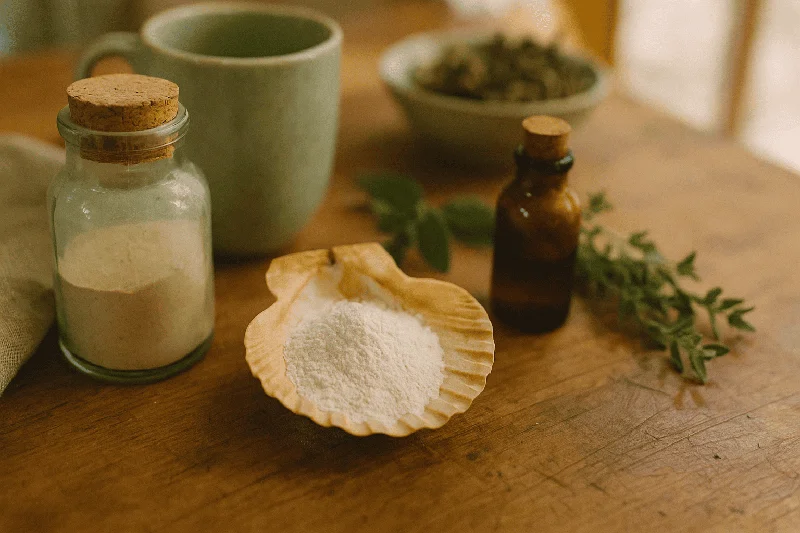
Kapardika Bhasma is a classical Ayurvedic calcined preparation made from cowrie shells (Cypraea moneta), primarily used to treat digestive disorders such as hyperacidity, peptic ulcers, abdominal pain, and flatulence. Also known as Varatika Bhasma, this calcium-rich mineral formulation works by neutralizing excess stomach acid, strengthening digestive fire (Agni), and balancing the Kapha and Pitta doshas. It has been referenced in foundational Ayurvedic texts like Rasa Tarangini, Rasa Ratna Samucchaya, and Ayurveda Prakasha, and remains one of the most widely prescribed Bhasmas in modern Ayurvedic clinical practice.
This comprehensive guide covers everything you need to know — from its chemical composition and preparation method to modern safety data, clinical evidence, and practical dosage recommendations.
What Is Kapardika Bhasma?
Origin and Source: Cypraea Moneta (Cowrie Shell)
Kapardika Bhasma is derived from the shells of Cypraea moneta, a small marine gastropod mollusk commonly known as the money cowrie. These shells have been part of Indian civilization for thousands of years — not just in medicine, but in trade, rituals, and cultural symbolism. In ancient India, cowrie shells served as currency, and their association with Lakshmi (the goddess of wealth) gave them spiritual significance alongside their therapeutic value.
The raw cowrie shell is composed predominantly of calcium carbonate (CaCO₃) in the aragonite crystalline form. Through the process of calcination (Marana), this aragonite is converted into calcite and calcium oxide (CaO), which is the therapeutically active component of the final Bhasma.
Historical Background & Classical References
References to Kapardika (also spelled Kapardaka) appear across several classical Rasa Shastra texts:
- Rasa Tarangini (by Sadananda Sharma) — describes detailed purification and calcination procedures
- Rasa Ratna Samucchaya (by Vagbhata) — classifies Varatika among Sudha Varga (calcium-containing substances)
- Ayurveda Prakasha (by Madhava) — lists therapeutic indications and formulations
- Charaka Samhita and Sushruta Samhita mention cowrie-based preparations in the context of treating Amlapitta (hyperacidity) and Grahani (malabsorption disorders)
The historical use of cowrie shells in Ayurveda spans well over 1,000 years, making Kapardika Bhasma one of the time-tested marine-origin remedies in the Indian medical tradition.
Sanskrit Synonyms & Vernacular Names
| Language | Name(s) |
|---|---|
| Sanskrit | Kapardika, Varatika, Kaparda |
| Hindi | Kauri Bhasma, Kapardak Bhasma |
| Kannada | Kavade Bhasma |
| Malayalam | Kavadi Bhasma |
| Gujarati | Kavdi Bhasma |
| Tamil | Panam Bhasma |
| English | Cowrie Shell Calx / Cowrie Ash |
Chemical Composition & Modern Analysis
One of the biggest gaps in existing literature is the lack of detailed chemical and analytical data on Kapardika Bhasma. Here's what modern instrumental analysis has revealed.
Mineral Composition (CaCO₃, CaO, Trace Elements)
Raw cowrie shell contains approximately 95–98% calcium carbonate (primarily as aragonite), along with trace amounts of magnesium, iron, zinc, strontium, and organic matrix proteins. After proper Shodana (purification) and Marana (calcination), the composition shifts significantly:
| Component | Raw Shell | After Marana (Bhasma) |
|---|---|---|
| CaCO₃ (Calcium carbonate) | 95–98% | 40–55% |
| CaO (Calcium oxide) | Trace | 30–45% |
| MgO (Magnesium oxide) | 0.2–0.5% | 0.5–1.2% |
| Fe₂O₃ (Iron oxide) | Trace | 0.1–0.4% |
| SiO₂ (Silica) | Trace | 0.3–0.8% |
| ZnO (Zinc oxide) | Trace | 0.01–0.05% |
| Loss on ignition | — | 30–40% |
The conversion from CaCO₃ to CaO is key to the therapeutic action. Calcium oxide acts as a natural antacid, and the trace minerals contribute to the overall bioactivity of the preparation.
XRD, SEM & Particle Size Data
X-ray diffraction (XRD) studies on properly prepared Kapardika Bhasma show a shift from the aragonite crystal phase (characteristic of raw shell) to a predominantly calcite phase, with partial formation of CaO. This phase transformation confirms that adequate calcination has occurred.
Scanning Electron Microscopy (SEM) reveals that well-prepared Bhasma particles are in the nanometer to low-micrometer range (typically 50–500 nm), which is consistent with the classical quality test of Rekhapurnatva — the ability of the Bhasma to fill the furrows of a fingerprint. This extremely fine particle size is believed to enhance bioavailability and reduce the risk of gastrointestinal irritation.
A 2017 pharmaceutical study published in the Journal of Ayurveda and Integrative Medicine confirmed that traditionally prepared Bhasmas achieve particle sizes comparable to modern nanoparticles, which may explain their rapid absorption and therapeutic efficacy.
Ayurvedic Pharmacology (Rasa Panchaka)
Rasa, Guna, Vipaka, Veerya
Understanding the Ayurvedic pharmacological profile of Kapardika Bhasma is essential for its proper clinical application:
| Parameter | Value |
|---|---|
| Rasa (Taste) | Kashaya (Astringent), Katu (Pungent) |
| Guna (Properties) | Laghu (Light), Ruksha (Dry) |
| Veerya (Potency) | Ushna (Hot) |
| Vipaka (Post-digestive effect) | Katu (Pungent) |
| Prabhava (Special action) | Deepana (appetizer), Pachana (digestive) |
Effect on Tridosha (Vata, Pitta, Kapha)
Kapardika Bhasma is primarily a Kapha-Vata Shamaka — it pacifies both Kapha and Vata doshas. Despite its Ushna Veerya, it is widely used in Pitta-related conditions like hyperacidity. This seeming contradiction is explained by its Prabhava (special pharmacological action), which directly acts on Amla Pitta (acid reflux) through its alkaline, antacid nature.
Its Deepana-Pachana action strengthens Agni (digestive fire) without aggravating Pitta excessively, making it a uniquely balanced digestive remedy.
Types of Varatika (Classification)
Different classical texts classify cowrie shells in slightly different ways. This matters clinically, because the type of shell selected directly affects the quality of the final Bhasma.
According to Rasa Tarangini
Rasa Tarangini describes two primary types:
- 1.Shveta Varatika (White cowrie) — considered superior for medicinal use
- 2.Pita Varatika (Yellow cowrie) — less preferred, considered inferior in quality
According to Rasa Ratna Samucchaya
This text classifies Varatika under Sudha Varga (calcium group) alongside Shankha (conch), Shukti (oyster shell), and Pravala (coral). It emphasizes that the cowrie should be fresh, lustrous, and free from cracks.
According to Ayurveda Prakasha
Ayurveda Prakasha mentions that only certain species of cowrie are suitable for Bhasma preparation and provides criteria for identification based on size, color, and surface texture.
Selection Criteria for Raw Cowrie Shells
Suitable Qualities (Grahya Lakshana)
The ideal cowrie shell for Bhasma preparation should possess:
- Snigdha (smooth, glossy surface)
- Sweta Varna (white or pale coloration)
- Guru (good weight relative to size — indicating density)
- Akshata (unbroken, without cracks or chips)
- Sajeeva (freshly collected, not weathered or fossilized)
Unsuitable Qualities (Tyajya Lakshana)
Shells with the following characteristics should be rejected:
- Discolored, blackened, or heavily stained shells
- Lightweight or hollow-sounding shells (indicating degradation)
- Cracked, broken, or eroded shells
- Shells with foul odor (indicating organic decomposition)
- Excessively old or fossilized specimens
Don't wait or self medicate. Start chat with Doctor NOW
Method of Preparation
Shodana (Purification Process)
Before calcination, raw cowrie shells must undergo Shodana to remove organic matter, surface impurities, and potential toxins.
The classical procedure involves:
- 1.Kanji Shodana: Shells are immersed in Kanji (sour rice gruel) for 3 days, with daily replacement of the liquid
- 2.Kulattha Kwatha Shodana: Shells are then boiled in Kulattha (horse gram) decoction — typically 3 Bhavana (cycles) of 3 hours each
- 3.Nimbuka Amla Shodana: Some texts recommend a final washing with lemon juice (Nimbuka Amla) to remove any residual surface films
After Shodana, the shells appear chalky white and lose their original glossy surface — this confirms successful purification.
Marana (Calcination Process)
The calcination of purified cowrie shells follows a specific protocol:
- 1.Chakrikas formation: The purified shells are ground to a coarse powder, mixed with herbal juices (commonly Aloe vera juice or lemon juice), and formed into flat cakes (chakrikas)
- 2.Sharava Samputa: Chakrikas are placed in an earthen saucer arrangement (samputa) — one saucer on top, one below — and sealed with clay cloth
- 3.Gajaputa: The sealed samputa is subjected to Gajaputa (the highest grade of heat in Rasa Shastra, using approximately 1,000 cow dung cakes). Temperature reaches roughly 900–1,000°C
- 4.Repetition: The process is repeated 7–21 times depending on the text followed. Each cycle is called one Puta.
Most classical references recommend a minimum of 7 Putas for therapeutic-grade Kapardika Bhasma.
Quality Control Tests (Bhasma Pariksha)
Properly prepared Kapardika Bhasma must pass several traditional quality tests:
| Test | Sanskrit Name | Description |
|---|---|---|
| Luster-free | Nishchandratva | Bhasma should have no metallic shine when examined in sunlight |
| Floats on water | Varitaratva | A pinch of Bhasma placed on still water should float, not sink |
| Finger-line fill | Rekhapurnatva | Bhasma rubbed between thumb and finger should fill the fingerprint lines |
| Non-revertible | Apunarbhavatva | Bhasma should not revert to its original metallic/shell form when heated with reducing agents |
| Tasteless/neutral | Niswadu | Should not have a strong unpleasant taste |
If any of these tests fail, additional Puta cycles are required. This is a critical safety and efficacy checkpoint.
Kapardika Bhasma Uses and Benefits
What Is Kapardak Bhasma Used For?
Kapardika Bhasma is predominantly prescribed for gastrointestinal disorders.
Its primary therapeutic applications include:
Digestive System:
- Amlapitta (Hyperacidity / Acid reflux) — this is the most common indication
- Parinama Shula (Duodenal ulcer)
- Annadrava Shula (Gastric ulcer)
- Adhmana (Flatulence and bloating)
- Grahani (Irritable bowel syndrome / Malabsorption)
- Agnimandya (Loss of appetite, weak digestive fire)
- Chardi (Nausea and vomiting)
- Sour or acid taste in mouth (Amlodgara)
Hepatobiliary System:
- Plihodara (Splenomegaly / Enlarged spleen)
- Yakrit Vikara (Liver disorders)
Respiratory System:
- Shwasa (Asthma, breathlessness)
- Kasa (Chronic cough)
Urinary System:
- Mutrakrichra (Dysuria / Painful urination)
- Ashmari (Urinary calculi — supportive role)
Other:
- Pandu (Anemia — as a calcium supplement)
- Aruchi (Anorexia / Loss of taste)
Mechanism of Action: How Does It Work?
Understanding the pharmacodynamics of Kapardika Bhasma bridges the gap between traditional knowledge and modern science.
Antacid action: The high CaO content reacts with hydrochloric acid (HCl) in the stomach:
> CaO + 2HCl → CaCl₂ + H₂O
This neutralization reaction rapidly raises gastric pH, providing relief from heartburn and acid reflux. Unlike aluminum-based modern antacids, calcium-based neutralization does not cause constipation as a primary side effect.
Cytoprotective action: The fine particle size creates a protective coating over the gastric mucosa, which may help in ulcer healing — similar to the mechanism of sucralfate in modern medicine. Digestive stimulation: The trace minerals (zinc, iron, magnesium) and the Ushna Veerya collectively stimulate secretion of digestive enzymes at physiological levels, improving overall digestion without causing acid rebound. Calcium supplementation: At therapeutic doses, Kapardika Bhasma provides bioavailable calcium, which is beneficial in conditions like osteoporosis, calcium deficiency, and during pregnancy (though use in pregnancy requires strict medical supervision).
Anupana (Adjuvants) for Specific Conditions
The effectiveness of Kapardika Bhasma is enhanced when taken with specific carriers (Anupana):
| Condition | Anupana (Carrier) |
|---|---|
| Hyperacidity (Amlapitta) | Honey + Milk |
| Flatulence (Adhmana) | Ginger juice (Ardraka Swarasa) |
| Loss of appetite | Buttermilk (Takra) |
| Nausea/Vomiting | Coconut water or Pomegranate juice |
| Cough (Kasa) | Honey + Pippali churna |
| Liver disorders | Kumari Swarasa (Aloe vera juice) |
| General use | Warm water or Honey |
Dosage of Kapardika Bhasma
General Dosage Guidelines
| Age Group | Dose | Frequency |
|---|---|---|
| Adults | 125–250 mg | 2 times daily, before or after meals |
| Children (5–12 years) | 65–125 mg | 2 times daily (strict supervision) |
| Elderly | 125 mg | 1–2 times daily |
The Bhasma is typically mixed with honey, ghee, or warm water before ingestion.
Dosage for Specific Conditions
- Hyperacidity: 250 mg twice daily with honey and milk, 30 minutes before meals
- Flatulence: 125 mg twice daily with ginger juice, after meals
- Peptic ulcer: 125 mg twice daily with Shatavari Ghrita or plain ghee
Duration of treatment generally ranges from 2 to 8 weeks depending on the condition and response. Long-term use beyond 3 months should be avoided without periodic medical evaluation.
Side Effects, Safety & Heavy Metal Concerns
Potential Side Effects
When prepared correctly and taken in recommended doses under medical supervision, Kapardika Bhasma is generally well-tolerated.
However, potential side effects may include:
- Constipation (due to calcium content, especially at higher doses)
- Hypercalcemia (with prolonged, unsupervised use)
- Gastric discomfort (if the Bhasma is improperly prepared or fails quality tests)
- Alkalosis (rare, with excessive dosing)
Heavy Metal Safety Data
One of the most common concerns with Ayurvedic Bhasmas is heavy metal contamination. For properly prepared Kapardika Bhasma, the following limits should be met per WHO and AYUSH guidelines:
| Heavy Metal | Permissible Limit (WHO/AYUSH) | Typical Level in Quality Bhasma |
|---|---|---|
| Lead (Pb) | < 10 ppm | 1–3 ppm |
| Mercury (Hg) | < 1 ppm | Below detection limit |
| Arsenic (As) | < 3 ppm | 0.1–0.5 ppm |
| Cadmium (Cd) | < 0.3 ppm | Below detection limit |
Since Kapardika Bhasma is a marine-origin calcium preparation (not a metal-based Bhasma like Tamra or Naga Bhasma), heavy metal contamination risk is inherently lower. However, sourcing shells from polluted waters can introduce contaminants — this is why purchasing from GMP-certified manufacturers is critical.
A 2019 study in the International Journal of Pharmaceutical Sciences and Research analyzed commercially available Varatika Bhasma samples and found that products from AYUSH-licensed manufacturers consistently met safety limits, while unbranded or locally prepared samples showed variable results.
Contraindications and Precautions
- Pregnancy and lactation: Use only under strict Ayurvedic physician supervision
- Kidney disease: Excess calcium can worsen renal calculi; caution required
- Children under 5: Not recommended without pediatric Ayurvedic guidance
- Hypercalcemia: Contraindicated in patients with pre-existing high calcium levels
- Self-medication: Never self-prescribe any Bhasma. Always consult a qualified Ayurvedic practitioner
Compatibility with Other Medications
Kapardika Bhasma can generally be taken alongside:
- Ayurvedic medicines: Safe with most herbal formulations
- Homeopathic medicines: Generally compatible
- Allopathic medicines: Use with caution — maintain a 30-minute to 1-hour gap. The antacid effect may interfere with absorption of tetracyclines, fluoroquinolones, and certain iron preparations
Always inform your doctor (both Ayurvedic and allopathic) about all medicines you are currently taking.
Comparison with Similar Bhasmas
This is an area where no competitor provides clear guidance. Here's how Kapardika Bhasma compares with other calcium-based Ayurvedic preparations:
| Parameter | Kapardika Bhasma | Shankha Bhasma | Mukta Shukti Bhasma | Pravala Bhasma |
|---|---|---|---|---|
| Source | Cowrie shell | Conch shell | Pearl oyster shell | Coral |
| Primary CaCO₃ form | Aragonite → Calcite | Aragonite → Calcite | Calcite | Aragonite → Calcite |
| Main indication | Hyperacidity, ulcers | Hyperacidity, colic | Calcium deficiency, TB | Calcium deficiency, Pitta disorders |
| Veerya | Ushna | Ushna | Sheeta | Sheeta |
| Dosha action | Kapha-Vata ↓ | Kapha-Vata ↓ | Pitta ↓ | Pitta ↓ |
| Cost | Low | Low-Medium | Medium | High |
| Antacid potency | Strong | Strong | Moderate | Moderate |
When to choose Kapardika Bhasma over alternatives?
- When the primary complaint is hyperacidity with associated bloating and weak digestion
- When a cost-effective calcium-based antacid is needed
- When the patient has predominant Kapha-Vata imbalance
- For patients who need both antacid and digestive stimulant action simultaneously
When to prefer alternatives?
- Pravala Bhasma or Mukta Shukti Bhasma when the patient has a strong Pitta constitution and needs a cooling (Sheeta Veerya) calcium supplement
- Shankha Bhasma when severe abdominal colic is the primary symptom
Formulations Containing Kapardika Bhasma
Kapardika Bhasma is an ingredient in several classical and proprietary Ayurvedic formulations:
- Agnikumar Rasa — for Agnimandya (digestive weakness) and Grahani
- Kapardika Rasa — specifically for Amlapitta and gastric complaints
- Sutashekhar Rasa — a broad-spectrum digestive and anti-emetic formulation
- Kamdudha Rasa — for Pitta-related acidity and burning sensation
- Avipattikar Churna combinations — when mixed with Kapardika Bhasma for enhanced antacid action
Diet and Lifestyle During Treatment (Pathya-Apathya)
Recommended (Pathya)
- Light, easily digestible meals — khichdi, moong dal soup, boiled vegetables
- Room-temperature or slightly warm water throughout the day
- Regular meal times — do not skip meals or overeat
- Coconut water, pomegranate, ripe banana, cold milk (if tolerated)
- Gentle post-meal walk of 10–15 minutes
To Avoid (Apathya)
- Spicy, oily, and fried foods
- Excessive tea, coffee, and carbonated drinks
- Sour foods like tamarind, raw tomatoes, and citrus in excess
- Alcohol and tobacco
- Eating late at night or lying down immediately after meals
- Stress and irregular sleep (these aggravate Pitta and worsen acidity)
Storage and Shelf Life
Kapardika Bhasma, like most properly prepared Ayurvedic Bhasmas, has an indefinite shelf life when stored correctly. This is because the calcination process removes all organic matter and moisture, leaving behind a stable inorganic mineral preparation.
Storage guidelines:
- Store in a clean, dry, airtight glass or food-grade plastic container
- Keep away from moisture and direct sunlight
- Do not store in metal containers (risk of chemical reaction)
- Avoid contamination by using a clean, dry spoon each time
Some commercial manufacturers print a shelf life of 5–10 years on packaging due to regulatory requirements, but classically the Bhasma remains potent indefinitely if properly stored.
Frequently Asked Questions (FAQ)
Can Kapardika Bhasma be taken during pregnancy?
It should only be taken during pregnancy under strict supervision of a qualified Ayurvedic physician. While the calcium content can be beneficial, the Ushna Veerya (hot potency) requires careful dose adjustment. Most practitioners prefer Pravala Pishti or Mukta Shukti Bhasma during pregnancy because of their cooling nature.
How long does it take for Kapardika Bhasma to show results?
For hyperacidity, patients typically report relief within 3–7 days. For chronic conditions like peptic ulcers or malabsorption, a course of 4–8 weeks is usually needed. Individual response varies based on the severity of the condition and adherence to dietary recommendations.
Is Kapardika Bhasma vegetarian?
- Technically, no. It is derived from the shells of a marine animal (cowrie snail).
- However, only the shell is used — not the living organism's flesh. Many vegetarian Ayurvedic practitioners consider it acceptable since the shell is a non-living calcified structure. Some manufacturers source shells from naturally deceased organisms washed ashore. The final product after calcination is a purely mineral preparation.
How is Kapardika Bhasma different from modern antacids?
Unlike modern antacids (such as aluminum hydroxide or magnesium hydroxide), Kapardika Bhasma is believed to not only neutralize acid but also strengthen the digestive fire and promote healing of the gastric mucosa. Modern antacids provide symptomatic relief but don't address the root cause. Additionally, Kapardika Bhasma provides supplemental calcium and trace minerals, while most modern antacids do not.
What is the price range of Kapardika Bhasma?
Kapardika Bhasma is one of the most affordable Ayurvedic Bhasma preparations. Commercial products from established manufacturers typically cost ₹80–₹200 for a 5–10 gram pack. Always verify that the product carries an AYUSH manufacturing license and GMP certification.
What is the other name of Kapardak Bhasma?
The most common alternate name is Varatika Bhasma. Other names include Kauri Bhasma (Hindi), Kavade Bhasma (Kannada), and Cowrie Shell Calx (English).
Conclusion
Kapardika Bhasma represents one of Ayurveda's most practical and accessible mineral preparations, backed by centuries of clinical use and increasingly supported by modern analytical science. Its primary strength lies in treating hyperacidity, peptic ulcers, and digestive weakness — conditions that are extraordinarily common in today's stressful, fast-paced lifestyle.
The key to safe and effective use lies in three factors: proper preparation (through authentic Shodana and Marana processes), correct dosage under professional guidance, and adherence to dietary and lifestyle recommendations during treatment.
Important: Always consult a qualified Ayurvedic physician before starting Kapardika Bhasma or any Bhasma preparation. Self-medication with mineral-based Ayurvedic preparations is not recommended, regardless of how safe they may appear. If you have specific questions about whether Kapardika Bhasma is right for your condition, consult with a certified Ayurvedic practitioner who can evaluate your Prakriti (constitution), current imbalances, and existing medications before prescribing.
Scientific Sources
- The application of nanoparticles in cancer immunotherapy: Targeting tumor microenvironment — Yang M et al., 2021, Bioactive materials
- Over-the-Counter Medications in Pregnancy — Powers EA et al., 2023, American family physician
- Macro-Calcium Carbonate-Hydrogel Hybrid Spheroids: Design and Biomedical Applications — Abalymov AA et al., 2024, ACS applied bio materials
- The calcium-alkali syndrome — Arroyo M et al., 2013, Proceedings (Baylor University. Medical Center)
- Advances in Nanotherapy for Targeting Senescent Cells — Shi Y et al., 2024, International journal of nanomedicine
Questions from users
What is the significance of using Shveta Varatika over Pita Varatika in medicine?
Stella
6 days ago
The difference between Shveta Varatika and Pita Varatika leans on their quality for medicinal use. Shveta is seen as more potent, effectively supporting a balanced dosha and better enhancing your agni. Whereas, Pita, being considered inferior, might not yield the same therapeutic benefits. It's all about the quality and the impact on your body's constitution.
What is the recommended timing for taking Kapardika Bhasma during the day for optimal benefits?
Jack
16 days ago
It's best to take Kapardika Bhasma on an empty stomach, usually in the morning. This helps with absorption and maximizes those benefits. But honestly, follow your Ayurvedic practitioner's guidance 'cause they know your dosha and specific needs best. If your digestion (Agni) is weak, they might have specific timing for you!
What is the mineral composition of Kapardika Bhasma and how does it affect its healing properties?
Dylan
25 days ago
Kapardika Bhasma is mostly made of calcium carbonate from conch shells, with a few trace minerals. This mineral composition helps in balancing doshas, boosting digestive and respiratory health, and strengthening the musculoskeletal system. Just be careful with the quality and dosage to avoid possible digestive issues or allergies.
Can I take Kapardika Bhasma with food, or should it always be on an empty stomach?
Mya
35 days ago
Taking Kapardika Bhasma on an empty stomach is often suggested for better absorption, but it really depends on your specific dosha balance and digestion. Some folks might tolerate it better with a little honey or ghee. It's best to chat with an Ayurvedic practitioner to pin down what works best for you.
What is the role of Kapardika Bhasma in balancing digestive disorders according to Ayurveda?
Mateo
45 days ago
Kapardika Bhasma is a mineral preparation used in Ayurveda to help with digestive disorders by balancing Vata and Kapha doshas. It aids in improving agni, or digestive fire, which is crucial for digestion and metabolism. But remember, always talk to a qualified Ayurvedic practitioner for personalized advice!
Is it safe to combine Kapardika Bhasma with modern medications?
Robert
54 days ago
It's possible to combine Kapardika Bhasma with modern meds, but important to do so cautiously. You should definitely consult an Ayurvedic practitioner who knows your constitution and the specifics of your medication. This helps avoid possible interactions and ensures you're taking the right doses. Always bettr safe than sorry!
Can Kapardika Bhasma improve respiratory health and how should it be taken for this purpose?
William
64 days ago
Kapardika Bhasma can indeed support respiratory health thanks to its dosha-balancing properties. But it's super important to take it under the guidance of a qualified Ayurvedic practitioner. They’ll consider your unique prakriti & any dosha imbalances. As for how to take it, you'd wanna follow their specific dosage instructions, 'cause it can vary.
What is the traditional preparation process for Kapardika Bhasma in Ayurveda?
Willow
74 days ago
The traditional preparation of Kapardika Bhasma involves two key processes: Shodhana (purification) and Marana (incineration). First, the raw materials like cowrie shells are purified using herbal decoctions and other cleansing methods. Then, they are repeatedly incinerated and subjected to high temperatures till they turn into a fine ash. The precise details vary though, you'd need an experienced practitioner for safe preparation!
Can I use Kapardika Bhasma for skin health and what benefits might it offer?
Owen
83 days ago
You can definitely use Kapardika Bhasma for skin health! Its cooling properties may help soothe inflammation and improve skin texture. It balances pitta dosha, known for causing skin issues when imbalanced. But hey, always check with a practitioner to make sure it's right for your constitution and condition! Quality is key, buddy!
Can Kapardika Bhasma be used in conjunction with other Ayurvedic treatments for better results?
Sage
163 days ago
Definitely, kapardika bhasma can be combined with other ayurvedic treatments for enhanced effects, but it's crucial to consult a skilled practitioner first. They can help identify the right combinations based on your unique dosha balance and any agni or dhatu concerns. Avoid experimenting on your own, as synergy between treatments needs careful consideration.
Related articles
Gastrointestinal Disorders
Amrutadi Guggul Uses: Bridging Ayurvedic Tradition and Modern Science
Explore Amrutadi Guggul Uses from an Ayurvedic and scientific perspective. Learn about traditional benefits, research insights, dosage guidelines, and practical tips for wellness.
2,579

Gastrointestinal Disorders
Takrarishta
Exploration of Takrarishta
1,683

Gastrointestinal Disorders
Hingutriguna Tailam Uses: Natural Relief for Vata Disorders
Discover the uses and benefits of Hingutriguna Tailam, an Ayurvedic oil made with asafoetida. Learn how it supports digestion, respiratory health, and overall well-being through traditional applications.
2,641

Gastrointestinal Disorders
Punarnava Guggulu Uses: Benefits, Research, and Precautions
Explore Punarnava Guggulu uses, evidence-based benefits, key research, and expert guidelines. Learn how this Ayurvedic herbal blend may support your health.
3,450

Gastrointestinal Disorders
Sthoulya Chikitsa – Natural Ayurvedic Approach for Obesity Management
Sthoulya Chikitsa represents a holistic and natural approach to managing obesity by addressing the root causes through detoxification and dosha balancing.
2,700

Gastrointestinal Disorders
Parikartika in Ayurveda: Understanding and Treating Diarrhea Naturally
Explore the Ayurvedic approach to treating Parikartika (diarrhea), focusing on natural remedies to balance digestive health and restore wellness.
3,855

Gastrointestinal Disorders
Vanari Vati
Exploration of Vanari Vati
2,714

Gastrointestinal Disorders
Is Ginger Good for Piles: Ayurvedic Insights and Practical Tips
Discover if ginger is good for piles, its benefits, risks, and Ayurvedic recommendations. Learn how ginger affects piles, and safe usage tips
10,851

Gastrointestinal Disorders
Ayurveda for Pancreas Health: Natural Approaches to Healing and Support
Explore Ayurvedic treatments for pancreas health, focusing on natural remedies to support pancreatic function, manage digestive issues, and enhance overall well-being.
4,959

Gastrointestinal Disorders
Santarpana Janya Vyadhi – Understanding the Ayurvedic Approach to Nutritional Imbalances
Explore the concept of Santarpana Janya Vyadhi in Ayurveda, a category of diseases caused by excessive nourishment, and learn about its causes, symptoms, and treatment options.
2,509
Related questions on the topic
Legal
Additional Documents
© 2024 Ask Ayurveda. All rights reserved.