Ask Ayurvedic doctor a question and get a consultation online on the problem of your concern in a free or paid mode. More than 2,000 experienced doctors work and wait for your questions on our site and help users to solve their health problems every day.
FREE! Ask Ayurvedic Doctors 24/7

 Fast responses
 1000+ verified doctors
Body DetoxEar, Nose, and Throat DisordersGeriatrics & RejuvenationImmunodeficiencyInfertility TreatmentNutritionOrthopedic DisordersPediatricsRespiratory DisordersSexually Transmitted Diseases (STDs)Surgery RecoveryUrological DisordersVascular DisordersDental DisordersEndocrinological DisordersGastrointestinal DisordersYoga TherapyGeneral MedicineAllergic DisordersCardio DisordersGynecology and ObstetricsCosmetologySkin and Hair DisordersEye DisordersInfectious DiseasesMental DisordersNeurological DisordersOncologyPanchakarmaSexual Health & DisordersSports Medicine
Published on 01/22/25
(Updated on 06/18/26)
2,222
Madhusnuhi Rasayanam Uses: Boost Immunity and Purify Blood Naturally
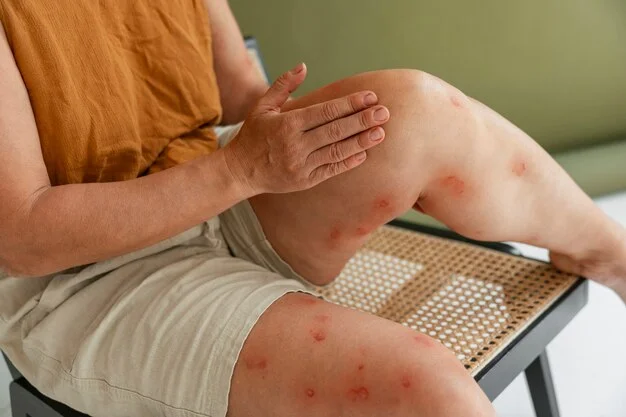
Madhusnuhi Rasayanam is a classical Ayurvedic polyherbal formulation (rasayana) primarily used for chronic skin diseases, non-healing wounds, hemorrhoids, fistula, and blood purification. Referenced in authoritative texts like Sahasrayogam and Bhaishajya Ratnavali, this rejuvenative tonic combines 30+ medicinal herbs to balance vitiated doshas—particularly Kapha and Pitta—while strengthening immunity and promoting tissue repair. If you've been searching for a comprehensive, evidence-informed guide on this formulation, you're in the right place.
In this article, we cover everything from the complete ingredient list and pharmacological properties to dosage guidelines, duration of treatment, drug interactions, and how Madhusnuhi Rasayanam compares with its variants and alternatives. Let's dive in.
What Is Madhusnuhi Rasayanam?
Madhusnuhi Rasayanam is a semi-solid herbal jam (lehya/avaleha) belonging to the Rasayana category of Ayurvedic medicine. The term "Rasayana" literally translates to "the path of essence"—formulations designed to nourish the deepest tissues (dhatus), enhance vitality, and promote longevity. The word "Madhusnuhi" refers to Smilax china (Chinese smilax), the principal herb in this preparation, which has been extensively used in traditional medicine for its anti-syphilitic, anti-inflammatory, and blood-purifying properties.
This formulation is documented in Sahasrayogam, a renowned Kerala Ayurvedic text that compiles thousands of formulations, and also finds mention in Bhaishajya Ratnavali, a comprehensive pharmacopoeia of Ayurvedic medicine compiled in the 18th century.
Historical Roots and Traditional Context
- The concept of Rasayana therapy traces back to the foundational Ayurvedic treatises of Charaka and Sushruta.
- Charaka Samhita dedicates an entire section—Rasayana Adhyaya—to rejuvenative formulations, emphasizing their role in preventing disease, delaying aging, and enhancing ojas (vital immunity). Sushruta similarly highlights rasayanas as essential for post-surgical recovery and wound healing.
Madhusnuhi Rasayanam emerged prominently in the Kerala Ayurvedic tradition, where it was prescribed for deep-seated skin conditions and chronic infections that resisted simpler treatments. In medieval South India, vaidyas (traditional physicians) often compounded this rasayana using locally available herbs, adjusting minor ingredients based on regional availability while keeping Smilax china as the core.
Mechanism of Action in Ayurveda (Dosha Analysis)
Understanding how Madhusnuhi Rasayanam works requires looking at Ayurvedic pathology. Most chronic skin diseases, non-healing ulcers, and hemorrhoids arise from the vitiation of Kapha and Pitta doshas, along with impaired Rakta Dhatu (blood tissue) and Mamsa Dhatu (muscle tissue).
Here's how the formulation acts on multiple levels:
- Dosha: Pacifies aggravated Kapha and Pitta; mildly balances Vata
- Dhatu: Primarily nourishes Rasa (plasma), Rakta (blood), and Mamsa (muscle) dhatus
- Agni: Strengthens Dhatvagni (tissue-level metabolism) and Jatharagni (digestive fire), improving metabolic waste elimination
- Srotas: Clears blockages in Rasavaha Srotas (plasma channels), Raktavaha Srotas (blood channels), and Annavaha Srotas (digestive channels)
- Mala: Promotes healthy elimination of waste products (purisha, mutra, sweda), reducing toxic accumulation (ama)
This multi-level approach explains why the formulation is effective for conditions ranging from eczema to diabetic wounds—it doesn't just suppress symptoms, it addresses the root cause of tissue-level toxicity.
Key Benefits and Uses of Madhusnuhi Rasayanam
The therapeutic scope of Madhusnuhi Rasayanam is remarkably broad, though it is best known for its dermatological and immunological applications.
Chronic Skin Diseases
This is the primary indication.
The formulation is traditionally prescribed for:
- Eczema (Vicharchika) — particularly chronic, weeping eczema with itching and discharge
- Psoriasis (Ekakushtha) — scaly, dry patches that recur seasonally
- Dermatitis — contact and atopic variants
- Acne and boils — especially when linked to blood impurity
- Fungal infections — ringworm, tinea, and other stubborn mycoses
A 2018 observational study published in the Journal of Ayurveda and Holistic Medicine noted significant improvement in skin lesion scores among 45 patients with chronic eczema who received Madhusnuhi Rasayanam alongside Panchakarma therapy over 90 days. While not a randomized controlled trial, the results were encouraging.
Non-Healing Wounds and Ulcers
The formulation's ability to enhance Rakta Dhatu quality and improve tissue-level metabolism makes it valuable for chronic, non-healing wounds—including diabetic ulcers and varicose ulcers. The combination of anti-inflammatory herbs (Guduchi, Haridra) with immunomodulatory agents (Amalaki, Pippali) creates an internal environment that supports healing from within.
Hemorrhoids and Fistula-in-Ano
Madhusnuhi Rasayanam is frequently prescribed as an adjunct to Kshara Sutra therapy (medicated thread treatment) for hemorrhoids and fistula.
It helps by:
- Reducing inflammation in the rectal area
- Improving venous circulation
- Preventing recurrence through blood purification
- Supporting post-procedural healing
Blood Purification and Immunity
The rasayana acts as a potent Rakta Shodhaka (blood purifier), making it useful for conditions where blood toxicity is an underlying factor — think recurrent boils, allergic reactions, and chronic fatigue. The immunomodulatory herbs in the formula support both innate and adaptive immune responses.
Metabolic Support in Diabetes (Prameha)
Several ingredients—including Guduchi (Tinospora cordifolia), Triphala, and Madhusnuhi itself—have demonstrated hypoglycemic properties in preclinical studies. While this is not a standalone anti-diabetic medicine, it can be a supportive therapy for managing complications like diabetic skin infections and slow wound healing.
Complete Ingredients List with Benefits
Madhusnuhi Rasayanam contains over 30 ingredients. Below is a comprehensive table with each component's Sanskrit name, botanical identity, and primary action.
| # | Sanskrit Name | Botanical / Common Name | Primary Action |
|---|---|---|---|
| 1 | Madhusnuhi | Smilax china | Anti-inflammatory, blood purifier, anti-syphilitic |
| 2 | Guduchi | Tinospora cordifolia | Immunomodulator, hepatoprotective, antipyretic |
| 3 | Amalaki | Emblica officinalis | Antioxidant, vitamin C source, rejuvenative |
| 4 | Haritaki | Terminalia chebula | Digestive, mild laxative, detoxifier |
| 5 | Vibhitaki | Terminalia bellirica | Astringent, expectorant, anti-microbial |
| 6 | Haridra | Curcuma longa (Turmeric) | Anti-inflammatory, wound healing, antioxidant |
| 7 | Daruharidra | Berberis aristata | Anti-microbial, anti-diabetic, skin healer |
| 8 | Chitraka | Plumbago zeylanica | Digestive stimulant, metabolism booster |
| 9 | Vidanga | Embelia ribes | Anthelmintic, carminative, skin detoxifier |
| 10 | Pippali | Piper longum | Bioavailability enhancer, respiratory support |
| 11 | Maricha | Piper nigrum (Black Pepper) | Digestive stimulant, absorption enhancer |
| 12 | Shunthi | Zingiber officinale (Ginger) | Anti-inflammatory, digestive, anti-nausea |
| 13 | Devadaru | Cedrus deodara | Anti-inflammatory, analgesic, anti-arthritic |
| 14 | Kushtha | Saussurea lappa | Skin healer, anti-parasitic, anti-allergic |
| 15 | Musta | Cyperus rotundus | Digestive, antipyretic, menstrual regulator |
| 16 | Chandana | Santalum album (Sandalwood) | Cooling, anti-inflammatory, skin soothing |
| 17 | Sariva | Hemidesmus indicus | Blood purifier, cooling, skin healing |
| 18 | Manjishtha | Rubia cordifolia | Blood purifier, lymphatic support, complexion enhancer |
| 19 | Padmaka | Prunus cerasoides | Cooling, complexion enhancer, anti-hemorrhagic |
| 20 | Nagakesara | Mesua ferrea | Anti-hemorrhagic, astringent, digestive |
| 21 | Ela | Elettaria cardamomum | Digestive, aromatic, respiratory support |
| 22 | Twak | Cinnamomum zeylanicum | Circulatory stimulant, anti-diabetic |
| 23 | Patra | Cinnamomum tamala (Bay Leaf) | Digestive, anti-microbial, carminative |
| 24 | Priyangu | Callicarpa macrophylla | Anti-inflammatory, hemostatic, uterine tonic |
| 25 | Lodhra | Symplocos racemosa | Astringent, anti-inflammatory, reproductive health |
| 26 | Dhataki | Woodfordia fruticosa | Fermentation agent, astringent, anti-microbial |
| 27 | Guda (Jaggery) | Sugarcane jaggery | Base/carrier, iron source, palatability |
| 28 | Madhu (Honey) | Honey | Yogavahi (carrier), wound healer, preservative |
| 29 | Ghrita | Clarified butter (Ghee) | Lipid-soluble carrier, tissue nourisher |
| 30 | Tila Taila | Sesamum indicum (Sesame Oil) | Vata pacifier, skin nourisher, carrier |
Note: Some manufacturers include additional minor herbs or adjust quantities. The above list represents the core formulation as described in Sahasrayogam.
Ayurvedic Pharmacological Properties (Dravyaguna)
- Rasa (Taste): Predominantly Tikta (bitter), Kashaya (astringent), with secondary Madhura (sweet)
- Guna (Quality): Guru (heavy), Snigdha (unctuous)
- Virya (Potency): Ushna (warm) — though some cooling herbs balance this
- Vipaka (Post-digestive effect): Madhura (sweet)
- Prabhava (Special action): Rakta Shodhana (blood purification), Kushthahara (skin disease alleviation)
How to Use Madhusnuhi Rasayanam: Dosage and Administration
Standard Dosage
| Population | Dosage | Frequency |
|---|---|---|
| Adults | 10–15 grams (approximately 1 tablespoon) | Twice daily |
| Children (5–12 years) | 5–10 grams (approximately 1 teaspoon) | Twice daily |
| Elderly | 10 grams | Once or twice daily |
| Pregnant/Lactating women | Not recommended without physician supervision | — |
Anupana (Adjuvant / Vehicle)
The substance you take with this rasayana matters — it acts as a carrier that enhances absorption and directs the medicine to specific tissues:
- Warm water — general use, best for Kapha-dominant conditions
- Warm milk — for underweight patients or those needing tissue nourishment
- Honey — for diabetic patients or those with excess Kapha (use in small quantity)
Take the medicine ideally on an empty stomach, 30 minutes before meals. If it causes mild gastric discomfort, you can take it immediately after food instead.
Duration of Treatment: How Long Should You Take It?
This is a question none of the commonly available guides answer well.
Here's a practical guideline:
- Acute skin conditions (mild eczema, boils): 4–6 weeks
- Chronic skin diseases (psoriasis, chronic eczema): 3–6 months, sometimes longer
- Hemorrhoids/Fistula (adjunct therapy): 2–3 months post-procedure
- Blood purification/immunity: 2–3 months as a seasonal regimen
- Non-healing wounds: Until wound closure is achieved, typically 6–12 weeks
A general Ayurvedic principle recommends a gap of 1 month after every 3 months of continuous rasayana use, allowing the body to assimilate the benefits. However, your vaidya may adjust this timeline based on your individual prakriti and condition severity.
Diet Recommendations During Treatment
For optimal results, follow these dietary guidelines:
- Favor: Kitchari (rice-lentil porridge), warm soups, bitter vegetables (karela, methi), fresh fruits, whole grains
- Avoid: Cold beverages, excessive dairy, fermented foods, deep-fried items, red meat, alcohol, and excessive sugar
- Hydration: Drink warm or room-temperature water throughout the day
- Spices to include: Turmeric, cumin, coriander, fennel — these support digestion and complement the rasayana's action
Madhusnuhi Rasayanam vs Valiya Madhusnuhi Rasayanam vs Mahatiktaka Ghritam
This is one of the most commonly asked questions — and surprisingly, no comprehensive comparison exists online until now. Here's a clear breakdown.
| Feature | Madhusnuhi Rasayanam (Cheriya) | Valiya Madhusnuhi Rasayanam | Mahatiktaka Ghritam |
|---|---|---|---|
| Form | Semi-solid jam (lehya) | Semi-solid jam (lehya) | Medicated ghee |
| Number of ingredients | ~30 herbs | ~50+ herbs (expanded formula) | ~25 herbs |
| Primary indication | Chronic skin diseases, wounds | Severe/deep-seated skin diseases, syphilis, chronic ulcers | Pitta-dominant skin diseases, burning sensation, herpes |
| Dosha focus | Kapha-Pitta | Kapha-Pitta-Vata (broader) | Primarily Pitta |
| Classical text | Sahasrayogam | Sahasrayogam | Ashtanga Hridayam |
| Potency | Moderate | Higher (more herbs, broader action) | Moderate-high |
| Suitable for | Mild to moderate chronic conditions | Severe, resistant, or long-standing conditions | Acute Pitta flares, burning eczema, herpes |
| Route | Oral | Oral | Oral + sometimes external |
- In simple terms: "Cheriya" (small) Madhusnuhi Rasayanam is the standard version. "Valiya" (large) is the enhanced version with additional herbs for more stubborn conditions.
- Mahatiktaka Ghritam is a completely different formulation — a medicated ghee focused on Pitta-dominant skin issues. Your Ayurvedic doctor may prescribe them individually or in combination depending on your condition.
Don't wait or self medicate. Start chat with Doctor NOW
Side Effects and Safety Considerations
Madhusnuhi Rasayanam is generally considered safe when taken in recommended doses under professional guidance. However, awareness of potential side effects is important.
Known Side Effects
- Mild gastric discomfort: Some individuals experience bloating, heaviness, or mild nausea, especially when taken on an empty stomach. Taking it after food usually resolves this.
- Loose stools: Due to the mild laxative action of Triphala and other detoxifying herbs. Usually self-limiting within 2–3 days.
- Allergic reactions: Rare, but possible if you're allergic to any specific ingredient. Discontinue and consult your doctor if you develop rash, itching, or swelling.
- Blood sugar fluctuation: Diabetic patients on hypoglycemic medication should monitor blood sugar levels, as the formulation may have additive blood sugar-lowering effects.
Contraindications
- Pregnancy and lactation: Not recommended unless specifically prescribed by a qualified vaidya
- Children under 5 years: Insufficient safety data
- Severe hepatic or renal impairment: The multi-herb formulation may burden compromised liver or kidney function
- Known allergy to any listed ingredient
Drug Interactions
No formal drug interaction studies exist for Madhusnuhi Rasayanam — this is a gap in current research. However, based on the pharmacological profiles of its ingredients, exercise caution in these scenarios:
- With oral hypoglycemics or insulin: Guduchi, Daruharidra, and other ingredients have hypoglycemic potential. Monitor blood sugar closely.
- With anticoagulants (Warfarin, Aspirin): Turmeric and some other herbs may have mild blood-thinning effects. Inform your physician.
- With immunosuppressants: The immunomodulatory action of Guduchi and Amalaki may theoretically interfere with drugs used after organ transplant or in autoimmune conditions.
- With other Ayurvedic medicines: Generally safe to combine with Panchakarma therapies and complementary formulations like Gandhaka Rasayana or Kaisora Guggulu, but always under practitioner guidance.
Scientific Research and Evidence Base
Let's be honest — large-scale, randomized, double-blind clinical trials on Madhusnuhi Rasayanam as a whole formulation are scarce. This is a common limitation across classical Ayurvedic polyherbal preparations. However, the individual ingredients have been extensively studied:
- Smilax china (Madhusnuhi): A 2016 review in Journal of Ethnopharmacology documented its anti-inflammatory, immunomodulatory, and anti-oxidant properties. The steroidal saponins in Smilax species have shown anti-proliferative activity in skin cell models.
- Tinospora cordifolia (Guduchi): Perhaps the most studied Ayurvedic immunomodulator. A 2020 systematic review identified 15+ clinical studies confirming its immunostimulant, anti-diabetic, and hepatoprotective effects.
- Curcuma longa (Haridra): Over 12,000 published studies on PubMed. Curcumin's anti-inflammatory mechanism (NF-κB pathway inhibition) is well-established.
- Emblica officinalis (Amalaki): A 2019 clinical study in BMC Complementary Medicine and Therapies showed significant antioxidant activity and improved skin health markers in 60 participants over 16 weeks.
A pharmaceutical study published in Journal of Ayurveda and Holistic Medicine (JAHM) specifically examined the standardization and preparation of Brihat (Valiya) Madhusnuhi Rasayanam, confirming the presence of key phytochemicals including alkaloids, flavonoids, tannins, and saponins — all of which contribute to its therapeutic action.
While we await more formulation-specific clinical trials, the synergistic rationale behind the combination is well-grounded in both traditional wisdom and modern pharmacognosy.
Storage, Shelf Life, and Manufacturer Comparison
Storage Guidelines
- Store in a cool, dry place away from direct sunlight
- Keep the container tightly closed after each use
- Use a clean, dry spoon every time — moisture contamination can cause fungal growth
- Refrigeration is not necessary unless you live in a very hot, humid climate
- Do not freeze
Shelf Life
The typical shelf life of Madhusnuhi Rasayanam is 3 years from the date of manufacture when stored properly. Always check the expiry date on the packaging. Once opened, try to consume within 6–8 months for best potency.
Comparison of Popular Manufacturers
| Manufacturer | Product Variant | Approximate Price (200g) | Notes |
|---|---|---|---|
| Kottakkal Arya Vaidya Sala | Cheriya & Valiya | ₹180–₹350 | Most trusted traditional brand; strict classical formulation |
| Vaidyaratnam | Madhusnuhi Rasayanam | ₹150–₹280 | Well-known Kerala brand, widely available |
| Nagarjuna Ayurveda | Madhusnuhi Rasayanam | ₹160–₹300 | Good quality, available online |
| AVP (Arya Vaidya Pharmacy) | Madhusnuhi Rasayanam | ₹170–₹320 | Coimbatore-based; GMP certified |
| Sitaram Ayurveda | Valiya Madhusnuhi Rasayanam | ₹200–₹380 | Known for Valiya variant; organic sourcing claims |
Prices are approximate and may vary based on retailer, quantity, and location. Verified as of early 2025. Key insight: While the core formulation should be identical across manufacturers (all follow Sahasrayogam), minor differences in herb sourcing, processing temperature, and jaggery quality can affect taste and potency. Kottakkal Arya Vaidya Sala and Vaidyaratnam are generally regarded as the gold-standard among practitioners.
Frequently Asked Questions (FAQ)
What is the use of Madhusnuhi Rasayanam?
Madhusnuhi Rasayanam is primarily used for chronic skin diseases (eczema, psoriasis, dermatitis), non-healing wounds and ulcers, hemorrhoids, fistula-in-ano, blood purification, and as an immunomodulatory tonic. It is also used as a supportive therapy in diabetic complications and recurrent infections.
Is Madhusnuhi Rasayanam available in tablet form?
Traditionally, Madhusnuhi Rasayanam is a semi-solid herbal jam (lehya/avaleha). Some modern manufacturers have introduced tablet or capsule forms for convenience, but these may not contain the full spectrum of ingredients in the same proportions. The classical lehya form is generally preferred by Ayurvedic practitioners for maximum efficacy.
What is the price of Madhusnuhi Rasayanam?
Prices typically range from ₹150 to ₹380 for a 200g container, depending on the manufacturer and variant (Cheriya vs Valiya). It is available at Ayurvedic pharmacies, authorized retail stores, and online platforms like the manufacturer's official websites.
What are the side effects of Rasayanam preparations in general?
Most rasayana formulations are safe for long-term use when taken as directed. Common mild side effects include temporary digestive discomfort, loose stools, or heaviness. Serious side effects are rare but can occur with overdose or in the presence of undisclosed allergies. Always consult a qualified Ayurvedic practitioner before starting any rasayana.
Can I take Madhusnuhi Rasayanam for sinusitis?
While Madhusnuhi Rasayanam is not a primary treatment for sinusitis, its immunomodulatory and anti-inflammatory properties may offer supportive benefits in chronic sinusitis cases, particularly when sinus issues are linked to Kapha vitiation. However, formulations like Haridra Khanda, Vyoshadi Vatakam, or Chitraka Haritaki are more specifically indicated for sinusitis.
How is Madhusnuhi Rasayanam different from Madhunashini?
These are completely different products. Madhusnuhi Rasayanam is a polyherbal rasayana jam used for skin diseases and blood purification. Madhunashini (often marketed as "Madhunashini Vati") is a tablet formulation primarily used for diabetes management. The names sound similar but the ingredients, indications, and forms are entirely distinct.
Can diabetic patients take Madhusnuhi Rasayanam?
Yes, but with caution. The formulation contains jaggery as a base, which adds sugar content. Diabetic patients should consult their Ayurvedic physician for appropriate dosage adjustment and blood sugar monitoring. Some practitioners recommend taking it with honey (a low-glycemic vehicle) instead of milk for diabetic patients.
Are there any real case studies or patient experiences?
While published case studies are limited, anecdotal evidence from Ayurvedic clinical practice is substantial. Practitioners at institutions like Kottakkal Arya Vaidya Sala and Government Ayurvedic Colleges in Kerala routinely prescribe this formulation for chronic skin conditions, reporting significant improvement in 60–80% of cases over 3-month treatment courses. Formal documentation and publication of these cases remains an area that needs more attention.
Conclusion: Is Madhusnuhi Rasayanam Right for You?
Madhusnuhi Rasayanam is a time-tested Ayurvedic formulation with a broad therapeutic profile — from chronic skin diseases and non-healing wounds to blood purification and immune support. Its multi-target mechanism, backed by the synergistic action of 30+ herbs, makes it a valuable tool in the Ayurvedic practitioner's arsenal.
That said, this is not a self-medication product. The dosage, duration, and combination therapy should be tailored to your individual constitution (prakriti), disease state (vikrti), and digestive capacity (agni). Always consult a qualified Ayurvedic physician before starting treatment.
If you're dealing with a stubborn skin condition, recurrent infections, or slow-healing wounds and haven't found relief through conventional approaches alone, Madhusnuhi Rasayanam is worth discussing with your healthcare provider as part of an integrated treatment plan.
Disclaimer: This article is for informational purposes only and does not constitute medical advice. Always consult a qualified Ayurvedic practitioner or healthcare professional before starting any new treatment.
Scientific Sources
- The benefits of ashwagandha (Withania somnifera) supplements on brain function and sports performance — Guo S et al., 2024, Frontiers in nutrition
- Ashwagandha (Withania somnifera)-Current Research on the Health-Promoting Activities: A Narrative Review — Mikulska P et al., 2023, Pharmaceutics
- Ayurvedic Herbal Medicines: A Literature Review of Their Applications in Female Reproductive Health — Patibandla S et al., 2024, Cureus
- Ashwagandha (Withania somnifera) and Its Effects on Well-Being-A Review — Wiciński M et al., 2025, Nutrients
- Efficacy and Safety of Ashwagandha Root Extract in Subclinical Hypothyroid Patients: A Double-Blind, Randomized Placebo-Controlled Trial — Sharma AK et al., 2018, Journal of alternative and complementary medicine (New York, N.Y.)
- A comparative pharmacological evaluation of Taila (oil) and Ghrita (ghee) prepared with Guduchi (Tinospora cordifolia) — Vaghamshi R et al., 2010, Ayu
- An Insight of Clinical Evidence of Ayurveda Interventions in the Management of COVID-19 Patients — Maideen NMP et al., 2022, Infectious disorders drug targets
- Evaluation of anti-depressant and anxiolytic activity of Rasayana Ghana Tablet (A compound Ayurvedic formulation) in albino mice — Deole YS et al., 2011, Ayu
Questions from users
Can Madhusnuhi Rasayanam help improve my energy levels and reduce fatigue?
Quinn
4 days ago
Yes, Madhusnuhi Rasayanam can help with energy levels and fatigue. Its general rasayana (rejuvenation) properties might boost vitality and support the body's energy reserves, if fatigue is related to an imbalance or weak agni (digestion). But it's best to chat with an Ayurvedic practitioner, so they can tailor it to your needs. 😊
Can I take Madhusnuhi Rasayanam while on a special diet, like keto or vegan?
Vance
14 days ago
Yes, you can take Madhusnuhi Rasayanam with a keto or vegan diet, but it’s always best to check with an Ayurvedic practitioner first. They can assess how it might interact with your specific diet and body constitution. Also, make sure any ingredients align with your diet restrictions, especially for vegan folks. Keep track of how you feel and adjust if necessary!
What is the best way to store Madhusnuhi Rasayanam for maximum potency?
Oakley
24 days ago
Store Madhusnuhi Rasayanam in a cool, dry place away from direct sunlight. A cupboard or pantry should be just fine! Make sure the container is airtight to keep moisture out and preserve its potency. This helps retain the rasayanam's beneficial properties for a longer period of time. Hope this helps!
What is the best time of day to take Madhusnuhi Rasayanam for optimal results?
Benjamin
33 days ago
Ah, good question! For Madhusnuhi Rasayanam, the best time is usually on an empty stomach, maybe in the morning before breakfast or in the evening before dinner. This can help your body absorb its benefits better, but hey, it's always smart to check with your Ayurvedic practitioner to see what works best for you!
Is it safe to take Madhusnuhi Rasayanam if I have autoimmune issues?
Claire
43 days ago
Madhusnuhi Rasayanam can support immune health, but if you have autoimmune issues, it's best to be cautious. Autoimmune conditions can be a bit tricky, and some herbs might stimulate the immune system in unpredictable ways. It's a good idea to chat with a healthcare provider familiar with both Ayurveda and autoimmune issues first.
What is the role of Guduchi and Amalaki in Madhusnuhi Rasayanam's health benefits?
Claire
53 days ago
Guduchi and Amalaki are great at boosting immune health in Madhusnuhi Rasayanam. Guduchi (also called Giloy) is known for its immunity-boosting qualities and helps balance the doshas. Amalaki (or Indian Gooseberry) is high in vitamin C, providing antioxidant benefits & supporting digestion, which is central in Ayurveda for maintaining overall health.
What is the recommended dosage for Madhusnuhi Rasayanam to achieve best results?
Nevaah
62 days ago
Hey, for the dosage of Madhusnuhi Rasayanam, it’s always best to chat with an Ayurvedic practitioner. They can help figure out what you personally need, based on your doshas and health. Dosage can vary a lot, depending on individual conditions. Generally, folks start with a teaspoon, but getting it right for you is key!
Can I use Madhusnuhi Rasayanam to support my digestion and gut health?
Meredith
72 days ago
Madhusnuhi Rasayanam can be helpful for digestion and gut health as it's designed to harmonize doshas and support overall wellness. It's not specifically for the gut, but it could help indirectly by improving your body's balance. Start with a small dose, observe how your body reacts. If digestion issues persists, consider consulting with an Ayurvedic practitioner.
Can I take Madhusnuhi Rasayanam during pregnancy or breastfeeding?
Mateo
81 days ago
It's best to avoid Madhusnuhi Rasayanam during pregnancy or breastfeeding unless specifically advised by a health practitioner familiar with your personal situation. Ayurveda care is very individual, and some formulations might not suit everyone, especially in such sensitive periods. Better to consult with an Ayurvedic doctor directly.. 😊
Can Madhusnuhi Rasayanam be taken alongside other supplements or medications safely?
Christopher
161 days ago
It's usually safe to take Madhusnuhi Rasayanam with other supplements or medications, but be careful as interactions can happen. Best thing is to consult with ayurvedic practitioner who can look at your unique constitution and current meds. They can tweak the regimen if needed. You've got to be careful with these things sometimes! 😄
Related articles

Skin and Hair Disorders
Is Turmeric Good for Face? Ayurvedic Benefits, Uses, and Precautions
Is turmeric good for the face? Discover how to use turmeric powder or raw turmeric for glowing skin, and learn which turmeric is best and safe for facial care
7,693

Skin and Hair Disorders
Sarivadyasava Benefits – Ayurvedic Tonic for Women's Health & Wellness
Discover the benefits of Sarivadyasava, an Ayurvedic fermented herbal tonic. Learn how it supports women's health, balances hormones, boosts immunity, and promotes overall well-being.
3,193

Skin and Hair Disorders
Ayurvedic Treatment for Ichthyosis Vulgaris: Skin Healing Guide
Explore Ayurvedic approaches for ichthyosis vulgaris. Discover natural remedies, herbal treatments, and lifestyle tips to manage dry, scaly skin and promote healthy complexion.
3,733

Skin and Hair Disorders
How to Remove Facial Hair Permanently – Ayurveda
Let’s talk about something that’s not exactly a dinner-table conversation, but definitely something most of us have obsessed over in front of a mirror at some point: facial hair. And not just removing it for a few days — we’re talking about permanent remo
5,910

Skin and Hair Disorders
How to Rejuvenate Skin Naturally: Ayurvedic Guide for a Healthy Glow
How to rejuvenate skin naturally? Discover Ayurvedic treatment for skin rejuvenation, how to rejuvenate skin overnight, at home, and restore glow on your face
2,159
Skin and Hair Disorders
Nagaradi Lepa Choornam: An Ayurvedic Remedy for Skin Health
Nagaradi Lepa Choornam is a traditional Ayurvedic herbal powder used primarily as a topical application for skin ailments.
3,349

Skin and Hair Disorders
Somaraji Oil: Benefits, How to Use, Ingredients, Side Effects
Exploration of Somaraji Oil: Benefits, How to Use, Ingredients, Side Effects
1,829

Skin and Hair Disorders
Kumkumadi Lepam
Exploration of Kumkumadi Lepam
2,187

Skin and Hair Disorders
How to Get Black Hair Naturally: Ayurvedic Methods for Permanent Results
How to get black hair naturally? Discover Ayurvedic ways to turn white or grey hair black permanently at home without dye using oils, herbs, and natural care
9,902
Skin and Hair Disorders
Kachayapanam Kuzhambu: An Ayurvedic Marvel for Holistic Healing
Kachayapanam Kuzhambu is a unique Ayurvedic herbal oil known for its potent healing properties. It is widely used in the treatment of skin disorders, joint pain, and various inflammatory conditions.
2,287
Related questions on the topic
Legal
Additional Documents
© 2024 Ask Ayurveda. All rights reserved.