FREE! Ask Ayurvedic Doctors 24/7

 Fast responses
 1000+ verified doctors
Ayurvedic Treatment for Lupus – Natural Approaches for Managing Lupus Symptoms

Ayurvedic treatment for lupus focuses on correcting the underlying immune dysfunction by rebalancing disturbed doshas (primarily Pitta and Vata), eliminating accumulated toxins (Ama), and restoring the body's natural defense intelligence (Ojas). Through a personalized combination of Panchakarma detoxification, specific herbal formulations like Guduchi, Ashwagandha, and Amalaki, along with anti-inflammatory dietary protocols and targeted yoga practices, Ayurveda offers a holistic path toward symptom management and, in documented cases, sustained remission of Systemic Lupus Erythematosus.
Unlike conventional treatment that primarily suppresses the immune system with steroids and immunosuppressants, Ayurveda aims to re-educate the immune response — calming overactivity without leaving the body vulnerable to infections. A landmark case study published in the Journal of Ayurveda and Integrative Medical Sciences (2019) documented complete remission of SLE symptoms in a patient treated exclusively with Ayurvedic protocols over 14 months, with normalized lab markers and sustained improvement during follow-up. This doesn't mean Ayurveda replaces emergency medical care, but it signals a powerful complementary — and sometimes primary — role in lupus management.
Let's break down everything you need to know.
What Is Lupus (Systemic Lupus Erythematosus)?
Lupus is a chronic autoimmune disease in which the body's immune system mistakenly attacks its own healthy tissues and organs. Instead of only fighting bacteria and viruses, the immune cells produce autoantibodies (particularly Anti-Nuclear Antibodies, or ANA) that target the body's own DNA, cell membranes, and proteins. This creates widespread inflammation that can damage virtually any organ system — skin, joints, kidneys, heart, lungs, brain, and blood vessels.
The disease affects approximately 5 million people worldwide, with a striking predilection for women of childbearing age. In India, the prevalence is estimated at 3.2 per 100,000 population, though experts believe this number is significantly underreported due to diagnostic challenges and limited awareness in rural communities.
Types of Lupus
Most people hear "lupus" and think of one disease, but there are actually four distinct types — and this is a critical distinction that no single competitor guide covers comprehensively:
| Type | Description | Key Features |
|---|---|---|
| Systemic Lupus Erythematosus (SLE) | Most common and severe form | Affects multiple organs; butterfly rash; joint pain; kidney involvement |
| Discoid (Cutaneous) Lupus | Limited to the skin | Chronic round skin lesions; scarring; photosensitivity; rarely progresses to SLE |
| Drug-Induced Lupus | Triggered by certain medications | Caused by hydralazine, procainamide, isoniazid; resolves when drug is stopped |
| Neonatal Lupus | Affects newborns of mothers with specific antibodies | Skin rash, liver issues, low blood counts; usually temporary; rare heart block risk |
Understanding which type you're dealing with is essential because Ayurvedic treatment protocols differ significantly. SLE requires aggressive dosha-balancing and prolonged Rasayana therapy, while discoid lupus may respond well to primarily external treatments (Lepa) combined with blood-purifying herbs.
Common Symptoms of Lupus
The symptoms of lupus are notoriously unpredictable. They can flare suddenly and then subside for months.
Here are the most common presentations:
- Butterfly (malar) rash — A distinctive rash across both cheeks and the bridge of the nose, affecting roughly 50% of SLE patients
- Extreme fatigue — Persistent, debilitating tiredness that doesn't improve with rest
- Joint pain and swelling — Often migratory, affecting different joints on different days
- Photosensitivity — Unusual skin reactions to sunlight, sometimes triggering full-body flares
- Hair loss (alopecia) — Diffuse thinning or patchy hair loss
- Oral and nasal ulcers — Usually painless but recurrent
- Raynaud's phenomenon — Fingers and toes turning white or blue in cold temperatures
- Lupus fog — Cognitive dysfunction including memory problems, difficulty concentrating, and confusion (a symptom that is dramatically underaddressed in most lupus resources)
- Kidney involvement (lupus nephritis) — Present in up to 50% of SLE patients, potentially leading to renal failure
- Low-grade fever — Often the earliest symptom, frequently misdiagnosed as infection
Causes and Triggers of SLE
Lupus doesn't have a single cause.
It results from a complex interplay of factors:
- Genetic predisposition — Over 100 gene variants have been linked to lupus susceptibility, including HLA-DR2 and HLA-DR3
- Hormonal factors — Estrogen plays a significant role, which explains why 90% of lupus patients are women. Flares often worsen during pregnancy or with oral contraceptive use
- Environmental triggers — UV radiation, Epstein-Barr virus infection, silica dust exposure, and cigarette smoking
- Medications — Certain drugs can trigger drug-induced lupus (hydralazine, procainamide, TNF-alpha inhibitors)
- Stress — Both physical and emotional stress can precipitate flares by disrupting cortisol regulation and immune function
- Gut dysbiosis — Emerging research from 2022 studies published in Nature Reviews Rheumatology suggests that altered gut microbiome composition may drive autoimmune activation in genetically susceptible individuals
Understanding Lupus Through Ayurvedic Principles
Ayurveda doesn't have a direct classical term for SLE — the disease wasn't recognized as a distinct entity in ancient texts. However, experienced Ayurvedic physicians correlate lupus most closely with Vatarakta (a condition involving vitiated Vata and Rakta dhatu) combined with elements of Amavata (autoimmune inflammatory joint disease) and Raktapitta (blood-related Pitta disorders).
The Dosha-Immune Connection in Lupus
In Ayurvedic pathology, lupus is understood as a condition where:
- 1.Pitta dosha becomes severely aggravated — creating the inflammation, skin rashes, fevers, and tissue destruction
- 2.Vata dosha becomes disturbed — causing the migratory joint pain, dryness, neurological symptoms, and the unpredictable flare-remission pattern
- 3.Ama (metabolic toxins) accumulates due to weakened Agni (digestive fire) — these toxins enter the bloodstream and trigger immune confusion
- 4.Ojas (vital immunity essence) depletes — Ojas is the subtle essence of all seven dhatus (tissues), and its depletion leaves the body unable to distinguish self from non-self
This creates a vicious cycle: Ama accumulation triggers immune overactivity, which further depletes Ojas, which worsens the inability to regulate immune responses.
Ayurvedic Pathogenesis (Samprapti) of Lupus
The pathological progression follows a structured pathway:
| Stage | Ayurvedic Concept | What Happens |
|---|---|---|
| Nidana (Cause) | Viruddha Ahara, stress, Ratri Jagarana | Incompatible diet, chronic stress, sleep deprivation initiate dosha disturbance |
| Dosha Dushti | Pitta-Vata Prakopa | Primary aggravation of Pitta with secondary Vata imbalance |
| Dhatu Involvement | Rasa, Rakta, Mamsa, Asthi | Sequential tissue involvement — from blood to muscle to bone |
| Agni Status | Mandagni / Vishamagni | Irregular or weakened digestive fire allows Ama production |
| Srotodushti | Rasavaha, Raktavaha, Mamsavaha | Channel obstruction leads to impaired tissue nourishment |
| Rupa (Symptoms) | Skin lesions, joint pain, fatigue | Clinical manifestation of the disease |
| Upadrava (Complications) | Nephritis, vasculitis, neuropathy | Organ damage from prolonged dosha-dhatu disturbance |
Ayurvedic Diagnosis: Nadi Pariksha and Prakriti Assessment
Before any treatment begins, a qualified Ayurvedic physician conducts a thorough assessment that includes:
- Nadi Pariksha (pulse diagnosis) — Identifying the specific pattern of dosha vitiation through radial pulse analysis. In lupus, a skilled practitioner typically detects a Pitta-dominant pulse with Vata irregularity
- Prakriti analysis — Determining the patient's constitutional type to customize treatment. Pitta-Kapha individuals may need different herb combinations than Vata-Pitta individuals
- Ashta Vidha Pariksha — The eightfold examination including tongue, urine, stool, voice, eyes, skin, and overall appearance
- Assessment of Bala (strength) and Satva (mental constitution) — Critical for determining whether the patient can tolerate intensive Panchakarma or needs gentler approaches first
This personalized diagnostic framework is precisely why Ayurvedic treatment can be remarkably effective — two lupus patients may receive entirely different protocols based on their unique constitutional picture.
Panchakarma Therapy for Lupus: The Foundation of Treatment
Panchakarma — Ayurveda's five-fold detoxification system — forms the cornerstone of lupus management. The goal is to systematically remove accumulated Ama from deep tissues, pacify aggravated doshas, and create a clean internal environment where healing can occur.
Purvakarma (Preparatory Procedures)
Before the main detox begins, the body must be prepared:
- Snehana (oleation therapy) — Internal administration of medicated ghee (often Tiktaka Ghrita or Panchatikta Ghrita) for 5-7 days, followed by external oil massage (Abhyanga) with Bala Taila or Ksheerabala Taila. This loosens toxins from tissues and moves them toward the GI tract
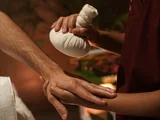
- Swedana (sudation therapy) — Mild steam therapy using herbal decoctions. In lupus patients, Patra Potli Sweda (herbal pouch fomentation) is preferred over intense steam because excessive heat can aggravate Pitta and trigger flares
Main Panchakarma Procedures
Virechana (Therapeutic Purgation)
Virechana is arguably the most important Panchakarma procedure for lupus. It directly eliminates excess Pitta from the body through controlled purgation using herbs like Trivrit (Operculina turpethum) or Aragvadha (Cassia fistula). A 2019 PMC-published case study documented significant improvement in a 39-year-old SLE patient after Virechana, with reduction in ESR, CRP, and anti-dsDNA antibody levels within 8 weeks.
Basti (Medicated Enema Therapy)
Basti addresses the Vata component of lupus.
Two types are used in rotation:
- Anuvasana Basti — Oil-based enemas using Ksheerabala Taila or Dhanwantaram Taila for Vata pacification
- Niruha/Kashaya Basti — Decoction-based enemas containing Dashmoola, Guduchi, and Bala for deep tissue cleansing
A standard Yoga Basti protocol (8 days) or Kala Basti (16 days) is commonly prescribed, depending on the severity of symptoms.
Raktamokshana (Bloodletting Therapy)
In cases with significant skin involvement, vasculitis, or non-healing ulcers, controlled Raktamokshana using leeches (Jaloukavacharana) can be remarkably effective. This procedure removes vitiated blood, reduces local inflammation, and improves microcirculation. The PMC case study (2019) specifically documented successful ulcer management in an SLE-vasculitis overlap case using leech therapy combined with wound care using Jatyadi Taila.
Shashti Shali Pinda Sweda (Navarakizhi)
This unique Kerala Panchakarma therapy involves massaging the body with boluses of cooked Shashti Shali rice (a special medicinal rice variety) dipped in Bala-Dashmoola decoction and milk.
It's exceptionally beneficial for lupus patients experiencing:
- Muscle wasting and weakness
- Joint stiffness and pain
- Peripheral neuropathy
- General debility
Sessions typically last 45-60 minutes and are performed daily for 7-14 days.
Herbal Medicines for Lupus: Evidence-Based Ayurvedic Formulations
The pharmacological approach in Ayurvedic lupus treatment targets multiple pathways simultaneously — immune modulation, anti-inflammation, tissue protection, and rejuvenation. Here are the key herbs and formulations with their evidence base:
Primary Herbs
| Herb | Latin Name | Primary Action in Lupus | Research Evidence |
|---|---|---|---|
| Guduchi | Tinospora cordifolia | Immunomodulator; balances both overactive and underactive immunity | Contains berberine and tinosporin; shown to modulate TNF-α and IL-6 in autoimmune models |
| Ashwagandha | Withania somnifera | Adaptogen; reduces cortisol; anti-inflammatory | 2020 study in Journal of Clinical Medicine showed significant reduction in CRP and improvement in fatigue scores |
| Amalaki | Emblica officinalis | Pitta-pacifying; rich antioxidant; Rasayana | Contains highest natural vitamin C density; shown to reduce oxidative stress markers |
| Shatavari | Asparagus racemosus | Hormonal balance; anti-inflammatory; Ojas-building | Particularly valuable for female lupus patients due to phytoestrogen-modulating properties |
| Manjishtha | Rubia cordifolia | Blood purifier; lymphatic cleanser; skin-healing | Traditionally the premier Rakta Shodhaka herb; reduces skin manifestations |
| Haridra (Turmeric) | Curcuma longa | Potent anti-inflammatory; immune modulator | Curcumin shown to inhibit NF-κB pathway — a central inflammatory mediator in SLE |
| Sariva | Hemidesmus indicus | Blood purifier; cooling; anti-allergic | Effective in reducing photosensitivity and skin flares |
Key Classical Formulations
- Arogyavardhini Vati — Pitta-pacifying hepatoprotective; supports liver function compromised by SLE
- Kaishor Guggulu — Anti-inflammatory; specifically indicated in Vatarakta conditions
- Chandraprabha Vati — Supports kidney function; valuable in lupus nephritis management
- Panchatikta Ghrita — Medicated ghee with five bitter herbs; potent Pitta-pacifying and tissue-healing
- Suvarna Bhasma (gold ash) — A powerful Rasayana traditionally used in autoimmune conditions; enhances Ojas; typically prescribed in doses of 15-30 mg with honey and ghee
General Dosage Guidelines
While individualized prescription is absolutely essential, here are general ranges commonly used (always under physician supervision):
- Guduchi Satva: 500 mg – 1 g, twice daily with warm water
- Ashwagandha Churna: 3-5 g, twice daily with milk or ghee
- Kaishor Guggulu: 2 tablets (500 mg each), twice daily after meals
- Arogyavardhini Vati: 1-2 tablets, twice daily before meals
- Chandraprabha Vati: 2 tablets, twice daily after meals
Important disclaimer: These dosages are general references only. Your Ayurvedic physician will adjust them based on your Prakriti, disease severity, concurrent medications, and organ function status.
What Is the Fastest Way to Reduce Inflammation in Ayurveda?
For acute lupus flares, Ayurveda employs a rapid anti-inflammatory protocol that combines internal and external measures:
- 1.Immediate Pitta-pacifying diet — Cold-potency foods like cucumber, coriander water, tender coconut water, and bitter gourd juice
- 2.Shatadhauta Ghrita application — Ghee washed 100 times with water, applied topically on inflamed skin; provides immediate cooling relief
- 3.Guduchi + Amalaki decoction — 20 ml twice daily acts as a natural anti-inflammatory without immune suppression
- 4.Lepana (herbal paste application) — Chandanadi Lepa (sandalwood-based paste) applied on rashes and inflamed joints
- 5.Therapeutic purgation — A single dose of Avipattikara Churna with warm water can provide rapid Pitta clearance
The key difference from conventional NSAIDs or steroids is that these measures don't merely mask inflammation — they address the Pitta aggravation driving it.
Diet and Lifestyle Protocol for Lupus Management
The Anti-Lupus Ayurvedic Diet
Dietary modification is not optional in Ayurvedic lupus treatment.
It's foundational.
Here's a structured approach:
Foods to Emphasize:
- Bitter vegetables — bitter gourd, neem leaves, methi (fenugreek)
- Cooling grains — old rice (Purana Shali), barley, moong dal
- Ghee — particularly medicated ghee; it's the single best Pitta-pacifying fat
- Seasonal fruits — pomegranate, sweet grapes, amla, ripe bananas
- Spices — coriander, fennel, cumin, turmeric (in moderation)
- Green leafy vegetables — except those that are highly oxalate (avoid spinach in lupus nephritis)
Foods to Strictly Avoid:
- Viruddha Ahara (incompatible combinations) — fish with milk, fruit with meals, honey heated above 40°C
- Excessive sour and salty foods — these aggravate both Pitta and Rakta
- Fermented foods in excess — especially during active flares
- Red meat and heavy proteins — difficult to digest, increases Ama
- Refined sugar and processed foods — directly increase inflammatory markers
- Nightshade vegetables (tomato, eggplant, bell pepper) — many lupus patients report significant flare reduction when eliminating nightshades
Ritucharya (Seasonal Regimen) for Lupus
This is something that no other guide addresses, yet it's incredibly important for preventing flares:
- Summer (Grishma Ritu) — Highest risk period due to UV exposure and Pitta aggravation. Stay indoors during peak sun hours. Increase Shatadhauta Ghrita application. Drink Khus (vetiver) or coriander-infused water
- Monsoon (Varsha Ritu) — Vata aggravation period. Use warm oil massage daily. Avoid cold and damp environments. Light, warm, freshly cooked meals only
- Winter (Hemant/Shishir Ritu) — Best time for Rasayana therapy and building Ojas. Agni is naturally strong. Use this season for intensive rejuvenation protocols
- Spring (Vasant Ritu) — Ideal time for Panchakarma detox. Natural Kapha-liquefying season supports toxin elimination
Yoga and Pranayama for Lupus: Specific Practices That Help
While many sources mention yoga vaguely, here are specific practices with evidence for autoimmune benefit:
Recommended Asanas
- Viparita Karani (Legs Up the Wall) — Reduces inflammation, improves lymphatic drainage; 10-15 minutes daily
- Supta Baddha Konasana (Reclining Butterfly) — Opens the chest, reduces fatigue; supports adrenal recovery
- Balasana (Child's Pose) — Calms the nervous system; reduces cortisol
- Gentle Surya Namaskar — Only 3-5 rounds at slow pace; avoid during active flares or extreme fatigue
- Shavasana with Yoga Nidra — 20-30 minutes; a 2013 study in International Journal of Yoga showed significant reduction in inflammatory cytokines after 12 weeks of regular Yoga Nidra practice
Pranayama Practices
- Sheetali/Sheetkari Pranayama — Cooling breath practices that directly pacify Pitta; 10-15 rounds, twice daily
- Anulom Vilom (Alternate Nostril Breathing) — Balances Vata; calms nervous system; 10 minutes daily
- Bhramari (Humming Bee Breath) — Reduces stress hormones; shown to increase nitric oxide production, supporting vascular health — particularly valuable given the vasculitis risk in lupus
Avoid: Kapalbhati and Bhastrika during active flares as they can aggravate Pitta.
Managing Lupus Complications Through Ayurveda
Lupus Nephritis: Protecting the Kidneys
Kidney involvement affects up to 50% of SLE patients and is the leading cause of lupus-related mortality.
The Ayurvedic approach to renal protection includes:
- Punarnava (Boerhavia diffusa) — The premier kidney-protective herb in Ayurveda. A 2021 case study from Sukhaayu Ayurved documented improved GFR and reduced proteinuria in an SLE nephritis patient treated with Punarnava-based formulations over 6 months
- Gokshura (Tribulus terrestris) — Supports kidney filtration and reduces edema
- Chandraprabha Vati — Protects renal tubular cells
- Varunadi Kashayam — Classical decoction for urinary tract and kidney disorders
- Strict salt restriction — Maximum 3-4 g/day during active nephritis
Lupus Fog: The Psychoemotional Dimension
Cognitive dysfunction in lupus — commonly called "lupus fog" — includes memory problems, difficulty concentrating, word-finding difficulties, and mental fatigue. Depression and anxiety affect up to 65% of lupus patients, yet this aspect receives minimal attention in most treatment guides.
Ayurvedic management of neuropsychiatric lupus symptoms includes:
- Brahmi (Bacopa monnieri) — Proven nootropic; enhances memory and reduces anxiety; 300-450 mg standardized extract daily
- Shankhpushpi (Convolvulus pluricaulis) — Calms the mind; improves concentration; traditionally used as Medhya Rasayana
- Saraswatarishta — Classical brain tonic formulation
- Shirodhara — Continuous pouring of medicated oil on the forehead; profoundly calming; recommended weekly during flares
- Nasya (nasal administration) — Anu Taila nasya, 2 drops each nostril daily, supports brain tissue nourishment through the nasal-cranial pathway
The Rasayana (Rejuvenation) Protocol: Building Long-Term Resilience
After initial Panchakarma detoxification and symptom stabilization, the Rasayana phase becomes critical. This is where Ayurveda truly distinguishes itself from conventional treatment — instead of merely suppressing disease activity, Rasayana therapy actively rebuilds Ojas and restores the body's self-regulatory capacity.
The protocol typically follows this timeline:
- Months 1-3: Panchakarma detox + acute symptom management
- Months 3-6: Shamana (palliative herbs) + dietary stabilization
- Months 6-12: Rasayana therapy introduction — Chyawanprash, Brahma Rasayana, or Suvarna Prashan
- Months 12+: Maintenance Rasayana with seasonal Panchakarma tune-ups
Realistic expectation: Significant symptom improvement is typically seen within 3-6 months. Lab marker normalization (ANA, anti-dsDNA, complement levels) may take 8-14 months. The published case studies show sustained remission at 12-18 months of consistent treatment.
Safety, Drug Interactions, and When NOT to Rely on Ayurveda Alone
This section is perhaps the most important in the entire guide, and it's something no competitor addresses honestly.
When Conventional Medicine Is Non-Negotiable
- Acute lupus nephritis with rising creatinine — Do not delay immunosuppressive therapy. Ayurveda can complement, not replace
- Cerebral lupus with seizures — Requires emergency neurological management
- Severe hemolytic anemia or thrombocytopenia — May need blood products or high-dose steroids acutely
- Pregnancy with active SLE — Requires close rheumatological monitoring; certain Ayurvedic herbs (Guduchi, for instance) are generally safe but others need careful evaluation
Drug-Herb Interactions to Watch
| Conventional Drug | Ayurvedic Herb | Interaction Risk |
|---|---|---|
| Methotrexate | Ashwagandha | Potential additive immunosuppression; monitor WBC counts |
| Hydroxychloroquine | Guduchi | Generally safe combination; may allow dose reduction of HCQ over time |
| Prednisolone | Amalaki, Yashtimadhu | Yashtimadhu (Licorice) can potentiate steroid effects; beneficial for tapering but needs monitoring |
| Warfarin | Turmeric, Ginger | May increase bleeding risk; INR monitoring essential |
| Mycophenolate | Any hepatotoxic herbs | Avoid Kuchla, excessive Guggulu; ensure liver function monitoring |
The ideal approach: Work with both a rheumatologist and a qualified Ayurvedic physician simultaneously. As Ayurvedic therapy stabilizes the disease, conventional drugs can often be gradually tapered — but never abruptly stopped without medical supervision.
Frequently Asked Questions
Which Ayurvedic medicine is best for autoimmune disease?
Guduchi (Tinospora cordifolia) is widely considered the most versatile Ayurvedic immunomodulator for autoimmune conditions. Unlike conventional immunosuppressants that weaken overall immunity, Guduchi contains compounds (tinosporin, berberine, giloy satva) that help regulate — rather than simply suppress — immune function. For lupus specifically, it's often combined with Ashwagandha for stress-related immune dysregulation and Amalaki for antioxidant protection. However, the "best" medicine depends entirely on your Prakriti and the specific pattern of dosha imbalance.
Can I live to 80 with lupus?
Yes, absolutely. With proper management, the 10-year survival rate for SLE now exceeds 90%, and many patients live completely normal lifespans. Ayurvedic treatment, when combined with regular monitoring, can significantly improve quality of life and reduce the frequency and severity of flares. The key factors for longevity include early kidney protection, cardiovascular risk management, and consistent adherence to anti-inflammatory lifestyle practices.
What is the most effective treatment for lupus?
- The most effective treatment combines the best of both systems. Conventional medicine excels at controlling acute, life-threatening flares through steroids and immunosuppressants. Ayurveda excels at long-term disease modification, reducing flare frequency, protecting organs, and improving overall quality of life.
- The published evidence — including the PMC case study (2019) and multiple JAIMS case reports — suggests that integrated treatment achieves better outcomes than either approach alone.
How long does Ayurvedic treatment for lupus take to show results?
Initial symptom improvement (reduced fatigue, less joint pain, skin clearing) is typically noticed within 4-8 weeks of consistent treatment. Significant clinical improvement with laboratory marker changes usually occurs at 3-6 months. For sustained remission, plan for a minimum of 12-18 months of dedicated Ayurvedic therapy, followed by ongoing maintenance protocols.
Can Ayurveda cure lupus permanently?
Ayurveda views lupus as a manageable chronic condition rather than an incurable sentence. While the term "cure" is debated, documented case studies show patients achieving complete clinical remission — meaning no symptoms and normalized lab markers — sustained over multiple years with continued lifestyle and dietary adherence. The goal is Samprapti Vighatana (breaking the disease pathogenesis) rather than merely suppressing symptoms.
Is Panchakarma safe during a lupus flare?
Intensive Panchakarma (particularly Virechana and Basti) should generally be avoided during severe acute flares when the patient is very weak or has active organ involvement. During mild to moderate flares, gentle external therapies like Abhyanga with cooling oils and Shirodhara can be safely administered. Full Panchakarma is best initiated during stable or remission phases.
Conclusion: Your Path Forward with Ayurvedic Lupus Treatment
Living with lupus doesn't mean resigning yourself to a life of steroid side effects and unpredictable flares. Ayurvedic treatment offers a systematic, evidence-supported pathway to reduce disease activity, protect vital organs, and rebuild the body's natural healing intelligence.
The approach works best when it's personalized, consistent, and integrated thoughtfully with conventional monitoring. Start by consulting a qualified Ayurvedic physician (preferably one with experience in autoimmune conditions), getting a thorough Prakriti and dosha assessment, and committing to the dietary and lifestyle changes that form the true foundation of healing.
If you're currently on conventional medications, don't stop them. Instead, work with your healthcare team to gradually introduce Ayurvedic protocols alongside, with the goal of eventually reducing — and potentially eliminating — the need for immunosuppressive drugs as your body's own regulatory systems recover.
Your healing journey with Ayurveda isn't a quick fix. It's a fundamental transformation in how your body relates to itself. And the evidence says it works.
Scientific Sources
- Ayurvedic Herbal Medicines: A Literature Review of Their Applications in Female Reproductive Health — Patibandla S et al., 2024, Cureus
- Turmeric and Curcumin: From Traditional to Modern Medicine — Akaberi M et al., 2021, Advances in experimental medicine and biology
- Turmeric — 2006
- Efficacy and safety of curcumin therapy for knee osteoarthritis: A Bayesian network meta-analysis — Zhao J et al., 2024, Journal of ethnopharmacology
- Clinical Studies on Topical Curcumin — Di Lorenzo R et al., 2023, Skin pharmacology and physiology
Ask Ayurvedic doctor a question and get a consultation online on the problem of your concern in a free or paid mode.
More than 2,000 experienced doctors work and wait for your questions on our site and help users to solve their health problems every day.
Related articles