FREE! Ask Ayurvedic Doctors 24/7

 Fast responses
 1000+ verified doctors
Autoimmune Disorders And Immunomodulation In Ayurveda
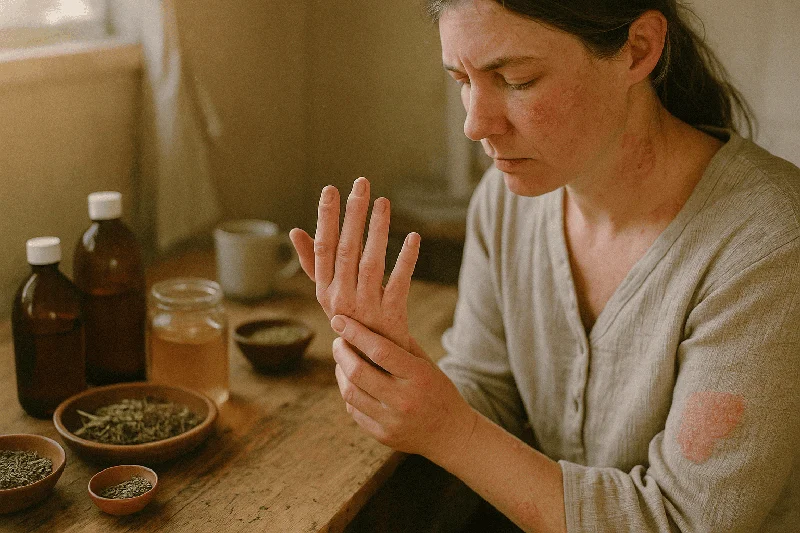
- Autoimmune disorders occur when your immune system—designed to protect you—turns against your own tissues, triggering chronic inflammation and progressive damage. Modern medicine manages these conditions primarily through immunosuppressants and corticosteroids, which often come with significant side effects over long-term use. Ayurveda takes a fundamentally different approach. Rather than simply suppressing immune activity, Ayurvedic medicine aims to re-educate the immune system through immunomodulation, detoxification (Panchakarma), herbal formulations, dietary changes, and lifestyle restructuring.
- The goal isn't just symptom control—it's addressing the root imbalance that caused the immune system to malfunction in the first place.
- But does it actually work? And if so, for which conditions?
- This guide covers everything you need to know: the Ayurvedic understanding of autoimmunity, specific treatment protocols, the science behind key herbs, realistic expectations, safety considerations, and practical guidance on integrating Ayurveda with conventional care.
What Is the Root Cause of Autoimmune Disease According to Ayurveda?
Modern immunology identifies autoimmune disorders as conditions where the body produces antibodies against its own cells—over 80 distinct diseases fall into this category, affecting roughly 5-8% of the global population. The exact triggers remain debated, but genetics, environmental factors, infections, and gut permeability ("leaky gut") all play documented roles.
Ayurveda doesn't use the term "autoimmune disease" directly, but classical texts describe conditions that align remarkably well with modern autoimmune pathology. The Ayurvedic framework explains autoimmunity through three interconnected mechanisms.
The Role of Ama (Metabolic Toxins) in Autoimmunity
At the centre of Ayurveda's understanding of autoimmune disease is the concept of Ama—improperly digested metabolic waste that accumulates when Agni (digestive fire) is weakened. Ama is described as a sticky, toxic substance that lodges in tissues and channels (Srotas), creating inflammation and confusion in the body's defense mechanisms.
- Here's where it gets interesting.
- Modern research on molecular mimicry—where bacterial proteins resemble human tissue proteins, causing the immune system to attack both—maps surprisingly well onto the Ama concept. When partially digested food particles and microbial byproducts enter the bloodstream through a compromised gut lining, the immune system mounts an inappropriate response. Ayurveda described this process thousands of years ago, just in different language.
Dosha Imbalance and Tissue-Specific Targeting
Ayurveda attributes autoimmune conditions to specific dosha imbalances that determine which tissues are attacked:
- Vata-dominant autoimmunity — affects joints, nervous system, and connective tissue. Correlates with conditions like rheumatoid arthritis, multiple sclerosis, and myasthenia gravis.
- Pitta-dominant autoimmunity — targets skin, blood, liver, and inflammatory pathways. Correlates with psoriasis, Graves' disease, inflammatory bowel disease, and systemic lupus erythematosus (SLE).
- Kapha-dominant autoimmunity — involves mucous membranes, metabolic tissues, and fluid systems. Correlates with Hashimoto's thyroiditis, type 1 diabetes, and pernicious anemia.
Most chronic autoimmune conditions involve Tridosha vitiation (all three doshas disturbed), which is why Ayurvedic treatment protocols are complex and highly individualized.
Dhatu Paka: When Deep Tissues Are Compromised
- A concept largely absent from competitor discussions is Dhatu Paka—the progressive deterioration of the seven tissue layers (Dhatus) due to sustained toxic exposure. In autoimmune disease, Ama doesn't just sit in the gut.
- It penetrates deeper tissues: Rasa (plasma), Rakta (blood), Mamsa (muscle), Asthi (bone), and even Majja (nerve tissue).
This explains why autoimmune diseases are progressive. Without intervention at the root level, the damage moves from superficial tissues to deeper, more vital ones. Ayurvedic treatment staging directly reflects this understanding—superficial disease requires shorter treatment, while deep-tissue involvement demands extended protocols.
How Ayurveda Diagnoses Autoimmune Conditions
Before any treatment begins, Ayurvedic practitioners conduct a thorough diagnostic assessment that differs substantially from conventional lab work. Understanding this process helps set realistic expectations.
Prakriti and Vikriti Assessment
Prakriti is your birth constitution—the unique ratio of Vata, Pitta, and Kapha you were born with. Vikriti is your current state of imbalance. The gap between the two reveals the disease pattern.
A skilled practitioner assesses Prakriti through physical examination, detailed history-taking, and questioning about lifelong tendencies (sleep patterns, appetite, emotional responses, body build). Vikriti is then determined by examining current symptoms, tongue coating, nail quality, skin texture, and digestive patterns.
Nadi Pariksha (Pulse Diagnosis)
Nadi Pariksha is perhaps the most sophisticated diagnostic tool in Ayurveda. By palpating the radial pulse at three distinct positions and depths, an experienced practitioner can assess the state of each dosha, identify affected organs, and evaluate the presence and location of Ama.
- While this may sound subjective, a 2016 study published in the Journal of Ayurveda and Integrative Medicine demonstrated inter-rater reliability of experienced practitioners in dosha assessment through pulse diagnosis.
- It's not perfect—but it's more systematic than critics assume.
Conventional Lab Integration
Here's something no competitor adequately addresses: modern Ayurvedic practitioners increasingly integrate conventional lab markers into their diagnostic process. Inflammatory markers like ESR, CRP, and specific autoantibodies (ANA, anti-dsDNA, RF) help track disease activity and treatment response. A published case report in AYU Journal documented a pemphigus vulgaris case where Ayurvedic treatment was monitored using WBC counts, ESR, and eosinophil levels, showing measurable improvement alongside clinical outcomes.
This integration isn't optional—it's essential for responsible practice.
Ayurvedic Treatment for Autoimmune Diseases: Complete Protocol
Ayurvedic treatment for autoimmune disorders follows a carefully staged approach. Skipping stages or rushing the process is one of the most common reasons treatment fails.
Stage 1: Amapachana (Toxin Digestion) — Weeks 1-8
Before any detoxification can begin, existing Ama must be "digested" and mobilized. This preparatory phase is critical and often overlooked.
Key interventions:
- Deepana-Pachana herbs: Trikatu (ginger, black pepper, long pepper), Chitrakadi Vati, and Hingvashtaka Churna to reignite Agni
- Dietary restriction: Light, warm, freshly cooked foods only. No raw foods, cold beverages, dairy, sugar, or processed items
- Warm water intake: Sipping boiled water throughout the day to help dissolve Ama
- Mild activity: Gentle walking, no intense exercise
In chronic autoimmune conditions, this phase may extend to 60 days or longer. Rushing into Panchakarma with high Ama levels can actually worsen symptoms—a nuance that many clinics unfortunatley skip over.
Stage 2: Panchakarma (Detoxification) — Weeks 8-12
- Panchakarma is the flagship detoxification system of Ayurveda, but not all five procedures are used for every autoimmune condition.
- Here's a condition-specific breakdown:
| Autoimmune Condition | Primary Panchakarma Procedures | Rationale |
|---|---|---|
| Rheumatoid Arthritis | Virechana (purgation), Basti (medicated enema) | Clears Pitta-Vata from joints; Basti is the primary Vata treatment |
| Psoriasis | Virechana, Raktamokshana (bloodletting) | Purifies Rakta dhatu; removes Pitta toxins from blood |
| Multiple Sclerosis | Basti, Nasya (nasal medication) | Targets Majja dhatu (nervous tissue); Nasya accesses CNS |
| Hashimoto's Thyroiditis | Virechana, Nasya | Clears Kapha-Pitta from thyroid region |
| Inflammatory Bowel Disease | Basti (Anuvasana and Niruha types) | Direct action on the colon; heals mucosal lining |
| SLE (Lupus) | Virechana, Raktamokshana | Addresses systemic Pitta vitiation and blood toxicity |
| Type 1 Diabetes | Basti, Virechana | Targets Kapha-Pitta in pancreatic tissue |
Preparatory steps (Purvakarma) include Snehapana (internal oleation with medicated ghee) and Swedana (sudation therapy). A notable formulation used in preparation is Panchatikta Ghrita—ghee processed with five bitter herbs—administered in escalating doses (30 ml → 40 ml → 50 ml over consecutive days) to penetrate deep tissues and mobilize fat-soluble toxins.
Stage 3: Shamana Chikitsa (Palliative Treatment) — Months 3-12+
After detoxification, Shamana therapy uses internal medicines, diet, and lifestyle modifications to maintain balance and prevent relapse.
Stage 4: Rasayana (Rejuvenation) — Ongoing
This is the long-term maintenance phase that most competitors barely mention, yet it's arguably the most important for autoimmune patients. Rasayana therapy rebuilds damaged tissues, strengthens immunity, and prevents disease recurrence. Key Rasayana formulations include Chyawanprash, Brahma Rasayana, and specific herb-mineral preparations selected based on the affected Dhatu.
Best Ayurvedic Herbs for Autoimmune Disease: What the Research Shows
This is where we need to be honest about what the evidence actually shows—and where it falls short.
Ashwagandha (Withania somnifera)
Ashwagandha is classified as a Rasayana and Balya (strength-promoting) herb. Its relevance to autoimmune conditions lies in its documented immunomodulatory activity.
What research shows:
- A 2021 systematic review in the Journal of Clinical Medicine found that Withania somnifera modulates both innate and adaptive immunity
- Withanolides (active compounds) suppress NF-κB signaling, reducing production of pro-inflammatory cytokines TNF-α and IL-6
- A 2019 randomized controlled trial showed significant reduction in CRP and improvement in sleep quality in stressed adults at 600 mg/day for 8 weeks
- Animal studies demonstrate enhanced regulatory T-cell (Treg) activity, which is directly relevant to autoimmune tolerance
Typical dosage: 300-600 mg standardized extract daily, or 3-6g churna
Guduchi (Tinospora cordifolia)
Called "Amrita" (nectar of immortality) in Ayurveda, Guduchi is perhaps the most important immunomodulatory herb in the pharmacopoeia.
What research shows:
- A 2020 study in Phytomedicine demonstrated that Guduchi polysaccharides activate macrophages while simultaneously suppressing excessive Th17 responses—exactly the dual action needed in autoimmunity
- Tinosporin and berberine (active constituents) modulate the Th1/Th2 balance, shifting away from autoimmune-promoting Th1 dominance
- Clinical studies show improved neutrophil function without triggering inflammatory cascades
Turmeric/Curcumin (Curcuma longa)
The most extensively researched Ayurvedic herb globally, with over 3,000 published studies.
Relevant findings for autoimmunity:
- Curcumin directly inhibits NF-κB, reducing IL-1β, IL-6, and TNF-α
- A 2012 pilot study in Phytotherapy Research found curcumin (500 mg) outperformed diclofenac sodium in rheumatoid arthritis symptom relief without gastrointestinal side effects
- Curcumin enhances intestinal barrier integrity, directly addressing the "leaky gut" component of autoimmune disease
- Poor bioavailability remains a limitation—piperine co-administration increases absorption by 2,000%
Gandhaka Rasayana and Arogyavardhini Rasa
These classical mineral-herb formulations deserve special mention:
- Gandhaka Rasayana: A sulphur-based preparation with documented anti-inflammatory and immunomodulatory action, particularly useful in skin-dominant autoimmune conditions like psoriasis and pemphigus
- Arogyavardhini Rasa: Contains processed mercury, sulphur, and multiple herbs. Shows hepatoprotective and immunomodulatory effects but requires careful preparation (Shodhana) and qualified prescribing
Is Amla Good for Autoimmune Disease?
Yes, but with caveats. Amla (Emblica officinalis) is rich in vitamin C and polyphenols with documented antioxidant and anti-inflammatory properties. A 2011 study in the European Journal of Clinical Nutrition showed Amla supplementation reduced CRP and improved endothelial function. However, its Pitta-reducing property makes it most suitable for Pitta-dominant autoimmune conditions. In Kapha-dominant conditions or during active Ama, Amla's heavy and cooling qualities may actually be counterproductive—this is why self-prescription without practitioner guidance is risky.
The Gut-Immune Connection: How Ayurvedic Diet Heals From Within
Modern immunology has established that approximately 70% of immune tissue resides in the gut (GALT—gut-associated lymphoid tissue). Disruption of the gut microbiome and intestinal permeability are now recognized as key drivers of autoimmune disease. A 2017 review in Frontiers in Immunology explicitly linked dysbiosis to rheumatoid arthritis, SLE, IBD, and multiple sclerosis.
Ayurveda has centered its autoimmune treatment on gut health for millennia. The concept of Agni (digestive fire) is essentially a framework for understanding gut function, enzyme activity, and microbiome health.
The Ayurvedic Autoimmune Diet
Foods to emphasize:
- Freshly cooked, warm meals (never reheated leftovers—Ayurveda considers them Ama-producing)
- Cooked vegetables: bottle gourd, ridge gourd, ash gourd, bitter gourd
- Whole grains: aged rice, barley, millet
- Spices: turmeric, cumin, coriander, fennel, ginger, asafoetida
- Small amounts of ghee (clarified butter)—essential for intestinal lining repair
- Mung dal as primary protein source during active disease
Foods to strictly avoid:
- Viruddhahara (incompatible food combinations): milk with fish, fruit with meals, honey heated above 40°C
- Processed foods, refined sugar, and refined oils
- Cold and raw foods during active disease
- Excess dairy, especially cold milk and ice cream
- Nightshade vegetables (controversial, but many practitioners restrict them in joint-related autoimmunity)
How Ayurvedic Diet Affects the Microbiome
Recent research provides mechanistic validation for these dietary guidelines. A 2019 study in Gut Microbes showed that spices commonly used in Ayurvedic cooking—particularly turmeric and ginger—significantly increase Bifidobacterium and Lactobacillus populations while reducing pathogenic bacteria. Ghee contains butyric acid, a short-chain fatty acid that directly nourishes colonocytes and strengthens the intestinal barrier.
The Ayurvedic emphasis on freshly cooked food isn't arbitrary. Reheated food undergoes chemical changes that increase resistant starch and produce compounds that may disrupt microbial balance. Modern food science is only beginning to validate what Ayurvedic practitioners observed centuries ago.
Ayurveda vs. Conventional Treatment for Autoimmune Disease
This comparison isn't about declaring a winner—it's about understanding where each system excels and where it falls short.
| Parameter | Conventional Medicine | Ayurveda |
|---|---|---|
| Speed of symptom relief | Fast (days to weeks) | Gradual (weeks to months) |
| Mechanism | Immunosuppression | Immunomodulation |
| Side effect profile | Significant (infections, organ damage, metabolic effects) | Generally mild when properly prescribed |
| Personalization | Disease-based protocols | Constitution-based protocols |
| Long-term outcomes | Requires lifelong medication in most cases | Aims for sustained remission; some patients achieve drug-free status |
| Acute flare management | Excellent | Limited—may need conventional support |
| Scientific evidence | Extensive RCTs and meta-analyses | Limited clinical trials, growing research base |
| Cost (India, approximate) | ₹5,000-50,000/month for biologics | ₹3,000-15,000/month for herbs + Panchakarma cycles at ₹15,000-60,000 |
| Best for | Acute management, organ-threatening disease | Chronic management, prevention, quality of life |
Integrating Ayurveda With Conventional Medicine
- This is the practical reality that most articles avoid discussing. Many autoimmune patients are already on conventional medications when they seek Ayurvedic help.
- Here's what a responsible integrative approach looks like:
- Never abruptly stop immunosuppressants or corticosteroids. This can trigger life-threatening flares.
- Begin Ayurvedic treatment alongside conventional therapy. The initial 3-6 months involves building the body's capacity through Amapachana, diet changes, and gentle herbal support.
- Monitor lab markers regularly. ESR, CRP, specific autoantibodies, organ function tests. If markers improve consistently, discuss gradual dose reduction of conventional drugs with your rheumatologist/immunologist.
- Be aware of herb-drug interactions. Ashwagandha may enhance immunosuppressive effects (risk of over-suppression). Turmeric may interact with blood thinners. Guduchi may alter blood glucose levels in patients on insulin. Always disclose all medications to both practitioners.
- Realistic timelines: Most patients see initial improvement in 8-12 weeks. Significant reduction in conventional medication (if achievable) typically happens after 6-12 months of consistent Ayurvedic treatment.
Safety, Side Effects, and Realistic Expectations
When Ayurveda Works Best
Ayurveda tends to show strongest results in:
- Rheumatoid arthritis — multiple published case studies showing reduction in joint swelling, ESR, and RF
- Psoriasis — Panchakarma-based protocols show 60-80% improvement in PASI scores in observational studies
- Hashimoto's thyroiditis — Kanchanara Guggulu and associated protocols show TSH normalization in mild-moderate cases
- Inflammatory bowel disease — Basti-based treatments show mucosal healing in several clinical reports
When Conventional Medicine Is Non-Negotiable
Be very clear on this: in organ-threatening autoimmune disease—lupus nephritis, severe vasculitis, rapidly progressive glomerulonephritis, myasthenic crisis—conventional immunosuppression is life-saving. Ayurveda plays a supportive role in these cases, not a replacement role.
Potential Risks and Contraindications
- Heavy metal contamination: Some Rasa Shastra preparations (mercury/lead-based) carry risk if improperly prepared. Always source from GMP-certified manufacturers
- Allergic reactions: Herbal preparations can trigger allergies in sensitive individuals
- Pregnancy: Many Ayurvedic formulations are contraindicated in pregnancy. Virechana and strong Basti procedures are absolutely prohibited
- Active infections: Panchakarma should not be performed during active infections, which are more common in immunocompromised autoimmune patients
Treatment Timeline: What to Expect Week by Week
| Phase | Timeframe | What Happens | Expected Changes |
|---|---|---|---|
| Assessment | Week 1-2 | Prakriti/Vikriti analysis, lab work, treatment planning | Understanding of your condition |
| Amapachana | Week 2-8 | Digestive correction, Ama reduction | Improved digestion, reduced bloating, slightly better energy |
| Panchakarma | Week 8-11 | Active detoxification procedures | Temporary symptom aggravation possible, then gradual relief |
| Shamana | Month 3-6 | Internal medicines, diet stabilization | Measurable reduction in symptoms, improved lab markers |
| Rasayana | Month 6-12+ | Tissue rebuilding, immune recalibration | Sustained improvement, possible reduction of conventional meds |
| Maintenance | Ongoing | Seasonal detox, lifestyle adherence, periodic herbs | Long-term remission management |
Where to Find Autoimmune Treatment in India
What Makes Kerala a Popular Destination for Ayurvedic Autoimmune Treatment?
Kerala has earned its reputation as the premier destination for authentic Panchakarma-based autoimmune treatment for several reasons. The state has the highest density of traditionally trained Ayurvedic physicians in India, many belonging to families with generations of practice. The humid tropical climate facilitates Panchakarma procedures (particularly Swedana), and the availability of fresh medicinal herbs year-round ensures quality formulations.
What to look for in a treatment center:
- NABH accreditation (National Accreditation Board for Hospitals)
- BAMS or MD (Ayurveda) qualified physicians
- In-house pharmacy with GMP certification
- Willingness to coordinate with your conventional medicine team
- Transparent treatment plans with defined duration and costs
Approximate costs in India (2024-2025): A comprehensive 21-28 day residential Panchakarma program for autoimmune conditions ranges from ₹50,000 to ₹2,50,000 depending on the facility, location, and specific procedures required. Follow-up herbal medications typically cost ₹3,000-8,000 per month.
The Psychosomatic Component: Why Stress Management Isn't Optional
There's a well-documented bidirectional relationship between psychological stress and autoimmune flares. A 2018 study in JAMA analyzing over 100,000 patients found that stress-related disorders were associated with a 36% increased risk of developing autoimmune disease.
Ayurveda addresses this through:
- Satvavajaya Chikitsa (psycho-behavioral therapy): Ayurveda's own form of cognitive-emotional management
- Daily meditation: Even 20 minutes of Pranayama has shown measurable reduction in cortisol and inflammatory markers
- Dinacharya (daily routine): Fixed wake times, meal times, and sleep times regulate the HPA axis
- Yoga Therapy: Specific asanas for each condition—gentle joint mobilization for RA, cooling practices (Sheetali pranayama) for Pitta-dominant conditions
This isn't a luxury add-on. For autoimmune patients, stress management is as important as any herbal prescription.
Frequently Asked Questions
How can I reduce autoimmune antibodies naturally?
Reducing autoantibodies requires a multi-pronged approach: eliminating dietary triggers (gluten, dairy, processed foods), healing gut permeability through Ayurvedic diet principles, taking immunomodulatory herbs like Guduchi and Ashwagandha, managing stress through regular meditation, and ensuring adequate vitamin D levels. Studies show that these interventions can reduce antibody titers over 6-12 months, though complete normalization isn't guaranteed for all conditions. Regular lab monitoring is essential.
What are the top 5 worst autoimmune diseases?
In terms of severity and complexity, the most challenging autoimmune diseases include: Systemic Lupus Erythematosus (SLE) due to multi-organ involvement, Multiple Sclerosis due to progressive neurological damage, Type 1 Diabetes due to irreversible beta cell destruction, Myasthenia Gravis due to respiratory compromise risk, and Systemic Vasculitis due to organ-threatening inflammation. Ayurveda can play a supportive role in all of these but should not replace conventional treatment in severe cases.
Is Ayurvedic treatment for autoimmune diseases effective?
Evidence varies by condition. For rheumatoid arthritis and psoriasis, there is reasonable clinical evidence supporting Ayurvedic interventions. A case study published in AYU Journal documented complete clinical remission of pemphigus vulgaris with Ayurvedic treatment, confirmed by laboratory improvements in WBC, ESR, and eosinophil counts. For conditions like MS and Type 1 Diabetes, evidence is limited to case reports and observational studies. More rigorous RCTs are needed, and several are currently underway at Indian research institutions.
What is the best medicine for autoimmune disease in Ayurveda?
There is no single "best medicine"—this contradicts the fundamental Ayurvedic principle of individualized treatment. However, the most frequently used formulations across autoimmune conditions include Guduchi Satva (aqueous extract of Tinospora cordifolia), Ashwagandha Churna/extract, Arogyavardhini Rasa, Gandhaka Rasayana, and Panchatikta Ghrita. The specific combination, dosage, and duration depend entirely on your Prakriti, Vikriti, disease type, and stage.
Can Ayurveda cure autoimmune disease completely?
- It's important to differentiate between "cure," "remission," and "management." Ayurveda can achieve sustained remission in many autoimmune conditions—meaning symptoms resolve and lab markers normalize without ongoing medication. However, calling this a permanent "cure" would be irresponsible, as autoimmune conditions can relapse under triggering circumstances (severe stress, dietary indiscretion, infections).
- The honest answer: Ayurveda offers a realistic path to drug-free remission for some patients with some conditions, while others will achieve significant symptom reduction and improved quality of life alongside reduced conventional medication.
Final Thoughts: Making an Informed Decision
Autoimmune disorders are complex, chronic, and deeply personal. Ayurveda's greatest strength lies in its refusal to treat every patient with the same protocol—your treatment is designed for your body, your imbalances, and your life. The growing body of research on Ayurvedic herbs, the gut-immune axis, and immunomodulation is validating what practitioners have observed clinically for centuries.
- But approach this journey with clear eyes.
- Work with qualified practitioners—BAMS or MD (Ayurveda) minimum. Insist on lab monitoring. Don't abandon conventional medicine abruptly. And give the process time; your immune system didn't malfunction overnight, and it won't recalibrate overnight either.
If you're considering Ayurvedic treatment for an autoimmune condition, start with a proper consultation that includes Prakriti assessment, review of your current medications and lab work, and a realistic treatment timeline. The best outcomes happen when Ayurveda and modern medicine work together, not against each other.
Scientific Sources
- Traditional Ayurvedic and herbal remedies for Alzheimer's disease: from bench to bedside — Sharma R et al., 2019, Expert review of neurotherapeutics
- Ayurveda in changing scenario of diabetes management for developing safe and effective treatment choices for the future — Banerjee S et al., 2015, Journal of complementary & integrative medicine
- Ayurveda and Panchakarma: measuring the effects of a holistic health intervention — Conboy L et al., 2009, TheScientificWorldJournal
- Ayurveda and yoga in cardiovascular diseases — Mamtani R et al., 2005, Cardiology in review
- Āyurveda's Contributions to Vegetarian Nutrition in Medicine — Manohar R et al., 2016, Forschende Komplementarmedizin (2006)
- Recapitulation of Ayurveda constitution types by machine learning of phenotypic traits — Tiwari P et al., 2017, PloS one
- Methodological implications of nonlinear dynamical systems models for whole systems of complementary and alternative medicine — Bell IR et al., 2012, Forschende Komplementarmedizin (2006)
- Computational analysis of Ayurvedic metabolites for potential treatment of drug-resistant Candida auris — Shah M et al., 2025, Frontiers in cellular and infection microbiology
- The flip side of Ayurveda — Thatte UM et al., 1993, Journal of postgraduate medicine
- Is delayed regulation of yoga and naturopathic medicine in India breeding quackery? — Nair PM et al., 2023, Indian journal of medical ethics
- Network Pharmacology of Ayurveda Formulation Triphala with Special Reference to Anti-Cancer Property — Chandran U et al., 2015, Combinatorial chemistry & high throughput screening
- Foundations of clinical logagogy — Bühler KE, 2003, Medicine, health care, and philosophy
- Can the AYUSH system be instrumental in achieving universal health coverage in India? — Samal J et al., 2018, Indian journal of medical ethics
- Bhaishajya Kalpanaa - the Ayurvedic pharmaceutics - an overview — Savrikar SS et al., 2010, African journal of traditional, complementary, and alternative medicines : AJTCAM
- [Ayush [Indian System of Medicines] Prophylaxis Against COVID-19: A Living Systematic Review and Meta-Analysis (Second Update)](https://pubmed.ncbi.nlm.nih.gov/38422192/) — Thakar A et al., 2024, Journal of integrative and complementary medicine
- Utilization of Ayurveda in health care: an approach for prevention, health promotion, and treatment of disease.
- Part 2--Ayurveda in primary health care — Sharma H et al., 2007, Journal of alternative and complementary medicine (New York, N.Y.)
- [[The Indian Ayurveda medicine-a meaningful supplement to psychiatric treatment?]](https://pubmed.ncbi.nlm.nih.gov/29876598/) — Juckel G et al., 2018, Der Nervenarzt
- Review on shilajit used in traditional Indian medicine — Wilson E et al., 2011, Journal of ethnopharmacology
- Exploring scientific validation of Triphala Rasayana in ayurveda as a source of rejuvenation for contemporary healthcare: An update — Ahmed S et al., 2021, Journal of ethnopharmacology
- Traditional Indian systems of medicine — Lodha R et al., 2000, Annals of the Academy of Medicine, Singapore
Ask Ayurvedic doctor a question and get a consultation online on the problem of your concern in a free or paid mode.
More than 2,000 experienced doctors work and wait for your questions on our site and help users to solve their health problems every day.
Related articles