Ask Ayurvedic doctor a question and get a consultation online on the problem of your concern in a free or paid mode. More than 2,000 experienced doctors work and wait for your questions on our site and help users to solve their health problems every day.
FREE! Ask Ayurvedic Doctors 24/7

 Fast responses
 1000+ verified doctors
Body DetoxEar, Nose, and Throat DisordersGeriatrics & RejuvenationImmunodeficiencyInfertility TreatmentNutritionOrthopedic DisordersPediatricsRespiratory DisordersSexually Transmitted Diseases (STDs)Surgery RecoveryUrological DisordersVascular DisordersDental DisordersEndocrinological DisordersGastrointestinal DisordersYoga TherapyGeneral MedicineAllergic DisordersCardio DisordersGynecology and ObstetricsCosmetologySkin and Hair DisordersEye DisordersInfectious DiseasesMental DisordersNeurological DisordersOncologyPanchakarmaSexual Health & DisordersSports Medicine
Published on 02/17/25
(Updated on 06/16/26)
2,881
Asthapana Basti – Ayurvedic Enema Therapy for Digestive Health
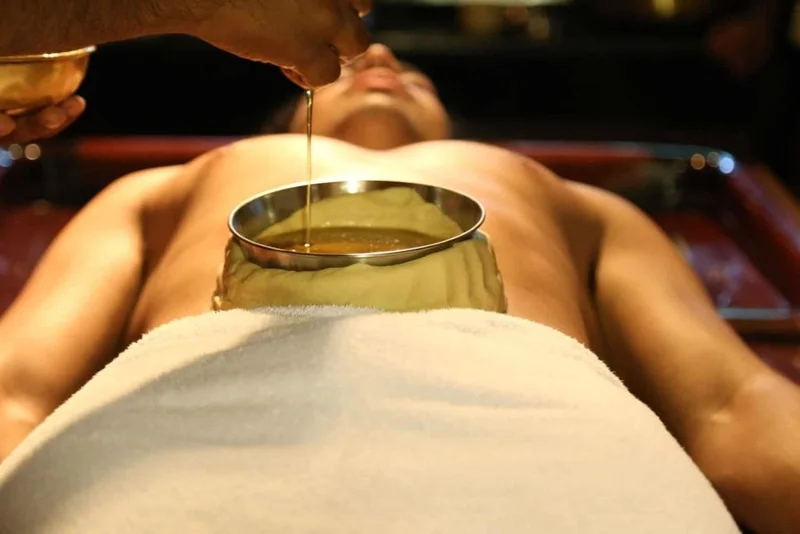
Asthapana Basti (also called Niruha Basti or Kashaya Basti) is a powerful Ayurvedic enema therapy in which a medicated herbal decoction is administered rectally to cleanse the colon, pacify aggravated Vata dosha, and restore systemic balance. It is one of the five core procedures of Panchakarma and is considered by Acharya Charaka to be "half of the entire therapeutic measure" — so central that mastering Basti alone is sometimes equated with mastering the whole of Ayurvedic treatment. In this guide, we cover everything from the Sanskrit etymology and classical ingredients to modern pharmacokinetic explanations, step-by-step procedure protocol, specific formulations for common diseases, and a frank comparison with Anuvasana Basti and conventional enemas.
What Is Asthapana Basti? Definition, Etymology and Meaning
- The term Asthapana derives from the Sanskrit root sthā (to establish, to sustain).
- Literally, it means "that which establishes life" — reflecting the classical belief that this therapy re-establishes health, longevity, and dosha equilibrium. The synonym Niruha comes from nir + ūh, meaning "to eliminate" or "to expel," pointing to its cleansing action on accumulated doshas and mala (waste) from the colon. A third common name, Kashaya Basti, simply refers to the primary liquid vehicle: kashaya (herbal decoction or astringent preparation).
Why Three Names for One Therapy?
Each name highlights a different therapeutic dimension:
| Name | Root Meaning | Therapeutic Emphasis |
|---|---|---|
| Asthapana Basti | Sthā = to establish, sustain | Restores life, longevity and balance |
| Niruha Basti | Nir + ūh = to expel, eliminate | Cleanses doshas and mala from the body |
| Kashaya Basti | Kashaya = decoction, astringent | Refers to the herbal decoction base |
- All three terms appear interchangeably across Charaka Samhita, Sushruta Samhita, and Ashtanga Hridaya.
- Modern practitioners use them based on context — "Niruha" when emphasizing detoxification, "Asthapana" when discussing its restorative benefits, and "Kashaya" when specifying the formulation type.
Place of Asthapana Basti in Panchakarma
Panchakarma literally means "five actions." Basti therapy constitutes one of these five (alongside Vamana, Virechana, Nasya, and Raktamokshana).
However, Basti itself has two complementary halves:
- Asthapana (Niruha) Basti — decoction-based, primarily cleansing
- Anuvasana Basti — oil-based, primarily nourishing
Together, they form the complete Basti Chikitsa. Because Vata dosha is responsible for 80 types of diseases (Charaka Samhita, Sutra Sthana 20), and Basti is the supreme treatment for Vata, classical texts consider it the most important single therapy in all of Ayurveda.
Asthapana Basti vs Anuvasana Basti: Key Differences
This is one of the most frequently asked questions, yet no competitor provides a clear side-by-side comparison. Here it is.
| Parameter | Asthapana (Niruha) Basti | Anuvasana Basti |
|---|---|---|
| Primary base | Herbal decoction (kashaya) | Medicated oil or ghee (sneha) |
| Main action | Shodhana (cleansing, elimination) | Shamana / Brimhana (nourishing, pacifying) |
| Ideal timing | Empty stomach (morning) | After food |
| Retention time | Short — should return within 48 minutes (1 muhurta); ideally within 15–30 min | Long — retained for several hours to overnight |
| Dose (adult) | 480–960 mL (approx. 2–4 pala of each ingredient, total ~12 prastha max) | 240–480 mL (smaller volume) |
| Frequency in course | Alternate days (typically) | Alternate days, often given on days between niruha |
| Key ingredients | Honey, rock salt, sesame oil, herbal paste, decoction | Medicated oil/ghee (e.g., Anu taila, Bala taila) |
| Contraindications | More contraindications; not for debilitated patients without care | Fewer contraindications; safer for weak patients |
| Primary dosha target | All three doshas (formulation-dependent) | Primarily Vata |
> Clinical pearl: In a standard Yoga Basti course of 8 sessions, Asthapana and Anuvasana are alternated — starting and ending with Anuvasana. This alternation ensures cleansing and nourishment work in tandem.
Ingredients of Asthapana Basti (Niruha Basti Preparation)
- The classical formulation follows a specific sequential order of mixing.
- This order is not arbitrary — each ingredient emulsifies the next, creating a stable, bioavailable preparation.
Charaka describes this sequence clearly:
The Five Essential Components
- 1.Makshika (Honey) — Added first. Acts as a yogavahi (bio-enhancer), improves drug absorption, and provides a sweet, soothing base. Typical dose: 160–180 mL.
- 2.Saindhava Lavana (Rock Salt) — Mixed into honey. Helps dissolve mucus, improves penetration of the formulation into intestinal walls. Dose: 5–10 g.
- 3.Sneha (Tila Taila / Sesame Oil or medicated ghee) — Added next and churned well. Lubricates the colon, facilitates drug transport. Dose: 80–120 mL.
- 4.Kalka (Herbal Paste) — A fine paste of specific herbs ground fresh. Acts as the active pharmacological agent. Dose: 40–50 g.
- 5.Kashaya / Kwatha (Herbal Decoction) — The bulk liquid. Chosen according to the disease and dosha involved. Dose: 320–480 mL.
Dosage by Age Group
| Age Group | Total Volume (approx.) | Adjustment |
|---|---|---|
| Children (1–7 years) | 120–240 mL | Proportionally reduced; use milder herbs |
| Adolescents (8–16 years) | 240–480 mL | Moderate strength decoction |
| Adults (17–60 years) | 480–960 mL | Full classical dose |
| Elderly (60+ years) | 360–480 mL | Reduced dose; prefer mridu (mild) formulations |
Specific Formulations for Common Diseases
No competitor provides ready-to-use recipes with proportions. Here are three classical formulations frequently used in clinical practice:
1. Dashamoola Niruha Basti (for sciatica, lumbar spondylosis, PIVD)
- Kashaya: Dashamoola kwatha — 400 mL
- Kalka: Shatapushpa + Madanaphala — 40 g
- Sneha: Tila taila — 100 mL
- Makshika: 160 mL
- Saindhava: 6 g
2. Erandamuladi Niruha Basti (for rheumatoid arthritis, joint stiffness)
- Kashaya: Erandamula kwatha — 400 mL
- Kalka: Rasna + Devadaru + Shatahva — 40 g
- Sneha: Sahacharadi taila — 100 mL
- Makshika: 160 mL
- Saindhava: 6 g
3. Mustadi Yapana Basti (for chronic constipation, IBS-type conditions)
- Kashaya: Musta + Bilva + Kutaja kwatha — 400 mL
- Kalka: Pippali + Vacha — 30 g
- Sneha: Ghrita — 100 mL
- Makshika: 120 mL
- Saindhava: 5 g
- > Important warning: These formulations must be prescribed and prepared by a qualified Ayurvedic physician.
- Self-administration of Niruha Basti is strongly discouraged — improper formulation or technique can cause serious complications.
Step-by-Step Procedure: From Preparation to Recovery
Here's the complete protocol with timing for each stage — something no competitor has laid out clearly.
Purva Karma (Pre-Procedure Preparation)
Duration: 30–60 minutes before main procedure
- 1.Patient assessment (Dashvidha Pariksha): The physician evaluates dosha status, prakriti, desha (habitat), kala (season and age), satmya (tolerance), agni (digestive fire), satva (mental strength), oka (habits), vaya (age), and bala (strength).
- 2.Abhyanga (oil massage): Full-body or local massage with warm medicated oil, focusing on the abdomen, lower back, and thighs.
- Duration: 15–20 minutes.
- 3.Swedana (sudation): Steam therapy or Nadi Swedana to the lower abdomen and lumbar region.
- Duration: 10–15 minutes. This softens channels and facilitates drug movement.
- 4.Bowel preparation: The patient is asked to evacuate bowels and bladder naturally.
- 5.Diet: Asthapana Basti is administered on an empty stomach (this is the basti given on an empty stomach, per classical texts). Light food may be consumed the previous evening.
Pradhana Karma (Main Procedure)
Duration: 5–15 minutes
- 1.Position: Patient lies in the left lateral position (vama parshva) with the left leg extended and the right leg flexed at hip and knee.
- 2.Preparation of basti dravya: Ingredients are mixed in the sequential order described above and churned vigorously until a homogeneous emulsion forms.
- 3.Equipment: Classically, a bastiputaka (leather bladder attached to a metal nozzle/bastiyantra) is used. In modern clinical settings, an enema can or syringe with rectal catheter is common.
- 4.Lubrication: The rectal nozzle is lubricated with sesame oil. The anal region is also oiled gently.
- 5.Insertion: The nozzle is inserted 4–6 angula (approximately 7–10 cm) into the rectum, directed along the spinal curve.
- 6.Administration: The decoction is introduced slowly with steady, even pressure. Classical texts specify the basti-pidanakala (administration time) as approximately 30 matra kala (~46 seconds per Sharangadhara), though modern practice using enema cans may take 8–10 minutes for the full volume.
- 7.Withdrawal: The nozzle is withdrawn gently, and the patient's buttocks are gently elevated and tapped.
Paschat Karma (Post-Procedure Care)
Duration: monitoring for 30–60 minutes; dietary care for remainder of day
- 1.
- Rest: Patient lies supine with a pillow under the pelvis for 5–10 minutes, then is allowed to move to a comfortable position.
- 2.
- Monitoring retention time: The basti liquid should be expelled naturally. Ideal retention for Asthapana Basti is 15–30 minutes (1 muhurta = 48 minutes is the maximum acceptable time). If retained longer than 48 minutes, it indicates atiyoga (excessive action) and may require intervention.
- 3.
- Observation of expelled material: The physician notes color, consistency, and odor to assess dosha elimination.
- 4.
- Diet after procedure: After the urge to defecate has passed and basti liquid is fully expelled, the patient is given peya (thin rice gruel) or light, warm food. Heavy, cold, or fried foods are strictly avoided for the rest of the day.
Signs of Proper, Improper, and Excessive Administration
Understanding these signs is crucial for both practitioners and patients. This is something most resources mention but don't explain in a patient-friendly way.
Samyak Yoga (Proper Administration)
- Natural urge to evacuate within 15–30 minutes
- Clear expulsion of flatus, followed by fecal matter, then the basti liquid
- Feeling of lightness (laghuta) in the abdomen
- Improved appetite
- Mental clarity and calmness
- Comfortable sleep the following night
Ayoga (Insufficient Effect)
- Basti liquid returns too quickly (within 2–5 minutes) without much fecal matter
- Feeling of heaviness, bloating, or incomplete evacuation
- No relief in symptoms
- Cause: Usually insufficient volume, cold temperature of formulation, or improper patient preparation
Atiyoga (Excessive Effect)
- Prolonged, excessive watery evacuation
- Abdominal cramps, pain, or tenesmus
- Dizziness, weakness, or dehydration signs
- Blood or mucus in the expelled matter (rare but serious)
- Cause: Excessive dose, overly teekshna (sharp) ingredients, or administration in a contraindicated patient
Indications: When Is Asthapana Basti Prescribed?
Asthapana Basti is primarily indicated for Vata-dominant disorders, but specific formulations can address Pitta and Kapha imbalances as well. The range of indications is remarkably broad.
Neurological and Musculoskeletal Conditions
- Paralysis (Pakshaghata)
- Sciatica (Gridhrasi)
- Motor Neuron Disease (MND)
- Parkinsonism (Kampavata)
- Cervical and lumbar spondylosis
- Prolapsed Intervertebral Disc (PIVD)
- Osteoarthritis and rheumatoid arthritis
- Muscular dystrophy
Gastrointestinal Disorders
- Chronic constipation
- Irritable Bowel Syndrome (IBS)
- Flatulence and abdominal distension
- Loss of appetite (Aruchi)
- Gulma (abdominal tumors/masses)
Reproductive and Urological Conditions
- Male and female infertility
- Dysmenorrhea, amenorrhea
- Urinary retention (Mutraghata)
Systemic and Metabolic Conditions
- Gout (Vatarakta)
- Obesity (when combined with teekshna formulations)
- Fever of Vata origin
- Cardiac disorders related to Vata
Rejuvenation and Anti-Aging (Rasayana)
Classical texts describe specific Yapana Basti formulations that can be administered over extended periods for longevity and rejuvenation. These are considered safe enough for long-term use and have both cleansing and nourishing properties — essentially bridging Asthapana and Anuvasana effects.
Don't wait or self medicate. Start chat with Doctor NOW
Contraindications: When to Avoid Asthapana Basti
Not everyone is a candidate. These are conditions where Asthapana Basti is explicitly prohibited:
- Active diarrhea or dysentery (Atisara)
- Rectal bleeding or hemorrhoids with active bleeding
- Diabetes with extreme debility (Madhumeha with severe cachexia)
- Ascites (Jalodara)
- Intestinal perforation or recent abdominal surgery
- Extreme emaciation or dehydration
- Immediately after Vamana (emesis) or Virechana (purgation) — the body needs recovery
- Within 2 hours after food (Asthapana requires an empty stomach)
- Children under 1 year and very elderly patients in fragile condition
- Pregnancy (relative contraindication — some mild formulations are used under strict supervision, but standard Niruha is avoided)
- Unconscious patients or those unable to cooperate
Types and Classification of Asthapana Basti
By Potency (Veerya)
- Mridu (Mild): Gentle formulations for sensitive patients, elderly, or early-stage diseases
- Teekshna (Strong/Sharp): Aggressive formulations for robust patients with deep-seated dosha accumulation
By Therapeutic Effect
- Utkleshana Basti: Aggravates and mobilizes doshas for subsequent elimination
- Doshahara Basti: Directly eliminates vitiated doshas
- Doshashamana Basti: Pacifies doshas without forceful expulsion
By Dosha Specificity (Doshaghna Basti)
| Dosha Target | Key Herbs in Decoction | Oil/Ghee Used |
|---|---|---|
| Vataghna | Dashamoola, Bala, Ashwagandha | Tila taila, Bala taila |
| Pittaghna | Guduchi, Musta, Chandana | Ghrita (ghee), Shatadhauta ghrita |
| Kaphaghna | Vacha, Kutaja, Chitraka | Mustard oil, Tila taila |
Special Subtypes
- Yapana Basti: Can be given at any time; safe for extended use; combines cleansing and nourishing properties
- Piccha Basti: Contains mucilaginous substances (like mocharasa); specifically for ulcerative colitis and bleeding disorders
- Ksheera Basti: Milk-based decoction; used in Pitta-predominant conditions and for nourishment
- Rajayapana Basti: A supreme formulation containing multiple drugs; used for rejuvenation and complex disorders
Number of Basti Sessions in a Course
| Course Type | Total Sessions | Niruha : Anuvasana Ratio | Indication |
|---|---|---|---|
| Karma Basti | 30 | 18 Niruha + 12 Anuvasana | Severe, chronic diseases |
| Kala Basti | 15 | 10 Niruha + 5 Anuvasana | Moderate conditions |
| Yoga Basti | 8 | 5 Niruha + 3 Anuvasana | Mild to moderate conditions |
How Does Asthapana Basti Work? Classical and Modern Explanations
Classical Ayurvedic Mechanism
- According to Charaka, the basti formulation reaches the Pakvashaya (colon/large intestine) — the primary seat of Vata dosha. From here, its virya (potency) spreads throughout the body via the srotas (channels), much like water nourishes a tree from its roots.
- The analogy used is: just as a tree is nourished when water is poured at its root, Basti nourishes and cleanses the entire body through the colon.
Modern Pharmacokinetic Explanation
From a contemporary pharmacological perspective, rectal administration offers several unique advantages:
- 1.Bypassing first-pass hepatic metabolism: The lower rectum is drained by the inferior and middle rectal veins, which connect directly to the systemic circulation (inferior vena cava) rather than the portal vein. This means a significant portion of rectally administered drugs avoids liver metabolism, increasing bioavailability.
- 2.Large absorptive surface area: The rectal mucosa provides approximately 200–400 cm² of absorptive surface with rich blood supply.
- 3.Emulsification enhances absorption: The classical mixing sequence (honey → salt → oil → paste → decoction) creates a natural emulsion. A 2013 study published in the International Journal of Pharmaceutical Sciences and Research demonstrated that emulsified herbal formulations show significantly higher absorption rates compared to simple aqueous solutions.
Classical vs Modern Equipment: Does It Matter?
A fascinating radiological study (documented in PMC and referenced in Ayurvedic research circles) compared the traditional bastiputaka (leather bag device) with the modern enema can using barium contrast:
| Parameter | Bastiputaka (Classical) | Enema Can (Modern) |
|---|---|---|
| Administration time | ~60 seconds (rapid bolus) | ~10 minutes (slow drip) |
| Distribution in colon | Uniform, reaches up to ascending colon | Less uniform, primarily sigmoid and descending colon |
| Pressure | Higher, controlled by hand squeeze | Lower, gravity-dependent |
| Retention tendency | Better (due to rapid mucosal contact) | Variable |
The study concluded that the classical method achieves more uniform distribution and better mucosal contact, which may contribute to superior therapeutic outcomes. However, the modern method is safer for untrained administrators and more comfortable for patients.
Seasonality: Best Time to Undergo Asthapana Basti
Classical Ayurvedic texts prescribe specific seasons for different Panchakarma procedures based on ritucharya (seasonal regimen):
- Varsha Ritu (Monsoon / July–September): Considered the ideal season for Basti therapy. Vata naturally aggravates during the rainy season, making this the optimal window for Vata-pacifying treatments.
- Greeshma Ritu (Summer): Anuvasana Basti is preferred; Asthapana with mild formulations can be used.
- Hemanta/Shishira (Winter): Basti can be administered, but patients need adequate oleation beforehand due to dryness.
That said, in disease conditions, Asthapana Basti is administered regardless of season based on clinical necessity. The seasonal guideline applies primarily to preventive/rasayana contexts.
Complications and Side Effects of Asthapana Basti
When administered correctly by a qualified practitioner, Asthapana Basti is remarkably safe.
Complications arise primarily from:
- Incorrect formulation: Using teekshna (sharp) herbs in a debilitated patient
- Wrong dose: Excessive volume causing colonic distension
- Improper temperature: Too hot can burn rectal mucosa; too cold causes cramps and poor absorption
- Contraindicated patient: Administration in active diarrhea, rectal bleeding, etc.
- Unhygienic equipment: Risk of infection
Reported complications include:
- Abdominal pain and cramping
- Nausea and vomiting
- Excessive diarrhea leading to dehydration
- Rectal irritation or minor bleeding
- Syncope (fainting) — rare, usually in anxious or debilitated patients
- In extreme cases of negligence: rectal perforation (exceedingly rare with proper technique)
Cost, Accessibility and Practical Considerations
| Factor | Details |
|---|---|
| Cost per session (India) | ₹800–₹2,500 depending on city, clinic, and formulation |
| Full Yoga Basti course (8 sessions) | ₹6,000–₹20,000 |
| Full Karma Basti course (30 sessions) | ₹25,000–₹75,000 (often includes accommodation in Panchakarma center) |
| Availability | Widely available across India; also offered in Sri Lanka, Nepal, and specialized Ayurvedic centers in Europe, USA, Australia |
| Insurance coverage | AYUSH insurance schemes in India may cover Panchakarma in empaneled hospitals; private insurance coverage varies |
| Can it be done at home? | Strongly not recommended. Requires medical supervision, sterile equipment, precise formulation, and monitoring. |
Asthapana Basti vs. Modern Enema and Colonic Irrigation
Many patients wonder how this differs from a standard hospital enema or commercial colonic irrigation. The differences are fundamental.
| Aspect | Asthapana Basti | Modern Enema | Colonic Irrigation |
|---|---|---|---|
| Purpose | Therapeutic: dosha balance + cleansing + nourishment | Primarily bowel evacuation | Colon cleansing |
| Liquid used | Complex herbal emulsion (5+ active components) | Saline or plain water | Filtered water |
| Volume | 480–960 mL (moderate) | 500–1000 mL | 15–60 liters (large volume) |
| Pharmacological action | Drug absorption + elimination | Mechanical evacuation only | Mechanical flushing only |
| Systemic effects | Yes — drugs absorbed into systemic circulation | Minimal | None intended |
| Traditional knowledge base | 3,000+ years of documented use | ~200 years | ~100 years |
| Customization | Fully individualized to patient's dosha, disease, constitution | Standardized | Standardized |
Frequently Asked Questions (FAQ)
Is Asthapana Basti painful?
Most patients describe the sensation as mild discomfort during insertion, followed by a feeling of fullness or warmth in the abdomen. It is generally not painful. The pre-procedure Abhyanga and Swedana significantly relax the muscles. Patients who are anxious or tense may experience more discomfort, which is why mental preparation (satva assessment) is part of the protocol.
How long does the entire procedure take?
The complete session — including Abhyanga, Swedana, the Basti itself, and rest period — takes approximately 60–90 minutes. The actual administration of the enema takes only 1–10 minutes depending on the method used.
How many sessions are needed for results?
This depends on the condition. A single session may provide relief for acute constipation, but chronic conditions typically require a full course: Yoga Basti (8 sessions), Kala Basti (15 sessions), or Karma Basti (30 sessions). Your Ayurvedic physician will determine the appropriate course.
What is the retention time of Asthapana Basti?
The ideal retention time is 15–30 minutes. Classical texts state that the maximum acceptable time is one muhurta (approximately 48 minutes). If the liquid is retained beyond this, it suggests incomplete administration or atiyoga, and the physician may need to intervene. Unlike Anuvasana Basti (which should be retained for hours), Asthapana is designed for relatively quick expulsion along with waste material.
Can I take modern medicines while undergoing Basti therapy?
In most cases, yes — but disclosure of all current medications to your Ayurvedic physician is essential. Some drugs (particularly anticoagulants, immunosuppressants, and certain cardiac medications) may require dose adjustments or timing modifications. Never stop prescribed medications without consulting both your Ayurvedic and allopathic doctors.
Is Asthapana Basti safe during pregnancy?
Standard Asthapana Basti is generally contraindicated during pregnancy. However, certain mild, nourishing formulations (like Ksheera Basti or specific Yapana Basti) may be used in the second trimester under strict medical supervision for specific conditions. This decision must be made only by an experienced Ayurvedic physician.
Which Basti is given on an empty stomach?
Asthapana (Niruha) Basti is always administered on an empty stomach. Anuvasana Basti, by contrast, is given after food. This is a key differentiating factor between the two.
Conclusion: Why Asthapana Basti Deserves a Place in Integrative Medicine
Asthapana Basti represents one of the most sophisticated drug delivery systems developed in ancient medicine — a system that modern pharmacokinetics is only now beginning to validate. Its ability to deliver complex herbal formulations directly to the colon, bypass hepatic first-pass metabolism, and achieve systemic therapeutic effects makes it remarkably aligned with contemporary concepts of rectal drug administration.
Whether you're dealing with chronic neurological conditions, stubborn digestive disorders, joint diseases, or seeking deep rejuvenation, Asthapana Basti — when administered by a qualified Ayurvedic physician in a proper clinical setting — offers a time-tested, individualized, and holistic approach that complements modern medical care.
- Ready to explore Asthapana Basti for your health concerns? Consult a certified Ayurvedic practitioner who can assess your prakriti, vikriti, and specific condition to design a personalized Basti protocol.
- Do not attempt this therapy at home — the precision of formulation, administration technique, and post-procedure monitoring requires professional expertise.
Medical Disclaimer: This article is for educational purposes only and should not replace professional medical advice. Always consult a qualified BAMS or MD (Ayurveda) practitioner before undergoing any Panchakarma procedure. References drawn from Charaka Samhita, Sushruta Samhita, Ashtanga Hridaya, Sharangadhara Samhita, and contemporary research published in peer-reviewed journals including those indexed in PubMed/PMC.
Scientific Sources
- Clinical efficacy of Gokshura-Punarnava Basti in the management of microalbuminuria in diabetes mellitus — Ramteke RS et al., 2012, Ayu
- Effects of medicated enema and nasal drops using Triphaladi oil in the management of obesity - A pilot study — Singh SK et al., 2020, Journal of Ayurveda and integrative medicine
Questions from users
What is the best way to support recovery after an Asthapana Basti session?
Mateo
8 days ago
After an Asthapana Basti session, it's great to support recovery with light, easy-to-digest meals, like warm soups or khichdi. Stay hydrated and rest, avoid heavy or cold foods. Gentle yoga or meditation can help balance your energy. If you're unsure, chat with your Ayurvedic practitioner for personalized advice!
Can I use Asthapana Basti as a preventative measure for digestive issues?
Nora
17 days ago
Yes, Asthapana Basti can be used preventatively for digestive issues! It's great for cleansing the colon and balancing Vata dosha, promoting good digestion. But it's best to consult an Ayurvedic practitioner to tailor it to your unique dosha and needs. Regular sessions might be beneficial, but always best to get personal advice :)
What is the herbal blend used in the decoction for Asthapana Basti treatment?
Zayden
26 days ago
The specific herbal blend for Asthapana Basti often varies depending on individual needs and dosha balance, but common ingredients might include dashamoola, haritaki, and guduchi. It's best to consult an Ayurvedic practitioner who can tailor the blend specifically to your prakriti and any imbalances.
What is the role of Triphala in improving digestive health?
Uriah
36 days ago
Triphala is awesome for digestive health! It’s a blend of three fruits that work together to stimulate your digestive fire (agni) and gently cleanse the tract with mild laxative properties. Plus, it supports nutrient absorption and balances your doshas – great for overall digestion! Just remember, balance is key, so consult someone if needed! 😊
What dietary adjustments are ideal before starting Asthapana Basti treatment?
Evelyn
45 days ago
Before starting Asthapana Basti, it's good to focus on a Vata-balancing diet. This means eating warm, cooked, easily digestible foods like soups, stews, and cooked vegetables, along with some healthy fats. Try to avoid cold, raw, or processed foods, they can imbalance Vata and mess with the treatment. Drinking warm water and herbal teas could also help!
What is the importance of post-treatment rest after an Asthapana Basti session?
Leslie
55 days ago
Post-treatment rest after an Asthapana Basti is super important because it gives your body time to absorb the benefits of the therapy and continue detoxifying. It kind of helps the body adjust and heal, especially important since the treatment can temporarily disrupt your Vata dosha. So, it's all about balance and letting your body do its thing!
Is it safe to combine Asthapana Basti with other Ayurvedic therapies?
Violet
64 days ago
Combining Asthapana Basti with other Ayurvedic therapies can be safe and effective, but it's important to do it mindfully. This therapy mainly balances Vata, so just ensure the other treatments don't contradict this. Always talk to a qualified Ayurvedic practitioner to tailor the treatment to your unique prakriti and any current dosha imbalances.
What is the role of Vata dosha in digestive disorders treated by Asthapana Basti?
Charles
74 days ago
Vata dosha is a big factor in digestive disorders like constipation and indigestion. It governs movement and when out of balance, it can dry out and disrupt the digestive process. Asthapana Basti helps by cleansing the colon and soothing the Vata dosha, restoring balance to the digestive system and supporting overall health.
Can Asthapana Basti help with long-term digestive health issues?
Victoria
84 days ago
Yeah, Asthapana Basti can definitely help with long-term digestive issues, especially if they're related to Vata imbalances. It works by harmonizing your body's energies and helps flush out toxins, which can improve digestion over time. But remember, it's super important to have a personalized approach, maybe consult an ayurvedic doc for the best results, cause they'll consider your specific prakriti and current condition too.
Is there a specific time of year that’s best for undergoing Asthapana Basti treatment?
Emma
166 days ago
Asthapana Basti might be best during a specific season depending on your body's needs, but generally late spring or early summer is ideal. It's when the body's natural detox energy is strong. Still, chat with your Ayurvedic practitioner—they'll tailor it to your unique dosha and imbalances!
Related articles

Panchakarma
Shastika Shali Pinda Sweda: Ayurvedic Therapeutic Insight
Explore Shastika Shali Pinda Sweda, an Ayurvedic warm compress therapy with evidence-based benefits, guidelines, and practical tips for holistic well-being.
3,600

Panchakarma
Panchakarma: Ayurvedic Detox and Rejuvenation Therapy
Panchakarma, derived from Sanskrit, translates to “five procedures ” or “five treatments.”
3,731

Panchakarma
Avarta Marma – Harnessing Vital Energy for Balance & Healing
Explore Avarta Marma, a key vital energy point in Ayurveda. Learn about its significance, therapeutic benefits, and how it contributes to holistic healing and energy balance.
2,581

Panchakarma
Uttarbasti Procedure in Female: A Comprehensive, Research-Based Overview
Discover the benefits, scientific backing, and practical steps of the Uttarbasti procedure in female care. Explore its role in modern gynecological health.
2,847

Panchakarma
Snehapana Treatment: Ayurvedic Oleation Therapy for Internal Detox
Discover Snehapana treatment in Ayurveda, an internal oleation therapy. Learn about its benefits, procedure, preparation for Panchakarma, and holistic healing properties.
3,382
Panchakarma
Uttar Basti Treatment for Male: Ayurvedic Prostate Health Therapy
Explore Uttar Basti treatment for males. Learn about its benefits, usage guidelines, dosage, and scientific insights for optimal prostate health using Ayurvedic practices.
3,399

Panchakarma
Panchamrit Parpati Benefits, Dosage, Ingredients, Side Effects
Exploration of Panchamrit Parpati Benefits, Dosage, Ingredients, Side Effects
1,720

Panchakarma
Ksheerabala Thailam (Kshirabala Oil)
Exploration of Ksheerabala Thailam (Kshirabala Oil)
6,255

Panchakarma
Maha Manjishtadi Kashayam Benefits, Dose, Side Effects, Ingredients, Reference
Exploration of Maha Manjishtadi Kashayam Benefits, Dose, Side Effects, Ingredients, Reference
2,570
Panchakarma
Ayurveda: The Science of Life
Ayurveda, known as the science of life, is an ancient Indian healing system emphasizing the balance of body, mind, and spirit through natural remedies.
2,439
Related questions on the topic
Can I resume oil treatments after my period ends if I started virechana and got my period after 3 days of oiling?
7 days ago
How much can Panchakarma treatment improve quality of life for a 92-year-old with atypical Parkinson's and diabetes?
8 days ago
Can I undergo Panchakarma therapy with silent gallbladder stones and diverticulum in the large intestine?
10 days ago
Legal
Additional Documents
© 2024 Ask Ayurveda. All rights reserved.