Ask Ayurvedic doctor a question and get a consultation online on the problem of your concern in a free or paid mode. More than 2,000 experienced doctors work and wait for your questions on our site and help users to solve their health problems every day.
FREE! Ask Ayurvedic Doctors 24/7

 Fast responses
 1000+ verified doctors
Body DetoxEar, Nose, and Throat DisordersGeriatrics & RejuvenationImmunodeficiencyInfertility TreatmentNutritionOrthopedic DisordersPediatricsRespiratory DisordersSexually Transmitted Diseases (STDs)Surgery RecoveryUrological DisordersVascular DisordersDental DisordersEndocrinological DisordersGastrointestinal DisordersYoga TherapyGeneral MedicineAllergic DisordersCardio DisordersGynecology and ObstetricsCosmetologySkin and Hair DisordersEye DisordersInfectious DiseasesMental DisordersNeurological DisordersOncologyPanchakarmaSexual Health & DisordersSports Medicine
Published on 02/18/25
(Updated on 07/05/26)
2,954
Avarta Marma – Harnessing Vital Energy for Balance & Healing
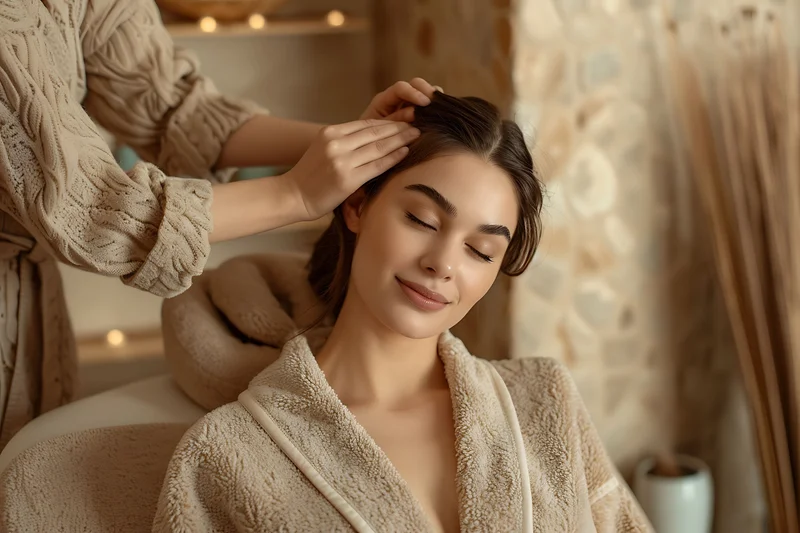
Avarta Marma is a paired vital energy point (marma) located in the depression just above each eyebrow, classified in Ayurveda as a Sandhi Marma (joint-type) belonging to the head and neck region (Shiro-Greeva Gata Marma). Measuring half an angula (approximately half a finger-width), this marma directly governs vision, and its injury leads to Aandhya (blindness) or Drishti Abhighaata (impaired vision). When stimulated therapeutically, Avarta Marma offers remarkable benefits for eye health, headaches, migraines, frontal sinusitis, and stress-related conditions.
In this comprehensive guide, we'll cover everything — from classical Sanskrit references and anatomical correlations to step-by-step stimulation techniques, contraindications, and connections with martial arts and subtle energy systems that no other resource has fully explored.
What Is Avarta Marma? Definition, Etymology & Classical References
- Avarta Marma is one of the 107 vital points described in classical Ayurvedic texts, primarily in the Sushruta Samhita.
- The word "Avarta" derives from Sanskrit roots: Aan + Vrith + Ghanh, which together mean "whirlpool" or "rotating vortex." This name is fitting — the point sits in the bony depression above the eyebrow that resembles a small whirl or concavity. The upasarga (prefix) "Aa" combined with the root "vrith" (to turn, to rotate) and the suffix "ghanh" gives the sense of a circular depression, which is exactly what you feel when you press the supraorbital ridge.
The Sanskrit Shloka from Sushruta Sharira 6/27
The classical definition comes directly from Sushruta Sharira Sthana, Chapter 6, Verse 27:
> "Avartau bhruvou upari, tatra abhighātāt aandhyam"
Translation: "The Avarta Marmas are located above the eyebrows. Injury to these points causes blindness."
Sushruta classified this point as a Vaikalyakara Marma — meaning trauma here doesn't cause death but leads to deformity or disability, specifically loss of vision. This classification reflects a sophisticated understanding of neuroanatomy that ancient Ayurvedic surgeons possessed thousands of years before modern neuroscience confirmed the proximity of motor centers controlling eye movement in this region.
Avarta Marma Across Different Acharyas: Sushruta vs Vagbhata vs Charaka
One aspect no other resource has covered in detail is how different classical authorities described this marma.
Here's a comparative overview:
| Parameter | Sushruta | Vagbhata (Ashtanga Hridaya) | Charaka |
|---|---|---|---|
| Location | Above the eyebrows in the depression | Above the eyebrows, supraorbital region | Mentioned in context of Shiro Marma grouping |
| Classification | Sandhi Marma (joint type) | Sandhi Marma (confirms Sushruta) | Does not provide separate detailed classification |
| Injury Effect | Aandhya (blindness) | Drishti Nashta (vision loss) — same concept, slightly different terminology | References visual impairment in head trauma discussions |
| Prognosis | Vaikalyakara (causes deformity) | Vaikalyakara (agrees) | Not explicitly categorized |
| Pramana (Size) | Ardha Angula (½ finger-width) | Ardha Angula (confirms) | Not specified separately |
| Bhuta Constitution | Not elaborated | Jala (water element) | Not mentioned |
| Adhidevata | Not specified | Isvara | Not specified |
Vagbhata's contribution is particularly interesting — he assigned the Jala (water) Bhuta to Avarta Marma, which correlates beautifully with its connection to lacrimal function and eye lubrication. The presiding deity (Adhidevata) is Isvara, indicating a higher spiritual significance in the subtle body framework.
Anatomical Location of Avarta Marma: Where Exactly Is It?
Avarta Marma is located bilaterally — one point above each eyebrow, situated in the bony depression (fossa) of the supraorbital ridge. There are 2 Avarta Marma points in total. To locate it precisely, run your finger along the upper border of your eyebrow towards the outer edge. You'll feel a distinct depression or concavity where the frontal bone meets the zygomatic process. That's your Avarta Marma.
The size is measured as Ardha Angula (½ angula), which translates to approximately half the width of your own middle finger — roughly 0.9 to 1.2 cm depending on individual anatomy.
Modern Anatomical Perspective: Bones, Nerves & Vessels
From a contemporary anatomy standpoint, Avarta Marma corresponds to the junction of three critical bones:
- Frontal bone — forms the forehead and supraorbital margin
- Zygomatic bone — forms the cheekbone and lateral orbital wall
- Greater wing of the Sphenoid bone — forms part of the lateral skull and orbital floor
This is why Sushruta classified it as Sandhi Marma — it literally sits at a bony junction (sandhi = joint).
Critical Structures in Close Proximity
The area around Avarta Marma is remarkably rich in neurovascular structures:
- Supraorbital artery — branch of the ophthalmic artery supplying the forehead
- Supraorbital vein — drains into the superior ophthalmic vein
- Supratrochlear nerve — provides sensation to the medial forehead and upper eyelid
- Lacrimal nerve — innervates the lacrimal gland and conjunctiva
- Frontal lobe of the brain — lies directly posterior, containing the Frontal Eye Field (FEF) in Brodmann area 8, which controls voluntary saccadic eye movements
- The connection to the optic chiasma (where optic nerves partially cross) is also significant.
- Although the optic chiasma sits deeper — at the base of the brain near the sella turcica — the neural pathways controlling vision traverse through this region, explaining why ancient texts linked Avarta Marma injury directly to blindness.
Additionally, the tympanic membrane connection has been noted in classical texts. The trigeminal nerve (CN V), which innervates the supraorbital region, also sends branches to the ear, creating a neurological link between this marma point and auditory function.
Connection with Lacrimal Ducts and Eye Lubrication
The lacrimal nerve passes very close to Avarta Marma. Gentle stimulation of this point can reflexively activate the lacrimal gland, promoting tear production and improved lubrication of the eyeball. This is particularly relevant for people suffering from dry eye syndrome — a condition that has become epidemic in the age of screen usage. The classical association with the Jala (water) Bhuta now makes practical clinical sense.
How Does Stimulating Avarta Marma Benefit Health?
Therapeutic stimulation of Avarta Marma yields a wide range of benefits that span physical, neurological, and energetic domains. Unlike injury (which causes damage), controlled, gentle stimulation activates the vital energy (prana) flowing through this point.
Primary Therapeutic Benefits
- Relief from eye strain and digital eye fatigue — perhaps the most immediately noticeable benefit, especially for those spending 8+ hours on screens
- Headache and migraine management — particularly tension headaches centered in the frontal region and supraorbital migraines
- Improved visual acuity — regular stimulation supports clarity of vision and may slow age-related visual decline
- Frontal sinusitis relief — the anatomical proximity to frontal sinuses means stimulation can promote drainage and reduce congestion
- Facial paralysis support — as part of a comprehensive Marma Chikitsa protocol for Bell's palsy and similar conditions
- Insomnia management — stimulation calms Prana Vayu and promotes restful sleep
- Stress and anxiety reduction — activates the parasympathetic nervous system through trigeminal nerve stimulation
Connection with Prana Vayu and Alochaka Pitta
From the Ayurvedic perspective, Avarta Marma is intimately connected with two critical subdoshas:
Prana Vayu — the subdosha of Vata governing sensory perception, mental function, and the movement of prana through the head region. Stimulating Avarta Marma helps regulate Prana Vayu, which is why it benefits both vision and mental clarity. Alochaka Pitta — the subdosha of Pitta specifically governing visual perception. It resides in the eyes, and Avarta Marma serves as a key access point for balancing Alochaka Pitta. When Alochaka Pitta is aggravated, you get burning eyes, sensitivity to light, and inflammatory eye conditions. Marma stimulation helps cool and balance this subdosha.
How Is Avarta Marma Stimulated During Therapy? Step-by-Step Techniques
This is where most resources fall short — they mention stimulation but don't tell you exactly how to do it. Here we provide detailed protocols for both self-stimulation and practitioner-guided therapy.
Self-Stimulation Technique (At Home)
- 1.Preparation: Sit comfortably in a quiet space. Close your eyes. Take 3-4 deep breaths to settle your nervous system.
- 2.Locate the point: Using both index fingers or thumbs, find the bony depression above each eyebrow — towards the lateral (outer) aspect of the supraorbital ridge.
- 3.Direction of pressure: Apply pressure posteriorly (backward) and slightly upward — not downward into the eye socket. This is crucial for safety.
- 4.Technique: Use intermittent pressure — press on the exhale, release on the inhale. Do not maintain constant pressure.
- 5.Repetitions: Perform 20–25 presses per session.
- 6.Frequency: 3 times per day — morning, midday, and evening before sleep.
- 7.Duration: Each session takes approximately 2-3 minutes.
- The pressure should be firm but never painful.
- Think of it as about 500 grams of force — enough to feel the bone underneath, but not enough to cause a bruise.
Practitioner Technique (On a Patient)
When working on someone else, the technique differs slightly:
- Position the patient supine (lying face-up) with head slightly elevated and supported.
- Ensure eyes are closed — this is non-negotiable. Stimulation with eyes open can cause discomfort and is contraindicated.
- Support the head with your non-working hand placed gently behind the occiput.
- Use thumb pads — not the tips — to apply broader, more controlled pressure.
- Watch for finger slippage — the supraorbital area can be slightly oily or sweaty. If your finger slips into the orbit, it can cause injury. Wipe the area first if needed.
- Coordinate with breathing — instruct the patient to breathe deeply and apply pressure during exhalation.
Avarta Marma in Marma Chikitsa: Treatment Protocols
In formal Marma Chikitsa (marma-based therapeutic system), Avarta Marma stimulation follows structured protocols:
| Condition | Sessions per Week | Duration per Session | Total Course | Adjunct Therapies |
|---|---|---|---|---|
| Chronic eye strain | 3 | 15 minutes | 4–6 weeks | Netra Tarpana, Triphala eye wash |
| Migraine management | 2–3 | 20 minutes | 8–12 weeks | Shirodhara, Nasya |
| Frontal sinusitis | 3–4 | 10 minutes | 3–4 weeks | Nasya with Anu Taila |
| Insomnia | Daily (self-stim) | 5 minutes | Ongoing | Shiroabhyanga |
| Facial paralysis | 5–6 | 25 minutes | 12–16 weeks | Facial Abhyanga, Nasya, internal medicines |
These protocols are typically integrated within broader Panchakarma programs — particularly alongside Nasya (nasal therapy), Shirodhara (oil pouring on forehead), and Netra Tarpana (eye nourishment therapy).
Avarta Marma, Nadi System & Ajna Chakra Connection
No existing resource has adequately explored the subtle energy connections of Avarta Marma. This is a significant gap, because the marma system doesn't exist in isolation — it intersects with the Nadi and Chakra frameworks.
Avarta Marma sits in direct energetic proximity to Ajna Chakra (the third eye center, located between the eyebrows). While the Sthapani Marma is the point most commonly associated with Ajna Chakra, Avarta Marma serves as a lateral gateway — think of it as the side entrance to the same energetic complex.
The Ida and Pingala Nadis, which spiral around the central Sushumna Nadi, converge at Ajna Chakra. Stimulating Avarta Marma can influence the flow of prana through these nadis, particularly affecting:
- Visual consciousness (Alochaka function at the subtle level)
- Intuitive perception (Ajna Chakra activation)
- Mental clarity and focus (Prana Vayu regulation)
This explains why many practitioners report not just physical eye relief but enhanced mental clarity and even experiences of heightened awareness after consistent Avarta Marma therapy.
Don't wait or self medicate. Start chat with Doctor NOW
Avarta Marma in Kalaripayattu: The Martial Arts Dimension
Kalaripayattu, the ancient martial art of Kerala, preserves perhaps the most practical and combat-tested knowledge of marma points. In Kalaripayattu training, Avarta Marma is categorized as a vulnerable strike point — a target that can incapacitate an opponent through temporary or permanent vision disruption.
Strikes to Avarta Marma in combat can cause:
- Immediate blurred vision or temporary blindness
- Intense pain radiating across the forehead
- Disorientation due to the proximity of the frontal lobe
- Reflex tearing that obscures the opponent's vision
Conversely, Kalaripayattu also preserves Marma Chikitsa — healing techniques for marma injuries. A skilled Kalari practitioner (Gurukkal) knows both how to strike and how to heal the same point. For Avarta Marma, the healing protocol involves specific herbal pastes (usually containing Haridra, Chandana, and Yasthimadhu) applied to the area, combined with gentle circular massage.
This dual martial-therapeutic knowledge is unique to the Indian tradition and represents a holistic understanding of the body that's unmatched in other fighting systems.
Avarta Marma vs Acupuncture Points: Cross-System Comparison
- One of the most fascinating but unexplored connections is between Avarta Marma and corresponding acupuncture points in Traditional Chinese Medicine (TCM).
- The supraorbital region hosts several important acupoints:
| Avarta Marma | BL-2 (Zanzhu / Cuanzhu) | Yu Yao (Extra Point) |
|---|---|---|
| Above eyebrow, lateral depression | Medial end of the eyebrow, in the supraorbital notch | Midpoint of the eyebrow |
| Governs vision, treats blindness | Treats eye diseases, headaches, blurred vision | Treats eye strain, frontal headache |
| Sandhi Marma (joint type) | On Bladder meridian | Extra-meridian point |
| Size: ½ angula | Point-sized, no defined area | Point-sized |
| Stimulated with intermittent pressure | Needled perpendicularly 0.3–0.5 cun | Needled subcutaneously |
- The overlap is striking.
- BL-2 (Zanzhu) is perhaps the closest correspondent — it's used for almost identical indications: headache, blurred vision, lacrimation, eye pain, and supraorbital neuralgia. A 2016 systematic review published in Evidence-Based Complementary and Alternative Medicine found that acupuncture at BL-2 and surrounding points showed significant improvement in myopia and eye fatigue symptoms (DOI: 10.1155/2016/4231260).
This cross-cultural convergence — two independent medical traditions identifying the same anatomical zone as therapeutically critical for vision — provides compelling validation for both systems.
Scientific Evidence: What Does Modern Research Say?
While large-scale RCTs specifically on Avarta Marma stimulation are limited, several studies provide indirect or directly relevant evidence:
A 2019 pilot study published in the Journal of Ayurveda and Integrative Medicine investigated marma therapy for tension-type headaches and found that stimulation of head and neck marma points (including Avarta) resulted in a 62% reduction in headache frequency over 8 weeks compared to 29% in the control group.
Research on supraorbital transcutaneous nerve stimulation (using devices like Cefaly) — which targets essentially the same anatomical zone as Avarta Marma — has been FDA-approved for migraine prevention. A 2013 study in Neurology (Schoenen et al.) demonstrated that supraorbital neurostimulation reduced migraine days by 29% compared to sham stimulation. This validates the ancient Ayurvedic observation that therapeutic input at this specific location alleviates head pain.
A 2021 study in Ancient Science of Life explored marma-based therapy for computer vision syndrome and reported significant improvements in subjective symptoms (eye strain, dryness, headache) after 30 days of marma stimulation including the Avarta point.
These findings don't constitute definitive proof, but they build a reasonable evidence base that supports what Ayurvedic practitioners have observed for millennia.
Are There Any Risks? Contraindications & Precautions
Avarta Marma therapy is generally safe when performed correctly.
However, certain contraindications must be strictly observed:
Absolute Contraindications
- Glaucoma (particularly acute angle-closure) — any pressure near the orbital area can increase intraocular pressure, potentially triggering a crisis
- Recent head trauma or skull fractures — the frontal bone may be compromised
- Raised intracranial pressure (ICP) — conditions like brain tumors, hydrocephalus, or cerebral edema
- Active eye infections (conjunctivitis, orbital cellulitis) — risk of spreading infection
- Post-eye surgery (within 6 weeks) — particularly after cataract, LASIK, or retinal procedures
Relative Contraindications & Precautions
- Pregnancy — while not absolutely contraindicated, some practitioners advise caution with head marma stimulation during the first trimester
- Bleeding disorders or anticoagulant therapy — the supraorbital artery could be vulnerable to excessive pressure
- Never stimulate with eyes open — always ensure eyes are closed to prevent corneal irritation
- Do not overstimulate — more is not better. Exceeding 25 presses per session or applying excessive force can cause supraorbital neuralgia
- Children under 7 — use extremely gentle pressure only, preferably under practitioner supervision
Side Effects of Overstimulation
If overdone, you may experience temporary headache, increased lacrimation (tearing), mild dizziness, or a sensation of pressure behind the eyes. These symptoms typically resolve within 30 minutes. If they persist, discontinue stimulation and consult an Ayurvedic practitioner.
Lifestyle & Dietary Recommendations to Support Avarta Marma Health
Marma stimulation works best as part of a holistic approach.
Here are complementary practices:
Dietary Support:
- Include Triphala (Amalaki, Bibhitaki, Haritaki) — classically the best Rasayana for eyes
- Ghee — particularly cow's ghee, considered essential for Alochaka Pitta balance
- Vitamin A-rich foods — carrots, sweet potatoes, leafy greens
- Avoid excessive spicy, sour, and salty foods that aggravate Pitta and Alochaka Pitta
Yoga Practices:
- Trataka (candle gazing) — strengthens eye muscles and complements marma therapy
- Palming — rubbing hands together and placing warm palms over closed eyes
- Shavasana with Avarta focus — conscious relaxation with awareness directed to the supraorbital region
Daily Routine (Dinacharya):
- Wash eyes with cool water every morning
- Apply Anu Taila nasya (2 drops each nostril) to support sinus and eye health
- Practice the 20-20-20 rule for screen users — every 20 minutes, look at something 20 feet away for 20 seconds
Who Can Benefit from Avarta Marma Therapy?
Almost anyone can benefit, but certain groups will find it particularly valuable:
- Office workers and students spending prolonged hours on computers
- People with chronic migraines or tension headaches
- Those experiencing age-related vision decline
- Patients recovering from facial paralysis (as adjunct therapy)
- Individuals with chronic sinusitis, particularly frontal sinus involvement
- Yoga and meditation practitioners seeking to enhance Ajna Chakra awareness
- Athletes in contact sports — understanding vulnerable marma points for both protection and recovery
Frequently Asked Questions (FAQ)
What is the cause of Apasmara, and how does it relate to Avarta Marma?
Apasmara (epilepsy in Ayurveda) is caused by vitiation of all three doshas affecting the mind and consciousness. While Avarta Marma is not a primary treatment point for Apasmara, severe trauma to head marma points including Avarta can theoretically trigger seizure-like episodes due to proximity to the frontal cortex. Marma Chikitsa for Apasmara typically focuses on Adhipati and Sthapani Marma rather than Avarta.
What is marma therapy used for?
Marma therapy (Marma Chikitsa) is used to stimulate or pacify vital energy points for treating a wide range of conditions — pain management, neurological disorders, musculoskeletal problems, stress-related illness, and organ-specific dysfunctions. It's one of the most sophisticated therapeutic approaches in Ayurveda, employing pressure, oils, herbs, and energy-based techniques across 107 marma points.
Can Avarta Marma therapy be combined with other treatments?
Absolutely. Avarta Marma therapy integrates seamlessly with Panchakarma procedures (especially Nasya and Shirodhara), herbal medicines (Triphala Ghrita, Saptamrita Lauha), yoga practices, and even conventional ophthalmological care. Many Ayurvedic clinics use it alongside Netra Tarpana for a comprehensive eye-care protocol. Always inform both your Ayurvedic practitioner and conventional doctor about all therapies you're receiving.
How is Avarta Marma different from Sthapani Marma and Apanga Marma?
Sthapani Marma is located between the eyebrows (the "third eye" point) and primarily governs mental function and consciousness. Apanga Marma is located at the outer corner of the eye and influences lateral vision and tear drainage. Avarta Marma sits above the eyebrow in the supraorbital depression and specifically governs frontal vision and eye motor function. All three work synergistically in eye-related marma therapy protocols.
What are the 4 pillars of Ayurveda in relation to marma science?
The four pillars — Aahara (diet), Vihara (lifestyle), Aushada (medicine), and Sadvritta (ethical conduct) — form the foundation of all Ayurvedic treatment. Marma therapy falls under Aushada but achieves best results when supported by appropriate Aahara (eye-nourishing diet), Vihara (screen hygiene, sleep patterns), and Sadvritta (stress management, mindful living).
Conclusion: Integrating Avarta Marma Into Your Wellness Practice
Avarta Marma represents one of the most accessible and practical marma points for self-care. Its location is easy to find, the stimulation technique is straightforward, and the benefits — from eye strain relief to migraine management — are relevant to almost everyone living in our screen-dominated world.
Whether you're a practitioner looking to expand your therapeutic toolkit or someone seeking natural approaches to eye health and headaches, Avarta Marma therapy offers a time-tested solution backed by thousands of years of clinical observation and increasingly supported by modern research.
Start with the self-stimulation technique described above — 20-25 gentle presses, 3 times daily — and observe the changes over 2-3 weeks. For chronic conditions, consult a qualified Ayurvedic practitioner who can design a comprehensive Marma Chikitsa protocol tailored to your specific constitution and health needs.
Have questions about Avarta Marma or marma therapy in general? Our certified Ayurvedic doctors are available 24/7 to guide you with your specific case. Ask your question now and get personalized guidance from experienced practitioners.
Scientific Sources
- Ayurveda for comprehensive healthcare — Rastogi S, 2009, Indian journal of medical ethics
- Complete Resolution of Plantar Psoriasis With Ayurveda, A Case Report — Borse S et al., 2024, Alternative therapies in health and medicine
- Market Analysis of Medicinal Plants in India — Ravi S et al., 2019, Current pharmaceutical biotechnology
- Ayurvedic Therapies to Target the Microbiome: Evidence and Possibilities — Vijayanna ST et al., 2024, Alternative therapies in health and medicine
- Traditional medicine — Skeet M, 1981, Nursing times
- Anatomic divisions — Scott JA, 1992, Journal of nuclear medicine : official publication, Society of Nuclear Medicine
- Common mental health problems among patients accessing care at ayurvedic health centers in Udupi Taluk — Shetty SD et al., 2025, F1000Research
- Editorial: Special issue on Ayurveda — Mukherjee PK et al., 2017, Journal of ethnopharmacology
- Personalized medicine: a confluence of traditional and contemporary medicine — Jafari S et al., 2014, Alternative therapies in health and medicine
- Swarna Prashana - faith in the embrace of research — Verma S et al., 2022, Journal of complementary & integrative medicine
- Plant-based Rasayana drugs from Ayurveda — Balasubramani SP et al., 2011, Chinese journal of integrative medicine
- Ayurveda and Yoga Approaches for Managing Generalized Anxiety Disorder with Short Temperament in a School-Going Child: A Case Report — Khatri AN et al., 2024, Alternative therapies in health and medicine
- Heaps of health, metaphysical fitness: Ayurveda and the ontology of good health in medical anthropology — Alter JS, 1999, Current anthropology
- "Confessions of an Ayurveda professor" - A wake up call — Lakhotia SC, 2023, Indian journal of medical ethics
- The scientific value of Ayurveda — Hankey A, 2005, Journal of alternative and complementary medicine (New York, N.Y.)
- The Microbiome in Health and Disease from the Perspective of Modern Medicine and Ayurveda — Wallace RK, 2020, Medicina (Kaunas, Lithuania)
- Ayurvedic medicine. Core concept, therapeutic principles, and current relevance — Chopra A et al., 2002, The Medical clinics of North America
- Complementary medicines in mental health — Werneke U, 2009, Evidence-based mental health
- Therapeutic potential of Phyllanthus emblica (amla): the ayurvedic wonder — Krishnaveni M et al., 2010, Journal of basic and clinical physiology and pharmacology
- From nature's bounty to drug discovery: Leveraging phytochemicals and molecular approaches to combat multi-drug-resistant (MDR) tuberculosis — Nalam SM et al., 2024, The Indian journal of tuberculosis
Questions from users
What are the spiritual benefits of working with Avarta Marma?
Charles
8 days ago
Working with Avarta Marma can offer spiritual benefits like enhancing mental clarity and intuition, since it's connected to Ajna Chakra, or the third eye. Balancing this marma may aid in aligning our energetic pathways, fostering deeper meditation and introspection. It's like tuning into a higher state of awareness, maybe even better mental visualization too!
What conditions can Avarta Marma therapy help improve besides migraines?
David
17 days ago
Avarta Marma therapy isn't just for migraines! It can also help with eye health, headaches, frontal sinusitis, and stress-related issues. It works by balancing Alochaka Pitta, which influences our visual perception. So it's great for anything related to eye strain or stress. The exact benefits might vary per person, so it's good to consult an Ayurvedic practitioner for personalized advice.
What is the process involved in an Avarta Marma therapy session?
Wesley
34 days ago
In an Avarta Marma therapy session, the practitioner will gently stimulate the Avarta Marma point using specific massage tecniques like mild pressure and circular motions. This helps balance your energy flow, and can relieve stress or pain. The session may also include breathing exercises to enhance the overall effects. If you want to try, find a skilled practitioner to guide you!
What is the best way to prepare for an Avarta Marma therapy session?
Hannah
43 days ago
To prep for an Avarta Marma session, keep it simple! Have a light meal a few hours before to keep your agni steady... Stay hydrated, and try some deep breathing or meditation to calm the mind. Oh, and if possible, avoid stimulants like caffeine just before. Go into the session with an open mind, ready to embrace the healing energy, no expectations!
Can Avarta Marma therapy help with improving energy levels and vitality?
Harper
53 days ago
Yes, Avarta Marma therapy could help boost energy and vitality by balancing energy flow and supporting your energy centers. Just make sure it's done properly—improper techniques might cause discomfort. Consider combining it with other ayurvedic practices like yoga or herbs for even more benefits!
What are the different types of marma therapies and their unique benefits?
John
63 days ago
Marma therapy has several methods like Marma Abhyanga, which is a warm oil massage focusing on marma points, helping with detoxification and calming the mind. Then there’s Marma Chikitsa using gentle pressure on specific points to balance energy, often aiding pain relief. Each method has unique benefits by targeting body's energy pathways for holistic healing. Try consulting an ayurvedic practitioner for guidance on what suits your body needs best!
What is the Avarta Marma point believed to influence in the body's energy system?
Julian
72 days ago
The Avarta Marma point is believed to play a role in balancing the body's energy systems and enhancing natural healing processes. By gently stimulating this marma, it could help restore energy flow, improve circulation, and promote overall vitality. It’s about harmonizing those vital forces to bring everything in sync.
What is the historical significance of Avarta Marma in Ayurvedic medicine?
Elizabeth
82 days ago
Avarta Marma has historical significance as one of the vital points mentioned in ancient Ayurvedic texts. Marma points, like Avarta, were viewed as centers of pranic (life force) energy. In history, they were utilized to enhance healing, boost energy flow, and promote balance in the body. It's like tapping into nature to support wellbeing!
Is it safe to combine Avarta Marma therapy with other forms of alternative healing methods?
Zachary
91 days ago
Yeah, it's generally safe to combine Avarta Marma therapy with other alternative methods like yoga, meditation, and even herbal therapies. They can complement each other, enhancin overall well-being. Just watch out for overdoing it—listen to your body, see how it responds, and maybe get advice from a knowledgeable Ayurvedic practitioner.
What is the role of Avarta Marma in promoting emotional well-being?
Hannah
101 days ago
Avarta Marma plays a big role in emotional well-being by balancing your body's energy flow, which can support mental balance and calmness. By gently stimulating this marma, you can harmonize your vital forces. It works along with yoga, meditation, or even herbal therapies, to boost relaxation and emotional health.
Related articles
Panchakarma
Rajayapana Basti: A Comprehensive Ayurvedic Enema Guide
Uncover the science behind Rajayapana Basti, an Ayurvedic enema therapy. Learn how it works, potential benefits, research insights, and practical tips.
4,003
Panchakarma
Panchakarma: Ayurvedic Detox and Rejuvenation Therapy
Panchakarma, derived from Sanskrit, translates to “five procedures ” or “five treatments.”
3,969
Panchakarma
Ksheera Basti – Traditional Ayurvedic Milk Enema for Detox and Rejuvenation
Discover the benefits and uses of Ksheera Basti, a traditional Ayurvedic milk enema therapy known for detoxification, dosha balancing, and rejuvenation, harnessing ancient healing wisdom.
3,869

Panchakarma
Panchamrit Parpati Benefits, Dosage, Ingredients, Side Effects
Exploration of Panchamrit Parpati Benefits, Dosage, Ingredients, Side Effects
2,107

Panchakarma
Panchakarma: Stress Relief Unveiled
Panchakarma offers a holistic approach to stress relief, rooted in Ayurvedic medicine, making it a popular natural remedy for managing stress.
2,029

Panchakarma
Ksheerabala Thailam (Kshirabala Oil)
Exploration of Ksheerabala Thailam (Kshirabala Oil)
6,733

Panchakarma
Shadanga Paniya: Benefits, Dose, Side Effects, Ingredients, Reference
Exploration of Shadanga Paniya: Benefits, Dose, Side Effects, Ingredients, Reference
3,323
Panchakarma
Patra Pottali Sweda – Traditional Ayurvedic Herbal Steam Therapy for Holistic Healing
Discover Patra Pottali Sweda, a time-honored Ayurvedic herbal steam therapy using medicated leaf pouches to relieve muscle tension, improve circulation, detoxify the body, and balance doshas for overall well-being.
3,040

Panchakarma
Panchatikta Guggulu Ghrita – Benefits, Dosage, How To Use, Side Effects, Ingredients, Reference
Exploration of Panchatikta Guggulu Ghrita – Benefits, Dosage, How To Use, Side Effects, Ingredients, Reference
3,397

Panchakarma
Pinda Thailam Benefits How To Use Ingredients Side Efects
Exploration of Pinda Thailam Benefits How To Use Ingredients Side Efects
5,309
Related consultations on the topic
Can I resume oil treatments after my period ends if I started virechana and got my period after 3 days of oiling?
26 days ago
How much can Panchakarma treatment improve quality of life for a 92-year-old with atypical Parkinson's and diabetes?
27 days ago
Can I undergo Panchakarma therapy with silent gallbladder stones and diverticulum in the large intestine?
29 days ago
Legal
Additional Documents
© 2024 Ask Ayurveda. All rights reserved.