Ask Ayurvedic doctor a question and get a consultation online on the problem of your concern in a free or paid mode. More than 2,000 experienced doctors work and wait for your questions on our site and help users to solve their health problems every day.
FREE! Ask Ayurvedic Doctors 24/7

 Fast responses
 1000+ verified doctors
Body DetoxEar, Nose, and Throat DisordersGeriatrics & RejuvenationImmunodeficiencyInfertility TreatmentNutritionOrthopedic DisordersPediatricsRespiratory DisordersSexually Transmitted Diseases (STDs)Surgery RecoveryUrological DisordersVascular DisordersDental DisordersEndocrinological DisordersGastrointestinal DisordersYoga TherapyGeneral MedicineAllergic DisordersCardio DisordersGynecology and ObstetricsCosmetologySkin and Hair DisordersEye DisordersInfectious DiseasesMental DisordersNeurological DisordersOncologyPanchakarmaSexual Health & DisordersSports Medicine
Published on 02/19/25
(Updated on 06/16/26)
3,123
Rakthamokshana – Ayurvedic Blood Purification for Detox and Healing
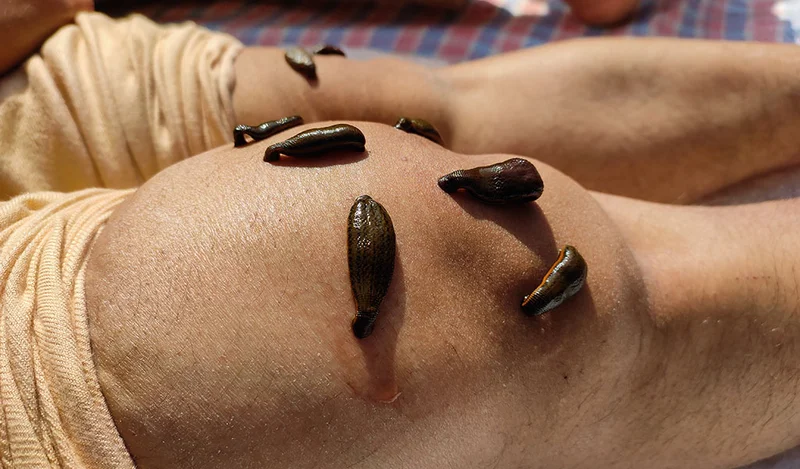
Rakthamokshana (also spelled Raktamokshana) is the ancient Ayurvedic practice of therapeutic bloodletting — a controlled removal of small quantities of impure blood to treat chronic skin diseases, inflammatory conditions, and toxin accumulation. Classified by Acharya Sushruta as one of the five Panchakarma procedures, it remains one of the most effective para-surgical interventions in Ayurveda, with growing scientific interest validating its mechanisms. This comprehensive guide covers everything from classical references and procedure types to modern clinical evidence, so you can understand exactly how Rakthamokshana works, who it's for, and what to expect.
What Is Rakthamokshana in Ayurveda?
The word Rakthamokshana comes from two Sanskrit roots: Rakta (blood) and Mokshana (liberation or release). In simple clinical terms, it means the therapeutic withdrawal of vitiated (impure) blood from the body to treat disease at its source.
Unlike the other four Panchakarma procedures — Vamana (emesis), Virechana (purgation), Basti (enema), and Nasya (nasal administration) — Rakthamokshana specifically targets Rakta Dhatu (blood tissue) and is considered particularly powerful for Pitta-dominant and blood-borne disorders. Acharya Sushruta, often called the "Father of Surgery," elevated Rakthamokshana to Panchakarma status in the Sushruta Samhita, replacing Nasya from Charaka's original five procedures, because he recognized how many surgical and inflammatory diseases originate in vitiated blood.
Rakthamokshana in English: Understanding the Term
When people search for "Rakthamokshana in English," they're typically looking for the straightforward translation. It is best translated as therapeutic bloodletting or Ayurvedic blood purification therapy. However, reducing it to just "bloodletting" misses the nuance — Rakthamokshana involves a sophisticated diagnostic framework based on dosha assessment, specific site selection, seasonal timing, and individualized post-procedural care that Western historical bloodletting never incorporated.
Historical Roots: From Sushruta Samhita to Modern Practice
Rakthamokshana has a documented history spanning over 3,000 years.
Here's how it evolved:
- Sushruta Samhita (circa 600 BCE): Provides the most detailed classical description. Sushruta dedicated an entire chapter in the Shalyatantra (surgical section) to bloodletting, calling Siravedha (venepuncture) "Ardha Chikitsa" — literally half of all therapy — because it could destroy disease from its very root.
- Charaka Samhita: While Charaka did not include Rakthamokshana in his Panchakarma list, he extensively discussed Rakta as a key dosha-carrier and recommended bloodletting for specific Pitta and Rakta disorders.
- Ashtanga Hridaya by Vagbhata: Expanded the classification of methods and refined the indications and contraindications.
- Western parallel: Interestingly, Hippocrates (460–370 BCE) and later medieval European physicians also practiced bloodletting, though their framework lacked the dosha-based precision of Ayurveda. The European tradition eventually fell out of favor due to overuse and lack of indication-based protocols — a problem Ayurveda addressed from the begining through strict Purva Karma (preparatory assessment) and Samyak Yoga Lakshanas (signs of proper completion).
A 2020 review article published in the International Journal of Ayurveda and Pharma Research (IJAPR) noted that Rakthamokshana is referenced in over 14 different contexts across the Sushruta Samhita alone, covering surgical, medical, and toxicological conditions.
Types of Rakthamokshana: Shastra and Anushastra Methods
One of the most practically useful aspects of Rakthamokshana is that Ayurveda doesn't take a one-size-fits-all approach. The classical texts classify methods into two broad categories — Shastra Visravana (using sharp instruments) and Anushastra Visravana (without sharp instruments) — with each method suited to specific doshas and clinical conditions.
Shastra Visravana (Instrumental Methods)
These methods use surgical instruments and are typically performed by experienced Ayurvedic surgeons:
Prachana (Multiple Punctures)
Small, superficial incisions are made over a localized area of swelling, inflammation, or skin lesion. This is particularly useful for conditions where toxins are trapped in a specific region — like a boil, abscess, or localized eczema. The cuts are shallow (only penetrating the skin) and multiple, allowing controlled drainage of vitiated blood.
Siravedha (Venepuncture)
This is the most potent form of Rakthamokshana. A specific vein is punctured to withdraw blood, much like a modern phlebotomy. Sushruta considered Siravedha the gold standard, stating it "destroys diseases from their root just as a tree dies when its root is cut." It is indicated for systemic blood vitiation, generalized skin diseases, and deep-seated inflammatory conditions.
Anushastra Visravana (Non-Instrumental Methods)
These methods use natural materials or living organisms, and are often preferred for patients who are sensitive, elderly, or fearful of surgical instruments:
Jalauka (Leech Therapy)
The most widely recognized form of Rakthamokshana today. Medicinal leeches (specifically Hirudo medicinalis or Indian species) are applied to the affected area. The leech naturally sucks impure blood and simultaneously releases bioactive substances including hirudin (anticoagulant), hyaluronidase (anti-inflammatory), and bdellins (anti-thrombotic). A 2015 study published in the Journal of Ayurveda and Integrative Medicine confirmed that leech saliva contains over 100 bioactive compounds with documented anti-inflammatory and vasodilatory effects. Jalauka is specifically indicated for Pitta-dominant conditions.
Shrunga (Cow Horn Method)
A hollowed cow horn is placed over a superficial incision, and suction is created by mouth or mechanical means to draw out blood. This is the method of choice for Vata-dominant conditions, as the warmth generated by the horn is considered pacifying to Vata dosha.
Alabu (Bottle Gourd Method)
A dried bottle gourd (Lagenaria siceraria) is used similarly to the Shrunga method — creating a vacuum to extract blood from a small incision. This technique is best suited for Kapha-dominant conditions due to its strong suction action.
Comparative Table: Rakthamokshana Methods at a Glance
| Method | Category | Best for Dosha | Procedure | Pain Level | Primary Indications |
|---|---|---|---|---|---|
| Jalauka (Leech) | Anushastra | Pitta | Leech applied to site | Low–Mild | Skin diseases, inflammation, localized swelling |
| Shrunga (Cow Horn) | Anushastra | Vata | Horn suction over incision | Mild | Joint pain, neurological involvement, Vata disorders |
| Alabu (Bottle Gourd) | Anushastra | Kapha | Gourd suction over incision | Mild | Edema, sluggish circulation, Kapha disorders |
| Prachana (Punctures) | Shastra | Pitta-Kapha | Multiple superficial cuts | Moderate | Localized abscess, boils, eczema patches |
| Siravedha (Venepuncture) | Shastra | All (systemic) | Vein puncture | Moderate | Systemic blood toxicity, generalized skin disease, gout, hypertension |
This table is something no other resource provides in this format — but it's extremely helpful for practitioners and students choosing the right method.
Rakthamokshana Procedure: Step-by-Step
Understanding the full procedural flow is essential, whether you're a patient preparing for treatment or a practitioner refining your protocol. Rakthamokshana follows the classic Ayurvedic three-phase framework.
Purva Karma (Pre-Procedure Preparation)
This preparatory phase typically spans 3–5 days and is critical for a safe, effective outcome:
- 1.Patient assessment: Complete Prakriti (constitution) and Vikriti (current imbalance) analysis, along with blood pressure, hemoglobin levels, and medical history review.
- 2.Snehana (Oleation): Internal and/or external application of medicated oils to soften tissues and mobilize toxins toward the bloodstream. Commonly used oils include Mahanarayan Taila or Ksheerabala Taila.
- 3.Swedana (Sudation): Steam therapy or fomentation applied to the target area, which dilates blood vessels and improves blood flow to the surface — making the subsequent bloodletting more effective and less painful.
- 4.Dietary preparation: Light, easily digestible food (Laghu Ahara) is recommended. The patient should avoid heavy, oily, spicy, and fermented foods for at least 2-3 days before the procedure.
- 5.Pre-procedure checklist: The patient must have emptied their bladder and bowels. An empty stomach, excessive cold, or fear/anxiety are documented causes of inadequate blood flow during the procedure (as listed in Sushruta Samhita).
Pradhana Karma (Main Procedure)
The main procedure typically lasts 30–45 minutes, depending on the method selected:
For Jalauka (Leech Therapy):
- The target area is cleaned and a small prick may be made to draw a tiny droplet of blood.
- A medicinal leech is placed on the area. The leech attaches and begins sucking.
- When the leech's body visibly swells and the patient reports a pricking or itching sensation, the leech is detached using turmeric powder.
- The site is cleaned and a medicated paste (typically of Yashtimadhu or Haridra) is applied.
For Siravedha (Venepuncture):
- A tourniquet is applied proximally to engorge the selected vein.
- Using a sterile, sharp instrument (modern practitioners use disposable lancets or surgical blades), the vein is punctured.
- Blood is allowed to flow until the physician observes a change from dark, viscous blood to bright red, freely flowing blood — this colour change signals that vitiated blood has been removed and pure blood is emerging.
- Pressure is applied, and a sterile dressing with medicated paste is placed.
Paschat Karma (Post-Procedure Care)
This phase is arguably the most neglected in existing literature, yet it's absolutely essential for complete healing:
- 1.Wound care: The puncture or application site is dressed with a paste made from Yashtimadhu (Licorice), Haridra (Turmeric), or Lodhra to promote healing and prevent infection.
- 2.Diet (Samsarjana Krama): A specific graded diet is followed for 3-7 days post-procedure — beginning with rice gruel (Peya), progressing to thicker gruel (Vilepi), then light rice with lentil soup (Khichdi), and finally returning to a normal diet. This gradual reintroduction allows Agni (digestive fire) to stabilize.
- 3.Lifestyle restrictions: Avoid direct sun exposure, vigorous exercise, sexual activity, and heavy meals for at least 5–7 days. Alcohol and smoking are strictly prohibited.
- 4.Rasayana (Rejuvenation): Many practitioners recommend mild Rasayana formulations like Guduchi (Tinospora cordifolia) or Amalaki (Emblica officinalis) to rebuild blood quality after the procedure.
- 5.Follow-up: A typical treatment course involves 7–14 days of therapy (not all days involve active bloodletting — rest days are interspersed).
Benefits of Rakthamokshana: Why This Ancient Therapy Still Works
The benefits of Rakthamokshana extend well beyond simple "detox." Here's what clinical experience and emerging research support:
Immediate Therapeutic Effects
- Rapid pain relief: Particularly in conditions like gout, where uric acid-laden blood is directly removed from the affected area.
- Reduction of localized swelling and inflammation: Leech therapy studies have shown measurable reduction in inflammatory markers within 24-48 hours.
- Improved blood circulation: The vacuum-based methods (Shrunga, Alabu) stimulate collateral blood flow to compromised areas.
Long-Term Health Benefits
- Blood purification and detoxification: By removing a small volume (typically 50–200 mL depending on the method) of vitiated blood, the body's hematopoietic system is stimulated to produce fresh, healthy blood cells.
- Skin disease management: A 2017 observational study published in AYU Journal documented significant improvement in 78% of chronic eczema patients treated with Jalauka (leech therapy) over 8 sessions, with reduction in itching, scaling, and erythema.
- Cardiovascular benefits: Regular, controlled blood removal has been shown to reduce iron overload and viscosity, potentially lowering blood pressure — this mechanism is also why blood donation (a modern parallel) is protective against cardiovascular events.
- Immune modulation: The bioactive compounds in leech saliva, particularly the complement inhibitors and anti-inflammatory peptides, appear to have immunomodulatory effects that last beyond the treatment session.
Blood Donation as a Modern Form of Rakthamokshana
This is a fascinating connection that classical Ayurvedic scholars would appreciate. Donating blood (up to 450 mL every 3 months per WHO guidelines) mirrors the principles of Rakthamokshana — periodic removal of blood to prevent Pitta accumulation, reduce iron overload, and stimulate fresh blood production. For individuals who don't have access to traditional Rakthamokshana, voluntary blood donation during the Sharad Ritu (autumn season, late September through November) can serve as a practical, accessible alternative that aligns perfectly with Ayurvedic seasonal recommendations.
Rakthamokshana for Specific Diseases: Clinical Applications
While many resources list indications in bullet points, understanding how Rakthamokshana is applied to specific conditions is far more useful.
For Psoriasis and Chronic Skin Diseases
- Psoriasis involves an autoimmune-driven cycle of rapid skin cell turnover and chronic inflammation.
- Rakthamokshana — particularly Jalauka therapy — addresses this through multiple mechanisms: removing inflammatory mediators from local blood supply, introducing anti-inflammatory leech salivary compounds, and reducing Pitta-Rakta vitiation. The typical protocol involves 6–12 sessions of leech therapy, performed every 5–7 days, combined with internal Pitta-pacifying medicines like Kaishore Guggulu and Mahamanjishthadi Kashayam.
For Varicose Veins
Siravedha performed at specific Marma points near the affected veins can provide significant relief from pain, heaviness, and skin changes associated with varicose veins. A 2019 case series published in the Journal of Indian System of Medicine documented improvement in venous insufficiency symptoms in 12 out of 15 patients treated with a combination of Siravedha and Jalauka over a 4-week period.
For Gout (Vatarakta)
- Gout is one of the classical indications for Rakthamokshana, described extensively in the Sushruta Samhita under Vatarakta Chikitsa.
- The rationale is straightforward: uric acid crystals deposit in joints, causing intense inflammation. Localized bloodletting through Prachana or Jalauka over the affected joint physically removes uric acid-rich blood from the area, providing rapid relief that oral medications sometimes take days to achieve.
For Hypertension
Siravedha has been traditionally used for managing Raktaja Shirashoola (blood-related headaches) and elevated Rakta Chapa (blood pressure). The mechanism parallels therapeutic phlebotomy used in modern medicine for conditions like polycythemia vera — reducing blood volume decreases peripheral resistance and cardiac preload.
Don't wait or self medicate. Start chat with Doctor NOW
When Is the Best Season for Rakthamokshana?
Ayurveda places enormous emphasis on seasonal alignment. According to classical texts, the optimal time for Rakthamokshana is during Sharad Ritu (autumn, approximately late September to November). This is because Pitta dosha, which accumulates during the summer months (Greeshma Ritu), naturally aggravates in autumn due to the sudden exposure to cooler temperatures after prolonged heat.
Performing Rakthamokshana during this seasonal transition helps prevent the manifestation of Pitta-related diseases like skin rashes, acid reflux, inflammatory conditions, and blood-related disorders. This seasonal protocol is part of the broader Ayurvedic concept of Ritucharya (seasonal regimen).
Signs of Proper and Improper Rakthamokshana
Knowing the signs of a correctly performed procedure (Samyak Yoga Lakshanas) versus an over-done procedure (Atiyoga Lakshanas) is critical — especially for practitioners.
Samyak Yoga Lakshanas (Signs of Proper Procedure)
- Relief from pain and burning sensation at the affected site
- Feeling of lightness (Laghava) in the body
- Mental clarity and calmness
- Subsidence of swelling and inflammation
- Appearance of bright red blood (indicating pure blood has started flowing)
Atiyoga Lakshanas (Signs of Excessive Bloodletting)
- Excessive weakness, dizziness, or fainting
- Pallor, cold extremities
- Rapid, thready pulse
- Joint pain and body aches without prior complaint
- Hiccups or excessive thirst
Emergency management of Atiyoga: Classical texts prescribe application of Sheeta Lepa (cooling paste) made from Lodhra, Sarja (Vateria indica), Rasanjana (Berberis extract), barley flour, and wheat flour mixed with Gairika (red ochre) to the bloodletting site. Cold water sprinkling, rest in a supine position, and administration of Draksha (grape) juice are also recommended.
Reasons for Inadequate Blood Flow
- Sometimes the procedure doesn't yield sufficient blood.
- Classical causes documented in Sushruta Samhita include: excessive cold environment, patient drowsiness or fear, physical weakness, empty stomach, and retention of urine, stool, or flatus. These must be addressed before reattempting the procedure.
Modern Safety Standards and Regulatory Considerations
Today's Rakthamokshana in Indian Ayurvedic hospitals looks quite different from its ancient counterpart, though the principles remain identical.
Contemporary Modifications
- Disposable surgical instruments: Single-use lancets and blades have replaced traditional reusable metal instruments, eliminating cross-contamination risks.
- Medicinal leech farming: Leeches are sourced from licensed farms where they are bred in controlled, parasite-free environments. Each leech is used on only one patient and then safely disposed of.
- Sterile technique: Modern Ayurvedic surgical centers follow standard infection control protocols including gloves, antiseptic preparation, sterile draping, and proper biomedical waste disposal.
- Pre-procedure blood tests: Hemoglobin, bleeding time, clotting time, and complete blood count are routinely checked before performing Rakthamokshana — a practice not mentioned in ancient texts but now considered essential.
Regulatory Notes
- In India, Rakthamokshana is legally practiced by qualified Ayurvedic practitioners (BAMS/MD Ayurveda) and is available in most government and private Ayurvedic hospitals. In some Western countries, including the United Kingdom, certain forms of Rakthamokshana (particularly Siravedha) face regulatory restrictions due to classification as invasive procedures.
- Leech therapy, however, has gained broader acceptance — in fact, the US FDA approved medicinal leeches as a medical device in 2004 for reconstructive surgery applications.
Scientific Research and Evidence Base for Rakthamokshana
This is perhaps the biggest gap in existing online literature. While most websites simply state that Rakthamokshana "works," the emerging research base deserves proper examination:
- Lauche et al. (2014), Evidence-Based Complementary and Alternative Medicine: A systematic review found that leech therapy showed statistically significant pain reduction in osteoarthritis of the knee, with effects lasting up to 3 months post-treatment.
- Michalsen et al. (2003), Annals of Internal Medicine: A landmark RCT demonstrated that a single application of 4–6 leeches on the knee provided significantly greater pain relief than topical diclofenac gel in knee osteoarthritis patients at 7-day follow up.
- Sharma et al. (2017), AYU Journal: Documented significant improvement in chronic eczema patients (n=30) treated with Jalauka therapy, with statistically significant reduction in SCORAD index scores.
- Bapat et al. (2019), Journal of Indian System of Medicine: Reported improvement in venous insufficiency parameters following Siravedha in varicose vein patients.
- Panthi & Singh (2020), IJAPR: A comprehensive review article cataloging all classical references to Rakthamokshana across major Ayurvedic texts, confirming its use in over 50 disease conditions.
While large-scale, multi-center randomized controlled trials are still lacking, the existing evidence strongly suggests that Rakthamokshana — particularly leech therapy — has measurable clinical efficacy beyond placebo, especially for inflammatory and pain conditions.
Rakthamokshana Contraindications: Who Should Avoid It?
Not everyone is a candidate for Rakthamokshana. The following contraindications are clearly documented in classical texts and reinforced by modern clinical practice:
Absolute Contraindications:
- Pregnancy and lactation
- Severe anemia (Hemoglobin below 10 g/dL as a general guideline)
- Generalized edema (Sarva Shotha) or ascites
- Patients with bleeding disorders or on anticoagulant therapy
- Children under 10 years and elderly above 70 years (relative, case-dependent)
- Patients who have recently undergone Virechana or Vamana
Relative Contraindications:
- Active hemorrhoids (Arsha) with bleeding
- Extreme debility or cachexia (Karshya)
- Severe dehydration
- Immediately after a heavy meal
- During extreme cold weather without adequate warmth arrangements
Rakthamokshana Treatment Cost
The cost of Rakthamokshana treatment varies significantly depending on the method used, the city, and the type of facility:
| Setting | Method | Approximate Cost per Session (INR) |
|---|---|---|
| Government Ayurvedic Hospital | Jalauka / Siravedha | ₹200 – ₹500 |
| Private Ayurvedic Clinic | Jalauka (Leech Therapy) | ₹800 – ₹2,500 |
| Private Ayurvedic Clinic | Siravedha | ₹1,000 – ₹3,000 |
| Premium Panchakarma Center | Full course (7–14 days) | ₹15,000 – ₹45,000 |
| Kerala Ayurvedic Resort | Integrated Panchakarma + Rakthamokshana | ₹50,000 – ₹1,50,000 |
A typical treatment course of leech therapy for chronic skin conditions involves 6–12 sessions. For acute conditions like gout flare or localized abscess, 1–3 sessions may be sufficient.
Frequently Asked Questions (FAQ)
Is Rakthamokshana painful?
- Most patients describe the sensation as mild to moderate.
- Leech therapy (Jalauka) is the least painful method — the leech secretes a natural anesthetic (bdellin) at the bite site, so many patients feel only a slight pinching sensation initially. Siravedha and Prachana involve brief, sharp discomfort similar to a blood draw or a superficial scratch. The Purva Karma preparation (especially Swedana) significantly reduces pain by relaxing tissues and dilating vessels.
How much blood is removed in Rakthamokshana?
This depends on the method and the condition being treated. Jalauka therapy typically removes 5–15 mL per leech (1–6 leeches may be used per session). Siravedha may remove 50–200 mL depending on the clinical indication. Prachana removes smaller amounts, typically 10–30 mL. The volume is always carefully monitored, and the procedure is stopped immediately once Samyak Yoga Lakshanas (signs of proper completion) appear.
How many sessions of Rakthamokshana are needed?
- For acute conditions (abscess, acute gout): 1–3 sessions.
- For chronic skin diseases (psoriasis, eczema): 6–12 sessions, typically performed once every 5–7 days.
- For maintenance in chronic conditions: seasonal sessions during Sharad Ritu (autumn), typically 2–4 sessions annually.
Can Rakthamokshana be done at home?
No. Rakthamokshana should only be performed by a qualified Ayurvedic practitioner (minimum BAMS degree) in a clinical setting with proper sterilization, emergency equipment, and monitoring capability. Self-administration of leech therapy or any form of bloodletting is dangerous and strongly discouraged.
What is the difference between Rakthamokshana and regular blood donation?
- Blood donation removes a standardized volume (approximately 350–450 mL) of mixed venous blood from a peripheral vein, primarily for use by another patient. Rakthamokshana is a targeted therapeutic procedure that may use site-specific methods (leeches on a lesion, venepuncture at a specific Sira), removes variable amounts of specifically vitiated blood, and is performed with therapeutic intent for the donor.
- However, the physiological benefits of both — reduced iron overload, fresh blood cell production, improved circulation — overlap considerably.
Is Rakthamokshana safe for diabetic patients?
With caution, yes. Diabetic patients can undergo Rakthamokshana under careful supervision, provided their blood sugar is reasonably controlled (ideally HbA1c below 8%) and they don't have peripheral neuropathy or compromised wound healing. The wound site requires extra attention in post-procedural care, and antibiotic prophylaxis may be considered.
Conclusion: Is Rakthamokshana Right for You?
- Rakthamokshana stands as one of Ayurveda's most potent and immediate-acting therapeutic procedures.
- It is not a folk remedy or a fringe practice — it is a systematically described, dosha-specific intervention with a 3,000-year clinical history and a growing base of modern scientific support. For conditions involving vitiated blood, chronic inflammation, stubborn skin diseases, and Pitta aggravation, Rakthamokshana offers a level of targeted treatment that purely oral medications often cannot match.
If you're considering Rakthamokshana, consult a qualified Ayurvedic physician who can assess your Prakriti, current health status, and specific condition to determine the most appropriate method and treatment plan. Always ensure the clinic follows modern sterilization standards, performs pre-procedure blood tests, and has protocols for managing potential complications.
The ancient wisdom of Sushruta continues to heal — now backed by the lens of modern science. That's the beauty of Ayurveda done right.
Scientific Sources
- Ayurveda management of migraine - a case report — Patil G et al., 2024, Journal of Ayurveda and integrative medicine
Questions from users
Can Rakthamokshana treatment help improve energy levels for athletes?
Virginia
12 days ago
Rakthamokshana can potentially improve energy levels for athletes by helping clear toxins and supporting vital organs like the liver, kidneys, and digestion. But it's not a direct energy booster, more like an indirect support. If an athlete's feeling drained due to toxin buildup or overload, then this could help. Always good to consult with an ayurvedic specialist to see what's fit for you!
Can Rakthamokshana treatment help with reducing overall inflammation in the body?
Scarlett
21 days ago
Yep, Rakthamokshana can def help reduce overall inflammation. It's known for balancing the doshas, especially when excess pitta leads to inflammation. The practice purifies the blood, using herbs like neem, turmeric, and manjistha. Just remember, it's best to consult an Ayurvedic practitioner for personalized guidance!
Can Rakthamokshana treatment improve overall metabolic function?
Joshua
30 days ago
Yes, Rakthamokshana can improve your metabolic function by detoxifying the blood and supporting organs like the liver and digestive system. It balances Pitta dosha, reducing heat and inflammation, which can enhance metabolism. Just keep in mind, it's important to consult with an Ayurvedic practitioner to see if it suits your specific condition.
Is Rakthamokshana treatment suitable for everyone, or are there any contraindications?
James
40 days ago
Rakthamokshana isn't for everyone. It's generally not recommended for people with severe anemia, very low blood pressure, or during pregnancy. Those with specific health conditions should consult an ayurvedic practitioner to tailor treatments to their constitution and ensure safety! Always a good idea to check before starting any new treatment.
How does Rakthamokshana support the body's natural healing processes?
Yvonne
50 days ago
Rakthamokshana supports healing by balancing the doshas, especially Pitta, through detoxification. By removing excess heat and toxins from the blood, it reduces inflammation and skin issues, kinda helping your body heal naturally. It's like a reset button, helping balance and cool the body's inner environment!
What is the role of Rakthamokshana in balancing the doshas in Ayurvedic medicine?
Christopher
59 days ago
Rakthamokshana, it's all about balancing those doshas, especially Pitta, by purifying the blood and getting rid of toxins (ama). When your blood's clean, it helps to calm down any Pitta aggravation, reduce inflammation, and can even cool your system. Think of it as a refresh button for your doshas and health.
Can Rakthamokshana help with anxiety and emotional imbalances linked to Pitta dosha?
Logan
69 days ago
Yes, Rakthamokshana can indeed help with anxiety and emotional imbalances linked to Pitta dosha. It purifies the blood, which in turn balances the Pitta dosha, often associated with stress, anger, and frustration. This process can calm your mind and bring emotional stability. But, always consult a qualified practitioner for personalized advice; everyone's different!
Is it safe to combine Rakthamokshana treatment with other skin therapies?
Anna
78 days ago
Combining Rakthamokshana with other skin therapies can be safe, but it's really important to consult an Ayurvedic practitioner first. It depends on your doshic balance and health condition. They can help ensure the treatments complement each other without causing imbalances or negative effects. Always better to be careful and get some advice!
Is there a specific diet or lifestyle changes I should adopt before starting Rakthamokshana treatment?
Wade
156 days ago
Before starting Rakthamokshana, it's a good idea to focus on a sattvic diet—light, easy-to-digest foods that support your agni. Think fresh fruits, veggies, and plenty of water. Avoid things like caffeine or processed foods. Some gentle yoga or daily walks can be helpful, too. But it's best to speak with an Ayurvedic practitioner for personalized advice!
Can Rakthamokshana treatment help with boosting energy levels, or is it mainly for skin health?
Phillip
165 days ago
Rakthamokshana could boost energy levels indirectly by improving blood quality and removing toxins, which may enhance your overall health and vitality. It's great for skin health and balancing Pitta, but purifying your blood can also positively impact energy. If low energy persists, it might help to explore other underlying causes like dosha imbalances.
Related articles
Body Detox
Ayurvedic Diet Plan for Fatty Liver: A Real Talk on Healing from the Inside Out
Fatty liver—now there’s a phrase that hits harder than it sounds. It feels almost deceptively mild, like some vague, lazy term your doctor might toss out while rushing through an appointment. But anyone who's been diagnosed with it, or worse, has ignored
2,345

Body Detox
Virya Shodhan Bati
Exploration of Virya Shodhan Bati
3,840

Body Detox
How to Do Anulom Vilom: Step-by-Step Guide and Benefits
Learn how to do Anulom Vilom step by step. Discover the benefits of this yogic breathing technique, when to practice, and the correct procedure for best results
8,670
Body Detox
Sookshma Triphala: A Potent Ayurvedic Blend for Holistic Wellness
Sookshma Triphala is a versatile and potent Ayurvedic remedy that supports holistic health. Its ability to detoxify, rejuvenate, and balance bodily functions makes it a valuable addition to your wellness routine.
2,513

Body Detox
Kallyaanakam Kashaayam
Exploration of Kallyaanakam Kashaayam
1,193

Body Detox
Gandmool Meaning – Astrological Insights into Ganda Mool Nakshatras
Discover the meaning of Gandmool, an esteemed Ayurvedic herb known for its potent medicinal properties, detoxification benefits, and its role in enhancing overall wellness.
6,206

Body Detox
How to Remove Excess Vata from the Body (Without Going Completely Off-Grid)
So what is Vata, exactly? In Ayurvedic terms, Vata is one of the three doshas—vital energies that govern the body and mind. Vata is associated with air and space. When it's in balance, you feel creative, light, energized, enthusiastic. When it's out of wh
4,307

Body Detox
What Is Vetiver? Ayurvedic Guide to Vetiver Roots, Oil, and Healing Benefits
What is vetiver? Learn about vetiver roots, grass, oil, and water benefits. Discover how this plant is used in Ayurveda for skin, cooling, and healing
10,374

Body Detox
Divya Mukta Vati Uses, Dose, Ingredients, Side Effects
Exploration of Divya Mukta Vati Uses, Dose, Ingredients, Side Effects
7,002
Body Detox
Panchakarma for Stress Relief: Ayurvedic Therapy for Emotional Healing
Discover how Panchakarma therapy helps relieve stress and calm the mind. Explore Ayurvedic treatments for mental clarity, emotional balance, and inner peace
2,249
Related questions on the topic
Legal
Additional Documents
© 2024 Ask Ayurveda. All rights reserved.