Ask Ayurvedic doctor a question and get a consultation online on the problem of your concern in a free or paid mode. More than 2,000 experienced doctors work and wait for your questions on our site and help users to solve their health problems every day.
FREE! Ask Ayurvedic Doctors 24/7

 Fast responses
 1000+ verified doctors
Body DetoxEar, Nose, and Throat DisordersGeriatrics & RejuvenationImmunodeficiencyInfertility TreatmentNutritionOrthopedic DisordersPediatricsRespiratory DisordersSexually Transmitted Diseases (STDs)Surgery RecoveryUrological DisordersVascular DisordersDental DisordersEndocrinological DisordersGastrointestinal DisordersYoga TherapyGeneral MedicineAllergic DisordersCardio DisordersGynecology and ObstetricsCosmetologySkin and Hair DisordersEye DisordersInfectious DiseasesMental DisordersNeurological DisordersOncologyPanchakarmaSexual Health & DisordersSports Medicine
Published on 02/19/25
(Updated on 07/05/26)
3,159
Psoria Oil Uses – Ayurvedic Remedy for Psoriasis & Skin Health
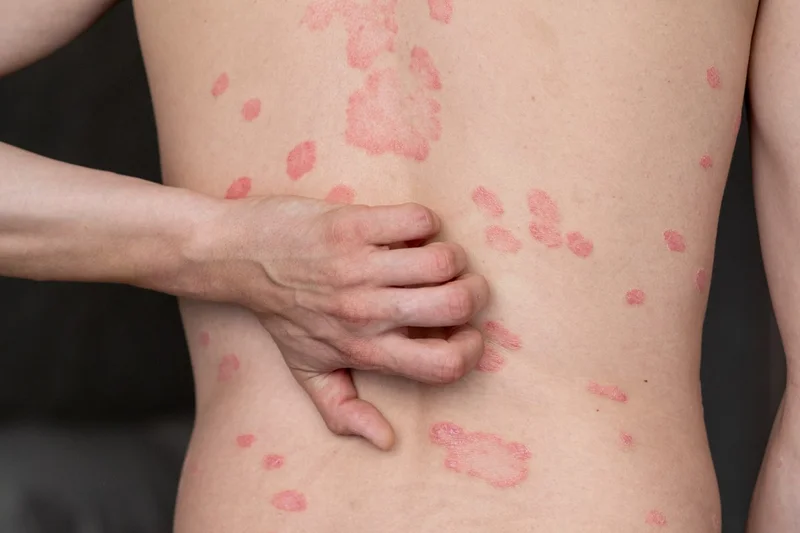
- Psoria Oil is a classical Ayurvedic topical formulation manufactured by Nagarjuna Ayurvedic Centre, primarily used to manage psoriasis, dandruff, scaling, and fungal skin infections.
- Its key active ingredient — Wrightia tinctoria (Shweta Kutaja) — is one of the most well-researched botanicals in Ayurvedic dermatology, with multiple clinical studies supporting its anti-psoriatic and anti-inflammatory properties. Available in 100 ml and 450 ml packs, Psoria Oil can be applied externally on affected skin areas or taken orally in small doses under medical guidance.
If you've been searching for a natural alternative to steroid-based creams or simply want to understand what this oil actually does, how it works, and whether it's right for you — this guide covers everything. Ingredients, mechanism of action, clinical evidence, dosage instructions, side effects, diet tips, and honest user experiences. All in one place.
What Is Psoria Oil?
Product Overview
Psoria Oil (also written as "Psoria Taila" in traditional nomenclature) is a medicated Ayurvedic oil designed specifically for inflammatory and scaly skin conditions. Unlike generic coconut oil or basic herbal blends, Psoria Oil is prepared using Taila Paka Vidhi — the classical Ayurvedic method of oil processing where herbs are decocted, ground into paste, and slowly cooked in a base oil over controlled heat for extended periods. This process allows the fat-soluble active compounds from medicinal plants to be extracted into the oil matrix, making them bioavailable for topical absorption.
The formulation is classified as an external-use oil with an additional option for internal administration (oral use) in specific clinical scenarios.
Manufacturer — Nagarjuna Ayurvedic Centre
Nagarjuna Ayurvedic Centre, based in Kerala, India, is one of the most established names in classical Ayurvedic manufacturing. Founded in 1920s, the company operates GMP-certified production facilities and supplies to Ayurvedic hospitals, clinics, and retail pharmacies across India. Their product line includes over 500 classical and proprietary formulations. Psoria Oil falls under their dermatology-focused range and has been part of their catalogue for decades.
Key Ingredients and Their Benefits
Wrightia Tinctoria (Shweta Kutaja) — The Star Ingredient
Wrightia tinctoria, known as Shweta Kutaja in Sanskrit and "Pala Indigo" in common parlance, is a deciduous tree native to the Indian subcontinent. Its leaves, bark, and seeds have been used in Ayurvedic dermatology for centuries — but modern pharmacology has begun to explain why it works so well.
The leaf extract contains several bioactive compounds including wrightial, tryptanthrin, indirubin, and isatin.
These molecules exhibit:
- Anti-inflammatory activity — inhibition of pro-inflammatory cytokines (TNF-α, IL-6)
- Immunomodulatory effects — modulation of hyperactive immune responses that drive psoriatic plaque formation
- Anti-proliferative action — slowing down the abnormally rapid turnover of skin cells (keratinocyte hyperproliferation), which is the core pathological mechanism of psoriasis
A 2019 study published in the Journal of Ethnopharmacology demonstrated that Wrightia tinctoria leaf extract significantly reduced PASI (Psoriasis Area and Severity Index) scores in patients with mild-to-moderate plaque psoriasis when applied topically over 12 weeks. Another study in Pharmacognosy Reviews confirmed its anti-dermatophytic and wound-healing properties, making it relevant for fungal skin infections as well.
Coconut Oil (Cocos nucifera) — The Base Oil
Coconut oil isn't just a passive carrier here.
It serves multiple therapeutic functions:
- Lauric acid (approximately 49% of coconut oil's fatty acid profile) has proven antimicrobial and antifungal properties
- It enhances skin barrier function by reducing transepidermal water loss (TEWL)
- Its molecular structure allows deeper penetration of fat-soluble herbal actives into the dermis
- Provides immediate emollient relief for dry, cracked, scaly skin
- The combination of Wrightia tinctoria's pharmacological activity with coconut oil's penetration-enhancing and moisturizing properties creates a synergistic formulation.
- This isn't accidental — it reflects the traditional Ayurvedic understanding of "Sneha Dravya" (oleaginous substances) as vehicles for herbal medicines.
Full Composition Table
| Ingredient (Sanskrit Name) | Botanical / Official Name | Part Used | Primary Role |
|---|---|---|---|
| Shweta Kutaja | Wrightia tinctoria | Leaves, bark | Anti-psoriatic, anti-inflammatory |
| Narikela Taila | Cocos nucifera (Coconut oil) | Fruit (copra) | Base oil, emollient, antimicrobial |
| Other herbal additives | Varies by batch/formulation | — | Supporting therapeutic action |
> Note: The exact proportional composition (percentage of each ingredient) is not publicly disclosed by Nagarjuna on their label. This is common with classical Ayurvedic formulations where the ratio follows textual references (Grantha-based proportions) rather than modern standardized percentages.
How Does Psoria Oil Work? (Mechanism of Action)
Anti-Inflammatory and Immunomodulatory Properties
Psoriasis is fundamentally an autoimmune condition. The immune system mistakenly attacks healthy skin cells, triggering a cascade of inflammation that causes keratinocytes (skin cells) to reproduce 10 times faster than normal. This results in the thick, silvery-white plaques that characterize the disease.
Psoria Oil addresses this at multiple levels:
- 1.Topical anti-inflammatory action — Wrightia tinctoria's active compounds suppress local inflammatory mediators at the application site
- 2.Keratinocyte regulation — Indirubin and tryptanthrin (naturally present in the herb) have been shown to inhibit the STAT3 signaling pathway, which is directly involved in epidermal hyperproliferation
- 3.Skin barrier restoration — The coconut oil base repairs the compromised stratum corneum, reducing irritation and preventing secondary infections
This multi-target approach is what differentiates a well-formulated Ayurvedic oil from a single-ingredient remedy.
Ayurvedic Perspective — Balancing Vata and Kapha
In Ayurvedic pathology, psoriasis correlates most closely with Eka Kushtha — a condition described in Charaka Samhita characterized by scaling, dryness, and skin discoloration. It's attributed to vitiation of Vata (causing dryness and cracking) and Kapha (causing scaling and itching), with Pitta involvement when there's redness and burning.
Oil-based formulations (Taila) inherently pacify Vata dosha through their unctuous (Snigdha) quality. The specific herbs in Psoria Oil are selected for their Kapha-reducing (Lekhana) and blood-purifying (Rakta Shodhaka) properties, creating a balanced therapeutic action across all three doshas involved in skin disease.
Uses and Indications
Psoriasis
- The primary indication. Psoria Oil is used for plaque psoriasis, guttate psoriasis, and scalp psoriasis. It helps reduce scaling, redness, thickness of plaques, and itching.
- It does not claim to cure psoriasis permanently — no honest product can — but aims to manage symptoms and extend remission periods.
Dandruff and Scalp Conditions
Seborrheic dermatitis and chronic dandruff share some pathological overlap with psoriasis (inflammation, flaking, Malassezia fungal involvement). Psoria Oil's antifungal and anti-inflammatory properties make it useful as a pre-shampoo scalp treatment for stubborn dandruff that hasn't responded to regular anti-dandruff shampoos.
Fungal Skin Infections
Wrightia tinctoria has demonstrated activity against common dermatophytes (Trichophyton, Microsporum species) in laboratory studies. While Psoria Oil is not a first-line antifungal treatment, it may serve as an adjunct therapy for superficial fungal infections, particlarly ringworm and tinea versicolor.
Scaling, Dry Skin, and Eczema
The intense moisturizing action of the coconut oil base combined with the anti-inflammatory herbal actives makes Psoria Oil helpful for ichthyosis, xerotic eczema, and generalized scaling disorders. Some users also report benefits for chronic eczema (atopic dermatitis), although clinical evidence for this specific indication is more limited.
How to Use Psoria Oil — Dosage & Directions
External Application — Step-by-Step Guide
This is the most common method of use:
- Clean the affected area with lukewarm water and pat dry gently (don't rub)
- Take sufficient quantity of Psoria Oil on your palm — enough to cover all affected patches
- Apply evenly over psoriatic plaques, dandruff-affected scalp, or other target areas
- Massage gently in circular motions for 3–5 minutes to aid absorption
- Leave on for 30–60 minutes before bathing (for scalp application, some practitioners recommend overnight use with a shower cap)
- Wash off with a mild, sulfate-free cleanser or Ayurvedic bath powder (like Triphala Churna paste)
Frequency: Twice daily for active flare-ups; once daily for maintenance.
Oral Dosage
This surprises many people, but Psoria Oil can also be taken internally — a practice rooted in the Ayurvedic concept of Sneha Pana (internal oleation therapy).
- Dose: 5 ml (approximately one teaspoon) mixed with 30 ml of warm water
- Timing: On an empty stomach, twice daily — morning and evening
- Duration: As directed by an Ayurvedic physician, typically 4–8 weeks per course
> Important: Oral use should ONLY be done under the supervision of a qualified Ayurvedic doctor. Self-medication with internal oil therapy can cause digestive disturbances, especially in people with weak Agni (digestive fire).
Duration of Treatment — When to Expect Results
This is where realistic expectation-setting matters enormously. Based on available user reviews and clinical practice patterns:
| Timeline | What to Expect |
|---|---|
| 1–2 weeks | Reduced itching, mild improvement in dryness |
| 4–6 weeks | Noticeable reduction in scaling and plaque thickness |
| 3–4 months | Significant improvement in skin texture; reduction in affected area |
| 5–6 months | Maximum therapeutic benefit for chronic cases |
One user on 1mg reported: "Need to use it for 5–6 months continuously to see real results." Another noted minimal change after just 2 weeks. This is entirely consistent with how Ayurvedic treatments work — they address root causes gradually rather than suppressing symptoms instantly.
Psoriasis is a chronic condition. Quick fixes don't exist. Patience is genuinely part of the treatment.
Don't wait or self medicate. Start chat with Doctor NOW
Clinical Evidence and Research
Studies on Wrightia Tinctoria in Dermatology
Unlike many Ayurvedic ingredients that rely solely on traditional references, Wrightia tinctoria has a growing body of modern scientific evidence:
- Anti-psoriatic activity: A randomized controlled trial published in Indian Journal of Dermatology (2011) found that a Wrightia tinctoria-based oil formulation produced clinically significant improvement in psoriasis symptoms comparable to coal tar-based preparations, with fewer side effects.
- Antimicrobial properties: Research in Asian Pacific Journal of Tropical Biomedicine (2012) confirmed broad-spectrum antibacterial and antifungal activity of Wrightia tinctoria leaf extracts against S. aureus, E. coli, and Candida albicans.
- Wound healing: A 2015 study in Journal of Pharmacy Research demonstrated accelerated wound healing in animal models treated with Wrightia tinctoria ointment, attributed to enhanced collagen synthesis and reduced oxidative stress.
- Anti-inflammatory mechanism: A 2020 pharmacological review confirmed that tryptanthrin and indirubin isolated from Wrightia tinctoria inhibit NF-κB and COX-2 pathways — the same inflammatory pathways targeted by conventional anti-inflammatory drugs.
Traditional Ayurvedic References
Wrightia tinctoria is mentioned in multiple classical Ayurvedic texts including Bhavaprakasha Nighantu and Dhanvantari Nighantu under the name "Shweta Kutaja." It is classified as having Tikta (bitter) and Kashaya (astringent) Rasa, Laghu (light) Guna, and Kushtha-hara (anti-dermatosis) Karma. The traditional indication profile aligns remarkably well with modern pharmacological findings.
Side Effects, Precautions and Contraindications
No competitor covers this topic adequately. Here's what you need to know.
Possible Side Effects
Psoria Oil is generally well-tolerated when used as directed.
However, possible side effects include:
- Skin irritation or redness at the application site (uncommon; more likely in individuals with very sensitive skin or open wounds)
- Contact allergy — rare but possible; anyone allergic to Wrightia species or coconut-derived products should avoid this oil
- Gastrointestinal disturbance (nausea, loose stools) — specifically with oral use, especially if taken without proper medical guidance or on a full stomach
Who Should Avoid Psoria Oil?
- Pregnant and lactating women — insufficient safety data for internal use; external use should be discussed with a physician
- Children under 5 years — use only under direct medical supervision
- Individuals with known allergy to any ingredient in the formulation
- Patients with severe liver or kidney disease — oral administration is contraindicated without specialist oversight
Drug Interactions
There are no well-documented major drug interactions with topical use.
However, for oral administration:
- May potentiate the effect of immunosuppressive drugs (methotrexate, cyclosporine) due to its own immunomodulatory activity
- Theoretical interaction with blood-thinning medications (consult your doctor if you're on warfarin or aspirin therapy)
- If you're using topical corticosteroids simultaneously, apply them at different times (minimum 2-hour gap) to avoid altered absorption
Psoria Oil vs Other Psoriasis Remedies — A Comparison
Psoria Oil vs Neem Oil
| Parameter | Psoria Oil (Nagarjuna) | Pure Neem Oil |
|---|---|---|
| Active compound specificity | Wrightia tinctoria — specifically studied for psoriasis | Azadirachtin — broad antimicrobial, less specific for psoriasis |
| Formulation | Processed Ayurvedic oil (Taila Paka Vidhi) | Usually cold-pressed, unprocessed |
| Odor | Mild, tolerable | Strong, pungent — many users find it unpleasant |
| Clinical evidence for psoriasis | Moderate (RCTs available) | Limited (mostly in-vitro and traditional use) |
| Oral use option | Yes (with medical supervision) | Not recommended without processing |
| Best for | Psoriasis, dandruff, scaling | General antimicrobial skin care, acne |
Psoria Oil vs Conventional Topical Steroids
| Parameter | Psoria Oil | Topical Corticosteroids (e.g., Betamethasone) |
|---|---|---|
| Speed of action | Gradual (weeks to months) | Fast (days to weeks) |
| Side effects | Minimal when used correctly | Skin thinning, stretch marks, rebound flares with long-term use |
| Mechanism | Multi-target, addresses root inflammation | Broad immunosuppression at the site |
| Long-term safety | Generally safe for extended use | Not recommended beyond 2–4 weeks continuously |
| Suitability for scalp | Excellent (oil format is ideal) | Lotions/solutions available but can be drying |
| Cost (approx.) | ₹160–₹235 per 100 ml | ₹50–₹150 per tube (varies by potency) |
- The takeaway: steroids work faster but come with significant long-term trade-offs. Psoria Oil works slower but more sustainably.
- Many dermatologists now recommened a combination approach — steroids for acute flares, Ayurvedic oils for maintenance.
Diet and Lifestyle Tips for Psoriasis (Pathya-Apathya)
In Ayurveda, external treatment alone is never sufficient for skin disease. Ahara (diet) and Vihara (lifestyle) form the other two pillars of management. Using Psoria Oil while eating foods that aggravate your dosha imbalance is like mopping the floor with the tap running.
Foods to Include
- Bitter vegetables: Bitter gourd (Karela), neem leaves, fenugreek — these pacify Pitta and purify Rakta (blood)
- Whole grains: Old rice (Purana Shali), barley (Yava), millet
- Green gram (Moong dal): The lightest and most easily digestible legume in Ayurveda
- Ghee: In moderate quantities — acts as an internal oleation agent and supports skin healing
- Turmeric milk: Anti-inflammatory; enhances the therapeutic effect of topical treatment
- Adequate water intake: Minimum 2.5–3 litres daily
Foods to Avoid
- Viruddha Ahara (incompatible food combinations): Milk with fish, milk with sour fruits, honey with hot water
- Excessive dairy: Curd/yogurt especially at night — increases Kapha
- Spicy, sour, and salty foods: Aggravate Pitta; worsen inflammatory skin conditions
- Junk food, refined sugar, alcohol: Pro-inflammatory; directly linked to psoriasis flares in modern literature as well
- Nightshade vegetables: Tomatoes, potatoes, eggplant — some patients report flare triggers (not universal, but worth monitoring)
Ayurvedic Lifestyle Recommendations
- Regular Abhyanga (self-massage with medicated oil) — ideally with Psoria Oil itself, 30 minutes before bath
- Stress management: Psoriasis is strongly stress-responsive. Yoga, Pranayama (especially Nadi Shodhana), and meditation are not optional add-ons — they're theraputic interventions
- Avoid excessive sun exposure but get 15–20 minutes of morning sunlight (before 9 AM) — UVB light has proven benefits for psoriasis
- Sleep hygiene: Aim for 7–8 hours; sleeping late aggravates Pitta
- Avoid scratching or picking at plaques — this triggers the Koebner phenomenon (new lesions at trauma sites)
Packaging, Price and Where to Buy
Available Pack Sizes
| Pack Size | Typical MRP | Best For |
|---|---|---|
| 100 ml | ₹160–₹235 | Trial / short-term use / small affected area |
| 450 ml | ₹600–₹750 (varies) | Long-term use / large affected areas / scalp + body |
Prices vary between retailers. Online pharmacies sometimes offer 10–15% discounts.
Where to Buy
- 1mg.com — verified pharmacy, includes user reviews and ratings (currently rated 4.6/5 with 55+ ratings)
- Amazon India — available in both 100 ml and 450 ml variants
- Nagarjunaayurveda.com — direct from the manufacturer
- Ayurcall.com and other Ayurvedic e-pharmacies
- Local Ayurvedic medical stores — particularly in Kerala and South India
Storage Instructions
- Store in a cool, dry place away from direct sunlight
- Temperature: Below 30°C ideally; avoid storing in bathrooms where humidity fluctuates
- - After opening: Use within 12 months for optimal potency.
- The oil may slightly change color over time — this is normal for herbal oils and doesn't indicate spoilage
- Keep the cap tightly closed to prevent oxidation
- Do not refrigerate unless specifically advised
User Reviews and Ratings — What Real People Say
Summary of Real User Experiences
Based on compiled reviews from 1mg (55+ ratings, 4.6/5 stars) and other platforms:
What users liked:
- Noticeable reduction in scaling and itching within 4–6 weeks
- Pleasant, non-greasy texture compared to other medicated oils
- Works well as a pre-shampoo treatment for scalp psoriasis
- Affordable compared to imported psoriasis products
What users disliked:
- Slow results — not a quick fix (multiple reviewers emphasized this)
- Availability can be inconsistent outside South India
- Some users found 100 ml insufficient for full-body application
Realistic Timeline Based on User Feedback
- The most common mistake is stopping too early.
- One reviewer explicitly stated: "I used it for 2 weeks and saw no difference. Was about to stop, but my doctor told me to continue. By month 3, my scalp was 70% clear."
Another long-term user wrote: "This oil has been part of my routine for over a year now. My psoriasis hasn't gone completely, but the flares are less frequent and less severe. I use it along with dietary changes."
This pattern — gradual improvement with long-term consistency — is exactly what Ayurvedic pharmacology predicts. If you're expecting overnight results, this product will dissapoint you. If you're willing to commit to a 3–6 month protocol, the feedback is overwhelmingly positive.
Frequently Asked Questions (FAQ)
What is Psoria Oil used for?
Psoria Oil is primarily used for managing psoriasis symptoms including scaling, redness, itching, and plaque formation. Secondary uses include treatment of dandruff, seborrheic dermatitis, fungal skin infections, and general dry/scaly skin conditions.
How to use Psoria Oil?
Apply externally on affected areas 30–60 minutes before bathing, massaging gently. For oral use, take 5 ml with 30 ml warm water on an empty stomach, twice daily — but only under medical supervision.
Can Psoria Oil be used for hair growth?
Psoria Oil is not formulated as a hair growth product. However, by treating scalp psoriasis and dandruff effectively, it creates a healthier scalp environment which can indirectly support better hair growth. If hair loss is your primary concern, discuss with your doctor whether a dedicated Ayurvedic hair oil might be more appropriate alongside Psoria Oil.
What are the benefits of Psoria Oil for skin?
Key skin benefits include: reduction of psoriatic plaques, decreased inflammation and redness, moisturization of dry scaly skin, antifungal protection, and support for skin barrier repair. The Wrightia tinctoria component specifically targets the abnormal rapid skin cell turnover that causes psoriasis.
Can I use Psoria Oil on my face?
- While there's no absolute contraindication, facial skin is thinner and more sensitive. Do a patch test on a small area first.
- For facial psoriasis, consult an Ayurvedic physician — they may recommend diluting the oil or using it on alternate days.
Is Psoria Oil safe during pregnancy?
External use in small areas is generally considered low-risk, but internal (oral) use is not recommended during pregnancy or lactation due to insufficient safety data. Always consult your obstetrician and Ayurvedic physician before starting any new treatment during pregnancy.
How is Psoria Oil different from Psorolin Oil?
Psorolin Oil is a different product manufactured by Dr. JRK's Siddha Research and Pharmaceuticals, with its own distinct formulation (containing Wrightia tinctoria along with other Siddha herbs). While both target psoriasis, the exact composition, manufacturing process, and supporting ingredients differ. Both have clinical backing, but they are not interchangeable products.
How should I store Psoria Oil after opening?
Store in a cool, dry place below 30°C, away from direct sunlight. Keep the cap tightly sealed. Use within 12 months of opening for best results.
Final Verdict — Is Psoria Oil Worth It?
- Psoria Oil by Nagarjuna occupies a unique position in the Ayurvedic dermatology market.
- It's not a miracle cure — nothing is, for psoriasis — but it is a well-formulated, traditionally grounded, and scientifically supported option for people looking to manage their skin condition with fewer side effects than conventional treatments.
The evidence behind Wrightia tinctoria is solid and growing. The formulation methodology (Taila Paka Vidhi) ensures proper extraction and bioavailability. The price point is accessible. And the user feedback, while demanding patience, is largely positive.
Who should try it: Anyone with mild-to-moderate psoriasis, chronic dandruff, or scaly skin conditions who wants a natural, long-term management strategy — ideally combined with dietary and lifestyle modifications. Who should skip it: Anyone expecting instant results, individuals with known allergies to the ingredients, or those with severe pustular/erythrodermic psoriasis (which requires aggressive medical intervention first).
If you decide to try Psoria Oil, commit to at least 3 months of consistent use before judging its effectiveness. Combine it with the dietary guidelines outlined above. And if possible, work with a qualified Ayurvedic practitioner who can personalize your treatment protocol — because in Ayurveda, the best medicine is always the one tailored to your unique constitution.
Disclaimer: This article is for informational purposes only and does not constitute medical advice. Always consult a qualified healthcare professional before starting any new treatment. Psoriasis management should involve professional medical oversight, especially for moderate-to-severe cases.
Scientific Sources
- Rosemary and neem: an insight into their combined anti-dandruff and anti-hair loss efficacy — Hashem MM et al., 2024, Scientific reports
- Bangladeshi medicinal plant dataset — Borkatulla B et al., 2023, Data in brief
- Phytotherapy in periodontics as an effective and sustainable supplemental treatment: a narrative review — Gawish AS et al., 2024, Journal of periodontal & implant science
- Formulation and Evaluation of Turmeric- and Neem-Based Topical Nanoemulgel against Microbial Infection — Giri S et al., 2024, Gels (Basel, Switzerland)
- Medicinal plants with traditional use: Ethnobotany in the Indian subcontinent — Rupani R et al., 2018, Clinics in dermatology
- Ulcerative colitis: molecular insights and intervention therapy — Liang Y et al., 2024, Molecular biomedicine
- Turmeric and Curcumin: From Traditional to Modern Medicine — Akaberi M et al., 2021, Advances in experimental medicine and biology
- Curcumin (Turmeric) and cancer — Unlu A et al., 2016, Journal of B.U.ON. : official journal of the Balkan Union of Oncology
- The Essential Medicinal Chemistry of Curcumin — Nelson KM et al., 2017, Journal of medicinal chemistry
- Neuroprotective Herbs for the Management of Alzheimer's Disease — Gregory J et al., 2021, Biomolecules
- Modulatory Effects of Triphala and Manjistha Dietary Supplementation on Human Gut Microbiota: A Double-Blind, Randomized, Placebo-Controlled Pilot Study — Peterson CT et al., 2020, Journal of alternative and complementary medicine (New York, N.Y.)
- Ameliorative effect of methanol extract of Rubia cordifolia in N-nitrosodiethylamine-induced hepatocellular carcinoma — Shilpa PN et al., 2012, Pharmaceutical biology
Questions from users
Can I use yoga and meditation to help manage psoriasis symptoms effectively?
Maya
7 days ago
Absolutely, yoga and meditation can totally help manage psoriasis symptoms! These practices can calm the mind, reduce stress which is often a psoriasis trigger, and balance your doshas. Focus on gentle, restorative poses and regular meditation to create inner peace and harmonize your body's energies. Try integrating Pranayama for added benefits too!
What is the best way to use Psoria Oil for dandruff relief before shampooing?
Virginia
17 days ago
To use Psoria Oil for dandruff relief, apply it on your scalp about 30-60 min before shampooing. This allows the oil's antifungal and anti-inflammatory properties to work effectively. Don't forget to massage gently and focus on areas with stubborn dandruff. It’s best to wash it out with a mild, preferably herbal shampoo.
What is the role of detoxification in enhancing the effectiveness of Psoria Oil for psoriasis?
Sage
32 days ago
Detoxification plays a pretty impactful role in using Psoria Oil for psoriasis. By detoxifying the blood, it helps to remove toxins that could trigger inflammation or irritation, allowing the oil to work more effectively. This cleansing process supports the oil's abilities to calm the skin & balance doshas, ideally leading to better results in managing psoriasis.
What is the detoxifying effect of Psoria Oil on the skin and overall health?
Kennedy
41 days ago
Psoria Oil can help detoxify by supporting liver function and purifying the blood, which is reflected in healthier skin. It calms irritation, reduces inflammation, and promotes balance in the doshas. It won't be instant, tho—you'll see gradual improvement as your system clears out. Just make sure it suits your skin type!
What ingredients in Psoria Oil are effective for managing psoriasis symptoms?
Vada
51 days ago
Key ingredients in Psoria Oil effective for managing psoriasis include coconut oil, turmeric, and neem. Coconut oil soothes and moisturizes skin, turmeric’s anti-inflammatory properties help reduce redness and swelling, while neem detoxifies and supports skin health. Together they work to balance doshas and boost overall skin healing.
Can I use Psoria Oil in combination with other skin treatments or medications?
Tristan
61 days ago
Yes, you can generally use Psoria Oil with other skin treatments or medications. However, it's a good idea to consult a healthcare professional, especially if you're using prescription meds for your skin. They'll help consider how Psoria Oil interacts with other stuff you're taking. Happy healing!
Is it safe to use neem or turmeric alongside Psoria Oil for treating psoriasis?
Sandra
70 days ago
Yes, it's generally safe to use neem and turmeric with Psoria Oil for psoriasis, as they all have complementary properties in Ayurveda, like reducing inflammation and cleansing the skin. Just make sure you're not sensitive to any of these, and it's always wise to check with a healthcare expert just in case! If symptoms persist or worsen, a deeper dive into your dosha balance and diet could be helpful!
What is the best way to store Psoria Oil to maintain its effectiveness?
Joshua
80 days ago
Store Psoria Oil in a cool, dark place, like a cupboard, to preserve its herbal goodness. Keep it away from direct sunlight and high temperatures, which can mess with its effectiveness. Make sure the bottle's tightly sealed when not using it. This helps keep those bioactive compounds stable for your skin's benefit!
What is the best way to apply Psoria Oil for maximum effectiveness on psoriasis?
Titus
89 days ago
For max effect, apply Psoria Oil gently on affected areas, ideally after a warm bath when pores are open, to help absorption. Let it sit for at least 30 mins, then rinse off if needed. Consistent use can aid dosha balance, esp. reducing Pitta-related inflammation. Try doing this daily for better results, but do listen to your body’s response and adjust!
Is it safe to use Psoria Oil on open wounds or severely irritated skin?
Wesley
99 days ago
It's generally not recommended to apply Psoria Oil on open wounds or severely irritated skin. While it's great for calming inflammation and nourishing the skin, open wounds might require different care to prevent infection and support healing. Best to consult a healthcare professional to be sure!
Related articles

Skin and Hair Disorders
What Food to Eat When You Have Skin Allergy: Ayurvedic Dietary Solutions
Discover what food to eat when you have skin allergy: good food for skin allergy, food for skin allergy treatment, and foods to avoid for healthier skin
4,039

Skin and Hair Disorders
What Is Manjistha? Ayurvedic Herb for Skin, Blood, and Detox
Learn the meaning, uses, and benefits of manjistha powder and oil in Ayurveda. Discover how manjistha supports skin, blood purification, and wellness
7,569

Skin and Hair Disorders
What Happens If You Use Anti-Aging Products at a Young Age?
Is it safe to use anti-aging products at a young age? Learn about side effects, ideal age to start, and Ayurvedic views on skin rejuvenation and prevention
2,963

Skin and Hair Disorders
Why White Hair Happens — And How Ayurveda Looks at It
Yep, we’re going there. White hair. Those stubborn little strands that show up uninvited, sometimes way too early, and totally ignore how old you feel. While some folks wear them like a badge of wisdom (hello, silver foxes), for others, spotting that firs
3,717

Skin and Hair Disorders
Yashtimadhu Oil Benefits, How To Use, Ingredients, Side Effects
Exploration of Yashtimadhu Oil Benefits, How To Use, Ingredients, Side Effects
2,683

Skin and Hair Disorders
How to Detan Body at Home Using Natural Remedies
Discover how to detan body at home using natural remedies. Learn how to remove tan from body naturally with DIY full body detan tips and ayurvedic methods
9,247

Skin and Hair Disorders
Which Oil Is Good for Dandruff: Ayurvedic Oils and Remedies
Which oil is good for dandruff? Learn the best oils for dandruff and hair fall. Discover Ayurvedic hair oil remedies and essential oils for scalp health
8,579

Skin and Hair Disorders
Which Oil Is Best for Face Massage: Ayurvedic Guide by Skin Type
Discover which oil is best for face massage based on your skin type. Explore Ayurvedic benefits of almond, coconut, castor, and jojoba oils for healthy glow
21,257
Skin and Hair Disorders
Maharajaprasarini Thailam Capsule – Ayurvedic Remedy for Cognitive Health & Neurological Balance
Discover the benefits of Maharajaprasarini Thailam Capsule – an Ayurvedic remedy crafted for cognitive enhancement, stress reduction, and neurological balance through potent, natural herbal ingredients.
2,438

Skin and Hair Disorders
Scalp Psoriasis Ayurveda Treatment: Herbal Remedies & Tips
Explore Ayurvedic solutions for scalp psoriasis. Discover natural remedies, herbal treatments, and lifestyle tips to manage symptoms, reduce inflammation, and promote scalp health.
2,987
Related consultations on the topic
Legal
Additional Documents
© 2024 Ask Ayurveda. All rights reserved.