Ask Ayurvedic doctor a question and get a consultation online on the problem of your concern in a free or paid mode. More than 2,000 experienced doctors work and wait for your questions on our site and help users to solve their health problems every day.
FREE! Ask Ayurvedic Doctors 24/7

 Fast responses
 1000+ verified doctors
Body DetoxEar, Nose, and Throat DisordersGeriatrics & RejuvenationImmunodeficiencyInfertility TreatmentNutritionOrthopedic DisordersPediatricsRespiratory DisordersSexually Transmitted Diseases (STDs)Surgery RecoveryUrological DisordersVascular DisordersDental DisordersEndocrinological DisordersGastrointestinal DisordersYoga TherapyGeneral MedicineAllergic DisordersCardio DisordersGynecology and ObstetricsCosmetologySkin and Hair DisordersEye DisordersInfectious DiseasesMental DisordersNeurological DisordersOncologyPanchakarmaSexual Health & DisordersSports Medicine
Published on 02/27/25
(Updated on 06/18/26)
4,325
Bhallataka Uses – Ayurvedic Benefits for Health and Wellness
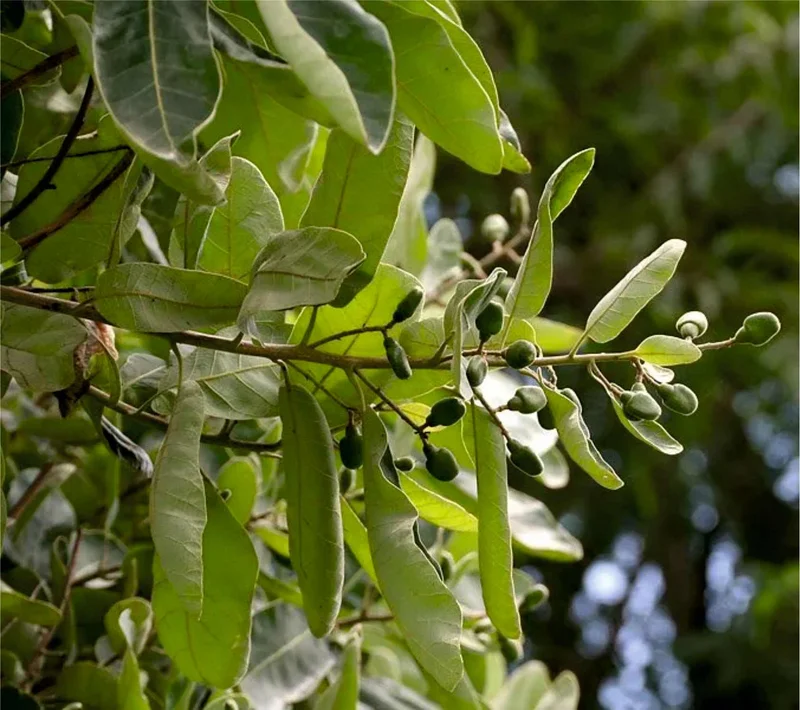
- Bhallataka (Semecarpus anacardium Linn.) is one of Ayurveda's most potent — and most dangerous — medicinal plants. Known as the "marking nut" in English, this semi-caustic fruit has been used for over 3,000 years as a Rasayana (rejuvenative), digestive stimulant, anti-inflammatory agent, and even an anti-cancer remedy.
- But here's the catch: without proper purification (Shodhana), Bhallataka is a severe vesicant that can cause chemical burns, blistering, and in doses exceeding 10 grams, even death within 12–24 hours.
This guide covers everything you need to know — from botanical identification and Ayurvedic properties to modern pharmacological research, step-by-step purification, dosage, toxicity management, and the commercial products available today. We've also addressed critical gaps that no other resource covers comprehensively, including drug interactions with modern medicines, contraindications for specific populations, and the difference between Bhallataka and Nadi Bhallataka.
What Is Bhallataka (Semecarpus Anacardium)?
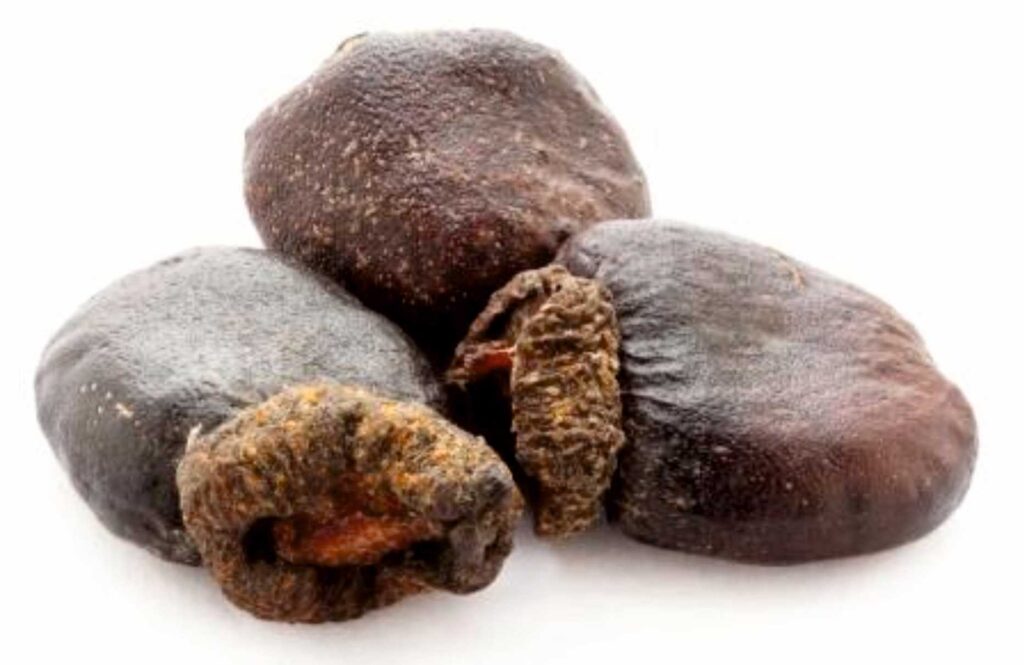
Bhallataka is a medium-sized deciduous tree belonging to the family Anacardiaceae — the same family as cashew and mango. The name "Bhallataka" derives from the Sanskrit word Bhalla (meaning spearhead), referring to the shape of its fruit. The fruit, particularly the black oily pericarp between the outer shell and inner seed, contains the medicinally active — and highly irritant — compounds.
Botanical Name, Family, and Taxonomic Classification
| Parameter | Detail |
|---|---|
| Botanical Name | Semecarpus anacardium Linn. |
| Family | Anacardiaceae |
| Order | Sapindales |
| English Names | Marking Nut, Oriental Cashew Nut, Dhobi Nut |
| Hindi | Bhilawa, Bhelwa |
| Sanskrit Synonyms | Agnika, Arushkara, Sophakarit, Veerabija, Shophakrit |
| Tamil | Shenkottai, Erimugi |
| Telugu | Nalla Jeedi, Bhallatamu |
| Kannada | Geru, Ballataka |
| IUCN Status | Least Concern |
How to Identify & Recognize Bhallataka in Nature
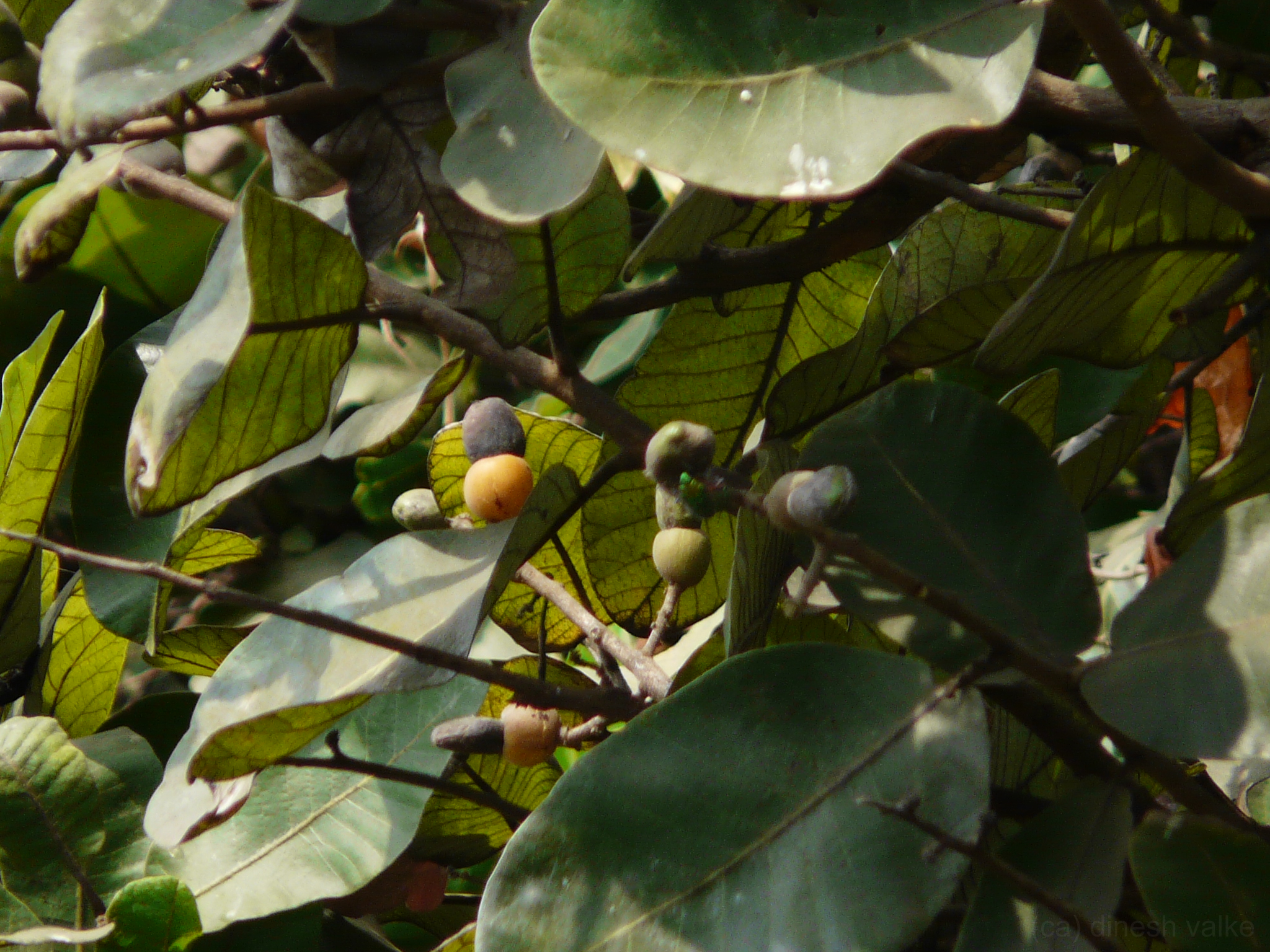
- The tree grows 10–15 meters tall with a greyish-black, rough bark. The leaves are large (30–60 cm), simple, obovate, and coriaceous — they cluster at the ends of branches, somewhat resembling mango leaves but thicker and more leathery. The flowers are small, greenish-white, and appear in panicles.
- The fruit is the most distinctive feature: a drupe seated on a fleshy, orange-red hypocarp (the swollen pedicel), with the nut itself being heart-shaped, smooth, shining black when ripe, and about 2.5–3 cm long.
Key identification warning: The black oil that oozes from the fruit's pericarp causes immediate blistering on skin contact. Foragers and practitioners should always handle the fruit with gloves.
Where Does Bhallataka Grow?
Bhallataka is native to the tropical and sub-tropical regions of India. It grows abundantly in the sub-Himalayan tracts (up to 1,000 m elevation), the Western Ghats, the Deccan plateau, Bihar, Odisha, Chhattisgarh, Andhra Pradesh and parts of North-Eastern India. Outside India, it's found in northern Australia and parts of Southeast Asia.
Bhallataka vs Nadi Bhallataka — What's the Difference?
This is a distinction that classical Ayurvedic texts mention but no modern resource has properly clarified. Nadi Bhallataka refers to Semecarpus anacardium var. anacardium found specifically along riverbanks (Nadi = river), where the fruit tends to be slightly larger and the oil content reportedly higher due to moist soil conditions. Charaka mentions Nadi Bhallataka as a variety with more intense Ushna Virya (hot potency), requiring even more careful Shodhana. However, taxonomically they are not considered separate species — rather an ecological variant. In clinical practice, the same purification and dosage protocols apply, though some Vaidyas prefer the riverbank variety for Rasayana preparations due to its higher active compound concentration.
Ayurvedic Properties of Bhallataka (Rasa Panchaka)
Understanding the Rasa Panchaka is essential before therapeutic application. Bhallataka has a uniquely aggressive pharmacological profile in Ayurvedic terms.
| Property | Detail |
|---|---|
| Rasa (Taste) | Kashaya (Astringent), Madhura (Sweet), Tikta (Bitter) |
| Guna (Quality) | Laghu (Light), Snigdha (Unctuous), Tikshna (Sharp/Penetrating) |
| Virya (Potency) | Ushna (Hot) |
| Vipaka (Post-digestive effect) | Madhura (Sweet) |
| Dosha Karma | Balances Kapha and Vata; may aggravate Pitta in excess |
| Prabhava (Special action) | Rasayana (Rejuvenative) |
Classical Ayurvedic Classification
The classical texts categorize Bhallataka across multiple therapeutic groups:
- Charaka Samhita: Deepaneeya (appetite-stimulating), Bhedaniya (purgative), Kushtaghna (anti-dermatosis), Mutrasangrahaneeya (urinary astringent)
- Sushruta Samhita: Ambasthadi gana, Lakshadi gana
- Vagbhata (Ashtanga Hridaya): Nyagrodhadi gana
Sthanika Karma — Systemic Action by Organ System
This structured Ayurvedic approach shows how Bhallataka acts on each body system:
- Digestive System (Annavaha Srotas): Deepana (appetizer), Pachana (digestive), Bhedana (mild purgative), Yakrit-uttejaka (liver stimulant). Useful in Arsha (hemorrhoids), Gulma (abdominal tumors), Udara roga (ascites), and Krimi (intestinal parasites).
- Nervous System (Majjavaha Srotas): Medhya (intellect-promoting), Balya (strength-promoting). Acts as a CNS stimulant at therapeutic doses.
- Circulatory System (Raktavaha Srotas): Rakta-shodhaka (blood purifier), Hridya (cardiotonic). Demonstrates anti-atherogenic properties.
- Skin (Tvak): Kusthaghna (anti-dermatosis), Kandughna (anti-pruritic). Used in chronic skin conditions including Shvitra (leucoderma).
- Reproductive System (Shukravaha Srotas): Vajikara (aphrodisiac) at purified therapeutic doses. However, at higher doses, research shows anti-spermatogenic effects.
- Respiratory System (Pranavaha Srotas): Kasahara (anti-tussive), Shwasahara (anti-asthmatic).
Properties of Different Plant Parts
Not all parts carry the same therapeutic value:
- Fruit pericarp (oil): Most potent and most toxic. Primary source for Bhallataka Taila. Contains the highest concentration of bhilawanols and anacardic acid.
- Kernel (seed inside the nut): Less caustic, richer in proteins and flavonoids. Used in some Rasayana preparations after Shodhana.
- Bark: Mildly astringent, used in decoctions for diarrhea and dysentery.
- Hypocarp (fleshy receptacle): Edible when ripe, sweet-tasting, and considered safe without purification. Sometimes consumed locally as a fruit.
Phytochemical Composition of Bhallataka
The pharmacological power of Bhallataka comes from an exceptionally complex phytochemical profile. The nut's pericarp oil (Bhallataka Taila) is where most bioactive compounds concentrate.
| Compound Class | Key Compounds | Primary Activity |
|---|---|---|
| Phenolic lipids | Bhilawanols, Semecarpol | Vesicant, anti-tumor, immunomodulatory |
| Anacardic acids | Anacardic acid (C₁₅) | Antimicrobial, anti-inflammatory, cytotoxic |
| Biflavonoids | Jeediflavone, Semecarpuflavanone, Galluflavanone | Antioxidant, neuroprotective |
| Tannins | Catechol-type tannins | Astringent, anti-diarrheal |
| Sterols | β-Sitosterol, Stigmasterol | Anti-hyperlipidemic |
| Amino acids | Arginine, Proline, Aspartic acid | Nutritive |
| Minerals | Copper, Iron, Zinc, Magnesium | Micronutrient support |
The vesicant activity — the reason Bhallataka causes blisters — comes primarily from bhilawanols and semecarpol, which are catechol derivatives structurally similar to urushiol (the irritant in poison ivy). A 2011 study published in the Journal of Ethnopharmacology confirmed that these compounds are significantly reduced through traditional Shodhana procedures, validating the ancient purification protocols.
How to Purify Bhallataka in Ayurveda (Shodhana Process)
This is arguably the most critical section. Unpurified Bhallataka is never administered internally. The Shodhana process neutralizes the caustic bhilawanols while preserving therapeutic compounds.
Why Purification Is Necessary
The raw fruit's pericarp oil causes:
- Severe contact dermatitis and chemical burns
- Mucosal ulceration if ingested raw
- Potential nephrotoxicity and hepatotoxicity
- Lethal dose: >10 grams of unpurified fruit; lethal period: 12–24 hours
A 2021 study in Regulatory Toxicology and Pharmacology (ScienceDirect) demonstrated that purification reduced cytotoxic phenolic compounds by 60–80% while maintaining the anti-inflammatory and antioxidant potential.
Step-by-Step Shodhana Methods
Method 1: Brick Powder Method (Ishtika Churna Shodhana)
- Select ripe, black, oily Bhallataka fruits. (Harvest time: Jyeshtha–Ashadha months, roughly May–July.)
- Prepare fine brick powder (Ishtika churna) and spread a layer in an earthen pot.
- Place Bhallataka fruits in a single layer over the brick powder.
- Cover with another layer of brick powder. Repeat layering.
- Leave undisturbed for 7 days. The brick powder absorbs the irritant oil.
- Remove fruits. Wash thoroughly with warm water.
- Crack open the shells, extract the kernel.
- The purified kernel is then ready for medicinal use.
Method 2: Cow's Urine Method (Gomutra Shodhana)
- Soak Bhallataka fruits in fresh cow's urine (Gomutra) for 7 days, changing the liquid daily.
- On the eighth day, wash the fruits with warm water.
- Rub with coconut oil to remove any residual surface irritant.
- Crack open and extract purified kernels.
Method 3: Frying Method (Bharjana)
- Cut the Bhallataka fruit longitudinally.
- Fry in ghee or coconut oil on low heat until the black oil stops oozing.
- Wash with hot water. The heat-treated kernels are considered Shuddha (purified).
Quality check after Shodhana: Purified Bhallataka should not cause tingling when touched to the inner wrist. If irritation occurs, repeat the purification cycle.
Fruit Collection: Timing, Quality Criteria, and Storage
- Optimal collection: Jyeshtha and Ashadha months (May–July), when fruits are fully mature and the oil content is at its peak.
- Quality indicators: Shiny black shell, heavy weight, copious oil secretion on pressing.
- Storage: Traditionally stored for up to 4 months packed in barley grains or black mung beans (Masha), which absorb excess oil and prevent degradation.
Health Benefits and Therapeutic Uses of Bhallataka
10 Science-Backed Benefits
1. Anti-Cancer and Cytotoxic Activity
This is perhaps Bhallataka's most researched modern application. A 2014 study in Asian Pacific Journal of Tropical Biomedicine showed that the nut extract inhibited proliferation of breast cancer (MCF-7), liver cancer (HepG2), and colon cancer cell lines. The mechanism involves induction of apoptosis and inhibition of NF-κB signaling. Semecarpol and bhilawanols are the primary cytotoxic agents.
2. Anti-Inflammatory and Anti-Arthritic Action
Bhallataka's anti-inflammatory potency is comparable to indomethacin in animal models. A study published in Inflammation Research demonstrated significant reduction in paw edema (carrageenan model) and adjuvant-induced arthritis in rats. Biflavonoids like jeediflavone are responsible for COX-2 inhibition.
3. Antioxidant Properties
The flavonoids and phenolic compounds scavenge free radicals. A 2019 Indian Journal of Pharmaceutical Sciences study recorded DPPH radical scavenging activity of 78.3% at 100 µg/ml concentration for purified Bhallataka extract.
4. Digestive Health — Hemorrhoids and Constipation
Classically one of the foremost remedies for Arsha (hemorrhoids). The Bhedaniya (purgative) property addresses constipation while the Kashaya rasa (astringency) reduces bleeding piles. Bhallataka Kshara (alkali preparation) is applied topically to hemorrhoidal masses.
5. Skin Disease Management
Used in Kushtha (chronic dermatoses), Shvitra (vitiligo), Dadru (ringworm), and Vicharchika (eczema). The antimicrobial activity of anacardic acid works against Staphylococcus aureus, Streptococcus, and various dermatophytes.
6. Cognitive Function and Neuroprotection
The Medhya (intellect-promoting) property is backed by research showing CNS-stimulant activity. A study in Neurochemical Research demonstrated improved memory retention in scopolamine-induced amnesic mice treated with Semecarpus anacardium extract.
7. Anti-Atherogenic and Cardiovascular Benefits
Bhallataka inhibits LDL peroxidation, a key step in atherosclerosis. A 2013 study showed significant reduction in serum cholesterol, triglycerides, and LDL-C in hyperlipidemic rats, with simultaneous increase in HDL-C.
8. Hypoglycemic Effect
Animal studies demonstrate blood sugar-lowering activity comparable to glibenclamide at certain doses. The mechanism appears to involve enhanced insulin secretion from pancreatic beta cells.
9. Antimicrobial Activity
Effective against both gram-positive and gram-negative bacteria, plus antifungal activity against Candida albicans and Aspergillus niger. The MIC (minimum inhibitory concentration) of the nut extract for S. aureus was recorded at 62.5 µg/ml.
10. Hair Growth Stimulation
An often-overlooked benefit — Bhallataka Taila applied topically (in diluted, purified form) has shown hair follicle stimulation in animal models, likely through improved local blood circulation and anti-inflammatory effects on the scalp.
Bhallataka Rasayana: Charaka's Step-by-Step Protocol
Charaka Samhita describes a detailed Rasayana protocol using Bhallataka that is unique in its precision:
- 1.Purva Karma (Preparation): The patient undergoes Panchakarma (Vamana and Virechana) to cleanse the body.
- 2.Ascending dose: Begin with 10 purified Bhallataka fruits on day one. Increase by one fruit daily until reaching 30 fruits.
- 3.Descending dose: Reduce by one fruit daily back down to 10.
- 4.Anupana (Vehicle): Taken with warm milk or ghee.
- 5.Pathya (Diet during treatment): Light, easily digestible food. Avoid sour, salty, and pungent items. No exposure to wind or sun.
- 6.Duration: The complete Vardhamana (ascending-descending) cycle takes approximately 40 days.
- 7.Expected outcomes: Enhanced immunity, improved skin lustre, increased strength and vitality, mental clarity.
This protocol must only be conducted under direct supervision of an experienced Ayurvedic physician. Self-administration is extremely dangerous.
Don't wait or self medicate. Start chat with Doctor NOW
Dosage of Bhallataka
| Form | Recommended Dosage | Notes |
|---|---|---|
| Bhallataka Taila (oil) | 10–20 drops | Always purified; taken with milk |
| Bhallataka Churna (powder) | 1–3 grams | Of purified kernel only |
| Bhallataka Kalka (paste) | 3–6 grams | For external application or with anupana |
| Bhallataka Kshirapaka (milk decoction) | 20–30 ml | Safest internal form |
| Bhallataka Avaleha (confection) | 5–10 grams | With honey or warm water |
Is Bhallataka Safe for Daily Use?
- No — Bhallataka is not intended for casual daily use like Ashwagandha or Triphala. It is a therapeutic agent with a narrow safety margin.
- Use should be:
- Time-limited (specific treatment courses)
- Dose-controlled (start low, increase cautiously)
- Supervised by a qualified Ayurvedic practitioner
- Discontinued at the first sign of burning sensation, rash, or urinary discomfort
Key Ayurvedic Formulations (Yogas) Containing Bhallataka
- Bhallatakadi Ghrita: Ghee-based preparation for hemorrhoids and skin diseases
- Bhallataka Avaleha: Confection form for Rasayana therapy
- Bhallatakadi Vati: Tablet form for convenience
- Bhallataka Taila: Oil for both internal and external use
- Amritbhallataka: A classical preparation combining Bhallataka with Guduchi (Tinospora cordifolia) to balance toxicity
- Bhallataka Kshara: Alkaline preparation for topical use on piles and warts
Side Effects, Toxicity, and Antidotes
Which Part of Bhallataka Is Poisonous?
- The pericarp oil (the black, sticky oil between the outer shell and inner kernel) is the primary toxic component.
- It contains concentrated bhilawanols and semecarpol — potent vesicants. Even the fumes from heating raw Bhallataka can cause respiratory irritation and conjunctivitis.
Side Effects and Symptoms of Toxicity
- Skin: Contact dermatitis, blistering, chemical burns (appears within hours)
- GI tract: Nausea, vomiting, severe abdominal pain, bloody diarrhea
- Urinary: Dysuria, haematuria, renal inflammation
- Systemic (in severe poisoning): Renal failure, cardiovascular collapse
- Lethal dose: Greater than 10 grams of raw fruit
- Lethal period: 12–24 hours after massive ingestion
How to Counter Side Effects of Bhallataka
Antidotes documented in Ayurvedic texts and clinical practice:
| Antidote | Application |
|---|---|
| Coconut oil | Apply liberally to skin burns; consume 2 tablespoons for internal irritation |
| Ghee (clarified butter) | Internal and external — coats mucosa, neutralizes irritant oils |
| Coriander paste | Apply topically to blistered skin |
| Parpataka Kashaya (decoction of Fumaria indica) | Internal — 30 ml twice daily for systemic detox |
| Palashamool Kashaya (decoction of Butea monosperma root) | Internal — 20 ml thrice daily |
| Cold milk | Immediate first aid for oral/GI exposure |
- Emergency protocol: If large quantity ingested, induce vomiting immediately (if within 1 hour), administer copious amounts of coconut milk or ghee, and seek emergency medical care.
- There's no specific pharmaceutical antidote — treatment is supportive and symptomatic.
Contraindications for Specific Groups
This is a critical safety gap that existing resources fail to address systematically:
| Population | Recommendation | Reason |
|---|---|---|
| Pregnant women | Absolutely contraindicated | Emmenagogue and potentially abortifacient; Ushna Virya can disturb fetal development |
| Breastfeeding mothers | Contraindicated | Active compounds may pass through breast milk |
| Children under 12 | Contraindicated | Narrow therapeutic index; unpredictable toxicity |
| Liver disease patients | Contraindicated | Hepatotoxic potential; impaired detoxification capacity |
| Kidney disease patients | Contraindicated | Nephrotoxic at supra-therapeutic doses |
| Pitta Prakriti individuals | Use with extreme caution | Ushna Virya aggravates Pitta; higher risk of adverse skin and GI reactions |
| Individuals with active GI ulcers | Contraindicated | May worsen mucosal erosion |
Drug Interactions with Modern Medicines
Another area where no competitor provides adequate guidance:
| Modern Drug Category | Interaction Risk | Mechanism |
|---|---|---|
| Anticoagulants (Warfarin, Heparin) | High | Bhallataka may potentiate anticoagulant effects; risk of bleeding |
| Antidiabetic drugs (Metformin, Glibenclamide) | Moderate | Additive hypoglycemic effect; monitor blood sugar closely |
| NSAIDs (Ibuprofen, Diclofenac) | Moderate | Combined GI irritant potential; increased ulcer risk |
| Immunosuppressants (Cyclosporine, Tacrolimus) | High | Bhallataka's immunomodulatory action may interfere with drug efficacy |
| Hepatotoxic drugs (Acetaminophen at high doses, Statins) | High | Additive liver toxicity risk |
| Antihypertensives | Low-Moderate | Possible additive hypotensive effects |
Recommendation: Discontinue Bhallataka preparations at least 2 weeks before any scheduled surgery due to potential anticoagulant effects.
Modern Research: What Do Clinical Studies Say?
Preclinical Evidence (Strong)
The bulk of scientific evidence for Bhallataka sits at the preclinical level — in vitro and animal studies. Over 200 published studies document anticancer, anti-inflammatory, antimicrobial, hypoglycemic, and neuroprotective activities. The evidence is robust and consistent across multiple research groups.
Human Clinical Trials (Limited)
This is a significant gap in the evidence base, and it's important to be honest about it. As of 2024, there are very few well-designed randomized controlled trials (RCTs) on human subjects.
What exists includes:
- A small pilot study (n=30) at a government Ayurvedic college in Maharashtra evaluating Bhallataka Avaleha for Arsha (hemorrhoids), which showed 73% symptom improvement over 8 weeks. However, it lacked a proper control group.
- Case series from IPGT&RA, Gujarat Ayurved University documenting Rasayana effects in healthy volunteers — improvements in hemoglobin, serum protein, and subjective energy levels were reported.
- An observational study on Bhallataka Kshara application for external hemorrhoids showed comparable efficacy to surgical excision in grade I and II piles.
The gap: No large-scale, multi-center RCTs exist. No Phase III clinical trial data. This remains Bhallataka's biggest limitation in gaining acceptance within integrative medicine.
Standardization and Quality Control
For Bhallataka to be used safely in modern clinical settings, standardization is essential:
- Ayurvedic Pharmacopoeia of India (API) provides monograph standards for Semecarpus anacardium fruit.
- Key quality parameters include: total phenolic content, bhilawanol content (HPLC analysis), moisture content (<12%), ash value, and heavy metal limits.
- TLC (Thin Layer Chromatography) and HPTLC fingerprinting can authenticate the botanical identity and detect adulteration.
- After Shodhana, the residual bhilawanol content should be below established safety thresholds — though, unfortunately, no universally agreed-upon limit has been established yet.
Commercial Bhallataka Products Available in India
| Product Type | Common Forms | Usage |
|---|---|---|
| Bhallataka Taila | Oil in glass bottles (50–100 ml) | Internal (drops) and external application |
| Bhallataka Vati / Tablet | Tablets of purified extract | Oral, for systemic conditions |
| Bhallataka Churna | Powder of purified kernel | Oral, mixed with anupana |
| Bhallataka Avaleha | Semi-solid confection | Rasayana therapy |
| Bhallatakadi Ghrita | Medicated ghee | Hemorrhoids, skin diseases |
| Amritbhallataka | Combined preparation with Guduchi | Balanced rejuvenation |
Buying advice: Always purchase from GMP-certified Ayurvedic manufacturers. Verify that the label states "Shuddha Bhallataka" (purified). Avoid raw Bhallataka products sold as crude herbs in local markets — these pose serious safety risks.
Ecology and Sustainable Harvesting
With increasing commercial demand for Bhallataka in the Ayurvedic pharmaceutical industry, sustainable harvesting practices are worth discussing. While the IUCN lists Semecarpus anacardium as "Least Concern," localized over-harvesting has been reported in parts of Odisha and Jharkhand, where tribal communities depend on the tree for livelihood.
Sustainable practices should include: rotational harvesting (not stripping all fruits from a single tree), protecting young saplings, community-managed forest protocols, and investigating cultivation as an alternative to wild harvesting. Some Ayurvedic companies have begun sourcing from dedicated plantations in Maharashtra and Karnataka, which is a positive development.
Frequently Asked Questions
What is the use of Bhallataka tablet?
- Bhallataka tablets (Vati) contain purified Bhallataka extract and are used for chronic skin diseases (eczema, psoriasis, leucoderma), hemorrhoids, digestive weakness, joint inflammation, and as a Rasayana. The tablet form offers standardized dosing and reduced risk of skin contact with raw material.
- Typical dose: 1–2 tablets twice daily with milk or ghee, under medical supervision.
What is Bhallataka Taila used for?
Bhallataka Taila is the medicated oil extracted from purified Bhallataka fruits. Internally (10–20 drops with warm milk), it's used for hemorrhoids, skin diseases, and as a rejuvenative. Externally, it's applied to warts, corns, chronic non-healing wounds, and arthritic joints. The oil should never be applied to mucosal surfaces or open wounds without dilution.
What is the botanical name of Bhallataka?
- The botanical name is Semecarpus anacardium Linn., belonging to the family Anacardiaceae.
- The genus name Semecarpus comes from Greek: semeion (mark) + karpos (fruit), referring to the fruit's traditional use as a marking ink by washermen (dhobis) in India.
What is Bhallataka flower used for?
The flowers of Bhallataka are greenish-white, small, and appear in terminal panicles. They are not commonly used in Ayurvedic therapeutics. The medicinal value is concentrated primarily in the fruit (nut) and secondarily in the bark. However, the honey produced from Bhallataka flowers is sometimes used in folk medicine as a mild expectorant.
What is Bhallataka Churna?
Bhallataka Churna is the fine powder of purified Bhallataka kernel. It's administered orally in doses of 1–3 grams with appropriate anupana (vehicle) such as honey, ghee, or warm milk. It retains the full spectrum of active compounds and is used in custom formulations by Ayurvedic practitioners.
Conclusion: A Powerful Medicine That Demands Respect
Bhallataka stands as one of Ayurveda's most therapeutically powerful — yet most hazardous — single drugs. Its potential in cancer treatment, chronic skin diseases, hemorrhoids, metabolic syndrome, and rejuvenation therapy is supported by both classical wisdom and a growing body of preclinical research. But this is categorically not a self-medication herb.
The difference between medicine and poison with Bhallataka is literally a matter of purification technique and dosage precision. If you're considering Bhallataka for any health condition, consult a qualified Ayurvedic physician (BAMS or MD Ayurveda) who has direct experience with its preparation and administration. Ask specifically about their Shodhana protocol, the source and quality of the raw material, and their experience managing adverse reactions.
The future of Bhallataka lies in rigorous human clinical trials, standardized quality parameters, and integration into evidence-based complementary medicine. Until that evidence base matures, the classical protocols perfected over millennia remain our best guide — but they must be followed with exactness, never approximation.
Scientific Sources
- Comparing the concept of "Removing Worms" between traditional Chinese medicine and Ayurveda -- An example of Qiye Qingnian Powder(https://pubmed.ncbi.nlm.nih.gov/39394793/) — Zhang RS et al., 2024, Zhonghua yi shi za zhi (Beijing, China : 1980)
- Uncovering the anticancer effects of Bhallataka Taila in lung cancer: A metabolomic and network pharmacology approach — Suchitha GP et al., 2025, BioImpacts : BI
- Proteomic analysis reveals anticancer mechanisms of Bhallataka taila in inhibiting lung cancer progression and metastasis — G P S et al., 2025, Molecular omics
- Urushiol-induced contact dermatitis caused during Shodhana (purificatory measures) of Bhallataka (Semecarpus anacardium Linn.) fruit — Llanchezhian R et al., 2012, Ayu
- Idiosyncratic adversity reported after oral consumption of an ayurvedic formulation containing bhallataka (Semecarpus anacardium): A case report — Rastogi S et al., 2022, Journal of Ayurveda and integrative medicine
- Evaluating higher doses of Shunthi - Guduchi formulations for safety in treatment of osteoarthritis knees: A Government of India NMITLI arthritis project — Chopra A et al., 2012, Journal of Ayurveda and integrative medicine
- Effectiveness of Semecarpus anacardium Linn. fruits in cancer and inflammatory diseases: A mini review — Mishra AK et al., 2024, Fitoterapia
Questions from users
What is the history of Bhallataka in traditional Ayurvedic medicine?
Sandra
12 days ago
Bhallataka, also known as the marking nut, has been used in Ayurveda for centuries. It's mentioned in ancient texts like the Charaka Samhita for its heating properties, great for balancing kapha dosha. It was especially valued for treating arthritis, digestive issues, and even improving skin conditions. Just remember, it's potent, so it's usually prepared carefully to avoid irritation. Always best to consult a knowledgeable practitioner for safe use!
Can Bhallataka improve skin health for conditions like acne or eczema?
Christopher
21 days ago
Yes, Bhallataka can be beneficial for skin issues like acne and eczema due to its anti-inflammatory and antimicrobial properties. It helps detoxify and reduces skin irritation, but remember, too much can cause irritation or even toxicity. It's best to consult with an Ayurvedic practitioner first to see if it's right for your body type n dosha balance.
Is it safe to use Bhallataka for blood purification and detoxification?
Dylan
30 days ago
Yes, Bhallataka can be safely used for blood purification, but it's crucial to do it under the guidance of a qualified Ayurvedic practitioner. It's a potent herb, so the right dosage and form depend on your individual constitution and health needs. Make sure to choose quality products and get advice tailored to you before starting.
What is the best time of day to take Bhallataka for optimal benefits?
Wesley
40 days ago
The best time to take Bhallataka is usually in the morning after breakfast. It helps to utilize its digestive support when your agni, or digestive fire, is typically stronger. But keep an eye on how your body reacts, as everyone's prakriti is unique! If you experience discomfort, consider adjusting the time or dosage.
What digestive issues can Bhallataka effectively treat?
Millie
50 days ago
Bhallataka can be really helpful for digestive issues like indigestion, bloating, and constipation. It helps improve Agni (digestive fire), making digestion smoother and nutrient absorption better. It's also believed to have mild laxative effects, so it can help if things are moving a bit slow in your system :)
What is the role of Bhallataka in Ayurvedic practices for boosting immunity?
Christopher
59 days ago
Bhallataka is like a little herbal powerhouse when it comes to boosting immunity. It helps detoxify the body and reduces inflammation, which translates to a stronger immune system. It's especially handy during flu season or when stress levels mess with your body's defenses. Just a heads-up, though - it balances both Vata and Kapha doshas, so it's good for those imbalances too. But remember, Bhallataka can be quite potent, so it's best to use it under the guidance of a skilled practitioner.
Is it safe to use Bhallataka oil for skin conditions?
Morgan
69 days ago
Bhallataka oil can be helpful for certain skin conditions, but you got to be super careful. It can be irritating for some people and needs to be used correctly. Usually recommend mixing it with a carrier oil or consulting an Ayurvedic practitioner first to see if its a good fit for your skin type or dosha. Stay safe and test small areas first!
Can Bhallataka help with weight management or obesity?
Asher
78 days ago
Bhallataka might assist in weight management by balancing Vata and Kapha doshas, which are often linked to obesity when imbalanced. By supporting overall digestive fire (agni) and metabolism, it could help, but it's potent so should be used with caution and preferably under guidance of an Ayurvedic practitioner.
What are the best practices for storing Bhallataka to maintain its potency and effectiveness?
Logan
156 days ago
To keep Bhallataka potent, store it in a cool, dry place, away from direct sunlight and moisture. This usually helps preserve its active compounds. Use airtight containers to prevent air exposure. Maybe think of rotating your stock regularly to maintain its freshness and effectiveness. Always remember to handle with care cause it can be irritating if misused.
What are the long-term benefits of using Bhallataka regularly for overall health?
Mya
162 days ago
Using Bhallataka long-term can boost immunity, strengthen agni for better digestion and nutrient absorption, and protect against skin issues like eczema and acne. It also might offer antyoxidant benefits. Just a heads up— while it's generally safe, too much might cause irritation, so moderation is key.
Related articles

Gastrointestinal Disorders
Ayurveda for Pancreas Health: Natural Approaches to Healing and Support
Explore Ayurvedic treatments for pancreas health, focusing on natural remedies to support pancreatic function, manage digestive issues, and enhance overall well-being.
4,919

Gastrointestinal Disorders
What Causes Acid Reflux: Ayurvedic Explanation and Triggering Foods
What causes acid reflux? Explore Ayurvedic causes, foods and habits that trigger it, and natural remedies to relieve and prevent acid reflux symptoms
1,695

Gastrointestinal Disorders
Anuloma DS Tablet – Uses, Ingredients, Dose, Side Effects
Exploration of Anuloma DS Tablet – Uses, Ingredients, Dose, Side Effects
5,249

Gastrointestinal Disorders
Is Lemon Tea Good for Loose Motion and Diarrhea?
Discover if lemon tea is good for loose motion and diarrhea. Learn how lemon water or black tea with lemon helps ease symptoms and when to use them
8,722

Gastrointestinal Disorders
Patanjali Pachak Shodhit Harad Tablet
Exploration of Patanjali Pachak Shodhit Harad Tablet
2,280

Gastrointestinal Disorders
Sthoulya Chikitsa – Natural Ayurvedic Approach for Obesity Management
Sthoulya Chikitsa represents a holistic and natural approach to managing obesity by addressing the root causes through detoxification and dosha balancing.
2,681
Gastrointestinal Disorders
Drakshadi Vati: Antioxidant Power for Liver & Wellness
Dive into Drakshadi Vati’s powerful antioxidant benefits. Learn how it supports liver health, boosts energy, and promotes overall wellness naturally.
2,517

Gastrointestinal Disorders
Agasthya Rasayanam for Weight Loss: An Ayurvedic Approach to Shed Extra Pounds
Agasthya Rasayanam is a powerful Ayurvedic remedy that supports weight loss by enhancing metabolism, detoxifying the body, and promoting gut health.
3,569

Gastrointestinal Disorders
Agnitundi Vati – Ayurvedic Medicine for Digestive Health
earn about Agnitundi Vati, an Ayurvedic formulation for digestive wellness. Discover its benefits, usage, and potential side effects to ensure safe and effective treatment.
3,258

Gastrointestinal Disorders
Is Rice Good for Piles? Ayurvedic View on White, Brown, and Curd Rice
Is rice good for piles? Learn if white rice, brown rice, or curd rice helps or harms piles. Discover Ayurvedic advice on rice for hemorrhoid relief
5,452
Related questions on the topic
Legal
Additional Documents
© 2024 Ask Ayurveda. All rights reserved.