Ask Ayurvedic doctor a question and get a consultation online on the problem of your concern in a free or paid mode. More than 2,000 experienced doctors work and wait for your questions on our site and help users to solve their health problems every day.
FREE! Ask Ayurvedic Doctors 24/7

 Fast responses
 1000+ verified doctors
Body DetoxEar, Nose, and Throat DisordersGeriatrics & RejuvenationImmunodeficiencyInfertility TreatmentNutritionOrthopedic DisordersPediatricsRespiratory DisordersSexually Transmitted Diseases (STDs)Surgery RecoveryUrological DisordersVascular DisordersDental DisordersEndocrinological DisordersGastrointestinal DisordersYoga TherapyGeneral MedicineAllergic DisordersCardio DisordersGynecology and ObstetricsCosmetologySkin and Hair DisordersEye DisordersInfectious DiseasesMental DisordersNeurological DisordersOncologyPanchakarmaSexual Health & DisordersSports Medicine
Published on 10/10/24
(Updated on 07/05/26)
2,593
Naturopathy: The Path To A Healthy Life
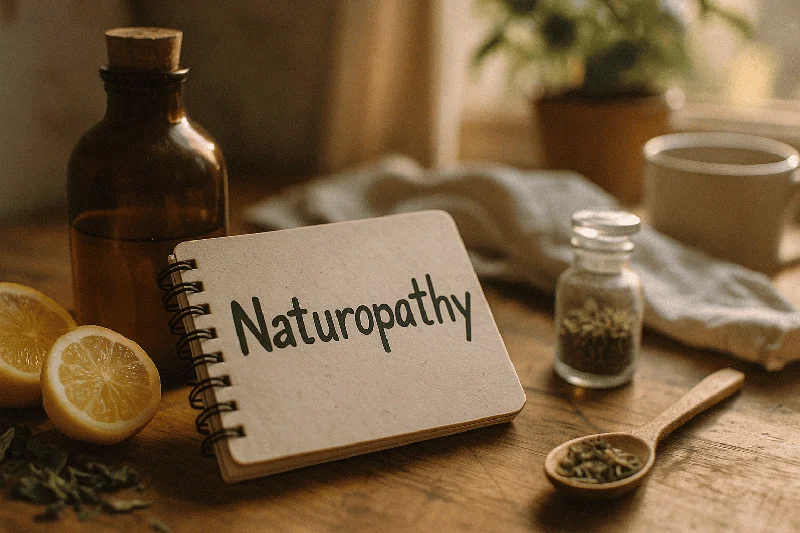
Naturopathy is a system of medicine that uses natural therapies — including herbal medicine, nutrition, hydrotherapy, yoga, and lifestyle counseling — to stimulate the body's inherent ability to heal itself. Rather than simply suppressing symptoms, naturopathic medicine aims to identify and treat the root cause of disease while treating the whole person: body, mind, and spirit. Whether you're exploring naturopathy as a complement to conventional treatment or considering it as a primary healthcare approach, this comprehensive guide covers everything you need to know — from its ancient origins and core principles to what actually happens during your first appointment.
What Is Naturopathy?
- Naturopathy, also called naturopathic medicine, is a distinct system of primary care that emphasizes prevention, self-healing, and the use of natural therapeutic methods.
- It draws from multiple healing traditions — Indian, Chinese, Greek, Arabic, and European — integrating them into a holistic framework that treats disease by supporting the body's own restorative mechanisms.
At its core, naturopathy operates on the principle of vis medicatrix naturae — the healing power of nature. This concept, first articulated by Hippocrates around 400 BCE, suggests that the body possesses an innate intelligence that, given the right conditions, can restore health without aggressive pharmaceutical or surgical intervention.
Definition and Core Philosophy
The World Naturopathic Federation defines naturopathy as "a system of medicine based on the healing power of nature" that integrates traditional and evidence-based approaches to promote wellness and treat disease. The philosophy rests on the idea that disease arises when the body's internal balance is disturbed — through poor diet, environmental toxins, stress, or lack of physical activity — and that restoring this balance is the key to recovery.
In the Indian context, naturopathy is closely linked with the concept of Panchamahabhutas (the five great elements: earth, water, fire, air, and ether). According to this framework, health depends on the harmonious balance of these elements within the body. This philosophical foundation aligns naturopathy with other Indian healing traditions, including Ayurveda and yoga.
Naturopathy vs. Conventional Medicine
- One of the most common questions people ask is how naturopathy differs from conventional (allopathic) medicine.
- The differences are fundamental:
| Aspect | Naturopathy | Conventional Medicine |
|---|---|---|
| Primary focus | Root cause of disease | Symptom management |
| Treatment approach | Natural therapies, lifestyle changes | Pharmaceuticals, surgery |
| Patient role | Active participant in healing | Often passive recipient |
| Diagnosis | Holistic assessment (physical, mental, emotional, spiritual) | Primarily physical/biochemical |
| Side effects | Generally minimal when practiced correctly | Can be significant with many medications |
| Chronic disease management | Strong emphasis | Often relies on long-term medication |
| Emergency/acute care | Limited capability | Highly effective |
| Philosophical basis | The body heals itself; support that process | Identify pathology and intervene |
It's important to understand that naturopathy is not a replacement for emergency or acute medical care. A qualified naturopath will refer patients to conventional practitioners when the situation demands it.
History of Naturopathy
Ancient Origins: Hippocrates and Vis Medicatrix Naturae
- The intellectual roots of naturopathy stretch back to ancient Greece. Hippocrates (460–370 BCE), often called the father of medicine, advocated for natural healing through diet, fresh air, rest, and exercise.
- His central teaching — that the body has an inherent ability to heal itself — became the foundational principle of what would later evolve into naturopathic medicine.
Ancient Indian healing systems contributed significantly as well. The integration of yoga, fasting, dietary therapy, and the five-element theory into naturopathic practice reflects thousands of years of accumulated wisdom from the subcontinent.
Modern Development: Kneipp, Lust, and the Natural Cure Movement
The formal development of naturopathy as a distinct medical system began in 19th-century Europe. Sebastian Kneipp, a Bavarian priest, popularized hydrotherapy (water cure) and a holistic approach to health that combined herbal remedies, exercise, nutrition, and spirituality. His work directly influenced Benedict Lust, a German immigrant to the United States who is widely considered the "Father of American Naturopathy."
Lust founded the first naturopathic medical school in New York in 1901 and coined the term "naturopathy" to describe a therapeutic system that combined hydrotherapy, herbal medicine, nutritional therapy, and other natural methods. By the early 1900s, naturopathy had gained significant following across the United States and Europe.
Mahatma Gandhi and Naturopathy in India
A uniquely Indian chapter in naturopathy's history involves Mahatma Gandhi, who was a strong advocate of natural healing methods. Gandhi described naturopathy as "the answer for Mother India," believing that its accessible, low-cost therapies were ideally suited for a country where the majority of the population couldn't afford modern medical care. His endorsement helped popularize naturopathy across India and led to its recognition under the AYUSH (Ayurveda, Yoga & Naturopathy, Unani, Siddha, and Homeopathy) system of medicine by the Indian government.
Decline and Revival
The publication of the Flexner Report in 1910, which standardized medical education in the United States around the biomedical model, led to a sharp decline in naturopathic schools and practitioners. For decades, naturopathy was marginalized.
However, the complementary and alternative medicine (CAM) movement of the 1970s brought renewed interest. According to data from the National Center for Complementary and Integrative Health (NCCIH), the use of naturopathic approaches in the U.S. grew from approximately 0.2% of the adult population in 2002 to 1.3% by 2022. The number of naturopathic practitioners nearly doubled between 2000 and 2016. Today, naturopathy is practiced in over 80 countries worldwide.
Core Principles of Naturopathic Medicine
The American Association of Naturopathic Physicians (AANP) codified six foundational principles that guide all naturopathic practice:
The Healing Power of Nature (Vis Medicatrix Naturae)
The body possesses an inherent, ordered, and intelligent self-healing process. Naturopathic practitioners identify and remove barriers to this natural healing and facilitate recovery by using therapies that work with — not against — the body's natural mechanisms.
Identify and Treat the Root Cause (Tolle Causam)
Rather than merely suppressing symptoms, naturopaths seek to identify and address the underlying causes of disease. Symptoms are viewed as signals of the body's attempt to heal, not as the disease itself. For example, a chronic headache isn't just treated with painkillers; the naturopath investigates whether it stems from dehydration, nutritional deficiency, cervical misalignment, or emotional stress.
First, Do No Harm (Primum Non Nocere)
Naturopathic physicians follow a therapeutic hierarchy: use the least invasive and most natural therapy first. They avoid, whenever possible, treatments that suppress symptoms without addressing the underlying cause, as suppression can interfere with the healing process.
Treat the Whole Person
Health and disease result from a complex interaction of physical, mental, emotional, genetic, environmental, social, and spiritual factors. Naturopathic medicine recognizes this interconnectedness and treats the whole person rather than isolated symptoms.
Doctor as Teacher (Docere)
- The naturopath's primary role is to educate and empower patients to take responsibility for their own health.
- The doctor-patient relationship is a partnership — the practitioner shares knowledge while the patient makes informed decisions about their healing journey.
Prevention Is the Best Cure
Naturopathic medicine emphasizes preventing disease before it occurs. By assessing risk factors, hereditary predispositions, and lifestyle habits, naturopaths work with patients to create long-term wellness strategies.
Naturopathic Treatment Methods
Herbal Medicine (Phytotherapy)
- Herbal medicine is one of the most widely used naturopathic therapies.
- Practitioners prescribe plant-based remedies — in the form of tinctures, teas, capsules, or topical applications — to support healing. Common examples include ashwagandha for stress management, turmeric for inflammation, and milk thistle for liver support.
A 2020 systematic review published in the Journal of Herbal Medicine found that certain herbal interventions showed clinically significant effects for conditions like anxiety, digestive disorders, and mild-to-moderate depression. However, the evidence base remains inconsistent across different herbs and conditions.
Hydrotherapy
Hydrotherapy — the therapeutic use of water in various forms (hot, cold, steam, ice) — is one of the oldest naturopathic techniques, tracing back to Sebastian Kneipp's water cure practices. Methods include contrast showers, sitz baths, wet compresses, and constitutional hydrotherapy. These treatments aim to improve circulation, stimulate immune function, and support detoxification.
Clinical Nutrition and Dietary Therapy
Naturopaths place enormous emphasis on food as medicine. Dietary therapy involves individualized meal plans based on the patient's specific health concerns, food sensitivities, and nutritional deficiencies. This may include elimination diets, therapeutic fasting (under supervision), supplementation with vitamins and minerals, and guidance on anti-inflammatory or gut-healing diets.
Yoga and Physical Therapies
Particularly in India, naturopathy is deeply integrated with yoga. The connection goes beyond simple physical exercise. According to the Delhi AYUSH framework, naturopathic yoga therapy incorporates Ashtanga Yoga (the eight limbs of yoga) and the Panchakosha theory (five sheaths of human existence), addressing not just the physical body but also the energy, mental, intellectual, and bliss bodies.
Other physical therapies include massage, spinal manipulation, therapeutic exercise programs, and mud therapy.
Homeopathy
Some naturopathic practitioners incorporate homeopathic remedies into their practice, particularly in countries where homeopathy falls under the naturopathic scope. However, it's worth noting that homeopathy remains one of the more controversial aspects of naturopathic medicine, with multiple Cochrane Reviews finding insufficient evidence to support its efficacy beyond placebo for most conditions.
Mind-Body Medicine and Stress Management
Recognizing the profound impact of mental and emotional health on physical well-being, naturopaths frequently use counseling, meditation, breathwork, biofeedback, and relaxation techniques as part of treatment protocols.
Naturopathic Diagnostic Methods
Health History and Physical Examination
A naturopathic consultation typically begins with an extensive health history — far more detailed than what you'd experience in a conventional medical visit. The practitioner asks about diet, sleep patterns, stress levels, emotional wellbeing, environmental exposures, family medical history, and lifestyle habits. Physical examination follows, which may include standard vital signs, palpation, and observation.
Laboratory and Functional Testing
Depending on their scope of practice, naturopaths may order or perform:
- Standard blood work (complete blood count, metabolic panels, thyroid function)
- Food sensitivity testing (IgG panels, elimination diet protocols)
- Stool analysis (for gut microbiome assessment, parasites, digestive function)
- Hair mineral analysis (to detect heavy metal exposure or mineral imbalances)
- Hormone testing (salivary or urinary hormone profiles)
- Iridology (examination of the iris to assess constitutional health — though this method lacks robust scientific validation)
- Applied kinesiology (muscle testing — also considered controversial by mainstream medicine)
It's important to note that some diagnostic methods used by naturopaths, particularly iridology and applied kinesiology, are not supported by strong scientific evidence. A good practitioner will be transparent about which methods have validated evidence and which are based on traditional practice.
Don't wait or self medicate. Start chat with Doctor NOW
Types of Naturopathic Practitioners
Licensed Naturopathic Physicians (ND/NMD)
Licensed naturopathic physicians hold a Doctor of Naturopathic Medicine degree (ND or NMD) from an accredited four-year naturopathic medical school. Their training includes standard biomedical sciences (anatomy, physiology, biochemistry, pathology, microbiology, pharmacology) alongside naturopathic therapeutics.
In jurisdictions where they are licensed, NDs can diagnose conditions, order diagnostic tests, and in some states or provinces, prescribe certain pharmaceutical medications. They are trained to recognize when a patient's condition requires referral to a conventional medical specialist.
Traditional Naturopaths
Traditional naturopaths typically complete certificate or diploma programs that vary significantly in duration and rigor. They generally focus on wellness coaching, lifestyle modifications, and natural remedies but do not diagnose medical conditions or prescribe medications. Educational requirements are less standardized compared to licensed NDs.
Other Healthcare Providers Offering Naturopathic Services
Some medical doctors (MDs), nurses, and other healthcare professionals incorporate naturopathic principles into their practice after completing additional training. These practitioners may offer services like nutritional counseling, herbal medicine, or stress management techniques alongside conventional care.
Education, Licensing, and Regulation
Naturopathic Medical School Programs
Accredited naturopathic medical programs typically require four years of graduate-level study. In North America, recognized programs are accredited by the Council on Naturopathic Medical Education (CNME). In India, the Bachelor of Naturopathy and Yogic Sciences (BNYS) is a 5.5-year degree program (including internship) recognized by the Ministry of AYUSH.
Is Naturopathy Equal to MBBS?
This is one of the most frequently asked questions in India. The answer is nuanced. While BNYS graduates receive extensive clinical training and are qualified to practice as primary care providers within the naturopathy and yoga framework, the BNYS degree is not equivalent to an MBBS degree. MBBS doctors have broader prescribing rights, can perform surgeries, and are recognized under the Medical Council of India (now the National Medical Commission). BNYS practitioners operate under the AYUSH regulatory framework and have a different — though complementary — scope of practice.
Licensing and Regulation by Country
| Country/Region | Regulatory Status |
|---|---|
| India | Recognized under AYUSH; BNYS degree offered at multiple universities; Central Council for Research in Yoga & Naturopathy (CCRYN) oversees research |
| United States | Licensed in 29 states + DC, Virgin Islands, and Puerto Rico; varies significantly by state |
| Canada | Regulated in 5 provinces (British Columbia, Alberta, Saskatchewan, Manitoba, Ontario) |
| Australia | Self-regulated; no statutory registration required |
| Germany | Regulated under the Heilpraktiker (healing practitioner) law |
| United Kingdom | Not statutorily regulated; voluntary self-regulation |
States and Countries Where Naturopathy Is Restricted
In the United States, naturopathic practice is prohibited or severely restricted in several states, including Florida, South Carolina, and Tennessee. In these jurisdictions, practicing naturopathy without appropriate medical licensure can result in legal consequences.
Naturopathy for Specific Health Conditions
- One area where existing resources fall short is explaining how naturopathy applies to specific conditions.
- Here's what the current evidence suggests:
Digestive Disorders (IBS, GERD, Bloating)
A 2014 study published in the Canadian Medical Association Journal found that naturopathic care for irritable bowel syndrome resulted in significant improvements in quality of life and symptom severity compared to standard care alone. Naturopathic approaches typically include dietary modifications (low-FODMAP diets, elimination protocols), probiotics, herbal antimicrobials, and stress reduction techniques.
Chronic Stress and Anxiety
Naturopathic interventions for anxiety — including adaptogenic herbs (ashwagandha, rhodiola), B-vitamin supplementation, mindfulness meditation, and yoga therapy — have shown promise. A 2009 randomized controlled trial published in PLoS ONE found that naturopathic care reduced anxiety scores by 56.5% compared to 30.5% in the psychotherapy-matched control group.
Skin Conditions (Eczema, Psoriasis, Acne)
Naturopaths often approach skin conditions through gut health, identifying food triggers, supporting liver detoxification, and addressing nutritional deficiencies. While large-scale clinical trials are limited, smaller studies have shown improvement with dietary interventions and herbal topicals like calendula and chamomile.
Chronic Fatigue and Low Energy
Naturopathic assessment for chronic fatigue typically involves comprehensive testing for thyroid function, iron levels, vitamin D, B12, and adrenal function. Treatment may include nutritional supplementation, sleep hygiene protocols, adaptogenic herbs, and graded exercise therapy.
Allergies
Naturopathic allergy management may include quercetin supplementation, nettle leaf extract, elimination diets to identify food triggers, gut healing protocols, and environmental modifications. Some practitioners also use homeopathic remedies, though evidence for this specific approach remains limited.
What to Expect at Your First Naturopathic Appointment
Understanding what happens during a naturopathic visit can help ease any anxiety about the process.
Before the Appointment
- Most naturopaths will send you intake forms covering your complete medical history, current medications and supplements, dietary habits, sleep patterns, stress levels, and health goals.
- Fill these out thoroughly — the more information you provide, the more personalized your care will be.
During the Consultation
A first visit typically lasts 60 to 90 minutes — significantly longer than a standard medical appointment.
Here's what to expect:
- 1.Detailed health history discussion — Your practitioner will ask about current symptoms, past medical history, family health patterns, diet, exercise, sleep quality, emotional health, and environmental exposures.
- 2.Physical examination — Depending on your concerns, this may include standard vitals, abdominal palpation, tongue and pulse assessment, or musculoskeletal evaluation.
- 3.Diagnostic testing (if needed) — Blood work, stool testing, or other functional tests may be ordered.
- 4.Treatment plan discussion — Your naturopath will explain their findings, discuss root causes, and outline a treatment plan that may include dietary changes, herbal prescriptions, supplements, lifestyle modifications, and follow-up scheduling.
Cost and Follow-Up
Initial consultations generally cost between ₹500 and ₹3,000 in India, and $150 to $400 in the United States, depending on location and practitioner experience. Follow-up visits are typically shorter (30–45 minutes) and less expensive.
Most naturopathic treatment plans require 4 to 12 weeks before significant results are noticed, as the approach focuses on gradual, sustainable healing rather than quick fixes.
Naturopathy vs. Other Alternative Medicine Systems
| Feature | Naturopathy | Ayurveda | Traditional Chinese Medicine (TCM) | Functional Medicine |
|---|---|---|---|---|
| Origin | Europe/USA (19th century); Indian roots via AYUSH | India (5,000+ years) | China (2,500+ years) | USA (late 20th century) |
| Diagnostic approach | Physical exam, lab tests, holistic assessment | Pulse diagnosis, prakriti analysis | Pulse, tongue, meridian assessment | Extensive lab testing, systems biology |
| Primary therapies | Herbal medicine, nutrition, hydrotherapy, yoga | Herbs, Panchakarma, diet, lifestyle | Acupuncture, herbs, Qi Gong | Nutrition, supplements, pharmaceuticals |
| Philosophical basis | Vis medicatrix naturae (healing power of nature) | Tridosha theory (Vata, Pitta, Kapha) | Yin-Yang, Five Elements, Qi | Systems biology, root cause |
| Regulation in India | AYUSH-recognized (BNYS) | AYUSH-recognized (BAMS) | Limited regulation | Not separately regulated |
| Evidence base | Growing but mixed | Moderate traditional evidence; growing research | Moderate for acupuncture; limited for other modalities | Strong emphasis on evidence-based approach |
How to Choose a Qualified Naturopath: A Checklist
- Finding the right practitioner is crucial for safe and effective care.
- Use this checklist:
- Verify credentials: In India, look for BNYS degree holders registered with the state AYUSH board. In the U.S., check for an ND degree from a CNME-accredited school and state licensure.
- Ask about their approach: A good naturopath will explain their diagnostic methods and be honest about what is evidence-based versus traditional.
- Check for red flags:
- Claims to cure cancer, diabetes, or other serious diseases without conventional medical involvement
- Discourages vaccination without medical justification
- Sells expensive proprietary supplements as the primary treatment
- Advises you to stop prescribed medications without consulting your doctor
- Refuses to collaborate with your conventional healthcare providers
- Look for integrative mindset: The best naturopaths work alongside conventional medicine, not against it.
- Ask about continuing education: Medicine evolves. Your practitioner should be engaged in ongoing learning.
Safety Considerations, Risks, and Contraindications
Herb-Drug Interactions
- One of the most significant risks in naturopathic treatment is the potential for herb-drug interactions.
- Notable examples include:
- St. John's Wort can reduce the effectiveness of birth control pills, blood thinners, antidepressants, and immunosuppressants
- Ginkgo biloba can increase bleeding risk when combined with anticoagulants
- Licorice root can worsen hypertension and interact with diuretics
- Kava has been linked to liver toxicity in some cases
Always inform both your naturopath and your conventional doctor about all treatments you are receiving.
Naturopathy for Special Populations
Children
Naturopathic care for children should be administered only by practitioners experienced in pediatric care. Dosages of herbal medicines and supplements differ significantly from adult dosages, and certain remedies are contraindicated in children under specific ages.
Pregnant and Breastfeeding Women
Many herbs are contraindicated during pregnancy (e.g., black cohosh in early pregnancy, goldenseal, pennyroyal). Pregnant women should never self-prescribe herbal remedies. A BNYS-qualified practitioner with experience in prenatal care is essential.
Elderly Patients
Older adults often take multiple medications, increasing the risk of herb-drug interactions. Additionally, age-related changes in liver and kidney function affect how the body processes herbal remedies. Careful dose adjustments and coordination with the patient's primary physician are necessary.
The Evidence Debate: What Science Says About Naturopathy
Methods With Stronger Evidence
- Clinical nutrition and dietary therapy — Extensively supported for conditions including cardiovascular disease, diabetes management, and obesity
- Mind-body therapies (meditation, yoga, breathwork) — Multiple meta-analyses support benefits for anxiety, depression, chronic pain, and stress reduction
- Certain herbal medicines — Specific herbs have robust evidence (e.g., saw palmetto for benign prostatic hyperplasia, peppermint oil for IBS)
- Exercise therapy — Universally supported for nearly all chronic conditions
Methods With Weaker or Insufficient Evidence
- Homeopathy — A 2015 comprehensive assessment by Australia's National Health and Medical Research Council concluded there is no reliable evidence that homeopathy is effective for any health condition
- Iridology — Multiple controlled studies have failed to demonstrate diagnostic accuracy
- Applied kinesiology — A 2007 review in Chiropractic & Osteopathy found no evidence supporting its use as a diagnostic tool
- Detox diets/cleanses — Limited scientific evidence supporting the concept of "detoxification" through dietary protocols beyond the body's own hepatic and renal function
The Criticism
- It would be irresponsible to discuss naturopathy without acknowledging the criticism. Critics, including organizations like the American Medical Association and various skeptic societies, have described certain naturopathic practices as pseudoscientific.
- Specific concerns include:
- The philosophical basis in vitalism, which is not supported by modern biology
- Some naturopaths' opposition to vaccination
- Use of unproven diagnostic and therapeutic methods
- Variability in training standards, particularly among traditional (non-licensed) naturopaths
A balanced perspective recognizes that naturopathy encompasses a spectrum — from well-evidenced approaches like nutrition and exercise to poorly supported ones like iridology. The key is to work with a qualified practitioner who practices evidence-informed naturopathic medicine.
Insurance Coverage for Naturopathic Care
In India
Currently, most standard health insurance plans in India do not cover naturopathy treatments. However, some premium wellness-focused policies and corporate health programs may offer partial coverage for treatments at recognized AYUSH hospitals and clinics. The Indian government's push to integrate AYUSH systems into mainstream healthcare may expand coverage in the coming years.
In the United States
Coverage varies by state. In states where naturopathic doctors are licensed, some insurers cover ND visits — particularly for primary care. Washington state, for example, mandates that insurers cover naturopathic services. Health savings accounts (HSAs) and flexible spending accounts (FSAs) can typically be used for naturopathic consultations.
In Other Countries
In Canada, naturopathic care is often covered by extended health benefit plans. In Australia, private health insurance funds may cover naturopathic consultations under "extras" or "ancillary" cover, depending on the policy.
Is Naturopathy a Good Career?
With growing global interest in holistic health, naturopathy offers a promising career path — especially in India, where the government actively supports AYUSH systems.
- BNYS graduates in India can work in government and private hospitals, wellness centers, yoga and naturopathy clinics, or start independent practice
- Salary range: Entry-level BNYS practitioners in India earn approximately ₹3–6 lakh per annum; experienced practitioners and those in metros or specialized wellness resorts can earn ₹10–20 lakh+
- Global opportunities: Countries like Australia, Canada, and Germany have growing demand for qualified naturopaths
- Research and academia: Institutions like CCRYN offer opportunities in naturopathy research
The field is expanding, but it's worth noting that career prospects are strongest in regions where naturopathy is regulated and recognized.
Frequently Asked Questions (FAQ)
What Exactly Does a Naturopath Do?
A naturopath conducts comprehensive health assessments, identifies root causes of illness, and creates individualized treatment plans using natural therapies like herbal medicine, nutrition, hydrotherapy, yoga, and lifestyle counseling. They focus on supporting the body's own healing mechanisms rather than simply suppressing symptoms.
Is a Naturopath Called "Doctor"?
Licensed naturopathic physicians who hold an ND (Doctor of Naturopathic Medicine) degree may use the title "Doctor" in jurisdictions where they are licensed. In India, BNYS graduates are recognized as naturopathy doctors under the AYUSH framework. However, they are not the same as MBBS doctors and should clearly identify their qualification.
Can Naturopathy and Conventional Medicine Be Used Together?
- Absolutely.
- In fact, integrative care — combining the best of naturopathic and conventional medicine — often produces the best outcomes. Many naturopaths work alongside conventional physicians, and some hospitals now include naturopathic departments. Always ensure both practitioners are aware of all treatments you're receiving.
How Is Naturopathy Pronounced?
Naturopathy is pronounced as nay-CHUR-op-uh-thee (/ˌneɪtʃəˈrɒpəθi/). The practitioner is called a naturopath (NAY-chur-oh-path).
Is Naturopathy Safe?
When practiced by a qualified and licensed practitioner, naturopathy is generally safe. The primary risks come from herb-drug interactions, delay in seeking conventional medical care for serious conditions, and working with unqualified practitioners. Always verify your naturopath's credentials and maintain open communication with all your healthcare providers.
What Conditions Can Naturopathy Treat?
Naturopathy is most commonly sought for chronic conditions including digestive disorders, allergies, skin conditions, hormonal imbalances, anxiety, chronic fatigue, autoimmune conditions, and metabolic syndrome. It is also used for wellness optimization and disease prevention. It is not a substitute for emergency medical care, surgery, or treatment of acute life-threatening conditions.
Conclusion: Is Naturopathy Right for You?
- Naturopathy offers a patient-centered, holistic approach to health that resonates with millions of people worldwide. Its strengths lie in chronic disease management, prevention, nutritional optimization, and supporting overall wellbeing.
- However, like any medical system, it has limitations — and the quality of care depends heavily on the qualifications and integrity of the practitioner.
- If you're considering naturopathy, start by consulting a licensed and qualified practitioner. In India, look for BNYS-qualified doctors registered with your state AYUSH board.
- Be an informed patient: ask questions, verify credentials, and never abandon conventional treatment for serious conditions without proper medical guidance.
The best healthcare is not about choosing between natural and conventional — it's about finding the right combination that supports your unique path to health.
This article is for informational purposes only and should not be considered medical advice. Always consult a qualified healthcare professional before starting any new treatment.
Scientific Sources
- Effect of integrated approach of yoga and naturopathy on polycystic ovarian syndrome: A case study — Shrivastava R et al., 2022, Journal of family medicine and primary care
- Evidence-based medicine and naturopathy — Jagtenberg T et al., 2006, Journal of alternative and complementary medicine (New York, N.Y.)
- Vitalism and Naturopathy in Psychedelic Medicine — Hicks M et al., 2024, Integrative medicine (Encinitas, Calif.)
- A glimpse of Ayurveda - The forgotten history and principles of Indian traditional medicine — Jaiswal YS et al., 2017, Journal of traditional and complementary medicine
- On Speeding Up and The Lunar Mare — Premkumar M et al., 2022, Journal of clinical and experimental hepatology
- Ayurveda Herbal Medicine-induced Liver Cirrhosis — Philips CA et al., 2019, Cureus
- A naturalistic study of herbal medicine for self-reported depression and/or anxiety a protocol — Casteleijn D et al., 2019, Integrative medicine research
- Complementary and Alternative Medicine in Chronic Rhinosinusitis: A Systematic Review and Qualitative Analysis — Jin AJ et al., 2019, American journal of rhinology & allergy
- Naturopathy and complementary medicine in small animal science - definitions and contents(https://pubmed.ncbi.nlm.nih.gov/34157762/) — Stanossek I et al., 2021, Tierarztliche Praxis. Ausgabe K, Kleintiere/Heimtiere
- Chrononutrition in traditional European medicine-Ideal meal timing for cardiometabolic health promotion — Eberli NS et al., 2024, Journal of integrative medicine
- Naturopathy in Australia: Where are we now?Where are we heading? — Ooi SL et al., 2018, Complementary therapies in clinical practice
- Unity of Disease and Unity of Cure: An Evidence-based Perspective — Nair PM et al., 2023, Integrative medicine (Encinitas, Calif.)
- Nano-ayurvedic medicine and its potential in cancer treatment — Lopus M, 2023, Journal of integrative medicine
- India-United States Dialogue on Traditional Medicine: Toward Collaborative Research and Generation of an Evidence Base — White JD et al., 2018, Journal of global oncology
- Homeopathy in Public Health in India — Kaur H et al., 2019, Homeopathy : the journal of the Faculty of Homeopathy
- Medicinal plants with traditional use: Ethnobotany in the Indian subcontinent — Rupani R et al., 2018, Clinics in dermatology
- Whole Medical Systems the Rehabilitation Setting (Traditional Chinese Medicine, Ayurvedic Medicine, Homeopathy, Naturopathy) — Drake DF et al., 2020, Physical medicine and rehabilitation clinics of North America
- The role of alternative medicine in rhinology — Roehm CE et al., 2012, Facial plastic surgery clinics of North America
- Implementation of evidence-based practice: A naturopath perspective — Ooi SL et al., 2016, Complementary therapies in clinical practice
- Treatment Strategies Against Psoriasis: Principle, Perspectives and Practices — Ramanunny AK et al., 2020, Current drug delivery
Questions from users
What is mind-body medicine and how can it help with stress management?
Caroline
8 days ago
Mind-body medicine aims to connect mental & physical health to enhance well-being. Techniques like meditation, breathwork, and relaxation help manage stress by calming the mind and balancing the nervous system. They improve emotional resilience and reduce stress hormones, contributing to overall health. It's all about harmony between mind and body!
Can I use naturopathic treatments for preventive health care instead of just disease management?
Sofia
17 days ago
Absolutely, naturopathic treatments can definitely be used for preventive health care, it's about supporting your body's natural balance before issues arise. Working with a practitioner to address your dosha imbalances and bolster your agni can help maintain health and prevent disease. Think of it as optimizing wellness, not just reacting to illness!
What is the difference between a licensed naturopathic physician and a general practitioner?
Uriah
26 days ago
A licensed naturopathic physician (ND) focuses on natural and holistic approaches, studying things like nutrition, botanical medicine, and lifestyle changes, and holds a degree from a 4-year naturopathic school. A general practitioner (GP) is a medical doctor focused more on diagnosing and treating various illnesses, often using pharmaceuticals, and attends a traditional medical school. Both collaborate in many settings, but their methods of healing and focus can be quite different!
Is it safe to combine hydrotherapy with other natural healing practices?
Leslie
35 days ago
Yes, it's generally safe to combine hydrotherapy with other natural healing practices, but it's important to consider your individual dosha and medical history. Some therapies might affect your agni or balance dhatus differently. Always discuss combining treatments with a qualified practitioner to make sure they fit well together.
What are the main benefits of using naturopathy for chronic health conditions?
Peyton
46 days ago
Naturopathy's great for chronic health conditions cuz it focuses on healing from within. It works to treat the root cause, not just cover symptoms, helping balance your doshas and improve agni, so overall well-being gets a boost. It's like giving your body the tools it needs to heal naturally. Maybe, it’s not always a quick fix, but it builds a stronger foundation for health over time.
Is it safe to use hydrotherapy for pain relief at home?
Caleb
56 days ago
Yes, it's generally safe to use hydrotherapy for pain relief at home as long as you take some precautions. Listen to your body, avoid temperatures that are too extreme, and don't use it if you have certain medical conditions (like heart issues) without a doctor's advice. If you're unsure, it'd be a good idea to consult a healthcare practitioner first.
What is the philosophy behind vitalism in naturopathy and how does it affect treatment?
Harper
65 days ago
Vitalism in naturopathy is all about the belief that the body has a natural energy or "vital force" that helps it heal itself. This affects treatment by focusing on boosting this natural energy and balancing the body, often through lifestyle changes, diet, and herbal remedies. So instead of just treating symptoms, it looks at supporting the body's innate healing power!
How does diet play a role in balancing bodily systems in naturopathy?
Tiffany
75 days ago
In naturopathy, diet's huge cuz it helps balance the body's systems naturally. By choosing foods that suit your unique body constitution, you can address imbalances and support digestion, energy levels, and even emotional health. It's like fuel that harmonizes your body’s functions. Eating according to your dosha can support overall well-being.
What is the role of whole foods in supporting the body's natural healing processes?
Luke
84 days ago
Whole foods play a big role in healing because they're closer to their natural state, filled with nutrients and energy that support our body's vitality. They're more easily recognized by our cells, helping boost our agni (digestive fire) and balance doshas. This promotes the self-repair processes, especially when we avoid over-processed stuff!
Is it safe to use herbal medicine alongside prescription medications?
Nadine
94 days ago
It's not always safe to mix herbal meds with prescriptions, 'cause they can interact in ways that are unpredictable. Best thing is to chat with your healthcare provider about it - they can check for any potential interactions and make sure everything's running smoothly with your health plan!
Related articles

General Medicine
Kumarayasava – Uses, Dose, Side Effects, Ingredients
Exploration of Kumarayasava – Uses, Dose, Side Effects, Ingredients
1,354
General Medicine
Laxminarayan Ras: An Ayurvedic Remedy for Holistic Health
Laxminarayan Ras is an Ayurvedic herbo-mineral formulation primarily used to treat digestive issues, fever, and respiratory problems
2,437
General Medicine
Ayurvedic Medicine for Heel Pain: Natural Relief for Lasting Comfort
Ayurveda, the ancient Indian system of medicine, offers natural remedies to address heel pain at its root cause.
3,519

General Medicine
Musli Khadiradi Kashayam Benefits, Dosage, Side Effects, Ingredients, Reference
Exploration of Musli Khadiradi Kashayam Benefits, Dosage, Side Effects, Ingredients, Reference
1,458
General Medicine
Ayurvedic Treatment for Heel Pain: A Natural Path to Relief
In Ayurveda, heel pain is often attributed to an imbalance of the Vata dosha, which governs movement and dryness in the body. T
2,682

General Medicine
Oil Pulling and Its Benefits: Everything You Need to Know!
Forget fancy mouthwashes and electric toothbrushes, for an ancient Ayurvedic secret therapy is making waves in the realm of oral health.
3,244
General Medicine
Haridra Khanda for Cold – Ayurvedic Herbal Remedy for Respiratory Relief
Discover Haridra Khanda, an Ayurvedic herbal formulation renowned for relieving cold symptoms. Learn how Haridra Khanda balances doshas, reduces inflammation, and supports respiratory health naturally
4,018

General Medicine
What Causes Low Blood Sugar Without Diabetes?
What causes low blood sugar without diabetes? Explore non-diabetic hypoglycemia symptoms, causes, and Ayurvedic remedies to restore energy and balance
1,852

General Medicine
Unveiling Gomutra Ghan Vati: Experience Natural Remedies!
Discover the benefits, dosage, side effects, and Ayurvedic uses of Gomutra Ghan Vati, a powerful remedy for detoxification, immunity, and overall well-being.
3,433

General Medicine
How to Balance Hormones Naturally: Ayurvedic Guide for Women and Men
Explore how to balance hormones naturally with Ayurvedic foods, herbs that balance hormones in females, hormone-balancing drinks, and daily practices
2,817
Related consultations on the topic
Legal
Additional Documents
© 2024 Ask Ayurveda. All rights reserved.