FREE! Ask Ayurvedic Doctors 24/7

 Fast responses
 1000+ verified doctors
Allergies and Ayurveda’s Way of Curing It
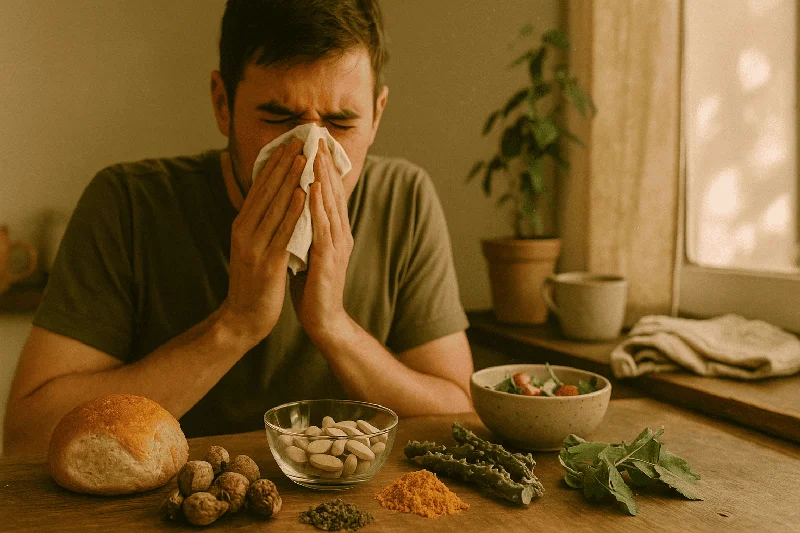
More than 50 million people worldwide suffer from seasonal allergies each year, and in India, the numbers are staggering — with prevalence rates climbing every decade. If you've been relying on antihistamines and steroid sprays only to find your symptoms returning every season, Ayurveda offers a fundamentally different approach. Instead of suppressing symptoms, Ayurveda for allergies works by correcting the root imbalances — weak digestion (Agni), accumulated toxins (Ama), and dosha imbalances — that make your immune system overreact in the first place.
This isn't just ancient theory. A 2017 study published in the Journal of Clinical Immunology and Allergy found that Tinospora cordifolia (Guduchi) significantly reduced allergic rhinitis symptoms in 83% of participants. Research on curcumin, Boswellia serrata, and traditional polyherbal formulations continues to validate what Ayurvedic practitioners have observed for thousands of years.
This guide covers everything: the Ayurvedic understanding of why allergies happen, dosha-specific symptoms and treatments, proven herbs and formulations, daily protocols, seasonal strategies, safety considerations, and what to do for children. Let's get into it.
Why Do Allergies Happen According to Ayurveda?
Modern medicine views allergies as an overreaction of the immune system to harmless substances — pollen, dust, certain foods. Ayurveda agrees with this, but goes deeper. The question isn't just what triggers the reaction, it's why your body overreacts in the first place.
The Role of Ama (Toxins) and Weak Agni (Digestive Fire)
In Ayurveda, the foundation of all health — and all disease — is Agni, your digestive fire. When Agni is strong, you digest food completely, absorb nutrients efficiently and eliminate waste properly. When Agni is weak or irregular, partially digested food creates a toxic residue called Ama.
- Ama is sticky, heavy, and cold. It clogs the body's channels (Srotas), impairs immune function, and creates the perfect conditions for hypersensitivity.
- Think of it this way: a body burdened with Ama is like a security system with faulty wiring — it starts triggering alarms for things that aren't actually threats.
- This is why two people can be exposed to the same allergen, but only one reacts.
- The difference isn't the allergen — it's the internal terrain.
Dosha Imbalance and Vikriti
- Every person has a unique constitution (Prakriti) and a current state of imbalance (Vikriti).
- Allergies manifest differently depending on which dosha — Kapha, Pitta, or Vata — is aggravated. The allergic response itself is the body's attempt to expel the allergen, and the way it expels it follows the pattern of the dominant dosha.
This is why Ayurvedic allergy treatment is never one-size-fits-all. The herb that helps your friend's springtime congestion might actually worsen your skin rashes. Understanding your dosha-specific allergy type is the critical first step.
Three Categories of Allergies by Trigger
Ayurveda also classifies allergies by the route of exposure:
| Category | Trigger Route | Common Examples | Primary Dosha Involved |
|---|---|---|---|
| Airborne (Inhalant) | Respiratory tract | Pollen, dust mites, mold, pet dander | Kapha and Vata |
| Food-based | Digestive tract | Dairy, gluten, nuts, shellfish | Pitta and Kapha |
| Contact | Skin | Metals, chemicals, fabrics, latex | Pitta |
Understanding which category your allergy falls into helps determine whether treatment should prioritize respiratory cleansing, digestive correction, or skin-specific protocols.
What Are the Types of Allergies by Dosha?
- Each dosha creates a distinct allergic pattern.
- Identifying your type correctly is essential — because the remedies for one type can aggravate another.
Kapha-Type Allergies: Congestion, Heaviness, and Mucus
Kapha allergies are the most common, especially during spring (Vasant Ritu) when accumulated winter Kapha begins to liquefy and flood the respiratory system.
Symptoms include:
- Sinus congestion and stuffiness
- Excessive mucus production (white or clear)
- Heavy feeling in the head and chest
- Sinus headaches
- Sluggishness, lethargy, and brain fog
- Water retention
- Loss of appetite
Kapha allergies worsen with cold, damp weather, dairy products, wheat, sugar, and sedentary behavior.
Pitta-Type Allergies: Inflammation, Rashes, and Heat
Pitta allergies tend to peak in summer and late monsoon season. They manifest primarily through the skin and blood.
Symptoms include:
- Skin rashes, hives (urticaria), and eczema flare-ups
- Burning, red, or watering eyes
- Inflammation in the sinuses (yellowish discharge)
- Heartburn or acid reflux triggered by allergens
- Irritability and anger alongside physical symptoms
Pitta allergies worsen with hot, spicy foods, alcohol, sun exposure, synthetic fabrics, and emotional stress.
Vata-Type Allergies: Dryness, Irregularity, and Nerve Sensitivity
Vata allergies are less commonly discussed but affect many people, particularly in autumn and early winter when Vata naturally increases.
Symptoms include:
- Dry, spasmodic cough
- Sudden, intense sneezing fits
- Abdominal bloating and gas after eating certain foods
- Wheezing with dryness (not mucus)
- Insomnia and restlessness
- Headaches that feel constricting
- Dry, itchy skin without visible rashes
Vata allergies worsen with cold, dry, windy weather, raw foods, irregular eating patterns, and excessive travel.
The Staging Pattern: How Allergies Progress
- Here's something most articles miss: respiratory allergies often progress through stages involving multiple doshas. They may begin as a Vata-stage (dry irritation, sneezing) then transition to a Kapha-stage (heavy congestion, mucus buildup), and finally reach a Pitta-stage (infection, yellow-green discharge, inflammation).
- Each stage requires different herbs and strategies — treating a Pitta-stage infection with Kapha-reducing warming herbs alone won't be effective.
What Is the Most Powerful Herb for Allergies?
There isn't a single "most powerful" herb — effectiveness depends entirely on your dosha type and the nature of your allergy. That said, several Ayurvedic herbs have strong evidence supporting their anti-allergic action.
Guduchi (Tinospora cordifolia) — The Immunomodulator
Guduchi is perhaps the closest thing Ayurveda has to a universal anti-allergy herb. A 2019 randomized clinical trial published in Ayu Journal demonstrated that Guduchi significantly reduced sneezing, nasal discharge, and nasal obstruction in allergic rhinitis patients. It works not by suppressing the immune response but by modulating it — calming overreaction while strengthening genuine immunity.
Dosage: 500 mg standardized extract, twice daily, or 3-5 ml of fresh Guduchi juice
Haridra (Turmeric / Curcumin) — The Anti-Inflammatory
- Curcumin, the active compound in turmeric, has been studied extensively. A 2016 systematic review in Annals of Allergy, Asthma & Immunology concluded that curcumin supplementation significantly improved nasal airflow and reduced symptoms in allergic rhinitis patients.
- It inhibits the release of histamine from mast cells — essentially doing what antihistamines do, but through a different mechanism.
Dosage: 500-1000 mg curcumin with piperine (black pepper extract) for absorption, taken twice daily
Trikatu — The Digestive Fire Igniter
- Trikatu is a classical formula combining black pepper (Piper nigrum), long pepper (Pippali), and dried ginger (Shunti).
- Its primary action is to kindle Agni and burn Ama — addressing the root cause rather than symptoms. It's particularly effective for Kapha-type allergies with heavy congestion.
Dosage: 250-500 mg before meals with warm water, or ¼ teaspoon of powder with honey
Additional Key Herbs
| Herb | Sanskrit Name | Best For | Key Action |
|---|---|---|---|
| Holy Basil | Tulsi | Respiratory allergies | Anti-histaminic, bronchodilatory |
| Indian Boswellia | Shallaki | Asthmatic allergies | Anti-inflammatory (inhibits 5-LOX) |
| Neem | Nimba | Skin allergies | Blood purification, anti-pruritic |
| Licorice | Yashtimadhu | Pitta-type allergies | Soothes mucosal inflammation |
| Indian Gooseberry | Amalaki | General immunity | Vitamin C-rich immunomodulator |
A 2015 study in Phytotherapy Research showed that Boswellia serrata extract significantly improved lung function in bronchial asthma patients, reducing the need for inhaler use.
Ayurvedic Formulations and Classical Medicines for Allergies
Beyond single herbs, Ayurveda has powerful polyherbal formulations that have been used clinically for centuries. These are typically prescribed by qualified Vaidyas based on individual assessment.
Key Classical Formulations
- Haridrakhandam — The go-to classical preparation for skin allergies, urticaria, and allergic dermatitis. Contains turmeric processed with multiple herbs and ghee.
- Agasthyarasayanam — A lung-specific rasayana (rejuvenative) excellent for chronic respiratory allergies, wheezing, and recurrent cough.
- Indukantham Ghritam — A medicated ghee preparation that strengthens digestive fire and immunity simultaneously. Ideal for allergy patients with weak digestion.
- Dashamula — A combination of ten roots with strong anti-inflammatory properties, used for both respiratory and systemic allergies.
- Chyawanprash — Perhaps India's most well-known rasayana, taken daily (1-2 teaspoons) for building general immunity and reducing allergy susceptibility.
- Kaishorevatakam — Specific for Pitta-type skin allergies with burning, inflammation, and blood impurity.
> Important: Classical Ayurvedic formulations should be taken under the guidance of a qualified practitioner. Self-prescribing compound formulations without proper constitutional assessment can lead to imbalance.
Allergy Treatment at Home: Daily Practices (Dinacharya)
Some of the most effective Ayurvedic interventions for allergies aren't herbs at all — they're daily practices that prevent Ama accumulation and keep doshas balanced.
Jal Neti (Nasal Saline Irrigation)
Jal Neti involves flushing the nasal passages with warm saline water using a neti pot. It physically removes allergens, reduces mucosal inflammation, and opens blocked sinuses. A 2012 Cochrane review confirmed that nasal saline irrigation improves symptoms of allergic rhinitis with virtually no side effects.
How to do it: Dissolve ¼ teaspoon of non-iodized salt in 1 cup of lukewarm sterile water. Tilt your head sideways over a sink, insert the neti pot spout into the upper nostril, and let water flow out the lower nostril. Repeat on the other side. Practice daily during allergy season, 3-4 times per week otherwise.
Nasya (Nasal Oil Therapy)
After Jal Neti (or independently), apply 2-3 drops of Anu Taila or plain sesame oil into each nostril. This lubricates the nasal passages, creates a protective barrier against airborne allergens, and nourishes the nervous system. Nasya is especially valuable for Vata-type allergies with dry nasal passages.
Oil Pulling (Kavala Graha)
Swish 1 tablespoon of cold-pressed sesame or coconut oil in your mouth for 10-15 minutes each morning before eating. Spit it out (never swallow). Oil pulling draws toxins from the oral cavity, reduces Kapha congestion in the throat, and supports the immune system's first line of defense.
Steam Inhalation with Herbs
Add a few seeds of Ajwain (carom seeds), fresh mint leaves, or 2-3 drops of eucalyptus oil to a bowl of boiling water. Inhale the steam with a towel over your head for 5-8 minutes. This opens airways, clears sinus congestion, and has antimicrobial benefits.
Gargling with Turmeric or Triphala Water
Dissolve ½ teaspoon turmeric in a glass of warm water and gargle for 30-60 seconds, twice daily. Alternatively, use Triphala decoction. This reduces throat irritation, post-nasal drip, and secondary infections that often accompany allergies.
How to Open Airways from Allergies: Pranayama and Yoga
Breathing practices and specific yoga postures are not just complementary — they are central to Ayurvedic allergy management. They directly stimulate Agni, clear respiratory channels, and balance the nervous system.
Pranayama (Breathing Practices) for Allergies
| Technique | How To | Best For | Caution |
|---|---|---|---|
| Kapalabhati | Rapid, forceful exhales through nose with passive inhales. 30-60 rounds. | Kapha allergies, sinus clearing | Avoid during acute infection, pregnancy |
| Bhastrika | Vigorous equal inhales and exhales through nose. 15-20 rounds. | Heavy congestion, sluggish Agni | Not for high BP, heart conditions |
| Nadi Shodhana | Alternate nostril breathing. 5-10 minutes. | Vata allergies, calming immune overreaction | Safe for most people |
| Ujjayi | Ocean-sounding breath with gentle throat constriction. | Pitta allergies, reducing inflammation | Avoid straining |
Start with Nadi Shodhana if you're new to pranayama. It's gentle, balancing, and profoundly effective at calming the hypersensitive nervous system that drives many allergic responses.
Yoga Asanas That Help
- Physical movement is critical — it stimulates Agni, promotes lymphatic drainage, and helps metabolize Ama.
- Specific asanas recommended for allergy sufferers include:
- Surya Namaskar (Sun Salutations) — Full-body activation, builds heat
- Virabhadrasana (Warrior Poses) — Opens the chest, builds stamina
- Trikonasana (Triangle Pose) — Opens side body and lungs
- Setu Bandhasana (Bridge Pose) — Opens the chest, drains sinuses
- Matsyasana (Fish Pose) — Expands the throat and chest, directly benefits respiratory function
Aim for at least 30 minutes of movement daily during allergy season. Even a brisk walk counts.
Diet for Allergies: What to Eat and Avoid
Food is medicine in Ayurveda — and during an allergic episode, dietary adjustments can be as impactful as herbal supplements.
General Dietary Principles for All Allergy Types
- Eat warm, cooked, freshly prepared food. Cold, raw, and leftover foods increase Ama.
- Eat your largest meal at lunch when digestive fire peaks.
- Avoid incompatible food combinations (Viruddha Ahara): fruit with milk, fish with dairy, honey heated above 40°C.
- Drink warm water throughout the day. Cold water dampens Agni.
- Take Triphala at night (½ teaspoon with warm water) to support daily detoxification and prevent Ama buildup.
Dosha-Specific Dietary Guidelines
For Kapha Allergies:
- Favor: Light grains (barley, millet), honey (unheated), warming spices (ginger, black pepper, cinnamon, cumin), bitter and astringent vegetables
- Avoid: Dairy products, wheat, sugar, bananas, cold drinks, fried foods, excessive salt
For Pitta Allergies:
- Favor: Cooling foods (cucumber, coconut, coriander), bitter greens, ghee (in moderation), sweet fruits, rice
- Avoid: Spicy food, fermented foods, tomatoes, citrus, alcohol, vinegar, excessive garlic
For Vata Allergies:
- Favor: Warm, moist, grounding foods — soups, stews, cooked grains, root vegetables, healthy oils (sesame, ghee)
- Avoid: Raw salads, dry crackers, beans (unless well-cooked and spiced), caffeine, cold cereals
Ayurvedic Spice Mix for Daily Use
Combine equal parts of turmeric, cumin, coriander, and fennel. Add ½ part black pepper. Use 1 teaspoon of this mixture in cooking daily. This blend supports digestion, reduces Ama, and has cumulative anti-allergic effects.
Ritucharya (Seasonal Regimen) and Panchakarma for Allergy Prevention
Seasonal Calendar for Allergy Management
- The most sophisticated Ayurvedic approach to allergies is preventive, not reactive.
- Ritucharya — the seasonal lifestyle regimen — aligns your diet, habits, and treatments with nature's cycles to prevent dosha accumulation before it manifests as allergies.
| Season | Dominant Dosha | Allergy Risk | Key Strategies |
|---|---|---|---|
| Late Winter (Shishira) | Kapha accumulates | Building phase | Begin lightening diet, increase physical activity |
| Spring (Vasant) | Kapha aggravates | Peak risk — respiratory | Kapha-reducing diet, Trikatu, vigorous exercise, Panchakarma |
| Summer (Grishma) | Pitta accumulates | Building phase for skin | Cooling herbs, reduce sun exposure |
| Monsoon (Varsha) | Pitta aggravates, Vata begins | Skin allergy peak, digestive issues | Light diet, digestive herbs, avoid heavy foods |
| Autumn (Sharad) | Vata accumulates | Building phase | Oil massage (Abhyanga), grounding routine |
| Early Winter (Hemant) | Vata aggravates | Dry allergies, wheezing | Warm oil nasya, nourishing diet, Vata-pacifying herbs |
Panchakarma: Deep Seasonal Cleansing
Panchakarma is Ayurveda's signature detoxification therapy — a supervised, multi-day purification process that removes deep-seated Ama from tissues. For allergy sufferers, undergoing Panchakarma at the junction between winter and spring (February-March in most of India) can dramatically reduce or even eliminate spring allergy symptoms.
Key Panchakarma procedures for allergies include:
- Vamana (Therapeutic emesis) — Specifically for Kapha-dominant allergies. Removes excess Kapha from the stomach and respiratory tract.
- Virechana (Therapeutic purgation) — For Pitta-dominant skin allergies. Cleanses the liver, blood, and GI tract.
- Nasya (Nasal medication) — Medicated oils or herbal preparations administered through the nose. Directly treats sinusitis, rhinitis, and upper respiratory allergies.
Panchakarma should only be done under qualified supervision. It requires preparatory procedures (Purvakarma) and post-treatment dietary protocols (Paschat Karma) to be effective and safe.
Ayurveda for Children's Allergies
This is an area almost completely overlooked in most Ayurvedic allergy guides, yet childhood allergies are increasingly common in India's urban areas.
Safe Approaches for Children
- Tulsi and honey: ½ teaspoon of Tulsi juice with honey (for children above 1 year) is a gentle, time-tested remedy for mild respiratory allergies.
- Chyawanprash: ½ to 1 teaspoon daily for children above 3 years builds immunity gradually.
- Gentle Nasya: 1-2 drops of plain cow's ghee in each nostril at bedtime protects nasal mucosa. Suitable for children above 5 years.
- Dietary adjustments: Reducing dairy, sugar, and cold foods during allergy season applies to children just as much as adults.
- Abhyanga (oil massage): Regular warm sesame oil massage strengthens the skin barrier and reduces contact sensitivity.
Important Dosage Considerations
- Children under 5: Use only food-based remedies (turmeric milk, ginger-honey, Chyawanprash) unless directed by a Vaidya
- Children 5-12: Half the adult dose of most single herbs; avoid compound formulations without professional guidance
- Children above 12: Can generally follow adult protocols at reduced doses
> Never delay emergency treatment for severe allergic reactions in children. Ayurvedic remedies are for chronic management and prevention, not for anaphylaxis.
Can Ayurveda Cure Allergies Permanently?
- This is the question everyone asks.
- The honest answer: Ayurveda can significantly reduce allergic sensitivity and, in many cases, bring about lasting remission — but "permanent cure" depends on sustained lifestyle adherence.
- Here's the distinction: Western medicine views allergies as a permanent immune system trait.
- Ayurveda views them as a consequence of imbalance — and imbalances can be corrected. When you strengthen Agni, clear Ama, and maintain dosha balance through diet, lifestyle, and seasonal regimens, the conditions that cause allergic hypersensitivity simply don't arise.
But if you return to the habits that created the imbalance — poor diet, sedentary lifestyle, irregular routine, chronic stress — the allergies will likely return.
- Ayurveda vs Western Medicine: A Comparison
| Aspect | Western Medicine | Ayurvedic Approach |
|---|---|---|
| Goal | Symptom suppression | Root cause correction |
| Primary tools | Antihistamines, corticosteroids, immunotherapy | Herbs, diet, lifestyle, Panchakarma |
| Speed of relief | Fast (minutes to hours) | Gradual (days to weeks) |
| Side effects | Drowsiness, dependency, rebound congestion | Minimal when used correctly |
| Long-term outcome | Requires ongoing medication | Potential for lasting remission |
| Personalization | Same drugs for most patients | Dosha-specific, individualized |
The smartest approach? Use both systems intelligently. Ayurveda for long-term rebalancing and prevention; Western medicine for acute, severe symptoms and emergencies.
Safety, Contraindications, and When to See a Doctor
This is a critical section that most Ayurvedic allergy articles skip entirely — and it matters.
When Ayurvedic Treatment Alone Is NOT Enough
- Anaphylaxis (swelling of throat, difficulty breathing, drop in blood pressure) — This is a medical emergency. Use epinephrine (EpiPen) and call emergency services immediately.
- Severe asthma attacks with oxygen saturation below 92%
- Angioedema (deep swelling of skin, especially around eyes and lips)
- Known severe IgE-mediated food allergies (peanuts, shellfish) — These require medical management and emergency preparedness. Ayurveda can work alongside but should not replace medical care here.
Herb-Drug Interactions to Watch
- Turmeric/Curcumin can interact with blood thinners (warfarin) and diabetes medications
- Licorice (Yashtimadhu) can raise blood pressure and interact with cardiac medications
- Guduchi may enhance the effect of immunosuppressant drugs
- Trikatu can increase absorption of pharmaceutical drugs, potentially altering their effective dose
Always inform both your Ayurvedic practitioner and allopathic doctor about all medicines and supplements you're taking.
A Practical 7-Day Allergy Reset Protocol
Here's a concrete, actionable plan you can follow during an acute allergy flare-up or at the start of allergy season. This protocol is designed for Kapha-type respiratory allergies (the most common). Adjust for your dosha type.
Morning Routine:
- Wake before 6 AM (before Kapha time)
- Oil pulling with sesame oil — 10 minutes
- Jal Neti with warm saline water
- Nasya — 2 drops Anu Taila in each nostril
- 20-30 minutes of vigorous exercise or Surya Namaskar
- Kapalabhati pranayama — 3 rounds of 30 breaths
- Breakfast: Light, warm (millet porridge with cinnamon and ginger, no dairy)
Mid-Day:
- Largest meal at lunch — cooked vegetables, rice or barley, dal with Trikatu spices
- Take Guduchi tablet (500 mg) with warm water
Evening:
- Light dinner before 7 PM — vegetable soup with turmeric and black pepper
- Gargle with warm turmeric water
- Steam inhalation with Ajwain seeds if congested
- Triphala (½ teaspoon) with warm water at bedtime
Throughout the day: Drink warm ginger water (boil 4-5 slices of fresh ginger in 1 liter of water, sip throughout)
By Day 3-4, most people notice significant reduction in congestion and sneezing. By Day 7, energy levels improve and symptom frequency drops noticeably.
Frequently Asked Questions
Which Ayurvedic medicine is good for allergy?
For respiratory allergies, Trikatu, Guduchi, and Haridrakhandam are among the most effective. For skin allergies, Haridrakhandam and Kaishorevatakam are classical choices. However, the best medicine depends on your specific dosha imbalance. A consultation with a qualified Ayurvedic practitioner is always recommended for personalized prescription.
How do I cure my allergies naturally?
Focus on three pillars: (1) Strengthen digestion with warm, fresh food and digestive spices. (2) Remove accumulated toxins through Triphala, Panchakarma, or seasonal cleansing. (3) Reduce exposure to triggers while building resilience through daily practices like Jal Neti, Nasya, and pranayama. Consistency matters more than intensity.
Is Ayurveda effective in fighting allergies?
Yes. Multiple studies support the efficacy of Ayurvedic interventions. A 2017 randomized controlled trial showed Guduchi reduced allergic rhinitis symptoms in 83% of participants. Curcumin has been shown in systematic reviews to improve nasal airflow and reduce symptom severity. However, Ayurveda works best as a sustained practice rather than a quick fix.
What is the Ayurvedic name for allergy?
There's no single direct translation. Allergic conditions are described within various disease categories: Pratishyaya (allergic rhinitis/common cold), Tamaka Shwasa (bronchial asthma), Sheetapitta (urticaria/hives), Vicharchika (eczema). The concept closest to "allergy" as a systemic phenomenon is the interaction between Ama, impaired Agni, and dosha Vikriti.
What types of allergies can Ayurveda help with?
Ayurveda can help with a wide range of allergic conditions including seasonal allergies (hay fever), allergic rhinitis, allergic asthma, eczema, urticaria (hives), contact dermatitis, food sensitivities, and allergic conjunctivitis. It is most effective for chronic, recurrent allergies rather than acute anaphylactic reactions.
How long does Ayurvedic allergy treatment take to show results?
Mild symptoms may improve within 3-7 days of following a proper protocol. For chronic allergies, expect 4-8 weeks of consistent treatment before significant improvement. Deep-rooted allergies with years of history may require 3-6 months of sustained treatment including Panchakarma for lasting results.
Take the First Step Toward Lasting Allergy Relief
- Allergies don't have to be a lifelong sentence.
- The Ayurvedic approach — addressing your unique constitution, strengthening your digestive fire, clearing accumulated toxins, and aligning with nature's rhythms — offers something that symptom-suppressing medications cannot: the possibility of genuine, lasting change.
- Start small.
- Pick one or two practices from this guide — perhaps Jal Neti each morning and a cup of ginger water throughout the day. Build from there. And if your allergies are severe or longstanding, consult a qualified Ayurvedic physician who can design a personalized protocol including the right herbs, dietary adjustments, and potentially Panchakarma therapy for your specific needs.
Your body isn't broken. It's simply out of balance. And balance can be restored.
Scientific Sources
- Catharanthus roseus (L.) G.
- Don: A review of its ethnobotany, phytochemistry, ethnopharmacology and toxicities — Kumar S et al., 2022, Journal of ethnopharmacology
- Ayurveda for Animals — Dohmen L, 2025, The Veterinary clinics of North America. Small animal practice
- Botanical drugs in Ayurveda and Traditional Chinese Medicine — Jaiswal Y et al., 2016, Journal of ethnopharmacology
- Ayurvedic plumbism — Sadler M et al., 2017, Internal medicine journal
- Cancer--an ayurvedic perspective — Balachandran P et al., 2005, Pharmacological research
Ask Ayurvedic doctor a question and get a consultation online on the problem of your concern in a free or paid mode.
More than 2,000 experienced doctors work and wait for your questions on our site and help users to solve their health problems every day.
Related articles