FREE! Ask Ayurvedic Doctors 24/7

 Fast responses
 1000+ verified doctors
Udavarta in Ayurveda – Embracing the Power of Herbal Dry Massage
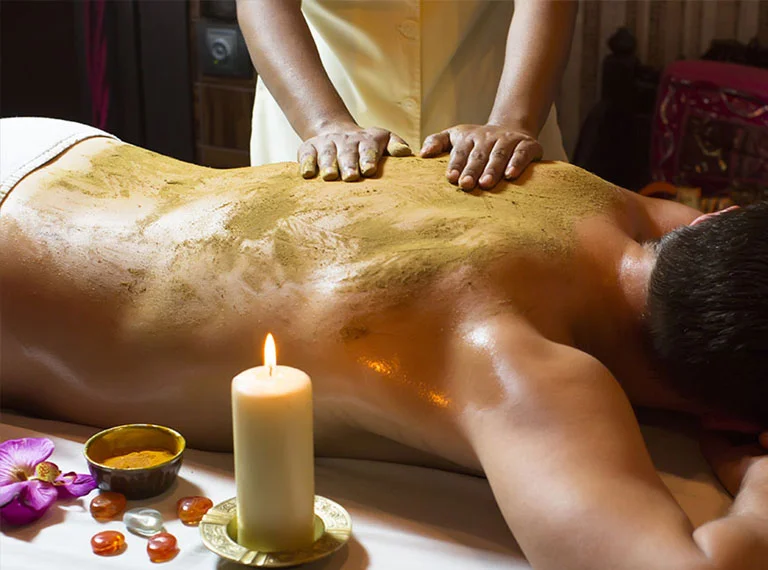
Udavarta is a clinical condition described in classical Ayurvedic texts where the Apana Vata — the downward-moving subtype of Vata Dosha — reverses its natural direction and moves upward (urdhva gati). This abnormal, upward movement disrupts multiple organ systems and produces a wide range of symptoms including severe abdominal pain, bloating, constipation, urinary retention, breathlessness, and headaches. The term itself derives from the Sanskrit roots "ud" (upward) and "avarta" (movement or turning), literally meaning "upward whirling." Unlike Udvartana (herbal dry massage), Udavarta is a disease entity — and understanding this distinction is critical for anyone studying or practicing Ayurveda.
The condition is primarily triggered by Vegadharana — the habitual suppression of natural bodily urges such as defecation, urination, flatus, sneezing, yawning, and others. Acharya Charaka, Sushruta, and Vagbhata all describe Udavarta extensively, and their teachings remain remarkably relevant when viewed through the lens of modern gastroenterology and neuroscience.
This article provides the most comprehensive guide to Udavarta available — covering its etiology, pathogenesis, all 13 types, clinical symptoms, modern correlations, differential diagnosis, Panchakarma treatment protocols, herbal formulations, dietary guidelines, yoga practices, prognosis, and prevention.
What Is the Meaning of Udavarta?
The word Udavarta (उदावर्त) is a compound Sanskrit term:
- Ud (उद्) = upward
- Avarta (आवर्त) = turning, revolving, movement
So Udavarta literally translates to "upward turning" or "reverse movement."
- In Ayurvedic pathology, it specifically refers to the reversal of Apana Vata's natural downward course.
- Apana Vata normally governs elimination — controlling the expulsion of feces, urine, flatus, menstrual blood, and the fetus during delivery. When this vital force is obstructed or suppressed, it doesn't simply stop. It reverses direction, moving upward through the body and disturbing Prana Vata, Udana Vata, Samana Vata, and Vyana Vata in its path.
Udavarta in Classical References
Charaka Samhita (Sutra Sthana, Chapter 7) provides the foundational description of Vegadharana and its consequences, directly linking suppression of 13 natural urges to specific disease manifestations. Sushruta Samhita and Ashtanga Hridaya further elaborate on the condition, while Madhava Nidanam offers detailed diagnostic criteria.
A key verse from Charaka Samhita states:
> "Adho gami yada vayu urdhvagam praptipadyate, udavartam tada vidyat"
> — When the naturally downward-moving Vayu attains upward movement, it should be known as Udavarta.
Is Udavarta a Disease, a Symptom, or a Cause?
This is one of the most intellectually fascinating aspects of Udavarta — it has a triple identity in Ayurvedic nosology:
- 1.As an independent disease (Vyadhi): Described with its own nidana, samprapti, lakshana, and chikitsa
- 2.As a symptom (Lakshana): Appears as a symptom in conditions like Baddhagudodara, Plihodara, and certain Yoni Vyapad
- 3.As a causative factor (Nidana): Can trigger secondary diseases including Pratamaka Shwasa, Mutrajathara, hemorrhoids, and Vidvighata
This triple classification makes Udavarta unique among Ayurvedic disease entities and demands careful clinical evaluation.
What Are the Causes of Udavarta? (Nidana and Samprapti)
Primary Cause: Suppression of Natural Urges (Vegadharana)
The most important etiological factor is the habitual suppression of Adharaniya Vegas — the 13 natural urges that Ayurveda explicitly forbids suppressing.
These include:
| Natural Urge (Vega) | Sanskrit Term |
|---|---|
| Flatus | Adhovata Vega |
| Defecation | Purisha Vega |
| Urination | Mutra Vega |
| Sneezing | Kshvathu Vega |
| Thirst | Trishna Vega |
| Hunger | Kshudha Vega |
| Sleep | Nidra Vega |
| Coughing | Kasa Vega |
| Breathing (exertional) | Shramashwasa Vega |
| Yawning | Jrimbha Vega |
| Tears | Ashru Vega |
| Vomiting | Chardi Vega |
| Seminal emission | Shukra Vega |
When any of these urges is repeatedly suppressed, the Apana Vata responsible for their expulsion gets obstructed (Pratiloma Gati), and its force reverses upward.
Secondary Causes
Beyond Vegadharana, several additional factors contribute:
- Improper diet (Ahita Ahara): Consuming dry (Ruksha), cold (Sheeta), and rough foods that aggravate Vata. Specific foods mentioned in classical texts include Mudga (green gram), Kodrava (a type of millet), and Chanaka (chickpeas) in excess
- Excessive fasting or erratic eating patterns
- Sedentary lifestyle: Prolonged sitting compresses the pelvic region and impairs Apana Vata function
- Psychological stress: Anxiety, worry, and grief directly aggravate Vata Dosha
- Excessive physical exertion followed by inadequate rest
- Post-surgical or post-partum states where normal peristalsis is disrupted
Pathogenesis (Samprapti)
The chain of events unfolds as follows:
- 1.Nidana Sevana — Exposure to causative factors (Vegadharana, improper diet, etc.)
- 2.Vata Prakopa — Specific aggravation of Apana Vata
- 3.Pratiloma Gati — Apana Vata loses its natural Anuloma (downward) direction
- 4.Urdhva Gati — The aggravated Apana Vata moves upward
- 5.Sthana Samshraya — It lodges in various sites (Koshtha, Basti, Hridaya, Shira)
- 6.Vyakti — Manifestation of specific symptoms based on location
- 7.Bheda — Differentiation into specific types of Udavarta
The Concept of Trimarma
Vagbhata specifically highlights the impact of Udavarta on the three vital Marma points:
- Basti (bladder/pelvic region) — Urinary retention and pelvic pain
- Hridaya (heart region) — Chest pain, palpitations, anxiety
- Shira (head) — Headaches, dizziness, sensory disturbances
This Trimarma connection explains why Udavarta can produce such diverse and seemingly unrelated symptoms across different body systems.
Types of Udavarta: Complete Classification by Suppressed Urge
Each type of Udavarta corresponds to a specific suppressed natural urge and presents with distinctive clinical features.
Here is the comprehensive classification:
1. Vata Udavarta (Suppression of Flatus)
Caused by holding back the urge to pass gas. Symptoms include abdominal distension, colicky pain, constipation, and bloating. The trapped gas moves upward causing chest tightness and sometimes referred pain to the shoulders.
2. Purisha Udavarta (Suppression of Defecation)
Among the most common types in modern clinical practice. Symptoms include severe constipation, fecal impaction, abdominal cramping, headache, foul-smelling breath, and generalized body ache. Prolonged suppression can lead to hemorrhoids and fissures.
3. Mutra Udavarta (Suppression of Urination)
Results in urinary retention, dysuria, suprapubic pain, and renal colic. In severe cases, it can cause bladder distension and hydronephrosis. This type particularly affects the Basti Marma.
4. Kshvathu Udavarta (Suppression of Sneezing)
Leads to headaches, stiffness of the neck, facial pain, weakness of sensory organs, and sometimes trigeminal neuralgia-like symptoms.
5. Trishna Udavarta (Suppression of Thirst)
Causes generalized debility, dryness of mouth and throat, emaciation, and cardiac discomfort.
6. Kshudha Udavarta (Suppression of Hunger)
Produces anorexia, body aches, malaise, discoloration of skin, and generalized Vata aggravation.
7. Nidra Udavarta (Suppression of Sleep)
Results in yawning, body ache, drowsiness, headache, and heaviness of eyes. Chronic suppression leads to cognitive impairment.
8. Kasa Udavarta (Suppression of Cough)
Leads to increased coughing episodes, breathlessness, anorexia, and cardiac strain.
9. Shramashwasa Udavarta (Suppression of Exertional Breathing)
Causes Gulma (abdominal mass/tumor), cardiac disease, and syncope.
10. Jrimbha Udavarta (Suppression of Yawning)
Produces the same complications as suppression of sneezing — affecting the neck, head, and sense organs.
11. Ashru Udavarta (Suppression of Tears)
Results in rhinitis, eye diseases, headache, cardiac diseases, and cervical stiffness. The emotional suppression component is particularly noteworthy.
12. Chardi Udavarta (Suppression of Vomiting)
Leads to itching, urticaria, anorexia, edema, anemia, fever, and skin diseases.
13. Shukra Udavarta (Suppression of Seminal Emission)
Causes pain in the genital organs, urinary retention, body ache, cardiac pain, and urinary calculi.
What Are the Symptoms of Udavarta?
While each type has specific symptoms (described above), there are common presenting features that alert the clinician to Udavarta as a diagnosis:
Cardinal Symptoms
- Severe abdominal pain — typically colicky, migrating upward
- Abdominal distension and bloating — due to trapped Vata
- Constipation — often the most prominent complaint
- Urinary disturbances — retention, dysuria, or frequency
- Headache — especially occipital and vertex headache
- Chest tightness and breathlessness
- Loss of appetite and indigestion
Associated Symptoms
- Generalized body ache
- Fatigue and malaise
- Dizziness and sometimes syncope
- Altered bowel sounds (borborygmi)
- Weight loss in chronic cases
- Anxiety and irritability (mental symptoms)
- Sensory disturbances — tinnitus, blurred vision
A Clinical Case Illustration
A 54-year-old male presented with chronic constipation of 3 years duration, progressive abdominal bloating, persistent headaches, intermittent urinary retention, and significant weight loss (8 kg over 18 months). He had a long history of suppressing the urge to defecate due to his work schedule as a long-distance truck driver. After thorough assessment ruled out organic pathology, the patient was diagnosed with Purisha-Mutra Udavarta and treated with a combination of Abhyanga, Swedana, Niruha Basti, Anuvasana Basti, and Shirodhara over a 21-day Panchakarma protocol. By day 14, bowel movements normalized. By day 21, urinary symptoms had completely resolved. At 3-month follow-up, the patient maintained all improvements with dietary and lifestyle modifications alone.
Udavarta in Modern Medicine: Clinical Correlations
- One of the significant gaps in existing literature is the lack of systematic modern clinical correlation.
- While it's true that — as noted by several Ayurvedic scholars — "it is very difficult to equate the condition of Udavarta to any particular disease of modern medicine," we can draw meaningful parallels.
Potential Modern Correlates
| Udavarta Type | Modern Clinical Correlation |
|---|---|
| Purisha Udavarta | Chronic functional constipation, Irritable Bowel Syndrome (IBS-C) |
| Vata Udavarta | Functional bloating, Aerophagia, Functional abdominal pain syndrome |
| Mutra Udavarta | Neurogenic bladder, Urinary retention, Detrusor underactivity |
| Chardi Udavarta | Gastroesophageal Reflux Disease (GERD), Functional dyspepsia |
| Shramashwasa Udavarta | Exercise-induced bronchospasm, Cardiac dyspnea |
| Kshvathu/Jrimbha Udavarta | Tension-type headache, Cervicogenic headache |
Modern Pathophysiological Understanding
From the perspective of neurogastroenterology, Udavarta's core mechanism — reversed peristaltic movement following chronic suppression — aligns with several well-documented phenomena:
- Enteric Nervous System (ENS) dysfunction: The ENS, often called the "second brain," controls gut motility independently. Chronic suppression of defecation or urination can desensitize rectal or bladder sensory receptors, leading to dysmotility. A 2016 study in Neurogastroenterology & Motility demonstrated that habitual stool withholding leads to measurable rectal hyposensitivity within weeks.
- Vagal tone dysregulation: The vagus nerve mediates the parasympathetic control of most digestive processes. Chronic stress and urge suppression can reduce vagal tone, impairing the coordinated relaxation-contraction patterns needed for normal elimination.
- Visceral hypersensitivity: Paradoxically, while suppression initially causes hyposensitivity, the resulting gas accumulation and fecal loading can trigger visceral hypersensitivity — manifesting as the pain, bloating, and discomfort characteristic of Udavarta. This mirrors the pathophysiology of IBS as described in the Rome IV criteria.
- Retroperistalsis: Modern research confirms that retroperistaltic waves do occur in the colon and small intestine under certain pathological conditions, closely matching the Ayurvedic concept of Pratiloma Gati of Apana Vata.
Differential Diagnosis: Distinguishing Udavarta from Similar Conditions
No competitor has addressed this critical clinical question. Here's how to differentiate Udavarta from related Ayurvedic conditions:
| Condition | Key Differentiating Feature |
|---|---|
| Adhman (Abdominal distension) | Primarily Kapha-Vata, localized bloating without upward Vata movement |
| Gulma (Abdominal mass) | Palpable mass in abdomen, more chronic and structural |
| Atopa (Flatulence) | Simple excess gas without the systemic symptoms of reversed Vata |
| Anaha (Constipation/Obstipation) | Primarily a symptom; Udavarta includes Anaha but extends far beyond it |
| Vibandha (Constipation) | Localized to Purishavaha Srotas; lacks the multi-system involvement |
| Udara Roga | Five types of abdominal diseases with distinct etiology including Jalodara |
The hallmark of Udavarta is the history of Vegadharana combined with multi-system symptoms reflecting upward Vata migration. If symptoms are confined to one system without a history of urge suppression, consider alternative diagnoses.
Complete Treatment of Udavarta (Chikitsa)
Step-by-Step Clinical Protocol
Here is a structured treatment algorithm that no existing resource provides in this level of detail:
Step 1: Assessment and Diagnosis
- Detailed history of Vegadharana habits
- Assessment of Dosha predominance (Prakriti and Vikriti)
- Evaluation of Bala (strength), Agni (digestive fire), and Koshtha
- Rule out Asadhya (incurable) stage
Step 2: Purvakarma (Preparatory Procedures)
- Snehana (Oleation): Internal administration of medicated ghee (Sneha Pana) for 3-7 days, along with external Abhyanga (oil massage) using Dhanwantharam Taila or Bala Taila
- Swedana (Sudation): Nadi Sweda or Bashpa Sweda to open channels and mobilize the aggravated Vata
Step 3: Pradhana Karma (Main Treatment)
Basti Karma (Medicated Enema) — The Primary Treatment
Basti is considered the most important treatment for Udavarta because it directly addresses the seat of Apana Vata (the colon and pelvic region).
- Niruha Basti (Decoction enema): Dashmoola Kwatha with Saindhava, honey, and Shatapushpa Kalka
- Anuvasana Basti (Oil enema): Dhanwantharam Taila or Guduchyadi Taila
- Kala Basti protocol (16 days) or Yoga Basti protocol (8 days) depending on severity
Virechana (Therapeutic Purgation)
Particularly important in Purisha Udavarta and when Pitta Anubandha (associated Pitta) is present. Trivrit Lehya or Eranda Taila (castor oil) are commonly used.
Abhyanga and Swedana
Full-body oil massage followed by steam therapy — performed daily during the treatment course.
Shirodhara
Specifically indicated when headache, anxiety, and sleep disturbance are prominent, addressing the Shira Marma involvement.
Step 4: Paschat Karma (Post-Treatment)
- Samsarjana Krama (graduated diet protocol)
- Lifestyle counseling
- Long-term maintenance with oral medications
Ayurvedic Medicines and Formulations
Internal Medicines
- Hinguvachadi Churna — for Vata and Purisha Udavarta; carminative and digestive
- Dhanwantharam Kashayam — balances Vata and restores Anuloma Gati
- Sukumara Ghritam — excellent for constipation-dominant Udavarta
- Gandharvahastadi Kashayam — promotes purgation and Vata Anulomana
- Abhayarishtam — mild laxative and Vata balancer
- Dasamoola Kashayam — anti-inflammatory, Vata-pacifying decoction
- Kumaryasavam — specifically for Udavarta with urinary and digestive involvement
Formulations from Sahasra Yoga
- Dantitrivrutadi Choorna — purgative formula
- Agnimukhachoorna — digestive stimulant
- Kalyana Kshara — alkaline preparation for digestive correction
External Applications
- Dhanwantharam Taila — for Abhyanga
- Kottamchukkadi Taila — for localized pain
- Dashmoola Taila — for Basti procedures
Udavarta in Women: Gynecological Connections
This is a topic that competitors have completely overlooked, yet classical texts clearly describe Udavarta Yoni Vyapad — a gynecological condition characterized by:
- Dysmenorrhea (painful menstruation): The reversed Apana Vata causes menstrual blood to flow with difficulty, producing severe cramping
- Scanty or irregular menstruation
- Lower back pain radiating to thighs
- Associated bloating and constipation during menses
Charaka describes this in the Chikitsa Sthana (30th chapter) as a condition where Vata, aggravated by suppression of menstrual urge or other Vegas, disturbs the uterine function.
Post-partum Udavarta is another important clinical scenario. After delivery, if the natural downward expulsion of lochia (post-partum discharge) is impaired, Apana Vata reversal can cause retained products, abdominal pain, and urinary retention.
Treatment includes Dashamoola Kashayam, Sukumara Ghritam, and gentle Yoni Pichu (vaginal tampon soaked in medicated oil).
Yoga and Lifestyle for Udavarta Prevention and Management
Specific Yoga Asanas
- Pawanmuktasana (Wind-Relieving Pose): Directly promotes Apana Vata Anulomana
- Malasana (Garland Pose/Deep Squat): Opens the pelvic floor and supports natural elimination
- Supta Matsyendrasana (Supine Twist): Stimulates peristalsis and reduces bloating
- Bhujangasana (Cobra Pose): Strengthens abdominal muscles and improves gut motility
- Dhanurasana (Bow Pose): Massages abdominal organs
- Apanasana: Specifically targets and restores Apana Vata flow
Pranayama
- Anuloma Viloma (Alternate Nostril Breathing): Balances overall Vata
- Bhramari Pranayama: Calms Prana Vata and reduces anxiety
> A note on Kumbhaka (breath retention): Some practitioners have questioned whether Kumbhaka practice could itself cause Udavarta. In theory, prolonged Bahya Kumbhaka (external retention) could aggravate Apana Vata if practiced excessively by individuals with Vata Prakriti. It's advisable to practice Kumbhaka only under qualified guidance and with gradual progression.
Daily Routine (Dinacharya) for Prevention
- Never suppress natural urges — this is the single most important preventive measure
- Wake before sunrise (Brahma Muhurta) and establish a regular elimination schedule
- Drink warm water upon waking — stimulates Apana Vata's downward movement
- Self-Abhyanga with warm sesame oil, especially over the abdomen and lower back
- Eat meals at regular times — irregular eating confuses Samana and Apana Vata
- Avoid excessive sitting — take movement breaks every 60-90 minutes
- Manage stress through meditation and Pranayama — chronic stress is a major Vata aggravator
- Sleep by 10 PM — late nights severely aggravate Vata Dosha
Seasonal Regimen (Ritucharya)
Udavarta risk increases during Varsha Ritu (monsoon) and Shishira Ritu (late winter) when Vata naturally accumulates. During these seasons, increase warm, unctuous, and nourishing foods. Regular Basti during these seasons serves as a powerful preventive strategy.
Prognosis of Udavarta (Sadhya-Asadhyata)
| Prognosis Category | Criteria |
|---|---|
| Sadhya (Easily curable) | Recent onset, single urge suppressed, strong Agni, young patient, no complications |
| Yapya (Manageable but not fully curable) | Chronic duration, multiple Vegas suppressed, moderate Agni, some complications present |
| Krichhra Sadhya (Difficult to cure) | Long-standing, weak Agni, involvement of Trimarma, multiple complications |
| Asadhya (Incurable) | Severe emaciation, complete loss of Agni, simultaneous involvement of all three Marmas (Hridaya, Basti, Shira), presence of multiple Upadravas |
Complications (Upadrava) of Untreated Udavarta
If left untreated, Udavarta can progress to serious secondary conditions:
- Jwara (fever)
- Mutrakricchra (dysuria)
- Raktapitta (bleeding disorders)
- Pravahika (dysentery)
- Gulma (abdominal tumors)
- Hrid Roga (heart disease)
- Tamaka Shwasa (bronchial asthma)
- Andhatva (blindness)
- Badhirya (deafness)
- Arsha (hemorrhoids)
These complications underscore why early diagnosis and treatment are essential.
Dietary Guidelines for Udavarta
Foods to Favor (Pathya)
- Warm, freshly cooked meals — soups, stews, and congee (Peya)
- Healthy fats — ghee, sesame oil, and coconut oil to counteract Vata's dryness
- Cooked vegetables — pumpkin, zucchini, asparagus, beets, carrots
- Whole grains — rice, wheat, and oats (cooked well)
- Spices — cumin, fennel, asafoetida (Hingu), ginger, turmeric — all promote Vata Anulomana
- Warm milk with turmeric or nutmeg at bedtime
- Adequate hydration — warm water throughout the day
Foods to Avoid (Apathya)
- Mudga (Green gram), Kodrava, Chanaka (Chickpeas) in excess — specifically mentioned in classical texts
- Cold, dry, and raw foods — salads, crackers, dry cereals
- Carbonated beverages and iced drinks
- Excessive beans and legumes — unless well-cooked with carminative spices
- Leftover or processed foods — lack Prana and aggravate Vata
- Excessive caffeine — depletes nervous system and aggravates Vata
Frequently Asked Questions (FAQ)
What is Udavarta in English?
Udavarta can be translated as "upward displacement of Vata" or "reverse peristalsis syndrome." There is no single English equivalent because it encompasses a spectrum of functional disorders caused by the reversal of the body's natural downward eliminative force. The closest modern concepts would be a combination of functional gastrointestinal and urological disorders triggered by habitual suppression of natural urges.
What is Udavarta in psychiatry?
While Udavarta is primarily a somatic (physical) condition, it has significant psychiatric and psychological dimensions. The suppression of tears (Ashru Vega Dharana) and the overall Vata aggravation can manifest as anxiety, restlessness, insomnia, and emotional instability. Some scholars have drawn parallels between the Ayurvedic concept of emotional suppression causing Udavarta and the psychosomatic model in modern psychiatry, where suppressed emotions manifest as functional physical symptoms (somatization). However, Udavarta itself is not classified as a psychiatric disorder.
What is the difference between Udavarta and Udvartana?
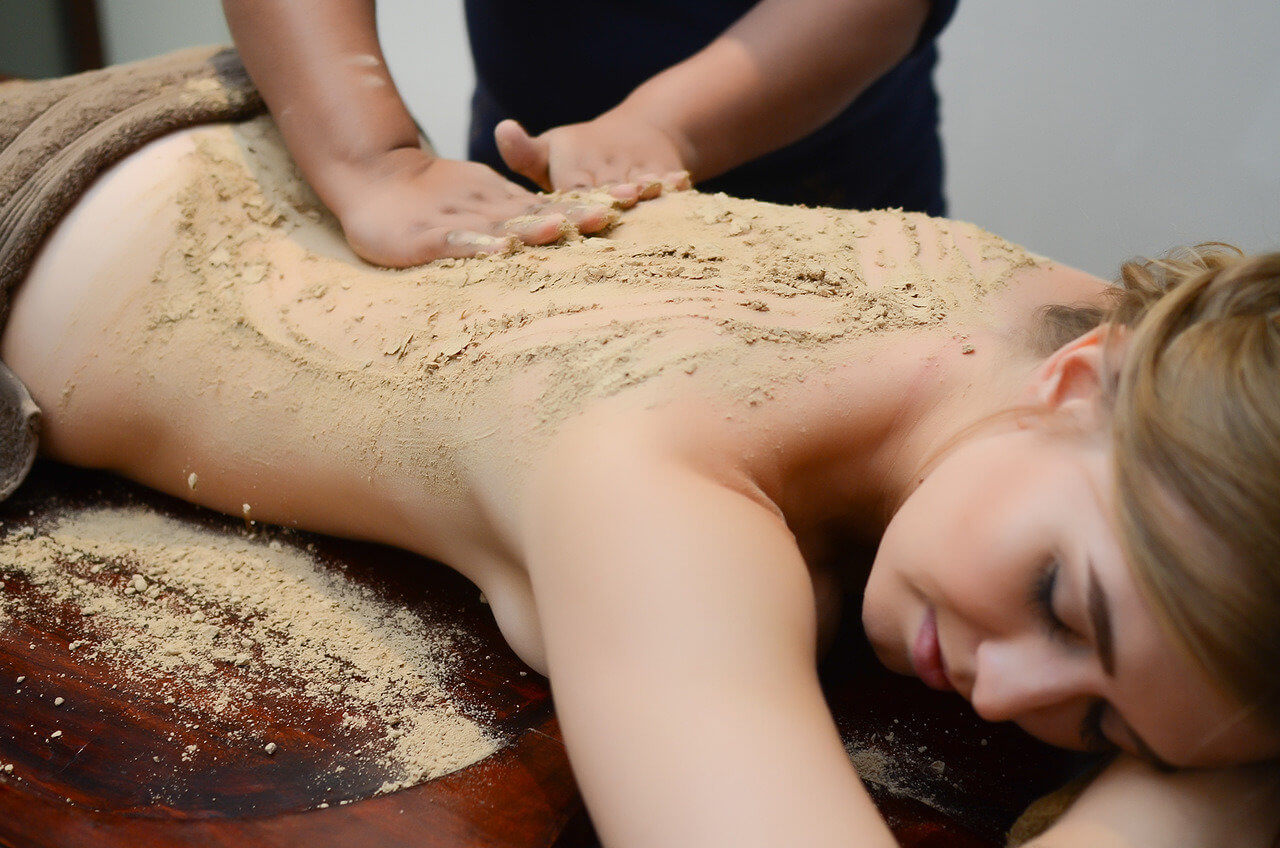
- This is a common source of confusion. Udavarta is a disease caused by reversal of Apana Vata.
- Udvartana is a therapeutic Panchakarma procedure — a dry herbal powder massage used for weight management, improving skin tone, and reducing Kapha. They share a similar Sanskrit root but are entirely different concepts.
Can Udavarta be completely cured?
Yes, in its early stages (Sadhya), Udavarta responds very well to Ayurvedic treatment, especially Basti Karma combined with lifestyle modification. Chronic cases (Yapya or Krichhra Sadhya) require prolonged treatment and ongoing management. Only in advanced cases with multiple complications affecting all three Marma points is it considered Asadhya (incurable).
Are there any modern clinical studies on Udavarta?
Research specifically on Udavarta is limited, though several case studies and observational reports have been published in Indian Ayurvedic journals. A case study published in the Journal of Ayurveda and Integrated Medical Sciences (2018) documented successful management of Udavarta with Panchakarma in a 54-year-old male with complete symptom resolution at 3-month follow-up. More rigorous RCTs are needed, and this represents an important area for future research.
How is Udavarta different from simple constipation?
Simple constipation (Vibandha) is a single-system symptom confined to the digestive tract. Udavarta is a multi-system disorder where reversed Apana Vata affects the gut, urinary system, cardiovascular system, nervous system, and sense organs simultaneously. A person with constipation alone does not have Udavarta; but a person with constipation plus headaches, urinary issues, and chest tightness — with a clear history of urge suppression — likely does.
Conclusion
Udavarta is far more than a historical Ayurvedic concept — it is a clinically relevant, multi-system condition with direct parallels to modern functional disorders. The elegance of the Ayurvedic understanding lies in its recognition that something as simple as suppressing the urge to use the bathroom can cascade into a complex disease affecting the gut, bladder, heart, and brain.
The treatment is equally elegant: restore the natural downward flow. Through Basti Karma, Virechana, Abhyanga, proper diet, yoga, and — most importantly — the disciplined practice of never suppressing natural urges, Udavarta can be effectively managed and often completely reversed.
If you recognize the symptoms described in this article — especially if you have a habit of "holding it in" — consider consulting a qualified Ayurvedic physician for a proper assessment. Early intervention makes the difference between a fully curable condition and one that becomes progressively harder to treat.
This article is for educational purposes. Always consult a qualified Ayurvedic practitioner (BAMS/MD Ayurveda) before starting any treatment protocol. If you experience urinary retention, severe abdominal pain, or chest symptoms, seek immediate medical attention to rule out emergencies.
Scientific Sources
- EVALUATION OF THE ROLE OF VEGA-VIDHARAN (SUPPRESSION OF NATURAL URGES) IN THE AETIOLOGY OF PSYCHOSOMATIC DISEASES (With special reference to voluntary retention of Urine and Neurohumoral Physiological and clinical changes in human volunteers) — Tripathi SN et al., 1981, Ancient science of life
- Ayurveda management of large endometrioma - A case report — Sanjay Jadhav S, 2023, Journal of Ayurveda and integrative medicine
- Evaluating Electrochemical Marker for Udavarta (Slow Transit Constipation) and Risk of Cardiovascular Events: A Cross-Sectional Study — Kajaria D et al., 2025, Indian journal of community medicine : official publication of Indian Association of Preventive & Social Medicine
Ask Ayurvedic doctor a question and get a consultation online on the problem of your concern in a free or paid mode.
More than 2,000 experienced doctors work and wait for your questions on our site and help users to solve their health problems every day.
Related articles