Ask Ayurvedic doctor a question and get a consultation online on the problem of your concern in a free or paid mode. More than 2,000 experienced doctors work and wait for your questions on our site and help users to solve their health problems every day.
FREE! Ask Ayurvedic Doctors 24/7

 Fast responses
 1000+ verified doctors
Body DetoxEar, Nose, and Throat DisordersGeriatrics & RejuvenationImmunodeficiencyInfertility TreatmentNutritionOrthopedic DisordersPediatricsRespiratory DisordersSexually Transmitted Diseases (STDs)Surgery RecoveryUrological DisordersVascular DisordersDental DisordersEndocrinological DisordersGastrointestinal DisordersYoga TherapyGeneral MedicineAllergic DisordersCardio DisordersGynecology and ObstetricsCosmetologySkin and Hair DisordersEye DisordersInfectious DiseasesMental DisordersNeurological DisordersOncologyPanchakarmaSexual Health & DisordersSports Medicine
Published on 03/11/25
(Updated on 06/19/26)
2,849
Adhmana in Ayurveda: Understanding Imbalances and Restoring Balance

Adhmana is an Ayurvedic clinical condition characterized by distension and bloating of the lower abdomen (below the navel) caused primarily by vitiated Vata dosha and weakened Agni (digestive fire). Classical texts like Sushruta Samhita, Ashtanga Hridaya, and Madhava Nidana describe it as a distinct gastrointestinal disorder where obstructed or aggravated Apana Vayu leads to accumulation of gases in the Pakvashaya (large intestine), producing abdominal fullness, gurgling sounds, and discomfort. In modern medical terms, Adhmana closely correlates with intestinal tympanites or meteorism.
If you've been experiencing persistent bloating after meals, rumbling in the belly, or a sense of heaviness below the navel that doesn't resolve with simple home remedies — Ayurveda offers not just symptomatic relief but a root-cause approach through Deepana-Pachana therapy, specific formulations, dietary corrections, and Panchakarma procedures. This guide covers everything from classical definitions and Samprapti (pathogenesis) to detailed diet plans, yoga practices, dosages, and red flags that signal when you need immediate medical attention.
What Is Adhmana? Definition and Meaning
Adhmana literally translates to "blowing up" or "distension." It refers to a condition where the abdomen — particularly the region below the umbilicus — becomes distended due to excessive accumulation of Vata (gases) in the intestinal tract. Unlike general bloating that people casually dismiss, Adhmana in Ayurveda is considered a specific Vata-predominant disorder (Vataja Nanatmaja Vikara) that demands systematic treatment.
Etymology and Sanskrit References
The word "Adhmana" derives from the Sanskrit root "dhma" meaning "to blow" or "to inflate." The prefix "aa" intensifies the meaning, indicating a state of excessive inflation or distension. Acharya Sushruta in Sushruta Nidana Sthana (Chapter 14) describes Adhmana as:
> Adhaḥ nābheḥ ādhmanam syāt sāṅkurṇam sa-ruk tathā
> — Distension below the navel, accompanied by cramping and pain.
Indu, the renowned commentator on Ashtanga Sangraha, further clarifies that Adhmana specifically involves the Pakvashaya (large intestine and colon) as distinct from Pratyadhmana which involves the Amashaya (stomach).
Definitions from Classical Texts (Sushruta, Ashtanga Hridaya, Madhava Nidana)
| Classical Text | Definition / Key Point |
|---|---|
| Sushruta Samhita (Nidana Sthana 14) | Distension below the navel with pain and cramping; classified under Purishavaha Srotas disorders |
| Ashtanga Hridaya (Nidana Sthana 12) | Adhmana as Vataja disorder; treated with Deepana, Pachana, and Vasti |
| Madhava Nidana (Chapter 26) | Links Adhmana to Udavarta and Anaha as related but distinct abdominal conditions |
| Charaka Samhita | Lists Adhmana among 80 Nanatmaja Vata Vikaras (diseases caused exclusively by Vata) |
Modern Medical Correlation
In contemporary medicine, Adhmana corresponds to intestinal tympanites — a condition where excessive gas distends the intestinal loops, producing a drum-like (tympanic) percussion note on examination. Pratyadhmana (its gastric counterpart) correlates with gastric tympanitis or pyloric incompetence leading to upper abdominal distension.
What Is the Difference Between Adhmana and Anaha?
This is one of the most commonly confused areas in Ayurvedic gastroenterology. While both involve abdominal distension, they are pathologically distinct conditions.
Comparative Table: Adhmana vs Anaha vs Atopa vs Udavarta
| Feature | Adhmana | Anaha | Atopa | Udavarta |
|---|---|---|---|---|
| Primary Dosha | Vata | Vata-Kapha | Vata | Vata (Apana Vayu reversal) |
| Site | Below navel (Pakvashaya) | Entire abdomen | Intestines | Lower abdomen, can radiate upward |
| Key symptom | Distension with gas accumulation | Constipation with distension and non-passage of flatus | Gurgling/rumbling sounds (borborygmi) | Upward movement of Apana Vayu; flatus, urine, stool move in reverse direction |
| Stool passage | May or may not be obstructed | Obstructed (constipation is hallmark) | Usually not obstructed | Obstructed or reversed |
| Sound on percussion | Tympanic (drum-like) | Dull or mixed | Audible gurgling without percussion | Variable |
| Classical reference | Sushruta Nidana 14 | Sushruta Nidana 14 | Mentioned alongside Adhmana | Charaka Siddhi Sthana |
- The critical difference: Anaha always involves constipation (Purisha Sanga), while Adhmana can occur even when bowel movements are regular.
- Atopa is primarily an auditory phenomenon — the sounds of gas movement without significant distension.
Pratyadhmana: The Gastric Counterpart
Pratyadhmana deserves special attention because many practitioners conflate it with Adhmana. Acharya Sushruta describes Pratyadhmana as distension occurring in the Amashaya (stomach/upper GI tract), caused by Kapha-Avrita Vata — that is, Vata dosha enveloped or obstructed by Kapha.
This is a crucial distinction because:
- Adhmana → treated primarily with Deepana-Pachana, carminatives, and Vasti (enema)
- Pratyadhmana → treated with Vamana (therapeutic emesis) since the pathology is in the stomach, plus Kapha-reducing measures
The pathogenesis differs fundamentally: in Pratyadhmana, Kapha blocks the natural downward movement of Vata in the stomach, causing upward distension and eructation (belching), whereas in Adhmana, Vata itself accumulates in the colon.
Causes of Adhmana (Nidana)
Dietary Causes (Aharaja Nidana)
The foods you eat — and how you eat them — play the most significant role in triggering Adhmana.
Specific causative factors include:
- Guru (heavy) and Vidahi (burning) foods: Fried foods, processed snacks, excessive dairy
- Vishama Ashana: Irregular eating habits — skipping meals, eating at inconsistent times
- Adhyashana: Eating before the previous meal is digested
- Vata-aggravating foods: Excessive intake of dry, cold, rough foods — raw salads, cold beverages, dried beans and legumes without proper preparation
- Excessive intake of Vatala substances: Black gram (urad dal), potato, brinjal, cauliflower, cabbage, carbonated drinks
Behavioral Causes (Viharaja Nidana)
- Vegadharana (suppression of natural urges): This is perhaps the single most important cause. Suppressing the urge to pass flatus (Adhovata Vegadharana) directly vitiates Apana Vayu and is explicitly cited by Charaka as a cause of Adhmana
- Sedentary lifestyle: Prolonged sitting reduces intestinal motility
- Divaswapna: Daytime sleeping increases Kapha and impairs Agni
- Excessive exertion or stress: Paradoxically, both extremes — too little movement and excessive physical/mental strain — can vitiate Vata
Psychological Causes (Manasika Nidana)
The gut-brain axis, well-recognized in modern gastroenterology, has deep roots in Ayurvedic understanding. Vata dosha governs both the nervous system (Vata controls Manas — mind) and the intestinal movements. Chronic anxiety (Chinta), fear (Bhaya), and grief (Shoka) directly aggravate Vata, leading to:
- Impaired peristalsis
- Increased gas production
- Heightened visceral sensitivity (you feel the bloating more intensely)
A 2021 systematic review published in the Journal of Clinical Gastroenterology confirmed that psychological stress significantly alters gut motility and gas handling, with anxious patients showing 40% more gas retention than controls. This validates the Ayurvedic understanding of Manasika Nidana in Adhmana.
Pathogenesis of Adhmana (Samprapti): Step-by-Step
No competitor has provided a clear, stage-by-stage Samprapti.
Here it is, following the classical Shat Kriyakala framework:
Samprapti Flow Chart
Stage 1 — Nidana Sevana (Exposure to causative factors)
↓
Intake of Vata-aggravating diet + suppression of flatus + stress
↓
Stage 2 — Dosha Prakopa (Dosha aggravation)
↓
Vata dosha (especially Apana and Samana Vayu) becomes vitiated
↓
Stage 3 — Dosha Dushya Sammurchhana (Dosha-tissue interaction)
↓
Vitiated Vata interacts with Rasa Dhatu and Anna Rasa (digestive product); Agni becomes Manda (weak)
↓
Stage 4 — Srotas Involvement
↓
Annavaha Srotas and Purishavaha Srotas become dysfunctional (Sanga type — obstruction)
↓
Stage 5 — Sthana Samshraya (Localization)
↓
Vata accumulates in Pakvashaya (large intestine), producing distension below the navel
↓
Stage 6 — Vyakti (Manifestation)
↓
Clinical features of Adhmana appear: abdominal distension, gurgling sounds, pain, flatulence
Purvarupa (Prodromal Symptoms)
Classical texts do not extensively describe Purvarupa for Adhmana separately, but based on the general Vata Vyadhi prodromal symptoms and clinical experience, the following early warning signs can be identified:
- Mild heaviness in the lower abdomen after meals
- Occasional rumbling sounds without frank distension
- Slight irregularity in flatus passage
- Mild loss of appetite
- A sense of incomplete evacuation after bowel movements
Recognizing these early signs allows intervention before the condition fully manifests.
Symptoms of Adhmana (Rupa and Lakshana)
Primary Symptoms
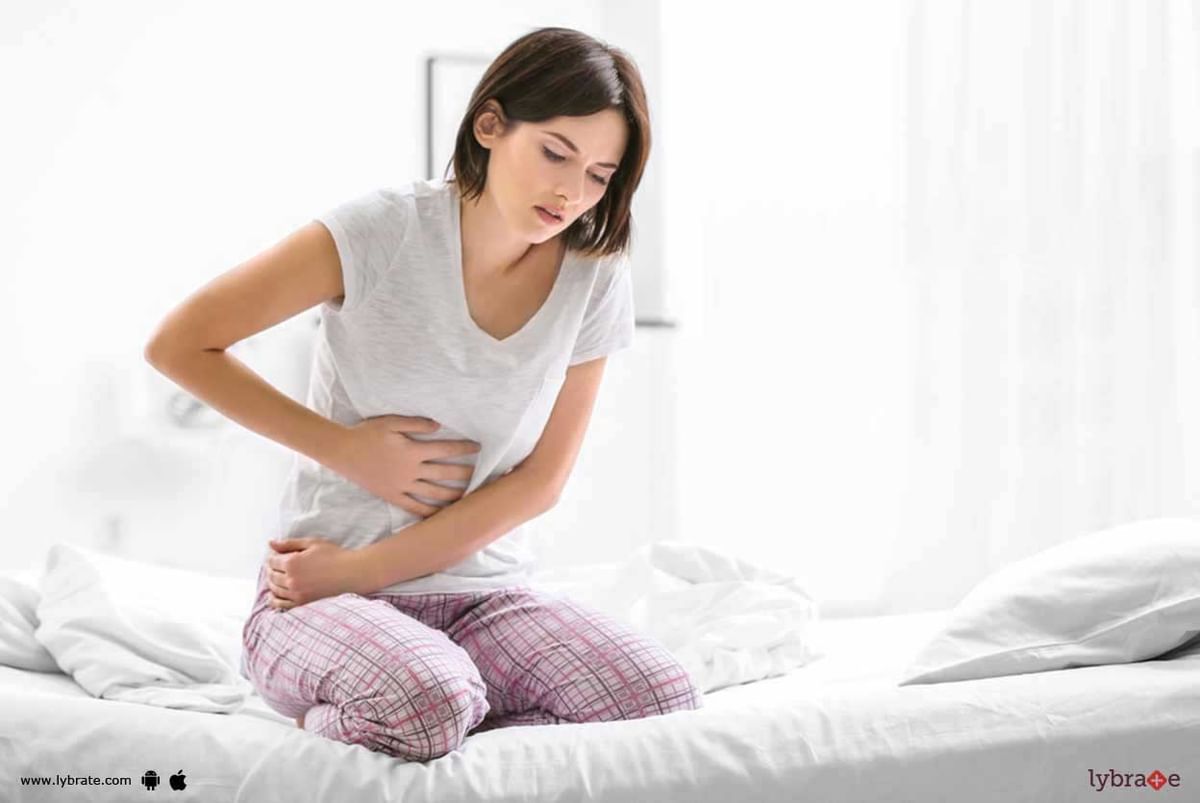
- Adhodarasya Adhmana: Distension/bloating specifically below the umbilical region
- Atopa/Sabda: Gurgling, rumbling, and borborygmi-like sounds in the abdomen
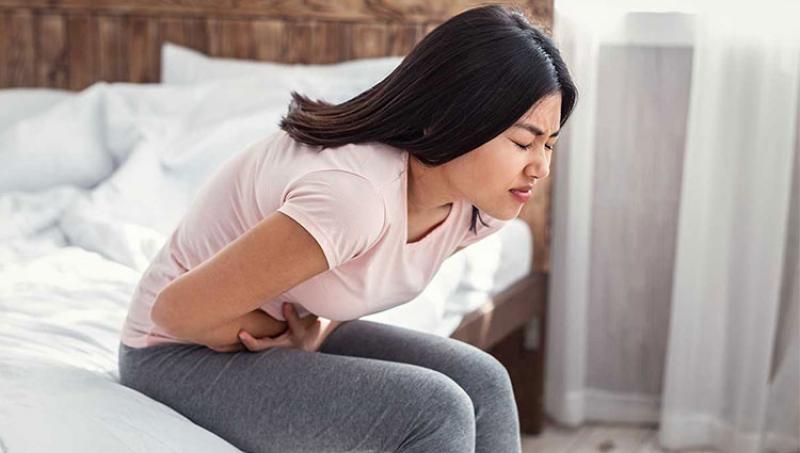
- Ruja (Pain): Cramping or dull pain in the lower abdomen
- Anila Sanga: Difficulty in passing flatus despite the feeling of gas accumulation
- Udara Gaurava: Heaviness of the abdomen
Associated Symptoms
- Loss of appetite (Aruchi)
- Nausea in some cases (especially when associated with Pratyadhmana)
- Restlessness and irritability (due to Vata aggravation)
- Disturbed sleep
- Anxiety and mental unease — the Vata-mind connection
Sadhya-Asadhyata (Prognosis)
This is an important clinical aspect that no competitor has addressed:
- Sadhya (Curable): Adhmana of recent onset, in patients with good Bala (strength), caused by identifiable and correctable Nidana, without complications
- Yapya (Manageable): Chronic Adhmana with weak Agni but responding to treatment; requires ongoing dietary management
- Asadhya (Difficult to cure): Adhmana associated with Udara Roga (ascites), Grahani Dosha (IBS-like chronic conditions), or in extremely debilitated patients with multiple dosha involvement
Most cases of simple Adhmana are Sukha Sadhya (easily curable) when dietary and lifestyle corrections are implemented promptly.
Don't wait or self medicate. Start chat with Doctor NOW
Adhmana Chikitsa: Complete Ayurvedic Treatment
Deepana-Pachana Therapy (First Line)
The cornerstone of Adhmana treatment is restoring Agni. Deepana means kindling the digestive fire; Pachana means digesting the accumulated Ama.
Key formulations with dosages:
| Formulation | Dose | Anupana (Vehicle) | Timing |
|---|---|---|---|
| Hingvashtaka Churna | 3–5 g | Warm water or first morsel of food | Before meals, twice daily |
| Bhaskara Lavana Churna | 2–3 g | Warm water | Before meals |
| Narayana Churna | 3–5 g | Warm water | Before dinner |
| Gandharvahastadi Kashayam | 15–20 ml with equal warm water | — | Before meals, twice daily |
| Dhanwantaram Gulika | 1–2 tablets | Warm water | Twice daily after meals |
| Vayu Gulika | 1–2 tablets | Warm water or ginger juice | As needed for acute episodes |
| Kumaryasava | 15–20 ml with equal water | — | After meals |
| Hingutriguna Taila | 3–5 drops orally or for abdominal massage | — | As directed |
> Important: These dosages are general guidelines from classical texts. Individual dosing should be determined by a qualified Ayurvedic practitioner based on your Prakriti, Vikriti, Agni status, and Bala.
Panchakarma Procedures
Vasti (Medicated Enema) — Primary Panchakarma for Adhmana
- Since Adhmana is a Vata disorder localized in the Pakvashaya, Vasti is the most effective Panchakarma procedure.
- Charaka calls Vasti "Ardha Chikitsa" — half of all treatment.
- Anuvasana Vasti: Oil-based enemas using Dhanwantaram Taila or Sahacharadi Taila — 60–90 ml, administered after meals
- Niruha Vasti: Decoction-based enemas using Dashamula Kashaya with honey, rock salt, and oil — typically in Yoga Vasti (8 days) or Kala Vasti (16 days) schedule
Vamana (Therapeutic Emesis) — For Pratyadhmana
When the distension involves the upper abdomen (Pratyadhmana with Kapha-Avrita Vata), Vamana is the treatment of choice, not Vasti. This is a crucial clinical distinction.
Phalavarti (Medicated Suppositories)
- A lesser-known but effective intervention mentioned in classical texts.
- Phalavarti — suppositories made from Vayu-relieving herbs — can provide quick relief in acute Adhmana by directly stimulating Apana Vayu in the rectal region.
Pani Tapa (Hand-Warming Technique)
This is a simple yet effective therapeutic technique where the practitioner warms their hands and applies gentle pressure on the distended abdomen. The warmth helps pacify Vata and relieve spasm. It can be done at home as self-care by warming your palms and placing them on the lower abdomen for 5–10 minutes.
Apatarpana (Therapeutic Fasting)
Langhana (fasting) is indicated in acute Adhmana to allow the digestive system to reset.
The approach is graduated:
- 1.Complete fast (Upavasa) — for 1 day with warm water only (only in acute cases with strong patients)
- 2.Light fasting (Laghu Ahara) — rice gruel (Peya or Vilepi) for 2–3 days
- 3.Gradual reintroduction — cooked, warm, light foods added back systematically
Detailed Diet Plan for Adhmana (Pathya-Apathya)
This is the most significant gap across all existing content on this topic. Here is a comprehensive dietary guide.
Foods to Favor (Pathya)
| Category | Recommended Foods | Why |
|---|---|---|
| Grains | Old rice (Purana Shali), barley (Yava), wheat (Godhuma) | Light, easy to digest, Vata-pacifying |
| Pulses | Green gram (Mudga), red lentils (Masoor) — well-cooked with ghee | Laghu (light), excellent Deepana properties |
| Vegetables | Bottle gourd (Lauki), ridge gourd, pointed gourd (Parval), drumstick | Non-Vatakara, easy on digestion |
| Spices | Cumin, ginger, asafoetida (Hing), black pepper, ajwain, fennel | Carminative; directly relieve gas |
| Fats | Ghee (small amounts), sesame oil | Vata-pacifying, lubricates intestines |
| Beverages | Warm water, cumin water, ginger tea, ajwain water | Stimulate Agni, carminative |
| Fruits | Pomegranate, ripe papaya, grapes | Light, digestive |
Foods to Avoid (Apathya)
- Beans: Black gram (urad dal), chickpeas (chana), kidney beans (rajma), dried peas
- Vegetables: Raw salads, cabbage, cauliflower, broccoli, potato, brinjal, onion (raw)
- Dairy: Cold milk, ice cream, heavy cheeses
- Beverages: Cold water, carbonated drinks, excessive tea/coffee
- Others: Fried foods, processed/packaged snacks, leftover or reheated food, bakery products
Sample Daily Meal Schedule
| Time | Meal | Details |
|---|---|---|
| 6:30 AM | Wake-up drink | 1 glass warm water with ½ tsp ajwain, boiled and strained |
| 8:00 AM | Breakfast | Moong dal khichdi with ghee + ginger; OR Upma with cumin tempering |
| 10:30 AM | Mid-morning | Cumin-coriander-fennel tea (CCF tea) |
| 12:30 PM | Lunch (largest meal) | Old rice + moong dal + bottle gourd sabzi cooked with hing & cumin + small amount of ghee + buttermilk (takra) with roasted cumin |
| 4:00 PM | Snack | Warm ginger tea + 2–3 soaked and peeled almonds |
| 7:00 PM | Dinner (light) | Vegetable soup OR Peya (rice gruel) with rock salt and pepper |
| 9:00 PM | Bedtime | Warm milk with ½ tsp of dry ginger powder (if tolerated) |
Key principles: Eat at consistent times every day. Lunch should be the heaviest meal (when Agni is strongest, around noon). Dinner should be light, eaten at least 2–3 hours before sleep. Never suppress the urge for flatus or defecation.
Yoga Asanas and Pranayama for Adhmana
Another area completely neglected by existing content. Here are specific practices with direct relevance to gas and bloating.
Recommended Asanas
- 1.Pavanamuktasana (Wind-Relieving Pose): The name itself says it — this pose compresses the ascending and descending colon, facilitating gas release. Hold for 30 seconds each side, repeat 3 times.
- 2.Vajrasana (Thunderbolt Pose): The only asana recommended immediately after meals. Sit in Vajrasana for 10–15 minutes after lunch and dinner to enhance digestion and prevent gas formation.
- 3.Malasana (Garland Pose/Deep Squat): Opens the pelvic floor and stimulates Apana Vayu's downward movement. Hold for 1–2 minutes.
- 4.Supta Matsyendrasana (Supine Twist): Gentle twisting massages the intestines and promotes peristalsis. Hold each side 30 seconds.
- 5.Bhujangasana (Cobra Pose): Stimulates abdominal organs, improves digestion. Hold for 15–20 seconds, repeat 3 times.
Pranayama Practices
- Kapalabhati: 3 rounds of 30 strokes — directly stimulates Agni and clears Ama. Do on empty stomach only.
- Nadi Shodhana (Alternate Nostril Breathing): Balances Vata dosha, calms the nervous system, and indirectly supports gut motility through the vagus nerve pathway. Practice for 5–10 minutes daily.
- Agnisar Kriya: Rhythmic contraction and expansion of abdominal muscles. Directly stimulates digestive fire. 3 rounds of 15–20 flaps.
> Caution: Avoid intense Pranayama like Bhastrika if you have active acid reflux along with Adhmana.
Adhmana in Special Populations
Adhmana During Pregnancy
Bloating and gas are extremely common during pregnancy due to hormonal changes (progesterone relaxes smooth muscle) and the growing uterus compressing intestines. From an Ayurvedic perspective, the Garbhini (pregnant woman) experiences natural Vata aggravation, particularly Apana Vayu disturbance.
Safe interventions during pregnancy:
- Mild carminatives: fennel water, cumin water, small amounts of ajwain
- Gentle abdominal massage with warm sesame oil (first trimester — avoid deep pressure)
- Vajrasana after meals
- Avoid: Strong purgatives, Vasti, Vamana, and most internal Churna formulations without medical supervision
- Hingvashtaka Churna — generally considered safe in small doses during pregnancy, but always consult your Ayurvedic practitioner
Adhmana in Children (Bala Roga)
Infants and young children frequently present with colic and abdominal distension.
Ayurveda addresses pediatric Adhmana through:
- Hing (asafoetida) paste application: A small amount of hing dissolved in warm water, applied around the umbilicus — this is a time-tested practice across Indian households
- Gripe water alternatives: Dill seed water (Shatapushpa) or fennel water in small amounts
- Abdominal massage: Gentle clockwise massage with warm castor oil or Dhanwantaram Taila
- Dosage adjustment: All internal medicines should be given in Bala-anusari Matra (age-appropriate doses) as per Sharngadhara's formula
Seasonal Considerations (Ritucharya) and Prevention
Adhmana tends to worsen during specific seasons due to natural Vata fluctuations:
- Varsha Ritu (Monsoon, July–September): Vata undergoes natural Prakopa (aggravation). Agni is weakest. This is the peak season for Adhmana. Preventive measures include consuming warm, unctuous foods, avoiding raw foods, and using generous amounts of ginger and hing in cooking.
- Sharad Ritu (Autumn, September–November): Accumulated Vata from monsoon manifests as disease. Virechana (mild purgation) is classically recommended during this season.
- Hemanta/Shishira (Winter): Agni is naturally strong, so Adhmana risk is lower — but overeating heavy foods can still trigger it.
Year-round prevention strategies:
- Never suppress the urge to pass gas (most important single preventive measure)
- Eat warm, freshly cooked meals at regular times
- Include carminative spices in every meal
- Walk for 10–15 minutes after dinner (Shatapada — hundred steps)
- Practice Vajrasana after meals
- Manage stress through meditation and Pranayama
When to See a Doctor: Red Flags
Not all abdominal distension is simple Adhmana.
Seek immediate medical evaluation if you experience:
- Blood in stool (Raktayukta Purisha) — may indicate ulcerative colitis, malignancy, or other serious conditions
- Unexplained weight loss along with persistent bloating
- Progressive distension that doesn't resolve — may indicate intestinal obstruction or ascites (Udara Roga)
- Severe, acute abdominal pain with rigidity — could be perforation or peritonitis
- Persistent vomiting with inability to pass flatus or stool — suggests mechanical obstruction
- Fever with abdominal distension — may indicate intra-abdominal infection
- New onset after age 50 without obvious dietary cause — warrants colonoscopy to rule out malignancy
Ayurvedic treatment is highly effective for functional Adhmana, but it should complement — not replace — emergency medical care when red flags are present.
Connection Between Adhmana and Mental Health
The Ayurvedic understanding that Vata governs both the gut and the mind is now being validated by modern research on the gut-brain axis. A 2019 study in Microbiome journal demonstrated that patients with functional bloating showed significantly altered gut microbiome composition and higher anxiety scores compared to healthy controls.
In Ayurveda, this bidirectional relationship is well-established:
- Gut → Mind: Ama and Vata accumulation in the gut produces Manovahasrotas disturbance, leading to anxiety (Udvega), insomnia (Anidra), and restlessness
- Mind → Gut: Mental stress (Chinta, Shoka) aggravates Vata, which then disturbs Apana Vayu, causing Adhmana
Treatment therefore should address both dimensions. Medhya Rasayana herbs like Brahmi (Bacopa monnieri), Ashwagandha, and Jatamansi can be combined with digestive formulations for patients presenting with anxiety-dominant Adhmana.
Frequently Asked Questions
What is Atopa in Ayurveda?
Atopa refers to the gurgling or rumbling sounds produced in the intestines due to movement of Vata through the gastrointestinal tract. It is essentially borborygmi in modern medical terminology. Atopa often accompanies Adhmana but can occur independently. It is generally a milder condition and responds well to carminative spices like cumin, fennel, and asafoetida.
What is Vilambika in Ayurveda?
Vilambika is a condition where Ama (undigested food material mixed with Kapha) becomes sticky and heavy, adhering to the walls of the Amashaya (stomach). It is considered more serious than simple Adhmana because the Ama is deeply lodged. Symptoms include severe heaviness, loss of appetite, nausea, and a feeling of food "sitting" in the stomach. Treatment involves strong Deepana-Pachana therapy followed by Langhana.
What is Visuchika and how is it different from Adhmana?
Visuchika is the Ayurvedic term for a condition resembling acute gastroenteritis or cholera-like presentation — characterized by simultaneous vomiting and diarrhea with severe cramping. It is an acute emergency condition, whereas Adhmana is typically a chronic or recurrent functional disorder. Both involve Vata and Agni dysfunction, but Visuchika has a much more acute and dramatic presentation.
Can Adhmana become a serious condition if untreated?
Yes. Chronic untreated Adhmana can progress to Anaha (constipation with distension), Udavarta (reversal of Apana Vayu causing multi-system symptoms), or even contribute to Grahani Dosha (a chronic malabsorption syndrome similar to IBS). In rare cases, severe chronic bloating with underlying pathology can be associated with Udara Roga (ascites-related conditions). Early intervention is always recommended.
How long does it take for Ayurvedic treatment to resolve Adhmana?
Acute Adhmana caused by dietary indiscretion can resolve within 3–7 days with proper Deepana-Pachana therapy and dietary correction. Chronic Adhmana of several months' duration typically requires 4–8 weeks of systematic treatment including Panchakarma (especially Vasti), dietary management, and lifestyle changes. Recurrence prevention depends on long-term adherence to Pathya (appropriate diet and habits).
Conclusion: Restoring Digestive Harmony
- Adhmana, though common, is far more than "just bloating." It is a clinically defined Vata disorder with a clear pathogenesis, identifiable causes, and a well-established treatment protocol in Ayurveda.
- The key principles — restoring Agni through Deepana-Pachana, removing Ama, pacifying Vata through diet and Vasti, and addressing the mind-gut connection — offer a comprehensive, root-cause approach that modern medicine is only beginning to appreciate.
Start with the basics: stop suppressing your natural urges, eat warm and freshly cooked food with carminative spices, practice Vajrasana after meals, and manage your stress. If symptoms persist beyond a week, consult a qualified Ayurvedic practitioner for personalized assessment and treatment. And always watch for red flags that warrant immediate conventional medical evaluation.
Your digestive fire is the foundation of your health. Protect it, and it will protect you.
Scientific Sources
- Therapeutic importance of Cucurbitaceae: A medicinally important family — Mukherjee PK et al., 2022, Journal of ethnopharmacology
- A comparative clinical trial of Chincha kshara and Kadali kshara on Amlapitta — Acharya S et al., 2011, Ayu
Questions from users
What is the role of detoxification in Ayurveda and how can it improve digestive health?
Shelby
3 days ago
Detoxification in Ayurveda, or Panchakarma, helps remove toxins (ama) that build up when Agni (digestive fire) is weak. By eliminating these toxins, Ayurveda aims to rejuvenate and strengthen digestive health. Practices like fasting, herbal treatments, and cleansing therapies support Agni, improving digestion and absorption. For personalized advice, consulting an Ayurvedic practitioner is best! Don't forget to stay hydrated and listen to your body’s cues! 💧😊
Can I use Triphala for detoxing Ama and how does it work in Ayurveda?
Jackson
12 days ago
Yes, Triphala can be really helpful for detoxing Ama. In Ayurveda, it's known for supporting digestion, which enhances your Agni (digestive fire) and helps in breaking down and removing toxins. You'll wanna use it consistently though - it’s not a quick fix. Some patience and a holistic approach like tweaking your diet can really boost the effectiveness. 🚶♂️🌿
Can I use ginger and black pepper together to strengthen my digestive fire?
Genesis
21 days ago
Yeah, you can definitely use ginger and black pepper together to boost your digestive fire! They're both known as Deepana herbs in Ayurveda, meaning they help kindle your Agni. Just keep in mind your dosha type and current body balance to avoid over-heating or imbalance. Maybe start with small amounts and see how you feel.
What is Ama in Ayurveda and how does it affect overall health?
Mia
30 days ago
Ama in Ayurveda is like the gunk that builds up when your digestion isn't doing its job well, mainly due to weak agni, or digestive fire. It can clog up bodily channels and affect overall health by leading to imbalances and various ailments. It's like when your energy feels off, often resulting in fatigue or sluggishness. Kinda like an internal roadblock, if you think about it! You might want to consider ways to strengthen your digestion to keep ama at bay.
What is the connection between Ojas and overall immunity in Ayurveda?
Elijah
40 days ago
Ojas in Ayurveda is considered the essence of your vital energy and is closely linked to overall immunity. When your ojas is strong, your body's resistance to illness generally improves. It's like the reserve of vitality that supports resilience against stresses. Focus on balanced diet, rest, and stress management to nurture your ojas.
What is the best way to practice mindful eating according to Ayurvedic guidelines?
Addison
50 days ago
Mindful eating in Ayurveda is all about savoring every bite with presence. Start by eating in a calm, quiet space, focus on your food's flavors, colors, and textures. Chew slowly, make sure your meals are warm and freshly prepared, it aids digestion. Also, try to eat until you're about 75% full. Listen to your body's signals :)
What is Agni in Ayurveda and why is it important for digestion?
Aubrey
59 days ago
In Ayurveda, Agni is like the body's digestive fire, responsible for breaking down food, absorbing nutrients, and eliminating waste. It's super important coz if Agni is weak, it can lead to the buildup of toxins (Ama) and disrupt dosha balance, which might cause health issues. A healthy Agni means good digestion and overall wellbeing!
Is it safe to start a detox regimen at home without professional guidance?
Victoria
69 days ago
Starting a detox regimen at home can be okay, but keep it simple like enjoying light meals or sipping herbal teas. It’s crucial not to do anything too intense without a pro's guidance. Our bodies are unique, and detox affects everyone differently. Listen to your body and if you feel unsure, maybe consult an Ayurvedic practitioner for advice.
What is the role of gut microbiome imbalances in Ayurvedic views on digestion?
Avery
79 days ago
Gut microbiome imbalances in Ayurveda relate to the state of "Agni" or digestive fire, which when weak, can lead to accumulation of "ama" (toxins). Ayurveda sees a direct link between this imbalance and systemic issues, aligning with modern ideas of low-grade inflammation. To balance this, focus on strengthening agni through diet, herbs like ginger, and lifestyle habits like regular meals.
How does emotional stress affect Agni and overall digestive health in Ayurvedic medicine?
Violet
156 days ago
Emotional stress can really take a toll on your Agni, or digestive fire. It tends to weaken it, disrupting the digestion process and leading to Ama, those nasty toxins. When you're stressed, your Vata dosha can increase, impacting digestion and creating imbalances. To help balance this, try incorporating grounding activities like yoga or meditation.
Related articles

Gastrointestinal Disorders
Shaddharanam Gulika – Benefits, Uses & Dosage in Ayurveda
Learn about Shaddharanam Gulika, an Ayurvedic remedy known for its detoxifying, digestive, and therapeutic properties, and how it supports overall health.
3,375

Gastrointestinal Disorders
Dhanyapanchak Kwath – Traditional Ayurvedic Decoction for Digestive Harmony
Discover Dhanyapanchak Kwath, an ancient Ayurvedic herbal decoction renowned for its digestive, detoxifying, and rejuvenating benefits. Learn how this natural remedy promotes dosha balance and overall wellness.
2,682

Gastrointestinal Disorders
Dinacharya: Ayurvedic morning self-care for you
“well begun is half done”, it’s a proverb that not only sticks to the work we do but also to our own daily lives which has a direct impact on all the important milestones we achieve.
2,698

Gastrointestinal Disorders
Ayurveda for Gas – 5 effective Natural Remedies to Relieve Gas & Bloating
Discover natural remedies and holistic practices with Ayurveda for gas. Learn how Ayurvedic techniques can balance digestion, relieve bloating, and promote overall digestive wellness.
4,635

Gastrointestinal Disorders
Herbolax Capsule
Exploration of Herbolax Capsule
2,259

Gastrointestinal Disorders
Liver & Gall
The liver is closely linked to other organs and body systems.
2,899

Gastrointestinal Disorders
Pittantak Ras – Ayurvedic Remedy for Pitta Imbalance and Digestive Health
Discover Pittantak Ras, an Ayurvedic tonic designed to balance digestive fire and rejuvenate the body. Learn how this herbal formulation supports dosha harmony and enhances vitality.
2,906

Gastrointestinal Disorders
Understanding Agnimandya in Ayurveda: Causes & Research
Explore agnimandya in Ayurveda—its causes, modern research, and potential remedies. Discover how to revitalize your digestive fire and improve overall health.
3,871

Gastrointestinal Disorders
Ahiphenasava – Traditional Ayurvedic Fermented Formulation for Holistic Wellness
Discover Ahiphenasava, an ancient Ayurvedic fermented remedy that detoxifies, rejuvenates, and balances the doshas. Learn about its potent herbal blend, benefits, and usage guidelines for enhanced overall health.
2,124

Gastrointestinal Disorders
Suran Vatak: An Ayurvedic Formula to Combat Pain and Inflammation
Explore the proven benefits, proper dosage, side effects, and scientific research behind Suran Vatak, an Ayurvedic formulation for nerve and joint health.
2,788
Related questions on the topic
Legal
Additional Documents
© 2024 Ask Ayurveda. All rights reserved.