Ask Ayurvedic doctor a question and get a consultation online on the problem of your concern in a free or paid mode. More than 2,000 experienced doctors work and wait for your questions on our site and help users to solve their health problems every day.
FREE! Ask Ayurvedic Doctors 24/7

 Fast responses
 1000+ verified doctors
Body DetoxEar, Nose, and Throat DisordersGeriatrics & RejuvenationImmunodeficiencyInfertility TreatmentNutritionOrthopedic DisordersPediatricsRespiratory DisordersSexually Transmitted Diseases (STDs)Surgery RecoveryUrological DisordersVascular DisordersDental DisordersEndocrinological DisordersGastrointestinal DisordersYoga TherapyGeneral MedicineAllergic DisordersCardio DisordersGynecology and ObstetricsCosmetologySkin and Hair DisordersEye DisordersInfectious DiseasesMental DisordersNeurological DisordersOncologyPanchakarmaSexual Health & DisordersSports Medicine
Published on 04/04/25
(Updated on 06/22/26)
star_border 5
3,995
Mountain Garlic Benefits: Science & Health Applications
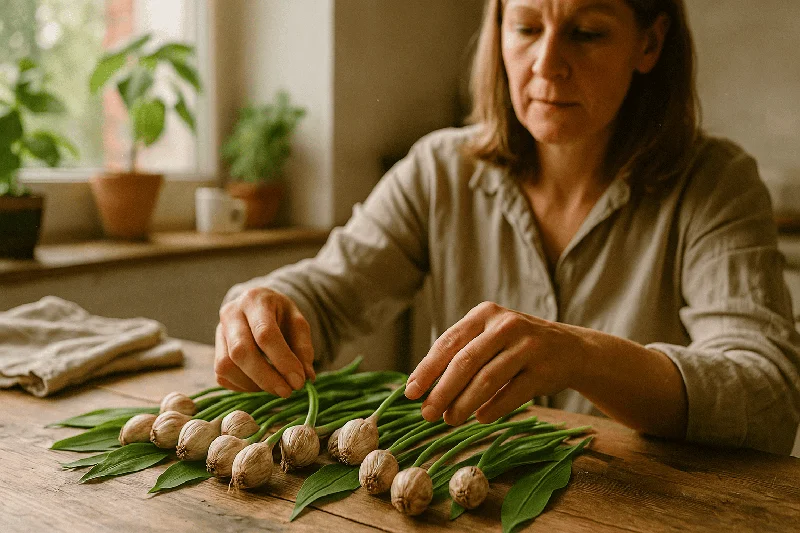
Mountain garlic—also referred to as “wild garlic,” “bear’s garlic,” “snow mountain garlic,” or “Himalayan garlic”—is hailed in various cultures for its potential health benefits. From traditional remedies to recent scientific discoveries, this potent plant has been credited with properties that may support cardiovascular health, immune function, and more. In this in-depth article, we’ll delve into the science behind mountain garlic’s benefits, its active compounds, practical applications, and considerations for safe use.
Table of Contents
What Is Mountain Garlic?
Mountain garlic is a term commonly used for garlic varieties that thrive in high-altitude or forested regions. In some parts of Europe, the term “mountain garlic” overlaps with Allium ursinum (commonly known as ramsons, wild garlic, or bear’s garlic). In South Asia, particularly in the Himalayan regions, “mountain garlic” may refer to a single clove garlic variant (Allium sativum subspecies) prized for its pungent flavor and believed therapeutic qualities.
Cultural Uses
-
Traditional Medicine: In Ayurvedic and traditional Chinese medicine, mountain garlic has often been used to promote energy, aid digestion, and support immune defenses.
-
Culinary Ingredient: Owing to its intense flavor, it has historically been used to season stews, soups, and pickles, especially in mountainous communities where fresh herbs might be scarce during harsh winters.
Active Compounds in Mountain Garlic
Mountain garlic contains a host of bioactive compounds, many of which are shared with common garlic (Allium sativum), but in higher concentrations or slightly different ratios due to the growing conditions. Key components include:
-
Allicin: A sulfur-containing compound responsible for garlic’s distinctive smell and a bulk of its antimicrobial properties.
-
S-allyl cysteine: Often linked to potential cardiovascular and immune benefits.
-
Alliin: The precursor to allicin, which helps protect the bulb from pests and pathogens.
-
Flavonoids and Polyphenols: Antioxidants that scavenge free radicals and may reduce oxidative stress.
These compounds have been widely studied for their potential health effects, though specific concentrations can vary based on factors such as altitude, soil composition, and processing methods.
Potential Health Benefits
1. Cardiovascular Support
Evidence suggests that certain garlic varieties, including mountain garlic, may help maintain cardiovascular health. A meta-analysis published in the Journal of Nutrition indicated that garlic supplementation can support healthy blood pressure levels and may reduce cholesterol markers in some individuals 11. The sulfur compounds in mountain garlic are believed to help relax blood vessels, thereby potentially aiding in maintaining normal blood pressure.
Key Findings
-
Blood Pressure: A 2008 systematic review in BMC Cardiovascular Disorders concluded that aged garlic extract might help reduce both systolic and diastolic blood pressure 22.
-
Lipid Profile: Some studies show modest improvements in total cholesterol and LDL levels, although the results can vary across different populations.
2. Antimicrobial and Antiviral Properties
Garlic has a storied history as a folk remedy against infections. The allicin in mountain garlic exhibits antimicrobial activity against various bacterial strains, such as E. coli and Staphylococcus aureus, as reported in a paper in Current Opinion in Biotechnology 33. Additionally, preliminary research suggests that garlic may inhibit certain viruses, although more human clinical trials are needed to confirm these effects.
Practical Application
-
Topical Use: Historically, crushed garlic was applied externally to minor wounds, leveraging its antimicrobial qualities. However, prolonged direct contact can irritate skin, so medical consultation is advised.
-
Dietary Consumption: Integrating mountain garlic into meals or taking standardized supplements might help bolster the body’s defense mechanisms, though it should never replace standard medical treatment for infections.
3. Anti-Inflammatory Effects
Inflammation is a natural defense mechanism, but chronic inflammation can contribute to various diseases such as arthritis, heart disease, and metabolic disorders. Some studies posit that compounds in garlic can reduce the production of inflammatory cytokines in the body 44. By potentially modulating inflammatory responses, mountain garlic might serve as a supportive dietary component for overall health.
4. Antioxidant Activity
Oxidative stress occurs when free radicals overwhelm the body’s antioxidant defenses, contributing to cell damage and aging. Polyphenols and flavonoids in mountain garlic are powerful antioxidants that help neutralize these free radicals. According to research published in the Food Chemistry journal, garlic extracts displayed significant free radical scavenging activities 55.
Dietary Tips
-
Pair with Healthy Fats: Some studies suggest that consuming garlic alongside healthy fats (e.g., olive oil, avocado) may enhance the bioavailability of its antioxidants.
-
Gentle Cooking: Light sautéing or mild cooking helps retain many of the beneficial compounds, whereas overheating can degrade allicin and other sulfur compounds.
5. Digestive Aid
In traditional medicine systems, mountain garlic is believed to promote a healthy gut environment. Garlic’s prebiotic properties can support beneficial gut bacteria, aiding in digestion and nutrient absorption 66. For those sensitive to garlic’s pungency, cooked or pickled forms may be gentler on the stomach while still offering some digestive support.
Don't wait or self medicate. Start chat with Doctor NOW
Practical Ways to Incorporate Mountain Garlic
While some individuals consume raw mountain garlic for maximum allicin content, the intense flavor and possible irritation to the digestive tract call for moderate, mindful use. Below are some practical methods:
-
Stir-Fries and Soups: Add sliced or minced mountain garlic to stir-fries, broths, or soups to enhance flavor and nutritional properties.
-
Herbal Infusions: Steep thin slices in warm water or mild broth for a soothing, garlic-infused beverage.
-
Pickling: Pickled mountain garlic is popular in many cultures. This process can reduce the pungency while extending shelf life.
-
Powdered Form: For those who dislike the pungent odor, standardized garlic powders or capsules can be an alternative, although the efficacy may differ from fresh bulbs.
-
Oil Infusions: Infusing high-quality olive oil with chopped mountain garlic can provide a flavorful dressing or marinade; however, take care to store properly to prevent bacterial growth (especially Clostridium botulinum).
Scientific Evidence and Research
Studies on garlic often do not differentiate between flatland garlic, wild garlic, and mountain garlic; however, the overarching body of research on Allium species can offer useful insights. Many clinical trials, meta-analyses, and laboratory studies corroborate garlic’s potential benefits:
-
Blood Pressure: A randomized controlled trial in Maturitas demonstrated that standardized garlic extracts effectively reduced blood pressure in adults with uncontrolled hypertension 77.
-
Antimicrobial Effects: A study in the Journal of Antimicrobial Chemotherapy found that allicin inhibited multiple strains of antibiotic-resistant bacteria 88.
-
Cholesterol Management: A meta-analysis in the Annals of Internal Medicine showed that garlic supplementation can modestly lower total cholesterol levels 99.
While these findings are promising, it’s important to remember that results can be influenced by dosage, preparation method (raw vs. cooked vs. aged extract), and individual health factors.
Possible Side Effects and Precautions
Despite its potential benefits, mountain garlic may pose risks or side effects for certain individuals:
-
Gastrointestinal Discomfort: Consuming large quantities of raw garlic can result in heartburn, gas, or stomach upset.
-
Allergic Reactions: Rarely, people may experience skin rashes or breathing difficulties when exposed to fresh garlic juices.
-
Medication Interactions: Garlic can potentiate the effects of anticoagulants (e.g., warfarin) or antiplatelet drugs, increasing the risk of bleeding. Consult a healthcare provider before introducing garlic supplements if you are on prescription medications.
-
Pregnancy and Lactation: While moderate culinary use is generally considered safe, pregnant or nursing women should seek medical advice before using concentrated garlic supplements.
FAQs on Mountain Garlic
-
What is the difference between mountain garlic and regular garlic?
Mountain garlic typically grows in high-altitude, cooler climates and may contain higher concentrations of certain bioactive compounds. It also tends to have a more pungent aroma and flavor than common garlic varieties. -
How should I store mountain garlic?
Store fresh bulbs in a cool, dry place with good airflow. For long-term storage, you can pickle or dehydrate mountain garlic. Avoid storing garlic-infused oil at room temperature to prevent bacterial contamination. -
Can I use mountain garlic as a substitute for regular garlic in recipes?
Absolutely. However, keep in mind that mountain garlic’s flavor can be more intense, so you may want to reduce the quantity accordingly. -
Does cooking mountain garlic reduce its health benefits?
High heat can diminish allicin, but lightly sautéing or adding it toward the end of cooking can help preserve many beneficial compounds. -
Are supplements as effective as fresh mountain garlic?
Many garlic supplements are standardized for allicin content, which may preserve some benefits. Always look for reputable brands with transparent manufacturing practices and consult your healthcare provider for personalized advice.
Conclusion
Mountain garlic is more than just a robust culinary spice: its blend of sulfur-containing compounds, antioxidants, and antimicrobial properties makes it a compelling subject of scientific exploration. While research continues to uncover its full potential, existing studies suggest that mountain garlic—like other garlic varieties—may support cardiovascular health, bolster the immune system, and offer anti-inflammatory and antioxidant effects.
That said, incorporating mountain garlic into your diet should be part of a broader, balanced lifestyle. Whether you prefer it raw, pickled, or in supplement form, be mindful of potential side effects and interactions with medications. Above all, consult with a qualified healthcare professional before making significant changes to your health regimen.
Call to Action
If you found this article helpful, feel free to share it with friends, comment below with your experiences, or subscribe to our newsletter for more evidence-based health and wellness insights.
Disclaimer and Medical Advice
This article is for informational purposes only and does not replace professional medical advice, diagnosis, or treatment. The potential benefits and effects described may vary from person to person. Always consult a qualified healthcare practitioner before adding a new supplement, especially if you have underlying health conditions, are pregnant, nursing, or taking any medications.
References
11 The Journal of Nutrition (various studies on garlic and cardiovascular health)
22 Ried K, Toben C, Fakler P. Effect of garlic on blood pressure. BMC Cardiovasc Disord. 2008;8:13.
33 Kyung KH. Antimicrobial properties of allium species. Curr Opin Biotechnol. 2012;23(2):142-7.
44 Vargas-Sánchez K, et al. Garlic compounds as an anti-inflammatory agent: A review. BioMed Research International. 2021.
55 Food Chemistry (several studies on garlic’s antioxidant profile)
66 Majewski M. Allium sativum: Facts and myths regarding human health. Rocz Panstw Zakl Hig.2014;65(1):1-8.
77 Ried K, Frank OR, Stocks NP, Fakler P, Sullivan T. Garlic lowers blood pressure in hypertensive individuals. Maturitas. 2010;67(2):144-50.
88 Cutler RR, Wilson P. Antibacterial activity of a new, stable, aqueous extract of allicin against methicillin-resistant Staphylococcus aureus. J Antimicrob Chemother. 2004;53(5):829-831.
99 Stevinson C, Pittler MH, Ernst E. Garlic for treating hypercholesterolemia. Ann Intern Med.2000;133(6):420-429.
By staying informed and practicing moderation, you can harness the potential benefits of mountain garlic while minimizing risks. Let the science guide you as you explore and enjoy this ancient, flavorful, and possibly health-promoting herb.
Questions from users
Can mountain garlic help improve immune system function?
Caroline
1 day ago
Yeah, mountain garlic can potentially help boost immune system function. It's noted for reducing inflammatory cytokines, which are part of your body's immune response. But remember, it shouldn't replace a balanced diet or medical treatments for infections. It's more like an aid to a healthier immune system.
Is it safe to take mountain garlic supplements long-term?
Jackson
10 days ago
Long-term use of mountain garlic supplements can be safe for some, but it's important to be cautious and keep an eye on how your body responds. Like, check if you notice any skin irritation or digestive changes. It's always best to chat with a healthcare provider if you plan to take it regularly, so they can guide you based on your individual constitution and needs!
What is the best time of day to take garlic supplements for maximum benefits?
Dylan
19 days ago
There's no strict "best" time to take garlic supplements, but it often works well with meals. Taking it with food can help prevent stomach upset, especially if you're sensitive. Some people find having it in the morning boosts energy for the day, too. It's kinda personal, so maybe try different times and see what feels right for you!
Can I use mountain garlic in recipes that require traditional garlic?
Lila
28 days ago
Sure, you can use mountain garlic in recipes that call for tradtional garlic as long as you're okay with its slightly milder taste. In Ayurveda, garlic, including mountain kind, has similar properties like supporting digestion and combatting imbalances. Just keep in mind the flavor might slightly change the dish a little.
Is it safe to store garlic-infused oil at room temperature?
Vance
38 days ago
No, it's not safe to store garlic-infused oil at room temperature. Doing so can cause bacterial contamination, especially botulism, which is very dangerous. To keep it safe, store the oil in the fridge and use it within a week or two. If you're not sure, it's always safer to just make the amount you'll use immediately and skip the storage.
What is the best way to prepare mountain garlic to maximize its health benefits?
Miles
48 days ago
To prep mountain garlic for max health boost, consider crushing it 1st, as that helps release allicin, a beneficial compound. Let it sit for about 10 mins before cooking gently. But avoid high heat as that can destroy its nutrients, ruining the benefits. If raw doesn’t appeal, maybe try adding it late when sautéing!
Is it safe to eat raw mountain garlic for its health benefits?
Titus
57 days ago
Yeah, it's generally safe to eat raw mountain garlic in moderation for health benefits. But remember, it can be quite strong, so start with small amounts to see how your stomach handles it. Some people find it too harsh on their digestive system raw. If you're prone to stomach issues, consider cooking it or use it as a seasoning. Stay mindful of your body's response!
Can I take garlic supplements to help with chronic inflammation?
Tenley
67 days ago
Yes, garlic supplements might help with chronic inflammation. Garlic has anti-inflammatory properties which can be beneficial for conditions like arthritis or heart disease. Just a heads-up: it's good to get advice from a healthcare pro, especially if you're on any meds or have existing conditions. Always better safe than sorry, right?
Is it safe to take garlic supplements while on blood pressure medication?
Zoey
76 days ago
Taking garlic supplements with blood pressure medication can be a bit tricky. Garlic can potentially lower your blood pressure, that's great - but combining it with meds like those might bring your pressure too low. Best to chat with your doc about it, just to play it safe. Got to balance those doses! 👍
What dishes pair well with mountain garlic to enhance its flavor and health benefits?
Natalie
153 days ago
Ah, mountain garlic! It goes great with dishes like roasted veggies or hearty soups, and even in a fresh salad. The earthy flavor really pops when paired with simple ingredients like potatoes or mushrooms. Ayurvedically, it can help balance your Kapha by boosting agni (digestive fire), especially in colder seasons. Have fun experimenting!
Related articles

Nutrition
How to Use Barley Seeds: Recipes and Ayurvedic Benefits
Exploration of Explore the Versatility and Health Benefits of Barley Seeds in Everyday Life
3,425

Nutrition
Is Milk Good for Piles?
Is milk good for piles or not? Learn what Ayurveda says about drinking milk, buttermilk, and milk with ghee during piles, and which types may help or harm
6,168

Nutrition
Is Papaya Good for Weight Loss? Ayurvedic View, Benefits, and How to Eat It
Is papaya good for weight loss? Learn how papaya helps in weight loss, when to eat it, whether it increases weight, and Ayurvedic tips on daily intake
4,722

Nutrition
Mastering the Art of Drinking Water
Staying hydrated is essential for maintaining overall health, as water is vital for numerous bodily functions.
2,941

Nutrition
Is Black Chana Good for Weight Loss? Ayurvedic Uses, Benefits, and Recipes
Is black chana good for weight loss? Learn about black chana benefits, boiled or roasted options, salad recipes, and how to eat black chana for weight loss
5,177

Nutrition
Sumenta Tablet
Exploration of Sumenta Tablet
3,289

Nutrition
How to Make Fennel Water: Ayurvedic Recipe, Benefits, and Daily Use
How to make fennel water? Learn the simple recipe, how to drink fennel water for weight loss, and the benefits of drinking fennel seeds water daily
7,963

Nutrition
Which Salt is Best for Your Health?
Salt is essential for bodily functions, but not all salt types offer the same health benefits.
5,269

Nutrition
Ikshu Rasa: Health and Science of Sugarcane Juice
Explore the health benefits, modern research, and Ayurvedic views on Ikshu Rasa (sugarcane juice), backed by scientific studies and credible medical sources.
6,383

Nutrition
How to Eat Munakka: Ayurvedic Benefits, Daily Intake and Recipes
Exploration of Discover the Ayurvedic Benefits and Ways to Eat Munakka
7,457
Related questions on the topic
Legal
Additional Documents
© 2024 Ask Ayurveda. All rights reserved.