Ask Ayurvedic doctor a question and get a consultation online on the problem of your concern in a free or paid mode. More than 2,000 experienced doctors work and wait for your questions on our site and help users to solve their health problems every day.
FREE! Ask Ayurvedic Doctors 24/7

 Fast responses
 1000+ verified doctors
Body DetoxEar, Nose, and Throat DisordersGeriatrics & RejuvenationImmunodeficiencyInfertility TreatmentNutritionOrthopedic DisordersPediatricsRespiratory DisordersSexually Transmitted Diseases (STDs)Surgery RecoveryUrological DisordersVascular DisordersDental DisordersEndocrinological DisordersGastrointestinal DisordersYoga TherapyGeneral MedicineAllergic DisordersCardio DisordersGynecology and ObstetricsCosmetologySkin and Hair DisordersEye DisordersInfectious DiseasesMental DisordersNeurological DisordersOncologyPanchakarmaSexual Health & DisordersSports Medicine
Published on 06/02/25
(Updated on 07/09/26)
7,708
What Is Spirulina: Ayurvedic View, Health Benefits, and Safe Use

What Is Spirulina?
If you are thinking "what is spirulina?", you're not alone. With rising new trends, more people are turning to ancient superfoods to support modern wellness. Spirulina is a vibrant blue-green algae that has made its way from freshwater lakes to smoothies and supplements around the world. Known for its rich nutrition profile, it also offers several health benefits. Spirulina is becoming a staple for those seeking natural energy, detox support, and immune resilience. But is it really all it's hyped up to be?
Let's explore spirulina through the lenses of both modern science and Ayurvedic principles. We'll discuss its benefits, practical uses, and potential side effects. Whether you're curious about spirulina powder, wondering what spirulina tastes like, or considering tablets for convenience, this guide has everything you need to decide if this plant-based powerhouse fits your lifestyle.
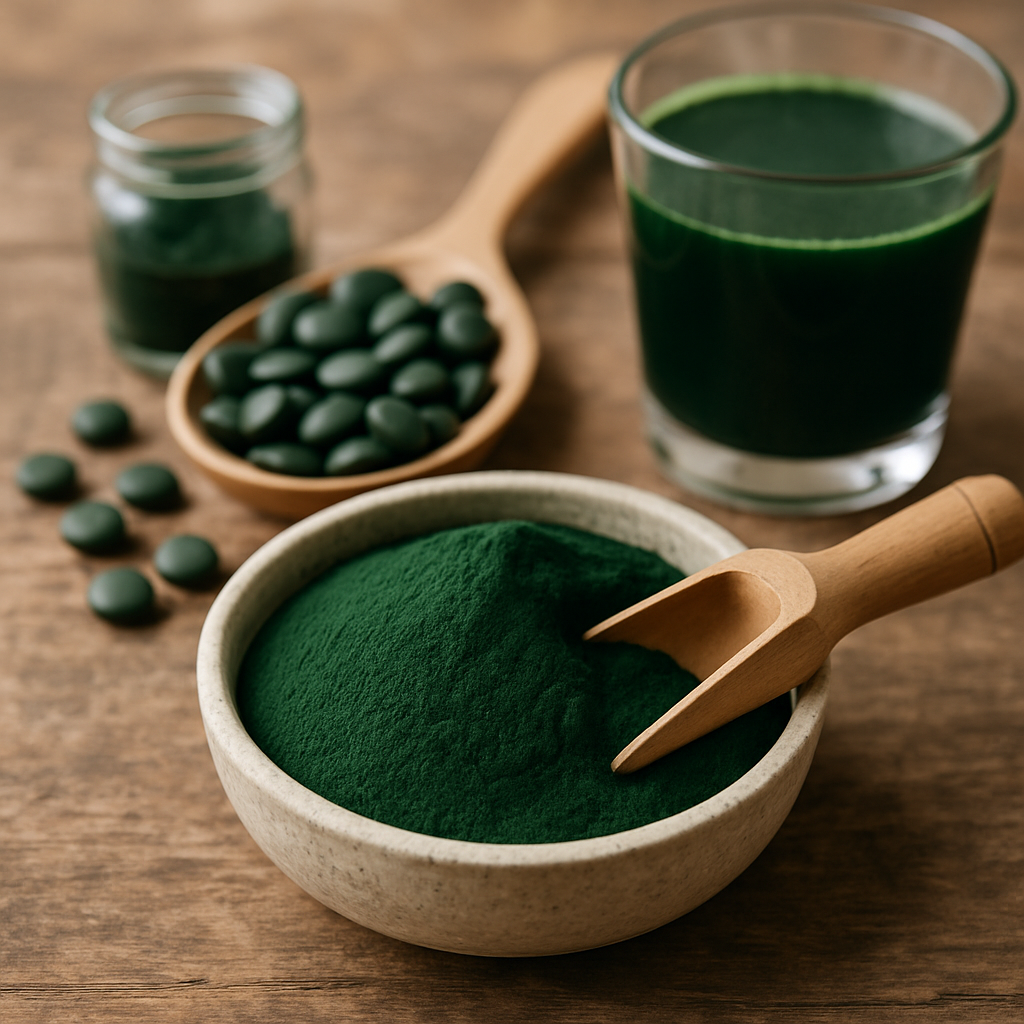
What Is Spirulina and Where Does It Come From?
Spirulina as an Algae and Natural Superfood
Spirulina is a type of blue-green algae that thrives in alkaline lakes and warm freshwater environments. Technically a cyanobacteria, it’s among the oldest life forms on Earth. Spirulina gained modern scientific attention when NASA considered it as a sustainable food source for astronauts.
What makes spirulina stand out is its nutritional content—packed with protein, B vitamins, iron, copper, and magnesium. Just one tablespoon of spirulina powder delivers a substantial nutrient boost. That’s why it’s especially favored by vegans, vegetarians, and athletes.
Spirulina in Ayurveda: Cooling, Nourishing, and Alkalizing Properties
While not traditionally listed in ancient Ayurvedic texts, spirulina aligns with Ayurvedic principles. It’s considered cooling, nourishing, and alkalizing. Its anti-inflammatory nature helps pacify Pitta dosha, and its pigments (like chlorophyll and phycocyanin) support detoxification and cellular renewal.
Ayurvedic practitioners often recommend it for boosting Ojas (vital energy), enhancing immunity, and supporting digestion—especially during times of stress or fatigue.
Spirulina Benefits for Body and Mind
Spirulina Protein and Micronutrient Density
Spirulina contains up to 60–70% protein by dry weight, making it a complete protein source with all nine essential amino acids. It’s also rich in essential fatty acids, B vitamins, iron, and antioxidants like phycocyanin. These help in:
-
Muscle recovery
-
Mental clarity
-
Metabolic function
-
Reducing oxidative stress
-
Enhancing oxygen delivery through iron support
Spirulina for Immunity, Energy, and Detox Support
Spirulina boosts immunity through its antioxidant, anti-inflammatory, and antiviral properties. Research shows it can stimulate antibody production and immune defense cells.
It’s also a detoxifying agent, helping the body eliminate heavy metals (especially arsenic) and supporting liver function. This detox action contributes to improved energy, alertness, and resilience.
What Is Spirulina Good For in Daily Wellness?
In everyday wellness, spirulina helps support:
-
Hormonal balance
-
Digestive health
-
Mood and focus
-
Skin clarity
It’s especially helpful during high-stress periods or low-energy days.
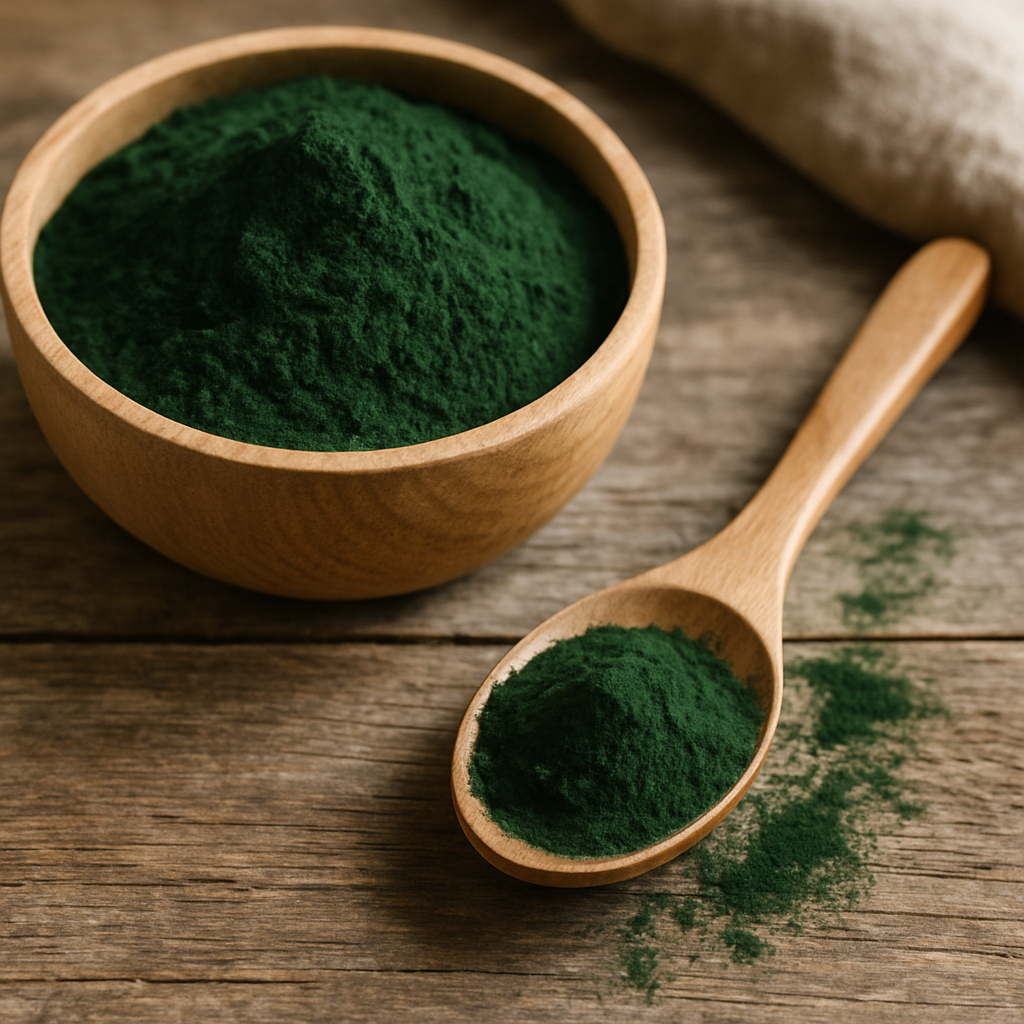
How to Use Spirulina in Daily Life
Adding spirulina to your routine is simple. The key is finding the right form and preparation method that suits your taste and lifestyle.
Spirulina Powder vs Tablets: Which Is Better?
Spirulina Powder
-
Most versatile
-
Great for smoothies, juices, dressings
-
Cost-effective
-
Strong earthy flavor
Spirulina Tablets
-
Convenient and tasteless
-
Easy for busy lifestyles
-
May digest slower
-
Choose high-quality, binder-free brands
Start with 1g per day and work up to 3–5g daily.
Spirulina Smoothie Ideas and Combinations
Here are some tasty smoothie ideas to help you enjoy spirulina:
Tropical Detox Smoothie
Pineapple, banana, coconut water, ginger, spirulina powder
Green Glow Smoothie
Spinach, cucumber, green apple, lemon, mint, spirulina
Blueberry Power Smoothie
Blueberries, almond milk, chia seeds, vanilla protein powder, spirulina
Tip: Combine with vitamin C-rich fruits to enhance iron absorption.
What Does Spirulina Taste Like and How to Mask It
Spirulina has a distinct, earthy, grassy, and slightly marine taste. If you’re sensitive to strong flavors, try these hacks:
-
Mix with citrus (lemon, lime, orange)
-
Blend with sweet fruits (banana, mango, pineapple)
-
Add nut butters (almond, peanut)
-
Combine with cacao or chocolate protein
You can also buy flavored blends that include natural sweeteners and masking agents.
Don't wait or self medicate. Start chat with Doctor NOW
Spirulina Side Effects and Who Should Avoid It
While generally safe, spirulina may cause initial side effects like:
-
Digestive upset
-
Mild headaches or dizziness
-
Rare allergic reactions
Contamination Risk
Spirulina from unregulated sources may contain toxins or heavy metals. Always choose third-party tested, organic brands.
Who Should Avoid Spirulina
-
Individuals with PKU (contains phenylalanine)
-
People with autoimmune conditions
-
Pregnant or breastfeeding women (consult a doctor)
-
Those on blood thinners or immunosuppressants
Always consult a healthcare provider if you have concerns.
Conclusion
So, what is spirulina really? It’s a nutrient-dense algae with powerful benefits rooted in both science and holistic wellness. With its high protein, antioxidants, and immune-boosting properties, spirulina offers energy, clarity, and detox support.
Whether you enjoy it in smoothies, tablets, or functional foods, spirulina can be a valuable part of your daily routine. Just remember to start small, monitor your body’s response, and always opt for clean, reputable sources.
FAQs
Does spirulina prevent B12 absorption?
Spirulina contains pseudo-B12, which isn’t bioavailable for humans. Some say it may interfere with true B12 absorption, though evidence is limited. If you're vegan, stick to reliable B12 sources and consult a nutritionist.
Does spirulina reduce belly fat?
Not directly. It supports weight management by curbing appetite, boosting metabolism, and fighting inflammation—but it's not a magic fat-burner. Use it alongside diet and exercise.
Does spirulina help with hair growth?
Yes—thanks to nutrients like iron, protein, B vitamins, and omega-6. It can improve scalp health and hair growth, but only with consistent use and good nutrition overall.
Questions from users
What are the environmental benefits of cultivating spirulina as a food source?
Michael
3 days ago
Cultivating spirulina is environmentally beneficial because it requires less land and water compared to traditional crops. This blue-green algae can grow in harsh conditions unsuitable for other agriculture, and it produces oxygen while removing carbon dioxide from the atmosphere. Spirulina farming often involves closed-loop systems, reducing pollution and water waste. It can produce more protein per acre than meat, rice, or soy, making it a sustainable alternative protein source. These factors make spirulina a viable component in efforts to enhance global food security and combat climate change.
Is spirulina a good source of protein for vegans?
Claire
13 days ago
Absolutely, spirulina can be a great protein source for vegans! It's packed with protein and other nutrients like iron and B vitamins, but remember it’s not your main B12 source, so still get B12 from other reliable vegan sources. It's always good to check in with a nutritionist to make sure you're getting everything your body needs.
What is spirulina and what are its main nutritional components?
Sutton
23 days ago
Spirulina's pretty fascinating! It's a type of nutrient-dense algae, known for being ultra rich in protein, B vitamins like B1, B2, B3, iron, copper, and magnesium. These nutrients make it awesome for natural energy, detox, and boosting immunity. That's why vegans, vegetarians, and even athletes love it!
Can spirulina help with muscle recovery after intense workouts?
Sofia
31 days ago
Spirulina might help with muscle recovery due to its high protein content and important minerals like magnesium. They can aid in tissue repair and reduce inflammation. But it’s not a miracle cure; keep a balanced diet and hydrate well too. Liste to your body, everyone's different so see what works for you!
Is it safe to take spirulina if I have a shellfish allergy?
Quincy
41 days ago
Yes, spirulina is usually safe for people with a shellfish allergy since it's a freshwater algae, not related to shellfish. But I would recommend starting small and monitoring your body's response. If you're concerned or have a sensitive system, it’s always a good idea to talk to a healthcare provider first. Keep an eye out for pure sources to avoid contaminants though!
Can I use spirulina as a natural energy booster during workouts?
Tanner
50 days ago
Yeah, you can definitely use spirulina as a natural energy booster for your workouts! Its rich protein, B vitamins, and iron content can help fuel your energy levels. Just make sure your digestive fire (agni) is good so you can absorb all its nutritional benefits! Start small, because too much might upset your stomach :)
Can spirulina enhance my immune system and overall health?
Aaliyah
60 days ago
Yep, spirulina might help boost immune system and improve overall health. It's loaded with nutrients like protein, B vitamins, iron, and magnesium, which are great for nourishing the body. And while not traditional in Ayurveda, its alkaline, cooling, and nourishing properties align well with Ayurvedic principles. Adding it to a balanced diet and lifestyle could work wonders!
What are the specific health benefits of spirulina beyond weight management?
Ava
69 days ago
Spirulina’s got more going for it than just weight stuff! It’s packed with antioxidants which help protect cells, and it's known for boosting immune resilience. Plus, it supports detox by helping get rid of heavy metals. Some say it enhances energy and even supports heart health by managing cholesterol levels. It's like an all-rounder for wellness!
Is it safe to take spirulina daily while pregnant or breastfeeding?
Zara
79 days ago
Spirulina is generally considered safe during pregnancy and breastfeeding, but it's always best to chat with your healthcare provider first. It's important to ensure it’s from a reputable source due to potential contamination. Different bodies react differently, so your doc can tailor advice to your specific needs. Stay well!
Can spirulina help improve exercise performance and recovery time?
Yara
89 days ago
Yeah, spirulina can help a bit with exercise performance—it’s got antioxidants and some nutrients like iron that might aid oxygen delivery, reducing oxidative stress can aid recovery too. But remember, everyone's different. Might be worth tryng it out and seeing if it works for you personally!
Related articles

Nutrition
How to Make Fennel Water: Ayurvedic Recipe, Benefits, and Daily Use
How to make fennel water? Learn the simple recipe, how to drink fennel water for weight loss, and the benefits of drinking fennel seeds water daily
8,367

Nutrition
How to Eat Chia Seeds with Water: Benefits, Timing, and Ayurvedic Methods
How to eat chia seeds with water? Discover when to drink chia water, how to use it for weight loss, benefits of soaking overnight, and Ayurvedic tips
15,241

Nutrition
How to Make Cinnamon Tea for Weight Loss: Recipes & Benefits
Exploration of Harness the Power of Cinnamon Tea for Natural Weight Loss and Metabolism Boost
7,477

Nutrition
How to Make Ghee at Home: Ayurvedic Methods
How to make ghee at home? Learn how to make ghee from butter, curd, milk, or cream using Ayurvedic methods, including pressure cooker and traditional techniques
3,473

Nutrition
Vidaryadi Ghritam – Traditional Ayurvedic Medicated Ghee for Holistic Wellness
Discover Vidaryadi Ghritam, a time-honored Ayurvedic medicated ghee formulation designed to rejuvenate tissues, balance doshas, and support nerve and digestive health naturally.
4,010

Nutrition
Dietetics and Its Solutions in Ayurveda
Ayurveda, also called the Science of Life has a two-folded aim, which is “Swasthasya Swasthya Rakshanam” i.e. to preserve the good health of the healthy, and “Aturasya Vikara Prashamanam” which means to cure the disease of the diseased.
3,119

Nutrition
Sumenta Tablet
Exploration of Sumenta Tablet
3,594

Nutrition
Is Ghee and Honey Combination Poisonous?
Is mixing ghee and honey really poisonous? Learn the Ayurvedic perspective, potential side effects, and how to safely consume ghee and honey together for health
17,868

Nutrition
Can We Eat Sweet Potato at Night? Ayurvedic Insights, Benefits, and Best Practices
Can we eat sweet potato at night? Learn if sweet potato before bed is good, its benefits, effects on weight loss, and when to eat it according to Ayurveda
15,295

Nutrition
Ayurveda: Ancient Wisdom for Health
Ayurveda is an ancient Indian system of medicine that focuses on achieving a balance between the body, mind, and spirit for overall well-being.
2,474
Related consultations on the topic
Legal
Additional Documents
© 2024 Ask Ayurveda. All rights reserved.