FREE! Ask Ayurvedic Doctors 24/7

 Fast responses
 1000+ verified doctors
Amavata Lakshana: A Comprehensive Overview

Joint pain is one of the most common complaints globally, affecting millions of people’s daily lives. In Ayurvedic medicine—an ancient holistic healthcare system originating in India—one condition frequently associated with chronic joint pain is Amavata. The term amavata lakshana refers to the characteristic signs and symptoms arising from a state in which metabolic waste (ama) interacts with the body’s vata dosha, leading to inflammation and pain in various joints.
The prevalence of rheumatoid arthritis (RA) worldwide is estimated to be 0.5% to 1% of the adult population, according to the
In this comprehensive guide, we’ll explore the amavata lakshana from an Ayurvedic perspective, examine its correlation with modern medical research, and discuss evidence-based strategies for managing joint discomfort. We will draw upon current peer-reviewed studies, recognized medical institutions, and standard clinical guidelines to present a balanced, credible overview.
Disclaimer: This article is for educational purposes only. It is not a substitute for professional medical advice, diagnosis, or treatment. Always seek the guidance of a qualified healthcare provider regarding any medical condition.
Table of Contents
-
What Is Amavata? Understanding the Basics
-
Amavata Lakshana: Key Symptoms and Diagnostic Indicators
-
Underlying Mechanisms and Scientific Correlations
-
Clinical Evidence and Current Research
-
Conventional Management vs. Ayurvedic Approaches
-
Dietary and Lifestyle Interventions
-
FAQs About Amavata Lakshana
-
Conclusion and Key Takeaways
1. What Is Amavata? Understanding the Basics
1.1 Origin in Ayurveda
In Ayurveda, the human body is governed by three primary energetic principles or doshas—vata, pitta, and kapha. Health is maintained when these doshas are in equilibrium, and diseases arise when this balance is disturbed. Ama(translated as “undigested food residue” or “toxic metabolic waste”) forms when the digestive fire (agni) is weakened. When this ama accumulates in the joints and interacts with an aggravated vata dosha, it leads to amavata.
1.2 Modern Medical Correlation
In modern clinical contexts, amavata is often compared to rheumatoid arthritis (RA), an autoimmune condition characterized by systemic inflammation, joint deformities, and chronic pain. While the exact pathophysiology differs, both RA and amavata involve:
-
Chronic inflammation of the joints
-
Immune dysregulation
-
Progressive damage to cartilage and bones
Because of these overlapping features, many practitioners bridge Ayurvedic concepts with modern rheumatological evaluations to offer a comprehensive approach to patient care.

2. Amavata Lakshana: Key Symptoms and Diagnostic Indicators
The term amavata lakshana refers to the hallmark signs and symptoms that indicate the presence and progression of amavata. Key clinical features include:
-
Joint Pain and Stiffness
-
Often worse in the morning or after periods of inactivity
-
Patients may describe a dull, throbbing, or radiating pain
-
-
Swelling and Inflammation
-
Warm, swollen joints, particularly the hands, wrists, knees, and ankles
-
In severe cases, joint deformities can develop over time
-
-
Digestive Complaints
-
Bloating, indigestion, and constipation are common due to ama accumulation
-
Loss of appetite or feeling of heaviness
-
-
Fatigue and Malaise
-
Persistent fatigue, sometimes accompanied by a low-grade fever
-
Reduced interest in daily activities
-
-
Reduced Mobility
-
Difficulty in performing tasks that require joint flexibility
-
Reduced range of motion in the affected joints
-
-
Systemic Signs
-
Generalized body aches, headache, and lethargy
-
In advanced stages, other organs may be involved due to the spread of ama
-
Diagnosing amavata traditionally involves a clinical evaluation of these symptoms alongside a detailed assessment of the patient’s dietary habits, lifestyle, and pulse diagnosis (nadi pariksha). Modern rheumatological tests, such as rheumatoid factor (RF), anti-cyclic citrullinated peptide (anti-CCP) antibody, and imaging studies like X-rays, MRIs, or ultrasounds, can provide additional confirmatory data.
3. Underlying Mechanisms and Scientific Correlations
3.1 Ayurvedic View of Ama and Vata
-
Ama Formation: When digestion is inefficient, partially digested nutrients turn into a sticky, toxic residue known as ama. This substance circulates in the body, eventually depositing in joints and soft tissues.
-
Vata Aggravation: Vata, which governs movement and nervous impulses, becomes aggravated due to various factors—stress, inconsistent routines, exposure to cold, or specific dietary triggers.
When aggravated vata pushes ama into the joints, it ignites a cascade of inflammation, swelling, and pain.
3.2 Autoimmune and Inflammatory Pathways
Modern science attributes rheumatoid arthritis and similar conditions to:
-
Autoimmune Reactions: The body’s immune system mistakenly attacks its own joint linings, resulting in chronic inflammation.
-
Cytokine Imbalance: Increased levels of inflammatory mediators like tumor necrosis factor (TNF) and interleukins contribute to the destruction of joint cartilage.
-
Genetic Susceptibility: Specific genetic markers (e.g., HLA-DR4) increase one’s risk for RA.
Several researchers have drawn parallels between these inflammatory mediators and the concept of ama in Ayurveda. A 2020 study in the Journal of Ayurveda and Integrative Medicine suggests that therapies aimed at reducing systemic inflammation could reduce the toxic “ama-like” substances in the bloodstream, thereby alleviating joint inflammation.
4. Clinical Evidence and Current Research
There has been growing interest in evaluating Ayurvedic treatments and lifestyle interventions for conditions like amavata. Key findings include:
-
Herbal Formulations
-
Ashwagandha (Withania somnifera): Shown to have anti-inflammatory and immunomodulatory effects (
PubMed ). -
Guggulu (Commiphora wightii): Known for its potential to reduce inflammatory markers like C-reactive protein (CRP).
-
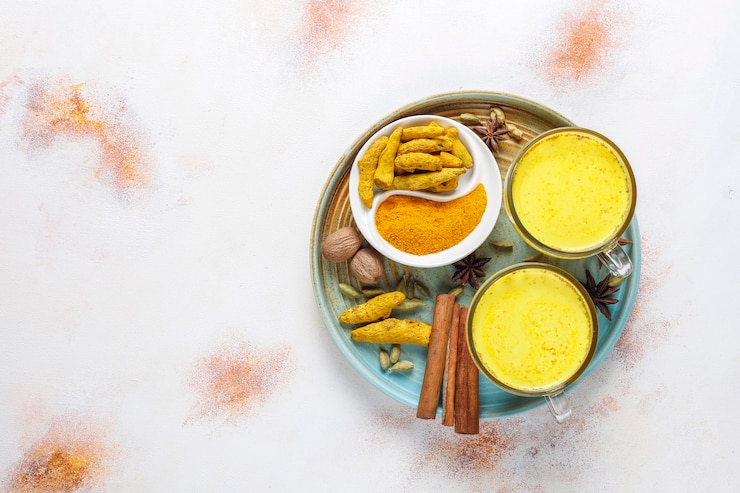
Turmeric (Curcuma longa): Contains curcumin, which has been studied extensively for its anti-inflammatory properties.
-
-
Panchakarma Treatments
-
Virechana (therapeutic purgation): Believed to help remove ama from the digestive tract, thereby reducing systemic inflammation.
-
Basti (medicated enema): A major component of panchakarma targeting the colon and balancing vata dosha, often reported to relieve joint stiffness.
-
-
Dietary Interventions
-
Anti-inflammatory diets rich in whole grains, fruits, and vegetables can significantly improve clinical outcomes, as per a meta-analysis from the American Journal of Clinical Nutrition.
-
-
Mind-Body Therapies
-
Yoga, meditation, and pranayama (breathwork) have shown stress-reducing benefits that could indirectly improve inflammatory markers and overall disease management.
-
While more large-scale, randomized clinical trials are necessary to draw definitive conclusions, these preliminary studies highlight the potential of integrative approaches in managing amavata lakshana effectively.
5. Conventional Management vs. Ayurvedic Approaches
5.1 Conventional Management
From a modern medical standpoint, rheumatoid arthritis and other inflammatory joint conditions are often managed using:
-
Nonsteroidal Anti-Inflammatory Drugs (NSAIDs): Help reduce pain and inflammation
-
Disease-Modifying Antirheumatic Drugs (DMARDs): Slow disease progression and joint damage
-
Biologic Agents: Target specific immune pathways (e.g., TNF inhibitors)
-
Physical Therapy: Helps maintain joint flexibility and muscle strength
Guidelines from the
5.2 Ayurvedic Approaches
On the other hand, Ayurvedic management focuses on treating the root cause—namely, the formation of ama and the imbalance of vata—by employing:
-
Dietary Regulation
-
Emphasis on easy-to-digest foods like kichadi (a mixture of rice, lentils, and spices)
-
Avoidance of cold, heavy, oily, or processed foods that aggravate ama
-
Incorporation of spices such as ginger, cumin, and fenugreek to improve digestion
-
-
Lifestyle Modifications
-
Maintenance of a consistent daily routine (dinacharya)
-
Adequate rest and moderate exercise, such as yoga or gentle stretching
-
Stress management techniques (e.g., meditation, deep breathing)
-
-
Ayurvedic Herbal Medications
-
Formulations like Rasna saptaka kashaya, Simhanada guggulu, or herbal mixes containing giloy (Tinospora cordifolia), a herb known to modulate immune responses
-
-
Therapeutic Procedures (Panchakarma)
-
Snehana (oleation therapies)
-
Swedana (therapeutic sweating)
-
Vasti or Basti (medicated enema)
-
These Ayurvedic therapies aim to detoxify the body, restore digestive fire, and balance vata. Many practitioners suggest combining conventional treatments with Ayurvedic procedures, under close medical supervision, to maximize benefits and reduce the side effects of long-term medication use.
6. Dietary and Lifestyle Interventions
Because amavata lakshana involves both metabolic and inflammatory processes, dietary and lifestyle measures can significantly support overall treatment:
-
Consume Light, Warm, and Easily Digestible Meals
-
Focus on soups, stews, cooked vegetables, and light grains
-
Include natural anti-inflammatory spices like turmeric, ginger, and black pepper
-
-
Stay Hydrated
-
Drink warm water or herbal teas (e.g., ginger tea) throughout the day
-
Avoid iced or refrigerated beverages that may aggravate vata
-
-
Regular Meal Times
-
Establish a routine to support healthy digestion and reduce ama formation
-
Avoid late-night meals or frequent snacking on heavy foods
-
-
Moderate Exercise
-
Engage in low-impact workouts like yoga, swimming, or walking
-
Avoid overexertion that might increase joint pain
-
-
Stress Management
-
Incorporate breathing exercises, guided meditation, or mindfulness techniques
-
Chronic stress can worsen inflammation and disrupt digestive processes
-
-
Adequate Rest
-
Aim for 7–8 hours of quality sleep to support tissue repair and immune function
-
Develop a consistent bedtime routine to regulate circadian rhythms
-
7. FAQs About Amavata Lakshana
7.1 Is Amavata the same as Rheumatoid Arthritis?
While not identical, amavata in Ayurveda closely aligns with many clinical features of rheumatoid arthritis. Both conditions involve chronic joint inflammation and systemic symptoms. However, Ayurveda encompasses a broader pathophysiological framework that includes metabolic waste (ama), dietary factors, and lifestyle imbalances.
7.2 How is Amavata diagnosed?
Ayurvedic diagnosis involves evaluating symptoms, dietary habits, and lifestyle factors, along with a detailed physical examination and pulse diagnosis. Modern tests such as rheumatoid factor (RF) or anti-CCP can be used for additional clarity, especially if rheumatoid arthritis is suspected.
7.3 Can I rely solely on Ayurvedic treatments?
Although some studies suggest beneficial effects of Ayurvedic therapies, it is generally recommended to follow an integrative approach. This may involve conventional medical treatments (like NSAIDs or DMARDs) and parallel Ayurvedic modalities under the guidance of qualified healthcare providers.
7.4 What role does diet play in managing Amavata?
Diet is crucial in Ayurvedic management. Reducing the intake of heavy, cold, or incompatible foods helps prevent ama formation. Meanwhile, eating warm, easily digestible meals supports the digestive fire (agni), thereby reducing the toxic burden on the joints.
7.5 Are there any side effects to Ayurvedic treatments?
Ayurvedic treatments, when prescribed by a qualified practitioner, generally have fewer side effects. However, self-medication or unregulated use of herbal supplements may lead to adverse reactions. Always consult a certified Ayurvedic doctor before starting any new regimen.
8. Conclusion and Key Takeaways
Amavata lakshana encapsulates the distinct clinical manifestations of a complex disorder where impaired digestion (ama) intersects with an aggravated vata dosha, leading to inflammatory joint pain. Modern medical insights correlate this condition with autoimmune disorders like rheumatoid arthritis, emphasizing the significance of systemic inflammation.
Key Takeaways:
-
Holistic Understanding: Amavata integrates digestive health, immune response, and lifestyle factors.
-
Early Diagnosis: Recognizing amavata lakshana—joint pain, swelling, stiffness, and digestive issues—can help initiate timely intervention.
-
Combination Therapies: An integrative approach combining conventional treatments (DMARDs, NSAIDs) with Ayurvedic therapies (herbal medicine, panchakarma) may yield optimal results.
-
Lifestyle Focus: Consistent routines, stress management, warm and light diets, and regular low-impact exercise are crucial in managing symptoms.
-
Professional Guidance: Always seek expert medical advice for an individualized treatment plan.
By bridging Ayurvedic wisdom with modern evidence-based care, individuals experiencing amavata lakshana can enhance their quality of life through effective disease management.
Call to Action: If you found this article helpful, please share it with friends, family, or colleagues who might benefit. For more in-depth discussions on holistic health or If you have specific questions or need personalized medical advice, our qualified Ayurvedic doctors are here to help—ask your question for free at Ask-Ayurveda.com.
References and Further Reading
-
World Health Organization (WHO):
Musculoskeletal Conditions -
American College of Rheumatology (ACR):
Clinical Practice Guidelines -
Journal of Ayurveda and Integrative Medicine: Various peer-reviewed articles on ayurvedic treatments
-
PubMed:
Research on Withania somnifera and Curcuma longa -
American Journal of Clinical Nutrition: Studies on anti-inflammatory diets
Disclaimer: This article is intended for educational purposes only. Consult a qualified healthcare provider to discuss any questions or concerns regarding your health situation.
Ask Ayurvedic doctor a question and get a consultation online on the problem of your concern in a free or paid mode.
More than 2,000 experienced doctors work and wait for your questions on our site and help users to solve their health problems every day.
Related articles