Ask Ayurvedic doctor a question and get a consultation online on the problem of your concern in a free or paid mode. More than 2,000 experienced doctors work and wait for your questions on our site and help users to solve their health problems every day.
FREE! Ask Ayurvedic Doctors 24/7

 Fast responses
 1000+ verified doctors
Body DetoxEar, Nose, and Throat DisordersGeriatrics & RejuvenationImmunodeficiencyInfertility TreatmentNutritionOrthopedic DisordersPediatricsRespiratory DisordersSexually Transmitted Diseases (STDs)Surgery RecoveryUrological DisordersVascular DisordersDental DisordersEndocrinological DisordersGastrointestinal DisordersYoga TherapyGeneral MedicineAllergic DisordersCardio DisordersGynecology and ObstetricsCosmetologySkin and Hair DisordersEye DisordersInfectious DiseasesMental DisordersNeurological DisordersOncologyPanchakarmaSexual Health & DisordersSports Medicine
Published on 04/09/25
(Updated on 07/11/26)
star_border 5
3,508
Samyak Virechana Lakshana: The Science of Proper Purgation

Introduction
Imagine a centuries-old practice recognized for its potential to cleanse the digestive system, restore balance, and promote overall health. Ayurveda, the ancient Indian system of medicine, has long advocated Panchakarma therapies for their profound benefits. Among these therapies is Samyak Virechana Lakshana, or the indication of a proper and complete purgation process. In modern healthcare settings, interest in Ayurvedic detoxification has surged, prompting scientists, clinicians, and integrative medicine experts to explore these practices under the lens of contemporary medical research. This article delves into the science behind Samyak Virechana Lakshana, its practical applications in healthcare, current research findings, and guidelines for safe adoption.
Table of Contents
-
Understanding Virechana
-
The Concept of Samyak Virechana Lakshana
-
Scientific Perspectives and Evidence
-
Mechanisms of Action
-
Clinical Applications and Potential Benefits
-
Indications and Contraindications
-
Preparation for Virechana
-
Signs of Proper Purgation (Samyak Virechana Lakshana)
-
Practical Tips and Step-by-Step Guide
-
Risks, Precautions, and Expert Consensus
-
Frequently Asked Questions (FAQ)
-
Conclusion and Call to Action
1. Understanding Virechana
In Ayurveda, Virechana refers to a therapeutic purgation procedure aimed at eliminating toxins (or “ama”) from the body. It is one of the five core procedures in Panchakarma therapy, alongside Vamana (therapeutic emesis), Basti (enema), Nasya (nasal administration), and Raktamokshana (bloodletting). While these terms might appear archaic, modern integrative medicine finds parallels in how controlled detoxification can potentially benefit gastrointestinal and metabolic health.
Because Virechana targets the Pitta dosha (the bio-energetic force in Ayurveda associated with fire and water), it is believed to help regulate acid production, metabolic processes, and digestive efficiency. Although Ayurveda is considered complementary or alternative by Western standards, a growing body of research examines its methods in a scientific context.
2. The Concept of Samyak Virechana Lakshana
Samyak Virechana Lakshana translates to the “proper signs of therapeutic purgation.” According to Ayurvedic texts, Virechana is deemed successful or “Samyak” when the patient exhibits certain signs and symptoms that indicate a balanced and complete elimination of toxins. Achieving Samyak Virechana Lakshana is critical to maximize therapeutic benefits while minimizing side effects.
3. Scientific Perspectives and Evidence
Recent studies published in the Journal of Ayurveda and Integrative Medicine and available on
Beyond gut health, preliminary studies indicate that Virechana may also impact inflammation levels and help with certain metabolic disorders. The exact mechanism remains under investigation, but scientists propose that controlled purgation may reset gut flora, reduce systemic inflammatory markers, and improve liver function by facilitating toxin elimination. Nonetheless, more robust data is required to form a consensus.
Don't wait or self medicate. Start chat with Doctor NOW
4. Mechanisms of Action
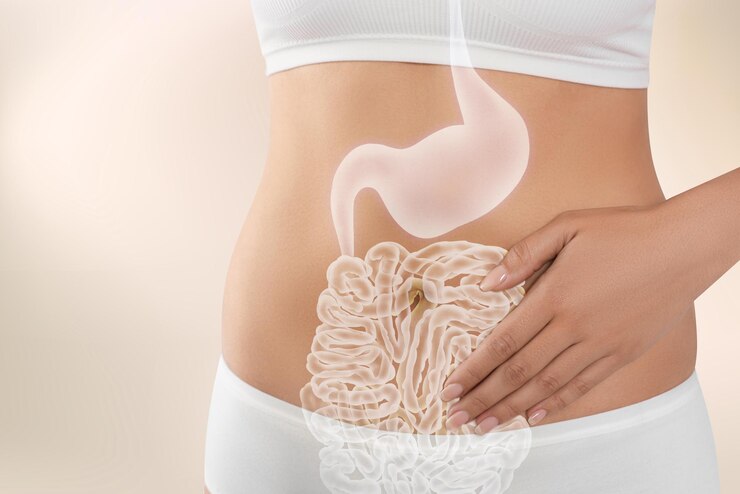
From a biomedical standpoint, purgation stimulates bowel movements, enhances peristalsis, and promotes the excretion of metabolic waste. Over the course of a Virechana therapy:
-
Bile Regulation: Since Pitta is often linked to bile production and digestive enzymes, purgation may help regulate bile secretion and reduce liver overload.
-
Gut Flora Modification: Encouraging bowel clearance can transiently alter gut flora composition, which may offer anti-inflammatory benefits.
-
Detoxification Pathways: Some experts suggest that a thorough cleanse may lighten the toxic burden on the liver and colon, supporting enhanced metabolic processes.
While these hypotheses offer intriguing insights, it’s essential to remember that individual responses to purgation can vary significantly based on genetics, health status, and other lifestyle factors.
5. Clinical Applications and Potential Benefits
Healthcare practitioners trained in integrative or Ayurvedic medicine may recommend Virechana for several conditions, including:
-
Chronic acidity and gastroesophageal reflux disease (GERD)
-
Skin conditions like psoriasis and eczema
-
Liver function optimization
-
Metabolic issues such as obesity or borderline diabetes
-
General digestive complaints like constipation or irregular bowel movements
However, official bodies like the
6. Indications and Contraindications
Indications
-
Persistent acid reflux
-
Skin inflammations aggravated by “heat” in the body
-
Elevated cholesterol or mild fatty liver
-
Certain autoimmune conditions (only under professional supervision)
Contraindications
-
Pregnancy or breastfeeding
-
Severe dehydration or malnutrition
-
Acute gastrointestinal infections
-
Bleeding disorders or uncontrolled diabetes
-
Recent abdominal or pelvic surgery
Because Virechana involves active purgation, it must be approached cautiously, especially in individuals with comorbidities. A thorough medical evaluation is essential.
7. Preparation for Virechana
Proper preparation increases the likelihood of achieving Samyak Virechana Lakshana. Preparation steps include:
-
Deepana-Pachana (Digestive Stimulation): Administering mild herbal formulations to ignite the digestive fire and ensure the absence of undigested food.
-
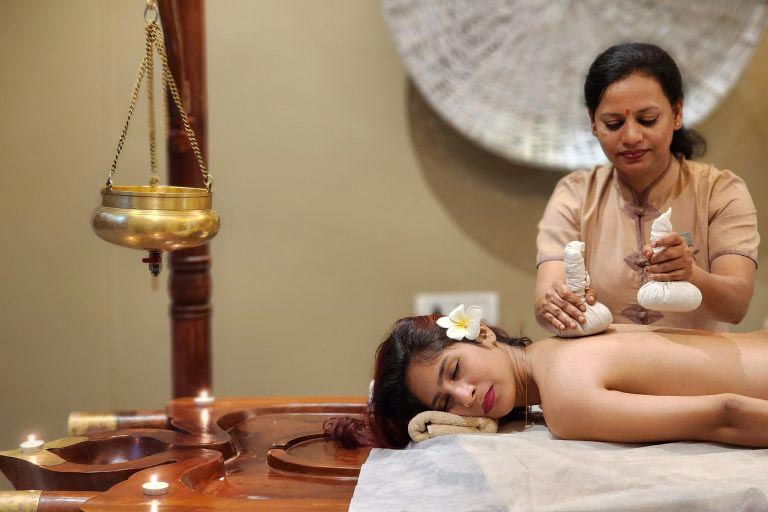
Snehana (Internal and External Oleation): Consuming medicated ghee or oils to lubricate the digestive tract. External oil massage (Abhyanga) may also be performed.
-
Swedana (Sudation Therapy): Using steam or heat therapy to further loosen toxins, making them more accessible for elimination.
-
Dietary Adjustments: Sticking to a light and easily digestible diet, often including warm soups, rice, and vegetables, helps optimize results.
8. Signs of Proper Purgation (Samyak Virechana Lakshana)
Achieving Samyak Virechana Lakshana is crucial. According to classical Ayurvedic literature, the signs include:
-
Reduced heaviness in the body and a feeling of lightness.
-
Clear and softened bowel movements devoid of excessive straining or discomfort.
-
Improved appetite and better digestion following the therapy.
-
Reduced sense of bloating or burning sensations in the stomach or chest.
-
Enhanced mental clarity and decreased irritability, often ascribed to reduced Pitta aggravation.
When these indicators manifest without severe complications like dehydration, cramping, or excessive fatigue, the purgation is considered complete and balanced.
9. Practical Tips and Step-by-Step Guide
Although Virechana should be performed under professional supervision, below is a general outline:
-
Consultation and Assessment
-
Talk to a qualified Ayurvedic physician or integrative medicine practitioner.
-
Undergo a thorough health evaluation (blood tests, medical history).
-
-
Pre-Procedural Preparation
-
Begin Deepana-Pachana for 3–5 days.
-
Undergo Snehana and Swedana for optimal detox readiness.
-
-
Choosing the Purgative
-
A practitioner typically decides on herbal formulations like Trivrit (Operculina turpethum) or other compounds based on individual constitution.
-
-
Administration Day
-
Consistent monitoring of vitals, fluid intake, and bowel frequency.
-
Intake of the purgative substance followed by warm liquids or special diets (like light porridge).
-
-
Observation Phase
-
Look for Samyak Virechana Lakshana signs (adequate bowel cleansing, lightness).
-
Watch out for any adverse reactions (excessive stool frequency, severe dehydration).
-
-
Post-Procedure Care
-
Gradual reintroduction of normal diet, starting with easily digestible foods.
-
Continued hydration, and follow-up visits to assess digestion and overall well-being.
-
10. Risks, Precautions, and Expert Consensus
Like any therapeutic intervention, Virechana carries potential risks if improperly administered. Over-purgation can lead to dehydration, electrolyte imbalance, and fatigue. Underdone or improper Virechana might not achieve the intended results, potentially leaving residual toxins in the body. Therefore, global medical communities encourage rigorous professional training, patient screening, and post-procedural follow-up.
Guidelines vary across international Ayurvedic communities, but a common consensus is to proceed only under expert supervision. A 2019 clinical guideline from the Central Council of Indian Medicine (CCIM) highlights the importance of standardized protocols to minimize complications.
11. Frequently Asked Questions (FAQ)
Q1: How often should one undergo Virechana?
Answer: Frequency depends on individual health conditions, dosha balance, and physician recommendations. Some individuals may benefit from a yearly purgation, while others might undergo it less often. Always seek personalized medical advice.
Q2: Is Samyak Virechana Lakshana achievable in a single session?
Answer: Typically, yes. A well-planned purgation therapy aims for complete cleansing in one carefully supervised session. However, the preparatory phase may take several days to optimize the body for proper elimination.
Q3: What if I don’t experience all the classical signs of Samyak Virechana Lakshana?
Answer: Not everyone will show textbook symptoms. The critical factor is feeling better, lighter, and noticing an improvement in digestion without adverse effects. A mild variation in signs is normal.
Q4: Are there scientific studies backing Virechana?
Answer: Emerging research, including small-scale clinical trials and observational studies, suggests potential benefits. However, most mainstream health organizations call for larger, well-controlled studies to firmly establish efficacy and safety.
Q5: Can I perform Virechana at home without supervision?
Answer: It is strongly discouraged to undertake therapeutic purgation unsupervised due to risks like dehydration and electrolyte imbalances. Consult a certified healthcare provider.
12. Conclusion and Call to Action
Samyak Virechana Lakshana holds a central place in Ayurveda’s vision of holistic health, helping the body remove excess Pitta and achieve an optimal state of balance. While contemporary medicine requires more robust evidence for definitive guidelines, emerging research points to the potential benefits of well-monitored purgation for digestive and metabolic health. Still, individual results can vary, and proper medical guidance remains paramount for safety and efficacy.
If you’re considering Virechana or want to explore integrative approaches to health, remember to consult your doctor or a certified Ayurvedic practitioner first. Research shows that expert supervision and accurate diagnosis can significantly enhance outcomes.
Share this article with friends, family, and anyone interested in holistic wellness. For more personalized guidance or to ask a question, visit AskAyurveda.com and connect with expert doctors for a free consultation. Stay informed, stay safe, and explore the ancient wisdom of Ayurveda through scientifically sound practices tailored to your modern lifestyle.
Disclaimer:
This article is for informational purposes only and does not substitute medical advice. Always consult a qualified healthcare professional before making any changes to your treatment regimen or lifestyle. The references to studies and organizations serve an educational purpose and do not imply endorsement.
Questions from users
How long does it typically take to see results from Virechana therapy?
Vada
1 day ago
You can typically expect to see results from Virechana therapy within 1 to 2 days after the procedure, as it is designed to promote bowel movements and excretion of toxins. The therapy's effects are immediate and aim to clear the digestive system. However, the full health benefits, including improved metabolic function and better digestion, might be more noticeable within a few weeks. It's crucial to be monitored by a healthcare professional throughout the process, and if you experience any adverse effects or the detoxification seems overly harsh, contact a doctor promptly.
Is it safe to try Virechana therapy if I have a pre-existing medical condition?
Aubrey
11 days ago
Trying Virechana with an existing medical condition should be discussed with a qualified healthcare professional or Ayurvedic practitioner. It's essential to understand how your specific condition and current medications might interact with the therapy to avoid any risks. Get personalized advice based on your unique situation, and always prioritize safety!
Can Virechana therapy help improve my skin condition as part of detoxification?
Harper
20 days ago
Yes, Virechana can potentially help improve skin conditions by purifying the body and balancing the doshas, especially if your skin issues are related to Pitta imbalance. It's like a deep cleanse for your system. But it's important to have it done under the guidance of a qualified Ayurvedic practitioner to ensure it's safe and effective for you. Always good to get their input on your specific condition!
What is the difference between Virechana therapy and other Ayurvedic cleansing methods?
Zayden
29 days ago
Virechana is a type of Panchakarma, focusing on purgation, specifically to clean out Pitta toxins through the bowels. It’s generally more intense compared to other methods like Bastis (enemas) or Nasya (nasal cleansing), which target different doshas. Each has its unique process & purpose tailored to individual needs. Always best to consult an Ayurvedic doctor!
What is the purpose of Virechana therapy in Ayurvedic medicine?
Zara
38 days ago
Virechana therapy is designed to cleanse the body of toxins, especially in the pitta dosha, which is linked to heat, metabolism, and digestion. By purging these toxins from the body, Virechana aims to restore balance and harmony, improve digestion, and promote overall well-being. It’s like resetting the body's natural rhythms to enhance health.
How to prepare my body for Virechana therapy effectively?
Patrick
48 days ago
So, getting ready for Virechana involves a few steps. You'll wanna start with Snehan (like oil consumption) and Swedana (sweating treatments) to loosen up toxins. A Pitta-balancing diet is key—avoid spicy, oily foods and stick to cooling, calming stuff. Keeping a light & consistent routine can help, too. Always best to do this under a pro's guidance to fit your unique prakriti!
What is the role of gut flora in the effectiveness of Virechana therapy?
Rory
57 days ago
The gut flora plays a mixed role in Virechana therapy. Some experts believe the purgation process helps "reset" the gut flora by clearing out harmful bacteria and fostering a healthier balance. On the other hand, it might temporarily disrupt your gut flora, so it’s essential to follow up with probiotics or gut-friendly foods to restore balance!
What is the duration of a typical Virechana therapy session?
Hudson
67 days ago
A typical Virechana therapy isn't just a single sesion. It usually spreads over several days, often involving three main phases: preparation, the purgation itself, and post-therapy care. The actual purgation might last one day, but the whole process, including prep and recovery, can take about 7-10 days. It can vary tho, depending on individual needs!
Can I perform Virechana therapy without consulting a healthcare provider?
Skylar
77 days ago
It's not a good idea to do Virechana without a healthcare provider. It's a pretty intense process and needs careful monitoring to prevent complications. Make sure you consult someone experienced in Ayurveda to ensure it suits your dosha and health condition. Safety first, you know?
What is the role of Virechana therapy in balancing body doshas?
Claire
86 days ago
Virechana therapy plays a role in balancing doshas, especially Pitta, by purging toxins and excess dosha from the body through controlled purgation. It aims to clear the digestive tract, improve liver function, and enhance gut flora balance. This process can reset body's natural balance but should be done carefully to avoid side effects like dehydration.
Related articles

Gastrointestinal Disorders
Ras Pachak Vati Uses: An Ayurvedic Solution for Digestive Wellness
Ras Pachak Vati is a time-tested Ayurvedic remedy for digestive wellness. Its ability to relieve indigestion, acidity, and bloating makes it a must-have for those seeking natural and holistic solutions for gut health
3,887

Gastrointestinal Disorders
Ayurvedic Medicine for Blood Clots: A Science-Based Overview
Explore how ayurvedic medicine for blood clot prevention complements modern therapies. Learn about research, best practices, and safe usage.
4,114
Gastrointestinal Disorders
Sudha Varga in Ayurveda – Health Benefits and Scientific Insight
Explore the Ayurvedic concept of Sudha Varga, its therapeutic uses, and the latest scientific findings supporting its role in holistic health.
3,026

Gastrointestinal Disorders
Kalasakadi Kashayam Benefits: Boost Your Health Naturally with Ayurveda
Explore the benefits, proper dosage, uses, and scientific evidence behind Kalasakadi Kashayam, a potent Ayurvedic herbal decoction for overall health.
2,939

Gastrointestinal Disorders
Drakshasava Uses, Side Effects, Dose, And Ingredients
Exploration of Drakshasava Uses, Side Effects, Dose, And Ingredients
4,439

Gastrointestinal Disorders
Krimi Kuthar Ras Benefits, Dosage, Ingredients, Side Effects
Exploration of Krimi Kuthar Ras Benefits, Dosage, Ingredients, Side Effects
5,953

Gastrointestinal Disorders
Ayurvedic Treatment for Gastritis: A Real Talk on Gut Healing
Let’s not sugarcoat it—gastritis sucks. Whether it hits you like a slow burn or drops you with sudden, stabbing upper-abdominal pain, it’s no walk in the park. Technically speaking, gastritis is inflammation of the stomach lining. But if you’ve dealt with
3,371

Gastrointestinal Disorders
Panchavalkala Churna: An Ayurvedic Solution for Holistic Healing
Panchavalkala Churna is a versatile Ayurvedic formulation that addresses various health concerns, from digestive disorders to skin care. Its natural properties make it a safe and effective option for those seeking holistic healing.
3,092

Gastrointestinal Disorders
Madhuyashtyadi Taila – Traditional Ayurvedic Oil for Healing and Rejuvenation
Discover the benefits and uses of Madhuyashtyadi Taila, a potent Ayurvedic herbal oil renowned for its wound healing, rejuvenation, and detoxification properties, enhancing overall wellness.
4,033

Gastrointestinal Disorders
Vilwadi Gutika: Scientific Insights & Practical Applications
Explore the science behind Vilwadi Gutika, its Ayurvedic origins, research findings, and expert tips for safe, effective use in holistic healthcare.
3,009
Related consultations on the topic
Legal
Additional Documents
© 2024 Ask Ayurveda. All rights reserved.