FREE! Ask Ayurvedic Doctors 24/7

 Fast responses
 1000+ verified doctors
Ayurvedic Massage: Abhyanga Practice for Body and Mind Rejuvenation
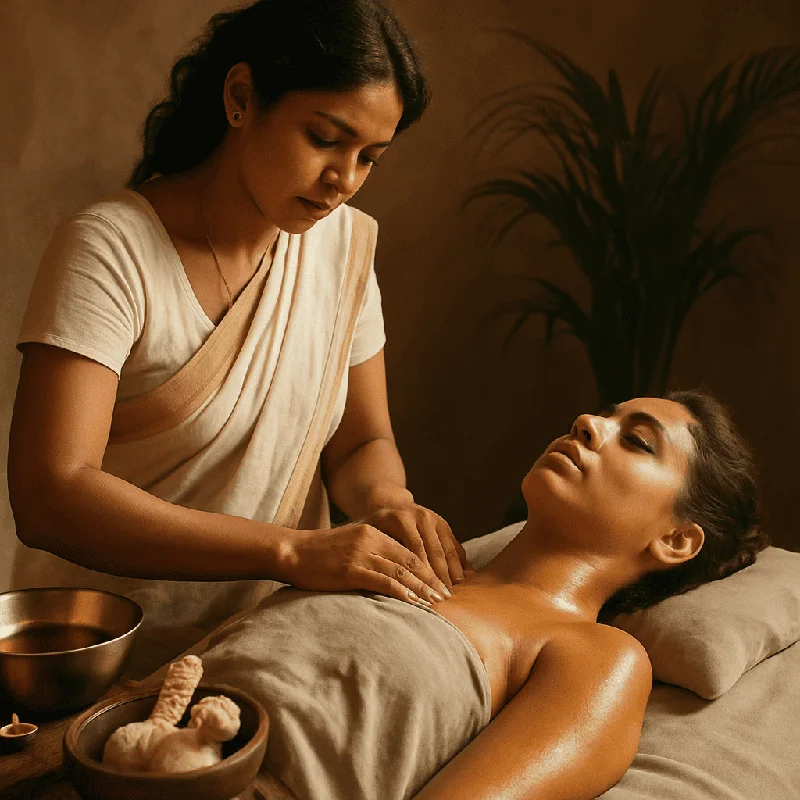
There’s something quietly powerful about ancient rituals — the ones that survived centuries of change and still make sense today. Ayurvedic massage, especially the practice of abhyanga, is one of those. Imagine a warm, rich oil trickling through your fingers, the steady pressure grounding you back into your body after a day of, well... everything. It’s not just about "relaxing," though that happens too — it’s about actual healing, physical and emotional.
Ayurvedic massage (I’ll use that term a few times because it's the umbrella we’re talking about) is gaining traction again because people are realizing: we don’t need another gadget or chemical potion to feel better. Sometimes we just need our hands, good oil, and a little patience. And trust me, once you experience the glow of abhyanga ayurvedic massage, it’s hard to go back.
What Is Ayurvedic Massage (Abhyanga)?
Ok, let's slow down a bit — what exactly are we talking about when we say ayurvedic massage or abhyanga?
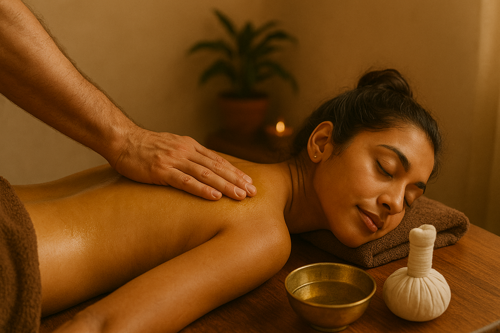
In Ayurveda (which, by the way, is a 5,000-year-old healing system from India), abhyanga is a daily self-care ritual involving a full-body warm oil massage. It’s not the deep-tissue elbow-digging you might expect from a Western spa. No, abhyanga is gentler, more rhythmic — like you're both massaging and feeding your body at the same time.
The oils are a big deal here — it’s usually medicated or herbal oils chosen specifically for your dosha (your mind-body constitution). More on that soon. But essentially, ayurvedic oil massage isn't just skin-deep. It’s a therapeutic technique that’s said to penetrate the tissues, nourish the organs, and, somehow, even stabilize emotions.
There’s also ayurvedic body massage done by professional therapists (especially in Kerala, where the kerala ayurvedic massage tradition is strong), but self-abhyanga at home is deeply encouraged. Ayurveda believes that daily oiling can literally slow aging, strengthen the immune system, and improve mental clarity. And I’ll be honest — after doing abhyanga regularly for a month, my skin looked like it belonged to someone who sleeps in a temple made of satin. I’m not kidding.
Benefits of Abhyanga Self-Massage
Physical effects: circulation, detox, skin nourishment
Let’s geek out for a second because the physical benefits of abhyanga ayurvedic massage are pretty mind-blowing.
When you warm the oil and massage it into your skin, you're doing a few important things all at once: stimulating circulation, enhancing lymphatic drainage, and deeply moisturizing the tissues. Picture it like lovingly wringing out your tired limbs, squeezing out toxins, and replacing them with nourishment.
Plus, ayurvedic oil massage is famous for improving skin texture. The oils used — like sesame, coconut, or almond — are packed with nutrients that the skin actually drinks in (unlike some synthetic creams that just sit there like clingfilm). Also, regular practice strengthens the joints, relaxes muscle tension, and honestly, makes you feel like you’re wrapped in a warm hug.
Side note: I used to have those weird "creaky" knee sounds during squats. After a few weeks of abhyanga, the creakiness — gone. Coincidence? Maybe. But I’m not betting against Ayurveda.
Mental/emotional benefits: stress relief, grounding, clarity
Now onto the softer, subtler magic: the mental and emotional stuff.
Ayurvedic head massage (yes, there's a whole thing for just the scalp, called ayurvedic scalp massage) can be especially soothing. The slow, intentional movement through the crown of the head actually calms the nervous system, balances prana (life force energy), and reduces anxious thoughts.
There's a real, tangible grounding effect after a session. You might start with a racing mind full of to-dos, and end up... just existing. Like a well-rooted tree swaying gently with life. Sounds dramatic, but anyone who’s experienced an indian ayurvedic massage will tell you — the emotional exhale is real.
I've personally had evenings when I walked into a session feeling frazzled and brittle and floated out feeling luminous, like someone had ironed out my entire aura.
How to Choose the Right Ayurvedic Oils
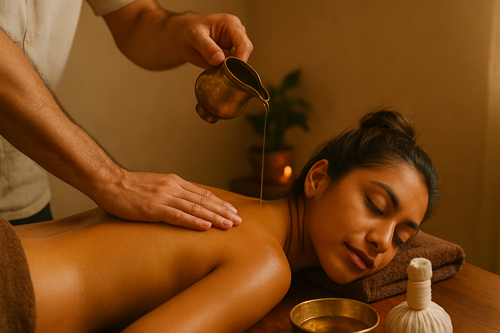
Here’s the thing: not all oils are created equal when it comes to ayurvedic massage. Choosing the right oil for your constitution (your dosha) is half the magic. It's a bit like finding the right pair of shoes — sure, you can wear anything technically, but the right fit changes everything.
In ayurvedic massage therapy, the oil acts almost like a bridge between you and balance — it carries the herbs' intelligence into your body, soothing whatever's out of whack. And trust me, you know when you get it right. It's like your body lets out a deep, silent "thank you."
Best oils for each dosha (Vata, Pitta, Kapha)
Let’s keep it simple. You don’t need to study Sanskrit to pick your oil.
-
Vata Dosha (air and space elements): Dry, cold, and often restless.
Best oils: Warm, heavy oils like sesame oil, ashwagandha-infused oils, or malkangani oil (staff favorite!). These oils anchor the nervous system and hydrate parched tissues. -
Pitta Dosha (fire and water elements): Hot, intense, often inflamed.
Best oils: Cooling oils like coconut oil, brahmi oil, or a special herbal mix called pitta-balancing oil. These soothe heat, irritation, and internal fires (both literal and emotional, ha). -
Kapha Dosha (earth and water elements): Dense, slow, sometimes heavy.
Best oils: Light, stimulating oils like mustard oil or triphala-infused oils. These oils invigorate and help move stagnation — kind of like poking a cozy bear awake after winter.
Tiny confession: I’m primarily Vata, but once in summer, I accidentally used a heavy sesame oil when I was already feeling overheated. Instant regret. I was basically a human pancake — heavy, sticky, miserable. Moral? Match your oil to your dosha and your environment.
How oils support skin health and internal balance
Beyond doshas, good ayurvedic oil massage nourishes the skin in ways lotions can’t dream of.
Why? Because oils are lipid-based, and our skin’s natural barrier is too. That means the nutrients actually absorb deeper, supporting hydration, elasticity, and resilience at the cellular level. If you deal with dryness, early wrinkles, irritation — daily abhyanga with the right oil can be a game-changer.
And internally? Oils pacify vata (which governs movement, including nerve impulses). This creates stability, better digestion, improved sleep, and even better mood regulation.
One last note: best ayurvedic massage experiences often involve using specially prepared oils with dozens of herbs cooked into them. If you get the chance to try one during a kerala ayurvedic massage, do it. It’s like an orchestra of plants playing a symphony on your skin.
How to Do Abhyanga at Home
You don’t need a full spa setup to bring abhyanga ayurvedic massage into your daily life. Honestly, you don’t even need more than 20 minutes. What matters is intention — that slow, loving attention you rarely give yourself.
Step-by-step routine and timing
Here’s a simple, real-world guide:
-
Warm the oil: Pour your chosen oil into a small bottle. Warm it by placing it in hot water for a few minutes (don’t microwave it, unless you like sad, microwaved chi).
-
Undress in a warm space: Ideally, somewhere you won’t slip and break a hip (seriously, oil and tile floors are not friends).
-
Start at the scalp: Massage warm oil into your head first. Use your fingertips, not your nails, with circular motions. This is ayurvedic head massage in action.
-
Work downward: Move to your face, neck, shoulders, arms — always stroking toward your heart. Long strokes on the limbs; circular on the joints.
-
Massage the abdomen and chest gently: Big, clockwise circles help digestion. Then move onto legs and feet — take your time here; ayurvedic foot massage is incredibly grounding.
-
Let it sit: Ideally, let the oil soak in for 15–30 minutes. Use this time to sip herbal tea, meditate, or simply zone out gloriously.
-
Shower smart: Use warm water and a mild soap only if necessary. Hot water opens pores and helps oils penetrate deeper.
Bonus Tip: Keep an old towel for this. Oil stains fabrics permanently — learned that the messy way.
When to avoid Abhyanga or seek professional care
There are a few times when self-abhyanga isn’t recommended:
-
During illness, fever, or severe digestive imbalance
-
Immediately after heavy meals
-
During menstruation for some women (though this varies individually)
-
If you have severe skin conditions or open wounds
In these cases, it’s better to consult an Ayurvedic practitioner. Sometimes, tailored therapies like indian ayurvedic massage sessions (done by trained therapists) are a better fit.
And hey — getting pampered by a pro is never a bad idea either.
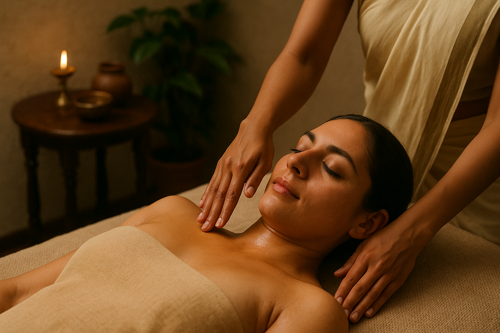
Ayurvedic Massage vs Western Massage
Ok, so if you’re wondering — how does ayurvedic massage stack up against, say, a typical Swedish or deep tissue massage? Fair question.
Western massage tends to focus primarily on muscles. You walk into a spa with tight shoulders; they dig in with elbows and fancy techniques until those knots surrender (or you cry uncle). It’s mechanical — therapeutic, for sure — but often centered on physical tension.
Ayurvedic massage therapy, on the other hand, is holistic to the core. Abhyanga doesn’t just aim to "fix" tight spots. It works to balance your entire energy system — mind, body, spirit — using touch, oils, rhythm, and intention. It's not about fighting the body but inviting it into balance.
Also, while Western massage often uses creams or unscented oils minimally, ayurvedic oil massage literally floods the body with warm, herbalized oils. We're talking generous, nurturing amounts. Your skin becomes a sponge, your nervous system a purring cat.
Quick imaginary scene: my friend once booked a kerala ayurvedic massage during a backpacking trip in India. She expected "a little oil and a nice rub." Instead, she practically had to swim home afterward, totally blissed out. (And her skin glowed for days.)
In short: Western massage treats muscles. Ayurvedic massage nourishes the whole being.
Conclusion
Here’s the honest truth: in a world sprinting toward faster fixes and digital everything, practices like abhyanga ayurvedic massage feel almost rebellious. They slow you down. They demand your presence. They nurture parts of you that modern life forgets.
Whether you’re drawn to the deep relaxation of ayurvedic scalp massage, the physical strengthening of ayurvedic foot massage, or simply the cozy, grounding hug that is daily ayurvedic body massage, there’s something in this tradition that resonates at a primal, human level.
And you don’t need to book a flight to India or spend hundreds at a spa. You just need a bottle of oil, your hands, and the willingness to tune in.
If you’re reading this, maybe it’s your sign: try Abhyanga. Start small. Feel it out. Mess it up a little. (That's real life, right?) And watch how something so simple can begin to shift everything.
Start your ayurvedic massage journey today — grab your favorite dosha-balancing oil, carve out a quiet half-hour, and give yourself the gift of real self-care. You deserve it.
FAQs
Can anyone practice Abhyanga, or are there any restrictions?
Most people can enjoy abhyanga safely, but if you're very ill, have a fever, active skin infections, or specific medical conditions, consult an Ayurvedic practitioner first. In Ayurveda, sometimes different therapies are recommended depending on your situation.
How often should I practice Abhyanga?
Ideally? Daily. Realistically? Start with a few times a week. Even once a week offers real benefits. The best ayurvedic massage habits are the ones that feel sustainable, not like another stressful "to-do."
Is Ayurvedic massage safe for sensitive skin?
Usually yes — especially if you use gentle, organic oils. But always do a small patch test first. For extremely reactive skin, you might want to avoid strong herbal oils and stick with plain sesame or coconut oils.
What time of day is best for self-massage in Ayurveda?
Morning is traditionally best — it sets a calm, centered tone for the whole day. But honestly, whenever you can make space for it is perfect. Even an evening ayurvedic head massage can help you sleep like a baby.
References
Here are some excellent, trustworthy resources if you want to dive deeper into Ayurvedic practices:
-
National Center for Complementary and Integrative Health (NCCIH) -
The Ayurvedic Institute -
Kerala Ayurveda Academy -
National Ayurvedic Medical Association (NAMA)
Ask Ayurvedic doctor a question and get a consultation online on the problem of your concern in a free or paid mode.
More than 2,000 experienced doctors work and wait for your questions on our site and help users to solve their health problems every day.
Related articles