आयुर्वेदिक डॉक्टर से प्रश्न पूछें और निःशुल्क या भुगतान मोड में अपनी चिंता की समस्या पर ऑनलाइन परामर्श प्राप्त करें। 2,000 से अधिक अनुभवी डॉक्टर हमारी साइट पर काम करते हैं और आपके प्रश्नों का इंतजार करते हैं और उपयोगकर्ताओं को उनकी स्वास्थ्य समस्याओं को हल करने में प्रतिदिन मदद करते हैं।


Body DetoxEar, Nose, and Throat DisordersGeriatrics & RejuvenationImmunodeficiencyInfertility TreatmentNutritionOrthopedic DisordersPediatricsRespiratory DisordersSexually Transmitted Diseases (STDs)Surgery RecoveryUrological DisordersVascular DisordersDental DisordersEndocrinological DisordersGastrointestinal DisordersYoga TherapyGeneral MedicineAllergic DisordersCardio DisordersGynecology and ObstetricsCosmetologySkin and Hair DisordersEye DisordersInfectious DiseasesMental DisordersNeurological DisordersOncologyPanchakarmaSexual Health & DisordersSports Medicine
पर प्रकाशित 05/12/25
(को अपडेट 08/10/26)
5
3,911
So, Is Curd Really That Great? Let’s Talk About the Disadvantages of Eating Curd

Introduction: Disadvantages of Eating Curd & What Ayurveda Really Thinks
Okay, let’s just get this out of the way: curd is everywhere. It’s in our breakfasts, our lunches, sometimes even dinners (and yeah, raita counts). It’s been passed down generations like some sacred dairy relic, praised for its “cooling” effects, digestive benefits, and protein content. It’s creamy, tangy, comforting. And also… it might not be as harmless as we think.
This article isn’t about canceling curd. It’s about rethinking it—especially if you’re on an Ayurvedic path or simply trying to live more in tune with your body’s deeper rhythms.
Now, Ayurveda, the 5,000-year-old Indian system of medicine and life wisdom, doesn’t throw blanket bans around. It doesn’t say “curd is evil” or “you must never eat it again.” But it does say something incredibly important: what’s good for one person can mess up another entirely. And this is where the real story begins.
Why This Matters More Than You Think
The problems with curd aren’t just hypothetical. People report:
-
Feeling heavy and bloated.
-
Having skin issues flare up.
-
Catching colds more frequently.
-
Experiencing poor digestion or sluggishness.
But what if the issue isn’t curd per se, but how and when you’re eating it—or whether it suits your body type at all?
That’s where Ayurveda steps in with a kind of gentle authority. It encourages us to stop looking at food in terms of calories or trends and start understanding its energetic qualities—heating vs. cooling, dry vs. moist, light vs. heavy—and how they interact with you specifically.
What You’ll Get From This Article
-
A real-deal Ayurvedic breakdown of why curd might not be your friend.
-
Dietary and lifestyle tweaks that’ll save you from the hidden side effects.
-
Practical, honest reflections—think of it like your slightly health-obsessed friend sharing what worked (and what definitely didn’t).
-
Actionable tips, not abstract Sanskrit-filled lectures.
Whether you’re struggling with digestion, feeling foggy, or just curious about Ayurveda’s take on common foods, this guide is going to gently nudge you toward clarity.
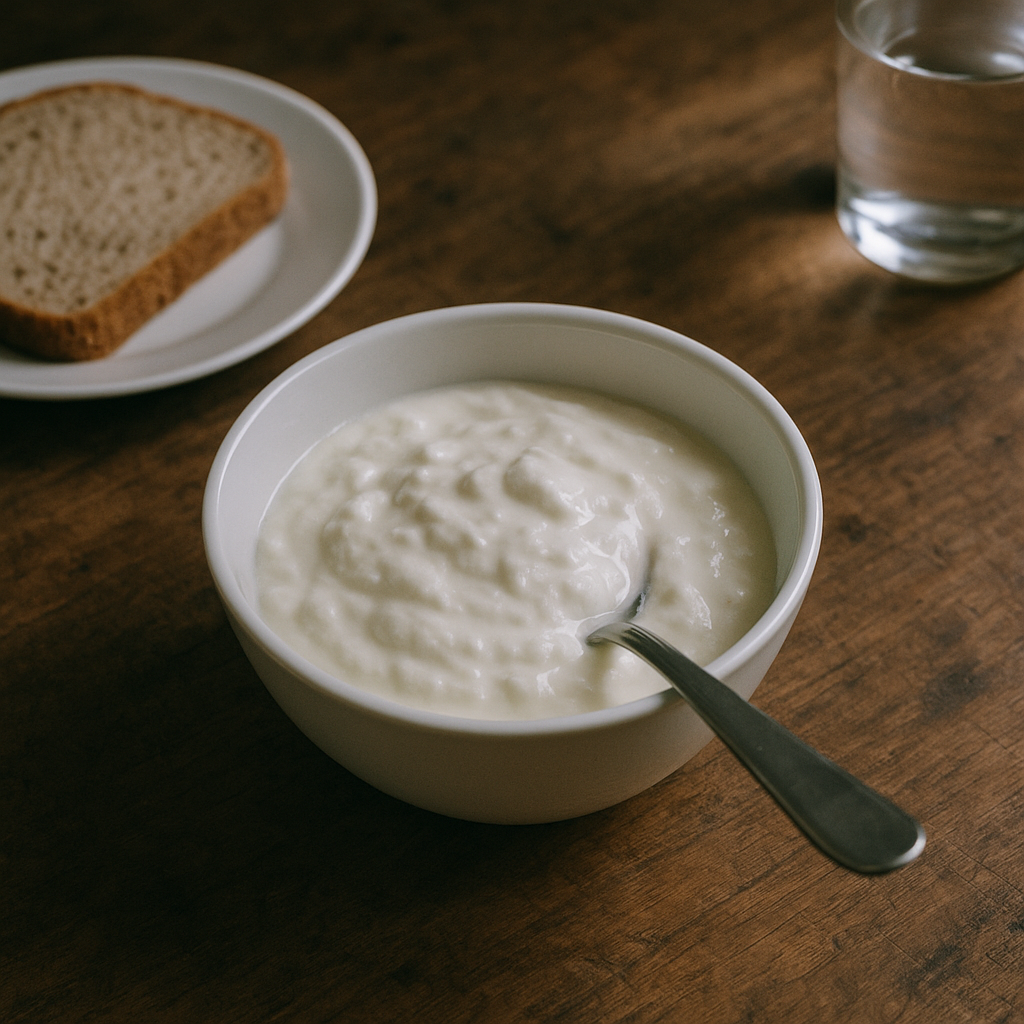
Understanding the Role of Ayurveda in Managing the Disadvantages of Eating Curd
Now, when people first hear that curd might be bad, they either laugh it off—or panic. Because let’s face it, it’s a dietary staple. But according to Ayurveda, this isn’t about dramatic food shaming. It’s about balance. Always balance.
What Ayurveda Says About the Disadvantages of Eating Curd
In Ayurvedic terms, curd (or dahi) is considered heavy (guru), hot in potency (ushna), sour (amla rasa), and kapha-aggravating—especially when eaten the wrong way.
Ayurvedic texts actually warn against regular consumption of curd, particularly:
-
At night (hello sinus issues).
-
In excess.
-
In combination with incompatible foods (like fruit or fish).
-
During spring or monsoon seasons.
Why? Because curd tends to increase kapha and pitta doshas, which can lead to:
-
Mucus formation.
-
Inflammation.
-
Skin problems like acne or eczema.
-
Lethargy and mental dullness.
-
Poor digestion (even if it feels cooling in summer!).
Honestly, once I started looking at curd through this lens, it all started making sense. That bloated feeling? The sudden cold after a yogurt-rich dinner? The stubborn skin breakouts? All potentially linked.
How Ayurvedic Lifestyle & Diet Directly Impact This
See, in Ayurveda, no food exists in isolation. It’s part of a whole ecosystem—your sleep, your daily habits, your emotional state, even the season you’re in.
Eating curd after a stressful day when you’ve skipped lunch and had five coffees? Not ideal. Eating it with spicy biryani and sweet gulab jamun? Recipe for internal chaos.
Ayurvedic lifestyle encourages:
-
Eating with mindfulness.
-
Following seasonal rhythms (Ritucharya).
-
Making small changes based on your body’s signals.
And when curd is involved, all of this matters even more. Because the thing is, it’s a dense, fermenting food. That means it can easily block channels if digestion is weak or the environment inside your body is damp and sticky (a classic kapha scenario).
The Importance of Individualized Ayurvedic Approaches
And here’s where we get super honest: not everyone has to quit curd.
Some people with a strong digestive fire (Agni), a predominantly Vata constitution, or a very dry body type might actually benefit from small, well-prepared amounts of fresh curd. But even then—it has to be fresh, never sour, and always combined with digestive spices.
What works for one person might totally derail another. Ayurveda’s beauty lies in this exact personalization.
So rather than label curd as “bad,” the question becomes: Is curd bad for you, right now, in this season, in your current state of health?
The rest of this article will help you answer that.
Ayurvedic Dietary Guidelines for the Disadvantages of Eating Curd
Let’s dive into the part where Ayurveda gets really specific—what to eat, what to avoid, and how to actually make it work in daily life. Because yes, curd may have its downsides, but Ayurveda isn’t about fear—it’s about intelligence. Let’s use food wisely.
Foods Recommended by Ayurveda If You’re Dealing with Curd-Related Issues
So, if you suspect curd is messing with your digestion, skin, sinuses, or energy levels, here’s what to eat instead.
-
Buttermilk (Takra): It’s the number one substitute. Properly prepared buttermilk (with water, spices, and churned well) is lighter, aids digestion, and doesn’t leave behind the mucus trail curd can.
-
Moong dal soups: Light, nourishing, easy on digestion—goodbye heaviness.
-
Cooked vegetables: Especially bitter and astringent ones like bottle gourd, fenugreek leaves, and spinach.
-
Warm spices: Ginger, cumin, ajwain, hing—these stoke the digestive fire and help burn off excess kapha.
-
Grains: Millet, barley, old rice—all balancing for kapha, and won’t add to the dampness.
Personally, when I switched from curd to thin, spiced buttermilk, my sinuses literally thanked me.
Foods Ayurveda Suggests Avoiding If You’re Experiencing Curd’s Side Effects
This list might hurt a little. But trust me, once you feel the difference, you won’t even miss this stuff.
-
Night-time curd: Never. Just don’t. It’s like calling a cold, wet blanket your dinner date.
-
Heated curd: This is a big one. Curd should never be cooked. It becomes even more heavy and tamasic.
-
Sweet-curd combos: Mixing curd with sugar, fruit, jaggery, or even ghee = recipe for Ama (toxic buildup).
-
Leftover curd: Fresh is good. Anything more than a few hours old? Forget it.
Also, watch out for store-bought flavored yogurts. They’re basically dessert disguised as health food.
Meal Planning and Timing Tips in Ayurveda (Curd-Specific)
-
If you must eat curd, make it midday, when digestive fire (Agni) is strongest.
-
Always combine with pippali, black pepper, or a pinch of rock salt to balance its heaviness.
-
Never, and I mean never, have curd with fish, meat, or fried food. That’s indigestion, fatigue, and skin issues waiting to happen.
-
Don’t follow curd with fruit. Just… don’t.
It sounds complicated at first, but think of it like learning a dance. Eventually, it becomes instinctual.
Hydration & Beverage Tips (Because Digestion Matters)
-
Warm water with ginger slices: Helps balance the mucus-forming effect of past curd overuse.
-
Cumin-coriander-fennel tea: Sip throughout the day to pacify aggravated doshas.
-
Avoid cold drinks or iced water—especially with meals. It kills Agni and makes curd’s negative effects worse.
And if you’re still hooked on lassi? Switch to thin, room-temperature buttermilk with roasted cumin.

Ayurvedic Lifestyle Practices to Offset Curd’s Downside
What you eat is half the story. How you live—what time you wake up, how you sleep, how you breathe—these things can tip the scale when dealing with the effects of curd. Because curd isn’t always the villain. Sometimes, our overall imbalance just makes it a trigger.
Daily Ayurvedic Routines (Dinacharya) That Help
-
Tongue scraping every morning: Sounds weird, but it removes built-up Ama (toxins) from overnight digestion—especially if curd has been clogging your system.
-
Warm oil massage (Abhyanga): Daily sesame oil massages help move stuck Kapha and lymph—especially if curd has left you feeling sluggish.
-
Early rising: Kapha is strongest in the morning (6–10 AM). Sleeping late + curd? Double kapha, double trouble.
Not a fan of routine? Start with just one thing: scrape your tongue every morning. Watch what changes.
Sleep Patterns That Matter
-
Avoid sleeping right after a curd-heavy meal. Even if it’s tempting.
-
Late nights + curd = toxic combo. You’ll feel puffy, foggy, and maybe even depressed.
-
Go to bed around 10 PM. Your body will digest better while you sleep, not after you force it to digest at 1 AM.
Personal Care Practices to Balance Curd’s Effects
-
Nasya (nasal oil drops) helps when curd has caused congestion.
-
Herbal mouth rinses (triphala water, turmeric gargles) help clear excess mucus from curd abuse.
-
Use dashamoola oil or mahanarayan oil for massages—both are deeply balancing and decongesting.
Yoga & Breathing Techniques to Balance Curd’s Side Effects
Yes, yoga. Because sometimes the food damage isn’t just in the gut—it lingers in your lungs, joints, and mind. And I swear, fifteen minutes on the mat can fix what an hour of overthinking won’t.
Yoga Asanas That Help When Curd Feels “Too Much”
Think cleansing, uplifting, and circulation-friendly:
-
Bhujangasana (Cobra Pose) – Great for lung capacity.
-
Trikonasana (Triangle Pose) – Stimulates digestion.
-
Matsyasana (Fish Pose) – Opens sinuses and chest.
-
Ustrasana (Camel Pose) – Clears emotional heaviness and chest congestion.
Skip the really heavy, sweat-drenched workouts. You want circulation, not chaos.
Pranayama to Undo the Mucus & Fog
Curd’s effects on kapha can be so real—mental dullness, congestion, low energy. Breathwork is your golden key.
-
Kapalabhati – Clears kapha from head and sinuses. Like, actually.
-
Anulom Vilom – Balances both nostrils, reduces internal agitation.
-
Bhastrika – If you feel heavy and sluggish, this fire breath reboots your system.
Don’t overdo it. Start with 3–5 minutes. Consistency > intensity.
How Often Should You Practice?
-
Daily, if possible. Even 10–15 minutes of yoga and 5 minutes of breathwork make a huge difference.
-
If you can’t commit every day, aim for 3–4 times a week.
-
Best time? Morning, before breakfast, empty stomach.
And yes, it’s totally okay to skip one day and feel like crap the next. Just come back. Ayurveda and yoga both forgive easily.
स्वयं दवा न लें और प्रतीक्षा न करें। अभी डॉक्टर से चैट शुरू करें
Stress Management and Emotional Health Advice for Curd-Related Imbalances
This one might surprise you, but Ayurveda often links emotional stagnation with kapha imbalances. And curd, when taken excessively or wrongly, can amplify that.
Ayurvedic Techniques to Reduce Stress If Curd’s Weighing You Down
-
Abhyanga (oil massage) again—it’s grounding but also emotionally releasing.
-
Aromatic rituals: Burning frankincense or camphor helps “cut through” kapha fog.
-
Warm bath with rock salt and a few drops of eucalyptus oil – honestly, this one just works.
Also, journaling helps. Even if it’s just “I think curd is messing up my life, but I still crave it every other day.”
Meditation and Mindfulness Practices That Actually Work
-
Trataka (candle gazing): Clears mental dullness and boosts focus.
-
Guided body scans: Especially if you feel “numb” after heavy food.
-
Walking meditations in the morning sun – honestly, magic for kapha.
Start small. Two minutes of silence. One deep breath. That’s still better than nothing.
Emotional & Psychological Considerations (Ayurvedic Angle)
Heavy foods can lead to heavy thoughts.
-
Curd, when eaten in excess, can lead to mental inertia—a kind of foggy apathy.
-
Emotionally, kapha imbalance often shows as attachment, resistance to change, and emotional overeating.
So maybe it’s not just about the food. Maybe curd is just the symbol. The habit. The thing we reach for when we don’t want to feel.
Practical Ayurvedic Home Remedies and Recipes for the Disadvantages of Eating Curd
Look, we’ve all been there—eaten too much curd, the wrong way, and now we’re bloated, congested, or just feeling "off." Thankfully, Ayurveda doesn’t just say “don’t do that.” It also hands us remedies that are shockingly simple and actually work.
Simple and Effective Home Remedies to Undo Curd’s Effects
-
Cumin-Coriander-Fennel Tea (CCF Tea)
Boil 1 tsp each of cumin, coriander, and fennel in 2 cups of water. Sip warm throughout the day. This is the unofficial holy trinity for “I had curd and now regret it.” -
Ginger-Hing Paste
Mix a pinch of asafoetida (hing), grated fresh ginger, and a few drops of lemon juice. Lick this before meals if you’ve been eating a lot of curd lately. It fires up Agni. -
Triphala Powder at Night
Mix ½ tsp of Triphala powder in warm water and drink before bed. Helps clear Ama and balance digestion. -
Buttermilk with Rock Salt and Roasted Cumin
Not technically a “remedy,” but a safer, lighter alternative to curd that actually improves digestion.
Ayurvedic Recipe Ideas to Support Curd Detox
-
Takra with Curry Leaves & Mustard Seeds
Churn ¼ cup fresh curd with ¾ cup water, add a pinch of rock salt, crushed curry leaves, and temper with mustard seeds + hing in ghee. This tastes good and works even better. -
Moong Dal Khichdi with Ghee & Spices
Light, comforting, and a go-to if your stomach feels heavy after curd. Add fennel, ginger, turmeric. -
Turmeric Rice with Lemon
Sounds basic, but turmeric helps with inflammation, and lemon cuts through mucus buildup.
Prep Tips: Ayurvedic Rules That Make a Difference
-
Always churn curd if using it in buttermilk — never just dilute it lazily.
-
Use earthen or wooden utensils when possible — steel disrupts the energetic profile of fermented foods.
-
Don’t refrigerate curd if you’re planning to consume it Ayurvedically. Cold + sour = disaster.
Weird how curd becomes less appealing the more you learn, right?
Common Mistakes & Misconceptions About Ayurvedic Lifestyle for Curd
Oh boy. This one’s a landmine. You’ve probably heard half-truths like “curd is good for digestion” or “yogurt is a probiotic, so it must be healthy.” Let’s clear the fog.
Common Myths About Curd in Ayurveda
-
“Curd is always good for the stomach”
Nope. Not if your Agni is weak, it’s the wrong time of day, or it’s mixed with incompatible stuff. -
“Curd is the same as yogurt”
Technically no. Western-style yogurt is different (and often pasteurized or full of sugar). Ayurveda makes a big deal about how curd is made. -
“Lassi and buttermilk are interchangeable”
Not quite. Proper Takra is churned, diluted, spiced, and digests way easier than a sugar-laden lassi.
Typical Mistakes People Make
-
Eating curd at night, after dinner, “to cool the body.” (Wrong time!)
-
Mixing curd with fruit. (Banana + curd = internal warfare.)
-
Heating curd or adding it to hot curries. (Transforms into a toxic mess.)
-
Having curd daily without understanding their prakriti (body type).
Honestly, I used to do every one of these until I got hit with an allergic cold that lasted 10 days.
How to Actually Avoid These
-
Just stop eating curd after sunset. That’s a game-changer right there.
-
Use spiced buttermilk instead—make it your go-to midday drink.
-
Be curious. Ask your body how it feels after a meal. Your body tells you more truth than a nutrition label ever will.
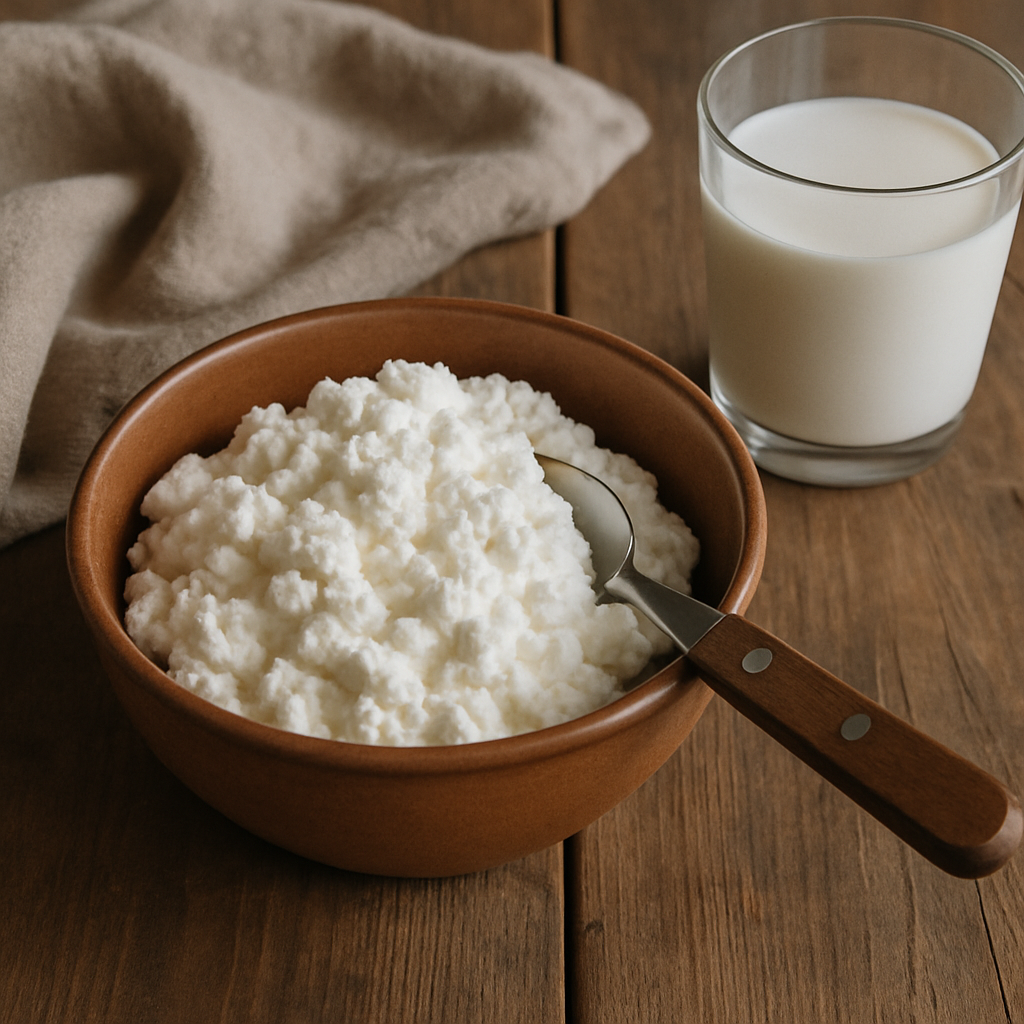
Real-Life Stories & Testimonials About Giving Up (or Tweaking) Curd Intake
Let’s hear it from some fictional-but-real-sounding friends who’ve been through the curd chaos.
How One Guy Beat Chronic Sinus with a Simple Swap
“I used to get sinus infections every month. My doctor gave me antibiotics. My aunt told me to stop curd. I laughed. Then I stopped curd for a month. No sinus infection. Coincidence? Maybe. But I haven’t touched curd since.”
— Rahul, 32, Bangalore
From Bloating to Clarity — A Designer’s Story
“Every time I ate raita, I felt foggy for hours. I blamed my laptop. Then someone at yoga class told me to try cumin buttermilk instead. Haven’t looked back.”
— Priya, 28, Pune
Small Shifts, Big Changes
“I didn’t quit curd. I just stopped eating it at night and started adding ginger. My skin cleared up in two weeks. Ayurvedic tweaks feel small, but they stack up.”
— Ananya, 35, Delhi
Scientific Evidence Supporting Ayurvedic Diet for Curd-Related Issues
Okay, let’s balance the anecdotal with some hard-ish science. Even though Ayurveda is intuitive, it’s not unscientific. Some of its recommendations are finally catching the attention of researchers.
Studies About Diet’s Impact on Curd Side Effects
-
Fermented dairy & mucus production
Multiple studies have linked fermented dairy with increased mucus secretion, especially in people with existing allergies or respiratory issues. -
Ayurvedic fasting & gut flora
Intermittent fasting and seasonal adjustments (both Ayurvedic staples) show improved gut microbiome health and reduced inflammation—key to managing the effects of overconsuming curd.
Clinical Evidence for Ayurvedic Practices
-
Takra (Buttermilk) has been studied in India for its digestive properties, and its comparison with curd shows significantly better tolerance, especially among people with IBS-like symptoms.
-
Spices like ginger, cumin, and black pepper — proven digestive aids that counteract the heaviness of fermented foods.
What the Experts Say
“Curd isn’t inherently bad, but the way it’s consumed today—refrigerated, flavored, mixed with sugar—is completely opposite to what Ayurveda intended.”
— Dr. Sushma Bhatnagar, Ayurvedic Consultant
“If someone’s kapha-dominant, curd is not doing them any favors. Period.”
— Dr. Mehul Shah, Ayurvedic Practitioner & Researcher
Conclusion: Ayurveda Isn’t Saying “No Curd” — It’s Saying “Know Curd”
Let’s wrap it up honestly.
Curd isn’t evil. It’s just… complicated. Like that friend who’s amazing in small doses but overstays their welcome.
Ayurveda doesn’t judge your food. It teaches you to notice. To feel. To listen.
Key takeaways:
-
Curd is heavy, heating, and kapha-aggravating.
-
If you must have it, eat it right: mid-day, fresh, spiced.
-
Swap for buttermilk—it’s the better, smarter sibling.
-
Watch how you feel. Every body is different.
And most importantly: you don’t have to do everything perfectly. Just start with one small shift. Ayurveda is forgiving, as long as you’re honest with yourself.
If you’re struggling with digestion, mucus issues, or unexplained fatigue—and suspect curd might be playing a part—get in touch with a professional Ayurvedic consultant. It’s not just about removing a food. It’s about realigning your whole life to feel lighter, sharper, and more alive.
[Start your Ayurvedic journey with personalized guidance →]
Frequently Asked Questions (FAQ) About Ayurvedic Lifestyle & Curd
1. Is curd bad according to Ayurveda?
Not “bad,” but potentially problematic depending on time of day, your dosha, and how it’s prepared. Ayurveda prefers buttermilk over curd.
2. Can I eat curd at night?
No. Night-time curd is a big no in Ayurveda. It increases kapha, leads to mucus buildup, and disrupts digestion.
3. What can I eat instead of curd?
Takra (buttermilk), spiced lassi (only during the day), or light dals and soups work better for digestion.
4. Why does curd cause bloating for some people?
Because it’s heavy and sour. If your Agni (digestive fire) is weak, it can sit undigested and cause gas, heaviness, and sluggishness.
5. How can I make curd healthier?
Only eat it fresh, during midday, never cold, and always with digestive spices like black pepper, ginger, or cumin.
उपयोगकर्ताओं के प्रश्न
Can I mix curd with fruits for better digestion?
Client_982213
23 दिनों पहले
Mixing curd with certain fruits can aid digestion, but it's important to choose compatible combinations. Curd is known for its cooling and digestive properties, but it should not be mixed with very sour or citrus fruits, which can disrupt digestion. Ideally, pair curd with non-citrus fruits like bananas or berries, but avoid heating it as cooking can alter its beneficial bacteria. Always ensure the curd is fresh and try adding digestive spices like cumin. If digestive issues persist, consult a healthcare professional.
How does the fermentation process of curd impact gut health?
Client_22c3fe
28 दिनों पहले
The fermentation process of curd can positively impact gut health by promoting the growth of beneficial bacteria. These probiotics help balance your gut microbiome, improving digestion and enhancing immune function. Typically, consistent inclusion of curd in your diet could show noticeable benefits in one to two weeks. Watch out for added sugars or excessive pasteurization in commercial products, which can reduce these benefits. If you experience persistent digestive issues, it's advisable to consult a healthcare provider.
How can curd consumption affect my energy levels throughout the day?
Client_d31c40
33 दिनों पहले
Curd consumption can affect your energy levels by potentially causing lethargy or mental dullness, especially if you have a sensitivity to dairy. It can lead to increased mucus production and inflammation, which may contribute to a feeling of sluggishness. Typically, these effects can be noticed shortly after consumption, ranging from shortly after eating to a few hours later. If you experience tiredness consistently after eating curd, consider reducing your intake or trying probiotic alternatives. If symptoms persist or worsen, consult a healthcare provider for personalized advice.
What are the best times to consume curd for optimal digestion?
Client_36b967
38 दिनों पहले
The best times to consume curd for optimal digestion are during breakfast or lunch. Eating curd earlier in the day allows your body to effectively metabolize it, leveraging its probiotic benefits. Avoid consuming curd at dinner or late at night, as it may lead to indigestion or mucus formation in some individuals, especially if eaten immediately before sleeping. If you notice digestive issues after eating curd, try substituting with buttermilk, which is generally easier to digest. Consult a healthcare provider if digestive discomfort persists when eating curd.
Is it safe to eat curd after a late dinner?
Client_c62254
43 दिनों पहले
Eating curd after a late dinner is generally safe for most people, but individual factors like digestive health, daily habits, and stress levels can affect how well you tolerate it. Curd is rich in probiotics and can aid digestion; however, if you have a weakened digestive system or have consumed a very heavy or spicy meal, it may cause discomfort such as gas and bloating. Typically, food consumed in the evening can take longer to digest, so be mindful of portion sizes. If you frequently experience digestive issues at night, consider eating curd earlier in the day. Consult a doctor if symptoms persist, as underlying conditions may need attention.
How does consuming curd at night affect sleep quality?
Client_2f113f
48 दिनों पहले
Consuming curd at night may affect sleep quality for some individuals, as it can lead to digestive issues or increased mucus production when eaten late. Curd is a dairy product, and for some, dairy can cause indigestion or discomfort when consumed close to bedtime. This can disrupt sleep. Typically, giving your body at least two to three hours after eating curd before sleeping can help minimize any adverse effects. If you notice regular sleep disruptions or digestive discomfort, consult a healthcare provider to rule out lactose intolerance or other underlying issues.
What are the potential side effects of eating too much curd?
Client_187bd7
53 दिनों पहले
Eating too much curd can lead to potential side effects such as digestive issues like bloating and diarrhea, particularly if you are lactose intolerant. Consuming large quantities may also cause an increase in mucus production, particularly not ideal for those with respiratory issues. Eating curd right before bedtime might disrupt sleep because of its cold nature and potential to cause indigestion. If you experience persistent gastrointestinal discomfort after consuming curd, consult a healthcare professional for advice.
What foods can help reduce kapha-related skin issues?
Client_51d1cb
58 दिनों पहले
To help reduce skin issues associated with excess kapha, focus on foods that are light, warm, and dry. Emphasize the inclusion of spicy, bitter, and astringent foods in your diet, such as green leafy vegetables, chilies, and lentils like moong dal. Drinking warm fluids and adding spices like ginger, black pepper, and turmeric can improve digestion and circulation. Avoid heavy, oily, or dairy-rich foods such as curd. If skin issues persist or worsen, it is advisable to consult a dermatologist to determine any underlying causes.
How can changing my curd intake impact my sinus health?
Client_c2f64a
63 दिनों पहले
Changing your curd intake can affect sinus health, particularly if you are sensitive to dairy. Dairy products, including curd, can thicken mucus, which may exacerbate sinus congestion and symptoms for some individuals. If you experience frequent sinus issues, reducing your curd intake for a few weeks could help determine if it's a trigger. Pay attention to any changes in symptoms and consult with a doctor if sinus infections or congestion persist. Opt for non-dairy alternatives if you notice improvement after reducing curd consumption.
What are the best Ayurvedic practices for consuming buttermilk?
Client_b9ef13
68 दिनों पहले
To properly consume buttermilk, Ayurveda suggests drinking it in the afternoon when your digestion (Agni) is stronger. It should be consumed slightly warm or at room temperature to aid digestion. Avoid combining it with heated or sour foods, as this may disrupt digestion. Typically, buttermilk is made by diluting yogurt with water and adding a pinch of ginger or cumin for enhanced digestive benefits. If bloating, discomfort, or other digestive issues arise, it's a good idea to see a healthcare professional or a nutritionist.
संबंधित आलेख

Nutrition
स्पिरुलिना क्या है: आयुर्वेदिक दृष्टिकोण, स्वास्थ्य लाभ, और सुरक्षित उपयोग
स्पिरुलिना क्या है? इसके स्वास्थ्य लाभों के बारे में जानें, यह पाउडर, टैबलेट और स्मूदी में कैसे इस्तेमाल होता है, और इसके पोषण मूल्य और संभावित साइड इफेक्ट्स के बारे में भी जानकारी प्राप्त करें।
8,664

Nutrition
Does Amla Reduce Weight: Ayurvedic Insights and Juice Benefits
Exploration of Unlock the Weight Loss Benefits of Amla: A Guide to Using Amla Juice for Effective Weight Management
4,844

Nutrition
क्या हम चिकन खाने के बाद आम खा सकते हैं? आयुर्वेदिक जवाब
क्या चिकन के बाद आम खाना ठीक है? जानिए आयुर्वेदिक दृष्टिकोण से फलों और मांस को मिलाने के बारे में, पाचन के टिप्स, और क्या आम और चिकन एक साथ खाना सुरक्षित है।
15,638

Nutrition
Is Buttermilk Good for Loose Motion: Ayurvedic Insights
Find out if buttermilk is good for loose motion, its benefits, risks, and how to drink it safely. Learn Ayurvedic remedies like methi seeds with buttermilk
13,107

Nutrition
पतंजलि एप्पल साइडर विनेगर
पतनजलि एप्पल साइडर विनेगर की खोज
4,776

Nutrition
क्या हम व्रत में डेयरी मिल्क खा सकते हैं: चॉकलेट और व्रत के बारे में आयुर्वेद क्या कहता है?
SEO descr क्या हम व्रत में डेयरी मिल्क खा सकते हैं? जानें कि व्रत के दौरान डेयरी मिल्क चॉकलेट या अन्य प्रकार की चॉकलेट की अनुमति है या नहीं। आयुर्वेदिक दृष्टिकोण और सुरक्षित विकल्पों के बारे में जानें।
26,963

Nutrition
Guduchi Swarasa: Unlocking Giloy’s Ayurvedic Potential
Discover the science and tradition behind Guduchi Swarasa, an Ayurvedic elixir hailed for its potential health benefits and time-tested therapeutic uses.
4,369

Nutrition
Exploring the Anti-Inflammatory Diet
The Anti-Inflammatory Diet is linked to Ayurveda, offering a holistic approach to naturally reduce inflammation.
3,428

Nutrition
कौन सा फल बवासीर के लिए अच्छा नहीं है: क्या न खाएं और क्या खाएं
जानें कौन सा फल बवासीर के लिए अच्छा नहीं है और कौन से फल इसके लक्षणों को कम करने में मदद करते हैं। बवासीर में किन फलों से बचना चाहिए और बवासीर के लिए सबसे अच्छा फल जूस कौन सा है, यह जानें।
8,181

Nutrition
What Is Makhana? Ayurvedic Benefits, Nutrition and Side Effects
Exploration of Discover the Nutritional and Health Benefits of Makhana: A Versatile Superfood
10,212
विषय से संबंधित परामर्श
अतिरिक्त दस्तावेज़
© 2026 Ask Ayurveda. सर्वाधिकार सुरक्षित।