आयुर्वेदिक डॉक्टर से प्रश्न पूछें और निःशुल्क या भुगतान मोड में अपनी चिंता की समस्या पर ऑनलाइन परामर्श प्राप्त करें। 2,000 से अधिक अनुभवी डॉक्टर हमारी साइट पर काम करते हैं और आपके प्रश्नों का इंतजार करते हैं और उपयोगकर्ताओं को उनकी स्वास्थ्य समस्याओं को हल करने में प्रतिदिन मदद करते हैं।


Body DetoxEar, Nose, and Throat DisordersGeriatrics & RejuvenationImmunodeficiencyInfertility TreatmentNutritionOrthopedic DisordersPediatricsRespiratory DisordersSexually Transmitted Diseases (STDs)Surgery RecoveryUrological DisordersVascular DisordersDental DisordersEndocrinological DisordersGastrointestinal DisordersYoga TherapyGeneral MedicineAllergic DisordersCardio DisordersGynecology and ObstetricsCosmetologySkin and Hair DisordersEye DisordersInfectious DiseasesMental DisordersNeurological DisordersOncologyPanchakarmaSexual Health & DisordersSports Medicine
पर प्रकाशित 11/07/24
(को अपडेट 08/11/26)
3,161
Exploring the Anti-Inflammatory Diet
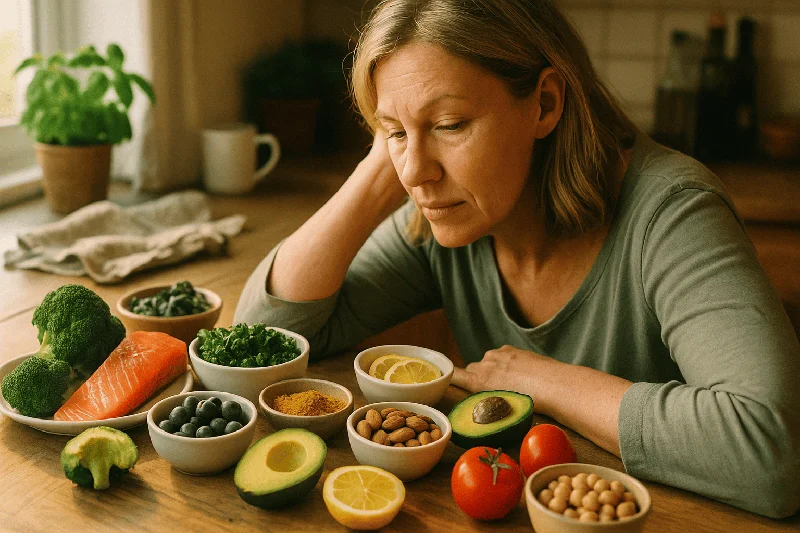
- Chronic inflammation is a silent driver behind heart disease, type 2 diabetes, arthritis, Alzheimer's, and even cancer.
- An anti-inflammatory diet is a pattern of eating — not a strict meal plan — that prioritizes whole, nutrient-dense foods rich in omega-3 fatty acids, antioxidants, polyphenols, and fiber while eliminating ultra-processed foods, refined sugars, and unhealthy fats that trigger inflammatory pathways in your body. Rooted in the principles of the Mediterranean diet, this approach has been shown in hundreds of clinical studies to lower key inflammatory biomarkers like C-reactive protein (CRP), interleukin-6 (IL-6), and tumor necrosis factor-alpha (TNF-α).
This guide covers everything you need: which foods to eat and avoid, a full 7-day meal plan, a ready-to-use grocery list, how to track your progress with blood tests, supplement recommendations, and answers to the most common questions — all backed by current research.
What Is an Anti-Inflammatory Diet and How Does It Work?
- To understand this diet, you first need to understand inflammation itself.
- Acute inflammation is your body's natural healing response — the redness and swelling after a cut, for instance. That's healthy. The problem is chronic low-grade inflammation, which simmers quietly for months or years, damaging tissues and fueling disease.
A 2020 study published in Nature Medicine estimated that more than 50% of all deaths globally are attributable to inflammation-related diseases. Your diet is one of the most powerful levers you have to control this process.
An anti-inflammatory diet works through several mechanisms:
- Reducing pro-inflammatory cytokines (IL-6, TNF-α, IL-1β) by limiting foods that spike blood sugar and deliver trans fats
- Increasing anti-inflammatory mediators like resolvins and protectins from omega-3 fatty acids
- Feeding beneficial gut bacteria with prebiotic fiber, which strengthens the intestinal barrier and prevents endotoxins from entering the bloodstream
- Supplying antioxidants that neutralize free radicals before they can trigger NF-κB, the master inflammatory signaling pathway
The Dietary Inflammatory Index (DII): Measuring Your Diet's Inflammatory Potential
Researchers at the University of South Carolina developed the Dietary Inflammatory Index (DII), a scoring tool that evaluates 45 food parameters — from macronutrients to specific flavonoids — and assigns your overall diet a score. A negative DII score means your diet is anti-inflammatory; a positive score means it's pro-inflammatory.
A 2019 meta-analysis in Nutrients covering 12 studies and over 100,000 participants found that individuals with the highest (most inflammatory) DII scores had a 36% greater risk of cardiovascular disease and a 23% greater risk of cancer compared to those with the lowest scores. While you won't calculate your DII at home, the concept is useful: it's not about one superfood — it's the overall pattern that matters.
The Mediterranean Diet Connection
The Mediterranean diet is widely regarded as the gold standard for anti-inflammatory eating. A landmark 2013 trial (PREDIMED) with 7,447 participants demonstrated a 30% reduction in major cardiovascular events among those following a Mediterranean diet supplemented with extra-virgin olive oil or nuts. Its emphasis on fruits, vegetables, legumes, whole grains, fish, and olive oil aligns almost perfectly with anti-inflammatory principles.
What Are the 10 Best Anti-Inflammatory Foods?
Not all anti-inflammatory foods are created equal. Here are the ten most evidence-backed options, along with the specific compounds that make them effective:
| Food | Key Anti-Inflammatory Compound | Mechanism |
|---|---|---|
| Fatty fish (salmon, mackerel, sardines) | EPA & DHA (omega-3s) | Produces resolvins and protectins that actively resolve inflammation |
| Extra-virgin olive oil | Oleocanthal | Mimics ibuprofen's COX inhibition; 3.4 tbsp ≈ 10% of ibuprofen dose |
| Berries (blueberries, strawberries) | Anthocyanins | Inhibit NF-κB pathway; reduce CRP by up to 25% (2016 study, British Journal of Nutrition) |
| Leafy greens (spinach, kale) | Vitamin K, folate, carotenoids | Reduce IL-6 and TNF-α production |
| Turmeric | Curcumin | Blocks NF-κB and COX-2; enhanced 2,000% with black pepper (piperine) |
| Walnuts & almonds | ALA omega-3, polyphenols | Lower CRP and IL-6 in multiple RCTs |
| Tomatoes | Lycopene | Neutralizes free radicals; reduces pulmonary and systemic inflammation |
| Green tea | EGCG (epigallocatechin gallate) | Inhibits IL-1, IL-6, and TNF-α |
| Legumes (lentils, chickpeas) | Fiber, resistant starch, polyphenols | Feed short-chain fatty acid–producing gut bacteria |
| Fermented foods (yogurt, kefir, kimchi) | Probiotics, postbiotics | Strengthen gut barrier; reduce endotoxemia |
The Power of Omega-3 Fatty Acids
- Omega-3s deserve special attention. The average Indian diet has an omega-6 to omega-3 ratio of approximately 20:1, according to research published in the Indian Journal of Medical Research.
- The ideal ratio is closer to 2:1 or 4:1. This imbalance promotes chronic inflammation because omega-6 fatty acids (abundant in sunflower oil, soybean oil, and processed snacks) are precursors to pro-inflammatory eicosanoids.
Aim for at least 250–500 mg of combined EPA and DHA daily. That translates to roughly two servings (150g each) of fatty fish per week. For vegetarians, flaxseeds (1 tablespoon daily), chia seeds, and walnuts provide ALA, though the conversion rate to EPA/DHA is only about 5–10%.
Antioxidants, Polyphenols, and Synergistic Effects
Individual nutrients don't work in isolation. A 2022 review in Frontiers in Nutrition highlighted synergistic interactions:
- Vitamin E + omega-3s together reduce lipid peroxidation more effectively than either alone
- Prebiotics + probiotics (synbiotics) enhance gut barrier integrity — think garlic and onions alongside yogurt or kefir
- Curcumin + piperine (turmeric + black pepper) increases curcumin bioavailability by 2,000%, as shown in a Planta Medica study
- Vitamin C + iron from plant sources — the vitamin C in lemon juice dramatically improves non-heme iron absorption from spinach, supporting oxygen transport and reducing oxidative stress
This is why a diverse, whole-foods diet consistently outperforms single-nutrient supplements in clinical outcomes.
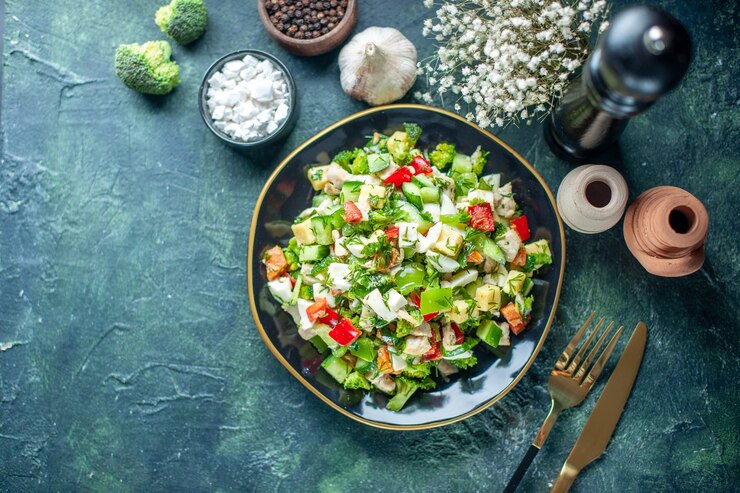
Foods That Cause Inflammation: What to Avoid
- Knowing what to remove is just as important as knowing what to add.
- Here are the primary pro-inflammatory food categories:
Ultra-Processed Foods: Why They're Especially Damaging
A 2025 report published in Nutrients detailed the mechanisms through which ultra-processed foods (UPFs) drive inflammation:
- 1.Gut microbiome disruption — Emulsifiers like carboxymethylcellulose and polysorbate-80 erode the mucus layer protecting intestinal cells
- 2.Mucosal barrier damage — Leading to "leaky gut," where bacterial endotoxins enter the bloodstream and trigger systemic inflammation
- 3.Inflammatory gene activation — Advanced glycation end products (AGEs) formed during high-temperature industrial processing activate the RAGE receptor, upregulating NF-κB
Common UPFs include packaged snacks, instant noodles, ready-to-eat meals, carbonated soft drinks, commercial bakery products, and most fast food.
Refined Carbohydrates and Added Sugars
White bread, white rice (in excess), pastries, and sugary beverages cause rapid blood glucose spikes. This triggers the release of inflammatory cytokines and increases oxidative stress. A 2014 study in the American Journal of Clinical Nutrition found that consuming 40g of added sugar daily (roughly one can of soda) significantly increased CRP levels after just three weeks.
The Artificial Sweetener Trap
- This one surprises many people.
- Research has shown that common artificial sweeteners — aspartame, sucralose, and erythritol — may themselves promote inflammation by altering gut microbiota composition. A 2023 study in Cell found that sucralose impaired gut immune function in animal models.
Safer alternatives: Stevia and monk fruit extract appear to have neutral or mildly anti-inflammatory properties based on current evidence, making them better options if you need sweetness without sugar.
Red and Processed Meats, Saturated and Trans Fats
Processed meats (sausages, bacon, deli meats) contain advanced glycation end products and nitrosamines. A 2017 meta-analysis found that each 50g daily serving of processed meat increased the risk of colorectal cancer by 18%. Limit red meat to 1-2 servings per week and choose grass-fed options when possible, as they contain somewhat higher omega-3 levels.
Trans fats — found in partially hydrogenated oils, some margarines, and commercial fried foods — are perhaps the most inflammatory dietary component. They increase LDL cholesterol, decrease HDL cholesterol, and directly activate TLR4-mediated inflammatory signaling.
How Can I Reduce Inflammation in My Body? A 7-Day Anti-Inflammatory Meal Plan
No competitor offers a complete weekly plan with specific meals, so here's one designed to be practical, affordable, and adaptable to Indian and global pantries.
Day 1–3: Kickstarting the Anti-Inflammatory Shift
Day 1
- Breakfast: Overnight oats with chia seeds, walnuts, blueberries, and a drizzle of honey (350 kcal)
- Lunch: Dal (moong or masoor) with brown rice, sautéed spinach with garlic and turmeric (500 kcal)
- Snack: Green tea + handful of almonds (150 kcal)
- Dinner: Baked salmon (or grilled mackerel) with roasted sweet potato and steamed broccoli dressed in EVOO and lemon (500 kcal)
Day 2
- Breakfast: Smoothie — spinach, banana, flaxseed, ginger, turmeric, almond milk (300 kcal)
- Lunch: Chickpea salad with cherry tomatoes, cucumber, red onion, olive oil, lemon dressing (450 kcal)
- Snack: Homemade golden milk (turmeric latte with black pepper) (100 kcal)
- Dinner: Stir-fried tofu with mixed vegetables (bell peppers, broccoli, bok choy) in ginger-garlic sauce with quinoa (500 kcal)
Day 3
- Breakfast: Vegetable poha with peanuts, curry leaves, and turmeric (350 kcal)
- Lunch: Grilled sardines with mixed greens salad, avocado, and pumpkin seeds (500 kcal)
- Snack: Fresh fruit (orange + pomegranate) with a small kefir (200 kcal)
- Dinner: Rajma (kidney beans) curry with brown rice and cucumber raita (500 kcal)
Day 4–7: Building the Habit
Day 4
- Breakfast: Whole-wheat roti with almond butter and sliced banana (350 kcal)
- Lunch: Salmon or tuna wrap with mixed greens, tomato, avocado in a whole-grain tortilla (500 kcal)
- Snack: Carrot and celery sticks with hummus (150 kcal)
- Dinner: Palak paneer (or tofu) with millet roti, side of sauerkraut (500 kcal)
Day 5
- Breakfast: Idli with sambar (loaded with vegetables) and coconut chutney (350 kcal)
- Lunch: Quinoa bowl with roasted beetroot, walnuts, feta, and arugula drizzled with EVOO (500 kcal)
- Snack: Green tea + trail mix (walnuts, almonds, pumpkin seeds, dried cranberries) (180 kcal)
- Dinner: Grilled mackerel with roasted cauliflower, garlic, and rosemary (480 kcal)
Day 6
- Breakfast: Moong dal chilla with mint chutney and a side of fresh papaya (350 kcal)
- Lunch: Lentil soup (tomato-based) with a side of whole-grain bread and mixed salad (480 kcal)
- Snack: A bowl of mixed berries with a dollop of Greek yogurt (150 kcal)
- Dinner: Vegetable khichdi (rice + moong dal) with ghee, turmeric, and ginger; side of pickled vegetables (500 kcal)
Day 7
- Breakfast: Scrambled eggs (or tofu scramble) with spinach, tomatoes, and mushrooms on whole-grain toast (400 kcal)
- Lunch: Buddha bowl — brown rice, edamame, avocado, shredded carrot, cabbage, sesame-ginger dressing (520 kcal)
- Snack: Golden milk or bone broth (100 kcal)
- Dinner: Baked fish tikka with mint yogurt, roasted vegetables, and a small portion of brown rice (500 kcal)
Anti-Inflammatory Diet Grocery List and Daily Nutrient Targets
Your Complete Shopping List
Produce: Spinach, kale, broccoli, sweet potatoes, tomatoes, bell peppers, beets, carrots, onions, garlic, ginger, lemons, avocados, blueberries, strawberries, oranges, pomegranates, bananas, papaya Proteins: Salmon, mackerel, sardines, eggs (or tofu/tempeh for plant-based), paneer, Greek yogurt, kefir Grains & Legumes: Brown rice, quinoa, millets (ragi, jowar, bajra), whole-wheat roti/bread, oats, moong dal, masoor dal, chickpeas, kidney beans, black beans, lentils Nuts & Seeds: Walnuts, almonds, flaxseeds, chia seeds, pumpkin seeds, sesame seeds Oils & Condiments: Extra-virgin olive oil, cold-pressed coconut oil (small amounts), ghee (in moderation), apple cider vinegar, turmeric powder, black pepper, cinnamon, ginger powder, cumin, coriander Beverages: Green tea, herbal teas (chamomile, ginger), unsweetened almond or oat milk, coffee (moderate — see below) Fermented Foods: Plain yogurt, kefir, kimchi, sauerkraut, miso
Daily Quantity Targets at a Glance
| Nutrient/Food Group | Daily Target | Why It Matters |
|---|---|---|
| Vegetables | 5+ servings (400g+) | Fiber, polyphenols, vitamins |
| Fruits | 2–3 servings | Antioxidants, vitamin C |
| Omega-3 (EPA+DHA) | 250–500 mg | Core anti-inflammatory mechanism |
| Fiber | 25–35g | Lowers CRP; feeds beneficial gut bacteria |
| Nuts/seeds | 30g (1 handful) | Vitamin E, ALA, magnesium |
| Olive oil | 2–4 tablespoons | Oleocanthal, monounsaturated fats |
| Whole grains | 3+ servings | B vitamins, fiber, slow-release energy |
| Added sugar | <25g (6 tsp) | WHO recommendation; above this, CRP rises |
| Ultra-processed foods | 0 ideally | Eliminate or reduce drastically |
स्वयं दवा न लें और प्रतीक्षा न करें। अभी डॉक्टर से चैट शुरू करें
Anti-Inflammatory Beverages: A Detailed Breakdown
Beverages are often overlooked but can make a significant difference in your inflammatory load.
- Green tea: 3–4 cups daily provides meaningful EGCG doses. A 2016 meta-analysis found green tea consumption reduced CRP by 0.45 mg/L on average.
- Coffee: Moderate intake (2–3 cups/day) is actually anti-inflammatory due to chlorogenic acid and other polyphenols. A 2017 study in Annals of Internal Medicine linked moderate coffee consumption to lower inflammatory markers and reduced all-cause mortality.
- Golden milk (Haldi doodh): Warm milk (dairy or plant-based) with turmeric, black pepper, cinnamon, and a touch of honey. A genuinely effective delivery system for curcumin.
- Bone broth: Contains collagen, glycine, and glutamine that support gut lining integrity. Simmer bones for 12–24 hours for maximum benefit.
- Anti-inflammatory smoothies: Combine spinach/kale + berries + flaxseed + ginger + turmeric for a concentrated nutrient hit.
- What to avoid: Sodas, sweetened juices, energy drinks, and excessive alcohol.
Alcohol and Inflammation: The Nuanced Truth
- Red wine contains resveratrol, a polyphenol with demonstrated anti-inflammatory properties.
- However, alcohol itself is pro-inflammatory — it damages the gut lining and increases intestinal permeability. For individuals with rheumatoid arthritis taking methotrexate, alcohol is strictly contraindicated due to liver toxicity risk.
The safest approach: if you don't currently drink, don't start for the resveratrol. If you do drink, limit to one glass of red wine on occasion. You can get resveratrol from grapes, berries, and peanuts without the downsides.
The Nightshade Myth: Do Tomatoes and Peppers Cause Inflammation?
Some people with arthritis report that nightshade vegetables — tomatoes, bell peppers, eggplant (brinjal), and potatoes — worsen their joint pain. The theory involves solanine, a glycoalkaloid found in nightshades, potentially triggering inflammation in sensitive individuals.
However, the scientific evidence for this is extremely weak. Most studies show nightshades are anti-inflammatory due to their high lycopene, vitamin C, and capsaicin content. A 2010 study in the Journal of Nutrition found that tomato juice consumption significantly reduced TNF-α in overweight women.
The practical approach: If you suspect nightshades affect you, try a 2-week elimination followed by a structured reintroduction — adding one nightshade at a time every 3 days and noting symptoms. Most people will find no difference, but for the small percentage who are genuinely sensitive, this can be revelatory.
How to Track Your Progress: Inflammatory Biomarkers and Testing
This is something virtually no diet guide covers, but it's critical for knowing whether the diet is actually working for you.
Which Blood Tests to Request
| Biomarker | What It Measures | Optimal Range | When to Test |
|---|---|---|---|
| hs-CRP (high-sensitivity C-reactive protein) | General systemic inflammation | <1.0 mg/L (low risk) | Baseline, then 8–12 weeks after dietary change |
| ESR (Erythrocyte Sedimentation Rate) | Non-specific inflammation | <20 mm/hr (men), <30 mm/hr (women) | Baseline + follow-up |
| Fasting insulin | Metabolic inflammation | 2–5 μIU/mL (optimal) | Baseline + 12 weeks |
| Homocysteine | Vascular inflammation | <10 μmol/L | Baseline + 12 weeks |
| Omega-3 Index | Omega-3 status in red blood cells | >8% (target), <4% = high risk | Baseline + 3–6 months |
- Ask your doctor for a baseline panel before starting the diet. Retest after 8–12 weeks of consistent dietary changes.
- This gives you objective data, not just subjective feelings — though those matter too.
Realistic Timeline: When Will You See Results?
- 1–2 weeks: Improved energy, less bloating, better digestion
- 3–4 weeks: Noticeable reduction in joint stiffness (if present), improved sleep
- 6–8 weeks: Measurable CRP reduction in most people (a 2019 randomized trial in JAMA showed Mediterranean diet reduced CRP by 20% in 8 weeks)
- 3–6 months: Significant improvements in metabolic markers, weight, and overall wellbeing
Anti-Inflammatory Supplements: When Food Isn't Enough
While whole foods should always be your foundation, certain supplements have strong evidence for specific situations:
- Fish oil (EPA/DHA): 1,000–2,000 mg combined EPA+DHA daily. Most useful for people who don't eat fish regularly. Look for third-party tested brands to avoid heavy metal contamination.
- - Curcumin: 500–1,000 mg daily of a bioavailable formulation (with piperine or as phytosomal curcumin).
- Particularly helpful for joint pain — a 2016 meta-analysis found curcumin as effective as ibuprofen for knee osteoarthritis pain.
- - Vitamin D: 1,000–2,000 IU daily, especially if levels are below 30 ng/mL. A 2020 BMJ review linked vitamin D deficiency to increased inflammatory markers.
- Get your 25(OH)D tested — deficiency is extremely common in India despite the sunshine.
- Magnesium: 200–400 mg daily (glycinate or citrate forms). A 2017 meta-analysis in European Journal of Clinical Nutrition found magnesium supplementation reduced CRP by 22% in individuals with elevated baseline levels.
Important: Always consult your physician before starting supplements, especially if you take blood thinners (fish oil and curcumin have mild anticoagulant effects) or other medications.
Anti-Inflammatory Diet vs. Other Popular Diets
| Feature | Anti-Inflammatory / Mediterranean | Keto | Paleo | DASH | Vegetarian/Vegan |
|---|---|---|---|---|---|
| Primary goal | Reduce inflammation | Weight loss via ketosis | Mimic ancestral eating | Lower blood pressure | Ethical/health eating |
| Inflammatory potential (DII) | Strongly anti-inflammatory | Mixed — high sat. fat can be pro-inflammatory | Mildly anti-inflammatory | Anti-inflammatory | Can be anti-inflammatory if well-planned |
| Omega-3 emphasis | High | Variable | Moderate | Moderate | Often low (needs supplementation) |
| Fiber content | High (25–35g/day) | Very low (<15g) | Moderate | High | High |
| Sustainability | Excellent — flexible, enjoyable | Difficult long-term for many | Moderate | Good | Good if well-planned |
| Evidence base | Strongest (thousands of studies) | Growing but limited long-term data | Limited | Strong for hypertension | Strong for some outcomes |
- The anti-inflammatory diet stands out for its flexibility and breadth of evidence. Unlike keto, it's sustainable long-term.
- Unlike strict paleo, it includes legumes and whole grains — both strongly anti-inflammatory food groups.
The Bigger Picture: Sleep, Stress, and Movement
- Diet is powerful, but it's only one pillar.
- Chronic inflammation is also driven by:
- Poor sleep: A single night of sleep deprivation increases IL-6 and TNF-α levels. Aim for 7–9 hours consistently. A 2016 study in Biological Psychiatry found that sleep disturbance increased CRP by 0.50 mg/L.
- Chronic stress: Cortisol — the stress hormone — is anti-inflammatory in acute bursts but becomes pro-inflammatory when chronically elevated. Meditation, yoga, deep breathing, and time in nature all reduce cortisol measurably.
- Physical inactivity: Regular moderate exercise (150 minutes/week) reduces inflammatory markers independently of diet. A 2017 Brain, Behavior, and Immunity study found that even a single 20-minute session of moderate exercise triggered an anti-inflammatory cellular response.
- Excess body fat: Visceral fat is essentially an inflammatory organ, secreting IL-6 and TNF-α continuously. The anti-inflammatory diet naturally supports healthy weight management, creating a virtuous cycle.
Contraindications and Limitations: Is This Diet Right for Everyone?
- No dietary approach is universally appropriate.
- Consider these cases:
- Fish/shellfish allergies: Rely on plant-based omega-3 sources (flaxseed, chia, walnuts) and consider algae-based DHA supplements
- Nut allergies: Substitute with seeds (pumpkin, sunflower, hemp) for similar nutrient profiles
- Celiac disease or gluten sensitivity: Choose naturally gluten-free whole grains — quinoa, brown rice, millets, buckwheat, amaranth
- Pregnancy: The anti-inflammatory diet is generally safe and beneficial during pregnancy, but avoid high-mercury fish (swordfish, king mackerel, shark) and limit caffeine to 200mg/day
- Medication interactions: Curcumin and omega-3s can enhance blood-thinning effects of warfarin or aspirin. Always inform your doctor about dietary supplements
- Kidney disease: High potassium foods (leafy greens, beans, sweet potatoes) may need to be limited depending on your stage
Frequently Asked Questions
How long does the 21-day anti-inflammatory diet take to show results?
Most people report subjective improvements — better energy, reduced bloating, less joint stiffness — within the first 7–14 days. Measurable changes in blood markers like CRP typically appear by 6–8 weeks. The 21-day timeframe is a popular starting framework, but the real benefits compound over months and years of consistent eating. Think of it as a permanent lifestyle shift, not a 21-day fix.
Can I lose weight on an anti-inflammatory diet?
- Yes. While weight loss isn't the primary goal, it's a common and welcome side effect.
- By eliminating ultra-processed foods and added sugars — which are calorie-dense and nutrient-poor — most people naturally reduce their calorie intake by 300–500 kcal/day without feeling deprived. A 2018 study in The Lancet found Mediterranean-style diets achieved comparable weight loss to calorie-restricted diets with better long-term adherence.
Is this diet suitable for children?
The core principles — more fruits, vegetables, whole grains, fish, and fewer processed foods — are absolutely appropriate and beneficial for children. Adjust portion sizes according to age and caloric needs. The main caution is ensuring adequate calories for growth; children shouldn't be on restrictive diets without medical supervision.
What about the anti-inflammatory diet for autoimmune conditions?
- Research is promising. A 2021 review in Autoimmunity Reviews found that Mediterranean-style anti-inflammatory diets reduced disease activity scores in rheumatoid arthritis patients. For psoriasis, a 2018 study showed that a high-polyphenol diet reduced PASI scores (a measure of psoriasis severity) by 18% over 6 months.
- This diet can complement — never replace — medical treatment for autoimmune conditions.
Is there a free anti-inflammatory diet plan I can follow?
You're looking at one. The 7-day meal plan above, the grocery list, and the daily nutrient targets are designed to be followed immediately at no cost. For a printable version, save this page as PDF using your browser's print function. No ebook purchase required.
Does the anti-inflammatory diet help with brain health and cancer prevention?
Emerging evidence says yes. A 2023 Neurology study found that higher adherence to anti-inflammatory dietary patterns was associated with a 24% lower risk of dementia over 10 years, likely through reduced neuroinflammation. For cancer, chronic inflammation promotes tumor initiation and progression; a 2019 meta-analysis linked the most anti-inflammatory diets (lowest DII scores) to a 16% reduction in overall cancer incidence.
Start Today: Your Next Steps
- You don't need to overhaul your entire kitchen tomorrow.
- Here's a pragmatic three-step approach:
Week 1: Make one swap per meal. Replace sunflower oil with olive oil. Add a handful of berries to breakfast. Choose dal over processed snacks for your evening hunger. Week 2: Eliminate the biggest offenders — sugary drinks, packaged snacks, and refined flour products. Add two fish meals if you're non-vegetarian, or introduce daily flaxseed if you're not.
- Week 3: Get your baseline blood work done (hs-CRP, fasting insulin, vitamin D). Start the 7-day meal plan above.
- Note how you feel in a simple journal — energy, sleep, joint comfort, digestion.
- The anti-inflammatory diet isn't a trend. It's arguably the most well-researched dietary pattern in modern nutritional science, with evidence spanning cardiovascular protection, metabolic health, cognitive preservation, and cancer risk reduction. The foods are delicious, the approach is flexible, and the benefits are measurable.
- The only question is: what will you eat first?
Scientific Sources
- Overview of anti-inflammatory diets and their promising effects on non-communicable diseases — Yu X et al., 2024, The British journal of nutrition
- The effects of an anti-inflammatory diet alone or in combination with acupuncture on mental health, anthropometric indices, and metabolic status in diabetic patients with depression: a randomized, controlled clinical trial — Irandoost P et al., 2025, Nutrition & diabetes
- The association between Dietary Index for Gut Microbiota and sarcopenia: the mediating role of Dietary Inflammatory Index — Gong H et al., 2025, Frontiers in nutrition
- Association between the dietary inflammatory index and pelvic inflammatory disease - Findings from the NHANES data (2015-2018) — Ma J et al., 2024, Nutricion hospitalaria
- Dietary inflammatory index mediates the association between planetary health diet index and periodontitis — Gong H et al., 2025, BMC oral health
- Dietary inflammatory potential and its impact on gut microbiota in patients with mild cognitive impairment — Liu J et al., 2025, Food & function
- Association between dietary inflammatory index and the risk of postpartum depression in China — Zhang G et al., 2025, Journal of affective disorders
- Rhubarb as a Potential Component of an Anti-Inflammatory Diet — Kolodziejczyk-Czepas J et al., 2025, Foods (Basel, Switzerland)
- Association of weight-adjusted waist index (WWI) with overactive bladder (OAB): a cross-sectional study from NHANES 2005-2018 — Huang S et al., 2025, Scientific reports
- Effects of nutritional interventions on cognitive function in adult cancer survivors: A systematic review — Lu Y et al., 2024, Journal of clinical nursing
- Different oral and gut microbial profiles in those with Alzheimer's disease consuming anti-inflammatory diets — Chen L et al., 2022, Frontiers in nutrition
- Adherence to Mediterranean diet and female urinary incontinence: Evidence from the NHANES database — Xie S et al., 2024, PloS one
- Associations of dietary inflammatory index scores and serum inflammatory factors with the risk of osteoporosis: a cross-sectional study from Xinjiang, China — Tong M et al., 2024, Journal of orthopaedic surgery and research
- Impact of dietary inflammatory index on gestational diabetes mellitus in normal and overweight women: a systematic review and meta-analysis of observational studies — Liu RL et al., 2024, Asia Pacific journal of clinical nutrition
- The association between Planetary Health Diet Index (PHDI) and chronic obstructive pulmonary disease (COPD): the mediating role of dietary inflammatory index (DII) — Gong H et al., 2025, BMC pulmonary medicine
- Diet quality and a traditional dietary pattern predict lean mass in Australian women: Longitudinal data from the Geelong Osteoporosis Study — Davis JA et al., 2021, Preventive medicine reports
- The role of diet quality and dietary patterns in predicting muscle mass and function in men over a 15-year period — Davis JA et al., 2021, Osteoporosis international : a journal established as result of cooperation between the European Foundation for Osteoporosis and the National Osteoporosis Foundation of the USA
- Dietary inflammation, sleep and mental health in the United Kingdom and Japan: A comparative cross-sectional study — Hepsomali P et al., 2024, Nutrition bulletin
- Relationship between leisure-time physical activity and depressive symptoms under different levels of dietary inflammatory index — You Y et al., 2022, Frontiers in nutrition
- Pro-inflammatory dietary intake as a risk factor for CVD in men: a 5-year longitudinal study — O'Neil A et al., 2015, The British journal of nutrition
उपयोगकर्ताओं के प्रश्न
Is there a link between added sugars and inflammation levels?
Client_1a9f9a
4 दिनों पहले
Yes, there is a link between added sugars and inflammation levels. Consuming added sugars can increase inflammation by elevating C-reactive protein (CRP) levels, an inflammation marker. A 2014 study highlighted that 40g of added sugar daily, about the amount in one can of soda, significantly raised CRP levels in just three weeks. To reduce inflammation, limit intake of added sugars and consume anti-inflammatory foods such as fruits, vegetables, and whole grains. If inflammation symptoms persist, consult a healthcare professional for personalized advice.
How does vitamin D affect inflammation levels in the body?
Client_5f4eb4
9 दिनों पहले
Vitamin D influences inflammation levels by modulating immune responses, often acting as an anti-inflammatory agent. Insufficient levels of vitamin D can lead to increased inflammatory markers in the body. People might see changes in inflammation within 6-8 weeks after beginning supplementation if they are deficient. To support this, maintaining adequate vitamin D levels through sun exposure, dietary sources, or supplements is beneficial. It's essential to be mindful of potential vitamin D interactions, such as altering calcium levels, and anyone unsure should consult a healthcare provider, especially if they have existing health conditions.
What foods should I avoid on an anti-inflammatory diet?
Client_4ee032
14 दिनों पहले
To reduce inflammation, avoid foods that are high in saturated fats, trans fats, refined carbohydrates, sugar, and processed meats. Common culprits include red and processed meats, fried foods, sugary beverages, pastries, and white bread. These foods can elevate inflammatory markers like C-reactive protein (CRP). Instead, focus on whole foods, such as fruits, vegetables, nuts, and fatty fish. If symptoms of chronic inflammation persist despite dietary adjustments, consult a healthcare provider. Ayurveda might suggest spices like turmeric for added anti-inflammatory benefits.
How can an anti-inflammatory diet support heart health?
Client_8a3a30
19 दिनों पहले
An anti-inflammatory diet can support heart health by reducing the risk of cardiovascular disease. This diet emphasizes whole, plant-based foods like fruits, vegetables, nuts, and whole grains, and incorporates lean proteins like fish, which are high in omega-3 fatty acids. These foods help reduce inflammation in the body, a key factor in the progression of heart disease. A 2019 meta-analysis revealed that individuals with lower inflammatory diet scores had a significantly reduced risk of cardiovascular ailments. To maintain heart health, replace saturated fats with healthier fats like olive oil and avoid highly processed foods. If you have concerns about heart health, consult a healthcare provider for personalized dietary advice.
What are healthy snack options to include in an anti-inflammatory diet?
Client_e6960f
29 दिनों पहले
Healthy snack options for an anti-inflammatory diet include almonds, walnuts, and chia seeds, which are rich in omega-3 fatty acids. Berries like blueberries are loaded with antioxidants and polyphenols that help reduce inflammation. Vegetables such as carrots and bell peppers paired with hummus provide both fiber and anti-inflammatory properties. Incorporating these snacks can support a balanced omega-6 to omega-3 ratio. If symptoms persist or you're unsure, consult a healthcare professional for personalized dietary advice.
What are the long-term benefits of an anti-inflammatory diet?
Client_5cd00e
39 दिनों पहले
The long-term benefits of an anti-inflammatory diet are significant and include a reduced risk of chronic diseases such as heart disease, type 2 diabetes, arthritis, Alzheimer's, and certain types of cancer. This eating pattern, focused on whole foods rich in omega-3s, antioxidants, polyphenols, and fiber, can improve overall well-being, enhance energy levels, better joint health, and improve digestion. To see noticeable benefits, consistency is key, and effects may be observed within a few weeks to months. Consult a healthcare professional if you have pre-existing conditions or new symptoms.
How does an anti-inflammatory diet impact digestion and gut health?
Client_875918
48 दिनों पहले
An anti-inflammatory diet can significantly benefit digestion and gut health by reducing inflammation that may affect the digestive tract. This diet emphasizes whole foods like fruits, vegetables, and omega-3-rich fish, which help maintain a balanced gut microbiome. Additionally, avoiding processed meats and trans fats reduces compounds that can disrupt gut health. Noticeable improvements in digestion can occur within weeks, but for persistent issues, see a doctor. While Ayurveda suggests such dietary changes, focus on evidence-backed choices like using olive oil and probiotic-rich foods.
How does the Mediterranean diet impact cancer prevention strategies?
Client_ccae6d
58 दिनों पहले
The Mediterranean diet can play a role in cancer prevention strategies due to its emphasis on anti-inflammatory foods. This diet, rich in fruits, vegetables, whole grains, nuts, and healthy fats like olive oil, helps reduce inflammation in the body, which is linked to a lower risk of certain cancers. Studies suggest that adherence to this diet may lead to a reduced risk of cancers like colorectal, breast, and prostate. Include regular exercise and avoid risky behaviors like smoking for comprehensive prevention. If you have specific concerns or a family history of cancer, consult your healthcare provider for personalized advice.
What is the best way to measure my progress on an anti-inflammatory diet?
Client_c2c3e6
67 दिनों पहले
To measure progress on an anti-inflammatory diet, retest inflammatory markers like CRP after 8–12 weeks. Track how you feel, too! Improved energy or better digestion might show up sooner in 1–2 weeks. Joint stiffness, improved sleep might take a bit longer, like 3–4 weeks. Just keep an eye on how you feel and maybe check with a healthcare pro for specific tests!
Can an anti-inflammatory diet improve my symptoms of neuroinflammation?
Client_4a3bbf
77 दिनों पहले
Yes, an anti-inflammatory diet might help with neuroinflammation symptoms. It's more about being a lifestyle change than a quick fix. Foods like nuts, seeds, and berries are good, and they have antioxidants and polyphenols which may help lower inflammation. Just make sure you're getting enough nutrients overall and maybe work with a health professional.
संबंधित आलेख

Nutrition
What Are the Benefits of Muskmelon: Ayurvedic and Nutritional Guide
Exploration of Discover the Health and Skin Benefits of Muskmelon
3,423

Nutrition
Discovering the Ayurvedic Diet
The Ayurvedic Diet is a traditional Indian nutritional practice that aligns eating habits with one's dosha to promote health and balance.
2,712

Nutrition
How Much Weight Can You Lose in a Month: Ayurvedic Approach
How much weight can you lose in a month? Discover Ayurvedic insights on healthy, sustainable weight loss, natural tips, and what results are truly safe
2,279

Nutrition
M2 टोन सिरप
M2 टोन सिरप की खोज
6,000
Nutrition
Curd Benefits: What Ayurveda Has Been Trying to Tell You Forever
Alright, let’s get this out of the way — curd isn’t just another dairy product. It’s not just yogurt’s shy cousin. In Ayurveda, curd is a thing. A big thing.
5,149

Nutrition
मेधोहर गुग्गुलु: उपयोग, खुराक, सामग्री, साइड इफेक्ट्स
मेदोहर गुग्गुलु की खोज: उपयोग, खुराक, सामग्री, साइड इफेक्ट्स
7,279

Nutrition
अलार्जिन टैबलेट्स के फायदे, उपयोग करने का तरीका, सामग्री, साइड इफेक्ट्स
अलार्जिन टैबलेट्स के फायदे, उपयोग करने का तरीका, सामग्री, और साइड इफेक्ट्स की जानकारी
2,742

Nutrition
मेधोहर गुग्गुलु के उपयोग, खुराक, सामग्री, साइड इफेक्ट्स
मेदोहर गुग्गुलु के उपयोग, खुराक, सामग्री, और साइड इफेक्ट्स की खोज
7,063

Nutrition
Ayurveda: Ancient Wisdom for Health
Ayurveda is an ancient Indian system of medicine that focuses on achieving a balance between the body, mind, and spirit for overall well-being.
2,694

Nutrition
Can We Eat Curd at Night?
In the world of Ayurveda, food isn’t just fuel. It’s mood. It’s medicine. It’s memory. And when it comes to curd—this creamy, tangy, probiotic-packed powerhouse—timing really matters. Especially if you're trying to stick to a lifestyle that's more in sync
6,043
विषय से संबंधित परामर्श
अतिरिक्त दस्तावेज़
© 2024 Ask Ayurveda. सर्वाधिकार सुरक्षित।