आयुर्वेदिक डॉक्टर से प्रश्न पूछें और निःशुल्क या भुगतान मोड में अपनी चिंता की समस्या पर ऑनलाइन परामर्श प्राप्त करें। 2,000 से अधिक अनुभवी डॉक्टर हमारी साइट पर काम करते हैं और आपके प्रश्नों का इंतजार करते हैं और उपयोगकर्ताओं को उनकी स्वास्थ्य समस्याओं को हल करने में प्रतिदिन मदद करते हैं।


Body DetoxEar, Nose, and Throat DisordersGeriatrics & RejuvenationImmunodeficiencyInfertility TreatmentNutritionOrthopedic DisordersPediatricsRespiratory DisordersSexually Transmitted Diseases (STDs)Surgery RecoveryUrological DisordersVascular DisordersDental DisordersEndocrinological DisordersGastrointestinal DisordersYoga TherapyGeneral MedicineAllergic DisordersCardio DisordersGynecology and ObstetricsCosmetologySkin and Hair DisordersEye DisordersInfectious DiseasesMental DisordersNeurological DisordersOncologyPanchakarmaSexual Health & DisordersSports Medicine
पर प्रकाशित 06/04/25
(को अपडेट 08/10/26)
2,670
Can Bronchitis Kill You? Ayurvedic Insight into Risks and Prevention

Bronchitis is a common respiratory illness, but can bronchitis kill you? It’s a scary thought—and for good reason. While most cases are mild and short-lived, some forms of bronchitis can be life-threatening, especially if not treated properly. You’ve probably heard stories or headlines that sound alarming: “Can you die from bronchitis?” or “Chronic bronchitis kill you.” The reality is more complex than a simple yes or no. In this guide, we’ll take a look at the dangers of bronchitis, explore its deadlier forms, and share how Ayurveda—a time-tested natural system of healing—offers effective ways to protect your lungs and strengthen your body’s defenses.
This article is for anyone who wants to understand the real risks behind bronchitis, including how chronic bronchitis can cause death, and how ancient Ayurvedic practices may help you breathe a little easier (literally and figuratively). So let’s dive in—your lungs will thank you.
What Is Bronchitis and When It Becomes Dangerous
Bronchitis happens when the bronchial tubes—the air passages that carry air to your lungs—get inflamed. This inflammation leads to coughing, mucus build-up, wheezing, and sometimes fever. There are two main types: acute and chronic bronchitis. Acute bronchitis usually results from a viral infection like the common cold, and it typically resolves within a week or two.
Chronic bronchitis, on the other hand, is a long-term condition. It’s often caused by smoking or long-term exposure to air pollution or other lung irritants. If you’re coughing and bringing up mucus for three months or more, two years in a row, doctors might diagnose you with chronic bronchitis.
That’s where things get risky. While acute bronchitis is rarely deadly, chronic bronchitis can kill you—especially when combined with other conditions like COPD (Chronic Obstructive Pulmonary Disease). Over time, this form of bronchitis damages lung tissue, narrows airways, and increases your risk of severe lung infections, pneumonia, and even respiratory failure.
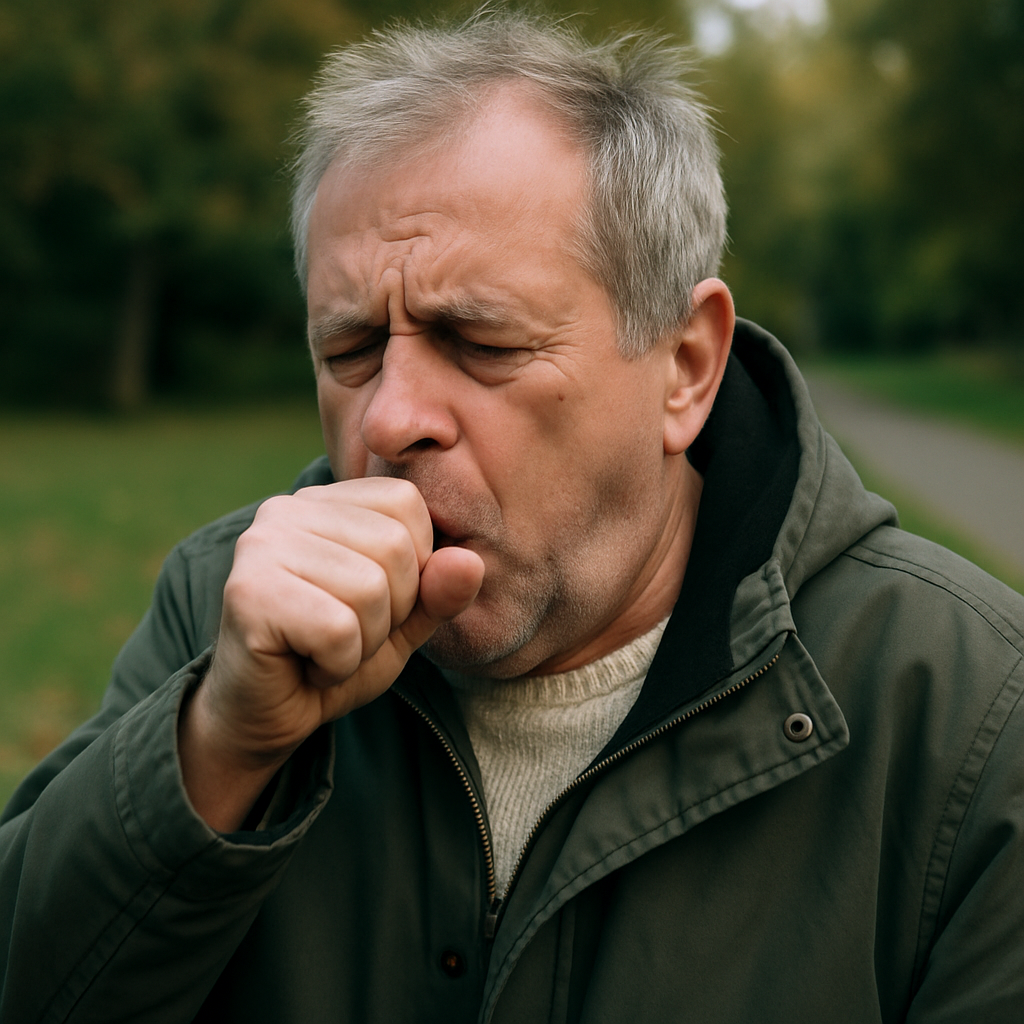
Can You Die from Bronchitis?
It might sound dramatic, but the answer is: yes, under the right (or rather, wrong) conditions, you can die from bronchitis. The risk increases significantly in people with weakened immune systems, the elderly, and those with pre-existing lung or heart conditions. Also, chronic bronchitis patients may not notice the slow decline in lung function until it’s too late. A persistent cough might seem harmless until breathing becomes a struggle.
How Chronic Bronchitis Can Cause Death
Here’s the dangerous chain reaction: chronic inflammation in the lungs reduces airflow, making it harder to breathe. Over time, oxygen levels in the blood drop, and the heart works harder to compensate. Eventually, the strain can lead to respiratory failure or heart complications. It’s not just the lungs—it’s a full-body impact. Death from bronchitis can occur slowly and quietly, without the dramatic warning signs many expect.
Let’s be real: nobody wakes up and thinks, “I might die from bronchitis.” But ignoring symptoms, especially if they’re recurring, can increase the risk. If you’ve had multiple bouts, or if your cough never seems to go away, it’s time to take action—better now than later.
Statistics on Bronchitis-Related Mortality
According to WHO and CDC data, chronic lower respiratory diseases, including chronic bronchitis, rank as one of the leading causes of death globally. In the U.S. alone, thousands of people die each year from complications related to bronchitis. While bronchitis death is more likely in the chronic form, acute bronchitis in vulnerable populations—especially infants, older adults, and immunocompromised folks—can still be fatal if not managed carefully.
You don’t need to panic, but you do need to be proactive.
Ayurvedic Prevention and Care for Bronchitis
If the idea that bronchitis can kill you feels overwhelming, there’s good news—there are ways to protect yourself. Ayurveda, the ancient Indian system of medicine, offers gentle yet powerful tools to help prevent bronchitis, strengthen respiratory health, and support long-term immunity. It’s not about replacing modern medicine, but enhancing your body’s natural defenses and reducing the likelihood that a cough turns into something way worse.
The Ayurvedic approach doesn't just treat the symptoms—it works to restore balance in the body, targeting the root cause of disease. So, whether you're dealing with recurring bronchitis episodes or simply want to prevent them, Ayurveda gives you a roadmap.
Herbs, Diet, and Lifestyle to Protect Lung Function
In Ayurveda, bronchitis is often associated with an imbalance in the Kapha dosha, which governs mucus, fluids, and structure in the body. Excess Kapha can lead to congestion, heaviness in the chest, and sluggish digestion—all of which can worsen or prolong respiratory illnesses. The good news? Kapha responds really well to a few simple lifestyle and dietary shifts.
Here are some Ayurvedic herbs and practices that help:
-
Tulsi (Holy Basil): This herb is a respiratory powerhouse. It clears mucus, reduces inflammation, and boosts immunity. Try sipping tulsi tea daily or adding fresh leaves to soups and teas.
-
Pippali (Long Pepper): Known for its rejuvenating effect on the lungs, Pippali is often used in formulas for asthma and bronchitis. It’s warming and detoxifying, ideal for clearing respiratory blockages.
-
Licorice root: Soothes the throat and reduces irritation. Great in decoctions or as a lozenge.
-
Ginger and turmeric: Both are anti-inflammatory and can help break up mucus while supporting overall immune function.
When it comes to food, aim for light, warm, and easily digestible meals. Think broths, cooked veggies, and warm herbal teas. Avoid dairy, cold drinks, and fried foods—they all increase Kapha and mucus buildup. If you already have symptoms, these foods can actually make things worse.
Lifestyle-wise, favor warmth. Cover your throat in cold weather, stay away from damp environments, and avoid exposure to dust and smoke (especially if you already have chronic bronchitis—kill you it might not today, but over time, repeated irritation adds up).
Daily Routines and Breathing Practices for Long-Term Support
Consistency is everything in Ayurveda. Even a few small habits done daily can make a huge difference in your lung health. Try adding some of these into your day:
-
Pranayama (Yogic breathing): Practices like Anulom Vilom (alternate nostril breathing) or Bhramari (humming breath) clear nasal passages, oxygenate the body, and reduce stress—a key trigger for immune suppression.
-
Oil pulling and Nasya (nasal oiling): These detox rituals protect against pathogens, lubricate nasal passages, and reduce the chance of infections traveling to the lungs.
-
Dry brushing and self-massage: Stimulates circulation and clears lymphatic congestion, which can help the body eliminate waste and reduce inflammation.
Also, make sure you’re getting enough rest and not burning out. Stress can weaken your immune system and leave you vulnerable to recurrent infections. And yes, too many late nights can make a cough stick around longer than it should.
With Ayurveda’s support, you’re not just waiting for symptoms to show up—you’re actively building lung resilience. And while death from bronchitis is real for some, it’s far from inevitable if you start taking care of your respiratory health before things get serious.
Conclusion
So—can bronchitis kill you? The uncomfortable truth is, yes, it can. Especially when ignored, mismanaged, or left to evolve into its chronic form. Whether it’s a rare death from bronchitis in a vulnerable person with acute infection, or a slow decline in lung function caused by repeated episodes, the threat is real. But the good news is, bronchitis doesn't have to be a death sentence. Knowledge, prevention, and a proactive mindset go a long way.
From a conventional medical perspective, timely diagnosis and treatment are essential. From an Ayurvedic perspective, long-term vitality and resilience come from daily habits, balanced doshas, and support for your body’s natural systems. This isn’t just ancient philosophy—it’s practical stuff. You don’t have to choose one over the other. In fact, the smartest approach is often a blend of both.
If you’ve ever wondered, “Can you die from bronchitis?” or “Can chronic bronchitis kill you?”, the answer should be a wake-up call—not a panic button. Chronic irritation, repeated infections, and lifestyle choices that damage the lungs can eventually cause enough damage to be fatal. But catching things early, listening to your body, and supporting lung health through breathwork, herbs, diet, and rest can change your trajectory entirely.
Final Thoughts & Call to Action
Your breath is your life—don’t take it for granted. If you’re someone who struggles with recurring bronchitis, smokes, or lives in a polluted environment, now is the time to start paying attention. Ask questions. Seek care. Don’t dismiss that lingering cough or shortness of breath. Whether it’s adding tulsi tea to your morning, doing 10 minutes of breathing practice, or getting checked by your doctor—do something. You don’t want to be in the position of Googling “bronchitis cause death” after it’s too late.
If you found this article helpful, share it with a friend or loved one. You never know who might need it.
स्वयं दवा न लें और प्रतीक्षा न करें। अभी डॉक्टर से चैट शुरू करें
FAQs
Can you suffocate from bronchitis?
In rare and severe cases, yes. If bronchitis leads to extreme airway constriction or if it’s part of a larger condition like COPD or pneumonia, breathing can become dangerously limited. While it’s not common in mild cases, those with chronic respiratory issues or the elderly should take symptoms seriously.
What can happen if bronchitis is left untreated?
Untreated bronchitis—especially chronic bronchitis—can cause long-term lung damage, increased susceptibility to infections, and in extreme cases, respiratory failure. Even acute bronchitis can progress to pneumonia if not managed well. That doesn’t mean you need to panic over every cough, but if your symptoms stick around longer than a couple of weeks, it’s time to check in with a healthcare provider.
Can repeated bronchitis episodes increase long-term risk?
Absolutely. Recurrent bouts of bronchitis may signal an underlying vulnerability in the lungs. Over time, repeated inflammation can cause permanent changes in lung tissue, reduced oxygen exchange, and a higher chance of developing COPD. Basically, the more times you get bronchitis, the higher the long-term risk—not just of discomfort, but of actual health decline.
उपयोगकर्ताओं के प्रश्न
What role does nutrition play in managing bronchitis symptoms?
Client_24537f
37 मिनटों पहले
Nutrition plays a significant role in managing bronchitis symptoms by supporting the immune system and reducing inflammation. Consuming a diet rich in fruits, vegetables, whole grains, and lean proteins can help alleviate symptoms and support recovery. Foods high in antioxidants, such as berries and leafy greens, are particularly beneficial. Proper hydration is crucial to thin mucus in the respiratory tract. For chronic bronchitis, consult a healthcare professional for nutrition guidance. Avoid foods that may trigger inflammation or allergies, and always seek medical advice if symptoms persist or worsen.
How does lack of sleep affect bronchitis recovery time?
Client_33ab14
5 दिनों पहले
Lack of sleep can extend bronchitis recovery time because rest is crucial for the immune system to fight off infections effectively. Adequate sleep helps repair tissues and reduces inflammation, which are essential for recovery from bronchitis. Typically, acute bronchitis lasts about 2-3 weeks, but insufficient rest can delay this. Watch for persistent symptoms such as a lingering cough or difficulty breathing, and see a doctor if bronchitis symptoms worsen or do not improve after three weeks. Proper sleep hygiene supports faster recovery.
What are the best practices for preventing bronchitis in vulnerable populations?
Client_0e454b
10 दिनों पहले
The best practices for preventing bronchitis in vulnerable populations include immunization, avoiding tobacco smoke, and maintaining good hygiene. Vaccinations for influenza and pneumonia can greatly reduce the risk of respiratory infections leading to bronchitis. Avoiding exposure to tobacco smoke and polluted environments is crucial. Frequent handwashing and wearing masks in crowded places can help prevent infection. If someone in a vulnerable group experiences symptoms like a persistent cough or difficulty breathing, they should see a doctor promptly. Chronic symptoms or infections lasting more than three weeks may require medical evaluation.
Can I manage bronchitis symptoms with home remedies?
Client_c5ab89
15 दिनों पहले
You can manage some bronchitis symptoms with home remedies, such as resting, staying hydrated, and using a humidifier to soothe irritated airways. Warm fluids like tea with honey can help ease a sore throat. Over-the-counter pain relievers and throat lozenges can also provide relief. Most acute bronchitis cases improve within a couple of weeks. However, if symptoms last longer or worsen, see a doctor. Chronic or recurrent bronchitis, often linked to smoking or environmental factors, may require medical treatment. While Ayurveda and other traditional practices can offer support, they should never replace professional medical advice.
What are effective daily habits to improve lung health?
Client_250308
20 दिनों पहले
To improve lung health, focus on daily habits like regular exercise, not smoking, and staying hydrated. Breathing exercises, such as deep breathing, can enhance lung capacity and efficiency. A diet rich in fruits and vegetables provides essential antioxidants and vitamins for lung health. Be mindful of air quality by avoiding pollutants and using air purifiers at home if necessary. Symptoms like persistent cough or shortness of breath warrant a doctor's visit. While Ayurveda can support a holistic approach, these daily practices are key for maintaining strong lung function.
What lifestyle changes can support lung health and prevent bronchitis?
Client_add050
29 दिनों पहले
To support lung health and prevent bronchitis, focus on maintaining a smoke-free environment, practicing good hand hygiene, and getting vaccinated against influenza and pneumonia. Physical exercise, such as regular aerobic activity, can improve lung function. A diet rich in fruits, vegetables, and omega-3 fatty acids supports respiratory health. Managing stress through techniques like deep breathing or mindfulness may also help. If you have recurrent bronchitis symptoms, consult a healthcare professional to rule out underlying conditions like asthma or COPD.
What are the signs that bronchitis may be turning severe?
Client_b22cec
39 दिनों पहले
Signs that bronchitis may be turning severe are increased difficulty breathing, persistent chest pain, high fever, or if symptoms worsen instead of improving after several days. If you notice a bluish tint to the lips or fingers, extreme fatigue, or confusion, these are serious signs that require immediate medical attention. Chronic bronchitis becomes particularly dangerous when accompanied by other conditions like COPD or if you smoke. If you experience frequent bouts of bronchitis or live in a polluted area, regular check-ups with a healthcare provider are crucial to manage symptoms and avoid complications.
What should I do if my chronic bronchitis symptoms suddenly worsen?
Client_4127ff
49 दिनों पहले
If your chronic bronchitis symptoms suddenly worsen, it is important to seek medical attention quickly. Worsening symptoms like increased breathlessness, a change in the color or amount of mucus, or fever might indicate a flare-up or an infection that requires immediate treatment. This may involve medications such as bronchodilators or corticosteroids, or a possible antibiotic if an infection is suspected. Be vigilant for signs of respiratory distress, and don't delay contacting a healthcare provider to evaluate and manage your condition effectively.
How long does it typically take to recover from acute bronchitis?
Client_a49f7f
59 दिनों पहले
Acute bronchitis usually takes about 1 to 3 weeks to resolve with proper care. It's an infection of the bronchial tubes that leads to inflammation and mucus buildup in the lungs. To alleviate symptoms, adequate rest, hydration, and over-the-counter medications to reduce fever and pain can help. Smoking cessation is crucial. Watch out for symptoms like high fever or persistent cough with phlegm. If symptoms persist beyond three weeks or worsen, or if you experience difficulty breathing, see a doctor promptly.
How to build lung resilience to prevent recurrent bronchitis episodes?
Client_6090a2
68 दिनों पहले
To build lung resilience against bronchitis, focus on balancing your doshas, especially Vata and Kapha, which often play a role here. Start by eating warm, easy-to-digest foods to strengthen your agni (digestive fire), like ginger or cinnamon tea. Pranayama (breathing exercises) can also help boost lung capacity. And try getting regular, moderate exercise to support lung health. Be mindful of stress too, as it can aggravate Vata, creating an imbalance.
संबंधित आलेख

Respiratory Disorders
त्रिन पंचमूल क्वाथ: फायदे, खुराक, सामग्री, साइड इफेक्ट्स
त्रिन पंचमूल क्वाथ की खोज: फायदे, खुराक, सामग्री, साइड इफेक्ट्स
4,371

Respiratory Disorders
Chiruvilwadi Kashayam – Benefits, Dosage, Ingredients, Side Effects, Reference
Exploration of Chiruvilwadi Kashayam – Benefits, Dosage, Ingredients, Side Effects, Reference
2,854

Respiratory Disorders
व्योशादि वटकम के फायदे, खुराक, साइड इफेक्ट्स, उपयोग कैसे करें, सामग्री
व्योशादि वटकम के फायदे, खुराक, साइड इफेक्ट्स, उपयोग कैसे करें, सामग्री की जानकारी
2,177

Respiratory Disorders
कंकायन वटी के फायदे, खुराक, साइड इफेक्ट्स, सामग्री
कंकायन वटी के फायदे, खुराक, साइड इफेक्ट्स, और सामग्री की जानकारी
3,151

Respiratory Disorders
कैयदार्यादि कषायम
कैयदार्यादी कषायम की खोज
1,499

Respiratory Disorders
Ayurvedic Treatment for Common Cold
The common cold is a prevalent viral infection affecting millions worldwide each year.
4,421

Respiratory Disorders
Vasarishtam Uses: An Ayurvedic Approach to Respiratory Health
Discover the science behind Vasarishtam uses, its Ayurvedic roots, and how it may support respiratory wellness. Learn about research, safety, and best practices.
2,659

Respiratory Disorders
Khadiradi Vati
खदिरादि वटी की खोज
3,483

Respiratory Disorders
M2 टोन फोर्ट सिरप
M2 टोन फोर्ट सिरप की खोज
2,688

Respiratory Disorders
Shwas: Health Benefits & Clinical Perspectives
Explore the science behind Shwas. Understand its benefits, clinical evidence, and practical tips for everyday health and wellness.
2,499
विषय से संबंधित परामर्श
अतिरिक्त दस्तावेज़
© 2024 Ask Ayurveda. सर्वाधिकार सुरक्षित।