आयुर्वेदिक डॉक्टर से प्रश्न पूछें और निःशुल्क या भुगतान मोड में अपनी चिंता की समस्या पर ऑनलाइन परामर्श प्राप्त करें। 2,000 से अधिक अनुभवी डॉक्टर हमारी साइट पर काम करते हैं और आपके प्रश्नों का इंतजार करते हैं और उपयोगकर्ताओं को उनकी स्वास्थ्य समस्याओं को हल करने में प्रतिदिन मदद करते हैं।


Body DetoxEar, Nose, and Throat DisordersGeriatrics & RejuvenationImmunodeficiencyInfertility TreatmentNutritionOrthopedic DisordersPediatricsRespiratory DisordersSexually Transmitted Diseases (STDs)Surgery RecoveryUrological DisordersVascular DisordersDental DisordersEndocrinological DisordersGastrointestinal DisordersYoga TherapyGeneral MedicineAllergic DisordersCardio DisordersGynecology and ObstetricsCosmetologySkin and Hair DisordersEye DisordersInfectious DiseasesMental DisordersNeurological DisordersOncologyPanchakarmaSexual Health & DisordersSports Medicine
पर प्रकाशित 07/15/25
(को अपडेट 08/11/26)
2,612
How to Speed Up Muscle Strain Recovery with Home Remedies and Exercises

If you’re struggling with a muscle strain, whether it’s in your back, chest, neck or leg, you’re definitely not alone. Muscle strains are super common — and frustrating. They can sneak up on you during a workout, while doing chores, or even just from sleeping funny (yeah, really). So if you're wondering how to speed up muscle strain recovery, this guide is for you. We’re diving into practical tips, natural treatments, and gentle exercises that actually help.
We'll also touch on what muscle strain recovery time really looks like, how to treat different types of strains at home, and what to do (and not do) during the healing process. Whether you’ve got an intercostal muscle strain, a thigh muscle strain, or a muscle strain in chest, this article's got your back. Literally.
Let’s get into it.
What Is a Muscle Strain and Why It Happens
A muscle strain happens when your muscle is overstretched or torn, usually due to fatigue, overuse, or improper movement. It's basically your body yelling at you to slow down — sometimes literally. This injury is often confused with a sprain (which affects ligaments, not muscles), but they’re not quite the same thing.
Strains can vary from mild soreness to severe pain that makes it hard to move. Recovery depends on the severity of the strain and how well you take care of it early on.
Common Types: Chest, Back, Neck, and Leg Strains
Some of the most annoying strains happen in areas we rely on constantly:
-
Chest muscle strain (especially intercostal muscle strain) often feels like a sharp pain when you breathe in.
-
Muscle strain in back — particularly lower back muscle strain — is notorious for flaring up after lifting heavy stuff or long hours sitting wrong.
-
Neck muscle strain can come from poor posture, sleeping in a weird angle, or whiplash.
-
Muscle strain in leg, including calf muscle strain and thigh muscle strain, usually occurs during sports or sudden movements.
Each of these needs slightly different care, but the basics are the same: rest, gentle movement, and listening to your body (which, let’s be honest, is easier said than done sometimes).
Muscle Strain Recovery Time Explained
The timeline for muscle strain recovery time depends on how bad the strain is. Here's a general breakdown:
-
Grade I (mild): Small tears, mild discomfort — usually heals in 2-3 weeks.
-
Grade II (moderate): More tearing, swelling, and bruising. Can take up to 6 weeks.
-
Grade III (severe): Complete rupture — this one's a big deal and may need surgery. Recovery could take months.
But here’s the thing: even minor strains can take longer if you don’t treat them properly. That’s why knowing how to treat muscle strain the right way makes all the difference.
How to Speed Up Muscle Strain Recovery Naturally
So, you’re not into popping pills or doing anything too invasive? Cool — natural remedies and lifestyle tweaks can go a long way in helping speed up healing.
Ayurvedic Oils and Herbal Compresses
Ayurveda, the ancient Indian healing system, has been using herbal oils to treat muscle injuries for centuries. Oils like Mahanarayan or Ashwagandha-infused sesame oil can help reduce inflammation and promote circulation. Just warm the oil a bit (not boiling — please don’t burn yourself), then massage it gently into the affected area.
Herbal compresses with turmeric, ginger, and garlic (yep, kitchen staples) can also reduce swelling. They smell... kinda weird, but they work. Apply warm compresses once or twice a day for relief, especially in abdominal muscle strain cases where topical creams might not penetrate deeply enough.
Nutrition Tips and Hydration
Don’t underestimate the power of food. Your muscles need protein, vitamin C, and magnesium to rebuild. Toss in some omega-3s for anti-inflammatory goodness — think salmon, chia seeds, walnuts.
Hydration matters too. Dehydrated muscles are grumpy muscles. Aim for water, not soda, and if you're sweating a lot or recovering from a workout, add a pinch of sea salt or an electrolyte tablet.
Muscle Strain Treatment at Home: Safe Practices
When it comes to muscle strain treatment at home, the golden rule is: don’t rush it. We get it, you want to bounce back ASAP — but pushing through pain can actually make things worse. The trick is to treat it smart, not hard.
Rest, Ice, and Compression Techniques
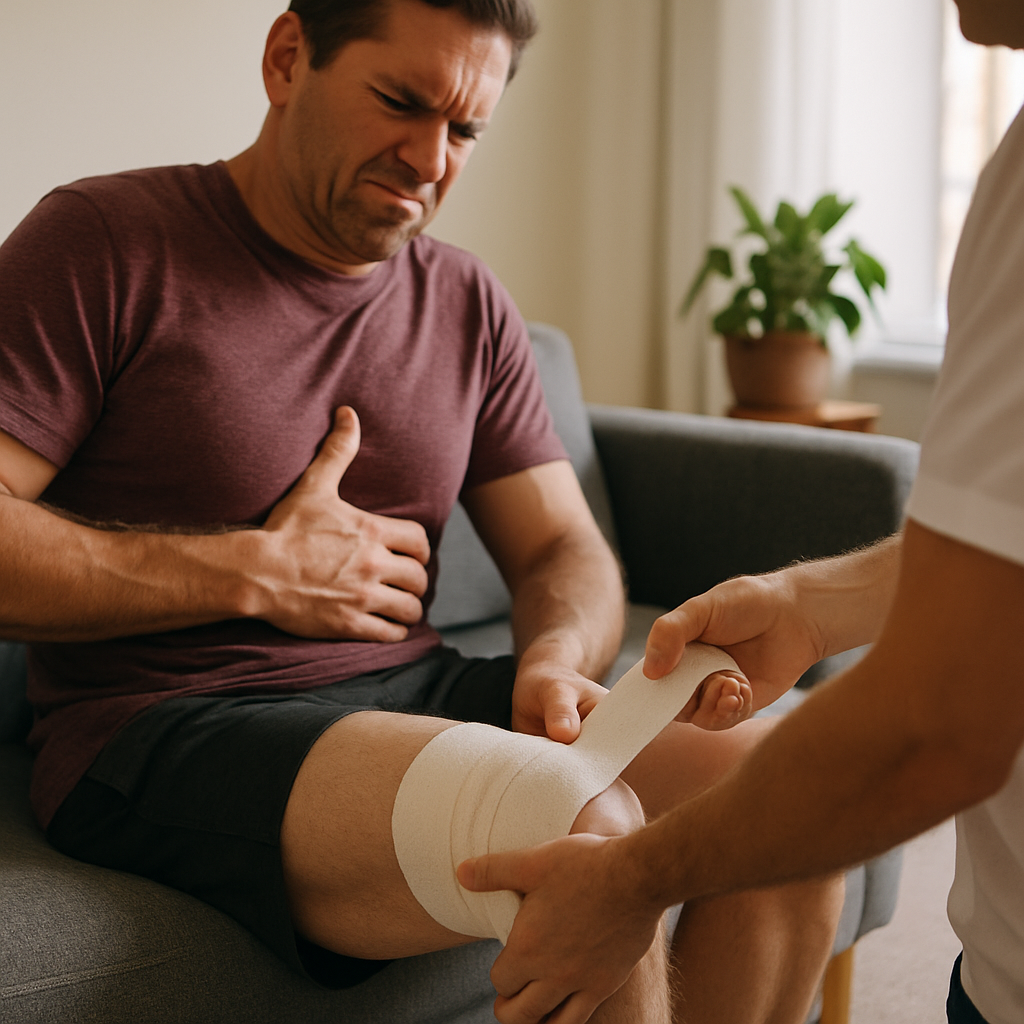
You’ve probably heard of the R.I.C.E method — Rest, Ice, Compression, Elevation — and yeah, it’s kind of a classic for a reason. It works well, especially within the first 48 hours after a strain.
-
Rest: Give your body time to heal. For neck muscle strain or lower back muscle strain, avoid activities that cause pain. Don’t just “walk it off” — that could delay healing or even make it worse.
-
Ice: Apply a cold pack for 15–20 minutes every 2–3 hours. This reduces swelling and numbs pain. But don’t put ice directly on your skin (unless you enjoy freezer burns, which you shouldn’t).
-
Compression: Wrapping the area snugly with an elastic bandage helps prevent further swelling. Just not too tight — you don’t wanna cut off circulation.
-
Elevation: Raise the injured area above heart level if possible. This step is trickier for a muscle strain in chest or abdomen, but it helps a lot for leg or thigh muscle strain.
Some folks skip RICE because it feels old-school, but honestly, it's still super effective — as long as you're not using it as an excuse to do nothing for two weeks straight.
Abdominal, Thigh, and Calf Muscle Strain Relief
Let’s talk about those tricky areas — abdominal muscle strain, thigh, and calf. These spots are especially sensitive because we use them for everything from walking to standing up to just sitting (seriously).
-
For abdominal strains, avoid twisting movements and heavy lifting. Gentle heat after 48 hours can help relax the muscles.
-
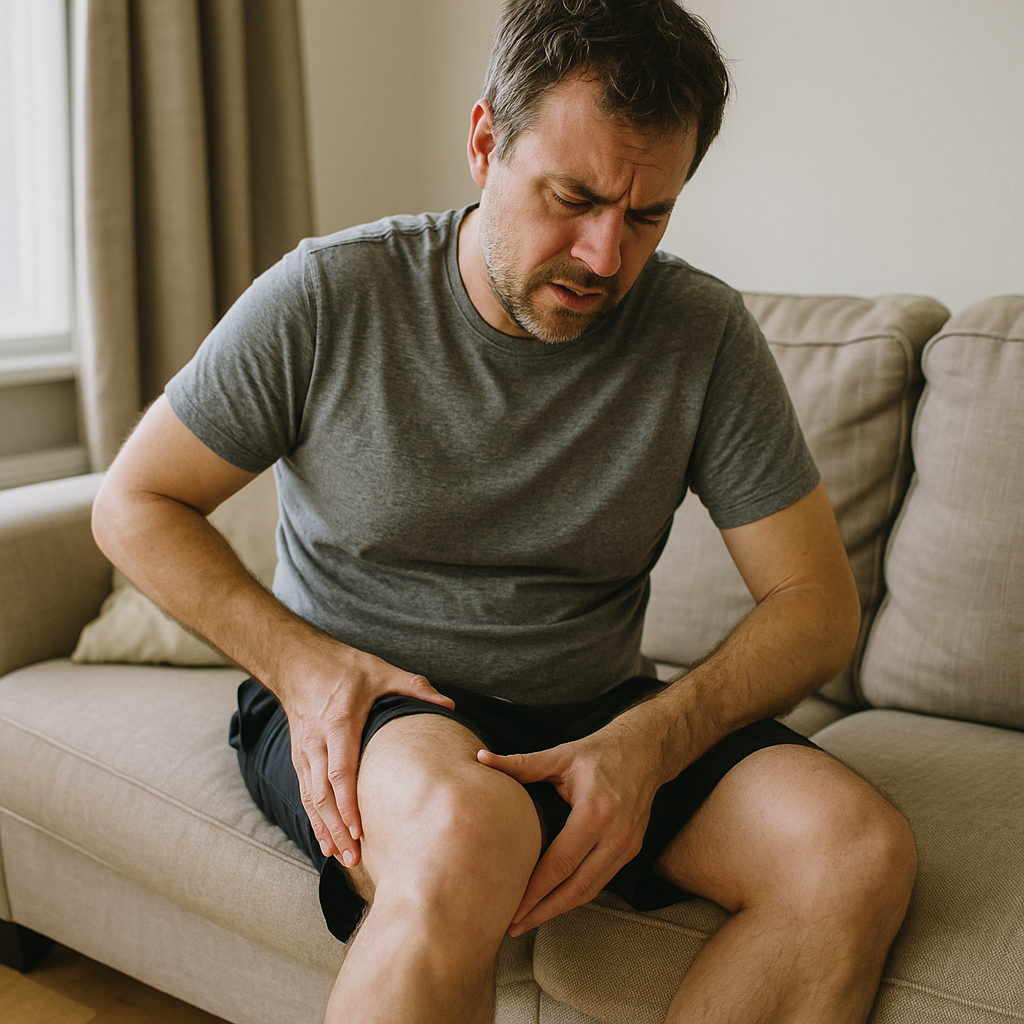
Thigh muscle strain? Use a compression sleeve and limit walking. Light stretching after a few days is okay — but only if the pain has decreased.
-
With calf muscle strain, try gentle ankle flexes while sitting to keep blood flowing. This can prevent stiffness and help healing kick in faster.
Listen, you don’t need fancy gadgets or expensive gear. A basic heating pad, elastic wrap, and a few frozen peas can go a long way. (Just remember to eat the peas later — after they thaw.)

Gentle Physical Exercises to Support Recovery
Once the initial pain eases, light activity can actually speed up recovery. Sitting around for too long can make muscles stiff, and nobody wants to feel like the Tin Man every time they move.
When and How to Start Stretching Safely
A lot of people ask: “When can I start moving again?” The answer isn’t super black-and-white. As a general rule, if the pain is mild and mobility is improving, you can begin with gentle stretches after 3–5 days.
Here’s a few tips:
-
Never stretch to the point of pain. Discomfort? Fine. Sharp pain? Nope.
-
Focus on dynamic stretches like leg swings or arm circles — they improve blood flow without putting too much strain.
-
For muscle strain in back, try gentle cat-cow or pelvic tilts while lying on the floor. Trust me, they feel amazing.
Avoiding Overuse During Recovery
This is big: don’t jump back into regular workouts too soon. Even if you feel fine, the muscle might still be healing internally. Gradually reintroduce activity. Don’t try to “test it out” by lifting heavy or sprinting — unless you wanna go right back to square one.
Instead, focus on low-impact movement: walking, light yoga, maybe some swimming if that’s your thing. Slowly increase intensity and always pay attention to your body. If it hurts, stop. Seriously. Don’t ignore that little twinge — it’s trying to tell you something.
Prevention Tips: How to Avoid Muscle Strain in the Future
Alright, now that you know how to treat muscle strain, let’s talk prevention — because no one wants to go through all this pain again. The best way to deal with a muscle strain? Honestly, it's to not get one in the first place.
Here’s how to lower your chances:
-
Warm up properly. Five jumping jacks and one toe touch isn't gonna cut it. A good warm-up increases blood flow and preps your muscles for movement. Think dynamic movements — like walking lunges, light jogging, or arm swings.
-
Don’t skip mobility work. Stretching after workouts and regularly doing flexibility exercises (hello yoga) helps keep muscles lengthened and less prone to injury.
-
Strengthen supporting muscles. If you’re prone to lower back muscle strain, strengthen your core. Dealing with frequent neck muscle strain? Focus on shoulder and upper back stability. Weak muscles force others to overcompensate — and boom, strain.
-
Stay hydrated and eat smart. This one’s underrated. Dehydration and poor nutrition can make muscles tight, tired, and slow to recover. Your body needs fuel to function — so give it some real food, not just preworkout and protein bars.
-
Listen to your limits. If your body says “Hey, that’s enough,” it probably means it. Overuse is one of the biggest causes of muscle strain in leg, back, or pretty much anywhere.
There’s no perfect formula to avoid injury 100% of the time. But with some consistency and care, you can definitely reduce your risk big time.
स्वयं दवा न लें और प्रतीक्षा न करें। अभी डॉक्टर से चैट शुरू करें
Conclusion
Dealing with a muscle strain is no fun, whether it’s in your chest, back, neck, or leg. But now you’ve got a roadmap. You’ve learned how to speed up muscle strain recovery with natural remedies, smart home treatment, and gentle exercises that actually help. You’ve also seen how to avoid ending up in the same painful place again.
From intercostal muscle strain to thigh muscle strain, the key is to be patient, consistent, and not rush the process. Your body knows how to heal — your job is to give it the right conditions to do so.
So, next time someone you know pulls something and starts Googling “muscle strain treatment at home,” you’ll know exactly what to tell 'em. Better yet? Share this article — they’ll thank you later.
FAQs
Can a pulled muscle heal in 3 days?
Sometimes, yes — if it's a very mild strain (Grade I) and you treat it early with rest, ice, and care. But most need a bit longer, usually 1–2 weeks minimum. Don’t rush it, or you might end up making it worse.
Does heat speed up muscle strain recovery?
Yes and no. In the first 48 hours, cold is better to reduce swelling. After that, gentle heat can improve blood flow and ease tight muscles. Just don’t use heat too early or on fresh inflammation.
Should I massage a pulled muscle?
Gentle massage can help — after the acute phase (usually after the first couple days). Use light pressure and maybe some Ayurvedic oil like Mahanarayan. Avoid deep tissue massage right away, that can aggravate things.
How do I know if my muscle strain is serious?
If there's severe pain, bruising, swelling, or you can’t move the muscle at all — it's serious. Also, if things aren’t getting better after a week, see a doctor. You might be dealing with a Grade II or III tear.
Still dealing with muscle pain? Revisit the tips above, try the home remedies, and start slow with movement. And remember: recovery is a process — but you’ve totally got this.
💬 Share this article with someone who might need it. Everyone’s pulled something at some point... let’s help each other heal smarter.
उपयोगकर्ताओं के प्रश्न
What are effective home remedies for relieving muscle strain pain?
Client_7889a5
22 दिनों पहले
The most effective home remedies for relieving muscle strain pain start with the R.I.C.E. method: rest, ice, compression, and elevation. Rest the affected muscle and avoid activities that cause pain. Apply ice wrapped in a cloth for 15-20 minutes every few hours to reduce swelling. Use a compression bandage to minimize swelling and provide support. Elevate the injured muscle above heart level if possible. Over-the-counter pain relievers like ibuprofen can also help. If pain or swelling doesn't improve in a few days, or if symptoms are severe, consult a doctor. While some may explore Ayurveda for muscle health, its remedies should be secondary to the primary care practices noted here.
What are the benefits of warm-ups in preventing muscle strains?
Client_28440b
27 दिनों पहले
Warming up before exercise significantly reduces the risk of muscle strains by increasing blood flow to muscles and improving flexibility, making them more pliable and less prone to injury. A proper warm-up should include 5-10 minutes of light aerobic activity, such as jogging or dynamic stretches, tailored to the exercise routine you're about to perform. Pay attention to any discomfort; stop and consult a doctor if pain persists. Ayurvedic oils like Mahanarayan may support post-exercise recovery by improving circulation, but they are not substitutes for a proper warm-up.
How does nutrition impact muscle strain recovery time?
Client_c0c701
32 दिनों पहले
Nutrition plays a critical role in muscle strain recovery by providing the essential nutrients needed for repair and reducing inflammation. Consuming a diet rich in protein can help rebuild damaged muscle tissues, while omega-3 fatty acids, found in fish, can reduce inflammation. Including vitamin C sources, like citrus fruits, may support collagen production, important for the repair process. Typically, mild strains heal within a few weeks, but nutrition can contribute to optimal healing. Seek medical advice if pain persists beyond this period or worsens, indicating possible complications.
How to effectively wrap a muscle strain for support?
Client_b9d217
37 दिनों पहले
To effectively wrap a muscle strain, use an elastic bandage to provide compression and support. Begin wrapping just below the injury site, working upwards, ensuring the wrap is snug but not so tight that it restricts circulation or causes discomfort. You should leave some skin visible above and below the bandage to check for swelling or changes in skin color. Check the fit every few hours and adjust as needed. Most minor strains improve within a week with rest and care. However, see a doctor if pain persists or if you notice significant swelling.
What are the best techniques for elevating a muscle strain?
Client_2c1f82
42 दिनों पहले
To elevate a muscle strain, raise the injured area above the level of your heart. This helps reduce swelling and allows fluids to drain away from the site of injury. Use pillows for support and comfort, and try to maintain this position for intervals of 15–30 minutes, several times a day, especially in the first 48 hours following the injury. If the muscle strain is severe with persistent pain, bruising, or swelling, consult a doctor. Avoid heavy exercises and deep tissue massage immediately after the injury, as these can worsen the condition.
What type of compression sleeve is best for calf strain recovery?
Client_6a46b4
47 दिनों पहले
For calf strain recovery, a graduated compression sleeve is often recommended. These sleeves provide more compression at the ankle and gradually less up the calf, aiding in blood flow and reducing swelling. Choose a sleeve with a snug fit but not so tight that it restricts circulation. Look for materials like spandex and nylon for flexibility and breathability. Recovery varies: mild strains may improve in a few weeks, but severe cases can take longer. Consult a doctor if pain persists or worsens. Ayurveda might suggest gentle massage or warm compresses to alleviate discomfort naturally.
Is gentle heat therapy effective for muscle strain recovery?
Client_391c08
52 दिनों पहले
Gentle heat therapy can effectively aid muscle strain recovery by improving blood flow and relaxing tight muscles, but it should be used judiciously. Avoid applying heat in the initial 48 hours of the injury when inflammation is present, as cold therapy is typically more beneficial during this acute phase. Once inflammation subsides, applying heat for 15-20 minutes can help alleviate discomfort. If pain persists or worsens despite home treatment, consult a healthcare provider to rule out more severe injuries. Remember to combine heat therapy with rest and gradual reintroduction of activity.
What are common mistakes to avoid when recovering from a muscle strain?
Client_01684f
57 दिनों पहले
When recovering from a muscle strain, avoid common mistakes like resuming exercise too soon, which can worsen the injury. Allow at least 1–2 weeks for healing, longer if the strain is severe. Start with light activity only when pain and swelling reduce. Do not stretch to the point of pain, as this can delay recovery. Applying heat too early can also worsen swelling—stick to ice initially. If pain persists beyond a few weeks, or if you notice severe swelling or bruising, consult a healthcare professional.
What physical activities should I avoid to prevent a muscle strain?
Client_cd29a2
62 दिनों पहले
To prevent a muscle strain, avoid activities that involve sudden, intense, or unfamiliar movements. This includes heavy lifting without proper technique, sudden jerking movements, and high-impact sports without adequate preparation. Always start with a proper warm-up, focusing on flexibility and gradual intensity increases. Strengthening your core can help support your lower back and reduce strain. If you experience a muscle strain, see a doctor if pain persists or worsens after a few days.
How can overuse lead to chronic muscle strain issues?
Client_e7a6b3
67 दिनों पहले
Overuse can lead to chronic muscle strain issues by repeatedly exerting muscles without allowing adequate time for recovery. This repeated stress causes small tears in muscle fibers that accumulate over time, potentially resulting in chronic pain. To help prevent chronic strain, it's important to incorporate proper warm-ups, regular rest periods, and hydration into your routine. If strains are not improving or are accompanied by severe pain or swelling, it is crucial to seek medical advice for personalized treatment. Recovery from muscle strain can take weeks to months, depending on the severity.
संबंधित आलेख

Geriatrics & Rejuvenation
सिद्ध मकरध्वज के फायदे, खुराक, साइड इफेक्ट्स, सामग्री, संदर्भ
सिद्ध मकरध्वज के फायदे, खुराक, साइड इफेक्ट्स, सामग्री, संदर्भ की खोज
9,068

Geriatrics & Rejuvenation
अश्वगंधारिष्ट के उपयोग, सामग्री, खुराक, और साइड इफेक्ट्स
अश्वगंधारिष्ट के उपयोग, सामग्री, खुराक और साइड इफेक्ट्स की खोज
5,552

Geriatrics & Rejuvenation
रसराजेश्वर रस
रसराजेश्वर रस की खोज
2,904

Geriatrics & Rejuvenation
रस सिंदूर के फायदे, खुराक, साइड इफेक्ट्स, सामग्री
रस सिंदूर के फायदे, खुराक, साइड इफेक्ट्स, और सामग्री की खोज
10,542

Geriatrics & Rejuvenation
अजमांस रसायन के फायदे, उपयोग, खुराक, सामग्री, साइड इफेक्ट्स
अजमांस रसायन के फायदे, उपयोग, खुराक, सामग्री, और साइड इफेक्ट्स की खोज
3,752

Geriatrics & Rejuvenation
How to Sleep Better: Ayurvedic Rituals, Remedies, and Lifestyle Tips
How to sleep better? Explore Ayurvedic tips, bedtime rituals, and natural remedies including magnesium and better sleep sounds to support restful sleep
2,755

Geriatrics & Rejuvenation
माणिक्य रस के फायदे, खुराक, सामग्री, साइड इफेक्ट्स
माणिक्य रस के फायदे, खुराक, सामग्री, और साइड इफेक्ट्स की खोज
6,573

Geriatrics & Rejuvenation
Dasamoola Rasayanam Benefits, Dose, Side Effects, Ingredients
Exploration of Dasamoola Rasayanam Benefits, Dose, Side Effects, Ingredients
2,731

Geriatrics & Rejuvenation
Bala Tel – Benefits, How To Use, Ingredients, Side Effects
Exploration of Bala Tel – Benefits, How To Use, Ingredients, Side Effects
2,739

Geriatrics & Rejuvenation
मृत्युंजय रस – फायदे, खुराक, सामग्री और साइड इफेक्ट्स
मृत्युंजय रस की खोज – फायदे, खुराक, सामग्री और साइड इफेक्ट्स
2,844
विषय से संबंधित परामर्श
अतिरिक्त दस्तावेज़
© 2026 Ask Ayurveda. सर्वाधिकार सुरक्षित।