Is Fenugreek Good for Diabetes? Ayurvedic Guide to Usage and Benefits

If you’ve been wondering is fenugreek good for diabetes, you're not alone. This humble herb has been used for centuries in traditional medicine, especially in Ayurveda, to help with a range of ailments—including blood sugar control. Lately, it’s gained popularity in modern wellness circles too. But let’s be honest, we all want practical, down-to-earth answers. Like what is the best way to take fenugreek seeds for diabetes control? Or how to use fenugreek seeds for diabetes without making things complicated?
Good news: you’re in the right place. In this guide, we’ll explore whether fenugreek for diabetes is actually effective, how to take it, how to make fenugreek water for diabetes at home, and why this spice might just be more than a kitchen staple. So let’s dig in.
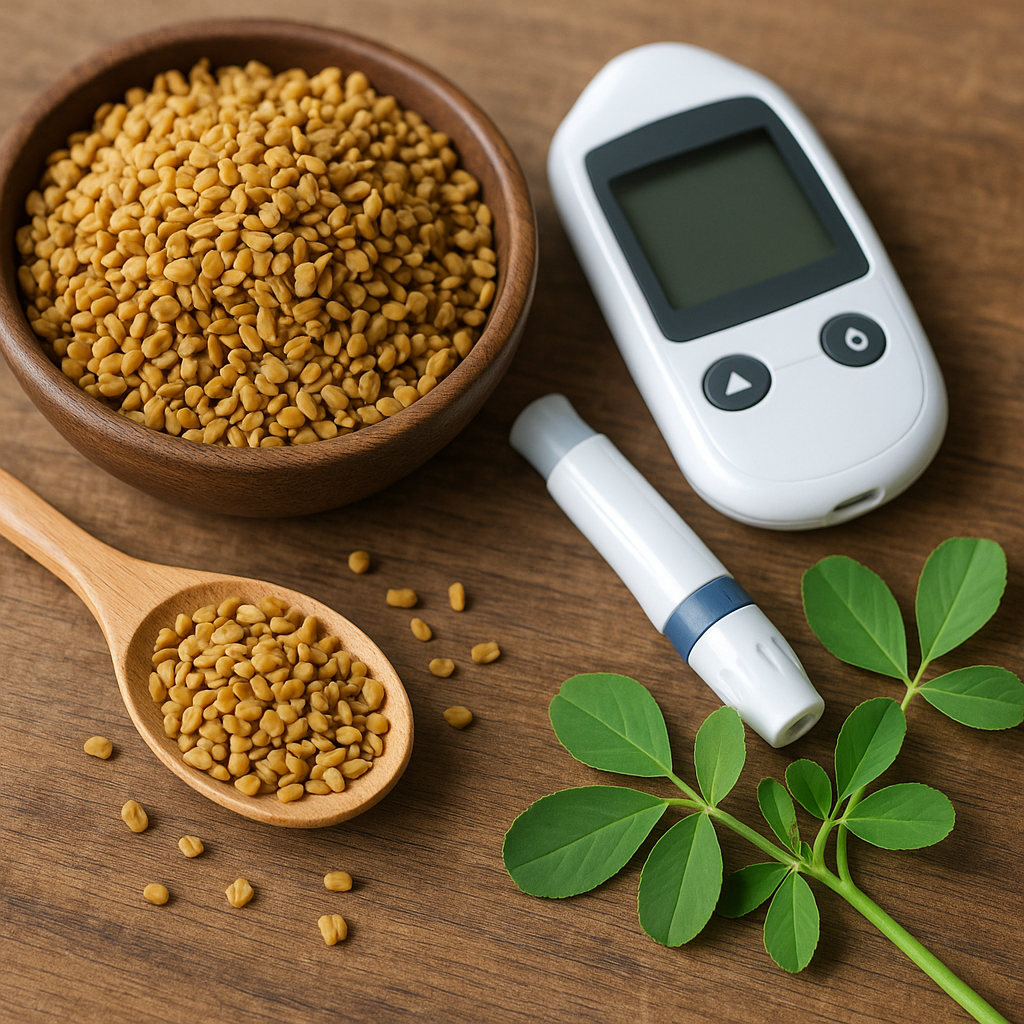
Is Fenugreek Good for Diabetes According to Ayurveda?
How Ayurveda Explains the Use of Fenugreek for Diabetes
In Ayurveda, fenugreek (known as "Methi") has long been prized for its medhya (intellect-enhancing) and deepana (digestive-stimulating) properties. But more relevant here—it’s classified as tikta rasa (bitter taste), which Ayurveda recommends for managing high blood sugar levels or what it calls "Madhumeha" (literally, "honey urine").
Fenugreek is thought to balance Kapha and Vata doshas, which are typically aggravated in type 2 diabetes. This makes it a go-to ingredient in Ayurvedic diabetic formulations. It doesn't just lower blood sugar—it also supports the digestive fire (Agni), which is often sluggish in diabetic conditions.
Why Fenugreek Is Good for Blood Sugar and Digestion
So, fenugreek and diabetes—what’s the connection from a scientific angle?
Fenugreek seeds contain soluble fiber, which slows digestion and the absorption of carbs and sugar. That can help in better glucose control. There’s also an alkaloid called trigonelline, along with amino acids like 4-hydroxyisoleucine, which have been shown in some studies to boost insulin sensitivity.
Many people swear by it. A friend of mine with borderline type 2 says her morning fenugreek routine has worked better than those overpriced supplements—though results, of course, may vary.
And, it’s not just about blood sugar. If you’re dealing with bloating, indigestion, or mild acid reflux (which weirdly often tags along with diabetes), fenugreek might lend a hand there too. Win-win.
What Is the Best Way to Take Fenugreek Seeds for Diabetes Control?
Fenugreek Seeds for Diabetes: How to Use Them Daily
Okay, so you’re sold on trying it. But how to take fenugreek seeds for diabetes without turning it into some complicated ritual?
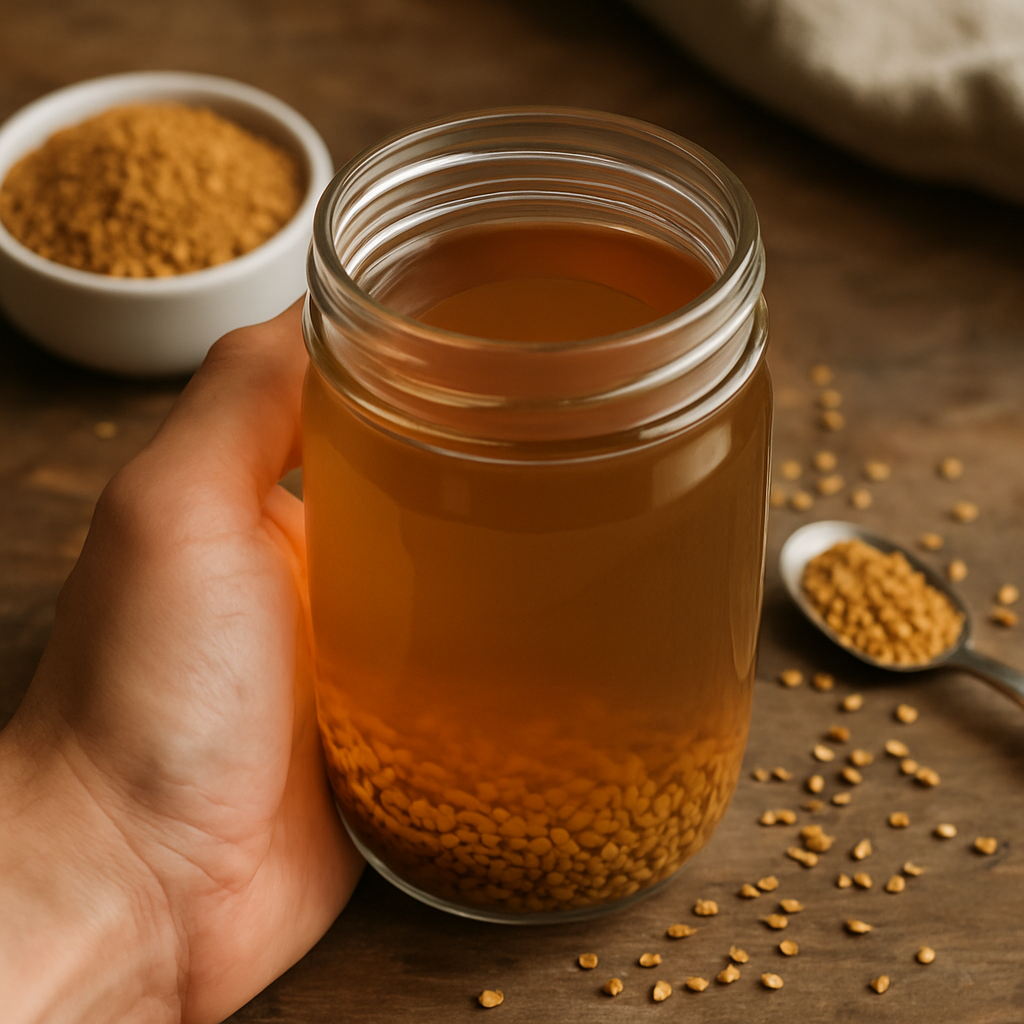
Here’s a simple daily routine: soak 1–2 teaspoons of fenugreek seeds in a glass of water overnight. Drink the water and chew the seeds first thing in the morning. This method is easy, effective, and doesn’t taste as bad as it sounds (you get used to it). This is hands down how to consume fenugreek seeds for diabetes in the most practical way.
Want a little more flavor? Mix the soaked seeds into yogurt, or sprinkle some powdered fenugreek on your dal or salad. Some people even use fenugreek tea bags—though frankly, the seeds give you more bang for your buck.
How to Eat Fenugreek Seeds for Diabetes Without Side Effects
Important heads-up: don’t go overboard.
While fenugreek is good for diabetes, taking too much can cause stomach upset, gas, or even a drop in blood sugar that’s too sharp—especially if you’re also on meds. Always start small, see how your body reacts, and maybe chat with your doc if you’re on insulin or any strong anti-diabetic medication.
And here's a little weird thing: some people report that their sweat or urine smells a bit like maple syrup after regular fenugreek intake. It’s harmless—but, yeah, kinda odd.
How to Make Fenugreek Water for Diabetes at Home
Making fenugreek water is easy—like, ridiculously easy. And it’s one of the most recommended ways if you're looking up how to use fenugreek seeds for diabetes. All you need are fenugreek seeds, water, and about 6 hours of patience. Okay, maybe a bit more if you like to soak ‘em overnight.
Step-by-step to Make Fenugreek Water:
-
Take 1 teaspoon of fenugreek seeds.
-
Rinse them gently under cold water (optional but helps remove dust).
-
Add to a glass or mug and pour in 1 cup of room-temperature water.
-
Let it soak overnight (or at least 6–8 hours).
-
In the morning, drink the water on an empty stomach. You can chew the soaked seeds if you’d like—they’re kinda bitter, though.
That’s it. That’s how to make fenugreek water for diabetes in the simplest form. No boiling. No fancy tools. Nothing wild.
Some people like to boil the seeds for 5–10 minutes and then drink the tea warm, which is fine too. It's slightly less potent than the raw-soaked method, but easier on the stomach if you're sensitive.
Pro tip: Try making a weekly batch by soaking seeds in a jar and straining a bit out daily. It saves time, and you'll be more likely to stick with it long term.
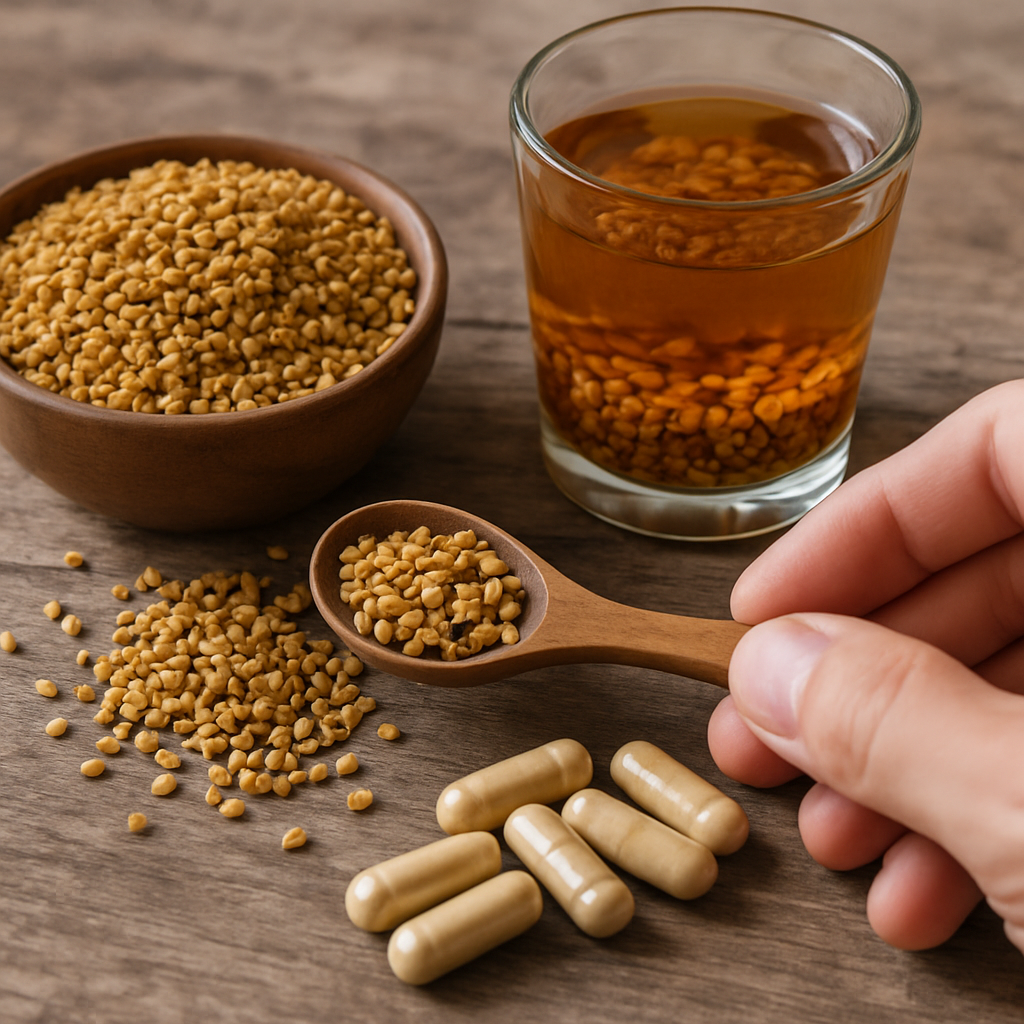
How to Use Fenugreek for Diabetes in Daily Life
How to Consume Fenugreek Seeds for Diabetes Management
Now you might be wondering—okay, I get the basics. But how to consume fenugreek seeds for diabetes without getting bored of the same old routine?
You’ve got a few tasty, practical options:
-
Soaked seeds in the morning (already covered—classic move)
-
Fenugreek tea (boil 1 tsp seeds in 2 cups of water for 10 minutes, drink warm)
-
Fenugreek powder (¼ to ½ tsp mixed into yogurt, smoothies, or sprinkled over food)
-
Sprouted seeds (takes 3–4 days, but offers added nutrients and a nutty crunch)
If you’re a bit adventurous, you can also roast fenugreek seeds lightly in a pan, grind them, and use the powder in spice mixes. Just a pinch in curries, dals, or soups adds a rich depth—and you get the blood sugar benefits too.
Don’t forget: consistency beats quantity. It’s not about dumping a bunch of seeds into one meal and calling it a day. It’s about regular, manageable intake over time.
Combining Fenugreek with Diet and Lifestyle Changes
Look, fenugreek alone isn’t magic. If your daily diet is packed with sugar, refined carbs, and zero fiber—no amount of fenugreek will save you.
So what actually works? Think of fenugreek as part of your larger plan. Pair it with these changes:
-
Eat more whole grains, veggies, and protein.
-
Walk after meals (even just 10–15 minutes can help lower post-meal spikes).
-
Cut back on processed food. You don’t need to be perfect—just consistent.
-
Stay hydrated and track your sugar levels regularly.
Fenugreek and diabetes management go hand-in-hand—but it’s not a replacement for mindful living. Think of it as a sidekick, not the hero.
Also, listen to your body. If you feel dizzy, weak, or notice sudden drops in energy, it might be a sign that fenugreek is working a bit too well alongside your meds. That’s your cue to tweak the dosage or consult your doctor.
Conclusion
So… is fenugreek good for diabetes?
Yeah. It really is.
From both an Ayurvedic and modern nutritional perspective, fenugreek seeds for diabetes are more than just a trending wellness hack—they’ve actually earned their place in your daily routine. Whether you’re sipping fenugreek water, chewing soaked seeds, or mixing the powder into your meals, there are plenty of ways to get this humble herb working for your blood sugar.
Let’s not pretend it’s a miracle cure, though. It works best when paired with smart food choices, physical activity, and regular check-ins with your healthcare provider. If you’re thinking about how to use fenugreek for diabetes consistently and safely, remember that moderation and patience are key. Not to sound dramatic, but your pancreas will probably thank you.
And hey—fenugreek is good for diabetes, but it also supports digestion, reduces bloating, and even helps with cholesterol. So even if you're not diabetic, it's still worth adding to your routine.
So go ahead. Try it out. Experiment. Find what works for you.
Your journey toward better blood sugar doesn’t need to be all needles and no flavor.
FAQs
What is the best time to take fenugreek seeds for diabetes?
Most people prefer taking fenugreek seeds early in the morning on an empty stomach. This helps maximize absorption and gives your blood sugar a steady base for the day. That said, some folks take them before meals too—especially if managing post-meal spikes is their goal. Experiment and see what works best for you.
How much fenugreek water should I drink for blood sugar?
Generally, 1 cup of soaked fenugreek water (using 1 teaspoon of seeds) per day is enough to start with. Some people go up to 2 cups a day, split between morning and evening. Just don’t go overboard—it’s tempting, but more isn’t always better.
Can I use fenugreek along with medication?
Yes—but cautiously. Fenugreek can enhance the effect of your meds, especially insulin or metformin, leading to low blood sugar (aka hypoglycemia). If you're already on medication, it's a good idea to talk to your doctor or nutritionist before adding fenugreek daily. Better safe than face-planting mid-day, right?
Are there any side effects of fenugreek for diabetes?
For most people, side effects are mild—things like gas, bloating, or a maple syrupy body odor (no joke). Rarely, it can cause allergic reactions or interfere with blood sugar meds. That’s why we recommend starting small and keeping track of how your body responds. A food journal can help too, even if it feels a little nerdy.
Final Thought
Fenugreek and diabetes? It's a smart match.
Now that you know how to take fenugreek seeds for diabetes, how to prepare the water, and how to eat them without side effects, the next step is yours.
Try it for a week. See how you feel. Track your sugar levels. Adjust your diet.
And if this guide helped, share it. Someone else you know might be looking up “how to eat fenugreek seeds for diabetes” right now and feeling confused as heck. You could be the reason they finally feel like, “Hey, I got this.”
Stay curious, stay consistent—and keep rooting for your health.
आयुर्वेदिक डॉक्टर से एक प्रश्न पूछें और मुफ़्त या सशुल्क मोड में अपनी चिंता की समस्या पर ऑनलाइन परामर्श प्राप्त करें।
2,000 से अधिक अनुभवी डॉक्टर हमारी साइट पर काम करते हैं और आपके प्रश्नों की प्रतीक्षा करते हैं और प्रतिदिन उपयोगकर्ताओं को उनकी स्वास्थ्य समस्याओं को हल करने में मदद करते हैं।
संबंधित आलेख