आयुर्वेदिक डॉक्टर से प्रश्न पूछें और निःशुल्क या भुगतान मोड में अपनी चिंता की समस्या पर ऑनलाइन परामर्श प्राप्त करें। 2,000 से अधिक अनुभवी डॉक्टर हमारी साइट पर काम करते हैं और आपके प्रश्नों का इंतजार करते हैं और उपयोगकर्ताओं को उनकी स्वास्थ्य समस्याओं को हल करने में प्रतिदिन मदद करते हैं।


Body DetoxEar, Nose, and Throat DisordersGeriatrics & RejuvenationImmunodeficiencyInfertility TreatmentNutritionOrthopedic DisordersPediatricsRespiratory DisordersSexually Transmitted Diseases (STDs)Surgery RecoveryUrological DisordersVascular DisordersDental DisordersEndocrinological DisordersGastrointestinal DisordersYoga TherapyGeneral MedicineAllergic DisordersCardio DisordersGynecology and ObstetricsCosmetologySkin and Hair DisordersEye DisordersInfectious DiseasesMental DisordersNeurological DisordersOncologyPanchakarmaSexual Health & DisordersSports Medicine
पर प्रकाशित 08/19/25
(को अपडेट 08/07/26)
star_border 4.67
21,234
What Is Miswak and Why It’s Used for Natural Oral Care

What is miswak? Simply put, it’s one of the oldest natural solutions for oral hygiene that people still use today. A miswak stick, also known as a miswak toothbrush or miswak brush, comes from the Salvadora persica tree and has been praised for centuries because of its remarkable dental and overall health properties. People often ask: does miswak whiten teeth? or what are the real miswak benefits? The truth is, beyond just brushing, miswak is deeply rooted in tradition, spirituality, and science. From preventing plaque buildup to freshening breath naturally, this small stick has a big reputation. If you’ve ever been curious about what is miswak stick and why so many cultures still swear by it, you’re about to find out.
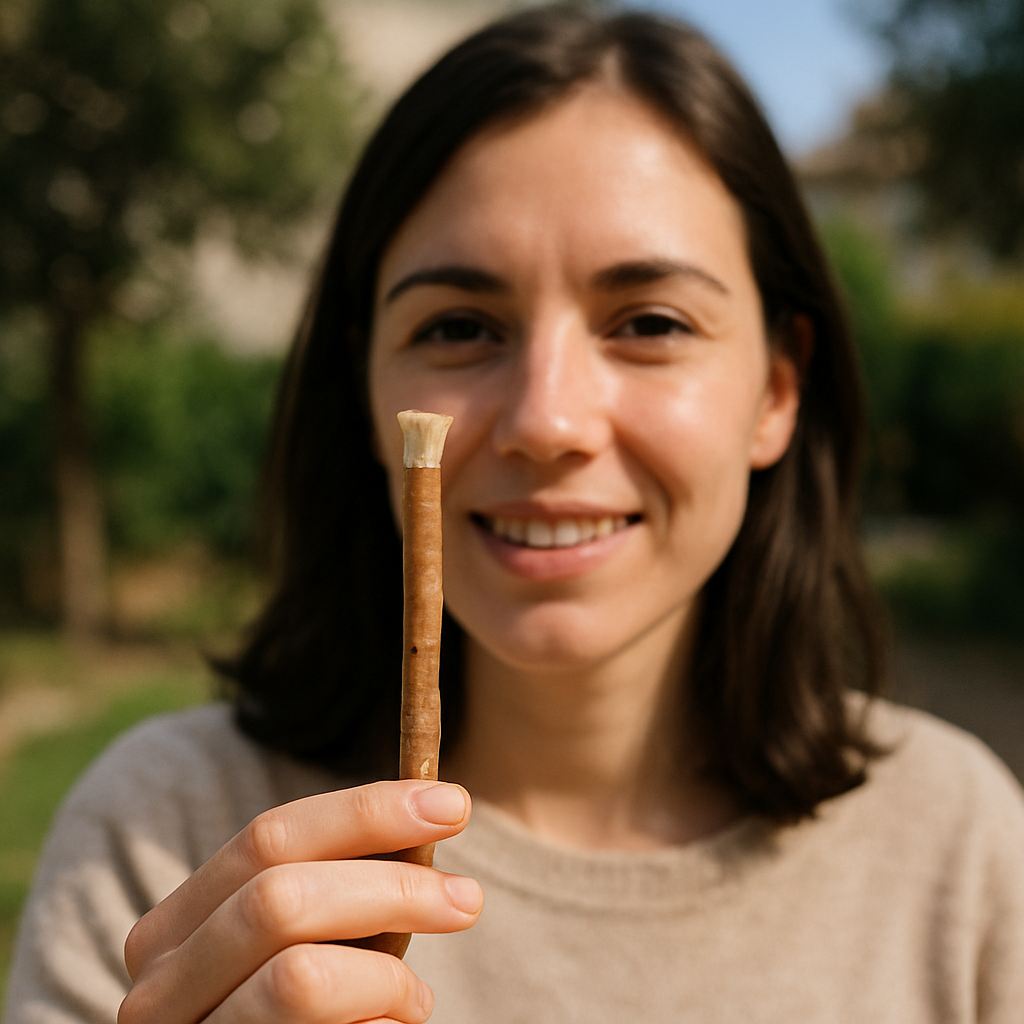
What Is Miswak: Origin, Meaning, and Plant Source
Miswak is more than just a plant twig; it’s a practice. Historically, it dates back thousands of years and was used in regions of the Middle East, South Asia, and Africa long before modern toothbrushes appeared. The miswak plant, scientifically known as Salvadora persica, is where these oral care sticks come from. It’s a desert shrub that thrives in arid climates, yet provides an incredible tool for natural dental care.
Miswak Meaning in Cultural and Religious Context
The miswak meaning goes beyond oral care — it carries religious and cultural significance. In Islamic tradition, Prophet Muhammad (peace be upon him) strongly recommended its use, and for many Muslims, the miswak stick remains a sunnah (recommended act). In other traditions, it’s been considered a symbol of cleanliness, humility, and natural living. So, when you hold a miswak toothbrush, you’re not only cleaning your teeth, you’re also participating in an ancient cultural practice with spiritual value.
What Is Miswak Stick and Its Botanical Background
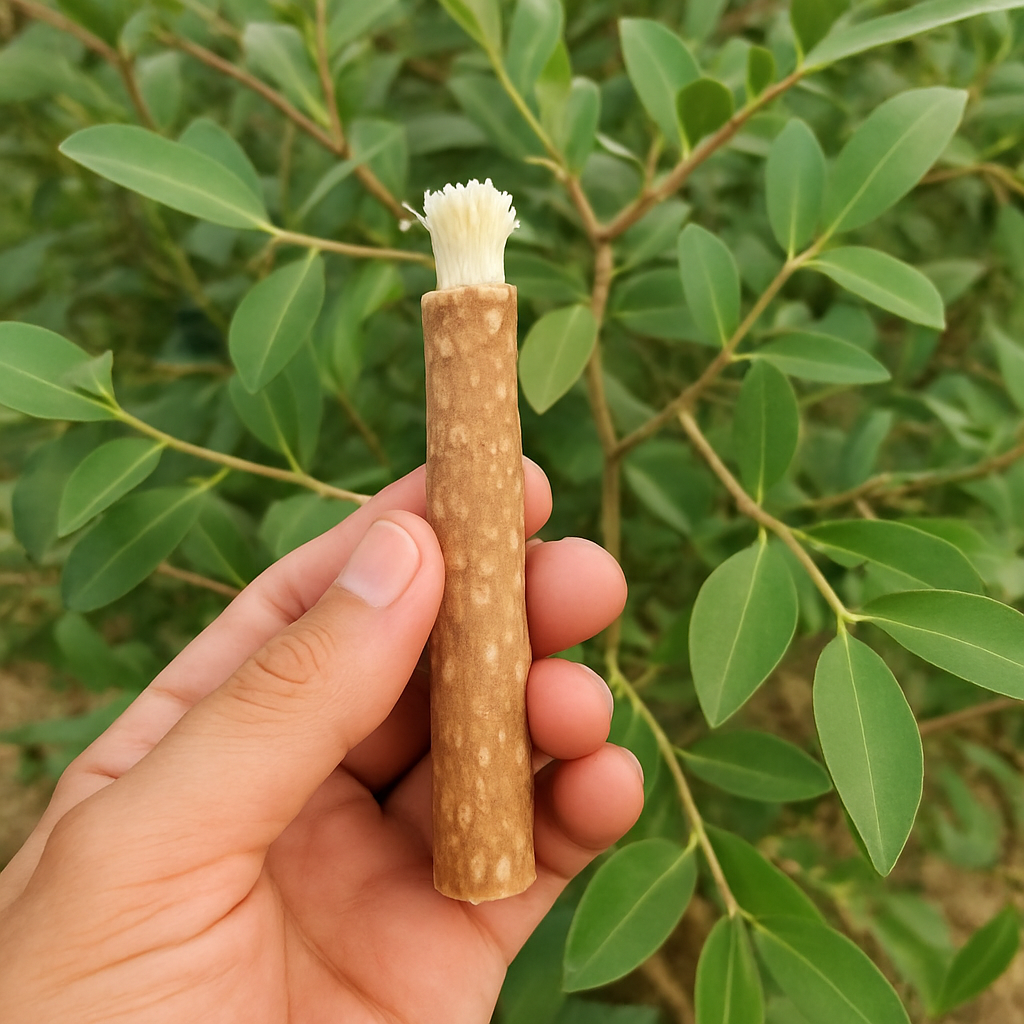
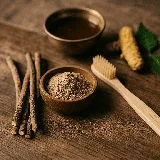
So, what is miswak stick really? In plain words: it’s a cut branch or root from the miswak plant. The outer bark is peeled, and the fibers inside are softened to form bristles, making it look like a small natural brush. Unlike plastic toothbrushes, miswak sticks contain natural oils, fluoride, and antiseptic compounds that help fight bacteria. The botanical uniqueness of the Salvadora persica tree is what makes miswak brush stand out from any ordinary twig.
Miswak Stick Benefits for Oral and Overall Health
When it comes to oral care, the benefits of miswak are wide-ranging. A fresh miswak stick can remove plaque, reduce gum inflammation, fight harmful bacteria, and even freshen breath without the need for toothpaste. Unlike synthetic products, miswak is biodegradable and eco-friendly, adding environmental benefits to its long list of pros.
Dental Benefits: Does Miswak Whiten Teeth?
This is probably one of the most common questions: does miswak whiten teeth? Research and user experience suggest yes — over time, the natural abrasiveness of the fibers helps remove surface stains, giving teeth a cleaner, whiter appearance. It’s not as fast as chemical whitening strips, but it’s safe, gentle, and free of artificial chemicals. Plus, miswak stick benefits extend to preventing cavities, strengthening gums, and reducing the chances of gum disease.
Other Health Benefits of Miswak in Ayurveda
Beyond dental hygiene, Ayurveda (India’s traditional medicine system) highlights the broader benefits of miswak. According to Ayurvedic texts, miswak helps balance oral bacteria, improves digestion by stimulating saliva flow, and may even support mental clarity through its refreshing qualities. Some practitioners also note that the miswak plant extracts can reduce bad breath, making it a natural mouth freshener without side effects.
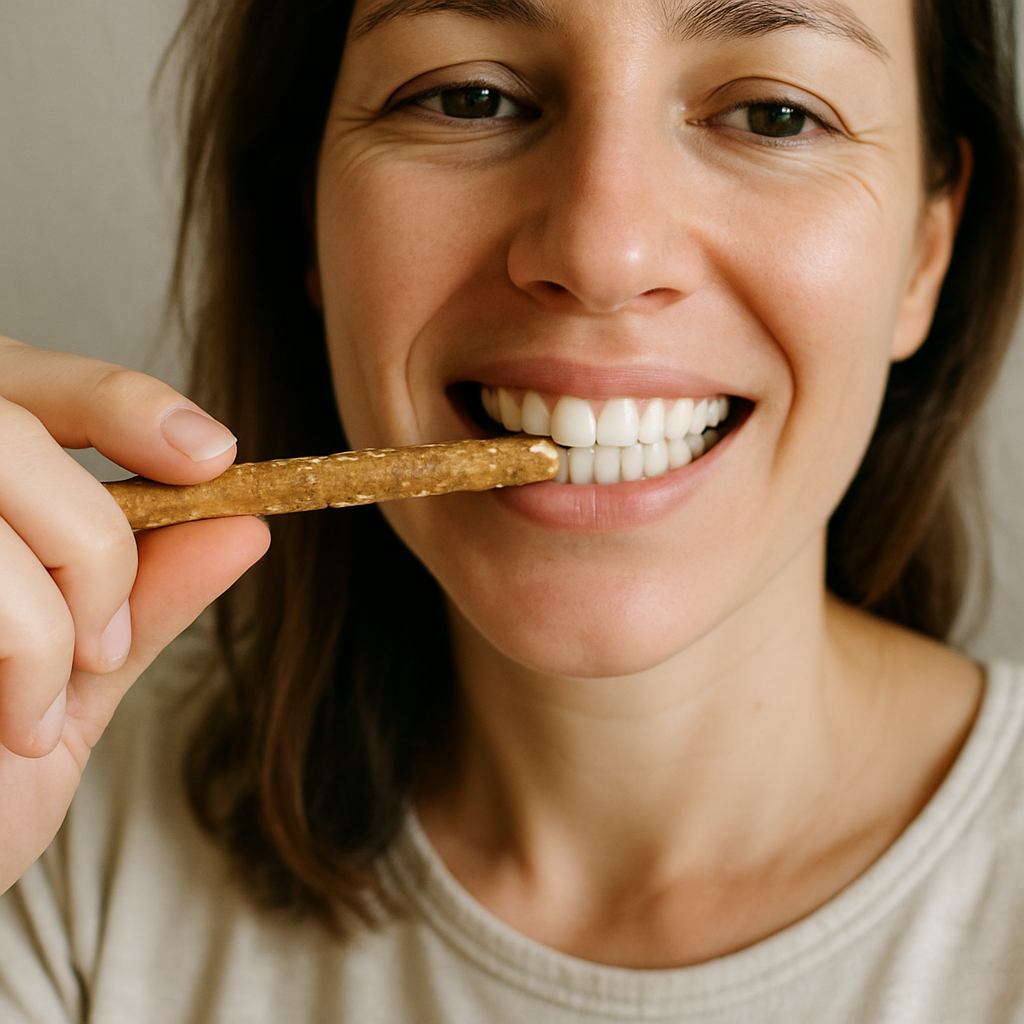
How to Use Miswak for Effective Dental Care
A lot of people hear about miswak stick benefits but aren’t sure how to use miswak properly. The truth is, it’s not complicated, but there are a few steps that make all the difference.
Step-by-Step Guide on How to Use Miswak
-
Choose a fresh stick – A fresh miswak stick is flexible, slightly moist, and gives off a faint herbal smell. Dry sticks won’t be as effective.
-
Peel the bark – Cut off about half an inch of the bark at one end of the stick.
-
Chew gently – Bite the exposed end until the fibers separate, creating natural bristles.
-
Brush in all directions – Use the miswak toothbrush just like a regular brush, moving it vertically, horizontally, and in circular motions.
-
Trim regularly – After a few days, cut off the used bristles and peel a fresh section.
That’s pretty much it. No toothpaste, no water, no mess. Just a natural miswak brush that works wherever you are.
Tips for Maintaining a Miswak Toothbrush
-
Store in a clean, dry place but avoid airtight containers (they can cause mold).
-
If it gets too dry, soak it in water for a few hours to revive it.
-
Replace with a new stick every few weeks, depending on how often you use it.
-
If you’re traveling, wrap it in a breathable cloth instead of plastic.
These small tips will keep your miswak brush fresh and effective for daily use.

Miswak vs Modern Toothbrushes
Now, let’s be real: many people wonder if miswak can actually compete with the modern plastic toothbrush. The answer? Yes and no.
-
Cleaning ability: Studies show miswak sticks can clean teeth just as well, sometimes even better, at reducing plaque and preventing gingivitis.
-
Convenience: Miswak is portable and doesn’t require toothpaste, which makes it ideal for travel or situations without running water.
-
Eco-friendliness: Miswak plant twigs are biodegradable, unlike the millions of plastic toothbrushes that end up in landfills each year.
-
Cost: One miswak stick can last weeks, while toothbrushes and toothpaste often need replacing faster.
That said, some people feel more comfortable with a modern toothbrush because of habit, availability, or preference. You could even combine both: use miswak during the day for freshness and a regular brush with toothpaste in the morning and evening.
How to Select a Fresh Miswak Stick
When buying, avoid dried-out or very thin sticks. A proper miswak stick should be about the thickness of your pinky finger and slightly bendable. The fresher it is, the more effective its natural compounds will be. If it looks brittle, it’s probably too old.
Miswak in Ayurveda and Traditional Medicine
Miswak isn’t just an old toothbrush — in Ayurveda and other traditional healing systems, it’s considered medicine. Ayurvedic practitioners have long emphasized oral care as part of whole-body health, and miswak plays a key role here.
Ayurvedic Perspective on Miswak Benefits
In Ayurveda, miswak is seen as more than just a tool for brushing teeth. It’s considered a cooling herb, balancing excess heat in the body. Oral health is directly linked to digestion in Ayurvedic philosophy, so by using a miswak stick daily, you’re not just cleaning your mouth but also supporting your gut health. Some Ayurvedic texts even claim it enhances memory and sharpens the senses — though modern science hasn’t confirmed all of these claims. Still, it shows how deeply valued this small twig has been across centuries.\
Role of Miswak Plant Extracts in Oral Health
Modern research is starting to back up what ancient medicine already knew. Scientists have studied miswak plant extracts and found that they contain compounds like fluoride, silica, tannins, vitamin C, and essential oils. Each of these contributes to oral care in a unique way:
-
Fluoride strengthens enamel and prevents cavities.
-
Silica acts as a mild abrasive, helping to scrub stains and polish teeth.
-
Tannins reduce plaque formation and fight bacteria.
-
Vitamin C helps strengthen gums and supports healing.
-
Natural oils freshen breath and maintain oral moisture.
In fact, some modern toothpastes now include miswak extract as an active ingredient, trying to bring together the best of both worlds: tradition and modern science. But many people still prefer the raw stick for its authenticity and holistic impact.
स्वयं दवा न लें और प्रतीक्षा न करें। अभी डॉक्टर से चैट शुरू करें
Conclusion
So, what is miswak? It’s more than just a twig. It’s a living tradition, a natural toothbrush, and a symbol of sustainable health care. From the miswak meaning in cultural and religious contexts to the proven miswak stick benefits for oral and overall health, this plant has earned its place in both history and science.
We’ve explored how to use miswak, whether miswak whitens teeth, and how it compares with modern toothbrushes. We’ve also seen how Ayurveda and traditional medicine view the miswak plant as a powerful tool for balancing not just oral health but whole-body wellness.
In a world overflowing with synthetic products, miswak offers something different: simplicity. It’s eco-friendly, affordable, spiritual, and scientifically supported. If you’ve never tried it, maybe it’s time. Pick up a fresh miswak brush and see for yourself why this ancient practice still thrives today.
If you found this guide useful, share it with a friend who cares about natural living. You never know — they might discover their new favorite daily ritual in something as simple as a twig.
FAQs
How often should I use a miswak stick?
You can use miswak several times a day — traditionally before prayers or meals. For best results, replace the used end every couple of days and trim it fresh.
Can miswak replace toothpaste?
Yes, for many people it does. The miswak stick naturally contains fluoride and antibacterial agents. That said, if you’re used to modern toothpaste, you can combine both — no strict rules here.
What plant is miswak made from?
The miswak plant is Salvadora persica, also called the arak tree. It grows in dry regions across Africa, the Middle East, and South Asia.
Is miswak safe for children?
Yes, but with guidance. Miswak sticks are safe, though younger children may need help preparing and using them properly. Always supervise until they get the hang of it.
उपयोगकर्ताओं के प्रश्न
How to choose the right miswak stick for my needs?
Client_9912be
2 दिनों पहले
To choose the right miswak stick, focus on its freshness, origin, and size to match your personal preference. Fresh miswak sticks are pliable and have a mild scent. Ideally, opt for miswak sourced from the Salvadora persica tree, as studies suggest they contain beneficial antimicrobial properties. Size also matters; a slimmer stick may be better for smaller mouths or easier handling. If you experience bleeding or irritation, it may not be suitable for your gums and you should consult a dentist.
What are the health benefits of using miswak daily?
Client_7fce1a
7 दिनों पहले
Using miswak daily offers several potential health benefits. It helps remove plaque and reduce gum inflammation, as well as fights harmful bacteria, contributing to overall oral hygiene. Miswak can also freshen breath without the need for toothpaste. It's crucial to choose a fresh stick, which is flexible and slightly moist, for optimal benefits. Regular use can support oral health and may indirectly benefit digestion, as maintaining good oral hygiene is essential for overall health. If you experience persistent dental issues, see a dentist for a professional evaluation.
How to teach children to use miswak effectively?
Client_34bda0
12 दिनों पहले
To teach children to use miswak effectively, start by supervising them to ensure they learn the technique correctly. Allow them to chew on the end of the stick until bristles form, then demonstrate how to use the bristles to brush their teeth gently in a circular motion. Ensure they understand to brush both the outer and inner surfaces of their teeth, as well as their tongue. Children might take a few weeks to get comfortable with the technique. Always check that the miswak stick is the appropriate size for their small hands and teeth, and replace it regularly to maintain its effectiveness. If you notice any gum irritation or other oral health issues, consult a dentist for further guidance.
What nutrients in miswak contribute to its oral health benefits?
Client_375d23
17 दिनों पहले
Miswak offers several oral health benefits due to its nutrient-rich composition. Notably, it contains fluoride, which helps prevent tooth decay, and silica, which acts as a natural abrasive to clean and whiten teeth. Tannins are present, offering anti-inflammatory properties, while vitamin C promotes healthy gums. Essential oils in miswak have antimicrobial effects, aiding in balancing oral bacteria. While many benefits are supported by its nutrient profile, always consult a dentist if you experience any dental issues or require more personalized oral health advice.
Can I use miswak for teeth whitening effects?
Client_49a2b5
22 दिनों पहले
Miswak can be used for teeth whitening effects due to its natural abrasive properties and the presence of silica, which helps to remove surface stains. However, the degree of whitening may vary, and it might not be as profound as commercial whitening products. For best results, use a fresh miswak stick, ensuring it is not too brittle or old, as this may reduce its effectiveness. Regular use can contribute to overall dental health due to its antibacterial properties. If you don't notice any improvement or if you have persistent dental discoloration, consult a dentist for personalized advice.
How to properly prepare a miswak stick for use?
Client_8637bf
32 दिनों पहले
To properly prepare a miswak stick for use, start by selecting a fresh stick that is flexible, slightly moist, and has a faint herbal aroma. Cut or chew off half an inch to one inch of the bark from one end of the stick to expose the inner fibers. Soften these fibers by gently soaking them in water for about a day or by chewing softly, creating a bristle-like texture. This bristled end is what you'll use for cleaning teeth. After each use, rinse the miswak thoroughly and trim the used bristle to maintain cleanliness. If any issues such as gum irritation occur or if the miswak becomes dry, replace it with a new stick. If dental discomfort persists, consult a dentist. Miswak offers oral health benefits supported by scientific studies alongside maintaining eco-friendliness.
How long does a miswak stick last before needing replacement?
Client_851435
42 दिनों पहले
A miswak stick typically lasts around three to four weeks before needing replacement. The lifespan can vary depending on how often it is used and the size of the stick. To maintain efficacy, replace the stick when the fibers become frayed or too short to effectively reach and clean between teeth. Store in a dry place to prevent mold. If you notice any unwelcome symptoms like bleeding gums or persistent bad breath, it may be time to see a dentist. While Ayurveda acknowledges its benefits, specific dental issues should be discussed with a healthcare professional.
How can miswak promote overall oral health beyond just cleaning teeth?
Client_425dff
51 दिनों पहले
Miswak can enhance oral health by providing antibacterial properties that help reduce plaque and gingivitis. Research suggests that compounds in the miswak plant have natural antibacterial activity, which can prevent the growth of bacteria responsible for oral infections. It also stimulates saliva production, a natural defense against tooth decay. Regular use can promote healthier gums and may contribute to fresher breath. Look for signs of persistent bad breath or gum irritation, and consult a dentist if issues persist or worsen.
How does the environmental impact of miswak compare to plastic toothbrushes?
Client_b72715
61 दिनों पहले
Miswak sticks generally have a lower environmental impact than plastic toothbrushes. Made from the Salvadora persica plant, miswak is biodegradable and doesn't require the manufacturing and disposal processes associated with plastic toothbrushes, which take hundreds of years to decompose. However, the environmental benefits depend on sustainable harvesting and local availability of miswak plants. In contrast, plastic toothbrushes contribute significantly to landfills and ocean pollution. If you experience dental issues using natural products or switching from traditional brushes, consulting a dentist for tailored advice is wise.
Is there a specific technique for using miswak to get the best cleaning results?
Client_edaefd
71 दिनों पहले
To get the best cleaning results with miswak, peel about half an inch of the bark off one end, chew the stick until soft bristles form, and then gently brush your teeth. Aim for a few minutes, covering all surfaces, and rinse well. Stick to a pinky-sized, fresh miswak for best results. Some folks say that using it 2-3 times a day keeps things fresh!
संबंधित आलेख

Dental Disorders
Dental problems
The oral disease remains a major health problem worldwide. Oral health is an integral part of general well-being and refers to the quality of life.
3,084

Dental Disorders
How to Get Rid of Bitter Taste in Mouth: Causes, Remedies, and Ayurvedic Treatment
How to get rid of bitter taste in mouth? Discover home remedies, Ayurvedic tips, and how to treat bitter taste after fever or when sick
6,946
Dental Disorders
Ayurvedic Treatment for Teeth Cavities: A Real, Root-Level Solution
Dental caries (cavities) have become so common that most people shrug them off — until they land in the dentist’s chair needing a root canal. Globally, over 2.5 billion people suffer from untreated dental cavities. It’s the most prevalent chronic disease
4,683

Dental Disorders
How to Get Rid of Salty Taste in Mouth: Causes and Natural Remedies
Discover how to get rid of salty taste in mouth with Ayurvedic tips. Learn causes, possible illnesses, and natural treatments to restore oral freshness
4,597

Dental Disorders
Ayurvedic Treatment for Teeth Cavities: A Holistic Guide
Discover how Ayurveda may help prevent and manage teeth cavities. Learn about scientific insights, holistic remedies, and tips for lasting oral health.
4,967

Dental Disorders
How to Cure Gum Disease Without a Dentist: Ayurvedic and Home Treatment Guide
How to cure gum disease without a dentist? Discover Ayurvedic and home remedies for gum infection, gingivitis, and periodontitis, including natural treatment tips
2,946
Dental Disorders
Ayurvedic Medicine for Tooth Decay: An Honest Dive Into Ancient Wisdom and Real Solutions
Tooth decay. Two words that sound small but can cause a ton of pain, cost a fortune in dental bills, and leave you nervously poking that one molar with your tongue. I’ve been there — late-night Googling “how to stop a cavity naturally” with half my cheek
3,652

Dental Disorders
Best Ayurvedic Medicine for Mouth Ulcer: Effective Natural Remedies
Discover the best Ayurvedic medicines for mouth ulcers. Learn about natural remedies, their benefits, usage guidelines, and scientific insights to effectively treat mouth ulcers.
4,077

Dental Disorders
दांतों को सड़न से कैसे बचाएं: आयुर्वेदिक गाइड से रोकथाम और देखभाल
दांतों को सड़न से बचाने के लिए आयुर्वेदिक उपाय, रोकथाम के टिप्स और प्राकृतिक इलाज के बारे में जानें, ताकि आपकी मुस्कान स्वस्थ और मजबूत बनी रहे।
3,963
विषय से संबंधित परामर्श
अतिरिक्त दस्तावेज़
© 2024 Ask Ayurveda. सर्वाधिकार सुरक्षित।