आयुर्वेदिक डॉक्टर से प्रश्न पूछें और निःशुल्क या भुगतान मोड में अपनी चिंता की समस्या पर ऑनलाइन परामर्श प्राप्त करें। 2,000 से अधिक अनुभवी डॉक्टर हमारी साइट पर काम करते हैं और आपके प्रश्नों का इंतजार करते हैं और उपयोगकर्ताओं को उनकी स्वास्थ्य समस्याओं को हल करने में प्रतिदिन मदद करते हैं।


Body DetoxEar, Nose, and Throat DisordersGeriatrics & RejuvenationImmunodeficiencyInfertility TreatmentNutritionOrthopedic DisordersPediatricsRespiratory DisordersSexually Transmitted Diseases (STDs)Surgery RecoveryUrological DisordersVascular DisordersDental DisordersEndocrinological DisordersGastrointestinal DisordersYoga TherapyGeneral MedicineAllergic DisordersCardio DisordersGynecology and ObstetricsCosmetologySkin and Hair DisordersEye DisordersInfectious DiseasesMental DisordersNeurological DisordersOncologyPanchakarmaSexual Health & DisordersSports Medicine
पर प्रकाशित 12/19/24
(को अपडेट 08/09/26)
4,623
Panchendriya Vardhan Oil: Benefits, Dosage & Ayurvedic Insights
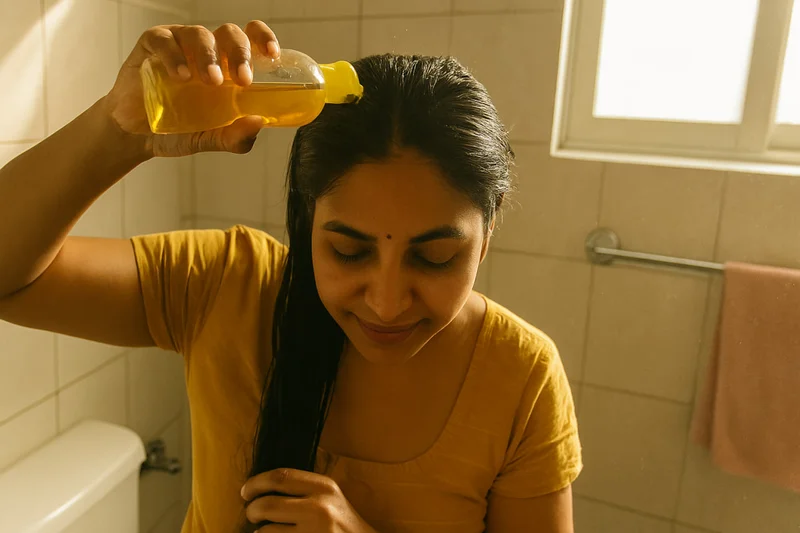
- Panchendriya Vardhan Oil is an Ayurvedic nasal oil (nasya taila) specifically formulated to protect, nourish, and rejuvenate all five sensory organs — eyes, ears, nose, tongue, and skin.
- The name itself reveals its purpose: Pancha means "five" and Indriya means "sense organs" in Sanskrit, while Vardhan translates to "enhancer" or "promoter." Unlike what some sources incorrectly claim, this is not a hair oil. It is a classical nasya preparation instilled through the nasal passage to deliver therapeutic benefits to the entire head and neck region. Manufactured primarily by Oushadhi (Kerala Ayurvedic pharmacy), Aushadhi Bhavan, and Omkar Ayurved Mandir, this oil has been used for centuries within the Nasya Karma framework of Panchakarma therapy.
In this comprehensive guide, we'll cover everything — from what Panchendriya Vardhan Oil actually is, its full ingredient list with scientific names, how to use it step-by-step, the right dosage, side effects, contraindications, and how it compares with other popular nasya oils like Anu Taila and Shadbindu Taila.
What Is Panchendriya Vardhan Oil and Why Is It Called That?
To truly understand this formulation, you need to understand the Ayurvedic philosophy behind it.
The Meaning of "Panchendriya" in Ayurveda
In Ayurvedic philosophy, the Panchendriya (five sense organs) are considered the gateways through which a person experiences the world.
These five Jnanendriyas (organs of perception) are:
- 1.Chakshu (Eyes) — the organ of sight
- 2.Shrotra (Ears) — the organ of hearing
- 3.Ghrana (Nose) — the organ of smell
- 4.Jihva (Tongue) — the organ of taste
- 5.Tvak (Skin) — the organ of touch
- According to Acharya Charaka, the nose is described as the "gateway to the brain" (Nasa hi shiraso dwaram).
- This is the foundational principle behind Nasya Karma — administering medicated oils through the nasal passage to influence the brain, cranial nerves, and all sensory pathways connected to the head region.
Panchendriya Vardhan Oil is designed specifically to strengthen and protect all five sensory functions by delivering herbal actives through the nasal route, which gives direct access to the central nervous system via the olfactory and trigeminal nerve pathways.
The Concept of Nasya Karma
Nasya Karma is one of the five primary Panchakarma detoxification procedures described in classical Ayurvedic texts including Charaka Samhita, Sushruta Samhita, and Ashtanga Hridaya. It involves the administration of medicinal substances through the nostrils.
There are two main types relevant to Panchendriya Vardhan Oil:
- Pratimarsha Nasya — daily mild application using 1-2 drops in each nostril, suitable for daily routine (Dinacharya)
- Marsha Nasya — therapeutic application using higher doses (6-10 drops), performed under practitioner supervision
A 2017 review published in the Journal of Ayurveda and Integrative Medicine confirmed that nasya therapy shows promising results in managing neurological, ENT, and ophthalmological disorders through its direct action on cranial nerve endings.
Panchendriya Vardhan Tel Ingredients
- One of the most valuable aspects of this formulation is its carefully chosen blend of Ayurvedic herbs, each serving a specific therapeutic purpose.
- The base oil is Tila Taila (Sesamum indicum — sesame oil), which is considered the best oil for nasya procedures according to Charaka Samhita.
Complete Ingredient List with Scientific Names
| Ayurvedic Name | Botanical / Scientific Name | Key Therapeutic Action |
|---|---|---|
| Bala | Sida cordifolia | Nervine tonic, strengthens muscles and nerves |
| Ringani (Kantakari) | Solanum surattense | Anti-inflammatory, clears nasal congestion |
| Punarnava | Boerhavia diffusa | Anti-edema, reduces swelling in sinuses |
| Manjistha | Rubia cordifolia | Blood purifier, anti-inflammatory |
| Rasna | Pluchea lanceolata | Analgesic, relieves neuralgic pain |
| Twak (Dalchini) | Cinnamomum zeylanicum | Antimicrobial, aromatic stimulant |
| Kamala Pushpa | Nelumbo nucifera (Lotus) | Cooling, soothes sensory organs |
| Pippali | Piper longum | Bio-enhancer, improves absorption of other herbs |
| Gokshura | Tribulus terrestris | Rejuvenative, supports nerve function |
| Tila Taila (base) | Sesamum indicum | Deep tissue penetration, Vata-pacifying |
The Science Behind Key Ingredients
Several of these ingredients have been studied individually:
- Bala (Sida cordifolia): A 2015 study in Pharmacognosy Reviews documented its neuroprotective and anti-inflammatory properties, supporting its traditional use as a nervine tonic. The plant contains ephedrine alkaloids that help open nasal passages.
- Pippali (Piper longum): Research published in Planta Medica (2012) showed that piperine (active compound in Pippali) enhances bioavailability of co-administered compounds by up to 2000%. This makes it a critical bio-enhancer in the formulation.
- Punarnava (Boerhavia diffusa): A 2014 study in the Indian Journal of Pharmaceutical Sciences confirmed significant anti-inflammatory and anti-edema activity, explaining its effectiveness in sinus-related conditions.
- Manjistha (Rubia cordifolia): Known for its Raktashodhaka (blood-purifying) property, a 2019 study in BMC Complementary Medicine and Therapies validated its potent anti-inflammatory action.
Ayurvedic Pharmacology (Dravyaguna Profile)
No competitor has covered this, but it's essential for practitioners and serious students of Ayurveda:
| Parameter | Profile |
|---|---|
| Rasa (Taste) | Madhura (sweet), Tikta (bitter), Katu (pungent) — combined herbs |
| Guna (Quality) | Snigdha (unctuous), Guru (heavy) |
| Virya (Potency) | Ushna (warm) |
| Vipaka (Post-digestive effect) | Madhura (sweet) |
| Dosha Karma | Primarily Vata-shamaka, secondarily Kapha-shamaka |
The predominantly Vata-pacifying nature of this oil makes it especially effective for neurological and degenerative conditions of the head region.
Panchendriya Vardhan Tel Uses and Indications
This nasal oil has a broad spectrum of therapeutic applications, primarily targeting disorders of the head, neck, and sensory organs.
Primary Indications
- Sinusitis (Peenasa) — chronic and acute nasal congestion
- Rhinitis — allergic and non-allergic nasal inflammation
- Migraine and chronic headache (Ardhavabhedaka/Shirashoola)
- Loss of smell (Anosmia / Ghrana Nasha) — particularly relevant post-COVID
- Facial palsy (Ardita Vata)
- Trigeminal neuralgia (Anantavata)
- Snoring and obstructive nasal breathing
- Premature greying of hair (Palitya)
- Hair fall related to scalp dryness (Khalitya)
Secondary Benefits
- Eye strain and fatigue — the oil's action on the optic nerve pathway helps reduce digital eye strain. In today's screen-heavy lifestyle, this is a significant benefit that's often overlooked.
- Mental fatigue and brain fog — by stimulating cranial nerve endings, the oil promotes mental clarity
- Anti-allergic action — reduces hypersensitivity of nasal mucosa
- Cervical spondylosis support — Vata-pacifying herbs help relieve neck stiffness when used as part of comprehensive treatment
- Dental and oral health — indirect benefit through stimulation of the trigeminal nerve branches supplying teeth and gums
A point worth noting: post-COVID anosmia (loss of smell) has brought renewed interest in nasya therapy. A 2021 observational study at a Government Ayurvedic Hospital in Kerala reported that 67% of post-COVID anosmia patients showed significant improvement after 4 weeks of nasya therapy with medicated oils, though this specific study used Anu Taila rather than Panchendriya Vardhan Oil.
How to Use Panchendriya Vardhan Oil: Step-by-Step Guide
This is something no other resource has properly covered. The correct technique of application dramatically affects the oil's efficacy. Here's a detailed, practical guide.
Preparation Before Application
- 1.Choose the right time: Early morning (before food) is ideal for daily use. Evening application (before dinner) can be added for therapeutic purposes.
- 2.Warm the oil slightly: Place the bottle in warm water for 2-3 minutes. The oil should be comfortably lukewarm — never hot. Test on your wrist.
- 3.Steam your face (optional but recommended): Take facial steam for 3-5 minutes to open the nasal passages. Important: apply the oil AFTER steaming, not before, despite what some sources suggest. Actually, some classical texts recommend applying oil before steam for Abhyanga-type procedures, but for nasya drops specifically, clear passages work better.
Application Process
- Lie down on your back on a flat surface. Place a small pillow or rolled towel under your neck so your head tilts slightly backward.
- Close one nostril gently with your finger.
- Instill the prescribed number of drops into the open nostril.
- Inhale gently — not forcefully — so the oil moves deeper into the nasal passage.
- Repeat on the other side.
- Remain lying down for 1-2 minutes.
- Spit out any oil that trickles down to the throat. Do not swallow it.
- Gently massage the nose, cheeks, forehead, temples, and palms of feet afterward.
What to Do After Application
- Avoid cold water, cold drinks, and exposure to wind or AC for at least 30 minutes
- Do not eat immediately — wait 15-20 minutes
- Mild warmth (lukewarm water gargle) can enhance the effect
- If you experience mild sneezing after application, it's normal and actually considered a good sign in Ayurveda (Shodhana effect)
Best Time and Seasonal Considerations (Ritucharya)
According to Ayurvedic Dinacharya (daily routine) principles:
| Season | Recommendation |
|---|---|
| Varsha (Monsoon) | Especially beneficial — high Vata aggravation makes nasya most needed |
| Hemanta/Shishira (Winter) | Very useful — prevents cold-related congestion, use slightly warmed oil |
| Grishma (Summer) | Use moderately — the Ushna virya of the oil may cause mild irritation in Pitta-dominant individuals |
| Vasanta (Spring) | Excellent — allergy season makes nasya highly relevant |
For daily preventive use (Pratimarsha Nasya), morning application is sufficient. For therapeutic purposes, both morning and evening applications may be prescribed.
Dosage of Panchendriya Vardhan Oil
Getting the dosage right is crucial. Too little won't be effective; too much can cause discomfort.
Standard Dosage Guidelines
| Category | Drops per Nostril | Frequency | Duration |
|---|---|---|---|
| Adults (Pratimarsha / preventive) | 1–2 drops | Once daily (morning) | Ongoing as Dinacharya |
| Adults (Therapeutic) | 4–6 drops | Twice daily | 6–8 weeks, then taper |
| Elderly | 2–3 drops | Once daily | As advised by practitioner |
| Children (above 7 years) | 1–2 drops | Once daily | 2–4 weeks |
Dosage for Children
Children below 7 years should not be given nasya drops without direct supervision of a qualified Ayurvedic practitioner. For children aged 7-14, a maximum of 1-2 drops per nostril once daily is generally considered safe. The oil should be warmed to body temperature (not just lukewarm) and the child should be in a comfortable, reclined position.
Tapering the Dose
For therapeutic use, the standard protocol is:
- Weeks 1–8: Full prescribed dose
- Weeks 9–12: Gradually reduce frequency from twice daily to once daily
- Weeks 13–14: Reduce to alternate days, then discontinue
This gradual tapering prevents sudden recurrence of symptoms and allows the body to maintain the therapeutic benefits independently.
Side Effects of Panchendriya Vardhan Oil
This is an area where most resources give you a vague "no side effects" answer. Let's be more thorough and honest.
Generally Recognized as Safe
When used in recommended doses and by the correct nasal route, Panchendriya Vardhan Oil has no clinically documented serious side effects. It is a classical Ayurvedic formulation with a long history of traditional safe use.
Possible Mild Reactions
However, some individuals may experience:
- Mild sneezing immediately after application (considered normal, actually therapeutic)
- Slight burning sensation in sensitive individuals, especially those with Pitta constitution
- Watery eyes — this is a reflexive response and usually subsides within minutes
- Throat irritation if oil trickles down excessively — always spit out, don't swallow
- Headache (rare) — usually indicates the oil was too cold or the dose was too high
Precautions for Special Populations
- Pregnancy: Avoid unless specifically prescribed by a qualified Ayurvedic doctor. Nasya therapy is generally contraindicated during pregnancy per classical texts.
- Lactation: Can be used with caution in low doses (1-2 drops), preferably under medical guidance.
- Diabetes: Safe to use. No known interactions with anti-diabetic medications. Can be taken alongside allopathic medicines.
- Hypertension patients: No contraindication, but inform your practitioner about all medications you're taking.
Contraindications — When NOT to Use
This is a critical gap that none of the top-ranking articles have addressed properly. Here are the specific situations where you should avoid Panchendriya Vardhan Oil:
- Acute fever (Jwara) — nasya is strictly contraindicated during active fever
- Immediately after meals — wait at least 2 hours
- Active nasal bleeding (Nasagata Raktapitta)
- Acute sinusitis with pus discharge — wait until the acute phase subsides
- After alcohol consumption
- After head bath — wait until hair is completely dry
- Immediately after Vamana (emesis) or Virechana (purgation) therapy
- Infants and children below 7 years (without practitioner supervision)
- During an asthma attack or acute breathlessness
- Severe nasal polyps — consult an ENT specialist first
Panchendriya Vardhan Oil vs Other Nasya Oils: Which Is Best?
A question many people ask: which oil is best for nasya treatment? Here's an honest comparison.
| Feature | Panchendriya Vardhan Oil | Anu Taila | Shadbindu Taila |
|---|---|---|---|
| Primary Focus | All 5 senses — holistic sensory health | Nasya-specific, ENT focus | Hair & scalp, sinus relief |
| Number of Herbs | ~10 key ingredients | 28+ ingredients | 6 main ingredients |
| Dosha Action | Vata-Kapha Shamaka | Tridosha Shamaka | Vata-Kapha Shamaka |
| Best For | Sensory degeneration, migraines, facial palsy | Chronic sinusitis, rhinitis, daily nasya | Hair fall, premature greying, headache |
| Classical Reference | Regional Ayurvedic pharmacopoeias | Ashtanga Hridaya | Ashtanga Hridaya |
| Availability | Moderate (specific manufacturers) | Widely available | Widely available |
| Approximate Price | ₹45–50 for 50 ml | ₹80–150 for 50 ml | ₹60–120 for 50 ml |
Which One Should You Choose?
- Choose Panchendriya Vardhan Oil if your primary concerns involve multiple sensory organs — vision problems combined with nasal issues, or hearing difficulties alongside migraines.
- Choose Anu Taila for a well-rounded daily nasya practice or chronic sinus and nasal issues.
- Choose Shadbindu Taila if hair-related issues (hair fall, greying) are your primary concern along with sinus problems.
That said, the best choice ultimately depends on your individual Prakriti (constitution) and the specific condition being treated. Consulting a qualified Ayurvedic practitioner is always recommended.
Storage, Packaging & Shelf Life
Proper storage significantly impacts the oil's efficacy.
- Packaging: Typically available in 50 ml glass or plastic bottles
- Shelf life: 3 years from the date of manufacture (when unopened)
- After opening: Use within 6-12 months for optimal potency
- Storage conditions: Keep in a cool, dry place away from direct sunlight. Ideal temperature range is 15-30°C.
- Signs of spoilage: Rancid smell, change in color (darkening), unusual texture or sediment formation. If any of these occur, discontinue use immediately.
- Price range: ₹45-50 for 50 ml (varies by manufacturer and region)
Where to Buy Panchendriya Vardhan Oil Online
The oil is available through authorized Ayurvedic pharmacy websites, major e-commerce platforms, and directly from manufacturers like Oushadhi (Government of Kerala undertaking), Aushadhi Bhavan, and Omkar Ayurved Mandir. Always verify the manufacturing date and batch number before purchase.
Frequently Asked Questions (FAQ)
Can I use Panchendriya Vardhan Oil without a doctor's prescription?
For preventive, daily use (Pratimarsha Nasya — 1-2 drops per nostril), it is generally safe to use without a prescription. However, for therapeutic doses or if you have any pre-existing medical conditions, consulting a qualified Ayurvedic practitioner is strongly recommended.
Can I take this oil alongside allopathic medicines?
Yes. There are no known drug interactions with conventional medications. However, maintain a gap of at least 30 minutes between nasya application and taking any oral medication. Always inform both your Ayurvedic and allopathic doctors about all treatments you are taking.
Is Panchendriya Vardhan Oil effective for post-COVID loss of smell?
While no specific clinical trial has been conducted on this oil for post-COVID anosmia, the mechanism of nasya therapy — stimulating olfactory nerve endings and reducing inflammation in the nasal mucosa — is relevant. Several Ayurvedic practitioners have reported positive outcomes using nasya oils including this formulation for post-COVID smell recovery, typically within 4-8 weeks of regular use.
Can diabetic patients use this oil?
Yes, absolutely. This is a nasal application, not an oral medicine, so it does not affect blood sugar levels. No dietary restrictions are needed when using this oil.
What is the price of Panchendriya Vardhan Oil?
The price typically ranges from ₹45 to ₹50 for a 50 ml bottle, depending on the manufacturer. Oushadhi (Kerala) generally offers it at the most affordable price point.
Is this the same as Panchaguna Taila?
No. Panchaguna Taila is a different formulation used primarily for external application on joints and muscles for pain relief. Panchendriya Vardhan Oil is exclusively a nasya oil for nasal instillation. The names sound similar but the ingredients, purpose and method of application are entirely different.
How long does it take to see results?
For conditions like nasal congestion and headache, relief can be felt within the first few applications. For chronic conditions like sinusitis, anosmia, or facial palsy, consistent use for 6-8 weeks is typically needed before significant improvement is noticed.
Can I use it during fasting?
Yes. Nasya can be performed on an empty stomach. In fact, early morning application before breakfast is the recommended time.
Conclusion
Panchendriya Vardhan Oil is one of those underappreciated Ayurvedic formulations that deserves far more attention than it currently gets. At its core, it represents a sophisticated understanding of how nasal drug delivery can influence the entire sensory apparatus of the human body — a concept that modern pharmacology is only now beginning to explore through intranasal drug delivery systems.
Whether you're dealing with chronic sinusitis, unexplained headaches, loss of smell, or simply want to incorporate a time-tested Ayurvedic practice into your daily wellness routine, this oil offers a safe, affordable, and effective option.
Start with 1-2 drops per nostril each morning as part of your Dinacharya. Be consistent for at least 4-6 weeks before evaluating results. And if you're dealing with a specific medical condition, please consult a qualified Ayurvedic practitioner who can personalize the dosage and duration for your unique constitution.
Disclaimer: This article is for educational purposes only and should not replace professional medical advice. Always consult a qualified Ayurvedic practitioner or healthcare provider before starting any new treatment.
Scientific Sources
- Picrorhiza kurroa.Monograph — 2001, Alternative medicine review : a journal of clinical therapeutic
- Asparagus racemosus--ethnopharmacological evaluation and conservation needs — Bopana N et al., 2007, Journal of ethnopharmacology
- Search of novel model for integrative medicine — Patwardhan B et al., 2014, Chinese journal of integrative medicine
- Spices: Potential Therapeutics for Alzheimer's Disease — Satheeshkumar N et al., 2016, Advances in neurobiology
- Pueraria tuberosa: a review on its phytochemical and therapeutic potential — Maji AK et al., 2014, Natural product research
- Legal status of ayurveda in the healthcare system — Pashkov VМ et al., 2025, Polski merkuriusz lekarski : organ Polskiego Towarzystwa Lekarskiego
- Effect of Brahmi Rasayan on the central nervous system — Shukia B et al., 1987, Journal of ethnopharmacology
- The landscape of Ayurveda education in India: Current status and prospects — Kumar S et al., 2025, The National medical journal of India
- The Perspective of Unani Medicine in Understanding Hyperthyroidism — Alam A et al., 2023, Alternative therapies in health and medicine
- Psychodermatology: An Indian perspective — Shenoi SD et al., 2018, Clinics in dermatology
- Integrative Skin Care: Dermatology and Traditional and Complementary Medicine — Bodeker G et al., 2017, Journal of alternative and complementary medicine (New York, N.Y.)
- An overview on ashwagandha: a Rasayana (rejuvenator) of Ayurveda — Singh N et al., 2011, African journal of traditional, complementary, and alternative medicines : AJTCAM
- Changing scenario for promotion and development of Ayurveda--way forward — Mukherjee PK et al., 2012, Journal of ethnopharmacology
- Neuroadaptability and Habit: Modern Medicine and Ayurveda — Wallace RK et al., 2021, Medicina (Kaunas, Lithuania)
- Merger of ayurveda and tissue culture-based functional genomics: inspirations from systems biology — Deocaris CC et al., 2008, Journal of translational medicine
- Genomic insights into ayurvedic and western approaches to personalized medicine — Prasher B et al., 2016, Journal of genetics
- Introduction to 'Rasashaastra' the Iatrochemistry of Ayurveda — Savrikar SS et al., 2011, African journal of traditional, complementary, and alternative medicines : AJTCAM
- Withania somnifera: From prevention to treatment of cancer — Palliyaguru DL et al., 2016, Molecular nutrition & food research
- Bhaishajya Kalpanaa - the Ayurvedic pharmaceutics - an overview — Savrikar SS et al., 2010, African journal of traditional, complementary, and alternative medicines : AJTCAM
- Triphala in prevention of dental caries and as an antimicrobial in oral cavity- a review — Shanbhag VK, 2015, Infectious disorders drug targets
उपयोगकर्ताओं के प्रश्न
How does Panchendriya Vardhan Oil interact with other medications?
Client_1d8079
24 दिनों पहले
The interaction of Panchendriya Vardhan Oil with other medications is not well-documented in scientific literature, making it important to exercise caution. Generally, when using traditional oils or undergoing Ayurvedic therapies like nasya, it is advisable to consult with a healthcare provider, particularly if you are taking other medications. This is crucial to avoid potential adverse effects or interactions. Always perform a patch test to rule out allergic reactions. If you experience any adverse symptoms, such as skin irritation or headache, discontinue use and consult a doctor.
What are the traditional uses of Panchendriya Vardhan Oil in wellness practices?
Client_ff5cae
29 दिनों पहले
Panchendriya Vardhan Oil is traditionally used in Ayurvedic wellness practices primarily for Pratimarsha Nasya, a method of daily nasal administration to support respiratory health and mental clarity. It is known for aiding in balancing the senses and improving the function of the five sense organs, though scientific studies on its efficacy are limited. Regular use, typically 1-2 drops per nostril in the morning, may promote clearer breathing and sensory alertness. Users should monitor for any nasal irritation or allergic reactions and consult a healthcare provider if these occur.
How can I optimize my technique when using Panchendriya Vardhan Oil?
Client_46bebe
34 दिनों पहले
To optimize your technique when using Panchendriya Vardhan Oil, it’s essential to heat the oil slightly before application. This can be done by placing the bottle in warm water for about 2-3 minutes, which helps in enhancing its absorption and efficacy. Use it via the nasal route, applying 1-2 drops per nostril, typically on an empty stomach or before dinner. Consistency is key; while some may feel relief from conditions like nasal congestion and headaches almost immediately, others may require several applications. If no improvement is noticed or if symptoms persist, consulting a healthcare professional is advised.
Is Panchendriya Vardhan Oil suitable for sensitive skin types?
Client_6db550
39 दिनों पहले
Panchendriya Vardhan Oil is generally suitable for most skin types as it is designed to nourish and protect the sensory organs. However, sensitive skin types should exercise caution. To determine suitability, conduct a patch test by applying a small amount of the oil to a discreet area of skin. Wait 24 hours to ensure no adverse reactions occur. Watch for redness, irritation, or any unusual sensation, which indicate sensitivity. If any of these symptoms appear, discontinue use. If skin sensitivity issues persist or worsen, consult a healthcare professional, particularly if you have underlying skin conditions.
What ingredients are in Panchendriya Vardhan Oil?
Client_ae8903
44 दिनों पहले
Panchendriya Vardhan Oil typically contains a blend of herbal ingredients known for their therapeutic properties in traditional Ayurvedic medicine. While the exact composition can vary by manufacturer, common ingredients might include herbs like Bala (Sida cordifolia), Ashwagandha (Withania somnifera), and Yashtimadhu (Glycyrrhiza glabra), among others. If you are looking to use this oil, especially in conjunction with other medications, consult with a healthcare provider to ensure safety and proper application. Always check for spoilage indicators like a rancid smell or change in color before use.
How do I prepare Panchendriya Vardhan Oil for use?
Client_06d29c
49 दिनों पहले
To prepare Panchendriya Vardhan Oil for use, slightly warm the oil by placing its bottle in warm water for 2-3 minutes until it reaches a comfortable temperature. This oil is primarily used as a nasya treatment, administered through the nasal passage. For children aged 7-14, instill 1-2 drops per nostril once daily, preferably in the evening before dinner. Consistency is key, so use it for at least 4-6 weeks to assess its effectiveness. If you are using this for a particular health condition, consult with a qualified Ayurvedic practitioner for personalized guidance.
What are the signs of using expired Panchendriya Vardhan Oil?
Client_4e126c
54 दिनों पहले
Signs that Panchendriya Vardhan Oil has expired include changes in smell, texture, and color. The oil may develop a rancid or unusual odor, become thicker or thinner than usual, or change color. Using expired oil could lead to irritation or ineffective results. It's crucial to check the expiration date, usually found on the bottle, and store it in a cool, dry place. If you notice any adverse reactions like nasal irritation or discomfort, discontinue use and consult a healthcare professional for further advice.
Can I use Panchendriya Vardhan Oil for sinus relief?
Client_5e70ca
59 दिनों पहले
Panchendriya Vardhan Oil may offer some relief for sinus issues as it is used in Ayurvedic nasya therapy, where the oil is applied through the nasal passage. This can help alleviate congestion and support the health of the head and neck region. However, it is crucial to use it correctly; typically, one to two drops per nostril are recommended, preferably in the morning on an empty stomach. While there are no known interactions with conventional medications, always inform your healthcare provider if you're using it alongside other treatments. If you experience persistent sinus symptoms or worsening conditions, consult a doctor for a thorough evaluation.
Where can I find authentic Panchendriya Vardhan Oil online?
Client_96ac53
64 दिनों पहले
To find authentic Panchendriya Vardhan Oil online, visit authorized Ayurvedic pharmacy websites or major e-commerce platforms where Ayurvedic products are sold. Trusted manufacturers include Oushadhi, Aushadhi Bhavan, and Omkar Ayurved Mandir. When purchasing, verify the seller's authenticity by checking reviews and product certifications. Ensure you're buying from reputable sources to avoid counterfeit products. Always consult a healthcare professional or qualified Ayurvedic practitioner before using new products, especially if you have a specific medical condition.
How should Panchendriya Vardhan Oil be stored properly?
Client_877cd7
69 दिनों पहले
Store Panchendriya Vardhan Oil in a cool, dry place away from direct sunlight to maintain its effectiveness. Ensure the bottle is tightly sealed to prevent contamination and preserve its properties. Avoid storing it near heat sources or in a humid environment such as a bathroom. If you notice any changes in the oil’s scent or consistency, discontinue use and consult an Ayurvedic practitioner. Proper storage helps maintain the oil’s efficacy, especially considering it is used for therapeutic purposes via nasal instillation. If you have specific storage concerns, seek guidance from health professionals.
संबंधित आलेख

Skin and Hair Disorders
नल्पामरादी तेल के फायदे, उपयोग करने का तरीका, सामग्री, साइड इफेक्ट्स
नल्पामरादी तेल के फायदों की खोज, उपयोग कैसे करें, सामग्री, साइड इफेक्ट्स
7,417
Skin and Hair Disorders
Tuvaraka Taila – Ayurvedic Oil for Skin & Joint Health
Explore the benefits and uses of Tuvaraka Taila, an Ayurvedic herbal oil for skin health, joint pain relief, and holistic healing using ancient wisdom.
3,169

Skin and Hair Disorders
Unlocking Secrets of Ayurvedic Hair Care
Ayurveda offers a holistic and natural approach to hair care, emphasizing the importance of balance and natural ingredients.
4,038

Skin and Hair Disorders
फंगल इन्फेक्शन के लिए सबसे अच्छी आयुर्वेदिक दवा – प्राकृतिक हर्बल समाधान
फंगल इंफेक्शन के इलाज के लिए सबसे बेहतरीन आयुर्वेदिक दवाओं के बारे में जानें। प्राकृतिक उपचार, उनके फायदे, खुराक, उपयोग और इन जड़ी-बूटियों के पीछे के वैज्ञानिक प्रमाणों के बारे में जानकारी प्राप्त करें।
7,185

Skin and Hair Disorders
क्या नमक बालों को सफेद करता है? आयुर्वेदिक दृष्टिकोण और बालों की देखभाल के टिप्स
क्या नमक बालों को सफेद या नुकसान पहुंचाता है? जानें बालों के लिए नमक के साइड इफेक्ट्स, फायदे, समुद्री नमक के उपयोग और स्वस्थ बालों के लिए आयुर्वेदिक टिप्स।
13,133

Skin and Hair Disorders
Lohasava for Hair Loss – Ayurvedic Solution to Promote Hair Growth and Prevent Balding
Discover how Lohasava, an Ayurvedic herbal tonic, helps in preventing hair loss and promoting healthy hair growth. Learn its benefits, uses, and how it can improve hair health naturally.
3,470

Skin and Hair Disorders
बालों में तेल को कितनी देर तक रखना चाहिए ताकि सबसे अच्छे नतीजे मिलें?
जानें बालों में तेल कितनी देर तक रखना चाहिए ताकि सबसे अच्छे नतीजे मिलें। जानें न्यूनतम समय, आदर्श अवधि, और धोने के टिप्स। सही तरीके से तेल लगाने से बालों की सेहत में सुधार करें।
18,132

Skin and Hair Disorders
What Is the Best Homemade Face Mask for Pimples and Dark Spots?
Explore the best face mask for oily skin and pimples, dark spots, and acne. Try DIY face masks for pimples, natural Ayurvedic blends, and overnight treatments
7,476

Skin and Hair Disorders
How to Remove Facial Hair Permanently in Ayurveda
Explore Ayurvedic methods for permanent facial hair removal. Learn evidence-based tips, real research findings, and practical steps for smoother skin.
8,714

Skin and Hair Disorders
Psoria Oil Uses – Ayurvedic Remedy for Psoriasis & Skin Health
Discover the benefits and uses of Psoria Oil, a traditional Ayurvedic remedy for psoriasis and skin disorders. Learn how Psoria Oil can soothe inflammation, rejuvenate skin, and promote overall healing.
3,758
विषय से संबंधित परामर्श
अतिरिक्त दस्तावेज़
© 2026 Ask Ayurveda. सर्वाधिकार सुरक्षित।