आयुर्वेदिक डॉक्टर से प्रश्न पूछें और निःशुल्क या भुगतान मोड में अपनी चिंता की समस्या पर ऑनलाइन परामर्श प्राप्त करें। 2,000 से अधिक अनुभवी डॉक्टर हमारी साइट पर काम करते हैं और आपके प्रश्नों का इंतजार करते हैं और उपयोगकर्ताओं को उनकी स्वास्थ्य समस्याओं को हल करने में प्रतिदिन मदद करते हैं।


Body DetoxEar, Nose, and Throat DisordersGeriatrics & RejuvenationImmunodeficiencyInfertility TreatmentNutritionOrthopedic DisordersPediatricsRespiratory DisordersSexually Transmitted Diseases (STDs)Surgery RecoveryUrological DisordersVascular DisordersDental DisordersEndocrinological DisordersGastrointestinal DisordersYoga TherapyGeneral MedicineAllergic DisordersCardio DisordersGynecology and ObstetricsCosmetologySkin and Hair DisordersEye DisordersInfectious DiseasesMental DisordersNeurological DisordersOncologyPanchakarmaSexual Health & DisordersSports Medicine
पर प्रकाशित 02/17/25
(को अपडेट 08/12/26)
3,450
Katigraha in Ayurveda – Natural Relief for Lower Back Pain
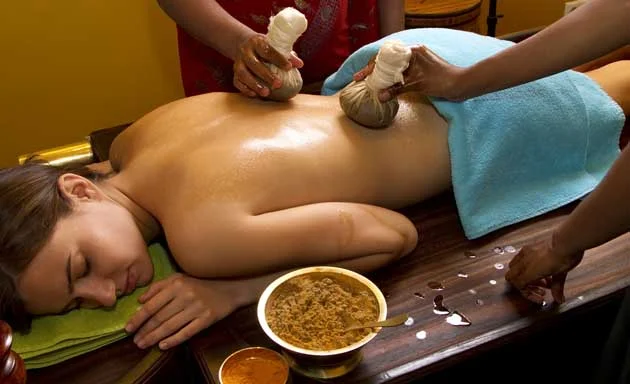
Katigraha is an Ayurvedic clinical condition characterized by stiffness (Graha) and pain in the lumbar region (Kati), closely correlated with Lumbar Spondylosis in modern medicine. Classified under Vatavyadhi (disorders caused by aggravated Vata Dosha), Katigraha affects millions of people worldwide — particularly those between 40 and 80 years of age. This comprehensive guide covers the etymology, classical references, causes, pathogenesis, symptoms, diagnosis, and complete Ayurvedic treatment protocol for Katigraha, along with modern diagnostic correlations, diet recommendations, yoga therapy, and prognosis.
Low back pain is one of the most common musculoskeletal complaints globally, and in India, prevalence ranges dramatically — from 6.2% in the general population to as high as 92% among construction workers. Ayurveda offers a time-tested, holistic framework to not just manage the symptoms but address the root cause of this debilitating condition.
What Is Katigraha? Definition & Etymology
Katigraha is a compound Sanskrit term that describes a specific clinical entity recognized across major Ayurvedic classical texts. Understanding its linguistic roots helps clarify its precise clinical meaning.
Shabdha Vyutpatti (Etymological Derivation)
The word Katigraha is derived from two Sanskrit words:
- Kati — refers to the lumbar region, the waist, or the lower back area (the region between the thorax and pelvis)
- Graha — means stiffness, rigidity, or a sensation of being "seized" or "gripped"
So, Katigraha literally translates to "stiffness or seizing of the lumbar region." The term captures both the primary symptom (stiffness) and the anatomical location (lower back) in a single word — a hallmark of Ayurvedic nosological precision.
In classical Ayurvedic taxonomy, Katigraha falls under:
- Vatavyadhi (diseases caused by Vata Dosha vitiation)
- More specifically, it is considered a Nanatmaja Vata Vikara — a disease uniquely produced by Vata Dosha alone
Correlation with Lumbar Spondylosis in Modern Medicine
In contemporary medical terms, Katigraha correlates most closely with Lumbar Spondylosis — a degenerative condition of the lumbar spine involving disc dehydration, osteophyte formation, facet joint arthropathy, and ligamentous thickening. The hallmark symptoms of morning stiffness, restricted range of motion, and chronic low back pain are shared between both the Ayurvedic and modern descriptions.
Some scholars also correlate Katigraha with:
- Mechanical low back pain
- Degenerative disc disease
- Lumbar osteoarthritis
However, the closest and most widely accepted correlation in published Ayurvedic research remains Lumbar Spondylosis.
Historical References to Katigraha in Classical Texts
Katigraha is not a modern Ayurvedic invention. It has been described, directly or indirectly, in the foundational texts of Ayurveda spanning thousands of years.
References in Charaka Samhita
- Acharya Charaka lists Katigraha among the 80 Nanatmaja Vata Vikaras (diseases exclusively caused by Vata) in the Sutra Sthana (Chapter 20).
- The verse mentions:
> "Katigraho'nganamardah..." — Charaka Samhita, Sutra Sthana 20/11
Charaka does not dedicate a separate chapter to Katigraha but discusses its management principles under the broader umbrella of Vatavyadhi Chikitsa (Chikitsa Sthana, Chapter 28), where Basti (medicated enema) is described as the paramount treatment for all Vata disorders.
References in Sushruta Samhita
Acharya Sushruta references conditions involving Kati-pradesha (lumbar region) in the context of Vata Vyadhi. Sushruta emphasizes the role of Asthi Dhatu (bone tissue) and Majja Dhatu (marrow) in such conditions, recognizing the structural involvement that modern medicine identifies as spondylotic changes.
References in Madhava Nidana & Other Texts
Madhava Nidana, a key Ayurvedic diagnostic text (circa 7th century CE), provides a more detailed description of Katigraha's clinical presentation and differentiates it from related conditions. Sharangadhara Samhita and Bhavaprakasha also reference Kati-shoola and Kati-graha in the context of Vata disorders, offering additional treatment formulations.
Nidana (Causes & Etiology) of Katigraha
Understanding the causes is central to both prevention and treatment. Ayurveda categorizes causes into dietary (Aharaja), lifestyle (Viharaja), and psychological (Manasika) factors.
Ayurvedic Causes: Aharaja, Viharaja & Manasika Nidana
Aharaja Nidana (Dietary Causes):
- Excessive intake of Ruksha (dry), Sheeta (cold), and Laghu (light) foods
- Insufficient nutrition or fasting (Langhana) beyond capacity
- Excessive consumption of Kashaya (astringent), Katu (pungent), and Tikta (bitter) tastes
- Irregular eating habits (Vishama Ashana)
Viharaja Nidana (Lifestyle Causes):
- Prolonged sitting (Ati-upaveshana) — extremely relevant in today's sedentary work culture
- Heavy lifting (Bharavahana) or excessive physical exertion
- Improper posture during work or sleep
- Suppression of natural urges (Vegadharana) — especially of flatus and defecation
- Excessive walking or standing (Ati-Adhwa)
- Sleeping on hard or uneven surfaces
- Exposure to cold wind (Sheeta-Vayu Sevana)
- Traumatic injury to the lumbar region (Abhighata)
Manasika Nidana (Psychological Causes):
- Chinta (worry), Shoka (grief), and Bhaya (fear)
- These mental states aggravate Vata Dosha, which governs the nervous system and movement
Modern Risk Factors for Lumbar Spondylosis
From a biomedical perspective, the following risk factors contribute to lumbar spondylosis:
- Age-related degeneration (most common after 40 years)
- Occupational hazards — repetitive bending, heavy lifting, vibration exposure
- Obesity and poor core muscle strength
- Genetic predisposition
- Smoking (reduces disc nutrition)
- Sedentary lifestyle with poor ergonomics
The overlap between Ayurvedic Nidana and modern risk factors is remarkably significant, reinforcing the validity of ancient observations.
Samprapti (Pathogenesis) of Katigraha
Samprapti describes the step-by-step mechanism through which a disease manifests. This is one of the most critical and least covered aspects in existing literature on Katigraha.
Role of Vata Dosha
Vata is the primary Dosha involved. When Vata is aggravated by the above-mentioned Nidana factors, it localizes in the Kati-pradesha (lumbar region), which is anatomically considered a Vata-predominant area (being close to Pakwashaya — the seat of Vata).
The aggravated Vata causes:
- Shosha (dryness) of the intervertebral structures
- Sankocha (contraction/spasm) of muscles and ligaments
- Stambha (stiffness) of the lumbar spine
- Shoola (pain) due to obstruction of Vata's normal pathway
Samprapti Ghataka (Components of Pathogenesis)
| Component | Details |
|---|---|
| Dosha | Vata (Vyana and Apana Vayu primarily); Kapha may be involved as Anubandha (secondary) |
| Dushya | Asthi Dhatu (bone), Majja Dhatu (marrow), Snayu (ligaments), Mamsa (muscles) |
| Srotas | Asthivaha Srotas, Majjavaha Srotas |
| Sroto Dushti | Sanga (obstruction) type |
| Agni | Dhatvagnimandya (impaired tissue-level metabolism) |
| Adhisthana | Kati-pradesha (lumbosacral region) |
| Vyakti Sthana | Kati (lower back) |
| Rogamarga | Madhyama (middle pathway — involving bones and joints) |
Samprapti Flow
The pathogenesis follows a classical six-stage process:
- 1.Sanchaya — Vata accumulates in Pakwashaya
- 2.Prakopa — Vata gets vitiated due to continued Nidana sevana
- 3.Prasara — Vitiated Vata spreads through Srotas
- 4.Sthana Samshraya — Vata localizes in the Kati region, specifically in Asthi and Snayu
- 5.Vyakti — Clinical manifestation: stiffness and pain in the lumbar region
- 6.Bheda — If untreated, complications like Gridhrasi (sciatica) or severe degeneration develop
Pathophysiology of Lumbar Spondylosis
From the modern standpoint, the pathophysiological correlate involves:
- Progressive dehydration of intervertebral discs
- Loss of disc height and altered biomechanics
- Osteophyte formation at vertebral margins
- Facet joint hypertrophy and ligamentum flavum thickening
- Narrowing of the spinal canal or neural foramina
- Compression or irritation of nerve roots
The Ayurvedic concept of "Asthi-Majja Kshaya" (depletion of bone and marrow tissues) due to Vata aggravation maps quite well onto this degenerative cascade.
Lakshana (Signs & Symptoms) of Katigraha
Pratyatma Lakshana (Cardinal Symptoms)
The hallmark symptoms described in classical texts include:
- Kati Shoola — Pain in the lumbar region (dull, aching, sometimes sharp)
- Kati Stambha — Stiffness of the lower back, especially pronounced in the mornings
- Kati Graha — A gripping or seizing sensation that restricts movement
- Spandana — Muscle spasms or twitching in the lumbar area
- Toda — Pricking or piercing type pain (characteristic of Vata)
Additional symptoms may include:
- Difficulty in forward bending (Puratagati Kshtata)
- Pain aggravated by hyperextension of the spine
- Radiating pain to the buttocks or thighs (if nerve involvement begins)
- General weakness and fatigue
Clinical Features of Lumbar Spondylosis
Modern clinical features that overlap with Katigraha include:
- Chronic low back pain worse with activity and relieved by rest
- Morning stiffness lasting 30+ minutes
- Reduced lumbar range of motion
- Paravertebral muscle tenderness
- Pain on hyperextension (a key diagnostic sign)
- Neurological symptoms in advanced cases (numbness, tingling, weakness in lower limbs)
Differential Diagnosis: Katigraha vs. Gridhrasi vs. Katishoola
One area that existing literature has largely overlooked is proper differentiation among similar Ayurvedic conditions.
| Feature | Katigraha | Gridhrasi (Sciatica) | Katishoola |
|---|---|---|---|
| Primary Symptom | Stiffness + pain in lumbar region | Radiating pain from hip to foot | Pain in lumbar region (without stiffness focus) |
| Pain Pattern | Localized to Kati | Radiates along Gridhrasi Nadi (sciatic nerve) | Localized, may be diffuse |
| Stiffness | Prominent | Not primary | Mild or absent |
| SLR Test | May be mildly restricted | Significantly positive | Usually normal |
| Dosha | Vata (primarily) | Vata or Vata-Kapha | Vata |
| Dhatu Involvement | Asthi, Snayu, Mamsa | Snayu, Mamsa, Asthi, Majja | Asthi, Mamsa |
| Modern Correlation | Lumbar Spondylosis | Sciatica / Disc herniation | Non-specific low back pain |
This differentiation is clinically vital because it determines the specific treatment protocol.
स्वयं दवा न लें और प्रतीक्षा न करें। अभी डॉक्टर से चैट शुरू करें
Epidemiology & Prevalence of Low Back Pain
Global Statistics
Low back pain (LBP) is the single leading cause of disability worldwide according to the Global Burden of Disease studies. Approximately 7.5% of the global population is affected at any given time, and the lifetime prevalence is estimated at 60–80%.
Prevalence in India
The Indian context presents some sobering numbers:
- General population prevalence: approximately 6.2%
- Among office workers and IT professionals: 40–60%
- Among construction workers: as high as 92% (due to heavy lifting and poor ergonomics)
- 39% of the population aged 40–80 years reports complaints of low back pain
- Women, particularly post-menopausal women, show higher prevalence due to hormonal influences on bone density
These statistics underscore why Katigraha management is not just an academic exercise — it's a pressing public health need.
Diagnostic Approach to Katigraha
Ayurvedic Diagnostic Methods (Ashtavidha & Dashavidha Pariksha)
Ashtavidha Pariksha (Eight-fold Examination):
- Nadi (pulse) — typically reveals Vata-predominant pulse
- Mutra (urine), Mala (stool) — assessed for Vata disturbances
- Jihva (tongue) — may show dryness or coating
- Shabda (voice), Sparsha (touch), Druk (eyes), Akriti (body build)
Dashavidha Pariksha (Ten-fold Examination):
Includes assessment of Prakriti (constitution), Vikriti (current imbalance), Sara (tissue quality), Satmya (adaptability), Ahara Shakti (digestive capacity), Vyayama Shakti (exercise tolerance), and Bala (strength).
Modern Diagnostic Criteria (X-ray, MRI, Clinical Tests)
- X-ray (Lumbar Spine AP & Lateral): Reveals osteophyte formation, disc space narrowing, sclerosis of endplates
- MRI: Shows disc desiccation, bulging/herniation, foraminal narrowing, ligamentum flavum hypertrophy
- CT Scan: For detailed bony architecture when needed
- Clinical Tests: Schober's test (lumbar flexibility), Straight Leg Raising (SLR) test, neurological examination
Assessment Scales: ODI & SLR
- Oswestry Disability Index (ODI): A validated questionnaire measuring functional disability due to low back pain (scores from 0–100%)
- SLR (Straight Leg Raising Test): Assesses nerve root tension; positive when pain radiates below the knee at <60°
- Visual Analogue Scale (VAS): For pain intensity measurement
These scales are crucial for both initial assessment and tracking treatment outcomes — something demonstrated in a published case study where a patient showed 75% symptomatic relief with reduction in ODI scores after 15 days of Panchakarma followed by 1 month of Shamana therapy (JAIMS, 2022).
Chikitsa (Ayurvedic Treatment) of Katigraha
Ayurvedic treatment follows a systematic approach: first Shodhana (purification), then Shamana (palliative treatment), supported by Pathya (diet and lifestyle modifications).
Shodhana Chikitsa (Panchakarma Therapy)
Panchakarma is the cornerstone of Katigraha management, as it directly addresses Vata vitiation at its root.
Katibasti — Procedure, Benefits & Duration
Katibasti is the single most important external Panchakarma procedure for Katigraha.
Procedure:
- A boundary wall (Veshika) made of black gram dough (Urad dal flour) is placed around the lumbosacral region
- Warm medicated oil (usually Ksheerabala Taila, Dhanwantharam Taila, or Mahanarayan Taila) is poured into this reservoir
- The oil is maintained at a warm temperature throughout the procedure (replacing as it cools)
- Duration: 30–45 minutes per session
- Typical course: 7–14 days
Benefits:
- Deep penetration of medicated oil nourishes Asthi and Snayu
- Reduces Vata-induced stiffness and pain
- Improves local blood circulation
- Relaxes paravertebral muscles
- Enhances flexibility of the lumbar spine
Patrapinda Sweda (Herbal Bolus Fomentation)
Patrapinda Sweda involves fomentation using a bolus prepared from anti-inflammatory and Vata-pacifying leaves:
- Leaves used: Nirgundi (Vitex negundo), Eranda (Ricinus communis), Arka (Calotropis), Dhatura, Shigru
- The leaves are fried with medicated oil, coconut gratings, and lemon — then tied into a bolus
- Applied over the lumbar region after warming
- Duration: 30–45 minutes
- Provides Snehana (oleation) and Swedana (sudation) simultaneously
Basti (Medicated Enema)
Basti is hailed as "Ardha Chikitsa" (half of all treatment) by Charaka, and specifically the best therapy for Vata disorders.
Types used in Katigraha:
| Type | Details | Duration |
|---|---|---|
| Anuvasana Basti | Oil-based enema using Dhanwantharam Taila or Sahacharadi Taila | Alternate days |
| Niruha Basti | Decoction-based enema using Dashmoola Kwatha, honey, oil, Saindhava | Alternate days |
| Matra Basti | Low-volume oil enema (60–72 ml); safe for daily use | 7–14 days |
| Kala Basti | Course of 16 Bastis (alternating Niruha and Anuvasana) | 16 days |
Matra Basti with Sahacharadi Taila has shown particularly promising results in published studies.
Shamana Chikitsa (Internal Medications)
After or alongside Panchakarma, Shamana Aushadhi (palliative medicines) are prescribed for sustained relief.
Key Formulations:
| Formulation | Dosage | Anupana (Vehicle) | Action |
|---|---|---|---|
| Yogaraja Guggulu | 2 tablets (500 mg each), twice daily | Warm water or Rasnadi Kwatha | Anti-inflammatory, Vata-pacifying |
| Maharasnadi Kwatha | 15–20 ml, twice daily | Equal water | Relieves pain and stiffness |
| Ashwagandha Churna | 3–5 g, twice daily | Warm milk | Strengthens Asthi, Balya (strength-promoting) |
| Dashamoola Kwatha | 15–20 ml, twice daily | Warm water | Vata-Shamaka, anti-inflammatory |
| Rasnasaptaka Kwatha | 15 ml, twice daily | Warm water | Specific for Kati-shoola |
| Ekangaveera Rasa | 125–250 mg, twice daily | Honey or warm water | Neuromuscular tonic |
| Brihat Vata Chintamani Rasa | 125 mg, once daily | Honey + ghee | Potent Vata-pacifying Rasa Aushadhi |
| Eranda Taila (Castor oil) | 5–10 ml at bedtime | Warm milk | Mild purgation, Vata anulomana |
> Note: Rasa Aushadhis (mercurial preparations) like Brihat Vata Chintamani Rasa should only be taken under strict supervision of a qualified Ayurvedic physician.
External Therapies (Bahya Chikitsa)
- Abhyanga (oil massage) with Mahanarayan Taila or Bala Taila
- Nadi Sweda (localized steam) directed at the lumbar region
- Churna Pinda Sweda using Kolakulathadi Churna
- Agnikarma (therapeutic cauterization) — mentioned for chronic, resistant cases
Pathya-Apathya: Diet & Lifestyle for Katigraha
One of the biggest gaps in online resources is the absence of clear dietary and lifestyle guidelines. Here's what classical texts recommend.
Pathya (Beneficial / Recommended)
Diet (Ahara):
- Warm, freshly cooked food
- Snigdha (unctuous) foods — ghee, sesame oil, milk
- Godhuma (wheat), Shali rice (aged), Kulattha (horse gram soup)
- Green gram (Mudga), Garlic (Lashuna), Ginger (Shunthi)
- Warm water consumption throughout the day
- Meat soups (Mamsa Rasa) — particularly Jangala Mamsa (meat from arid-region animals)
Lifestyle (Vihara):
- Mild to moderate exercise (avoiding strain)
- Warm oil self-massage (Abhyanga) daily
- Adequate sleep (not daytime sleep)
- Proper posture, ergonomic seating
- Regular Basti (as preventive maintenance)
Apathya (To Be Avoided)
Diet:
- Cold, dry, stale food
- Excessive raw salads, cold beverages
- Vatakara foods: beans, cabbage, cauliflower (in excess), carbonated drinks
- Fasting or skipping meals
- Excessive bitter, astringent, and pungent tastes
Lifestyle:
- Prolonged sitting or standing
- Heavy lifting without proper technique
- Suppression of natural urges
- Excessive travel (especially on bumpy roads)
- Exposure to cold drafts
- Stress, anxiety, late-night sleep
Yoga & Physical Exercises for Katigraha
Yoga therapy serves as a powerful adjunct. The following asanas are specifically beneficial, with Ayurvedic rationale.
| Asana | Benefit in Katigraha | Precaution |
|---|---|---|
| Bhujangasana (Cobra Pose) | Strengthens lumbar extensors, reduces stiffness | Avoid in acute disc herniation |
| Shalabhasana (Locust Pose) | Strengthens lower back muscles, pacifies Vata | Start gently, avoid over-extension |
| Marjariasana (Cat-Cow Stretch) | Improves spinal flexibility, relieves stiffness | Safe for most patients |
| Setu Bandhasana (Bridge Pose) | Strengthens gluteals and core, supports lumbar spine | Avoid jerky movements |
| Pavanamuktasana (Wind-Relieving Pose) | Releases lumbar tension, promotes Apana Vayu | Gentle approach in acute phase |
| Makarasana (Crocodile Pose) | Deep relaxation of lumbar muscles | Excellent for acute flare-ups |
| Shavasana (Corpse Pose) | Calms Vata, reduces muscle guarding | Essential after every session |
Pranayama: Anuloma-Viloma (alternate nostril breathing) is particularly beneficial for balancing Vata dosha. Practice for 10–15 minutes daily.
> Always begin yoga practice under supervision, especially if you have active pain or neurological symptoms.
Comparison: Ayurvedic vs. Modern (Allopathic) Approach
| Parameter | Ayurvedic Approach | Modern / Allopathic Approach |
|---|---|---|
| Philosophy | Addresses root cause (Dosha imbalance) | Primarily symptom management |
| Main Treatment | Panchakarma + Shamana Aushadhi | NSAIDs, muscle relaxants, physiotherapy |
| Pain Management | Katibasti, Abhyanga, herbal analgesics | Oral analgesics (Diclofenac, Ibuprofen) |
| Invasive Options | Agnikarma (minimally invasive) | Epidural injections, spinal surgery |
| Side Effects | Minimal when properly administered | GI bleeding, renal damage, drug dependence risk |
| Long-term Outcomes | Focuses on prevention & recurrence reduction | Higher recurrence rate without lifestyle change |
| Diet & Lifestyle | Integral part of treatment (Pathya-Apathya) | Often supplementary/optional advice |
| Cost | Generally affordable | Can be expensive (surgery, long-term medication) |
- This is not to say one approach is universally superior. In severe cases with significant neurological deficits, surgical intervention may be life-saving.
- The ideal approach is often integrative — combining Ayurvedic therapies with modern diagnostics.
Sadhyasadhyata (Prognosis) & Prevention
Prognosis According to Ayurveda
- Sadhya (Easily Curable): Recent onset, mild symptoms, young patient with good Bala (strength), no structural deformity
- Yapya (Manageable but Chronic): Long-standing cases with moderate degeneration, requiring ongoing maintenance therapy
- Kashta Sadhya (Difficult to Cure): Severe degeneration, nerve compression, old age, associated with other Vata disorders
- Asadhya (Incurable): Complete structural destruction with irreversible neurological damage (rare in Katigraha alone)
Most cases of Katigraha, when addressed early with proper Panchakarma and follow-up care, fall into the Sadhya or Yapya category.
Prevention of Recurrence
- Ritucharya (seasonal regimen) — especially careful during Varsha Ritu (rainy season) and Shishira Ritu (late winter), when Vata is naturally aggravated
- Rasayana therapy — Ashwagandha Rasayana, Bala Rasayana for tissue strength and rejuvenation
- Periodic Matra Basti — once weekly or fortnightly as maintenance
- Ergonomic workplace setup — proper chair height, lumbar support, regular breaks
- Core strengthening exercises — to provide muscular support to the lumbar spine
- Weight management — excess weight dramatically increases mechanical stress on the lumbar spine
- Annual Panchakarma — seasonal detox helps prevent Dosha accumulation
Frequently Asked Questions (FAQ)
What is the meaning of Katigraha in English?
Katigraha literally translates to "stiffness of the lumbar region" or "gripping of the waist." In clinical English, it is most accurately described as "lumbar stiffness with pain" and corresponds to the modern diagnosis of Lumbar Spondylosis.
What is Kati Basti treatment?
Kati Basti (also spelled Katibasti) is a specialized Ayurvedic external therapy where warm medicated oil is retained over the lumbosacral region within a dough boundary for 30–45 minutes. It is the primary Panchakarma procedure for Katigraha and provides deep nourishment to the spinal structures, reduces inflammation, and relieves pain and stiffness.
What are the key Slokas (verses) related to Katigraha?
The primary reference is from Charaka Samhita, Sutra Sthana 20/11, where Katigraha is listed among the 80 Nanatmaja Vata Vikaras. Madhava Nidana provides additional clinical descriptions. Treatment principles are elaborated in Charaka Samhita, Chikitsa Sthana 28 (Vatavyadhi Chikitsa Adhyaya).
How long does Ayurvedic treatment for Katigraha take?
A typical treatment protocol involves 15 days of intensive Panchakarma (including Katibasti, Patrapinda Sweda, and Basti) followed by 1–3 months of Shamana therapy. Published case studies have shown up to 75% symptomatic relief with this protocol. Chronic cases may require repeated courses.
Can Katigraha be completely cured?
In early and moderate stages (Nava Katigraha), complete resolution is possible with proper treatment and lifestyle adherence. In chronic or advanced cases with significant degenerative changes, the condition can be effectively managed to a point of minimal symptoms, though periodic maintenance therapy is usually needed.
Is Katigraha the same as sciatica (Gridhrasi)?
No. While both are Vatavyadhi, they are distinct conditions. Katigraha primarily involves stiffness and pain localized to the lumbar region, whereas Gridhrasi involves radiating pain from the hip downward along the sciatic nerve pathway to the leg and foot. However, untreated Katigraha can sometimes progress to Gridhrasi.
Conclusion
Katigraha represents one of Ayurveda's most clinically relevant conditions in today's world, where sedentary lifestyles, poor ergonomics, and chronic stress have made low back pain almost epidemic. The condition is well-documented in classical texts, has a clear pathogenetic framework, and responds remarkably well to systematic Ayurvedic management — particularly Panchakarma therapies like Katibasti, Basti, and Patrapinda Sweda, combined with targeted internal medications and lifestyle modifications.
What makes the Ayurvedic approach uniquely valuable is its emphasis on treating the person, not just the symptom. By addressing the underlying Vata imbalance through Shodhana, Shamana, and Pathya, Ayurveda offers not just relief but a genuine pathway to long-term spinal health.
- If you or someone you know is dealing with chronic low back pain or stiffness, consider consulting a qualified Ayurvedic practitioner who can tailor a Katigraha treatment protocol to your specific Prakriti and condition.
- Early intervention yields the best results — don't wait until the condition progresses to a more complicated stage.
Scientific Sources
- Evaluation of effect of poultice (Upanaha Sweda) in low back pain (Katigraha): A randomized comparative clinical trial — Kumar T et al., 2019, Ayu
- Successful Management of Severe Low Back Pain with Ayurveda in Lumbar Spondylosis: A Case Report — Kulkarni SP et al., 2024, Journal of pain & palliative care pharmacotherapy
उपयोगकर्ताओं के प्रश्न
How can I recognize the progression from Katigraha to Gridhrasi?
Client_28bc78
28 दिनों पहले
To recognize the progression from Katigraha to Gridhrasi, observe the transition from localized low back pain to radiating pain. While Katigraha typically presents as stiffness and pain centered in the lumbar region, Gridhrasi involves a more severe form of sciatic nerve irritation. This can manifest as radiating pain that starts at the hip and travels down through the leg to the foot. If you experience this pattern of symptoms, especially increased intensity or movement restrictions, it is advisable to consult a healthcare professional for proper evaluation and treatment.
What lifestyle changes can help prevent Katigraha and low back pain?
Client_5289b8
38 दिनों पहले
To prevent Katigraha and low back pain, lifestyle changes play a crucial role. Incorporating regular physical activity, such as stretching exercises and core strengthening, can help maintain flexibility and support the spine. Ergonomic adjustments to your workspace and avoiding prolonged sitting or improper posture are also vital. A healthy diet with adequate calcium and vitamin D supports bone health. Stress reduction techniques like mindfulness or yoga aid in overall well-being. If you experience persistent pain, restricted motion, or other symptoms, consult a healthcare provider to explore specific treatments and monitor for conditions such as lumbar spondylosis or degenerative disc disease.
What modern diagnostic tests can help identify Katigraha effectively?
Client_34ef9a
47 दिनों पहले
Modern diagnostic tests that can help identify Katigraha, or lumbar stiffness and pain, include MRI (Magnetic Resonance Imaging) and X-rays. These imaging tests are critical for assessing structural issues in the spine such as disc herniations or degenerative changes, which can cause symptoms akin to Katigraha. If nerve-related symptoms are present, nerve conduction studies may also be beneficial. It's important to see a doctor if your back pain persists longer than a few weeks, is severe, or is accompanied by neurological symptoms, as these could indicate more serious conditions requiring prompt intervention.
How long does it typically take for Ayurvedic treatments to alleviate Katigraha symptoms?
Client_54479a
57 दिनों पहले
Ayurvedic treatments for Katigraha, which refers to lower back stiffness and pain, can take several weeks to months for noticeable improvement. The exact timeline for relief varies based on individual factors such as the severity of the condition, adherence to treatment, and lifestyle modifications. Typically, a combination of herbal remedies, dietary adjustments, and physical therapies like yoga is recommended. Those with minimal symptoms may start seeing improvements within weeks, but advanced cases could require more extensive treatment and ongoing management. Consult a qualified healthcare provider for personalized advice, especially if symptoms persist or worsen.
Can I use yoga therapy to improve my overall back health beyond Katigraha treatment?
Client_a151da
67 दिनों पहले
Yes, definitely! Yoga therapy can greatly benefit back health beyond just Katigraha treatment. It strengthens the muscles, improves flexibility, and enhances overall balance — things that are pretty useful in keeping your back healthy. Consistent practice can also help with aligning your body's doshas, especially Vata dosha, which is often involved in back issues. Just make sure to choose poses that suit your body's needs and limitations. It's always a good idea to consult with a yoga therapist who understands ayurvedic principles.
What are the common symptoms of Katigraha that I should be aware of?
Client_f11bc0
76 दिनों पहले
Common symptoms of Katigraha basically include stiffness and pain in the lower back, restricted movement, sometimes it feels like a tight band around your waist, maybe even swelling. Often linked to imbalances in Vata dosha, which is all about movement and flow in the body. You might notice that cold or windy environments makes it worse too!
What is the role of Guggulu in Ayurvedic treatment for back pain?
Client_d7087c
86 दिनों पहले
Guggulu is super helpful in Ayurvedic treatment for back pain! It's got amazing anti-inflammatory and detoxifying qualities that can reduce stiffness. It's often used to help improve joint flexibility and, well, just make ya feel better overall. It works deeply, so it may take some time to show results.
Is it safe to combine Ayurvedic treatments with chiropractic care for back pain?
Client_81faeb
95 दिनों पहले
Combining Ayurvedic treatments with chiropractic care for back pain can be safe, but it’s essential to chat with both your Ayurvedic practitioner and a chiropractor. Make sure they're comfortable with you doing both simultaneously and that their treatments complement each other. They'll consider your unique constitution and dosha balance to support full healing.
Can I use herbal steam therapy at home for Katigraha relief?
Client_f61d83
104 दिनों पहले
Absolutely, you can use herbal steam therapy, or Swedana, at home for Katigraha relief! Just be sure to create a safe setup, using herbs like eucalyptus or ginger if available. Make sure you're hydrated before and after. Also, it’s good to adjust according to your comfort level – don’t overdo it with too much heat. If unsure, consult with an Ayurvedic practitioner.
Is it safe to use Ayurvedic treatments for lower back pain during pregnancy?
Client_3c47e3
114 दिनों पहले
Practicing Ayurveda during pregnancy can be beneficial, but caution is key. So it’s important to consult both your healthcare provider and an Ayurvedic practitioner familiar with pregnancy needs. Some treatments might not be safe, especially certain herbs and intense massages. Gentle massages and dietary changes might help, but always cross-check with professionals.
संबंधित आलेख

Orthopedic Disorders
Karutha Vattu – Traditional Ayurvedic Remedy for Holistic Wellness
Explore Karutha Vattu, a time-honored Ayurvedic formulation known for its healing properties. Learn about its benefits, ingredients, uses, and how it supports overall health and balance.
3,236

Orthopedic Disorders
Ayurvedic Treatment for Ligament Tear
Ligaments are tough, fibrous tissues that connect bones and stabilize joints. A ligament tear occurs when the ligament is stretched beyond its limit, causing partial or complete rupture.
4,210

Orthopedic Disorders
How Can Ayurveda Help You in Healing Fractures Faster?
Fractures can be a painful and often slow-healing issue, requiring both time and care to mend effectively.
4,384

Orthopedic Disorders
Asthiposhak Tablets – Benefits, Dosage, Ingredients, Side Effects
Exploration of Asthiposhak Tablets – Benefits, Dosage, Ingredients, Side Effects
4,275

Orthopedic Disorders
Lumbatone: Your Ultimate Guide to Lumbar Health
Discover how Lumbatone enhances lumbar health, backed by science. Learn key insights, usage tips, and evidence-based research in this comprehensive guide.
2,584

Orthopedic Disorders
How to Dissolve Bone Spurs Naturally: Ayurvedic and Holistic Approach
How to dissolve bone spurs naturally? Explore Ayurvedic and holistic remedies, diet, oils, and lifestyle changes to get rid of bone spurs and support joints
6,811

Orthopedic Disorders
Calcury टैबलेट
कैल्क्युरी टैबलेट की खोज
2,699

Orthopedic Disorders
रुमालया फोर्टे टैबलेट
रुमालया फोर्ट टैबलेट की खोज
3,338

Orthopedic Disorders
Mahamasha Thailam Benefits How To Use Side Effects Ingredients Reference
Exploration of Mahamasha Thailam Benefits How To Use Side Effects Ingredients Reference
2,788
Orthopedic Disorders
What Causes Gout: Ayurvedic Perspective on Pain, Diet, and Healing
What causes gout? Learn Ayurvedic causes, food triggers, and remedies for joint pain. Discover natural gout treatment and home care in Ayurveda
2,619
विषय से संबंधित परामर्श
अतिरिक्त दस्तावेज़
© 2024 Ask Ayurveda. सर्वाधिकार सुरक्षित।