आयुर्वेदिक डॉक्टर से प्रश्न पूछें और निःशुल्क या भुगतान मोड में अपनी चिंता की समस्या पर ऑनलाइन परामर्श प्राप्त करें। 2,000 से अधिक अनुभवी डॉक्टर हमारी साइट पर काम करते हैं और आपके प्रश्नों का इंतजार करते हैं और उपयोगकर्ताओं को उनकी स्वास्थ्य समस्याओं को हल करने में प्रतिदिन मदद करते हैं।


Body DetoxEar, Nose, and Throat DisordersGeriatrics & RejuvenationImmunodeficiencyInfertility TreatmentNutritionOrthopedic DisordersPediatricsRespiratory DisordersSexually Transmitted Diseases (STDs)Surgery RecoveryUrological DisordersVascular DisordersDental DisordersEndocrinological DisordersGastrointestinal DisordersYoga TherapyGeneral MedicineAllergic DisordersCardio DisordersGynecology and ObstetricsCosmetologySkin and Hair DisordersEye DisordersInfectious DiseasesMental DisordersNeurological DisordersOncologyPanchakarmaSexual Health & DisordersSports Medicine
पर प्रकाशित 05/21/25
(को अपडेट 08/10/26)
star_border 5
2,613
What Causes Gout: Ayurvedic Perspective on Pain, Diet, and Healing
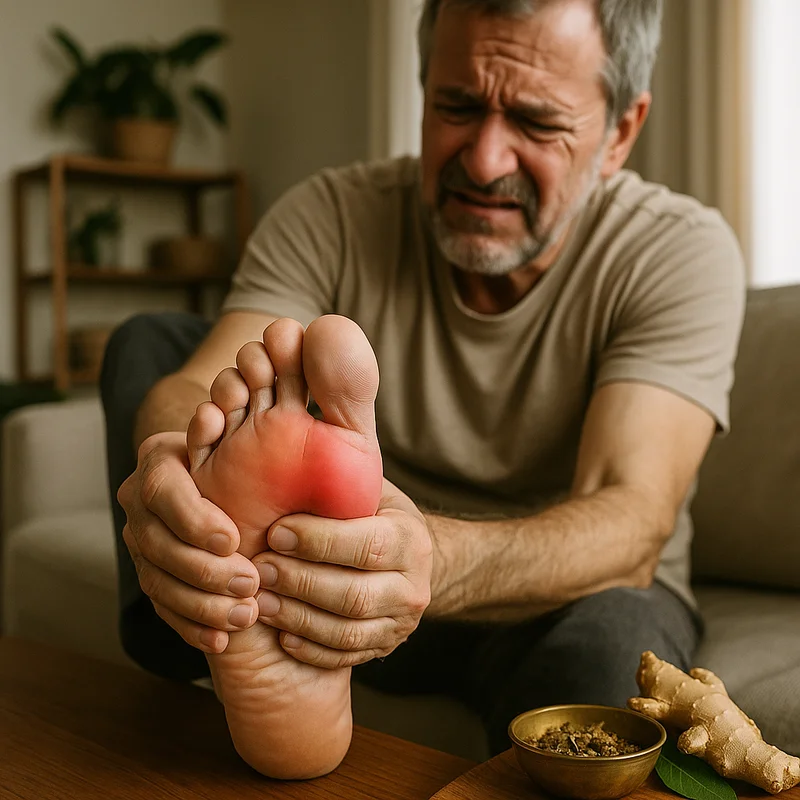
If you’ve ever felt that sudden, fiery pain in your big toe that comes out of nowhere—like it’s being stabbed with a hot needle—you’re not alone. Gout in the foot is brutal. It often shows up in the middle of the night, without warning. Maybe you had a rich meal, a drink too many, or just a stressful day. And then boom—pain, swelling, heat. It’s more than just physical discomfort. It messes with your sleep, your mood, and honestly, your sense of control.
In Ayurveda, gout isn’t just about “too much uric acid.” It’s a bigger story—one that involves digestion, diet, emotions, and lifestyle habits. And that perspective really clicked for me. I mean, sure, modern medicine has its explanations, but Ayurveda goes deeper. It looks at what causes gout through the lens of balance—or imbalance—in your body’s internal systems. Specifically, doshas (Vata, Pitta, Kapha) and something called ama, which is basically undigested waste or toxins.
So, if you’re navigating gout symptoms, and you’re curious about natural, sustainable ways to manage it—or even prevent it—Ayurveda might offer something worth exploring.
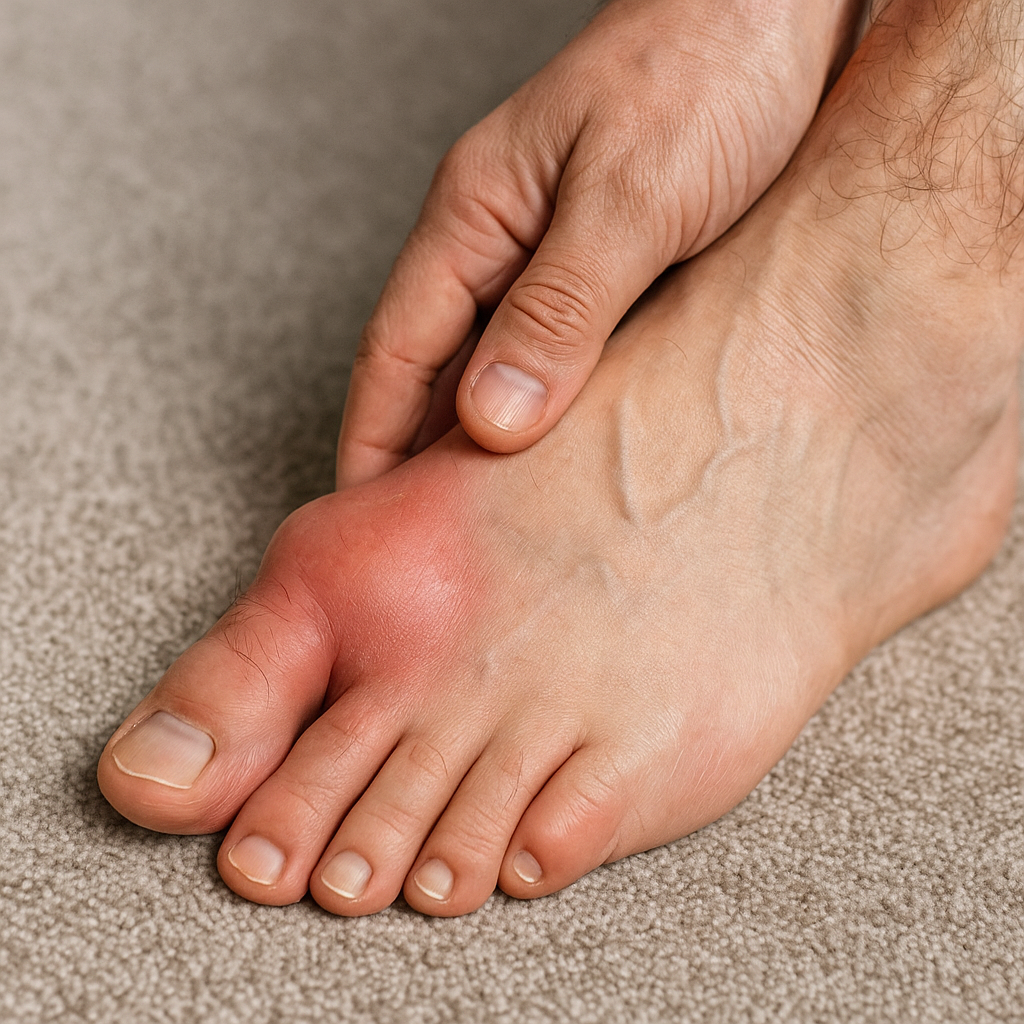
What Is Gout in Ayurveda?
In Ayurvedic terms, gout is often linked with a condition called Vatarakta. Literally translated, it refers to a combination of aggravated Vata dosha (responsible for movement, nerve impulses, dryness) and Rakta dhatu (blood tissue). This combination creates inflammation, pain, and those sharp, sudden flare-ups many of us recognize all too well.
Now, Ayurveda doesn’t just stop at naming the imbalance. It dives into how and why it happens—and, more importantly, what you can do about it. This isn’t a quick fix. It’s a lifestyle shift. But it’s empowering.
What Causes Gout According to Ayurveda
Ayurveda doesn’t talk about uric acid levels directly. Instead, it focuses on root causes—why your body isn't breaking down or eliminating waste properly in the first place. That's the Ayurvedic way: trace the imbalance back to its source.
Improper Digestion and Ama Accumulation
This is where it all starts. Poor digestion—what Ayurveda calls mandagni (weak digestive fire)—is often at the root of gout causes. When your digestion is sluggish, food doesn’t break down properly. This creates ama, a sticky, toxic sludge that clogs channels in the body and settles in the joints.
Imagine trying to run clear water through a pipe already full of gunk. That’s what happens in your joints when ama builds up. The result? Swelling, pain, stiffness, and all the usual gout symptoms.
Diet, Alcohol, Sleep, and Emotional Stress
This is where things get personal. For me, it wasn’t just food. Sure, I ate too many rich, heavy meals (and yes, I’ll get to foods that cause gout soon). But it was also the late nights, the glass of wine that turned into two, the skipped workouts, and the constant low-grade stress.
Ayurveda says that these things throw your doshas out of balance—especially Vata and Pitta. Add in poor sleep and emotional overload, and you’ve got a perfect storm. Not just for gout in foot, but for deeper systemic issues that Ayurveda tries to address holistically.
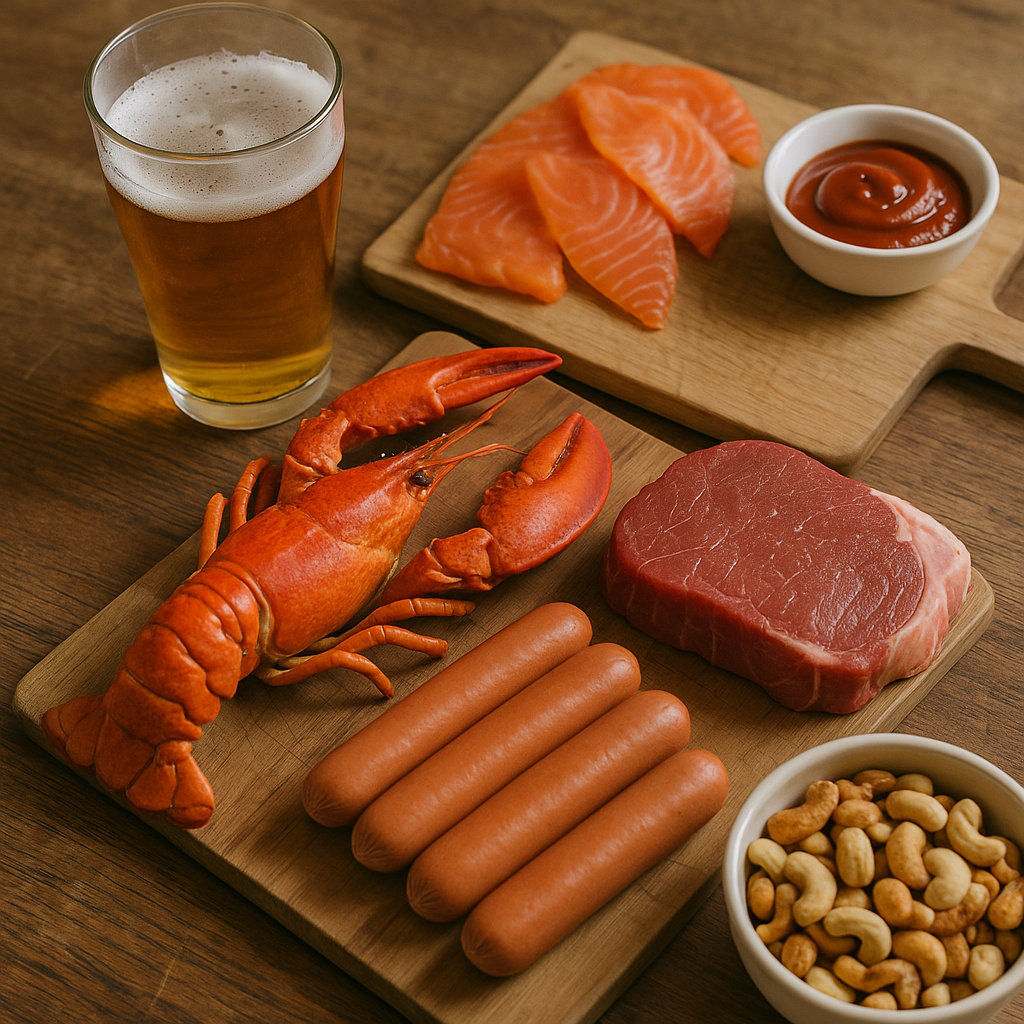
Foods That Cause Gout and What to Avoid
Let’s talk food. I know, I know—we don’t want to give up the stuff we love. But if you’ve ever had to limp around your living room with a swollen toe, you know it’s worth reevaluating what’s on your plate. Ayurveda doesn’t just slap a “bad” label on certain foods. It explains why they disrupt your body’s balance.
High-Purine Foods, Fermented Items, and Salt
Alright, so the conventional wisdom says avoid foods high in purines, right? Red meat, organ meats (like liver), seafood—especially anchovies, sardines, and shellfish—and, yes, alcohol. Particularly beer. These are all considered foods that cause gout, mainly because they break down into uric acid in the body.
But Ayurveda adds layers. It points out that overly salty, fermented, or aged foods aggravate Pitta dosha. Think soy sauce, pickles, aged cheeses, vinegar-heavy dressings. For someone dealing with gout symptoms, that extra Pitta can mean more inflammation and burning sensations.
Oh—and don’t underestimate salt. Ayurveda warns that excessive salt increases water retention, disturbs digestion, and can worsen pain in joints. So, yeah, maybe go easy on the chips and salty snacks during flare-ups.
Ayurvedic Food Principles to Reduce Flare-Ups
Instead of giving you a long “don’t” list, Ayurveda focuses on balance. It recommends alkaline, easy-to-digest foods that calm the system. Think light, cooked veggies, whole grains like rice and barley, and simple lentils (but not the heavy, spicy kind). Ghee is often encouraged in moderation—it soothes inflammation and helps digestion.
Also, timing matters. Eating heavy meals late at night? That’s a no-go. Gulping down cold smoothies first thing in the morning? Maybe not ideal either. Ayurveda encourages warm, cooked, spiced food—things that your agni (digestive fire) can actually handle.
I’ll admit it: shifting to Ayurvedic eating felt limiting at first. But after a few weeks of ginger tea, khichdi, and roasted veggies with turmeric and cumin, my joints didn’t ache as much. Coincidence? Maybe. But probably not.
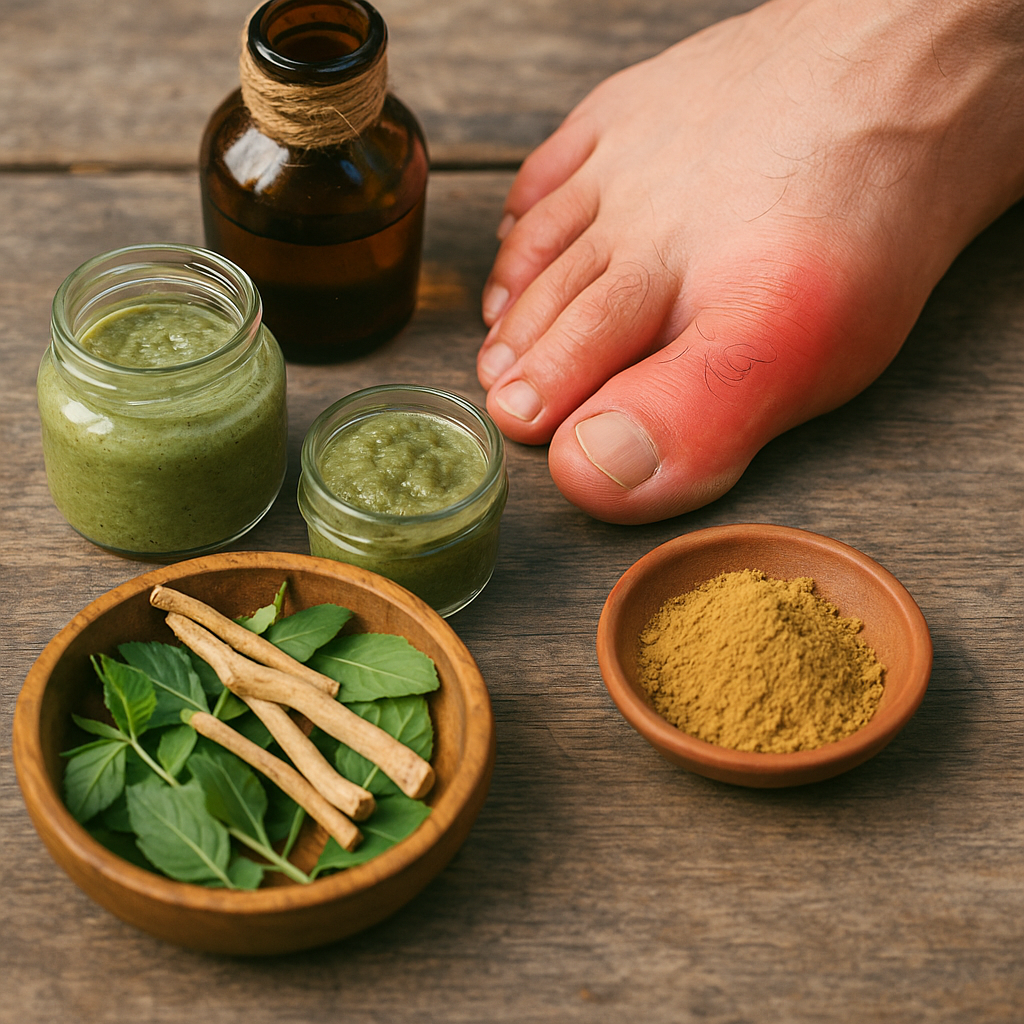
Ayurvedic Treatment and Self-Care for Gout Relief
If you’re here, you’re probably wondering how to get immediate gout pain relief without popping pills all day. And yeah, sometimes medicine is necessary. But Ayurveda offers a gentler, more sustainable path.
Home Remedies for Gout Pain in Ayurveda
Let’s keep this simple. These are a few remedies that are commonly recommended—and I’ve personally tried most of them:
-
Castor oil packs: Warm castor oil applied to the joint, wrapped with flannel and heat. Sounds weird. Works like magic.
-
Epsom salt foot soaks: Not strictly Ayurvedic, but often recommended in tandem. Draws out heat and eases swelling.
-
Turmeric milk: Anti-inflammatory and grounding. Helps especially if you sip it warm before bed.
Herbal Medicines (e.g., Guduchi, Guggul, Triphala)
Herbs are a cornerstone of Ayurvedic medicine for gout. Here are a few classics:
-
Guduchi (Tinospora cordifolia): Detoxifying, anti-inflammatory, and said to strengthen immunity.
-
Guggul: A resin used for centuries in treating joint disorders. Best taken under guidance.
-
Triphala: Not just for digestion—it gently clears ama and regulates metabolism.
Immediate Gout Pain Relief Through Cooling Therapies
Okay, so when you’re in the middle of a flare-up and your joint feels like it’s hosting a bonfire, you’re not thinking about dosha balance. You just want the pain to stop. And fast.
Ayurveda does offer options that help immediate gout pain relief—but they work differently from popping ibuprofen. They focus on reducing Pitta and Vata while drawing out inflammation gently, without straining your liver or digestion.
-
Cold compresses with sandalwood or vetiver paste: These aren’t just cooling in temperature—they’re energetically cooling too. You can mix the powder with rose water or plain water and apply as a paste.
-
Aloe vera gel (straight from the plant if possible): Soothing, anti-inflammatory, and Pitta-pacifying.
-
Manjistha-infused oil massage: Slightly more advanced, but if you’ve got the oil, it’s fantastic. Always use gentle pressure—no deep tissue massage during a flare-up.
Also, during a flare, just stop. Cancel things. Rest. Elevate your foot. Don’t push through the pain. Gout isn’t subtle—it’s your body shouting, “Slow down!”
Conclusion
Gout isn’t just a “rich person’s disease” or some old-fashioned term for arthritis. It’s real. It hurts. And it can feel random and totally unfair—especially when you're trying to live a healthy life and suddenly your toe balloons up.
But here’s the thing: Ayurveda invites you to look at gout not as an enemy to fight, but as a signal. It’s your body asking for attention, for balance, for better digestion, and more mindful living. Whether it’s avoiding foods that cause gout, tuning in to how stress affects your body, or exploring home remedies for gout pain in Ayurveda, the path isn’t about perfection. It’s about consistency, compassion, and small adjustments.
Can Ayurveda cure gout forever? Maybe not in the instant-gratification sense. But it can guide you toward a lifestyle that makes flare-ups less frequent, less intense, and less scary. And that’s powerful.
Just remember: always check in with an experienced Ayurvedic practitioner—especially before trying herbs or treatments. Personalized guidance makes all the difference.
स्वयं दवा न लें और प्रतीक्षा न करें। अभी डॉक्टर से चैट शुरू करें
FAQs
Can Ayurveda cure gout permanently?
Ayurveda aims to treat the root causes, not just the symptoms. While it may not “cure” gout instantly, long-term Ayurvedic care can significantly reduce flare-ups and improve quality of life—especially when combined with diet and lifestyle changes.
Are bananas bad for gout?
Not necessarily. Bananas are generally considered cooling and Vata-pacifying in Ayurveda. However, if digestion is weak or ama is high, even healthy fruits can aggravate the issue. Moderation is key.
What’s the worst vegetable for gout?
From a Western purine-counting perspective: asparagus, spinach, and mushrooms are high-purine. But in Ayurveda, the bigger issue is how well you digest what you eat. If something creates ama, even if it’s a “good” vegetable, it might not be great for you.
Can stress cause gout?
Yes, absolutely. Chronic stress disrupts digestion, weakens agni, and contributes to ama buildup—all of which Ayurveda considers root causes of gout.
उपयोगकर्ताओं के प्रश्न
What types of exercises are safe during a gout flare-up?
Client_d8e0b8
4 दिनों पहले
During a gout flare-up, it's crucial to avoid exercises that put stress on the affected joints. Gentle range-of-motion exercises, such as light stretching or doing low-impact activities like swimming or cycling, can be safe options. These exercises help maintain joint flexibility without exacerbating pain and inflammation. It's important to avoid high-impact activities or those causing joint strain. Typical recovery from a flare can take a few days to weeks. Consult a doctor if pain is severe or persistent to ensure proper management and to discuss suitable exercise plans.
Can dietary fiber help reduce gout symptoms effectively?
Client_83d822
9 दिनों पहले
Dietary fiber can help manage gout symptoms indirectly by promoting overall health and aiding weight management, which is important since excess weight is a risk factor for gout. Fiber improves digestion and can help lower uric acid levels by promoting the excretion of it through the stool. Foods high in fiber include whole grains, fruits, vegetables, and legumes. While fiber alone isn't a direct treatment for gout, including a variety of fiber-rich foods in your diet can be beneficial. If gout symptoms persist, it's crucial to see a doctor for appropriate medications and guidance.
What are the best herbs for managing inflammation and pain?
Client_5b2ddd
14 दिनों पहले
To manage inflammation and pain, natural herbs such as turmeric, ginger, and willow bark can be beneficial. Turmeric contains curcumin, an anti-inflammatory compound that may reduce swelling and alleviate pain. Ginger has similar anti-inflammatory properties and may help with muscle pain. Willow bark is often called "nature's aspirin" because it contains salicin, a natural pain reliever. Results may take a few weeks, and dosage should be guided by a healthcare professional. If pain persists or worsens, consult a doctor for a thorough evaluation.
What are the effects of hydration on gout symptom management?
Client_b42a28
19 दिनों पहले
Staying well-hydrated helps manage gout symptoms by facilitating the elimination of excess uric acid, reducing the risk of crystallization in the joints. Drinking adequate water—about 8 to 16 cups daily, depending on individual needs—can help prevent gout attacks or reduce their severity. Alcohol and sugary drinks should be limited as they may exacerbate symptoms. While certain Ayurvedic practices can support hydration and symptom relief, consistent hydration is essential. Consult a healthcare provider if gout attacks persist or worsen, as further medical intervention may be necessary.
What lifestyle changes can prevent future gout attacks effectively?
Client_3e14f2
29 दिनों पहले
To prevent future gout attacks, lifestyle changes focus on reducing uric acid levels in the body and include dietary modifications and increasing physical activity. Limit purine-rich foods such as red meats and seafood, and avoid alcohol and sugary drinks, especially beer, as these can trigger gout. Drink plenty of water to help flush out uric acid. Aim for regular exercise to maintain a healthy weight, as obesity increases gout risk. Monitor your health regularly, and consult a doctor to tailor a plan suitable for your needs. Recognize that while Ayurveda may suggest balance-focused approaches, always prioritize medically-proven strategies.
How long does it take for dietary changes to affect gout symptoms?
Client_35fce1
39 दिनों पहले
Dietary changes can begin to affect gout symptoms in as little as two weeks, but significant improvements may be observed over several months. The key is to lower your intake of purine-rich foods such as red meat, organ meats, and seafood, which contribute to the production of uric acid, a primary cause of gout. Also, reducing alcohol consumption is crucial. However, the response time varies among individuals. If symptoms persist or worsen, consult a healthcare provider for tailored advice and potential medication. Lifestyle adjustments alongside diet, like maintaining a healthy weight, can enhance results. Considerary supportive practices, such as including anti-inflammatory foods like turmeric, may complement these changes.
How can emotional well-being impact my gout management journey?
Client_4cc8de
49 दिनों पहले
Emotional well-being plays a crucial role in managing gout by influencing pain perception, stress levels, and lifestyle choices. High stress and poor emotional health can lead to increased inflammation and flare-ups, making it harder to control uric acid levels. Maintaining emotional well-being through stress reduction techniques, like mindfulness or therapy, supports a healthier lifestyle, aiding better gout management. If emotional distress impacts your daily activities or symptom management, consult with a healthcare provider for comprehensive care guidance.
How does alcohol consumption influence gout flare-ups and symptoms?
Client_003c03
58 दिनों पहले
Alcohol consumption can significantly influence gout flare-ups and exacerbate symptoms. Alcohol, particularly beer and spirits, can raise uric acid levels in the blood, as they both contain purines, which the body breaks down into uric acid. This can lead to the accumulation of uric acid crystals in joints, triggering painful gout attacks. Reducing alcohol intake is recommended to lower the risk of flare-ups. If you experience frequent gout symptoms, it is advised to consult with a healthcare provider for a comprehensive management plan.
What are the best home remedies for relieving gout pain quickly?
Client_b7e2e4
68 दिनों पहले
For quick gout pain relief, try a cold compress on the painful joint to reduce swelling or sprinkle turmeric in warm water or tea. It helps fight inflammation. Ginger tea is also good. Eat light veggies and whole grains. Aim to balance your dosha, and also avoid alcohol, especially beer. Keep meals simple, avoid stress, and make sure you're getting enough rest.
Can stress relief techniques help with managing gout symptoms effectively?
Client_3e7356
77 दिनों पहले
Yeah, stress relief can actually be pretty helpful in managing gout symptoms! Stress mess with your body's balance and can lead to more intense flare-ups. Try calming techniques like yoga, meditation, or breathing exercises. That can help soothe not only your mind but maybe also ease those painful episodes a bit.
संबंधित आलेख

Orthopedic Disorders
Rasnairandadi Kashayam – Benefits, Dosage, Ingredients, Side Effects
Exploration of Rasnairandadi Kashayam – Benefits, Dosage, Ingredients, Side Effects
1,936

Orthopedic Disorders
How to Lubricate Joints Naturally and Improve Flexibility
Learn how to lubricate joints naturally, increase synovial fluid, use herbs for joint lubrication, and relieve stiffness with natural methods and diet tips
5,600

Orthopedic Disorders
Paddari Malam: Benefits, Uses, and Complete Guide
Discover the benefits, uses, and dosage of Paddari Malam. Learn how this traditional remedy helps with skin issues, pain relief, and more.
2,912

Orthopedic Disorders
सिंहनाद गुग्गुलु – फायदे, खुराक, उपयोग कैसे करें, साइड इफेक्ट्स, सामग्री और संदर्भ
सिंहनाद गुग्गुलु की खोज – फायदे, खुराक, उपयोग कैसे करें, साइड इफेक्ट्स, सामग्री और संदर्भ
4,366

Orthopedic Disorders
बोनार्थो कैप्सूल
बोनार्थो कैप्सूल की खोज
3,657

Orthopedic Disorders
Sahacharabaladi Kashayam – Ayurvedic Decoction for Mental & Neurological Health
Discover Sahacharabaladi Kashayam, an Ayurvedic herbal decoction for enhancing mental clarity, reducing anxiety, and promoting neurological wellness using traditional remedies.
2,349

Orthopedic Disorders
Kukkutnakhi Guggul: Ayurvedic Arthritis & Joint Pain Relief
Discover Kukkutnakhi Guggul, an Ayurvedic remedy for arthritis and joint pain. Learn its benefits, usage guidelines, dosage, and scientific insights for effective pain management.
3,362

Orthopedic Disorders
Maharasnadi Kashayam – Benefits, Dose, Side Effects, Ingredients, Reference
Exploration of Maharasnadi Kashayam – Benefits, Dose, Side Effects, Ingredients, Reference
4,475
Orthopedic Disorders
Vishagarbha Taila – A Powerful Ayurvedic Oil for Pain Relief and Joint Health
Discover the benefits and uses of Vishagarbha Taila, a traditional Ayurvedic oil renowned for its effectiveness in alleviating joint pain, muscle stiffness, and improving overall mobility.
4,615
विषय से संबंधित परामर्श
अतिरिक्त दस्तावेज़
© 2024 Ask Ayurveda. सर्वाधिकार सुरक्षित।