आयुर्वेदिक डॉक्टर से प्रश्न पूछें और निःशुल्क या भुगतान मोड में अपनी चिंता की समस्या पर ऑनलाइन परामर्श प्राप्त करें। 2,000 से अधिक अनुभवी डॉक्टर हमारी साइट पर काम करते हैं और आपके प्रश्नों का इंतजार करते हैं और उपयोगकर्ताओं को उनकी स्वास्थ्य समस्याओं को हल करने में प्रतिदिन मदद करते हैं।


Body DetoxEar, Nose, and Throat DisordersGeriatrics & RejuvenationImmunodeficiencyInfertility TreatmentNutritionOrthopedic DisordersPediatricsRespiratory DisordersSexually Transmitted Diseases (STDs)Surgery RecoveryUrological DisordersVascular DisordersDental DisordersEndocrinological DisordersGastrointestinal DisordersYoga TherapyGeneral MedicineAllergic DisordersCardio DisordersGynecology and ObstetricsCosmetologySkin and Hair DisordersEye DisordersInfectious DiseasesMental DisordersNeurological DisordersOncologyPanchakarmaSexual Health & DisordersSports Medicine
पर प्रकाशित 03/05/25
(को अपडेट 08/15/26)
3,170
Loknath Ras – Ayurvedic Mineral Preparation for Rejuvenation and Vitality

Loknath Ras is a classical Ayurvedic mineral formulation (Ras Aushadhi) used primarily to support digestion, boost appetite, balance all three doshas, and promote overall rejuvenation. Containing purified mercury, sulphur, and several calcined metal-mineral preparations (bhasmas), it belongs to the potent category of Rasa Shastra medicines described in ancient texts like Bhaishajya Ratnavali and Rasa Tarangini. If you've been searching for a comprehensive, evidence-backed guide on what Loknath Ras actually does, how to take it safely, and what makes it different from similar formulations — you're in the right place.
This article covers every aspect of Loknath Ras: detailed ingredient breakdown, mechanism of action, precise dosage guidelines, side effects, contraindications, dietary recommendations during the course, and comparison with analogous Ras formulas. We've also addressed all commonly asked questions from Google's "People Also Ask" section so you get a single, definitive resource.
What Is Loknath Ras?
Loknath Ras is a Ras Aushadhi — a category of Ayurvedic medicines that use purified metals and minerals as their primary active components. In Ayurvedic pharmacology, Ras Aushadhis are considered among the most powerful preparations because mineral-based formulations are believed to act at the cellular level, delivering rapid therapeutic effects at very small doses.
The formulation is classified as a Rasayana (rejuvenative) and Deepana-Pachana (appetizer and digestive) medicine. It is indicated in conditions involving weakened digestion (Mandagni), accumulation of metabolic toxins (Ama), respiratory congestion, and general debility. Most commercially available forms come as fine powder (churna) or small tablets, typically weighing 125 mg to 250 mg per unit dose.
Loknath Ras vs Loknath Ras Vrihat (Brihat) – Key Differences
One area that creates significant confusion is the existence of two variants: Loknath Ras (standard) and Loknath Ras Vrihat (also spelled Brihat, meaning "greater" or "expanded"). No competitor currently explains this distinction clearly, so let's fix that.
| Parameter | Loknath Ras (Standard) | Loknath Ras Vrihat (Brihat) |
|---|---|---|
| Number of ingredients | 8–10 core ingredients | 12–16 ingredients, additional bhasmas and herbal extracts |
| Potency | Moderate | Higher — contains additional minerals like Swarna Bhasma or Rajata Bhasma in some formulations |
| Primary indication | Digestive disorders, mild respiratory issues | Chronic conditions, severe debility, advanced Tridosha imbalance |
| Typical dose | 125–250 mg once or twice daily | 125 mg once or twice daily (lower dose due to higher potency) |
| Price range | ₹80–₹200 for 10 g | ₹200–₹500+ for 10 g |
| Classical reference | Bhaishajya Ratnavali, Rasa Tarangini | Bhaishajya Ratnavali (extended formulation chapters) |
In simple terms: Vrihat is the "enhanced version" with more ingredients and stronger action. Your Ayurvedic physician will decide which variant suits your specific condition.
Historical Background & Classical References
Loknath Ras finds its origins in the Rasa Shastra tradition of Ayurveda — the specialized branch dealing with metallic and mineral preparations.
Key classical references include:
- Bhaishajya Ratnavali (by Govinda Das, ~18th century) — one of the most authoritative Ayurvedic pharmacopoeias, which lists the complete composition and indications for Loknath Ras.
- Rasa Tarangini (by Sadananda Sharma, ~19th century) — provides detailed guidelines on the purification (Shodhana) processes for mercury, sulphur, and metals used in this formulation.
- Rasendra Sara Sangraha — another classical text referencing similar Ras Aushadhi formulas.
The name "Loknath" itself carries spiritual significance — "Lord of the World" — suggesting the formulation was considered a master remedy for widespread therapeutic application. This isn't mere marketing; it reflects the traditional classification of certain Ras medicines as "Sarva Roga Nashak" (destroyers of all diseases) when used under proper guidance.
Ingredients (Composition) — Detailed Breakdown
- What sets Loknath Ras apart from simple herbal formulations is its mineral-heavy composition. Each ingredient undergoes rigorous purification (Shodhana) and calcination (Marana) processes before being included.
- Here's what goes into it and — critically — why each component matters.
Shuddha Parada (Purified Mercury)
Mercury is the foundational ingredient in all Ras Aushadhis. Before you raise safety concerns (which are valid), understand that Ayurvedic Shuddha Parada undergoes an elaborate 18-step purification process called Ashtadasha Parada Samskar, described in Rasa Tarangini. This involves repeated trituration with herbal juices, sulphur, and other substances to remove toxic forms of mercury and render it biocompatible.
Role in the formula: Acts as a Yogavahi — a carrier that enhances the bioavailability of all other ingredients. It is believed to carry the therapeutic properties of companion ingredients deep into tissues (Dhatus).
Shuddha Gandhaka (Purified Sulphur)
Sulphur undergoes purification by melting it into cow's milk or herbal decoctions repeatedly. Purified sulphur is considered a powerful Rasayana (rejuvenator) and Krimighna (antimicrobial).
Role in the formula: Binds with mercury to form Kajjali (black sulphide of mercury), the base material. Also contributes anti-inflammatory and antimicrobial properties, particularly useful in respiratory and skin disorders.
Abhraka Bhasma (Calcined Mica)
- Abhraka Bhasma is prepared by subjecting purified mica flakes to repeated cycles of incineration with herbal juices.
- The quality is graded by the number of incineration cycles — Sahasraputi (1000-fold) being the highest grade.
Role in the formula: Primarily acts on the respiratory system and provides Rasayana (rejuvenative) effects. A 2015 study published in the Journal of Ayurveda and Integrative Medicine demonstrated that Abhraka Bhasma exhibits significant antioxidant activity and hepatoprotective properties in animal models.
Loha Bhasma (Calcined Iron)
Iron is purified through a process called Loha Shodhana — heating iron sheets and quenching them in various liquids including sesame oil, cow urine, buttermilk, and herbal decoctions. It is then converted to bhasma through repeated incineration.
Role in the formula: Addresses iron deficiency, supports blood formation (Raktadhatu), and strengthens liver function. It also acts as a Deepana (appetite stimulant), directly supporting the digestive action of Loknath Ras.
Tamra Bhasma (Calcined Copper)
- Copper undergoes Shodhana through heating and quenching in lemon juice and other acidic media.
- The final bhasma must pass the Varitara test — it should float on water, indicating proper particle reduction.
Role in the formula: Tamra Bhasma is a potent Yakrit-Pleeha Uttejak (liver and spleen stimulant). It helps in conditions involving hepatomegaly and splenomegaly. Also contributes to metabolic regulation and has demonstrated antimicrobial properties in in-vitro studies.
Varatika Bhasma (Calcined Cowrie Shell)
Cowrie shells are heated and processed to create a calcium-rich bhasma. The process is relatively straightforward compared to metal bhasmas.
Role in the formula: Provides bioavailable calcium, acts as an antacid, and supports the digestive process by neutralizing excess acidity. It also helps balance Pitta dosha.
Nagavalli (Betel Leaf Juice) — Piper betle
Fresh betel leaf juice is used as the Bhavana Dravya (levigating medium) during the preparation of Loknath Ras. The paste of all ingredients is triturated repeatedly with this juice.
Role in the formula: Nagavalli is a powerful Deepana (appetizer) and Kaphahara (Kapha-reducing) herb. It also acts as a natural preservative and enhances the absorption of mineral components. The eugenol and chavicol content in betel leaves provide additional antimicrobial action.
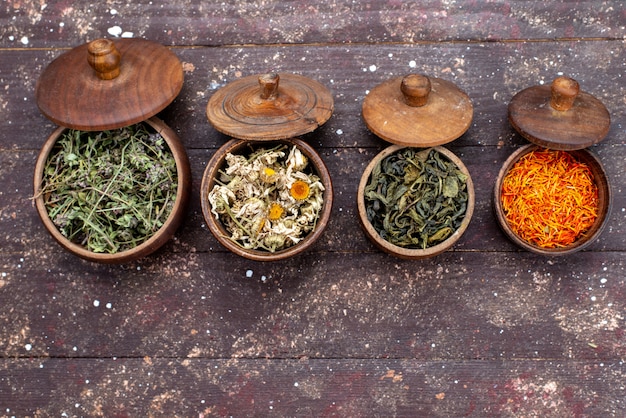
Trikatu (Three Pungents)
Trikatu is a combination of Shunthi (dry ginger, Zingiber officinale), Maricha (black pepper, Piper nigrum), and Pippali (long pepper, Piper longum).
Role in the formula: Trikatu is the "bioavailability enhancer" of Ayurveda. Piperine from black pepper has been scientifically proven to increase the bioavailability of various compounds by 30–200% (Shoba et al., 1998, Planta Medica). In Loknath Ras, Trikatu ensures that the mineral components are properly absorbed and metabolized. It also directly stimulates Agni (digestive fire).
How Loknath Ras Works (Mechanism of Action)
Dosha Balancing (Tridosha Shamak)
Loknath Ras is described as Tridosha Shamak — it pacifies all three doshas. The mercury-sulphur base addresses Vata, the cooling and alkalinizing bhasmas (Varatika, Abhraka) manage Pitta, and the pungent herbs (Trikatu, Nagavalli) reduce Kapha. This tri-pronged action makes it suitable for conditions where multiple doshas are deranged simultaneously.
Detoxification & Ama Removal
In Ayurvedic pathology, Ama (undigested metabolic waste) is considered the root cause of most diseases. Loknath Ras works by strengthening Agni (digestive and metabolic fire) at all levels — Jatharagni (stomach level), Bhutagni (liver level), and Dhatvagni (tissue level). When Agni is strong, Ama gets metabolized and eliminated naturally.
The Trikatu component is especially critical here. A 2012 study in Evidence-Based Complementary and Alternative Medicine showed that Trikatu enhances gastric secretion and improves gastric motility, directly supporting the traditional claim of Ama removal.
Cellular Regeneration & Rasayana Effect
The combination of Abhraka Bhasma and purified Parada creates what Ayurveda describes as a Rasayana effect — deep tissue rejuvenation. Modern research suggests this may involve antioxidant mechanisms. Abhraka Bhasma in particular has shown ability to scavenge free radicals and reduce oxidative stress markers (MDA levels) in experimental studies. The net result is improved cellular health, enhanced immunity, and slowed aging processes.
Therapeutic Uses & Benefits of Loknath Ras
Digestive Health & Appetite Enhancement
This is the primary indication.
Loknath Ras is prescribed for:
- Agnimandya (weakened digestive fire / poor appetite)
- Ajirna (indigestion)
- Amlapitta (hyperacidity, though it seems counterintuitive — the Varatika Bhasma component provides the antacid effect)
- Grahani (malabsorption syndrome / IBS-like conditions)
- Udara Roga (abdominal disorders including bloating, flatulence)
The digestive benefits come from the synergistic action of Trikatu (stimulating secretions), Nagavalli (enhancing peristalsis), and the mineral bhasmas (strengthening the digestive organs at a structural level).
Respiratory Wellness
Loknath Ras is also indicated in respiratory conditions, particularly those involving Kapha accumulation:
- Chronic cough with mucus production
- Bronchial congestion
- Mild asthmatic episodes (as adjunct therapy, not primary treatment)
- Recurrent respiratory infections indicating weakened immunity
Abhraka Bhasma and Tamra Bhasma are the primary contributors to respiratory benefits. Their traditional use in Kasa (cough) and Shwasa (breathing difficulty) is well-documented in classical texts.
How Does Loknath Ras Promote Rejuvenation?
The Rasayana (rejuvenative) action of Loknath Ras operates through multiple pathways:
- 1.Improved nutrient absorption — by strengthening Agni, more nutrients from food reach the tissues
- 2.Enhanced Rasa Dhatu formation — the first tissue formed after digestion, which nourishes all subsequent tissues
- 3.Antioxidant protection — mineral bhasmas reduce oxidative damage to cells
- 4.Immune modulation — Abhraka Bhasma and Tamra Bhasma have demonstrated immunomodulatory activity in preclinical studies
The cumulative effect is increased energy, better skin quality, improved mental clarity, and enhanced resilience against illness.
Metabolic Support
Loknath Ras supports metabolism by addressing Dhatvagni Mandya (weakened tissue metabolism).
This makes it useful as a supportive therapy in:
- Early-stage metabolic syndrome
- Sluggish thyroid function (as adjunct)
- Poor tissue nourishment despite adequate food intake
- Chronic fatigue without identifiable cause
Dosage & Administration
Recommended Dosage
Unlike most competitors who simply write "as directed by physician," here are the standard dosage guidelines from classical texts. However, these must be confirmed by your Ayurvedic doctor for your specific case.
| Patient Category | Dose per Administration | Frequency | Duration |
|---|---|---|---|
| Adults (general) | 125–250 mg (1–2 tablets or equivalent powder) | Twice daily, before meals | 1–3 months, as advised |
| Adults (chronic conditions) | 250 mg | Twice daily | Up to 3 months with monitoring |
| Elderly (60+) | 125 mg | Once or twice daily | As per physician assessment |
| Children (above 5 years) | 62.5–125 mg | Once daily | Short courses only, under strict supervision |
| Children (below 5 years) | Not recommended without specialist guidance | — | — |
Dosage for Specific Conditions
- Indigestion/poor appetite: 125 mg twice daily with warm water, 30 minutes before meals
- Respiratory congestion: 125 mg twice daily with honey and ginger juice
- General debility/rejuvenation: 250 mg once daily with warm milk at bedtime
Anupana (Adjuvant) Based on Condition
Anupana refers to the substance used to take the medicine — and in Ayurveda, the anupana significantly influences where and how the drug acts. This is a critical detail that no other online resource covers properly.
| Condition | Recommended Anupana | Rationale |
|---|---|---|
| Digestive disorders | Warm water or ginger juice (Ardraka Swarasa) | Stimulates Jatharagni directly |
| Respiratory conditions | Honey (Madhu) + small amount of ginger juice | Honey is Kaphahara; ginger clears respiratory channels |
| Rejuvenation / general tonic | Warm milk (Dugdha) | Milk is a Rasayana that enhances the rejuvenative effect |
| Liver-related issues | Kumari Swarasa (Aloe vera juice) | Directs the medicine toward hepatic action |
| Fever with digestive involvement | Tulsi (Holy Basil) decoction | Combines antipyretic and digestive effects |
Duration of Course
Ras Aushadhis are not meant for indefinite use.
Standard course durations:
- Acute conditions: 2–4 weeks
- Chronic conditions: 1–3 months
- Rasayana (rejuvenation) purpose: 2–3 months, followed by a break of equal duration
Periodic liver and kidney function monitoring is advisable during courses exceeding 1 month, given the mineral content of the formulation.
स्वयं दवा न लें और प्रतीक्षा न करें। अभी डॉक्टर से चैट शुरू करें
Side Effects & Precautions
Potential Side Effects
When taken in correct doses under qualified supervision, Loknath Ras is generally well-tolerated.
However, possible side effects include:
- Gastric irritation — particularly if taken on an empty stomach without appropriate anupana
- Metallic taste in the mouth — usually transient
- Loose stools or mild nausea — more common in the first few days, typically self-resolving
- Elevated body heat — due to the Ushna Virya (hot potency) of several ingredients
Important: If you experience persistent nausea, vomiting, abdominal pain, or dark-colored urine, discontinue immediately and consult your physician. These could indicate improper purification of the product or individual hypersensitivity.
Contraindications
This is an area no competitor has adequately addressed:
- Liver disease (hepatitis, cirrhosis, elevated liver enzymes) — mineral bhasmas are metabolized by the liver
- Kidney disease (chronic kidney disease, elevated creatinine) — impaired excretion of mineral metabolites
- Children below 5 years — Ras Aushadhis are generally avoided in very young children
- Known allergy to any component
- Hemochromatosis or iron overload conditions — Loha Bhasma could worsen these
- Wilson's disease — contraindicated due to Tamra Bhasma (copper)
Pregnancy & Lactation
Loknath Ras is contraindicated during pregnancy. The mineral components, particularly mercury and copper-based bhasmas, pose potential risks to fetal development. During lactation, it should only be used if specifically prescribed by a qualified Ayurvedic physician who has assessed that the benefits outweigh the risks.
Drug Interactions
While formal drug interaction studies are lacking, theoretical concerns exist:
- Antacids and PPIs — may alter absorption of bhasma components
- Iron supplements — concurrent use with Loha Bhasma may lead to iron excess
- Hepatotoxic drugs (certain antibiotics, statins, paracetamol at high doses) — additive liver burden
- Anticoagulants — some ingredients may affect platelet function; caution is warranted
- Thyroid medications — calcium from Varatika Bhasma may interfere with levothyroxine absorption
Always inform your allopathic doctor about any Ayurvedic medicines you're taking, and vice versa.
Diet & Lifestyle Recommendations During the Course (Pathya-Apathya)
Ayurveda strongly emphasizes that medicine alone is not sufficient — dietary and lifestyle modifications (Pathya-Apathya) are essential for the formulation to work optimally. No competitor covers this, yet it's a fundamental aspect of Ayurvedic treatment.
Foods to Favor (Pathya)
- Freshly cooked, warm meals — light and easy to digest
- Moong dal (green gram), rice, old rice (Purana Shali)
- Warm water throughout the day
- Ghee (clarified butter) in moderate amounts — supports digestion and acts as a vehicle for mineral absorption
- Seasonal fruits, especially Pomegranate (Dadima) for digestive support
- Buttermilk (Takra) — excellent for digestive health
Foods to Avoid (Apathya)
- Cold, heavy, and oily foods
- Fermented foods in excess (pickles, idli batter kept too long)
- Stale or reheated food — increases Ama formation
- Excessive spicy, sour, and salty foods — can aggravate Pitta alongside the heating nature of the medicine
- Alcohol — places additional burden on the liver which is already processing mineral bhasmas
- Raw salads and cold beverages — weakens Agni
Lifestyle Recommendations
- Maintain regular meal timings
- Avoid daytime sleeping (Divaswapna) — disrupts Agni according to Ayurvedic principles
- Light exercise such as walking for 15–20 minutes after meals
- Practice Pranayama (especially Kapalbhati and Anulom Vilom) — enhances respiratory benefits
- Adequate sleep (7–8 hours) — critical for the Rasayana effect to manifest
Comparison with Similar Ras Formulations
This is another gap no competitor has filled. Here's how Loknath Ras compares to related classical preparations:
| Parameter | Loknath Ras | Sarveshwar Ras | Tribhuvankirti Ras | Arogyavardhini Vati |
|---|---|---|---|---|
| Primary action | Digestive + Rejuvenative | Anti-febrile + Digestive | Anti-febrile (Jwara) | Hepatoprotective + Digestive |
| Dosha action | Tridosha Shamak | Primarily Pitta-Kapha | Primarily Vata-Kapha | Primarily Pitta-Kapha |
| Contains Parada | Yes | Yes | Yes | No (herbo-mineral, not Ras) |
| Best suited for | Chronic indigestion, debility, general rejuvenation | Fevers with digestive disturbance | Acute fevers, body aches, flu-like conditions | Liver disorders, skin diseases, obesity |
| Typical course | 1–3 months | 1–4 weeks | Short courses (7–14 days) | 1–3 months |
| Potency level | Moderate-High | High | High | Moderate |
Takeaway: Loknath Ras is best suited for chronic, sub-acute digestive and metabolic conditions requiring gentle, sustained correction rather than acute, aggressive intervention. If your primary concern is fever, Tribhuvankirti Ras may be more appropriate. For liver-specific issues, Arogyavardhini Vati is usually preferred.
Can Loknath Ras Be Integrated with Other Ayurvedic Therapies?
Absolutely, and in clinical practice, it often is.
Loknath Ras works synergistically with:
- Panchakarma — especially Virechana (therapeutic purgation) as a preparatory detox before starting Ras medicines, and Basti (medicated enema) for Vata-predominant conditions
- Abhyanga (oil massage) — enhances circulation and supports the Rasayana effect
- Yoga & Pranayama — Kapalbhati pranayama particularly complements the Kapha-reducing and respiratory benefits of Loknath Ras
- Concurrent herbal formulations — often prescribed alongside Chitrakadi Vati (for digestion), Sitopaladi Churna (for respiratory issues), or Ashwagandha (for rejuvenation)
Your practitioner may design a comprehensive protocol combining Loknath Ras with these therapies for optimal results.
How to Choose Authentic Loknath Ras
Trusted Manufacturers & Brands
Given that Loknath Ras contains mercury and metal bhasmas, quality and authenticity are non-negotiable.
Established manufacturers with GMP certification include:
- Dhootapapeshwar (Shree Dhootapapeshwar Limited) — one of the most respected names in classical Ayurvedic formulations
- Baidyanath (particularly their Jhansi unit) — widely available across India
- Virgo (UAP Pharma) — known for traditional formulations
- Sadhana Ayurvedics — smaller but reputable manufacturer
Quality Markers to Look For
- GMP certification on the packaging
- Batch number and manufacturing date clearly printed
- Proper bhasma testing — reputable manufacturers conduct Varitara Pariksha (floatation test), Rekhapurnatva (fineness test), and Apunarbhava (irreversibility test) on their bhasmas
- FSSAI license number — mandatory for Ayurvedic products sold in India
- AYUSH manufacturing license — indicates government oversight
- Avoid purchasing from unverified online sellers or local practitioners who prepare bhasmas without laboratory verification
Frequently Asked Questions (FAQ)
What is Loknath Ras used for?
Loknath Ras is primarily used for digestive disorders (indigestion, poor appetite, malabsorption), respiratory issues (chronic cough, bronchial congestion), and as a general rejuvenative tonic. It balances all three doshas and is particularly useful in conditions involving Ama (metabolic toxin) accumulation.
What are the main components of Loknath Ras?
The key ingredients are Shuddha Parada (purified mercury), Shuddha Gandhaka (purified sulphur), Abhraka Bhasma (calcined mica), Loha Bhasma (calcined iron), Tamra Bhasma (calcined copper), Varatika Bhasma (calcined cowrie shell), Trikatu (ginger + black pepper + long pepper), and Nagavalli juice (betel leaf juice) as the levigating medium.
Is Loknath Ras suitable for all age groups?
No. It is generally prescribed for adults and older children (above 5 years) under medical supervision. It is contraindicated in pregnancy and should be used very cautiously in elderly patients with compromised liver or kidney function. Infants and toddlers should not be given Ras Aushadhis.
Is Loknath Ras safe because it contains mercury?
When prepared according to classical Ayurvedic Shodhana (purification) protocols and taken in prescribed doses under medical supervision, Loknath Ras is considered safe for short-to-medium term use. The mercury in Shuddha Parada is in a chemically altered, bound form — not free elemental mercury. However, this is precisely why purchasing from reputable GMP-certified manufacturers is absolutely critical.
How long does it take for Loknath Ras to show results?
For digestive complaints, many patients report improvement within 1–2 weeks. For rejuvenation and chronic conditions, a consistent course of 4–8 weeks is typically needed before noticeable benefits appear. Individual responses vary based on Prakriti (constitution), severity of the condition, and adherence to dietary guidelines.
Can I take Loknath Ras with allopathic medicines?
There is limited formal research on interactions. As a general precaution, maintain a gap of at least 1–2 hours between Loknath Ras and any allopathic medicine. Always inform both your Ayurvedic and allopathic physicians about all medicines you are taking.
Where can I buy Loknath Ras?
Loknath Ras is available on platforms like 1mg, Amazon India, and directly from manufacturer websites (Dhootapapeshwar, Baidyanath). It is also available at licensed Ayurvedic pharmacies. Prices typically range from ₹80 to ₹250 for the standard version and ₹200 to ₹500+ for the Vrihat version.
How to remove Pitta from the body while taking Loknath Ras?
- Since Loknath Ras has Ushna (hot) potency, it can sometimes aggravate Pitta.
- To counterbalance: use milk or ghee as anupana, include cooling foods like cucumber and coriander in your diet, avoid spicy and fermented foods, and drink adequate room-temperature water. If Pitta aggravation is significant, your doctor may add Praval Pishti or Giloy Satva to the prescription.
Conclusion
- Loknath Ras represents the sophisticated science of Rasa Shastra in Ayurveda — a formulation where purified minerals and metals work synergistically with herbs to deliver therapeutic effects that purely herbal preparations often cannot achieve alone.
- Its strength lies in its broad-spectrum action: digestive correction, respiratory support, metabolic enhancement, and deep-tissue rejuvenation.
But this potency comes with responsibility. Loknath Ras is not a self-medication product. Always consult a qualified Ayurvedic physician (BAMS or MD Ayurveda) before starting this formulation. Ensure you purchase from GMP-certified manufacturers, follow the prescribed dosage precisely, adhere to dietary guidelines, and get periodic health monitoring during extended courses.
When used correctly, Loknath Ras can be a powerful ally in your journey toward balanced health and vitality — just as it has been for practitioners and patients across centuries of Ayurvedic tradition.
References & Classical Sources
- 1.Bhaishajya Ratnavali by Govinda Das Sen — Chapter on Ras Aushadhis, formulation and indications of Loknath Ras
- 2.Rasa Tarangini by Sadananda Sharma — Chapters on Parada Shodhana (mercury purification) and Bhasma Pariksha (bhasma testing)
- 3.Rasendra Sara Sangraha — Classical formulation references
- 4.Shoba G, Joy D, Joseph T, et al. (1998). "Influence of piperine on the pharmacokinetics of curcumin in animals and human volunteers." Planta Medica, 64(4), 353–356.
- 5.Paul S, et al. (2015). "Physicochemical and toxicity studies of Abhraka Bhasma." Journal of Ayurveda and Integrative Medicine, 6(1), 29–35.
- 6.Ayurvedic Pharmacopoeia of India, Government of India — Standards for Parada Shodhana and Bhasma preparation
- 7.API (Ayurvedic Pharmacopoeia of India), Part I & II — Monographs on Loha Bhasma, Tamra Bhasma, Abhraka Bhasma
Scientific Sources
- Valerian Root in Treating Sleep Problems and Associated Disorders-A Systematic Review and Meta-Analysis — Shinjyo N et al., 2020, Journal of evidence-based integrative medicine
- Herbal Remedies and Their Possible Effect on the GABAergic System and Sleep — Bruni O et al., 2021, Nutrients
- A systematic review of medicinal plants and herbal products' effectiveness in oral health and dental cure with health promotion approach — Amanpour S et al., 2023, Journal of education and health promotion
- Traditional Chinese Medicine and orthopedic biomaterials: Host of opportunities from herbal extracts — Tang H et al., 2021, Materials science & engineering. C, Materials for biological applications
- Herbal extracts in orofacial pain: a systematic review and direct and indirect meta-analysis — Barrera SD et al., 2024, Scientific reports
उपयोगकर्ताओं के प्रश्न
How long does it take to feel the benefits of Loknath Ras?
Client_316ae3
8 दिनों पहले
You might begin to feel the benefits of Loknath Ras within 4 to 8 weeks of consistent use, particularly for digestion support and appetite enhancement. This timeframe aligns with its traditional use in Ayurveda for rejuvenation and chronic conditions. However, the effects can vary depending on individual health circumstances and lifestyle factors. It's important to monitor for any adverse reactions, such as digestive upset, and consult a healthcare professional if symptoms persist or worsen. Always ensure Loknath Ras is taken as directed by a qualified practitioner to achieve the best results.
How does Loknath Ras interact with common medications?
Client_b1d44e
18 दिनों पहले
Loknath Ras can interact with common medications by potentially altering their absorption through its component piperine, which is known to increase the bioavailability of drugs. To avoid interactions, maintain a 1–2 hour gap between taking Loknath Ras and any other allopathic medicines. Consult a healthcare professional to evaluate potential risks, especially if pregnant or taking medications with a narrow therapeutic index. If adverse symptoms or lack of improvement occurs after consistent use for 4-8 weeks, seeking a doctor's advice is advisable.
What dietary restrictions should I consider while taking Loknath Ras?
Client_3fcb88
27 दिनों पहले
While taking Loknath Ras, it's essential to avoid foods that can exacerbate acidity, as the formulation is used to neutralize excess acidity and improve digestion. This includes reducing the intake of spicy, fried, and overly acidic foods like citrus fruits. It's advisable to consume a balanced diet rich in easily digestible foods, like whole grains and vegetables, to support digestion. Avoid alcohol and caffeine, which can irritate the stomach lining. If you experience persistent digestive issues or other side effects, consult a healthcare provider for tailored advice.
What nutritional components in Loknath Ras contribute to overall wellness?
Client_e04806
37 दिनों पहले
Loknath Ras is an Ayurvedic formulation that is believed to contribute to overall wellness primarily through its combination of traditional ingredients, such as Shuddha Parada (purified mercury) and Nagavalli (betel leaf juice). Shuddha Parada is used in a bound form, which means the mercury is altered to be non-toxic. This can help enhance the absorption of other mineral components in the formulation. Nagavalli, or betel leaf juice, is traditionally used in Ayurveda for its digestive and anti-inflammatory properties. However, the direct nutritional impact of these components in modern scientific terms is not well defined, so consulting with an Ayurvedic practitioner or healthcare provider is recommended for personalized advice and to ensure safe usage.
What is the recommended dosage of Loknath Ras for adults?
Client_249cc2
46 दिनों पहले
The recommended dosage of Loknath Ras for adults typically ranges from 125 mg to 250 mg, taken once or twice daily, usually after meals. However, due to its potent ingredients, such as mercury and various bhasmas, it is crucial to use this Ayurvedic formulation under the guidance of a qualified Ayurvedic physician. The physician will provide dosage recommendations tailored to individual health needs, existing medical conditions, and potential interactions with other medications. If any side effects or adverse reactions occur, it is essential to consult a healthcare professional promptly.
What is the role of piperine in enhancing the effectiveness of Loknath Ras?
Client_d090f1
56 दिनों पहले
Piperine from black pepper plays a crucial role in boosting the effectiveness of Loknath Ras by increasing the bioavailability of its compounds. It helps the body absorb and utilize these ingredients more efficiently, enhancing their effect. It's a kind of booster that helps the formulation work more effectively on the Agni levels!
What are the potential side effects of taking Loknath Ras?
Client_908473
74 दिनों पहले
Taking Loknath Ras for long periods or in high doses could cause side effects due to its mineral content, like stomach upset or digestive issues. It’s also good to check in with an Ayurvedic practitioner for advice based on your dosha and overall balance. Everyone's body can react differently, so best to be cautious!
Is it safe to take Loknath Ras while pregnant or nursing?
Client_84d927
83 दिनों पहले
It's best to consult with an Ayurvedic practitioner or healthcare provider before taking Loknath Ras during pregnancy or while nursing. They can give you personalized advice based on your specific health needs. During these times, special care and professional guidance are really important to ensure safety, you know? 😊
What is the process behind the purification of minerals used in Loknath Ras?
Client_aa5ab2
92 दिनों पहले
Purification of minerals in Loknath Ras, a process known as "Shodhana" in Ayurveda, involves detoxifying minerals by subjecting them to various treatments using herbal liquids or cow's urine. This helps neutralize toxins and enhance their therapeutic properties. The specifics can vary though, so consulting a specialist in Ayurvedic formulations is a good idea!
What is the best time of day to take Loknath Ras for optimal benefits?
Client_6609ec
102 दिनों पहले
The best time to take Loknath Ras can vary based on your individual dosha balance and daily routine. Usually, taking it early in the morning on an empty stomach or just before meals might be optimal to boost your digestive fire (agni) and aid absorption. Of course, consulting with an Ayurvedic practitioner for personalized advice would be ideal!
संबंधित आलेख

General Medicine
पल्सिन्यूरॉन कैप्सूल्स के फायदे, खुराक, सामग्री, साइड इफेक्ट्स
पल्सिन्यूरॉन कैप्सूल्स के फायदे, खुराक, सामग्री, और साइड इफेक्ट्स की जानकारी
4,061

General Medicine
Gandharvahasthadi Kashayam Uses – A Traditional Ayurvedic Elixir for Vitality and Wellness
Discover the uses of Gandharvahasthadi Kashayam, a time-tested Ayurvedic decoction that promotes strength, vitality, and overall wellness. Learn how this herbal remedy supports digestion, immunity, and longevity.
4,287

General Medicine
पुरुष प्रजनन क्षमता के सप्लीमेंट्स: क्या वाकई में काम करता है?
CoQ10, जिंक, सेलेनियम, L-कर्निटाइन और फोलेट के शोधित डोज़, साथ ही अश्वगंधा और कपिकच्छु — कौन से पुरुष प्रजनन सप्लीमेंट्स स्पर्म की क्वालिटी को बदलते हैं।
89

General Medicine
घरेलू खांसी का इलाज: 8 असरदार नुस्खे
आठ आयुर्वेदिक खांसी के उपाय जिनमें सटीक मात्रा शामिल है: शहद-अदरक, हल्दी वाला दूध, तुलसी का काढ़ा, मुलैठी की चाय और अजवाइन की भाप, जो खांसी के प्रकार के अनुसार हैं।
107

General Medicine
Sadhaka Pitta: Understanding its Role in Mind-Body Balance
Explore the science behind Sadhaka Pitta, its health implications, and evidence-based insights. Learn how it influences emotional well-being and cognition.
3,328
General Medicine
Vijaya Herb: Ancient Healing Power
Vijaya Herb, deeply rooted in Ayurveda, is celebrated for its ancient healing properties and significant role in traditional medicine.
4,264
General Medicine
Most Common Diseases
A disease is any detrimental deviation from the normal functional state of the body associated with certain signs and symptoms.
3,020

General Medicine
अरग्वधादि कषायम – फायदे, खुराक, साइड इफेक्ट्स और सामग्री
अरग्वधादि कषायम की खोज – फायदे, खुराक, साइड इफेक्ट्स और सामग्री
2,155

General Medicine
मथुलुंगा रसायनम: आयुर्वेदिक पुनर्जीवन के साथ अपनी सेहत को फिर से तरोताजा करें
मैथुलुंगा रसायनम की खोज करें, एक प्राचीन आयुर्वेदिक पुनरजीवक जो अपनी शक्तिशाली जड़ी-बूटियों के मिश्रण से जीवन शक्ति बढ़ाता है, इम्यूनिटी को मजबूत करता है और दीर्घायु को बढ़ावा देता है।
3,192
General Medicine
Laghu Soota Mishran
Laghu Soota Mishrana is an Ayurvedic preparation made from a combination of natural ingredients, including herbs and purified sulfur (Soota). It is designed to balance the three doshas—Vata, Pitta, and Kapha—and support overall health.
2,897
विषय से संबंधित परामर्श
अतिरिक्त दस्तावेज़
© 2024 Ask Ayurveda. सर्वाधिकार सुरक्षित।