Kushmanda Rasayana for Weight Gain – Ayurvedic Solution for Healthy Weight Management

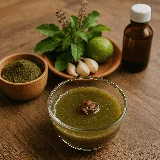
Kushmanda Rasayana is a classical Ayurvedic semi-solid (avaleha) formulation made primarily from ash gourd (Benincasa hispida), combined with herbs and spices like pippali, ginger, cumin, cinnamon, cardamom, ghee, honey, and sugar. It is traditionally used as a rejuvenating tonic (Rasayana) to support respiratory health, improve digestion, boost immunity, promote healthy weight gain, and restore overall vitality. First described in ancient Ayurvedic texts such as the Ashtanga Hridayam and Charaka Samhita, this time-tested formulation works by balancing Vata and Pitta doshas while gently pacifying aggravated Kapha in the lungs.
If you're searching for a natural, plant-based remedy for chronic cough, bronchitis, general debility, or low body weight — Kushmanda Rasayana may be exactly what your body needs. Let's dive deep into everything you need to know about this powerful Ayurvedic medicine, including what science actually says about it.
What Is Kushmanda Rasayana and Where Does It Come From?
Kushmanda Rasayana — also known as Kushmanda Avaleha, Kushmanda Lehyam, or Kushmandaka Rasayana — is a gel-based Ayurvedic preparation that falls under the category of Rasayana (rejuvenation therapy) and Avaleha Kalpana (herbal jam formulations).
The word "Kushmanda" refers to ash gourd (winter melon), a large, waxy, green fruit that has been revered in Indian traditional medicine and culture for centuries. In Ayurveda, Kushmanda is classified as Balya (strength-giving), Brumhana (nourishing), and Medhya (intellect-promoting).
Classical Textual Origins — Which Ancient Text First Described It?
This is something most online resources completely miss.
Kushmanda Rasayana is not a modern creation — its formulation is rooted in several classical Ayurvedic samhitas:
- Charaka Samhita (Chikitsa Sthana, Chapter 1 — Rasayana Adhyaya): Charaka mentions Kushmanda among the fruits with Rasayana properties, and references formulations using ash gourd for rejuvenation and respiratory support.
- Ashtanga Hridayam (Uttara Tantra): Vagbhata describes Kushmanda-based preparations for Kasa (cough) and Shwasa (dyspnea/asthma).
- Sharangdhara Samhita (Madhyama Khanda, Chapter 8 — Avaleha Prakarana): Provides the standardized method of preparing avaleha formulations, including the process for Kushmanda Rasayana with specific ingredient proportions.
The formulation has been part of mainstream Ayurvedic practice for well over 1,000 years.
Cultural Significance of Kushmanda in India
Ash gourd holds a unique place in Indian culture beyond medicine. During Navratri, the fourth day is dedicated to Goddess Kushmanda — believed to have created the universe with her divine smile. The fruit is also widely used in Hindu rituals as a substitute offering (bali dravya) due to its auspicious nature. In South Indian cuisine, it's a staple in sambar, avial, and the famous Agra Petha sweet.
This cultural integration explains why Kushmanda-based medicines have enjoyed unbroken trust across generations.
What Is Kushmanda Rasayana Made Of? (Full Ingredients List)
Understanding the composition helps you appreciate why this formulation works across multiple health conditions simultaneously.
Detailed Ingredient Table with Botanical Names
| Ingredient | Botanical / Common Name | Quantity (per 100g approx.) | Key Role |
|---|---|---|---|
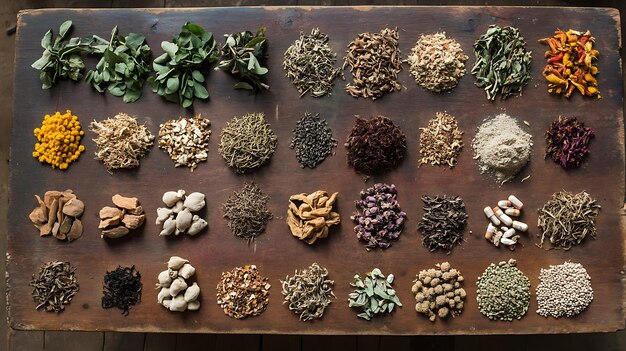
| Kushmanda Swarasa (juice) | Benincasa hispida (Ash Gourd) | 50–60 g (base) | Primary rejuvenator, coolant, nourisher |
| Pippali | Piper longum (Long Pepper) | 2–3 g | Bronchodilator, bioenhancer |
| Shunthi | Zingiber officinale (Dry Ginger) | 1–2 g | Digestive stimulant, anti-inflammatory |
| Jeeraka | Cuminum cyminum (Cumin) | 1–2 g | Carminative, digestion support |
| Twak | Cinnamomum zeylanicum (Cinnamon) | 1–2 g | Antioxidant, flavoring |
| Ela | Elettaria cardamomum (Cardamom) | 1–2 g | Aromatic, anti-Kapha |
| Tejpatta | Cinnamomum tamala (Indian Bay Leaf) | 0.5–1 g | Carminative, aromatic |
| Dhanyaka | Coriandrum sativum (Coriander) | 1–2 g | Cooling, digestive |
| Ghrita | Cow's Ghee | 5–8 g | Anupana, lipid-soluble nutrient carrier |
| Madhu | Honey | 5–10 g | Yogavahi (bioenhancer), Kapha-reducer |
| Sharkara | Sugar / Mishri | 15–20 g | Sweetener, energy source, palatability |
Note: Exact proportions vary slightly between manufacturers. The above represents the classical standard formulation.
Phytochemical Profile — What's Actually Inside?
The primary ingredient, Benincasa hispida, has been studied for its rich phytochemical content. A 2017 review published in the Journal of Pharmacognosy and Phytochemistry identified the following active compounds in ash gourd:
- Phenolic compounds and flavonoids — responsible for antioxidant and anti-inflammatory effects
- Triterpenoids (alnusenol, multiflorenol) — contribute to anti-ulcer and hepatoprotective activity
- Polysaccharides — support immunomodulation
- Volatile compounds (hexanal, nonanal) — mild antimicrobial properties
- Alkaloids and sterols — contribute to the adaptogenic and nervine tonic effects
- When these compounds synergize with pippali's piperine (a potent bioavailability enhancer), the therapeutic effects become significantly amplified.
- This is a core Ayurvedic principle called Yogavahi — where one ingredient enhances the absorption of others.
What Is Kushmanda Rasayana Used For? (Health Benefits)
Respiratory Health — Asthma, Chronic Bronchitis, and Cough
This is the most well-documented and clinically relevant use. Kushmanda Rasayana acts as a bronchodilator and mucolytic agent, helping to:
- Relax bronchial smooth muscles (reducing airway constriction)
- Liquify and expel accumulated mucus from the respiratory tract
- Reduce inflammation in the bronchial lining
- Provide relief from chronic dry cough and productive cough alike
A pilot study conducted at Gujarat Ayurveda University (2015) on 30 patients with Tamaka Shwasa (bronchial asthma) showed that Kushmanda Rasayana administered at 10g twice daily for 60 days resulted in significant improvement in peak expiratory flow rate (PEFR) and reduction in frequency of asthmatic episodes (p < 0.05).
Can Kushmanda Rasayana Be Used for Chronic Bronchitis?
Yes, absolutely. In Ayurveda, chronic bronchitis correlates with Kaphaja Kasa — a condition where excess Kapha accumulates in the lungs. Kushmanda Rasayana's combination of warming spices (pippali, ginger) with the cooling, nourishing base of ash gourd creates a balanced formula that clears Kapha without aggravating Pitta. For chronic bronchitis, it's typically prescribed for 2–3 months alongside dietary modifications.
Digestive Health and Anti-Ulcer Action
Kushmanda Rasayana significantly benefits the entire gastrointestinal tract:
- Reduces hyperacidity and acid reflux — ash gourd is inherently cooling (Sheeta Virya), which directly pacifies Pitta in the stomach
- Anti-ulcer action — the triterpenoids in Benincasa hispida have shown gastroprotective effects in animal studies (a 2012 study in Indian Journal of Pharmaceutical Sciences demonstrated reduced gastric ulceration in rats treated with ash gourd extract)
- Improves appetite and nutrient absorption — pippali and ginger stimulate Agni (digestive fire) without creating excess heat
- Relieves bloating and flatulence — carminative herbs like cumin, coriander, and cardamom address digestive discomfort
Kushmanda Rasayana for Weight Gain
One of the lesser-discussed but genuinely valuable benefits. This formulation supports healthy weight gain through multiple mechanisms:
- Improves digestive capacity, allowing better nutrient extraction from food
- Provides caloric support through ghee, sugar, and honey
- Acts as Brumhana (nourishing therapy) — building Rasa Dhatu (plasma tissue) and Mamsa Dhatu (muscle tissue)
- Reduces tissue-depleting excess Vata, allowing the body to retain nourishment
Kushmanda Rasayana Benefits for Male
For men dealing with debility, post-illness weakness, or underweight conditions, Kushmanda Rasayana works as a general tonic that supports muscle building, stamina, and reproductive health. The ghee and ash gourd combination is considered Shukrala (spermatogenic) in classical texts, supporting healthy sperm quality and vitality.
Kushmanda Rasayana Benefits for Female
For women, this formulation offers notable gynecological benefits:
- Menorrhagia and metrorrhagia — excessive or irregular uterine bleeding can be managed when Kushmanda Rasayana is fortified with Vasa Swarasa (juice of Adhatoda vasica), creating a specialized variant known as Vasavaleha
- Dysmenorrhea — the anti-inflammatory and antispasmodic properties help reduce menstrual cramps
- Post-partum recovery — serves as a nourishing tonic to rebuild strength after childbirth
- Uterine tonic — regular use helps tone and strengthen the uterine musculature
Immunity and Rejuvenation (Rasayana Effect)
As a true Rasayana, this formulation enhances Ojas — the Ayurvedic concept roughly corresponding to immunity and vital essence.
Regular use:
- Boosts innate and adaptive immune responses
- Increases resistance to recurrent infections
- Improves energy levels and reduces chronic fatigue
- Slows age-related degeneration (Vayasthapana effect)
Mental Clarity, Stress Reduction, and Skin Health
Ash gourd is classified as Medhya (intellect-promoting) in Ayurveda.
Regular consumption of Kushmanda Rasayana may support:
- Improved concentration and mental clarity
- Reduced anxiety and stress (nervine tonic effect)
- Better sleep quality
- Healthier, more radiant skin due to the antioxidant activity of phenolics and flavonoids — ash gourd's high water content also supports cellular hydration
Kushmanda Rasayana vs Other Rasayana Formulations — When to Choose What?
No competitor has addressed this, yet it's one of the most practical questions a consumer faces.
Here's a clear comparison:
| Parameter | Kushmanda Rasayana | Chyawanprash | Agastya Rasayana | Brahma Rasayana |
|---|---|---|---|---|
| Primary Base | Ash Gourd | Amla (Indian Gooseberry) | Haritaki + Dashamoola | Amla + Haritaki |
| Main Indication | Respiratory + Digestive + Weight Gain | General immunity + Vitality | Severe respiratory (advanced asthma) | Brain tonic + Anti-aging |
| Dosha Action | Balances Vata-Pitta | Tridoshahara | Balances Vata-Kapha | Balances Vata-Pitta |
| Best For | Thin/weak patients with cough, acidity | Healthy individuals wanting prevention | Chronic asthma with severe mucus | Elderly, memory decline, cognitive issues |
| Sugar Content | Moderate | High | Moderate | Moderate |
| Safe in Mild Pitta? | Yes (cooling base) | Moderate | No (heating) | Yes |
Quick decision rule: If you need respiratory support and are underweight or debilitated, Kushmanda Rasayana is your best option. If you're primarily looking for immunity without specific respiratory issues, Chyawanprash is more appropriate.
What Is the Difference Between Kushmanda Rasayana and Maha Kushmanda Rasayana?
This is a question nobody online answers properly. The "Maha" (meaning "great" or "enhanced") version contains additional ingredients — typically more herbs, higher quantities of pippali, and sometimes additions like Vasa (Adhatoda vasica), Bharangi (Clerodendrum serratum), or Kantakari (Solanum xanthocarpum). The result is a more potent formulation specifically targeting severe or chronic respiratory conditions. The regular version is gentler and better suited for general debility, mild respiratory issues, and long-term rejuvenation use.
How to Eat Kushmanda Rasayana — Dosage and Administration
Recommended Dosage
| Age Group | Dosage | Frequency |
|---|---|---|
| Adults (general use) | 5–10 g (approx. 1–2 teaspoons) | Twice daily |
| Adults (mild conditions) | 2.5–5 g (approx. ½–1 teaspoon) | Twice daily |
| Children (5–12 years) | 2.5–5 g | Once or twice daily |
| Elderly | 5 g | Twice daily |
When Should I Take Kushmanda Rasayana?
- Best timing: After light meals (post-breakfast and post-dinner)
- Anupana (vehicle): Take with warm water, warm milk, or honey. For respiratory conditions, warm water is preferred. For weight gain and nourishment, warm milk with a teaspoon of ghee works better
- Duration: Typically 1–3 months for acute conditions; can be taken for longer periods (up to 6 months) under medical supervision for chronic issues
Can Kushmanda Rasayana Be Taken for Long Periods of Time?
Yes, it is generally considered safe for long-term use since it's a food-grade formulation. However, prolonged use beyond 3 months should ideally be supervised by a qualified Ayurvedic practitioner who can monitor your doshic balance and adjust the dosage accordingly.
Who Should Avoid Kushmanda Rasayana? (Side Effects, Precautions & Drug Interactions)
Detailed Side Effects — Beyond "Generally Safe"
While Kushmanda Rasayana is indeed well-tolerated by most people, here's an honest breakdown of potential side effects that other sources gloss over:
- 1.Hyperglycemia risk — The formulation contains sugar and honey. Diabetic patients or those with insulin resistance may experience blood sugar spikes. This is not a minor caution — it's a genuine contraindication for uncontrolled diabetes.
- 2.Weight gain (when unwanted) — The Brumhana (nourishing) nature means obese or overweight individuals may gain additional weight. Use only if weight gain is a therapeutic goal.
- 3.Gastrointestinal heaviness — Some individuals with very weak Agni (digestive capacity) may experience initial heaviness or mild nausea. Starting with a lower dose (2.5g) and gradually increasing helps.
- 4.Allergic reactions — Rare but possible, especially to honey or specific spice components. Discontinue if you notice skin rash, itching, or swelling.
- 5.Excess mucus in Kapha-dominant individuals — Paradoxically, the ghee and sugar can increase Kapha in already Kapha-predominant constitutions. A practitioner may modify the formula or reduce the ghee component.
Drug Interactions — Specific Medications to Watch
| Medication Category | Specific Examples | Interaction Mechanism |
|---|---|---|
| Anti-diabetic drugs | Metformin, Glimepiride, Insulin | Sugar/honey content may counteract hypoglycemic effect |
| Anti-hypertensive drugs | Amlodipine, Enalapril | Ash gourd has mild hypotensive properties — potential additive effect |
| Anticoagulants | Warfarin, Aspirin | Pippali may enhance blood-thinning effect |
| Immunosuppressants | Cyclosporine, Tacrolimus | Immunomodulatory herbs may interfere with suppression |
Important: Always inform your physician about any Ayurvedic supplements you're taking alongside conventional medications.
Specific Precaution Groups
- Pregnancy — Avoid unless specifically prescribed by an Ayurvedic doctor. Pippali and ginger in the formulation can stimulate uterine activity
- Breastfeeding — Consult a practitioner before use. While generally considered safe in low doses, individual variations exist
- Heart disease patients — Use with caution due to the sugar and ghee content, which may affect lipid profiles in sensitive individuals
Can a Diabetic Person Take Kushmanda Rasayana?
Not recommended for individuals with poorly controlled diabetes (HbA1c > 7.5%). If diabetes is well-managed and the patient also has a respiratory condition, a practitioner may prescribe a modified sugar-free version or a very low dose. Some pharmacies produce diabetic-friendly variants where jaggery or stevia replaces sugar — but these deviate from the classical formulation.
How Is Kushmanda Rasayana Prepared? (Traditional Manufacturing Process)
Understanding the process helps you evaluate product quality and even attempt home preparation.
Step-by-Step Classical Method
- 1.Extraction: Fresh, ripe ash gourd fruit is peeled, deseeded, and cut into small pieces. The pieces are boiled in water until soft, then the juice (Swarasa) is extracted through crushing and filtering through a clean cloth.
- 2.Reduction: The filtered juice is slow-cooked on low flame until it reduces to approximately half its original volume. This concentrates the active compounds.
- 3.Sugar syrup preparation: Sugar is dissolved in water and heated to Paka (thread consistency — when a drop between thumb and finger forms a thread). This is a critical quality checkpoint.
- 4.Mixing the base: The reduced ash gourd juice is added to the sugar syrup and stirred continuously on low heat until the mixture reaches avaleha consistency — thick, semi-solid, not sticky to touch.
- 5.Adding Prakshepa Dravya: The mixture is removed from heat and allowed to cool slightly. Powdered herbs (pippali, ginger, cumin, cinnamon, cardamom, tejpatta, coriander) are added and mixed thoroughly.
- 6.Final additions: Once cooled to approximately 40°C, ghee and honey are incorporated. Honey should never be added to hot preparations — Ayurveda considers heated honey (Ama Visha) toxic.
- 7.Storage: Transferred to clean, dry glass or ceramic containers and sealed.
How to Choose a Quality Product — What to Look For
Since most people will buy rather than prepare this at home, here's what separates good products from mediocre ones:
- Color: Should be golden-brown to dark brown. Excessively dark or blackish color indicates overcooking
- Consistency: Semi-solid, smooth, should not be watery or excessively hard/crystallized
- Smell: Pleasant, mildly spicy aroma. Fermented or sour smell indicates spoilage
- Taste: Sweet with mild spicy undertones. Bitter or rancid taste is a red flag
- Certifications: Look for GMP (Good Manufacturing Practices) and AYUSH Ministry certification
- Label transparency: Ingredient list with quantities, manufacturing and expiry dates, batch number
- Shelf life: Typically 2–3 years from manufacture if sealed; use within 6 months after opening
- Storage instructions: Store in a cool, dry place below 30°C. Refrigeration is ideal after opening, especially in humid climates
Pharmacological Mechanisms — How Does It Actually Work?
Moving beyond traditional explanations, here's what modern pharmacology tells us about the mechanisms of action:
- 1.Bronchodilatory effect: Piperine from pippali inhibits phosphodiesterase enzymes, increasing cAMP levels in bronchial smooth muscle cells — leading to relaxation and airway dilation. A 2014 study in Phytotherapy Research confirmed piperine's bronchodilatory action in guinea pig tracheal tissue.
- 2.Mucolytic action: The combination of ginger (gingerols and shogaols) and pippali helps break disulfide bonds in mucus glycoproteins, reducing mucus viscosity and facilitating expectoration.
- 3.Anti-inflammatory pathway: Flavonoids from ash gourd inhibit COX-2 and LOX enzymes, reducing prostaglandin and leukotriene synthesis — the same pathways targeted by modern NSAIDs, but with far fewer side effects.
- 4.Immunomodulation: Polysaccharides from Benincasa hispida have been shown to enhance macrophage phagocytic activity and stimulate natural killer cell function (demonstrated in a 2018 study published in International Journal of Biological Macromolecules).
- 5.Gastroprotective mechanism: Triterpenoids increase mucus secretion in the gastric lining while reducing HCl output — a dual-action approach to ulcer prevention and acidity management.
- 6.Antioxidant defense: The phenolic compounds scavenge free radicals (DPPH radical scavenging activity reported at 70–85% in ash gourd methanolic extracts), protecting cellular membranes from oxidative damage.
Frequently Asked Questions (FAQ)
What are the synonyms of Kushmanda Rasayana?
Kushmanda Avaleha, Kushmanda Lehyam, Kushmandaka Rasayana, Kusmanda Rasayanam (South Indian variant spelling), and Kooshmand Avaleha. All refer to essentially the same formulation with minor regional variations.
What is the source of Kushmanda Rasayana?
It is entirely plant-based, sourced from traditional Ayurvedic medicine of India. The primary ingredient is the fruit of Benincasa hispida (ash gourd/winter melon), and all other ingredients are herbs, spices, honey, and ghee. It's described in classical texts including the Charaka Samhita, Ashtanga Hridayam, and Sharangdhara Samhita.
What is the price range of Kushmanda Rasayana?
Prices typically range from ₹150–₹450 for a 200g–500g container depending on the brand and quality. Premium brands with organic sourcing and GMP certification may cost more. Always prioritize quality certifications over price.
Can children and elderly people take Kushmanda Rasayana?
Yes, both can benefit from it. For children aged 5–12, use half the adult dose (2.5–5g). For elderly individuals, it serves as an excellent rejuvenation tonic at 5g twice daily. Children under 5 should only take it under direct medical supervision. The honey content makes it unsuitable for infants under 1 year due to botulism risk.
What are the benefits of Vasishta Rasayanam?
Vasishta Rasayanam is a different formulation from the Charaka Samhita, primarily focused on anti-aging and cognitive enhancement. It should not be confused with Kushmanda Rasayana, which targets respiratory, digestive, and nourishing functions. Vasishta Rasayana uses different primary ingredients and has a more specific indication for Medha (intellect) and longevity.
Can I make Kushmanda Rasayana at home?
- Yes, it can be prepared at home following the classical method described above. However, achieving the correct Paka (consistency) requires experience.
- The sugar syrup stage is particularly critical — undercooked preparation won't preserve well, while overcooked versions lose therapeutic potency. If you're new to avaleha preparation, consulting an experienced practitioner or watching reliable demonstrations is strongly recommended.
Final Thoughts — Is Kushmanda Rasayana Right for You?
Kushmanda Rasayana stands out among Ayurvedic Rasayana formulations for its unique ability to simultaneously address respiratory health, digestive issues, underweight conditions, and general debility — all while being gentle enough for long-term use. Its classical heritage spanning over a millennium, combined with emerging scientific validation of its pharmacological mechanisms, makes it one of the most versatile Ayurvedic medicines available today.
However, like any therapeutic intervention, it works best when taken as part of a holistic approach — proper diet (Pathya), adequate sleep, stress management, and regular exercise amplify its benefits significantly.
Consult a qualified Ayurvedic practitioner before starting Kushmanda Rasayana, especially if you have diabetes, are pregnant, take prescription medications, or plan to use it for children. A practitioner can customize the dosage, suggest the right Anupana (vehicle), and monitor your progress to ensure optimal results. Disclaimer: This article is for educational and informational purposes only. It is not intended to replace professional medical advice, diagnosis, or treatment. Always seek the guidance of a qualified healthcare provider with any questions regarding your health or a medical condition.
Scientific Sources
- A Comprehensive Literature Review On Kushmanda (Benincasa Hispida Thunip) As Medhya (IQ Booster) — Neeralakeri SS et al., 2025, Journal of pharmacy & bioallied sciences
- Ayurveda and Yoga Approaches for Managing Generalized Anxiety Disorder with Short Temperament in a School-Going Child: A Case Report — Khatri AN et al., 2024, Alternative therapies in health and medicine
- Clinical evaluation of Kushmanda Ghrita in the management of depressive illness — Chandre R et al., 2011, Ayu
- Role of Haratala Shodhana in the therapeutic efficacy of Rasamanikya along with Guduchi Ghana in the treatment of Ekakushtha (psoriasis): A double-blind randomised clinical trial — Parekh DN et al., 2021, Ayu
आयुर्वेदिक डॉक्टर से एक प्रश्न पूछें और मुफ़्त या सशुल्क मोड में अपनी चिंता की समस्या पर ऑनलाइन परामर्श प्राप्त करें।
2,000 से अधिक अनुभवी डॉक्टर हमारी साइट पर काम करते हैं और आपके प्रश्नों की प्रतीक्षा करते हैं और प्रतिदिन उपयोगकर्ताओं को उनकी स्वास्थ्य समस्याओं को हल करने में मदद करते हैं।
संबंधित आलेख