आयुर्वेदिक डॉक्टर से प्रश्न पूछें और निःशुल्क या भुगतान मोड में अपनी चिंता की समस्या पर ऑनलाइन परामर्श प्राप्त करें। 2,000 से अधिक अनुभवी डॉक्टर हमारी साइट पर काम करते हैं और आपके प्रश्नों का इंतजार करते हैं और उपयोगकर्ताओं को उनकी स्वास्थ्य समस्याओं को हल करने में प्रतिदिन मदद करते हैं।


Body DetoxEar, Nose, and Throat DisordersGeriatrics & RejuvenationImmunodeficiencyInfertility TreatmentNutritionOrthopedic DisordersPediatricsRespiratory DisordersSexually Transmitted Diseases (STDs)Surgery RecoveryUrological DisordersVascular DisordersDental DisordersEndocrinological DisordersGastrointestinal DisordersYoga TherapyGeneral MedicineAllergic DisordersCardio DisordersGynecology and ObstetricsCosmetologySkin and Hair DisordersEye DisordersInfectious DiseasesMental DisordersNeurological DisordersOncologyPanchakarmaSexual Health & DisordersSports Medicine
पर प्रकाशित 06/04/25
(को अपडेट 08/10/26)
1,880
How to Prevent Diabetes: Ayurvedic Lifestyle, Foods, and At-Home Care

Let’s be honest — the idea of diabetes creeps into more and more conversations these days. You hear about it from friends, coworkers, maybe even doctors at routine checkups. It’s no longer just something older folks worry about. People of all ages are waking up to the importance of knowing how to prevent diabetes — and not just through modern medicine. Many are turning to Ayurveda, ancient healing practices, and lifestyle shifts to find balance and resilience.
In this guide, we’re going to dive deep into ways to prevent diabetes, including foods that prevent diabetes, Ayurvedic remedies, and how to set up a sustainable diabetes care at home routine. Whether you’re trying to reverse diabetes naturally, keep your sugar in check, or just avoid getting it in the first place — this is for you.
How Ayurveda Explains the Root Causes of Diabetes
In Ayurveda, diabetes isn’t just about high blood sugar. It’s considered a result of imbalances in the body's doshas (Vata, Pitta, and Kapha), poor digestion, and toxin build-up — called Ama. The condition most closely resembles what's called “Madhumeha”, meaning “sweet urine.”
Rather than focusing only on insulin or glucose, Ayurveda sees diabetes as the body’s way of signaling deeper dysfunction. It's often linked to a sedentary lifestyle, stress, overconsumption of sugary or processed foods, and a disconnection from nature’s rhythm.
Kapha dosha, in particular, is believed to play a major role. When Kapha becomes excessive — think heaviness, sluggishness, weight gain — it slows down digestion and metabolism. Over time, this leads to insulin resistance and fat accumulation, key factors in both Type 2 diabetes and prediabetic states.
So prevention isn’t just about diet. It’s about restoring balance on every level: physically, mentally, emotionally.
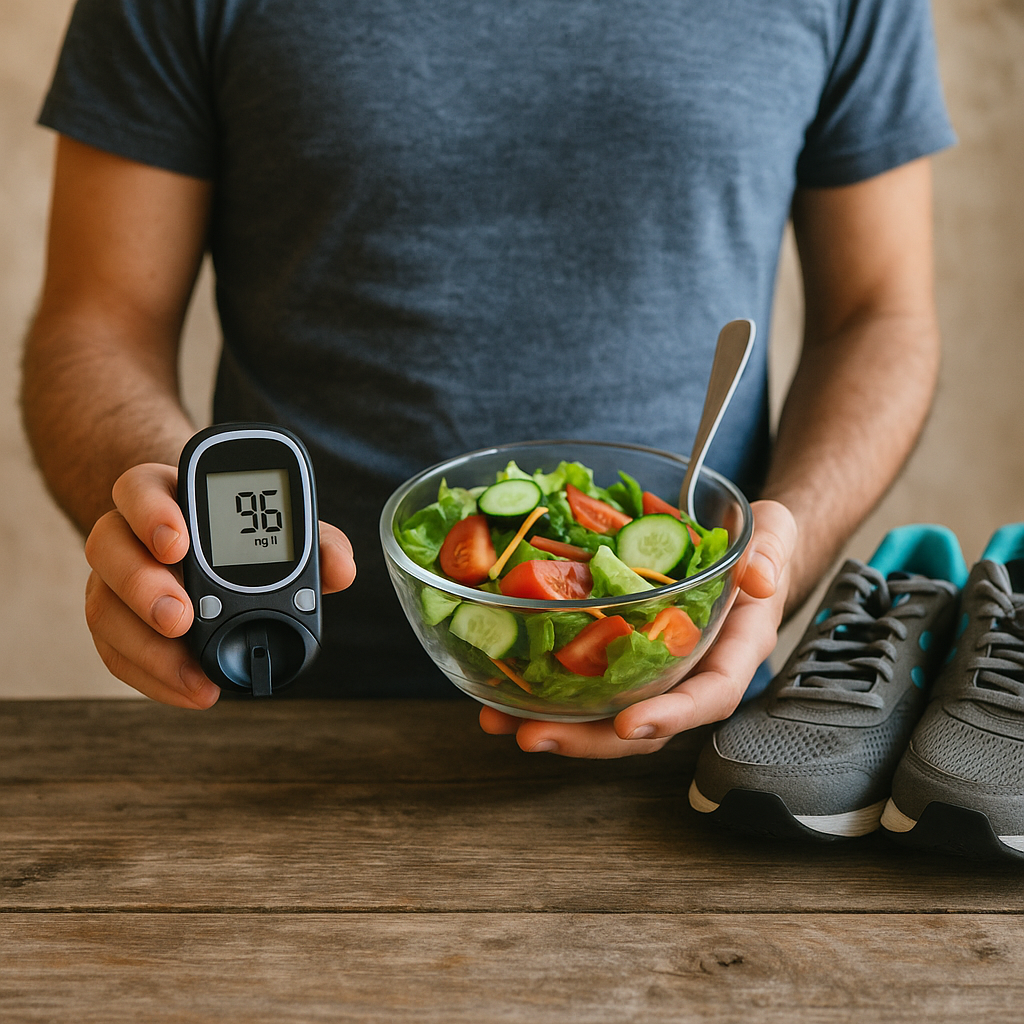
Foods, Exercises, and Natural Remedies to Prevent Diabetes
Ayurveda offers practical tools — no crazy restrictions, just conscious choices. Combining the right diet to prevent diabetes, herbs, and movement, we can create a daily rhythm that supports healing and resilience.
Ayurvedic Diet and Foods That Prevent Diabetes
One of the cornerstones of Ayurvedic diabetes care is a diet that supports Agni, or digestive fire. When your digestion is strong, your body can metabolize food efficiently and eliminate waste properly. That’s a huge deal when it comes to preventing diabetes.
Here are some foods that prevent diabetes and are regularly recommended by Ayurvedic practitioners:
-
Bitter gourd (karela): Known to regulate blood sugar.
-
Fenugreek seeds (methi): Soaked overnight, they improve insulin sensitivity.
-
Turmeric: Anti-inflammatory and balances blood sugar.
-
Cinnamon: Helps improve insulin function.
-
Barley and millets: Low glycemic index, great alternatives to refined grains.
Avoid cold, heavy, oily foods and excess dairy. Sugar and artificial sweeteners are a no-go — obvs, but we’ll say it again. Instead, use jaggery or stevia occasionally (not every day).
Pro tip? Eat your meals warm, fresh, and with mindfulness. Cold smoothies and leftover pizza? Delicious, sure, but a digestion disaster in Ayurvedic terms.
Exercises for Diabetes Patients at Home: Best Practices
When it comes to exercises for diabetes patients at home, Ayurveda recommends gentle yet consistent movement. You don’t have to go hard on HIIT or run marathons. Movement is medicine, and it should feel that way.
Here’s what works well:
-
Morning walks: A 30-minute walk at sunrise stimulates metabolism and reduces Kapha accumulation.
-
Yoga: Focus on asanas like Trikonasana (Triangle pose), Ardha Matsyendrasana (Spinal twist), and Paschimottanasana (Seated forward bend).
-
Pranayama (breathing practices): Especially Kapalabhati and Anulom Vilom — both help detoxify and oxygenate the blood.
Looking for the best exercise for diabetes at home? Combine mindful yoga with light strength training using bodyweight. Nothing too intense, but enough to get the blood moving and keep insulin working.
Reversing Diabetes Naturally: Herbs, Detox, and Daily Routine
So, what about actually reversing diabetes naturally? Is that even possible? Well, while mainstream medicine might hesitate to use the word reverse, Ayurvedic wisdom — paired with modern lifestyle changes — suggests it can happen. And yes, many people have successfully done it.
Let’s break it down: the goal isn’t just to lower blood sugar temporarily, but to actually change the environment in your body that allowed diabetes to develop in the first place. That’s where natural remedies, herbs, and daily rhythms come into play.
Herbal Support
Here are some time-tested Ayurvedic herbs known to help regulate blood sugar:
-
Gudmar (Gymnema sylvestre): Literally means "sugar destroyer." It reduces sugar cravings and helps regenerate pancreatic cells.
-
Vijaysar: A wood often soaked in water overnight and drunk the next morning. Said to help stabilize glucose levels.
-
Amla (Indian gooseberry): Packed with antioxidants and supports the pancreas.
-
Neem: Bitter, powerful, and blood-purifying. Not the tastiest, but very effective.
These herbs are not meant as a one-time fix. They work best when integrated into a consistent routine along with mindful eating and exercises for diabetes patients at home.
Daily Detox Practices
Ayurveda emphasizes regular detox to eliminate built-up toxins (Ama) — which can clog up the body’s channels, impair digestion, and lead to insulin resistance.
Simple detox tips:
-
Drink warm water with lemon or ginger first thing in the morning.
-
Avoid eating late at night (your digestion sleeps too, ya know).
-
Try a mild Triphala supplement before bed — helps cleanse the gut and support elimination.
Some go further and do seasonal detoxes (like Panchakarma), but that’s a whole thing. For now, just start small and stay consistent.
Daily Routine (Dinacharya)
One of the biggest game-changers? Aligning with the body's natural rhythms.
Wake up early (before 6:30am if you can), move your body, eat meals at regular times, and aim to sleep before 10pm. Wild idea, huh? But your hormones — including insulin — love predictability.

Long-Term Home-Based Diabetes Care and Self-Discipline
Once your sugar is under control (or even before that), you need a game plan for the long haul. Because diabetes isn't just a "fix it and forget it" kind of situation.
Establishing good diabetes care at home isn't about being perfect. It’s about building routines that work with your life, not against it.
Dinacharya and Sleep Rhythm for Sugar Control
Here’s where things get real. Poor sleep can seriously mess with your blood sugar. Studies show that even one night of bad sleep can increase insulin resistance the next day. Yep, it's that sensitive.
Try these tips:
-
Stick to consistent sleep and wake times.
-
Avoid blue light from screens at least 1 hour before bed.
-
Take warm baths with Epsom salt or lavender oil to relax.
-
Sip warm Ashwagandha tea in the evening to calm the nervous system.
This isn’t about being a monk. It’s just about helping your body function the way it’s designed to.
Stress Management, Herbal Tonics, and Sustainable Habits
Stress is a sneaky villain in the diabetes story. Cortisol spikes — from work, relationships, or even constant phone notifications — can wreak havoc on your blood sugar levels.
Ayurveda suggests:
-
Daily meditation or breathwork — even just 10 minutes helps.
-
Adaptogenic herbs like Ashwagandha, Tulsi, and Brahmi to support the nervous system.
-
Avoid multitasking while eating. Chew. Breathe. Taste. (Yeah, we forgot how to do that somehow.)
And remember — sustainability matters more than intensity. It's better to walk 20 minutes every day than to do one 2-hour workout once a week and burn out. Start small, grow slow. Build the habit, not the hype.
Conclusion
Let’s be clear — diabetes is not a life sentence. With the right lifestyle, mindset, and support, you can absolutely take charge of your health. Ayurveda teaches us that the body is incredibly intelligent and capable of healing, if we learn to listen to it and work with its rhythms, not against them.
Whether your goal is to prevent diabetes, manage it better, or even explore how to reverse diabetes naturally, the path starts at home. Not in a bottle of pills or in a crash diet program, but in the small, daily decisions that shape your metabolism, your energy, and your well-being.
So don’t aim for perfect. Just aim for progress. Wake up a little earlier. Choose bitter gourd over fries. Replace doomscrolling with a short walk. These changes add up — and fast.
Oh, and one last thing? Share this with someone you care about. Diabetes isn’t just your battle — it’s something so many people silently struggle with. Let’s break that silence and build healthier habits together.
If you’re ready to take control of your health — or help someone you love do the same — start with small, daily actions. Share this guide. Try one new food or one Ayurvedic practice this week. Even just 5 minutes of movement in the morning can shift your entire day.
And if you found this article helpful, bookmark it, share it, or send it to someone who needs to hear this message. Together, we can make diabetes care at home not just possible — but powerful.
FAQs
What is the #1 cause of diabetes?
The #1 cause of Type 2 diabetes is insulin resistance, often triggered by poor diet, inactivity, chronic stress, and excess body fat — especially around the belly. Genetics play a role, yes, but lifestyle is a huge factor. And the good news? Lifestyle can be changed.
According to Ayurveda, it’s also deeply linked to sluggish digestion, toxin accumulation (Ama), and loss of metabolic fire (Agni). That’s why prevention isn’t just about sugar — it’s about strengthening your digestion and restoring balance.
How do I tell if I have diabetes?
Common signs include:
-
Frequent urination
-
Excessive thirst or hunger
-
Fatigue
-
Blurred vision
-
Unexplained weight loss
-
Slow-healing wounds
But here's the tricky part — many people have no obvious symptoms early on. That’s why regular check-ups, especially if you have a family history or other risk factors, are super important.
If you’re unsure, ask your doctor about a fasting blood glucose test or an HbA1c test. Don’t wait until it becomes urgent.
Can stress cause diabetes?
Not directly, but yes — chronic stress can contribute to diabetes over time. When you're constantly stressed, your body releases cortisol, which increases blood sugar levels. If this happens frequently, your body can become less responsive to insulin.
In Ayurveda, stress is seen as a major disruptor of both Vata and Pitta doshas, throwing off sleep, digestion, and hormonal balance — all of which play a role in blood sugar regulation.
So managing stress isn’t just a mental health thing. It’s a blood sugar thing, too.
उपयोगकर्ताओं के प्रश्न
How long does it take to see improvements in digestion with lifestyle changes?
Client_bda571
23 दिनों पहले
You may start to see noticeable improvements in digestion with lifestyle changes within a few weeks. Adopting habits such as eating meals at regular times, incorporating daily physical activity, and ensuring adequate sleep can enhance digestive health. Regular meal times help regulate digestive enzymes, while exercise acts as a natural stimulant for intestinal contractions. However, if you experience persistent digestive issues after making these changes, it's advisable to consult a doctor to rule out any underlying conditions.
What lifestyle changes can help improve digestion and metabolic health?
Client_a2e4cb
28 दिनों पहले
To improve digestion and metabolic health, incorporate regular meal times, ensure adequate hydration, engage in consistent physical activity, and get sufficient sleep. Simple lifestyle changes like waking up early, moving your body, and eating moderately can significantly enhance digestion and metabolism over time. Results can vary, but improvements are often seen in a few weeks. Be mindful of any persistent digestive issues, and consult a healthcare provider if symptoms persist. While Ayurveda suggests chewing thoroughly and following daily rhythms, any persistent issues should warrant a doctor’s visit.
How to incorporate bitter gourd into my meals for diabetes?
Client_6c87fb
33 दिनों पहले
To incorporate bitter gourd into your meals for diabetes, you can start by adding it to your diet as a juice, stir-fried vegetable, or a component in soups and stews. Drinking a small amount of fresh bitter gourd juice on an empty stomach in the morning can help manage blood sugar levels. Cooking sliced bitter gourd with spices or including it in vegetable curries are tasty options. While including bitter gourd in your diet may support blood sugar regulation, you should watch how your body responds, and consult your doctor before significantly changing your diet or if your blood sugar levels remain uncontrolled.
What techniques can reduce cortisol spikes throughout the day?
Client_db7107
38 दिनों पहले
To reduce cortisol spikes throughout the day, practice stress management techniques such as daily meditation or breathwork for at least 10 minutes. Incorporating adaptogenic herbs like ashwagandha and tulsi can also help modulate stress responses. Maintaining regular physical activity, ensuring adequate sleep, and managing diet by avoiding excess caffeine and sugar are vital for stabilizing cortisol levels. Monitor your health for persistent stress symptoms such as fatigue or sleep disturbances and consult a healthcare provider if needed.
How can stress management techniques help improve overall health?
Client_763f0b
43 दिनों पहले
Stress management techniques can significantly improve overall health by reducing cortisol levels, enhancing mental clarity, and promoting better sleep, all of which help to lower the risk of chronic diseases. Techniques such as mindful breathing, regular exercise, and cognitive behavioral strategies can effectively reduce stress and its harmful effects on the body. Improvements can often be seen within weeks, but consistency is key. Watch for any persistent stress symptoms, and consult a doctor if these techniques do not bring relief, as professional guidance might be necessary. Ayurveda may recommend practices like yoga for stress management, but evidence-based approaches should always take precedence in health decisions.
How does cortisol affect blood sugar levels in stressed individuals?
Client_111fc0
48 दिनों पहले
Cortisol is a hormone released during stress that can raise blood sugar levels. It helps the body access energy quickly in stressful situations by prompting the liver to release glucose into the bloodstream. In chronically stressed individuals, consistently elevated cortisol can lead to prolonged high blood sugar, thereby increasing the risk of insulin resistance and, over time, potentially contributing to the development of type 2 diabetes. If you experience symptoms like fatigue, increased thirst, or frequent urination, consult a healthcare provider for evaluation. Monitoring stress levels and consulting with a doctor about stress management strategies can help mitigate these effects.
What are simple daily exercises to improve insulin sensitivity?
Client_a2cd38
53 दिनों पहले
To improve insulin sensitivity with daily exercises, incorporate moderate aerobic activities like brisk walking, cycling, or swimming for at least 30 minutes a day. Such exercises enhance muscle glucose uptake and improve insulin function. Strength training is also beneficial; aim for two to three sessions a week, focusing on major muscle groups. Improvements can be seen in weeks, but consistency is key. If you experience unusual fatigue or difficulty maintaining activity, see a doctor. Ayurveda mentions exercise as part of a holistic lifestyle for managing insulin levels, but always consult a healthcare provider for personalized advice.
What are some natural foods to include for diabetes prevention?
Client_6fe3ea
58 दिनों पहले
Incorporating natural foods into your diet can significantly aid in diabetes prevention by helping maintain stable blood sugar levels. Foods such as leafy greens (spinach, kale), berries (blueberries, strawberries), and nuts (almonds, walnuts) are excellent choices due to their low glycemic index and high fiber content, which can improve insulin sensitivity. Whole grains like oats and quinoa, along with legumes such as lentils and chickpeas, are also beneficial. These foods provide steady energy release and prevent sudden spikes in blood glucose. Aim to make these foods a regular part of your meals and consult a healthcare professional if you're at risk for diabetes or have symptoms that concern you.
How does mindfulness meditation impact blood sugar levels?
Client_15cec7
63 दिनों पहले
Mindfulness meditation can positively impact blood sugar levels by reducing stress, which can influence insulin sensitivity and overall glucose metabolism. Regular practice helps lower cortisol levels, a hormone that can increase blood sugar when elevated. While immediate effects may not be evident, consistent mindfulness practice over weeks or months can improve glucose regulation. However, it should complement, not replace, medical treatments for diabetes. Watching out for blood sugar fluctuations is vital, and consulting a healthcare provider is recommended before significantly changing your routine.
What daily habits can help prevent diabetes effectively?
Client_68f443
68 दिनों पहले
To effectively prevent diabetes, focus on maintaining a healthy weight, eating a balanced diet rich in whole grains, fruits, and vegetables, and engaging in regular physical activity — ideally 150 minutes of moderate exercise per week. Limit sugar and processed food intake. Monitoring blood pressure and cholesterol levels can also aid in prevention. Consistent habits, rather than occasional efforts or alternative remedies alone, are vital. If you have risk factors like a family history of diabetes or are experiencing symptoms, it's crucial to see a healthcare professional for personalized advice.
संबंधित आलेख

General Medicine
Shashilekha Vati: Benefits & Ayurvedic Uses
Discover the benefits, proper dosage, uses, and scientific research behind Shashilekha Vati, a potent Ayurvedic herbal supplement for health.
5,182

General Medicine
कंकायण वटी के फायदे, खुराक, साइड इफेक्ट्स, सामग्री
कंकायन वटी के फायदे, खुराक, साइड इफेक्ट्स, और सामग्री की जानकारी
7,144

General Medicine
Exploring the Three Sub-Pillars of Health in Ayurveda
Ayurveda is an ancient holistic healing system that has been practiced for thousands of years, originating in India.
5,232

General Medicine
Kalyanaka Ghrita Benefits, Dosage, How To Use, Side Effects, Ingredients, Reference
Exploration of Kalyanaka Ghrita Benefits, Dosage, How To Use, Side Effects, Ingredients, Reference
3,350

General Medicine
Tapyadi Loha Vati Benefits, How To Use, Side Effects, Ingredients
Exploration of Tapyadi Loha Vati Benefits, How To Use, Side Effects, Ingredients
2,993

General Medicine
गर्भावस्था के दौरान अनिद्रा के लिए 5 प्राकृतिक उपाय
गर्भावस्था में बेहतर नींद के लिए पांच सुरक्षित तरीके, वे आयुर्वेदिक जड़ी-बूटियाँ जिन्हें गर्भावस्था के दौरान आपको नहीं लेना चाहिए, और वे लक्षण जिन पर तुरंत ध्यान देने की जरूरत है।
1,317

General Medicine
Mukta Sukti Bhasma – Benefits, Dosage, Ingredients, Side Effects
Exploration of Mukta Sukti Bhasma – Benefits, Dosage, Ingredients, Side Effects
3,819

General Medicine
आईबीएस के लिए 10 सबसे खराब खाद्य पदार्थ — और इसके बजाय क्या खाएं
दस सबसे आम IBS ट्रिगर्स, क्यों एक ही खाना एक व्यक्ति की मदद करता है और दूसरे को नुकसान पहुंचाता है, और वात, पित्त और कफ IBS के लिए आयुर्वेदिक डाइट।
381

General Medicine
महिलाओं के लिए हेयर ग्रोथ सप्लीमेंट्स: क्या सच में काम करता है?
कुछ भी खरीदने से पहले जो ब्लड टेस्ट करना चाहिए, कौन से सप्लीमेंट्स सच में महिलाओं के पतले होते बालों में मदद करते हैं, और क्यों बायोटिन सबसे ज्यादा बेचा जाने वाला सप्लीमेंट है।
971

General Medicine
Vayu Gulika Benefits Dose Side Effects How To Use Ingredients
Exploration of Vayu Gulika Benefits Dose Side Effects How To Use Ingredients
3,696
विषय से संबंधित परामर्श
अतिरिक्त दस्तावेज़
© 2026 Ask Ayurveda. सर्वाधिकार सुरक्षित।