आयुर्वेदिक डॉक्टर से प्रश्न पूछें और निःशुल्क या भुगतान मोड में अपनी चिंता की समस्या पर ऑनलाइन परामर्श प्राप्त करें। 2,000 से अधिक अनुभवी डॉक्टर हमारी साइट पर काम करते हैं और आपके प्रश्नों का इंतजार करते हैं और उपयोगकर्ताओं को उनकी स्वास्थ्य समस्याओं को हल करने में प्रतिदिन मदद करते हैं।


Body DetoxEar, Nose, and Throat DisordersGeriatrics & RejuvenationImmunodeficiencyInfertility TreatmentNutritionOrthopedic DisordersPediatricsRespiratory DisordersSexually Transmitted Diseases (STDs)Surgery RecoveryUrological DisordersVascular DisordersDental DisordersEndocrinological DisordersGastrointestinal DisordersYoga TherapyGeneral MedicineAllergic DisordersCardio DisordersGynecology and ObstetricsCosmetologySkin and Hair DisordersEye DisordersInfectious DiseasesMental DisordersNeurological DisordersOncologyPanchakarmaSexual Health & DisordersSports Medicine
पर प्रकाशित 03/19/25
(को अपडेट 08/13/26)
3,857
Indukantham Kwatham Tablets Uses: Benefits & Research Insights
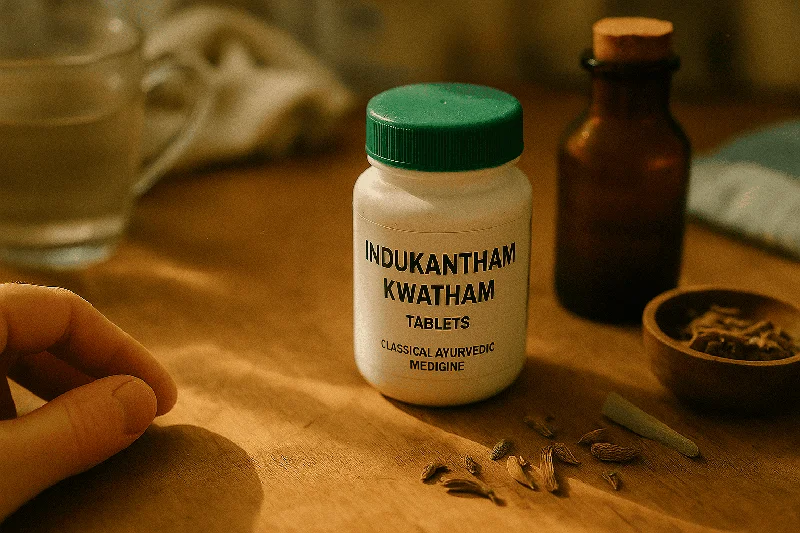
Indukantham Kwatham—an Ayurvedic formulation with a centuries-long track record—continues to garner interest among health practitioners and patients alike. Whether you are new to Ayurveda or seeking a natural adjunct to your healthcare routine, understanding Indukantham Kwatham tablets’ uses can be transformative. In this article, we will delve into the formulation’s origins, its scientific underpinnings, commonly cited benefits, and the current state of research. You’ll also find expert recommendations, practical tips, and an evidence-based perspective to guide your decisions.
1. What Is Indukantham Kwatham?
Indukantham Kwatham is a classical Ayurvedic formulation often provided in the form of tablets or a decoction (known traditionally as “kwatha” or “kwatham”). The name “Indukantham” derives from ancient Ayurvedic texts, reflecting its historical importance in balancing various bodily energies (doshas). Practitioners typically prescribe this formulation to promote overall digestive health, boost immune function, and support vitality.
Historical Roots
- Ayurvedic Legacy: Recorded in classical texts like the Ashtanga Hridaya, Indukantham Kwatham has been used for centuries to address a variety of ailments.
- Holistic Approach: Ayurveda emphasizes the equilibrium of Vata, Pitta, and Kapha doshas. Indukantham Kwatham aims to restore this balance, especially when issues stem from compromised digestion and metabolism.
2. Key Ingredients and Their Roles
Ayurvedic preparations generally contain a combination of herbs designed to work synergistically. While the exact formulations can vary slightly by manufacturer, the following herbs are commonly found in Indukantham Kwatham:
- Ginger (Zingiber officinale): Renowned for its warming effect and ability to stimulate digestion.
- Pippali (Piper longum): Often cited for its bio-enhancing properties, helping improve the absorption of other herbs.
- Amlaki (Emblica officinalis / Amla): A rich source of Vitamin C, known for its antioxidant and immunomodulatory properties.
- Haritaki (Terminalia chebula): Supports bowel regularity and gut health.
- Vibhitaki (Terminalia bellirica): Often included in formulations to balance various doshas and assist in detoxification.
Each of these herbs contains phytochemicals that contribute to the overall efficacy of Indukantham Kwatham tablets. For instance, gingerol (found in ginger) and piperine (found in pippali) have been extensively researched for their health benefits, including anti-inflammatory and antioxidant effects 11.
3. Traditional Uses and Ayurvedic Perspective
From an Ayurvedic standpoint, weak digestion is often considered the root cause of many ailments. Indukantham Kwatham is traditionally believed to:
- Alleviate discomfort in the stomach.
- Help with gas, bloating, and indigestion.
- Boost agni (digestive fire), thereby improving nutrient assimilation.
- Support the liver and overall metabolic processes.
Moreover, Ayurvedic healers frequently prescribe Indukantham Kwatham for people experiencing fatigue, mild fever, and low immunity. The synergy of warming herbs like ginger and pippali helps maintain internal warmth, aiding in metabolic regulation.
4. Potential Health Benefits
While traditional use and anecdotal evidence can be compelling, it’s crucial to also consider modern scientific findings. Below are some of the commonly reported benefits of Indukantham Kwatham tablets, along with explanations grounded in both Ayurveda and contemporary research where available.
1. Digestive Health Support
One of the hallmark uses of Indukantham Kwatham tablets is to aid digestion:
- Alleviates Bloating: Herbs like ginger and pippali are known carminatives, which help relieve gas buildup in the gastrointestinal tract.
- Stimulates Enzyme Production: According to a study published in the Journal of Ayurveda and Integrative Medicine, piperine (from pippali) may enhance the secretion of digestive enzymes, facilitating better food breakdown 22.
- Improves Nutrient Absorption: A healthy gut not only digests food better but also optimizes the absorption of vitamins and minerals.
2. Immune Function and Vitality
In Ayurveda, robust immunity is often tied to efficient digestion. When your body effectively absorbs nutrients, your immune cells get the building blocks they need:
- Rich in Antioxidants: Ingredients such as amla contain high levels of Vitamin C and polyphenols, which are crucial for neutralizing free radicals.
- Anti-Inflammatory Properties: Chronic inflammation can compromise immune response. Certain components in ginger and pippali exhibit anti-inflammatory action, reducing your body’s oxidative stress load 33.
- Adaptogenic Support: A well-functioning digestive system helps maintain overall balance in the body, reinforcing mental and physical stamina.
3. Stress and General Well-being
Although Indukantham Kwatham is primarily recognized for its effect on digestion and immunity, some users report:
- Enhanced Energy Levels: Improved digestion naturally translates to better energy utilization.
- Mood Regulation: Ayurvedic theory suggests that gut health is intimately tied to emotional well-being; modern science corroborates this with research on the gut-brain axis 44.
- Holistic Balance: By harmonizing the doshas, the formulation may contribute to a sense of calm and overall equilibrium.
स्वयं दवा न लें और प्रतीक्षा न करें। अभी डॉक्टर से चैट शुरू करें
5. Scientific Research and Evidence
Current Findings:
- While Indukantham Kwatham does not have an extensive body of clinical trials dedicated solely to it, individual studies on key herbs provide a strong rationale for its traditional uses. For example, ginger’s ability to support digestion is well-documented in multiple randomized controlled trials 55. Pippali’s role in enhancing bioavailability has also been noted in pharmacological research 66.
- Ayurveda-based journals occasionally publish case reports and observational studies highlighting positive outcomes for digestive and immune support.
Future Directions:
- Randomized Clinical Trials: Larger-scale studies are needed to evaluate the precise effectiveness of Indukantham Kwatham on various health conditions.
- Standardized Compositions: Research would benefit from consistency in ingredient quality and dosage to better compare outcomes across different populations.
Despite the growing interest, it’s vital to interpret existing data cautiously. Always consult healthcare professionals for an integrative approach to wellness.
6. Dosage Guidelines and Administration
Ayurvedic formulations often require a personalized approach. The recommended dosage of Indukantham Kwatham tablets varies based on factors such as age, health status, and specific health goals.
- Typical Dose: Common practice suggests 1–2 tablets twice daily, usually after meals, but this can differ by brand and practitioner advice.
- Adjuvants: Sometimes taken with lukewarm water or other complementary Ayurvedic formulations to enhance effectiveness.
- Consultation: An Ayurvedic physician or a qualified healthcare provider can offer personalized dosage advice.
7. Potential Side Effects and Safety
Like any herbal or pharmaceutical product, Indukantham Kwatham tablets come with potential considerations:
- Mild Gastrointestinal Discomfort: While it generally helps digestion, some individuals might experience mild discomfort if taken in excessive doses.
- Allergic Reactions: Rare but possible; watch out for rashes or itching, particularly if you have known sensitivities to the ingredient herbs.
- Medication Interactions: Ingredients like ginger and pippali may affect how the body metabolizes certain prescription drugs. Consult a qualified healthcare provider if you’re on medications such as blood thinners or anti-inflammatories.
- Pregnancy and Lactation: Limited research exists; professional guidance is crucial for pregnant or nursing women considering Indukantham Kwatham.
Overall, most users tolerate Indukantham Kwatham well, especially when used under professional supervision. However, caution is always advisable when integrating new supplements into your regimen.
8. Tips for Selecting Quality Products
Navigating the marketplace for herbal supplements can be overwhelming. Here are some pointers:
- Check for Certifications: Look for products certified by recognized bodies or follow Good Manufacturing Practices (GMP).
- Ingredient Transparency: Reputable brands usually disclose full ingredient lists, along with standardization practices.
- Reputable Brands: Opt for products vetted by health practitioners or recommended by professional associations.
- Lab Testing: Seek out brands that provide third-party lab testing for purity, potency, and safety.
Always remember that quality can vary widely between manufacturers. A thoughtful selection process maximizes the potential benefits and minimizes risks.
9. Frequently Asked Questions (FAQ)
1. What are the main uses of Indukantham Kwatham tablets?
They are primarily used to support digestive health, boost immune function, and restore internal balance as per Ayurvedic principles.
2. How long does it take to see results?
Response times can vary. Some individuals notice improvements in digestion within a week, while others may require several weeks of consistent use.
3. Can I take Indukantham Kwatham alongside other supplements?
Generally, yes. However, consult your healthcare provider to confirm there are no contraindications with your existing regimen.
4. Are there any serious side effects?
Serious side effects are rare, particularly when the formulation is used appropriately. Mild gastrointestinal distress may occur in some individuals.
5. Is it safe for pregnant or breastfeeding women?
Due to limited research, consult a qualified practitioner for personalized advice. Traditional guidelines often recommend caution during pregnancy and lactation.
10. Conclusion and Key Takeaways
Indukantham Kwatham tablets stand as a remarkable example of Ayurvedic wisdom, offering potential benefits for digestion, immunity, and overall well-being. Although contemporary scientific research is still evolving, existing data on its core ingredients—like ginger, pippali, and amla—provides a sound rationale for its traditional uses. If you choose to incorporate Indukantham Kwatham into your health routine, prioritize professional guidance and select high-quality, certified products.
Key Points to Remember
- Digestive Support: Helps alleviate indigestion, gas, and bloating.
- Immune Boost: Antioxidant-rich ingredients may support robust immunity.
- Balanced Approach: Works best when paired with healthy lifestyle habits, including a balanced diet and regular exercise.
- Professional Guidance: Always consult a healthcare provider to tailor dosage and usage to your individual needs.
References
-
Shukla, Y., & Singh, M. (2007). Cancer preventive properties of ginger: A brief review. Food and Chemical Toxicology, 45(5), 683–690.
- Singh, A., & Chaudhary, P. (2018). Bioenhancers in Ayurveda: An overview. Journal of Ayurveda and Integrative Medicine.
- Lantz, R. C., Chen, G. J., Sarihan, M., Sólyom, A. M., Jolad, S. D., & Timmermann, B. N. (2007). The effect of extracts from ginger rhizome on inflammatory mediator production. Phytomedicine, 14(2-3), 123–128.
- Carabotti, M., Scirocco, A., Maselli, M. A., & Severi, C. (2015). The gut-brain axis: interactions between enteric microbiota, central and enteric nervous systems. Annals of Gastroenterology, 28(2), 203–209.
- Afzal, M., et al. (2001). Ginger: an ethnomedical, chemical and pharmacological review. Drug Metabolism and Drug Interactions, 18(3-4), 159–190.
- Srinivasan, K. (2007). Black pepper and its pungent principle-piperine: A review of diverse physiological effects. Critical Reviews in Food Science and Nutrition, 47(8), 735–748.
उपयोगकर्ताओं के प्रश्न
What are the antioxidant properties of ginger and pippali in herbal formulations?
Client_bc0445
27 दिनों पहले
Ginger and pippali are recognized for their antioxidant properties, which help neutralize free radicals and reduce oxidative stress in the body. The active compounds, gingerol in ginger and piperine in pippali, contribute to these antioxidant effects. These herbal components are often used in formulations to support general health and may provide additional benefits such as anti-inflammatory effects. Antioxidant effects can vary based on the formulation and individual use. If you're considering using these herbs for their antioxidant properties, consult a healthcare provider, especially if you have medical conditions or are on medication.
How does oxidative stress affect digestive health and wellness?
Client_56f054
37 दिनों पहले
Oxidative stress can negatively affect digestive health by damaging cells in the gastrointestinal tract, potentially leading to inflammation, ulcers, and impaired nutrient absorption. This imbalance occurs when there is an excess of free radicals and a deficiency in antioxidants. To combat oxidative stress, ensuring a diet rich in antioxidants like vitamin C, vitamin E, and polyphenols found in fruits and vegetables is beneficial. Reducing stress, avoiding smoking, and limiting alcohol intake can also help. If symptoms like persistent stomach discomfort or changes in bowel habits occur, consulting a healthcare provider is recommended.
What is the recommended dosage of Indukantham Kwatham for digestive health?
Client_1853ba
47 दिनों पहले
The appropriate dosage of Indukantham Kwatham for digestive health is commonly 1 to 2 tablets taken twice a day, preferably after meals. However, the exact dosage can vary based on individual health needs, age, and digestive concerns. It's crucial to consult with a qualified Ayurvedic practitioner for personalized advice. Generally, noticeable improvements in digestion may take a few weeks. Be aware of any unwanted side effects like gastrointestinal discomfort and seek medical advice if symptoms persist or worsen.
How does ginger support digestive health and immune function?
Client_5cea8e
56 दिनों पहले
Ginger supports digestive health and immune function primarily through its anti-inflammatory and antioxidant properties. Compounds in ginger like gingerols and shogaols promote efficient digestion by reducing gut inflammation, alleviating nausea, and enhancing gastric motility. For immune function, these compounds help modulate immune response and reduce oxidative stress, potentially lowering the risk of infections. Benefits may be felt within days for digestion but could take longer for immune effects. Consult a doctor if you experience digestive issues or immune deficiencies, as these can sometimes indicate serious conditions.
Can Indukantham Kwatham help with symptoms of acid reflux or heartburn?
Client_e5200f
66 दिनों पहले
Yes, Indukantham Kwatham might help with acid reflux or heartburn! It's a classical Ayurvedic remedy that supports digestion and balance. It helps calm Pitta dosha imbalances, which are often behind such issues. But remember, everyone's different. You might wanna check with an Ayurvedic doctor to see if it's a fit for you.
Can I use Indukantham Kwatham for boosting my metabolism?
Client_578510
75 दिनों पहले
Yes, Indukantham Kwatham might help enhance your metabolism as it's known to support overall digestion and boost agni, or digestive fire. Agni is crucial for metabolism in Ayurveda. Just keep in mind, it's best to consult with an Ayurvedic practitioner to ensure it's fitting for your individual dosha and health balance.
Can Indukantham Kwatham be used for managing stress and anxiety?
Client_f90a26
85 दिनों पहले
Yes, Indukantham Kwatham can help with stress and anxiety as it supports digestion and boosts immunity. This can help balance the doshas and create a calming effect on the mind. But if stress is the main concern, combining it with other stress-focused practices or herbs, like Ashwagandha, might work better. Always good to chat with an Ayurvedic practitioner to tailor it to your unique needs!
How to talk to my doctor about starting Indukantham Kwatham for digestion?
Client_7cd98d
94 दिनों पहले
When you chat with your doc about Indukantham Kwatham, start by sharing any digestive issues you're having. Mention that you've heard about this formulation and would like to know if it's suitable for you. It's helpful to ask if they can consider your dosha and agni when suggesting dosage, and know that sometimes brand and dosage vary.
Can I take Indukantham Kwatham for general wellness benefits beyond digestion?
Client_6314a0
103 दिनों पहले
Absolutely, Indukantham Kwatham does more than just improve digestion! It's known for boosting overall immunity, which can support general wellness. It helps balance doshas, improve energy levels, and even aid mental clarity. But hey, always check with a healthcare provider, especially if yer mixing it with other stuff. 😊
What is the importance of digestion in maintaining overall immunity according to Ayurveda?
Client_bb611d
112 दिनों पहले
In Ayurveda, digestion is huge for immunity coz it's linked to agni, the digestive fire. When digestion is strong, nutrients are better absorbed, and the body's dhatus (tissues) are well-nourished. This balance helps boost ojas, which is the essence of immune health. If digestion is sluggish, toxins build up and mess wit your overall vitality. So, keeping digestion healthy is key to staying strong!
संबंधित आलेख

Gastrointestinal Disorders
तककरिश्ता
तक्रारिष्ट की खोज
2,216

Gastrointestinal Disorders
How to Get Rid of Bloating: Ayurvedic Tips for a Calm, Flat Belly
Learn how to get rid of bloating with Ayurvedic herbs, mindful eating, and natural remedies. Ease digestive discomfort and support gut balance. Discover which foods trigger bloating
2,509

Gastrointestinal Disorders
Parijatak Ghan Vati
Parijatak Ghan Vati is a powerful Ayurvedic remedy that addresses a range of health concerns while promoting holistic wellness. Its ability to manage inflammation, support joint health, and boost immunity makes it a valuable addition to your wellness rout
4,151

Gastrointestinal Disorders
Chitrakadi Vati – Benefits, Dosage, Ingredients, Side Effects
Exploration of Chitrakadi Vati – Benefits, Dosage, Ingredients, Side Effects
4,177

Gastrointestinal Disorders
Shadangodak: An In-Depth Exploration of an Ayurvedic Six-Herb Infusion
Discover Shadangodak, an Ayurvedic six-herb water infusion. Learn its benefits, scientific basis, and practical tips for safe use in daily wellness.
3,219

Gastrointestinal Disorders
Sukshma Triphala Vati Uses, Benefits, and Dosage Guide
Discover the powerful uses of Sukshma Triphala Vati, its health benefits, dosage guidelines, and Ayurvedic significance in daily wellness.
4,588

Gastrointestinal Disorders
Adhmana in Ayurveda: Understanding Imbalances and Restoring Balance
Explore Adhmana in Ayurveda—its significance, causes, symptoms, and holistic treatment strategies to restore digestive fire, detoxify, and balance the body.
3,459

Gastrointestinal Disorders
अम्लता के लिए अदरक: आयुर्वेदिक फायदे और टिप्स
क्या अदरक एसिडिटी के लिए फायदेमंद है? जानिए कैसे अदरक की चाय और पानी एसिड रिफ्लक्स को कम करने में मदद करते हैं, और अपने आयुर्वेदिक रूटीन में अदरक का सुरक्षित उपयोग कैसे करें ताकि पाचन बेहतर हो सके।
6,611

Gastrointestinal Disorders
Sarivadi Vati Benefits Dosage Side Effects Ingredients
Exploration of Sarivadi Vati Benefits Dosage Side Effects Ingredients
3,700

Gastrointestinal Disorders
महाधन्वंतरम गुलिका – समग्र उपचार के लिए प्राचीन उपाय
महाधन्वंतरम गुलिका का अन्वेषण करें, जो एक आयुर्वेदिक फॉर्मूलेशन है। इसके फायदों, उपयोग, खुराक, सावधानियों और समग्र स्वास्थ्य के लिए वैज्ञानिक दृष्टिकोण के बारे में जानें।
3,121
विषय से संबंधित परामर्श
अतिरिक्त दस्तावेज़
© 2024 Ask Ayurveda. सर्वाधिकार सुरक्षित।