
आयुर्वेदिक डॉक्टर से प्रश्न पूछें और निःशुल्क या भुगतान मोड में अपनी चिंता की समस्या पर ऑनलाइन परामर्श प्राप्त करें। 2,000 से अधिक अनुभवी डॉक्टर हमारी साइट पर काम करते हैं और आपके प्रश्नों का इंतजार करते हैं और उपयोगकर्ताओं को उनकी स्वास्थ्य समस्याओं को हल करने में प्रतिदिन मदद करते हैं।


Body DetoxEar, Nose, and Throat DisordersGeriatrics & RejuvenationImmunodeficiencyInfertility TreatmentNutritionOrthopedic DisordersPediatricsRespiratory DisordersSexually Transmitted Diseases (STDs)Surgery RecoveryUrological DisordersVascular DisordersDental DisordersEndocrinological DisordersGastrointestinal DisordersYoga TherapyGeneral MedicineAllergic DisordersCardio DisordersGynecology and ObstetricsCosmetologySkin and Hair DisordersEye DisordersInfectious DiseasesMental DisordersNeurological DisordersOncologyPanchakarmaSexual Health & DisordersSports Medicine
पर प्रकाशित 03/30/25
(को अपडेट 08/09/26)
3,499
Brihatyadi Kashayam Uses: A Science-Backed Ayurvedic Remedy
Ayurveda, one of the world’s oldest holistic healing systems, has been steadily gaining recognition in modern medical communities. Within this rich tradition, Brihatyadi Kashayam stands out as a prominent herbal decoction (kashayam) used to support various aspects of health, including respiratory well-being, urinary tract function, and digestive harmony. In recent years, researchers have begun to investigate the potential mechanisms behind Brihatyadi Kashayam’s broad therapeutic scope, illuminating both its benefits and limitations. This article will delve into Brihatyadi Kashayam uses, exploring the latest scientific findings, historical context, and best practices for those interested in adopting this time-honored Ayurvedic remedy.
Table of Contents
What Is Brihatyadi Kashayam?
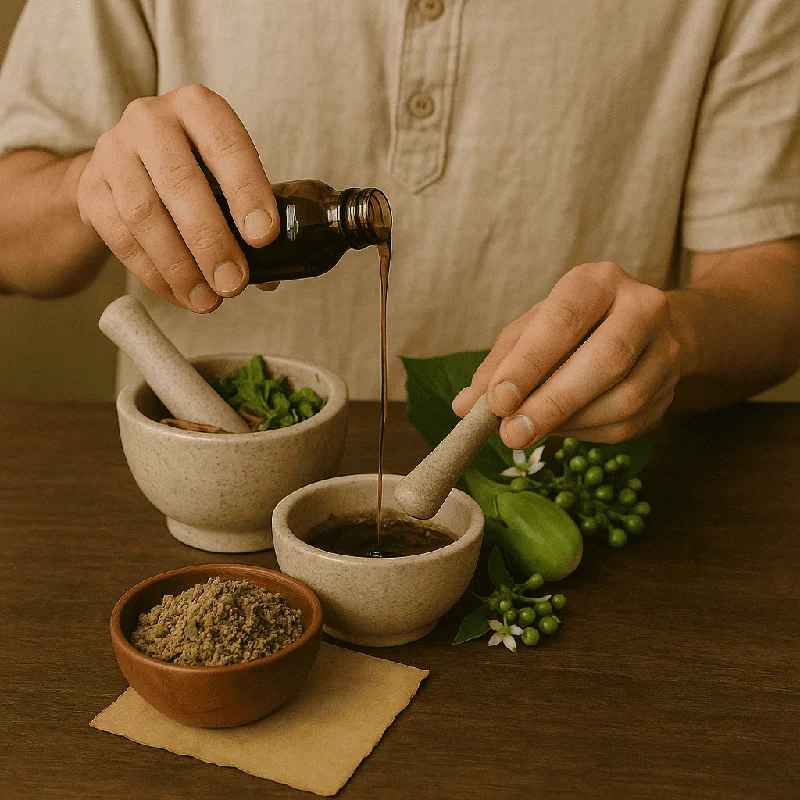
In Ayurveda, the term “kashayam” refers to a water-based herbal decoction, formulated by boiling specific herbs and condensing the liquid to a concentrated form. Brihatyadi Kashayam is a traditional blend composed of multiple plant-based ingredients known for their synergistic properties. This decoction is primarily prescribed to address imbalances in the body, particularly those related to the respiratory and urinary systems, as described in classic Ayurvedic texts like the Ashtanga Hridaya and Charaka Samhita.
While Ayurvedic practitioners have touted the efficacy of Brihatyadi Kashayam for centuries, the remedy is steadily attracting the attention of modern researchers. According to a preliminary review published in the Journal of Ayurveda and Integrative Medicine in 2019, Brihatyadi Kashayam’s various components may offer a range of health benefits through their antimicrobial, anti-inflammatory, and antioxidant properties. This synergy makes it a compelling subject for ongoing scientific exploration.
Historical Background and Ayurvedic Principles
Ayurveda, often translated as “the science of life,” organizes health and disease around three fundamental bio-energies or “doshas”: Vata, Pitta, and Kapha. Each dosha is associated with specific physiological processes, and an imbalance in these doshas can lead to disease. Brihatyadi Kashayam is traditionally indicated for conditions often linked to Kapha and Vata disturbances, such as:
-
Coughs and respiratory difficulties
-
General weakness and fatigue
-
Certain types of urinary discomfort
Ayurvedic scholars emphasize that the formulation’s warming and soothing properties help restore balance to the doshas, ultimately aiming to bring the body back to equilibrium. Over time, practitioners fine-tuned the recipe, culminating in the classical formulation widely available today through Ayurveda pharmacies and clinics.
Key Ingredients in Brihatyadi Kashayam
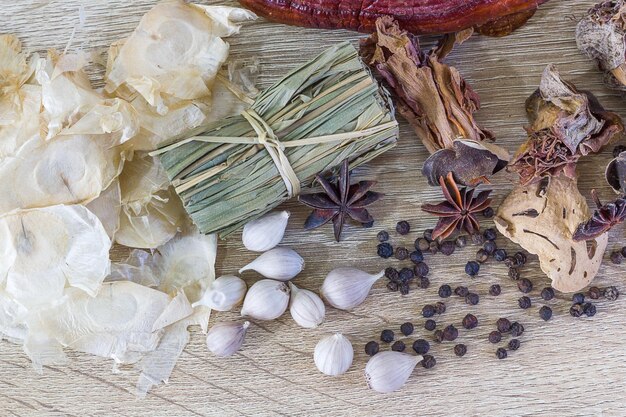
Brihatyadi Kashayam typically contains a curated list of herbs selected for their complementary actions. While variations in the recipe may exist depending on regional and practitioner preferences, below are some common ingredients:
-
Brihati (Solanum indicum): Often considered a core component of this blend. Research suggests that Solanum indicum possesses anti-inflammatory and bronchodilatory properties, making it beneficial in respiratory conditions.
-
Kantakari (Solanum xanthocarpum): Another solanaceous plant known to help alleviate respiratory issues such as asthma and bronchitis. Preliminary animal studies indicate its potential anti-inflammatory effects.
-
Gokshura (Tribulus terrestris): Traditionally used to support urinary tract health, Gokshura may reduce inflammation in the urinary system and promote kidney function.
-
Shalaparni (Desmodium gangeticum) and Prishnaparni (Uraria picta): Commonly used in various Ayurvedic decoctions for their antimicrobial and immune-modulatory properties.
-
Punarnava (Boerhavia diffusa): Known for its diuretic and anti-inflammatory activities, Punarnava is often included in Ayurvedic formulations aimed at kidney and urinary support.
The combination of these herbs potentially yields a multi-targeted action, addressing both symptom relief and systemic health support. Individual responses, however, can vary based on a person’s constitution, severity of symptoms, and lifestyle factors.
Mechanisms of Action: A Scientific Perspective
Although more large-scale clinical studies are needed to solidify scientific consensus, initial research and laboratory experiments offer insights into how Brihatyadi Kashayam may exert its effects:
-
Bronchodilation: Certain herbs in Brihatyadi Kashayam exhibit bronchodilatory properties, potentially helping to expand the airways and improve breathing in conditions like asthma and chronic obstructive pulmonary disease (COPD).
-
Anti-inflammatory Effects: Many ingredients contain phytochemicals (e.g., alkaloids, flavonoids) that reduce inflammation, a critical factor in both respiratory and urinary tract conditions.
-
Antimicrobial Properties: Herbs such as Solanum indicum have demonstrated broad-spectrum antimicrobial activity in lab settings, which could help in managing infections in the lungs and urinary system.
-
Diuretic Action: Components like Gokshura and Punarnava may promote diuresis (increased urine flow), supporting kidney function and assisting in flushing out toxins.
These interconnected pathways underscore why Brihatyadi Kashayam has been a staple in Ayurvedic medicine for centuries and why it continues to be investigated in modern research contexts.
Evidence-Based Health Benefits
1. Respiratory Health
Traditional Use and Modern Findings
In Ayurveda, Brihatyadi Kashayam is frequently prescribed to manage conditions marked by chest congestion, wheezing, and persistent coughs. Modern researchers highlight the possible bronchodilatory effects of ingredients like Brihati (Solanum indicum) and Kantakari (Solanum xanthocarpum). A study referenced in the Journal of Ethnopharmacology(2018) found that extracts from these plants could help relax bronchial muscles in animal models, pointing to a potential benefit in easing breathing difficulties.
Practical Tips
-
Steam Inhalation: Some practitioners recommend inhaling steam from the kashayam or adding herbal balms to hot water to open up airways.
-
Lifestyle Adjustments: Combining kashayam use with breathing exercises (Pranayama) and diet modifications could amplify its beneficial respiratory effects.
2. Urinary Tract Support
Traditional Use and Modern Findings
Gokshura (Tribulus terrestris) and Punarnava (Boerhavia diffusa) are frequently used in Ayurveda for urinary tract health. Preliminary clinical trials have noted a mild diuretic effect, which might help in flushing out bacteria and reducing inflammation in the urinary system. While these findings are promising, more extensive, placebo-controlled trials are needed for definitive conclusions.
Practical Tips
-
Hydration: Adequate water intake boosts urinary system health.
-
Synergistic Herbs: Some Ayurvedic doctors may recommend combining Brihatyadi Kashayam with other herbal formulas for more targeted support (e.g., Chandanasava or Gokshuradi Guggulu).
3. Digestive Wellness
Traditional Use and Modern Findings
While not its most famous application, Brihatyadi Kashayam includes herbs known to support gut health. Solanum species, for instance, contain compounds that might help modulate gut flora and reduce gastrointestinal inflammation. A 2020 survey in the Journal of Ayurveda and Integrative Medicine indicated that patients who used formulations containing Brihati and Kantakari reported mild improvements in indigestion and bloating, although sample sizes were small.
Practical Tips
-
Dietary Pairing: Pairing Brihatyadi Kashayam with easily digestible foods, such as rice gruel or vegetable soups, can soothe the digestive tract and enhance nutrient absorption.
-
Probiotics: Adding probiotic-rich foods, like yogurt or kefir, complements the herbal actions.
4. Anti-inflammatory Properties
Traditional Use and Modern Findings
Chronic inflammation is often at the root of various ailments, from respiratory disorders to autoimmune conditions. Herbs in Brihatyadi Kashayam—such as Shalaparni and Prishnaparni—have shown anti-inflammatory and immunomodulatory capacities in animal studies, potentially offering broader health benefits.
Practical Tips
-
Holistic Approach: Combined with an anti-inflammatory diet (rich in fruits, vegetables, and whole grains), regular exercise, and adequate sleep, Brihatyadi Kashayam can be part of a multi-pronged strategy for managing inflammation.
5. Antioxidant Activity
Traditional Use and Modern Findings
Free radicals and oxidative stress can accelerate aging and exacerbate chronic diseases. Certain phytonutrients in Brihati, Kantakari, and Punarnava exhibit antioxidant properties, neutralizing free radicals and potentially reducing oxidative stress. Although these findings remain preliminary, they highlight the decoction’s potential in supporting overall wellness.
Preparation and Dosage Guidelines
Ayurvedic practitioners generally provide personalized dosage recommendations based on an individual’s constitution (prakriti), age, and severity of health issues. However, some general guidelines include:
-
Traditional Preparation
-
Measure around 15–30 mL of the decoction per serving (depending on practitioner advice).
-
It’s often taken before meals to maximize absorption.
-
-
Ready-Made Formulations
-
Many Ayurvedic pharmacies offer readymade Brihatyadi Kashayam. Always check the label for dosage instructions.
-
Store in a cool, dry place away from direct sunlight.
-
-
Combination with Other Therapies
-
Some healthcare providers may recommend combining Brihatyadi Kashayam with other Ayurvedic formulas, yoga practices, or even certain modern medications to optimize outcomes.
-
Potential Side Effects and Precautions
While Brihatyadi Kashayam is generally considered safe under professional supervision, it’s crucial to acknowledge potential risks:
-
Allergic Reactions: Individuals with known allergies to certain Solanum species or other included herbs should exercise caution.
-
Pregnancy and Breastfeeding: Adequate safety data are lacking. Pregnant or nursing women should consult a qualified Ayurvedic practitioner or obstetrician before use.
-
Medication Interactions: Herbs with diuretic or anti-inflammatory effects can interact with prescription drugs (e.g., blood pressure medications, NSAIDs). Seek medical advice if you’re on long-term medication.
-
Excessive Use: Overuse of any herbal decoction can burden the liver and kidneys. Always adhere to recommended dosages.
Current Research and Ongoing Studies
As Ayurveda continues to gain traction worldwide, more clinical and laboratory studies are emerging to examine the scientific basis of herbal formulations. According to a 2021 review in the Journal of Traditional and Complementary Medicine, there are ongoing human trials assessing the impact of Brihatyadi Kashayam on:
-
Chronic bronchitis and mild-to-moderate asthma
-
Urinary tract infections (UTIs) and recurrent cystitis
-
Inflammatory markers in rheumatoid arthritis
However, the field still lacks large-scale, double-blind, placebo-controlled studies—considered the gold standard in medical research—to definitively confirm its efficacy. Collaboration between Ayurvedic experts and mainstream medical researchers could pave the way for more robust findings, improving the global recognition and standardized application of Brihatyadi Kashayam.
FAQ: Frequently Asked Questions
-
Is Brihatyadi Kashayam suitable for children?
-
Consult a qualified Ayurvedic practitioner. In pediatric cases, dosages are often adjusted based on the child’s weight, age, and specific health condition.
-
-
Can I use Brihatyadi Kashayam for asthma?
-
Ayurvedic texts do suggest it for respiratory conditions. Modern research also indicates possible bronchodilatory effects. However, always consult a healthcare professional before replacing or supplementing your asthma medication.
-
-
Are there any dietary restrictions when taking Brihatyadi Kashayam?
-
While there are no strict universal restrictions, many practitioners recommend avoiding excessively cold, greasy, or sugary foods to optimize the herb’s efficacy.
-
-
How quickly can one see results?
-
Response times vary widely based on the condition treated. Some users report feeling improvement within a few days, while others might need a few weeks for noticeable changes.
-
-
Do I need a prescription?
-
In many regions, you can purchase Brihatyadi Kashayam over the counter. Still, consulting with an Ayurvedic doctor or integrative medicine specialist is beneficial for personalized care.
-
Conclusion: Final Thoughts on Brihatyadi Kashayam Uses
Brihatyadi Kashayam is a staple in Ayurvedic medicine, celebrated for its potential to support respiratory, urinary, and digestive health. Rooted in ancient texts and gaining modern research interest, this herbal decoction encapsulates the synergy of multiple botanicals. While preliminary scientific evidence points to beneficial anti-inflammatory, antimicrobial, and antioxidant properties, more extensive clinical trials are needed to solidify these claims.
For those curious about integrating Brihatyadi Kashayam into their health regimen, it is crucial to do so under the guidance of a qualified healthcare professional—especially if you have pre-existing conditions or are on medication. Balanced dosha management, a nutrient-rich diet, and regular exercise can further enhance the benefits of this time-tested remedy.
Disclaimer: This article is for informational purposes only and should not be considered medical advice. Always consult a qualified healthcare provider before making any changes to your treatment plan.
Call to Action
If you found this deep dive into Brihatyadi Kashayam uses helpful:
-
Share this article with friends and family who might benefit from Ayurvedic insights.
-
Comment below with your experiences or questions about Brihatyadi Kashayam.
-
Subscribe to our newsletter for more scientifically grounded explorations of Ayurvedic and integrative health solutions.
By staying informed and working in tandem with knowledgeable healthcare practitioners, you can make the most of what Ayurveda and modern science have to offer.
उपयोगकर्ताओं के प्रश्न
How to store Brihatyadi Kashayam for optimal potency?
Client_789938
1 दिन पहले
To store Brihatyadi Kashayam for optimal potency, keep it in a cool, dark place away from direct sunlight and moisture. Airtight containers are ideal to prevent any contamination or degradation from exposure to air. Store it at room temperature unless the packaging or your healthcare provider suggests refrigeration. Generally, kashayams like Brihatyadi should be consumed within a few weeks of preparation to ensure efficacy, but always check the expiration date if it's commercially prepared. If you notice any changes in color, taste, or smell, consult with a healthcare provider or pharmacist to ensure it's still safe to use.
What lifestyle changes can enhance the effectiveness of Brihatyadi Kashayam?
Client_dc65eb
6 दिनों पहले
To enhance the effectiveness of Brihatyadi Kashayam, focus on a balanced lifestyle that complements its health benefits. Regular exercise, such as yoga or walking, can support respiratory and digestive health, while a diet rich in fiber and fluids aids urinary function. Limiting processed foods and managing stress through mindfulness or meditation may also be beneficial. Be sure to watch for any side effects and consult a healthcare professional if symptoms persist. Always work with an Ayurvedic doctor or an integrative medicine specialist for personalized guidance.
What is the recommended dosage of Brihatyadi Kashayam for adults?
Client_5128c5
11 दिनों पहले
The recommended dosage of Brihatyadi Kashayam for adults is typically around 15-30 ml, taken twice daily before meals. It's usually diluted with an equal amount of warm water. However, specific dosages can vary based on the individual's health condition, prakriti (body constitution), and the guidance of an Ayurvedic practitioner. It's important to consult with a healthcare professional or certified Ayurvedic practitioner before starting any new treatment to avoid potential interactions and ensure safety, especially when self-medicating for conditions like asthma or other respiratory issues.
What conditions can Brihatyadi Kashayam be used to treat?
Client_22bcb1
16 दिनों पहले
Brihatyadi Kashayam is often used in Ayurveda to treat respiratory conditions such as chest congestion, wheezing, and persistent coughs. Modern research suggests it may have bronchodilatory effects, which can help alleviate breathing difficulties. If symptoms persist beyond a typical duration or worsen, it's important to consult a healthcare professional. Additional management strategies, such as a nutrient-rich diet and regular exercise, may support the treatment. While Ayurveda offers valuable insights, any treatment plan should be discussed with a doctor, especially for severe symptoms.
What are the side effects of using Brihatyadi Kashayam?
Client_b7ec4d
21 दिनों पहले
Brihatyadi Kashayam, an Ayurvedic herbal decoction, may have side effects, especially if used excessively. Potential side effects include liver and kidney strain due to its complex herbal compounds. Additionally, interactions with medications can pose risks, so always consult with a healthcare professional before starting, especially if you have underlying health conditions. Seek medical advice if you experience unusual symptoms or if you are on long-term medication. The full side effect profile remains under-researched, highlighting the need for cautious use.
What are the benefits of using Solanum species in herbal medicine?
Client_cf695e
31 दिनों पहले
Solanum species offer several potential health benefits in herbal medicine. Preliminary clinical trials suggest a mild diuretic effect, which can aid in flushing out bacteria and reducing inflammation in the urinary system. They also contain compounds that may help modulate gut flora and decrease gastrointestinal inflammation. Additionally, the antioxidant properties of certain phytonutrients in Solanum species can neutralize free radicals, potentially reducing oxidative stress. Despite these benefits, it's important to adhere to recommended dosages and consult a healthcare professional, especially if symptoms persist or worsen. Ongoing research continues to explore these effects, including potential bronchodilatory properties.
What are the main ingredients in Brihatyadi Kashayam?
Client_cfe27d
41 दिनों पहले
The main ingredients in Brihatyadi Kashayam typically include Brihati (Solanum indicum), Kantakari (Solanum xanthocarpum), Shalaparni (Desmodium gangeticum), Prishnaparni (Uraria picta), and Gokshura (Tribulus terrestris). These herbs are traditionally used in Ayurveda to support digestive health and manage inflammation. While this formula is generally considered safe, consult a healthcare provider for advice tailored to your health needs, especially if symptoms persist or if you are pregnant or nursing.
What are the potential interactions of Brihatyadi Kashayam with common supplements?
Client_7d04f3
50 दिनों पहले
Brihatyadi Kashayam, an Ayurvedic herbal decoction, may interact with supplements that have similar antioxidant or bronchodilatory effects. When combining it with supplements like vitamin C, E, or herbal bronchodilators such as ginkgo biloba, there is a potential for either synergistic effects or redundancy. This could enhance or diminish therapeutic outcomes. It's advisable to monitor for any unusual symptoms and consult a healthcare provider, especially if taking medications for chronic conditions like asthma or chronic obstructive pulmonary disease.
How long does it take to see results from Brihatyadi Kashayam?
Client_5d0462
60 दिनों पहले
Brihatyadi Kashayam effects can generally be observed within a few weeks, but the exact timeline varies based on the condition being treated, the individual's health, and consistency of use. This herbal decoction is traditionally used to support respiratory health and reduce inflammation. For best results, follow the dosage and duration recommended by your healthcare provider. Improvements might be noticed in breathing ease and reduced inflammation, but consult a doctor if no change occurs or symptoms worsen after a month. Always ensure it's part of a comprehensive treatment plan.
Can Brihatyadi Kashayam help with seasonal allergies or just respiratory issues?
Client_32855c
70 दिनों पहले
Brihatyadi Kashayam is mainly great for kapha- and vata-related stuff like respiratory issues, plus some general weakness. For seasonal allergies, it might help if those allergies are related to respiratory stuff, but it's not specifically focused on allergies themselves. You might wanna check with a practitioner for personalized advice! 🧐🌿
संबंधित आलेख

Urological Disorders
Ayurvedic Medicine for Prostatitis – Natural Prostate Health & Relief
Discover Ayurvedic medicine for prostatitis and learn how natural herbal remedies, detoxification therapies, and lifestyle modifications can promote prostate health, reduce inflammation, and improve urinary function.
4,655

Urological Disorders
Stone-Free Living: Unlocking Ayurvedic Secrets for Kidney Stone Prevention
Kidney stones are the solid, crystalline deposits that develop in the kidneys as a result of the accumulation of minerals and salts in the urine.
4,548

Urological Disorders
नीरी सिरप के उपयोग, सामग्री, खुराक, साइड इफेक्ट्स
नीरी सिरप के उपयोग, सामग्री, खुराक, और साइड इफेक्ट्स की जानकारी
7,910

Urological Disorders
Cystone Tablet
Exploration of Cystone Tablet
13,510

Urological Disorders
स्टोनविल कैप्सूल
स्टोनविल कैप्सूल की खोज
4,000

Urological Disorders
Reprost Capsules: Ayurvedic Solution for Prostate Health
Reprost Capsules, an Ayurvedic supplement designed to support prostate and reproductive health. Learn about its benefits, uses, ingredients, dosage guidelines, and precautions.
2,897

Urological Disorders
Ayurvedic Insights on Urinary Incontinence and Holistic Management Strategies
Urinary incontinence is a prevalent yet often overlooked condition that can significantly impact one’s quality of life.
5,493

Urological Disorders
Neeri Tablet
Exploration of Neeri Tablet
8,204
Urological Disorders
Hydrocele Treatment in Ayurveda: A Scientific Exploration
Explore how Ayurveda addresses hydrocele management with herbal therapies, dietary guidelines, and scientific evidence for holistic male reproductive health.
5,300
Urological Disorders
Best Ayurvedic Medicine for Urethral Stricture: Natural Care Guide
Discover the best Ayurvedic medicine for urethral stricture, natural remedies, and holistic approaches to manage and support urinary health using ancient Ayurvedic wisdom.
5,070
विषय से संबंधित परामर्श
अतिरिक्त दस्तावेज़
© 2024 Ask Ayurveda. सर्वाधिकार सुरक्षित।