Best Ayurvedic Medicine for Urethral Stricture: Natural Care Guide
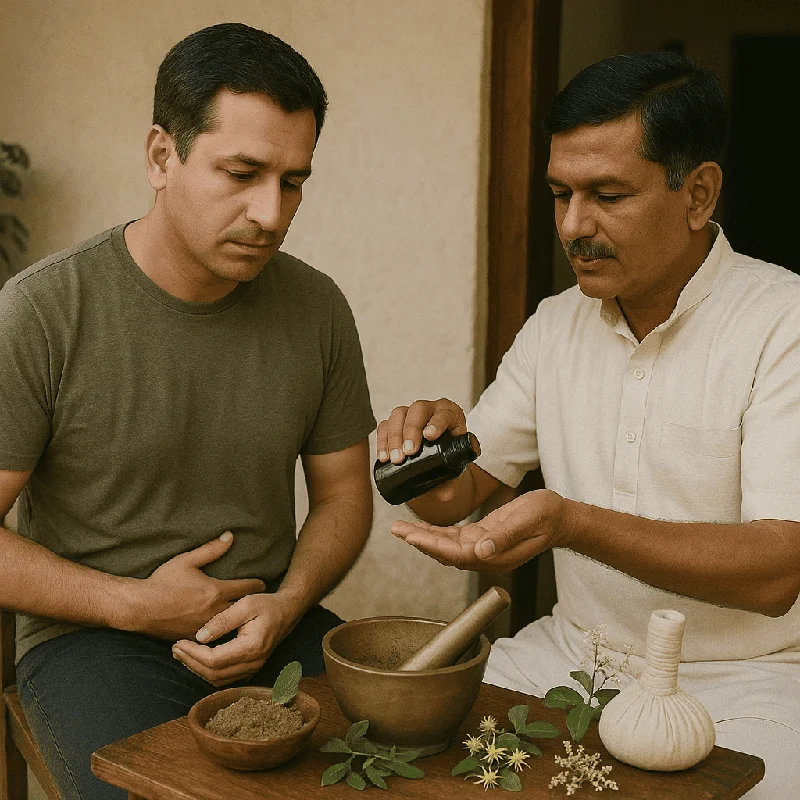
Ayurvedic medicine for urethral stricture works by targeting the root causes of urethral narrowing — chronic inflammation, fibrotic scar tissue, and Vata dosha imbalance — rather than merely dilating the passage mechanically. Herbs like Gokshura, Punarnava, and classical formulations such as Chandraprabha Vati and Gokshuradi Guggulu have been used for centuries under the Ayurvedic framework of Mutramarga Sankocha (urethral narrowing) and Mutraghata (urinary obstruction). While surgery remains necessary for severe cases, Ayurveda offers a non-invasive, evidence-supported path for mild-to-moderate strictures — and a powerful complementary approach for post-surgical recovery and recurrence prevention.
This guide covers everything: the Ayurvedic understanding of stricture, specific medicines with actual dosages, Panchakarma procedures like Uttarabasti, scientific evidence, dietary protocols, and clear guidance on when you absolutely need to see a urologist instead of relying on herbal treatment alone.
What Is Urethral Stricture? (Ayurvedic and Modern Perspective)
Urethral stricture is a pathological narrowing of the urethra — the tube that carries urine from the bladder out of the body. This narrowing is caused by scar tissue (fibrosis) that develops within or around the urethral wall, progressively restricting urinary flow. It affects men far more commonly than women, owing to the greater length of the male urethra.
The condition isn't just uncomfortable. Left untreated, it can lead to urinary retention, recurrent UTIs, bladder stones, kidney damage, and even urosepsis — a life-threatening infection.
Urethral Stricture in Modern Urology
Modern medicine classifies urethral strictures by location (anterior vs. posterior), length (short-segment <2 cm vs. long-segment), and etiology.
The standard treatments include:
- Urethral dilation — temporary stretching of the narrowed segment
- Direct vision internal urethrotomy (DVIU) — endoscopic incision of scar tissue
- Urethroplasty — open surgical reconstruction (gold standard for complex strictures)
The problem? Recurrence rates are high. Studies show dilation and urethrotomy carry recurrence rates of 50–70% within 2 years. Even urethroplasty, while more durable, has a 5–15% recurrence rate depending on stricture complexity. This is precisely why many patients seek Ayurvedic alternatives — or at least complementary support.
Mutramarga Sankocha — The Ayurvedic Understanding
Ayurveda describes urethral stricture under the umbrella of Mutraghata (urinary obstruction), specifically as Mutramarga Sankocha — literally, "constriction of the urinary passage." Classical texts including the Sushruta Samhita (Uttara Tantra) and Ashtanga Hridaya recognized this condition thousands of years ago.
Sushruta, often called the father of surgery, documented 12 types of Mutraghata and described para-surgical interventions for urinary obstruction — making Ayurveda's engagement with this condition genuinely ancient, not a modern repackaging.
Role of Vata Dosha in Urethral Stricture
In Ayurvedic pathology, urethral stricture is primarily a Vata disorder. Aggravated Apana Vayu (the downward-moving aspect of Vata that governs urination, defecation, and reproductive functions) causes dryness, constriction, and hardening of tissues in the urinary tract.
When Vata combines with Kapha, it produces fibrotic tissue — the Ayurvedic equivalent of scar formation. This Vata-Kapha interaction explains why treatment targets both the dryness/constriction (Vata) and the dense tissue accumulation (Kapha) simultaneously. Pitta involvement manifests as inflammation, burning, and infection — often the triggering event.
Causes of Urethral Stricture
Understanding causation is essential because Ayurvedic treatment protocols differ based on etiology. A post-infectious stricture requires a different herbal approach than a post-traumatic one.
Infections and Inflammation (STIs, UTIs)
Sexually transmitted infections — particularly gonorrhea and chlamydia — remain leading causes of urethral stricture in India. Chronic or recurrent UTIs also damage the urethral lining, triggering fibrosis. In Ayurvedic terms, Pitta aggravation from infection leads to tissue damage, followed by Vata-Kapha fibrosis during improper healing.
Trauma and Injury
Straddle injuries (falling on a bicycle crossbar), pelvic fractures, and perineal trauma can damage the urethra directly. Post-traumatic strictures, especially posterior urethral strictures from pelvic fractures, tend to be the most challenging to treat by any method.
Post-Surgical and Iatrogenic Causes
- Prolonged urinary catheterization, transurethral resection of the prostate (TURP), cystoscopy, and even repeated dilation procedures can cause iatrogenic strictures.
- This is somewhat ironic — the treatments for urinary obstruction can themselves create new obstruction.
Congenital and Chronic Factors
- Some strictures are congenital (present from birth), though this is rare.
- Chronic conditions like lichen sclerosus (BXO — balanitis xerotica obliterans) cause progressive fibrosis of the urethral meatus and fossa navicularis.
Lifestyle Causes According to Ayurveda
Classical Ayurvedic texts identify specific lifestyle factors that aggravate Apana Vayu and predispose to urinary obstruction:
- Vegadharana — habitual suppression of the urge to urinate
- Prolonged sitting (sedentary lifestyle) — impairs pelvic circulation
- Excessive intake of dry, cold, astringent foods — aggravates Vata
- Chronic dehydration and alcohol consumption — concentrates urine, irritates the urethra
- Excessive sexual activity or suppression of sexual urges — disturbs Apana Vayu balance
Symptoms of Urethral Stricture
Early Symptoms
The onset is often gradual. Many men don't notice for months or even years.
- Decreased force and caliber of the urinary stream
- Spraying or double stream during urination
- Slight straining to initiate urination
- Mild increased frequency of urination
- Post-void dribbling
Advanced Symptoms and Red Flags
As the stricture progresses:
- Significant straining with minimal output
- Feeling of incomplete bladder emptying
- Recurrent urinary tract infections
- Blood in urine (hematuria) or semen
- Pain in the lower abdomen or perineum
- In severe cases: complete urinary retention (medical emergency)
When to seek immediate medical attention: If you experience complete inability to urinate, fever with urinary symptoms, or severe flank pain — go to an emergency department. These are not situations for Ayurvedic self-treatment. Complete urinary retention requires catheterization or suprapubic drainage, and urosepsis can be fatal within hours.
Severity Grading and When Ayurveda Is Appropriate
No competitor has clearly addressed this critical question: for which patients is Ayurvedic treatment a realistic option? Here's a practical framework.
| Stricture Severity | Characteristics | Ayurvedic Role | Surgery Needed? |
|---|---|---|---|
| Mild (Grade 1) | Urethra narrowed <50%, flow rate >12 mL/s, no retention | Primary treatment — oral medicines + diet + lifestyle | Usually not |
| Moderate (Grade 2) | Urethra narrowed 50–75%, flow rate 5–12 mL/s, recurrent UTIs | Adjunctive treatment — combine with urological monitoring | May be needed if no improvement in 3–6 months |
| Severe (Grade 3) | Near-complete or complete obstruction, flow rate <5 mL/s, retention episodes | Supportive only — post-surgical recovery, recurrence prevention | Yes — surgery is primary |
| Emergency | Complete retention, urosepsis, kidney damage | Not appropriate | Immediate surgical intervention |
This is crucial to understand. Ayurveda excels at reducing inflammation, preventing fibrosis progression, and improving tissue quality — but it cannot mechanically open a completely scarred-shut urethra. Honesty about this distinction protects patients.
Best Ayurvedic Medicines for Urethral Stricture
Chandraprabha Vati — The Foundation Formulation
Composition: A classical formulation containing 37 ingredients including Shilajit, Guggulu, Karpura (camphor), Vacha, Mustak, Haridra, Amalaki, Chavya, Vidanga, Guduchi, and iron/silver bhasmas. Referenced in Sharangdhara Samhita and Bhaishjya Ratnavali. Mechanism of action: Chandraprabha Vati works through multiple pharmacological pathways:
- Anti-inflammatory — reduces urethral mucosal inflammation via flavonoids from Guduchi and curcuminoids from Haridra
- Antifibrotic — Shilajit's fulvic acid has demonstrated antifibrotic activity in renal tissue studies
- Diuretic — gentle diuretic action increases urine volume, reducing urinary stasis
- Mutrala (urinary tonic) — strengthens the Mutravaha Srotas (urinary channel system)
- Dosage: 2 tablets (500 mg each) twice daily, after meals, with lukewarm water or milk.
- Duration: 2–3 months minimum for stricture management. Some practitioners prescribe up to 4 months for chronic cases.
Is Chandraprabha Vati good for urethral stricture? Yes — it is arguably the single most important Ayurvedic formulation for this condition. Its broad-spectrum action on the urinary tract makes it the backbone of most Ayurvedic stricture protocols. However, it works best in combination with other medicines rather than as a standalone treatment.
Gokshuradi Guggulu — The Anti-Fibrotic Specialist
Composition: Primarily Gokshura (Tribulus terrestris) combined with Guggulu resin (Commiphora mukul), Triphala, Trikatu, and Musta. Mechanism: Gokshura's steroidal saponins (protodioscin, diosgenin) have demonstrated smooth muscle relaxation in urinary tract tissues. A 2017 study published in the Journal of Ethnopharmacology showed Tribulus terrestris extract reduced fibroblast proliferation by 34% in vitro — directly relevant to scar tissue prevention. Guggulu resin provides potent anti-inflammatory action through guggulsterones, which inhibit NF-κB inflammatory pathway activation.
- Dosage: 2 tablets (250–500 mg each) twice daily, with warm water, after meals.
- Course: 2–4 months.
Kanchanar Guggulu — For Tissue Growths and Fibrosis
Composition: Kanchanar (Bauhinia variegata) bark, Triphala, Trikatu, Varun (Crataeva nurvala), and Guggulu. Why it matters for stricture: Kanchanar Guggulu is traditionally indicated for Granthi (abnormal tissue growths/masses) and Arbuda (tumors). In the context of urethral stricture, it targets the fibrotic scar tissue itself. Varun bark has shown bladder muscle-strengthening properties and is referenced in multiple Ayurvedic texts for urinary obstruction.
- Dosage: 2 tablets twice daily, with warm water, before meals.
- Course: 3–6 months for fibrotic conditions.
Punarnava (Boerhavia diffusa) — The Kidney and Urinary Protector
Punarnava — the name literally means "one that renews the body" — is perhaps the most researched Ayurvedic herb for kidney and urinary tract conditions.
Its punarnavine alkaloid has demonstrated:
- Diuretic activity (increases urine output by 30–40% in animal studies)
- Anti-inflammatory action comparable to ibuprofen in carrageenan-induced edema models
- Nephroprotective effects — protecting kidney function during urinary obstruction
- Dosage (as powder): 3–5 grams twice daily with warm water.
- As standardized extract: 500 mg twice daily.
Gokshura (Tribulus terrestris) — The Urinary Flow Enhancer
Beyond its inclusion in Gokshuradi Guggulu, standalone Gokshura is a cornerstone Mutrala (diuretic) herb. The Atharva Veda mentions it specifically for urinary disorders. It relaxes urinary smooth muscle, increases urine volume, and has shown lithotriptic (stone-dissolving) activity — useful since stricture patients are prone to bladder stones.
- Dosage (as churna): 3–5 grams twice daily with warm water or milk.
- As Gokshura Kwath (decoction): 40–60 mL twice daily.
Additional Formulations Worth Knowing
| Formulation | Primary Action | Typical Dosage | Best For |
|---|---|---|---|
| Triphala Guggulu | Anti-inflammatory, bowel regulation | 2 tablets twice daily | Reducing pelvic congestion |
| Varunadi Kashayam | Urinary tract deobstruent | 15–20 mL with equal water, twice daily before food | Improving urinary flow |
| Brihatyadi Kashayam | Vata-balancing, urinary tonic | 15–20 mL with equal water, twice daily | Chronic Vata-type stricture |
| Dasamularishtam | Vata-pacifying, anti-inflammatory | 20–30 mL with equal water, after food | General Vata aggravation with pain |
| Trivanga Bhasma | Urinary tract strengthening | 125–250 mg twice daily with honey | Weak urinary tract with diabetes |
| Vastyamayantaka Ghritam | Bladder nourishing, tissue repair | 10–15 mL with warm milk, before food | Tissue regeneration post-stricture |
| Shilajit | Antifibrotic, rejuvenative | 300–500 mg twice daily with milk | Chronic fibrosis, general debility |
Important: These dosages are general guidelines based on classical texts and standard Ayurvedic practice. Individual dosing must be determined by a qualified Ayurvedic practitioner based on your Prakriti (constitution), Agni (digestive capacity), severity, and co-existing conditions.
Uttarabasti — The Ayurvedic Para-Surgical Procedure
Uttarabasti deserves special attention. It is not an oral medicine but an intraurethral therapeutic procedure — essentially the Ayurvedic equivalent of urethral instillation therapy. Described in detail by Sushruta and Vagbhata, it involves the administration of medicated oils or ghee directly into the urethra and bladder.
How Uttarabasti Works
The procedure involves instilling 5–10 mL of medicated oil (most commonly Apamarga Kshara Taila or Yashtimadhu Taila) into the urethra through a specialized catheter (Uttarabasti Netra). The oil makes direct contact with the strictured segment, delivering anti-inflammatory and tissue-softening compounds precisely where they're needed.
Clinical Evidence
A notable clinical study published in the Ancient Science of Life journal examined 60 patients with urethral stricture divided into treatment and control groups. The treatment group received Uttarabasti with Apamarga Kshara Taila over 7–11 sessions spanning 21–33 days.
Results showed statistically significant improvement in:
- Maximum urinary flow rate (Qmax)
- Reduction in post-void residual urine volume
- Patient-reported symptom scores
This is one of the few controlled clinical studies on any Ayurvedic intervention for urethral stricture, and its results are encouraging — particularly for mild-to-moderate strictures.
Protocol
- Preparation: Patient undergoes Snehana (oleation) and Swedana (sudation) before the procedure
- Oil used: Apamarga Kshara Taila (most common), Yashtimadhu Taila, or Sahachara Taila
- Volume: 5–10 mL per session
- Frequency: Once daily for 3 consecutive days, then a 3-day gap — this constitutes one cycle
- Total sessions: 7–11 sessions over 21–33 days
- Follow-up: Uroflowmetry and retrograde urethrography to assess improvement
Uttarabasti should only be performed by an experienced Ayurvedic physician (preferably a Shalya Tantra or Shalakya Tantra specialist) in a clinical setting. This is not a home procedure.
Pharmacological Mechanisms: How Ayurvedic Herbs Actually Work on Stricture Tissue
This is where most Ayurvedic content falls short. Let's look at what's actually happening at the cellular level.
- Urethral stricture is fundamentally a fibrotic disease.
- The pathological sequence is: injury → inflammation → fibroblast activation → excessive collagen deposition → scar formation → lumen narrowing. Effective treatment must interrupt this cascade at multiple points.
| Herb/Compound | Active Phytochemicals | Mechanism | Relevance to Stricture |
|---|---|---|---|
| Gokshura | Protodioscin, diosgenin, quercetin | Smooth muscle relaxation, NF-κB inhibition, fibroblast proliferation reduction | Reduces active scarring, relaxes urethral smooth muscle |
| Guggulu | Z-guggulsterone, E-guggulsterone | NF-κB and STAT3 pathway inhibition | Potent anti-inflammatory, reduces fibrotic signaling |
| Haridra (Turmeric) | Curcumin | TGF-β1 downregulation, MMP modulation | Directly antifibrotic — reduces collagen deposition |
| Punarnava | Punarnavine, boeravinone | Diuretic, anti-inflammatory, antioxidant | Reduces edema, protects kidney from back-pressure damage |
| Varun | Lupeol, β-sitosterol | Bladder smooth muscle tonic, anti-urolithiatic | Strengthens detrusor, prevents secondary stone formation |
| Shilajit | Fulvic acid, dibenzo-α-pyrones | Antioxidant, mitochondrial support, antifibrotic | Tissue regeneration, reduces oxidative stress in damaged urethra |
Curcumin deserves a particular mention. A 2020 study in Biomedicine & Pharmacotherapy demonstrated that curcumin reduces TGF-β1-mediated fibrosis in multiple tissue types by 40–60% in animal models. TGF-β1 is the primary cytokine driving urethral stricture formation. This provides a strong pharmacological rationale for formulations containing Haridra.
Panchakarma Therapies for Urethral Stricture
Beyond Uttarabasti, several Panchakarma procedures support stricture management:
Virechana (Therapeutic Purgation)
Virechana eliminates excess Pitta from the body, reducing systemic inflammation. For stricture patients with a significant inflammatory component (burning urination, hematuria, recurrent infections), Virechana is often prescribed as a preparatory procedure before starting oral medicines.
Basti (Medicated Enema)
Anuvasana Basti (oil enema) with Dashamula Taila or Sahachara Taila pacifies Apana Vayu directly. Since the rectum and urethra share anatomical proximity in the pelvis, medicated oil enemas can influence pelvic tissue inflammation and Vata imbalance affecting the urinary tract.
Yoga and Pranayama
Specific practices support urethral and pelvic health:
- Mula Bandha (root lock) — strengthens pelvic floor muscles, improves urinary control
- Ashwini Mudra — rhythmic contraction-relaxation of anal sphincter, improves pelvic circulation
- Kapalbhati Pranayama — gentle abdominal breathing improves abdominal and pelvic blood flow
- Pavanamuktasana, Baddha Konasana, Supta Baddha Konasana — open the pelvis, reduce congestion
These should be practiced under guidance, especially if you have active urinary symptoms.
Diet and Lifestyle Protocol (Pathya-Apathya)
Foods to Favor (Pathya)
- Barley (Yava) — the single most recommended grain for urinary disorders in Ayurveda
- Bottle gourd, ash gourd, cucumber — natural diuretics, cooling
- Coconut water — alkalizes urine, reduces irritation
- Warm water with a squeeze of lemon — first thing in the morning
- Moong dal — light, easily digestible protein
- Ghee — small amounts; lubricates tissues, counters Vata dryness
- Fresh buttermilk — improves digestion, reduces Pitta
Foods to Avoid (Apathya)
- Alcohol — directly irritates urethral mucosa, aggravates all three doshas
- Spicy food (excessive chili, black pepper in large amounts) — aggravates Pitta
- Refined sugar and processed foods — increase systemic inflammation
- Excessive salt — causes water retention, increases blood pressure, strains kidneys
- Red meat — difficult to digest, increases Pitta
- Canned, preserved, and fermented foods — contain additives that irritate the urinary tract
- Tobacco and smoking — reduces tissue healing capacity, aggravates Vata
Lifestyle Modifications
- Never suppress urination — this is the single most important lifestyle rule
- Drink 2.5–3 liters of water daily (more in hot climates)
- Avoid prolonged sitting — take a 5-minute walking break every hour
- Practice Kegel exercises or Mula Bandha daily
- Maintain regular sleep patterns — disturbed sleep directly aggravates Vata
- Manage stress — chronic stress is a powerful Vata aggravator
Expected Timeline and Realistic Results
Another area where competitors are silent.
Here's what patients should realistically expect:
| Phase | Timeline | What Happens |
|---|---|---|
| Initial relief | 2–4 weeks | Reduced burning, slightly improved flow, fewer UTI episodes |
| Measurable improvement | 6–12 weeks | Uroflowmetry shows increased Qmax (peak flow rate), reduced post-void residual |
| Significant improvement | 3–6 months | Noticeable difference in stream force, reduced straining, fewer symptoms |
| Maximum benefit | 6–12 months | Fibrotic tissue softening plateaus; sustained improvement requires maintenance therapy |
These timelines apply to mild-to-moderate strictures treated with a comprehensive Ayurvedic protocol (oral medicines + Uttarabasti + diet + lifestyle). Severe or long-segment strictures may not respond adequately, and that's okay — integrative care with urological management is the responsible approach.
Ayurvedic Treatment vs Surgery for Urethral Stricture: Which Is Better?
- This isn't an either-or question.
- The honest answer is: it depends on the severity.
| Factor | Ayurvedic Treatment | Surgery (Urethroplasty) |
|---|---|---|
| Best for | Mild-to-moderate strictures, recurrence prevention | Severe, long-segment, or complete obstruction |
| Invasiveness | Non-invasive (oral) to minimally invasive (Uttarabasti) | Invasive — requires anesthesia, hospital stay |
| Recurrence rate | Limited data; likely lower when used for prevention | 5–15% for urethroplasty, 50–70% for dilation/DVIU |
| Side effects | Mild — occasional nausea, diarrhea, dizziness, loose stools | Significant — infection, bleeding, erectile dysfunction (rare), fistula |
| Cost | Relatively affordable | ₹50,000–₹3,00,000+ depending on complexity |
| Time to results | 2–6 months | Immediate mechanical improvement, 3–6 months for full healing |
| Root cause addressed? | Yes — targets inflammation and fibrosis pathways | No — removes existing scar but doesn't prevent re-scarring |
The most promising approach? Integrative. Ayurvedic medicines before surgery (to reduce inflammation and optimize tissue health), and after surgery (to prevent fibrotic recurrence). This combined approach, though not yet validated by large randomized controlled trials, is practiced by several integrative clinics in India with reportedly good outcomes.
Potential Side Effects and Contraindications
Ayurvedic medicines are generally well-tolerated, but they're not side-effect-free:
- Chandraprabha Vati: May cause mild nausea or loose stools in Pitta-dominant individuals; contains mineral bhasmas — not suitable for long-term use without medical supervision
- Guggulu preparations: Can cause diarrhea, headache, or skin rash in sensitive individuals; contraindicated in hyperthyroidism
- Gokshura: Generally safe; may lower blood sugar — diabetics on medication should monitor levels
- Shilajit: Should be avoided in hyperuricemia/gout; authenticity of commercial products is a concern
Contraindications — When NOT to use Ayurvedic treatment as primary therapy:
- Complete urinary retention
- Active urinary sepsis or high fever with urinary symptoms
- Serum creatinine >3 mg/dL (significant kidney impairment from back-pressure)
- Pregnancy (many formulations contain herbs contraindicated in pregnancy)
- Known allergy to any ingredient
- Patients on blood thinners (Guggulu has mild anticoagulant activity)
Frequently Asked Questions (FAQ)
Can urethral stricture be cured naturally?
Mild urethral strictures — yes, in many cases. Ayurvedic treatment can reduce inflammation, soften fibrotic tissue, and improve urinary flow to a degree where the patient is functionally symptom-free. However, "cure" in the sense of returning the urethra to its original anatomical state is unlikely for established fibrotic strictures. The goal of Ayurvedic treatment is functional improvement and prevention of progression, which for most patients is what actually matters in daily life.
Which Ayurvedic medicines increase urine flow?
The most effective Ayurvedic Mutrala (diuretic/urinary flow enhancer) medicines include Gokshura (Tribulus terrestris), Punarnava (Boerhavia diffusa), Varunadi Kashayam, Chandraprabha Vati, and Shilajit. Gokshura is considered the most specific herb for improving urine flow in Ayurveda — it relaxes urinary smooth muscle while simultaneously increasing urine volume.
What is Uttar Basti treatment for urethral stricture?
Uttar Basti (Uttarabasti) is an Ayurvedic para-surgical procedure where medicated oil — typically Apamarga Kshara Taila — is instilled directly into the urethra through a specialized catheter. It delivers anti-inflammatory and tissue-softening agents directly to the strictured area. A controlled clinical study on 60 patients showed significant improvement in urinary flow rate after 7–11 sessions conducted over 21 to 33 days. It must be performed by a qualified Ayurvedic surgeon in a clinical setting.
Ayurvedic treatment vs. surgery for urethral stricture — which is better?
- Neither is universally "better." For mild-to-moderate strictures without complications, Ayurvedic treatment offers a non-invasive option with fewer side effects and addresses the underlying fibrotic process. For severe, long-segment, or complete strictures, surgery is necessary.
- The best outcomes likely come from an integrative approach — Ayurvedic pre-optimization before surgery and post-surgical Ayurvedic therapy to prevent recurrence.
How long does Ayurvedic treatment take to show results?
Most patients notice initial symptomatic relief (reduced burning, slightly improved flow) within 2–4 weeks. Measurable improvement on uroflowmetry typically requires 6–12 weeks. Maximum benefit from a comprehensive Ayurvedic protocol is usually achieved at 3–6 months, with some improvement continuing up to 12 months for chronic fibrotic strictures.
Is there any scientific evidence for Ayurvedic treatment of urethral stricture?
Direct clinical evidence is limited but growing. The most rigorous study to date is a controlled trial of Uttarabasti with Apamarga Kshara Taila on 60 patients, published in a peer-reviewed journal, showing statistically significant improvement in urinary flow parameters. Individual herbs like Gokshura, Punarnava, and curcumin (from Haridra) have substantial pharmacological evidence for anti-inflammatory, antifibrotic, and urinary tract-protective activities. Large-scale randomized controlled trials and meta-analyses are still needed — this is an honest gap in the evidence base.
Conclusion: A Balanced Path Forward
Ayurvedic medicine for urethral stricture isn't a miracle cure, and anyone who tells you it can replace surgery for a completely obstructed urethra is not being honest. But for mild-to-moderate strictures, for recurrence prevention, and as a complementary approach alongside modern urology — the evidence and centuries of clinical experience support its genuine value.
- The key is working with a qualified Ayurvedic practitioner (BAMS or MD Ayurveda) who can assess your specific condition, order appropriate investigations (uroflowmetry, retrograde urethrography), and design a personalized treatment protocol.
- Self-medication based on internet articles — including this one — has limits.
- If you're dealing with urethral stricture symptoms, take action now: consult an Ayurvedic urinary specialist, get a proper diagnosis with imaging and flow studies, and explore whether an Ayurvedic or integrative approach is right for your specific situation.
- The sooner treatment begins, the better the outcomes — fibrosis is always easier to prevent than reverse.
Scientific Sources
- A critical review on two types of Laghupanchamula — Ghildiyal S et al., 2012, Ayu
- Clinical study of Tribulus terrestris Linn. in Oligozoospermia: A double blind study — Sellandi TM et al., 2012, Ayu
- Potential therapeutic use of Indian medicinal plants for preeclampsia management — Wazib S et al., 2025, Journal of Ayurveda and integrative medicine
- Clinical efficacy of Gokshura-Punarnava Basti in the management of microalbuminuria in diabetes mellitus — Ramteke RS et al., 2012, Ayu
- Wound healing and antimicrobial activity of two classical formulations of Laghupanchamula in rats — Ghildiyal S et al., 2015, Journal of Ayurveda and integrative medicine
- Ayurvedic drug induced liver injury — Dalal KK et al., 2017, World journal of hepatology
- Effective management Alopecia totalis by Ayurveda - A case report — Patil SB et al., 2023, Journal of Ayurveda and integrative medicine
- Suspected Cutaneous Allergic Reactions with Ayurveda Medicine Punaranava Mandura: A Case Report — Roseleena S et al., 2025, Current drug safety
- Ethnomedicinal values of Boerhaavia diffusa L. as a panacea against multiple human ailments: a state of art review — Das S et al., 2023, Frontiers in chemistry
- Festivals of Ayurveda: Scope and challenges — Bhavana KR, 2023, Ayu
- A prospective, randomized, controlled study to evaluate the efficacy and tolerability of Ayurvedic formulation "varuna and banana stem" in the management of urinary stones — Patankar S et al., 2008, Journal of alternative and complementary medicine (New York, N.Y.)
- Urolithic property of Varuna (Crataeva nurvala): An experimental study — Agarwal S et al., 2010, Ayu
- JWARA (fever)- a medico historical perspective — Prasad PV, 2001, Bulletin of the Indian Institute of History of Medicine (Hyderabad)
- A randomised, double-blind, placebo-controlled clinical trial assessing the efficacy of bedtime buddy® for the treatment of nocturnal enuresis in children — Schloss J et al., 2019, BMC pediatrics
आयुर्वेदिक डॉक्टर से एक प्रश्न पूछें और मुफ़्त या सशुल्क मोड में अपनी चिंता की समस्या पर ऑनलाइन परामर्श प्राप्त करें।
2,000 से अधिक अनुभवी डॉक्टर हमारी साइट पर काम करते हैं और आपके प्रश्नों की प्रतीक्षा करते हैं और प्रतिदिन उपयोगकर्ताओं को उनकी स्वास्थ्य समस्याओं को हल करने में मदद करते हैं।
संबंधित आलेख