

आयुर्वेदिक डॉक्टर से प्रश्न पूछें और निःशुल्क या भुगतान मोड में अपनी चिंता की समस्या पर ऑनलाइन परामर्श प्राप्त करें। 2,000 से अधिक अनुभवी डॉक्टर हमारी साइट पर काम करते हैं और आपके प्रश्नों का इंतजार करते हैं और उपयोगकर्ताओं को उनकी स्वास्थ्य समस्याओं को हल करने में प्रतिदिन मदद करते हैं।
मुफ्त! आयुर्वेदिक डॉक्टरों से पूछें 24/7

 तेज़ प्रतिक्रियाएँ
 1000+ सत्यापित डॉक्टर
Body DetoxEar, Nose, and Throat DisordersGeriatrics & RejuvenationImmunodeficiencyInfertility TreatmentNutritionOrthopedic DisordersPediatricsRespiratory DisordersSexually Transmitted Diseases (STDs)Surgery RecoveryUrological DisordersVascular DisordersDental DisordersEndocrinological DisordersGastrointestinal DisordersYoga TherapyGeneral MedicineAllergic DisordersCardio DisordersGynecology and ObstetricsCosmetologySkin and Hair DisordersEye DisordersInfectious DiseasesMental DisordersNeurological DisordersOncologyPanchakarmaSexual Health & DisordersSports Medicine
पर प्रकाशित 04/03/25
(को अपडेट 06/18/26)
6,716
Viruddhahara: Understanding Incompatible Foods in Ayurveda
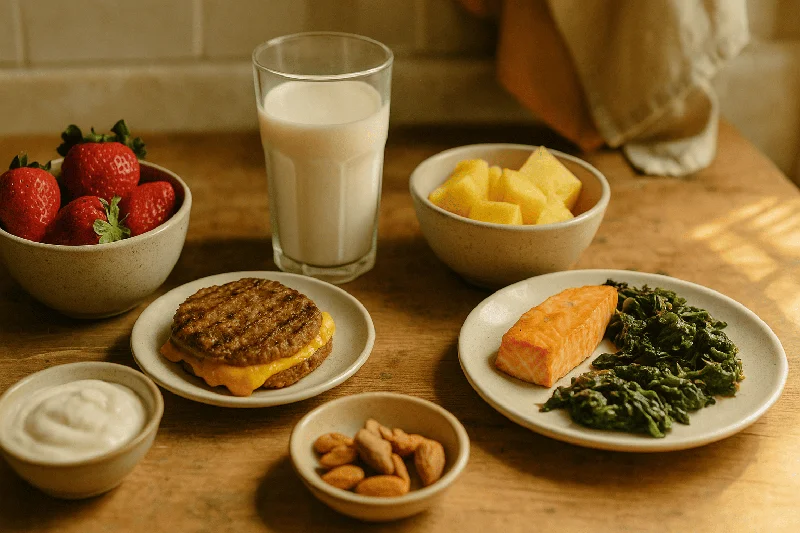
Introduction: Why “Viruddhahara” Matters
Imagine feeling sluggish or experiencing unexpected digestive discomfort despite eating foods that are generally considered healthy. Ayurveda, the ancient system of medicine from India, might attribute this to something called Viruddhahara, or “incompatible foods.” This concept emphasizes that certain food combinations, while nutritious on their own, may become detrimental when consumed together. In recent years, modern nutrition science has begun to explore how different foods interact in our gut, shedding new light on why some combinations simply do not agree with our physiology.
In this article, we’ll dive deep into what Viruddhahara truly means, why it has become a topic of discussion in both Ayurvedic and modern health circles, and how you can apply these principles to improve your well-being. Backed by scientific studies and expert guidelines, this guide aims to provide a balanced perspective on the potential benefits and controversies surrounding Viruddhahara.
What Is Viruddhahara?
Viruddhahara (from the Sanskrit words “viruddha,” meaning “contradictory,” and “ahara,” meaning “food”) refers to incompatible or contradictory food combinations in Ayurveda. These food pairings are believed to generate toxins (known as “ama” in Ayurveda) in the body, which may lead to digestive and metabolic imbalances.
Key Ayurvedic Principles
-
Agni (Digestive Fire): Ayurveda posits that a strong digestive fire is vital for good health. Combining foods that are difficult to digest together may dampen this “fire,” leading to the production of toxins.
-
Dosha Imbalance: Different foods can increase or decrease specific doshas (Vata, Pitta, Kapha). Eating foods with opposing qualities (hot vs. cold, heavy vs. light) in the same meal may cause doshic imbalances over time.
-
Qualitative Properties: Ayurveda also evaluates foods based on their taste (rasa), post-digestive effect (vipaka), and energy (virya). Foods with conflicting properties might clash in the digestive tract.
The Science Behind Food Incompatibilities
While Viruddhahara is rooted in Ayurvedic tradition, modern science offers some parallel insights:
-
Nutrient Absorption: Certain food components can inhibit the absorption of nutrients when consumed together. For example, calcium may interfere with iron absorption if taken simultaneously. A study published in the Journal of Nutrition (2019) indicated that high-calcium meals reduce non-heme iron absorption by up to 50% 11.
-
Gastrointestinal Transit Time: Foods that digest at different rates can create a fermentation-like environment in the gut. This, in turn, might contribute to bloating, gas, or discomfort.
-
Gut Microbiome: Emerging research shows that the composition of your gut microbiota can be influenced by the types of foods you consume, as well as by their timing and combinations 22. Although not exactly the same as the Ayurvedic concept of Viruddhahara, these findings corroborate the idea that certain food pairings may be less than ideal for your digestive system.
Key Principles of Viruddhahara
1. Avoid Opposing Tastes and Energies
Ayurveda classifies taste into six categories: sweet, sour, salty, bitter, pungent, and astringent. Foods can also be heating (ushna) or cooling (sheeta) in their energetic effect. Consuming foods that are extremes in both taste and energy simultaneously could lead to digestive confusion and potential discomfort.
2. Consider Digestive Capacity
One of the cornerstones of Ayurveda is personalized nutrition. Even if a combination is typically advised against, your digestive strength (agni) and overall constitution (prakriti) might better tolerate certain pairings. Always pay attention to your unique responses.
3. Emphasize Seasonal and Individual Factors
Just because a specific combination is listed under the Viruddhahara category does not mean it will affect everyone equally. Seasonal changes, individual tolerance, and cooking methods all influence how foods interact in your system.
स्वयं दवा न लें और प्रतीक्षा न करें। अभी डॉक्टर से चैट शुरू करें
Common Examples of Viruddhahara
Below are some widely referenced incompatible food combinations in Ayurvedic texts. While these are rooted in tradition, modern data sometimes offers alternative viewpoints.
-
Milk and Fruit
-
Reasoning in Ayurveda: Milk is considered cooling and heavy, while fruits (especially sour or citrus) can be heating and light. Consuming them together could lead to mucus buildup and digestive issues.
-
Modern Science: The acidity from certain fruits can cause milk to curdle prematurely in the stomach, potentially contributing to gastrointestinal discomfort.
-
-
Milk and Salt
-
Reasoning in Ayurveda: Milk is seen as a “sweet” item with a cooling effect, whereas salt is pungent and heating. Mixing these may disturb the digestive fire.
-
Modern Science: Direct evidence is lacking, but anecdotally, many people avoid combining dairy with very salty foods because of taste preferences and possible gastrointestinal irritation.
-
-
Honey and Ghee in Equal Quantities
-
Reasoning in Ayurveda: Honey and ghee are both considered excellent for health but become “toxic” when mixed in equal proportions.
-
Modern Science: Research on the interaction of honey and ghee is limited. However, moderation in using fats and sugars is generally recommended to maintain metabolic health.
-
-
Cooked and Raw Foods Together
-
Reasoning in Ayurveda: Cooked foods are believed to be easier to digest, whereas raw foods require more digestive power. Eating them simultaneously can hamper digestion.
-
Modern Science: Raw vegetables may need different enzymes and gut transit times. However, many balanced diets include both raw and cooked foods without issues, emphasizing the need for moderation and individual assessment.
-
Health Implications: Potential Benefits and Controversies
Potential Benefits
-
Improved Digestion: By being mindful of combinations, many individuals report less bloating and increased comfort after meals.
-
Enhanced Nutrient Utilization: Separating conflicting foods might enhance the absorption of certain vitamins and minerals.
-
Personalized Health: Ayurvedic principles encourage tailoring your diet to your constitution, potentially leading to long-term well-being.
Controversies and Criticisms
-
Lack of Large-Scale Studies: While some smaller studies exist, there is a scarcity of robust clinical trials focusing solely on Viruddhahara.
-
Contradictory Findings: Modern nutrition science does not universally support the idea that all these combinations are harmful. Many people consume them daily without noticeable adverse effects.
-
Context Matters: The way food is prepared, portion sizes, and individual health conditions significantly affect how these principles apply in reality.
What Does Current Research Say?
Recent papers in complementary and integrative medicine journals have begun exploring how Ayurvedic principles like Viruddhahara intersect with modern nutritional science. For instance, a 2021 review in the Journal of Ayurveda and Integrative Medicine highlighted the need for more controlled clinical trials to substantiate claims around incompatible foods 33. Meanwhile, research on the gut microbiome in the Frontiers in Microbiology suggests that certain dietary patterns can influence microbiome composition, indirectly supporting the Ayurvedic emphasis on food synergy 44.
However, experts from recognized institutions such as the National Institutes of Health (NIH) and the World Health Organization (WHO) generally advise an evidence-based approach that includes a variety of foods in moderation. While there is no direct endorsement of Viruddhahara by these organizations, they do acknowledge the importance of culturally sensitive dietary advice and personalized medicine approaches.
Practical Tips for Applying Viruddhahara in Everyday Life
1. Start Small
-
Observe & Journal: Keep a food diary for a week, noting down any discomfort you feel with specific food combinations.
-
Gradual Changes: Eliminate or reduce one suspected incompatible pair at a time to gauge your body’s response.
2. Prioritize Seasonal Eating
-
Local & Fresh: Ayurveda emphasizes eating fresh, local produce that aligns with seasonal changes.
-
Season-Specific Recipes: In colder months, focus on warm, cooked meals that are easy to digest. In warmer months, add more cooling foods to your plate.
3. Balance Your Plate
-
Mindful Combinations: If you’re having dairy, avoid sour or very salty foods at the same meal. If you’re mixing raw and cooked items, try to consume the raw portion first.
-
Portion Control: Even healthy foods can become problematic in large quantities. Moderation is key.
4. Consult a Professional
-
Ayurvedic Practitioner: For personalized advice, consult a qualified Ayurvedic doctor who can recommend combinations best suited to your constitution.
-
Registered Dietitian or Nutritionist: If you’re skeptical or have existing health conditions, a licensed nutrition expert can help you integrate Ayurvedic principles alongside modern dietary guidelines.
Frequently Asked Questions (FAQ)
Q1: Can Viruddhahara principles help with weight loss?
Answer: Viruddhahara principles primarily focus on improving digestion and reducing the formation of toxins. While better digestion can indirectly support weight management, these guidelines alone are not a guaranteed method for weight loss. Always consult a healthcare provider for personalized strategies.
Q2: Is it safe to practice Viruddhahara if I have food allergies?
Answer: If you have known allergies or sensitivities, prioritize your doctor’s guidance. Viruddhahara principles are not meant to replace medical advice. Instead, they can serve as an additional lens for examining how different foods might affect your health.
Q3: How soon can I expect to see results?
Answer: This varies widely among individuals. Some people notice immediate improvements in digestion, while others may take several weeks. Factors such as lifestyle, existing gut health, and adherence level all play a role.
Q4: Do I have to follow all these rules strictly?
Answer: Not necessarily. Ayurveda encourages understanding individual constitution and moderating dietary habits accordingly. If a certain guideline doesn’t work for you or conflicts with medical advice, it’s best to adapt or consult a professional.
Q5: Are there modern diets that resemble Viruddhahara principles?
Answer: Some health practitioners draw parallels between Viruddhahara and aspects of elimination diets, food combining theories, and the “food map” concept in FODMAP diets. However, none of these modern approaches perfectly mirror the Ayurvedic framework.
Conclusion and Call to Action
Viruddhahara highlights the importance of dietary compatibility—an idea that predates modern nutrition science yet finds some support in current research on digestion and the gut microbiome. While there is still much to discover, many individuals find that being mindful of food combinations leads to better digestion and overall well-being.
That said, it is essential to remember that everyone’s body is unique. What works wonders for someone else may not necessarily benefit you in the same way. For personalized advice, consult healthcare professionals—whether that means an Ayurvedic practitioner, a registered dietitian, or both—to integrate the best of both traditional wisdom and modern science.
Found this article helpful? Share it with a friend, leave a comment below about your experience with Viruddhahara, or subscribe to our newsletter for more science-backed Ayurvedic insights and practical health tips.
Medical Disclaimer
This article is for educational purposes only. It is not intended to replace professional medical advice, diagnosis, or treatment. Always seek the advice of a qualified healthcare provider with any questions you may have regarding a medical condition or dietary changes.
उपयोगकर्ताओं के प्रश्न
What is the best way to combine cooked and raw foods for better digestion?
Reid
9 दिनों पहले
Best way to mix cooked and raw for easy digestion? Start with the raw stuff, like salads, before diving into cooked dishes. Raw takes a boost in digestion energy. And hey, remember moderation too — even with healthy foods, too much can be a bit heavy on your system. 😊
What is the effect of high-calcium meals on iron absorption in the body?
Skylar
18 दिनों पहले
High-calcium meals can reduce the absorption of non-heme iron (the type found in plant foods) by up to 50%, which might not be useful if you're trying to boost your iron levels! But everyone's different—your individual digestive strength (agni) and overall balance (prakriti) can influence how much it actually affects you. If you're worried about iron, maybe consider spacing out high-calcium and high-iron meals.
What is the impact of food timing on gut health according to Ayurvedic principles?
Carter
27 दिनों पहले
In Ayurveda, food timing is super important for gut health. Eating when your agni (digestive fire) is strongest, usually midday, helps with digestion & nutrient absorption. Irregular eating can disrupt your body's natural rhythms, leading to imbalance. Try to eat at regular times and listen to your body's hunger cues!
Can I combine sour fruits with milk if I have a strong digestive system?
Aria
36 दिनों पहले
Technically, even with a strong digestive system, combining sour fruits with milk can still be tricky. Ayurveda usually doesn't recommend it 'cause of potential imbalance, like it could disrupt your agni or mess with your doshas. But if you feel okay trying it, maybe monitor how your body reacts. Just don't overdo it, y'know? Safety first! 😊
Can I improve my digestion by following Ayurvedic guidelines on food preparation?
Reese
46 दिनों पहले
Absolutely, Ayurveda emphasizes that how you prepare your food plays a big role in digestion. Cooking methods should match your unique dosha. For example, Vata types may benefit from warm, moist foods, while Pitta types might enjoy cooling, less spicy meals. Paying attention to portion sizes and how you combine foods matter too. So give it a try, see how it feels!
How to identify my personal food intolerances using Ayurvedic principles?
Addison
56 दिनों पहले
To find your personal food intolerances through Ayurveda, pay attention to how you feel after meals. Notice any digestion issues, energy slumps, or mood changes. Your dosha type (Vata, Pitta, Kapha) can guide which foods might cause imbalances. Maybe try keeping a food diary to track patterns and test different combinations to see what works best for you!
Is it safe to change my diet based on Ayurveda without consulting a healthcare provider?
River
65 दिनों पहले
It's generally safe to explore Ayurvedic diet changes but remember it's best to consult healthcare provider, especially if you have specific health conditions. Ayurveda considers unique body constitutions, so personalized advice is important. Start wtih small changes and observe how your body responds. If you face any issues, reach out to a professional for guidance.
What is the role of doshas in determining the best food combinations for digestion?
Hunter
75 दिनों पहले
Ah, doshas play a big role in digestion! Each dosha—Vata, Pitta, Kapha—has unique needs. For example, Vata types might avoid foods that are too dry, Pitta should steer clear of overly spicy or sour, and Kapha might want lighter meals. Recognizing your dosha helps in choosing food combos that keep your digestive fire (agni) healthy! But remember, it's not one-size-fits-all, so stay mindful of what works for your unique body!
Is it safe to eat raw and cooked foods together according to Ayurveda?
Lily
84 दिनों पहले
Eating raw and cooked foods together might be tricky in Ayurveda. Cooked foods are easier to digest, while raw needs more digestive power. When they're combined, it could confuse your digestion, especially if you have weak agni (digestive fire). Listen to your body when mixing these, and balance the qualities (like heating and cooling) of both.
How does Ayurveda suggest we restore balance if we’ve consumed incompatible food pairings?
Vance
162 दिनों पहले
In Ayurveda, if you've eaten incompatible foods, taking some simple steps can help restore balance. Fasting for a short period can aid digestion, followed by a diet of light, easily digestible foods like kichari (rice and mung dal dish). Ginger tea can also boost agni or digestive fire. Practicing yoga or gentle walking can remove ama (toxins). It's all about finding what suits your body best!
संबंधित आलेख

Gastrointestinal Disorders
महाशंख वटी के फायदे, खुराक, सामग्री, साइड इफेक्ट्स
महाशंख वटी के फायदे, खुराक, सामग्री, और साइड इफेक्ट्स की जानकारी
7,847

Gastrointestinal Disorders
Avipathi Choornam Benefits, Dosage, Ingredients, Side Effects
Exploration of Avipathi Choornam Benefits, Dosage, Ingredients, Side Effects
2,481

Gastrointestinal Disorders
वजन घटाने के लिए सौंफ का पानी कैसे पिएं: आयुर्वेदिक गाइड
सौंफ का पानी वजन घटाने के लिए कैसे पिएं? जानें कब पिएं सौंफ का पानी, सौंफ पानी के फायदे, और घर पर सौंफ के बीज से वजन घटाने वाला ड्रिंक कैसे तैयार करें।
12,847

Gastrointestinal Disorders
Dhatryarishtam: Benefits, Dosage & Science-Backed Insights
Discover the proven benefits, proper dosage, side effects, and scientific research behind Dhatryarishtam, the powerful Ayurvedic herbal tonic.
1,837

Gastrointestinal Disorders
गैसेक्स टैबलेट
गैसेक्स टैबलेट की खोज
3,645

Gastrointestinal Disorders
Ayurvedic Medicine for Gastroenteritis – Natural Remedies for Digestive Health
Discover effective Ayurvedic treatments for gastroenteritis, focusing on natural remedies that help soothe inflammation, restore digestive balance, and support healing.
3,190

Gastrointestinal Disorders
Best Ayurvedic Medicine for Weight Gain: Comprehensive Guide
Discover the best Ayurvedic medicine for weight gain, backed by research and expert insights. Learn how natural remedies can support healthy, sustainable gains.
5,120

Gastrointestinal Disorders
Effective Ayurvedic Treatment for BPH: Natural Remedies and Solutions
Discover effective ayurvedic treatment for BPH methods, natural remedies, and holistic approaches to manage benign prostatic hyperplasia using ancient wisdom.
3,554

Gastrointestinal Disorders
Annadrava Shoola – Ayurvedic Approach to Managing Deep-Seated Pain
Discover targeted Ayurvedic therapies for managing chronic pain and restoring balance with annadrava shoola solutions.
2,242

Gastrointestinal Disorders
Chitrakadi Vati – Benefits, Dosage, Ingredients, Side Effects
Exploration of Chitrakadi Vati – Benefits, Dosage, Ingredients, Side Effects
3,408
विषय पर संबंधित प्रश्न
क्या मैं वजन बढ़ाने की कोशिश करते समय एसिड रिफ्लक्स के लिए फुल फैट दूध का इस्तेमाल कर सकता हूँ?
11 दिनों पहले
एक बुजुर्ग मरीज में, जिसे डुओडेनल अल्सर का इतिहास है, पुरानी एसिडिटी और कमजोरी का इलाज कैसे करें?
11 दिनों पहले
किण्वन कोलाइटिस और शुरुआती विटिलिगो का इलाज आयुर्वेदिक उपायों से कैसे करें?
11 दिनों पहले
अतिरिक्त दस्तावेज़
© 2024 Ask Ayurveda. सर्वाधिकार सुरक्षित।