आयुर्वेदिक डॉक्टर से प्रश्न पूछें और निःशुल्क या भुगतान मोड में अपनी चिंता की समस्या पर ऑनलाइन परामर्श प्राप्त करें। 2,000 से अधिक अनुभवी डॉक्टर हमारी साइट पर काम करते हैं और आपके प्रश्नों का इंतजार करते हैं और उपयोगकर्ताओं को उनकी स्वास्थ्य समस्याओं को हल करने में प्रतिदिन मदद करते हैं।


Body DetoxEar, Nose, and Throat DisordersGeriatrics & RejuvenationImmunodeficiencyInfertility TreatmentNutritionOrthopedic DisordersPediatricsRespiratory DisordersSexually Transmitted Diseases (STDs)Surgery RecoveryUrological DisordersVascular DisordersDental DisordersEndocrinological DisordersGastrointestinal DisordersYoga TherapyGeneral MedicineAllergic DisordersCardio DisordersGynecology and ObstetricsCosmetologySkin and Hair DisordersEye DisordersInfectious DiseasesMental DisordersNeurological DisordersOncologyPanchakarmaSexual Health & DisordersSports Medicine
पर प्रकाशित 04/08/25
(को अपडेट 08/15/26)
5,845
Adhipati Marma: A Comprehensive Guide to the Science and Practice
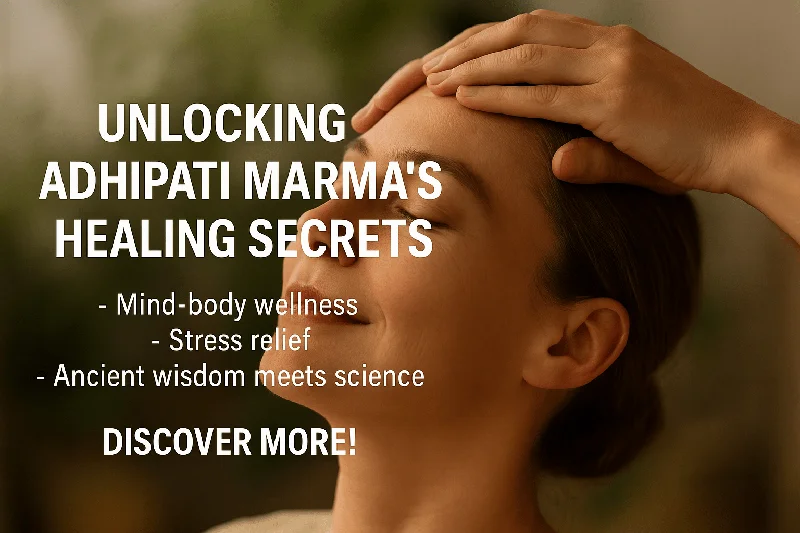
Adhipati Marma, often referred to as the “crown” or “master” marma point, holds a revered place in traditional Indian medicine systems such as Ayurveda and Siddha. It is commonly located at the crown of the head and is believed to serve as a pivotal energy center for governing the physical, mental, and spiritual equilibrium of an individual. While traditional sources celebrate Adhipati Marma for its profound role in promoting clarity and balance, modern healthcare professionals are increasingly examining this point through the lens of science, looking for physiological explanations and possible therapeutic applications.
In this comprehensive guide, we will explore Adhipati Marma from a scientific perspective, summarize peer-reviewed research on its potential health benefits, and discuss practical applications supported by clinical practice. We will also provide considerations for use, share tips for safely exploring Adhipati Marma techniques, and highlight the importance of consulting healthcare professionals when integrating any new modality into a wellness routine.
Table of Contents
-
Introduction to Marmas and Adhipati Marma
-
Historical and Traditional Significance
-
Scientific Perspectives on Adhipati Marma
-
Modern Research and Evidence
-
Potential Benefits and Applications
-
How to Stimulate Adhipati Marma Safely
-
Precautions, Risks, and Considerations
-
Frequently Asked Questions (FAQ)
-
Conclusion and Call to Action
-
Disclaimer
1. Introduction to Marmas and Adhipati Marma
Marmas Defined:
In Ayurveda, the term “marma” refers to vital energy points on the body. These points are said to be intersections where muscles, veins, bones, ligaments, and joints meet, creating locations of heightened sensitivity and potential therapeutic influence. The concept is somewhat analogous to acupressure or acupuncture points in Traditional Chinese Medicine.
Adhipati Marma at a Glance:
-
Location: Commonly placed at the crown of the head (the vertex), recognized in some texts as being anatomically close to the anterior fontanelle (the bregma region in anatomical terms).
-
Meaning: Derived from Sanskrit, where “Adhi” implies “superior” or “chief,” and “pati” implies “lord” or “master.” Hence, Adhipati Marma translates to the “chief” or “master” marma, underscoring its importance.
-
Primary Focus: This point is associated with mental clarity, enhanced cognition, and spiritual awareness according to Ayurvedic literature.
2. Historical and Traditional Significance
Adhipati Marma’s significance spans centuries of traditional medical practice. References can be found in foundational Ayurvedic texts, such as the Sushruta Samhita and the Charaka Samhita, which designate it as a paramount site of prana (life force). Ancient healers believed that stimulating this marma could offer relief from stress, improve concentration, and align one’s spiritual energy.
Traditional Applications
-
Meditation and Yoga: Practitioners frequently place their focus on the crown area to achieve deeper states of meditation.
-
Marma Therapy: Gentle pressure or massage at the Adhipati Marma is believed to help with insomnia, stress, and headaches.
-
Spiritual Practices: In some traditions, the crown of the head is linked to the Sahasrara chakra, implying spiritual awakening and self-realization.
Though these applications are grounded in Ayurvedic philosophy, modern science is only beginning to investigate how such practices might correlate with neurophysiological mechanisms, including potential influences on neural pathways responsible for stress response.
3. Scientific Perspectives on Adhipati Marma
Neuroanatomical Correlations:
From a scientific viewpoint, the crown area (where Adhipati Marma is located) houses critical parts of the parietal lobes, just above key structures that govern sensory integration. Researchers exploring the impact of cranial acupuncture and other forms of head-based stimulation propose that gentle pressure in this region may influence certain neural circuits linked with emotional and cognitive processes.
Possible Mechanisms of Action:
-
Stimulation of Cranial Nerves: Although not directly in contact with cranial nerves, manipulations near the scalp may exert a subtle effect on nerve endings or cranial structures, potentially modulating pain or stress responses.
-
Impact on Stress Hormones: Preliminary studies in integrative medicine suggest that techniques involving scalp massage or acupressure can modulate cortisol levels (the body’s primary stress hormone).
-
Autonomic Regulation: Gentle, sustained pressure may shift the nervous system from a sympathetic “fight-or-flight” state toward a parasympathetic “rest-and-digest” dominance, promoting relaxation.
These hypotheses are still under investigation, and their applicability to Adhipati Marma specifically requires further randomized controlled trials.
स्वयं दवा न लें और प्रतीक्षा न करें। अभी डॉक्टर से चैट शुरू करें
4. Modern Research and Evidence
The direct mention of “Adhipati Marma” in peer-reviewed Western medical literature is scarce. However, several studies on related topics offer potential insights:
-
Scalp Acupressure Trials: Research in the Journal of Acupuncture and Meridian Studies (2019) discovered that scalp acupressure could lead to measurable reductions in anxiety among nursing students preparing for exams. While not identical to marma therapy, this suggests a possible overlap in therapeutic mechanisms.
-
Massage Therapy Meta-Analysis: A 2018 meta-analysis in the International Journal of Neuroscience found that cranial and head massages helped regulate cortisol levels and improved subjective well-being in participants.
-
Brain Wave Studies: Early pilot studies indicate that gentle stimulation around the cranial region can alter alpha and theta brain waves, potentially enhancing relaxation and mental clarity. Although these findings need further exploration, they open the door to new lines of research examining the possible neurophysiological basis behind Adhipati Marma practices.
Despite these studies, conclusive evidence directly linking Adhipati Marma stimulation to measurable health improvements remains limited. Large-scale, high-quality clinical trials are needed to validate any definitive benefits.
5. Potential Benefits and Applications
Though still under scientific scrutiny, practitioners and advocates of Adhipati Marma therapy often report the following potential benefits:
-
Stress Reduction: Traditional Ayurvedic belief holds that stimulating Adhipati Marma can help release tension. Modern parallels include findings that scalp stimulation can lower cortisol and promote relaxation.
-
Enhanced Mental Clarity: Individuals may experience improved focus and reduced mental fatigue. This aligns with research on brain wave modulation in scalp-based therapies.
-
Headache Relief: Some people with tension headaches find short-term relief through gentle pressure at the crown. Future research may validate these anecdotal accounts with empirical data.
-
Better Sleep Quality: Because of its relaxing nature, regular stimulation of this marma point might support better rest, although large-scale studies are still lacking.
-
Aid in Meditation Practices: Spiritual practitioners often mention deepening of meditative states when focusing on the crown. While personal experiences vary, the potential synergy between meditation and gentle cranial stimulation merits further scientific exploration.
6. How to Stimulate Adhipati Marma Safely
If you are interested in exploring Adhipati Marma stimulation, it is crucial to do so with an emphasis on safety and proper technique. Here are some guidelines:
-
Consult a Professional: Seek advice from a certified Ayurvedic practitioner, massage therapist, or healthcare provider well-versed in marma therapy.
-
Gentle Touch: Start with light, circular motions or gentle tapping over the crown. Avoid applying forceful or prolonged pressure.
-
Mindful Breathing: Practice deep, slow breathing during marma stimulation to enhance relaxation.
-
Duration: An initial session might last 1–3 minutes, gradually increasing to 5–10 minutes as you become comfortable.
-
Listen to Your Body: If you experience discomfort, dizziness, or any adverse reaction, discontinue immediately and consult a healthcare professional.
7. Precautions, Risks, and Considerations
While Adhipati Marma techniques are generally considered low-risk, certain precautions are advisable:
-
Existing Medical Conditions: Individuals with migraines, head injuries, or neurological disorders should consult a physician before attempting any self-stimulation.
-
Contraindications: Those with recent cranial surgery or open head wounds should avoid pressure in this region until fully healed.
-
Professional Expertise: For individuals seeking to incorporate Adhipati Marma stimulation into a broader therapeutic regimen, a consultation with an integrative or Ayurvedic health professional is highly recommended.
-
Evidence Gaps: While anecdotal and preliminary research findings are promising, large-scale studies have yet to establish definitive treatment protocols.
Always remember that Adhipati Marma stimulation—like any complementary health practice—is not intended as a substitute for conventional medical diagnosis or treatment.
8. Frequently Asked Questions (FAQ)
Q1: What exactly is Adhipati Marma?
Answer: Adhipati Marma is a key energy point located at the crown of the head in traditional Ayurvedic medicine. It is considered essential for maintaining mental clarity, spiritual alignment, and overall well-being.
Q2: Is there scientific evidence supporting Adhipati Marma therapy?
Answer: Direct studies on Adhipati Marma are still limited. However, research on scalp acupressure and cranial therapies suggests potential benefits for stress management and relaxation, indicating that further study into Adhipati Marma is warranted.
Q3: Can anyone practice Adhipati Marma stimulation at home?
Answer: Generally, yes. However, individuals with specific health conditions, such as migraines or neurological disorders, should seek professional guidance to ensure safety and effectiveness.
Q4: How often should I stimulate the Adhipati Marma?
Answer: Frequency varies depending on individual needs. Beginners might start with a brief session once or twice a day. If you notice any discomfort, reduce the frequency or consult a healthcare professional.
Q5: Does stimulating Adhipati Marma help with meditation?
Answer: Many practitioners find that gentle pressure at the crown of the head complements meditation by promoting relaxation and focus. However, personal experiences differ, and more scientific studies are needed to confirm these effects.
9. Conclusion and Call to Action
Adhipati Marma stands at the intersection of ancient wisdom and emerging scientific interest. Though widely revered in traditional Ayurvedic texts for its potential to foster mental clarity, stress relief, and even spiritual enlightenment, clinical research on this specific marma point remains in its infancy. Nonetheless, preliminary studies on scalp-based therapies offer hopeful indications for how Adhipati Marma stimulation might benefit modern health regimens—from easing tension headaches to enhancing overall well-being.
If this topic intrigues you, consider exploring gentle Adhipati Marma stimulation under the supervision of a qualified practitioner or as part of your personal meditation routine. Before making any major changes to your healthcare plan, consult your doctor or an integrative medicine specialist.
Feel free to share this article with anyone who might be curious about Adhipati Marma or other holistic health practices. We encourage you to comment below with your experiences or questions, and subscribe to our newsletter for more evidence-based articles on integrative medicine and wellness.
10. Disclaimer
This article is for informational purposes only and does not constitute medical advice. While we reference research studies and authoritative sources, individual results may vary. Always seek the guidance of a qualified healthcare provider for questions related to medical conditions, treatments, or advice.
(References: Sushruta Samhita, Charaka Samhita, Journal of Acupuncture and Meridian Studies, International Journal of Neuroscience, WHO guidelines on traditional medicine.)
उपयोगकर्ताओं के प्रश्न
What techniques can enhance the effectiveness of Adhipati Marma therapy?
Client_61e809
24 दिनों पहले
Adhipati Marma therapy can be enhanced with techniques like consistent practice, skilled application of pressure, and complementary practices such as meditation or breathing exercises. Regular sessions can lead to better outcomes, and aligning marma therapy with scalp-based therapies may modulate brain waves, potentially enhancing cognitive functions. While gentle pressure at the crown may help relieve tension headaches, more scientific validation is necessary. Always consult with a healthcare professional if persistent symptoms occur or before starting any new therapy.
How can I incorporate Adhipati Marma into my daily wellness routine?
Client_b0e4e9
34 दिनों पहले
To incorporate Adhipati Marma into your daily wellness routine, start with brief self-massage sessions or gentle tapotement around the area at the top of your head, ideally once or twice a day. This area is traditionally believed to aid in mental clarity and stress reduction. Regular practice can be integrated with mindfulness or breathing exercises for enhanced relaxation benefits. If you experience any discomfort or dizziness, consult your doctor. While historical context and Ayurvedic principles provide valuable insights, always prioritize evidence-based healthcare advice alongside holistic practices.
What is the impact of scalp acupressure on exam performance for students?
Client_3748e9
44 दिनों पहले
Scalp acupressure may positively impact exam performance, primarily by reducing anxiety, according to a 2019 study published in the Journal of Acupuncture and Meridian Studies. By lowering anxiety levels, students might improve focus and mental clarity, potentially enhancing exam performance. However, results can vary, and scientific evidence on this specific benefit is still limited. Students experiencing significant stress or anxiety should consult a healthcare professional for personalized recommendations, as acupressure should not replace evidence-based treatments for anxiety or stress management.
Can Adhipati Marma help improve sleep quality and duration?
Client_1ec556
53 दिनों पहले
Adhipati Marma, a point located at the top of the head, is part of traditional Indian practices and is believed to have various health benefits. While there is no conclusive scientific evidence supporting its efficacy specifically for improving sleep quality and duration, some individuals report feeling more relaxed after gentle stimulation of this point, which could indirectly benefit sleep. Typically, people may try this practice once or twice a day. However, more research is needed to fully understand its impact. If sleep issues persist, consult a healthcare professional.
How long does it take to feel benefits from Adhipati Marma stimulation?
Client_cdd2b1
63 दिनों पहले
The time it takes to feel the benefits of Adhipati Marma stimulation can vary widely, and there's limited scientific data to precisely quantify it. Some individuals may notice relaxation and improved sleep quality after a few sessions, potentially within a week or two. However, others may take longer or not notice significant changes without consistent practice. Watch for any discomfort or increased stress, which may indicate overly vigorous stimulation. If persistent issues arise, consider consulting a healthcare provider for tailored advice.
What is the best time of day to practice Adhipati Marma for stress relief?
Client_29b911
73 दिनों पहले
The best time to practice Adhipati Marma for stress relief is likely early morning or evening when everything is more calm and quiet. Morning helps you start fresh, evening can wind you down from a busy day. Don't stress too much about the exact time though, just whenever you can find a few peaceful minutes should be good! 🌿
Is it normal to feel immediate relaxation after stimulating Adhipati Marma?
Client_e36199
82 दिनों पहले
Yea, it's pretty common to feel relaxed after stimulating Adhipati Marma. This point is known for its calming effects, so that immediate relaxation you feel makes sense. It's like a mini reset for the mind! Just remember, responses can vary, so tune into your own body's signals too.
Can I use Adhipati Marma to help with chronic fatigue and low energy?
Client_6b905b
91 दिनों पहले
Adhipati Marma stimulation might help with chronic fatigue and low energy since it targets stress and could help balance Vata dosha, which can lead to low energy when imbalanced. It's safe to try at home by applying gentle pressure at the top of your head, but it's no magic fix. If fatigue persists, consider looking into dietary changes, lifestyle, and your dosha balance for deeper insights.
What is the best way to prepare for a session of Adhipati Marma therapy?
Client_125afe
100 दिनों पहले
The best way to prepare for an Adhipati Marma session is to definitely consult with a certified Ayurvedic practitioner first. You wanna make sure you have an expert guiding you. Also, stay relaxed before your session, maybe practice some gentle breathing... and try to have an open mind, y'know? It helps the energy flow!
What is the connection between Adhipati Marma stimulation and spiritual enlightenment?
Client_865fbc
110 दिनों पहले
Adhipati Marma, known as the "crown" point, is said to aid in stress reduction and mental clarity, which are important in spiritual practices. By fostering calm and awareness, it might naturally lead to a more enlightened state. However, how it exactly links to spiritual enlightenment can vary and often depends on individual experience and practice.
संबंधित आलेख
Mental Disorders
Graha Chikitsa – Ayurvedic Treatment for Spiritual and Mental Well-being
Explore Graha Chikitsa, an ancient Ayurvedic treatment designed to address the effects of planetary influences on health, mental well-being, and emotional balance.
4,650

Mental Disorders
Dementia Treatment in Ayurveda – Holistic Approach to Cognitive Health
Explore effective dementia treatment in Ayurveda through natural herbal therapies, medhya rasayanas, and detoxification techniques designed to enhance cognitive function, memory, and overall brain health.
3,451

Mental Disorders
Manasamitra Vatakam Benefits, Dosage, Ingredients and Side Effects
Exploration of Manasamitra Vatakam Benefits, Dosage, Ingredients and Side Effects
9,379

Mental Disorders
अष्टमूर्ति रसायन: संपूर्ण स्वास्थ्य के लिए आयुर्वेदिक अमृत
Ashtamurti Rasayan एक प्राचीन आयुर्वेदिक फॉर्मूलेशन है जो आठ ("अष्ट") शक्तिशाली तत्वों के सार को मिलाता है, जो मन और शरीर को पुनर्जीवित करने के लिए जाने जाते हैं। यह रसायन विशेष रूप से तनाव को कम करने, इम्यूनिटी बढ़ाने के लिए प्रसिद्ध है, और
3,930

Mental Disorders
Ayurvedic Medicine for OCD – Holistic Approach for Mental Clarity and Emotional Balance
Discover Ayurvedic medicine for OCD, a holistic approach that uses natural herbal formulations, detoxification therapies, and lifestyle modifications to promote mental clarity, balance, and emotional well-being.
4,270

Mental Disorders
How to Reduce Stress: Ayurvedic Remedies, Practices, and Natural Relief
SEO descr How to reduce stress naturally? Discover Ayurvedic tips, lifestyle practices, and herbal remedies like calming churna to reduce stress and anxiety at home
2,933
Mental Disorders
मानसामित्र वटी के घटक: एक व्यापक, साक्ष्य-आधारित अवलोकन
इस गहन, विशेषज्ञ लेख में जानें मनसामित्र वटी के मुख्य घटक, उनके आयुर्वेदिक स्रोत, वैज्ञानिक शोध, और संभावित स्वास्थ्य लाभ।
7,099

Mental Disorders
पथ्यादि वटी: माइग्रेन और सिरदर्द से राहत के लिए प्राकृतिक समाधान
Pathyadi Vati के फायदे, सही खुराक, साइड इफेक्ट्स और वैज्ञानिक शोध के बारे में जानें। जानें कि यह आयुर्वेदिक उपाय सिरदर्द से राहत, आंखों की सेहत, पाचन और समग्र स्वास्थ्य को कैसे सपोर्ट करता है।
4,327
Mental Disorders
ब्राह्मी लेह्यम: फायदे, खुराक और आयुर्वेदिक जानकारी
ब्राह्मी लेह्यम के फायदे, सही खुराक, उपयोग और आयुर्वेदिक आधारों को जानें। यह एक पारंपरिक हर्बल टॉनिक है जो मानसिक क्षमता बढ़ाने और समग्र स्वास्थ्य के लिए फायदेमंद है।
4,572
विषय से संबंधित परामर्श
अतिरिक्त दस्तावेज़
© 2024 Ask Ayurveda. सर्वाधिकार सुरक्षित।