आयुर्वेदिक डॉक्टर से प्रश्न पूछें और निःशुल्क या भुगतान मोड में अपनी चिंता की समस्या पर ऑनलाइन परामर्श प्राप्त करें। 2,000 से अधिक अनुभवी डॉक्टर हमारी साइट पर काम करते हैं और आपके प्रश्नों का इंतजार करते हैं और उपयोगकर्ताओं को उनकी स्वास्थ्य समस्याओं को हल करने में प्रतिदिन मदद करते हैं।


Body DetoxEar, Nose, and Throat DisordersGeriatrics & RejuvenationImmunodeficiencyInfertility TreatmentNutritionOrthopedic DisordersPediatricsRespiratory DisordersSexually Transmitted Diseases (STDs)Surgery RecoveryUrological DisordersVascular DisordersDental DisordersEndocrinological DisordersGastrointestinal DisordersYoga TherapyGeneral MedicineAllergic DisordersCardio DisordersGynecology and ObstetricsCosmetologySkin and Hair DisordersEye DisordersInfectious DiseasesMental DisordersNeurological DisordersOncologyPanchakarmaSexual Health & DisordersSports Medicine
पर प्रकाशित 05/01/25
(को अपडेट 08/09/26)
star_border 5
7,484
What to Eat After Virechana: A Real Talk on Recovery, Rasas, and Rice Gruels
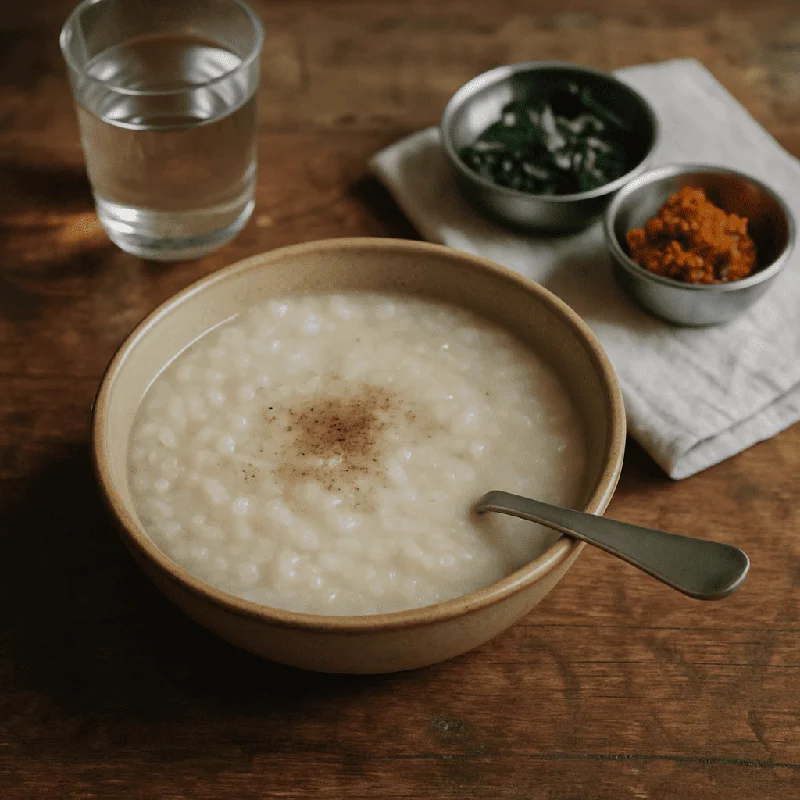
Introduction to What to Eat After Virechana
So, you've just gone through Virechana, huh? One of Ayurveda’s most potent detox therapies — the big purge, literally. Congratulations, seriously. That’s not something you casually do on a weekend. And now, you're sitting there, maybe a little light-headed, wondering what the heck to eat next.
Let me tell you upfront: this part is just as important as the therapy itself. Maybe more.
Why? Because Virechana strips your gut down to something like a clean slate — a gentle, raw surface. What you introduce into that blank canvas? It becomes the foundation for your future agni (digestive fire), dosha balance, immunity, even mental clarity. Think of it as post-op care for your digestive system — if it had just gone through a sacred reset.
And Ayurveda is super specific about this phase. It’s not just "eat light" or “avoid spicy food.” There’s an entire ritual logic to Samsarjana Krama, the post-Virechana dietary protocol. It’s slow. It’s precise. And it’s deeply rooted in thousands of years of clinical observation.
But modern life doesn’t exactly make it easy. There’s UberEats. There’s that family dinner. There’s the inner voice going, “Come on, how much difference can one slice of pizza make?” (Spoiler: a lot.)
So, in this article, we’re diving into everything you need to know about what to eat after Virechana — not just from the rulebook, but from lived experience, missteps, and the occasional rebellion.
You’ll learn:
-
Why certain foods matter so much after Virechana
-
The step-by-step breakdown of the ideal recovery diet
-
What happens if you ignore the guidelines (real talk)
-
Personal observations and surprising lessons people often overlook
Whether you’re doing this under the guidance of a vaidya (Ayurvedic doctor), or you're just curious about this ancient process, this article will walk you through the whys and hows — and maybe throw in a cautionary tale or two.

History and Origin of What to Eat After Virechana
Alright, here’s something we rarely talk about: the "after" part of therapies in Ayurveda? It’s not an afterthought. It's built right into the system, ancient texts and all.
Historical Background and Roots of What to Eat After Virechana
In the classical Ayurvedic tradition, Virechana isn't just a one-off action. It's part of Panchakarma — the five-pronged approach to purifying the body and correcting deep-rooted doshic imbalances. Each of these procedures has a preparatory phase (purva karma), a main action (pradhana karma), and a recovery phase (paschat karma). Guess where food comes in? Yeah — the recovery part.
And this isn’t new. The Charaka Samhita, Sushruta Samhita, and Ashtanga Hridaya — our holy trinity of Ayurveda — all emphasize the role of diet in post-detox recovery. Back then, they didn’t have Instagram reels explaining why you shouldn’t chomp on raw salads after a gut cleanse. But they knew.
They knew that the gut is vulnerable after elimination. And they laid out a structured process to reintroduce food gently and wisely.
The thinking? After Virechana, agni (digestive fire) is manda — weak. Just like you wouldn’t toss a log into a barely burning flame, Ayurveda says you shouldn’t overload digestion after a cleanse.
Ayurvedic Textual References about What to Eat After Virechana
Here’s a direct pull from Charaka Samhita (Sutra Sthana, Chapter 16):
"Tasya kramena samsarjanam bhojanam – annam mandaadi yuktam..."
Translation: "The diet after purification should be gradually increased, starting with rice water (manda) and progressing step-by-step."
That’s not metaphor. That’s instruction. We're literally talking about moving from rice water → thin gruel → thick gruel → semi-solid → regular meals.
And it's all calculated — not just in consistency but in rasa (taste) and vipaka (post-digestive effect). Everything has an energetic footprint.
The Ashtanga Hridaya goes a bit more poetic, suggesting how one’s body is like a soft field after the monsoon — fertile, but easily disturbed. The wrong food? It can seed imbalance that takes months to undo.
Traditional Use and Evolution of What to Eat After Virechana
In the old days — and even today in classical Ayurvedic clinics — the diet after Virechana is personally tailored. The number of days someone follows Samsarjana Krama depends on:
-
The strength of the purge
-
Their body type and constitution (prakriti)
-
The intensity of their digestive fire
So, it might be three days for one person, and seven for another. The foods change subtly, but the logic stays the same:
Start slow. Go warm. Stick to simplicity. Avoid stimulation. Build agni.
And as for evolution? Not much has changed — except now, people have more access to packaged "health" foods and random advice on the internet (some of which is flat-out wrong, by the way — almond milk smoothies? Please don’t).
Alright, that wraps up the first three sections.
Purpose and Benefits of What to Eat After Virechana
Let’s be real for a second: this whole “what to eat after Virechana” thing might sound like just a set of rules. A checklist. Some bland porridge and a bit of ghee. But it’s not.
It’s a critical therapeutic extension of the actual detox. Think of it as the second half of the surgery — not optional, not negotiable. Skipping or messing this up? You could undo all the benefits of the cleansing you just put your body through.
Physical Health Benefits of What to Eat After Virechana
The biggest win? Restoring Agni — your digestive fire. Right after Virechana, Agni is fragile, like a flickering candle in the wind. You can either nurture it — or accidentally snuff it out with the wrong foods.
By following the post-Virechana diet:
-
You stabilize digestion without overwhelming it.
-
You replenish lost energy gently, without rekindling toxins.
-
You prevent ama (toxins) from re-forming — which is critical. The whole point of Virechana is to get rid of ama, remember?
Plus, the gradual diet allows the lining of the GI tract to heal, especially important if your purge was intense (you know what I mean...).
Mental and Emotional Benefits of What to Eat After Virechana
There’s also this interesting thing that happens mentally.
People often report feeling calmer, lighter, and more present during the post-Virechana diet phase. Maybe it’s the simplicity. Or the fact that your body’s not fighting inflammation. Or that you're giving yourself permission to slow down. Who knows?
And emotionally, there's a kind of reset — like you're rebuilding yourself one spoonful at a time. There’s something beautiful about it, if you let yourself notice.
How What to Eat After Virechana Balances the Doshas
This diet isn’t one-size-fits-all, but there’s a universal principle at play: restoring balance without provoking any dosha.
-
Vata is kept calm with warm, moist, and soupy foods.
-
Pitta is soothed with cooling, non-spicy, non-acidic items.
-
Kapha is prevented from flaring up by avoiding heavy or oily stuff too soon.
By reintroducing food with rasa, guna, and virya in mind, you bring the system back into harmony. It’s almost alchemical.
Detailed Procedure and Steps of What to Eat After Virechana
Now, let’s talk logistics. Because theory is cute, but your stomach needs actual food. This part? It’s called Samsarjana Krama, and it’s as systematic as a military operation — but a loving, healing one.
Preparation for What to Eat After Virechana Procedure
This is where most people slip: they think the Virechana ends when the purging stops. Nope. From that very first post-cleanse hour, you’re in healing mode.
Prep isn’t just about food. It's about mindset.
-
No snacking. Seriously. Not even a peanut.
-
No raw foods, smoothies, or cold drinks.
-
No rushing back to your normal diet, even if you feel hungry or "fine."
You’ll want to have the post-procedure foods already prepared or at least planned. The last thing you want is to stand hungry in front of the fridge trying to figure out what’s “Virechana-safe.”
Step-by-step Guide of What to Eat After Virechana Procedure
Here’s the classic sequence — the ladder back to normal digestion:
Day 1: Manda
Just rice water. Not congee. Not porridge. Literally the starchy water you get from overboiling rice and straining it. Sip it warm. That’s it.
Day 2: Peya
Slightly thicker rice gruel — rice boiled in excess water, maybe with a pinch of rock salt. Nothing else.
Day 3: Vilepi
Semi-solid rice mush. Think khichdi without spices or vegetables. You can add a drop (just a drop!) of ghee if your practitioner says so.
Day 4: Akrita Yusha
Mung dal soup — very thin, no tadka, no oil, no garlic. Lightly strained.
Day 5: Krita Yusha + Light Khichdi
A little more texture, but still simple. Maybe a full bland khichdi now. Still no onions or heavy stuff.
Day 6–7+: Normal Diet Gradually Resumes
Only if your digestion feels totally fine — no bloating, no heaviness. Start adding ghee, cooked veggies, soft rotis. No chillies yet, please.
That’s the basic outline. You might need fewer or more days depending on the strength of your Virechana. Some people bounce back in three days. Others take a week. Listen to your gut. Literally.
Duration and Frequency Recommendations for What to Eat After Virechana
This phase usually lasts 3 to 7 days, depending on:
-
The number of purges you had (shuddhi level)
-
Your body type and digestive capacity
-
The climate and season (Agni is different in summer vs. winter)
Don’t rush. I’ll say it again because people always do. Don’t. Rush.
Herbs, Oils, and Ingredients Used in What to Eat After Virechana
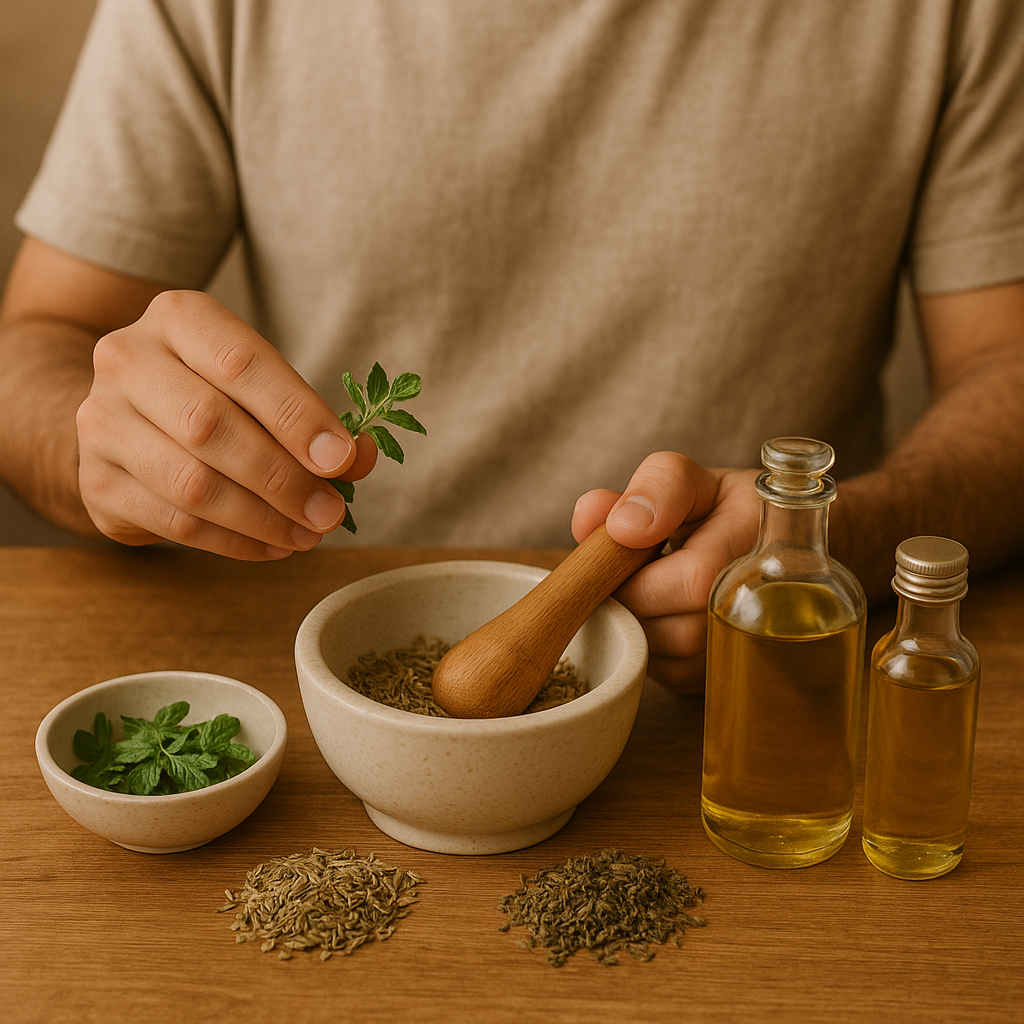
Now, you might be wondering — is this whole thing just about plain rice? Not exactly. While the core is simplicity, there are some time-tested Ayurvedic helpers that make the diet work better — herbs, ghee, oils, spices (a few!), and some intuitive choices.
Key Herbs and Oils Essential for What to Eat After Virechana
Let’s talk ghee. Ghee is the MVP here — but only in small, guided amounts. It helps:
-
Rekindle Agni
-
Lubricate internal tissues
-
Nourish depleted dhatus (tissues)
Then there’s Trikatu (a combo of black pepper, long pepper, and dry ginger) — occasionally used in microdoses if Agni is sluggish. But be very careful. It’s potent.
Mild herbal teas like coriander, fennel, or cumin water are allowed after a couple of days — again, depending on your recovery.
Benefits and Roles of Specific Ingredients in What to Eat After Virechana
Let’s look at some recovery superstars:
-
Mung dal: Easy to digest, high in protein, balances all three doshas.
-
Rice (Shashtika shali rice if available): Nourishing, grounding, gentle on the gut.
-
Rock salt (Saindhava lavana): Enhances digestion without irritating Pitta.
-
Turmeric (in tiny amounts): Optional, anti-inflammatory.
Notice how all of this is warm, cooked, and minimal. No raw salads, no smoothies, no chia pudding. Trust me on this.
Where and How to Source Quality Ingredients for What to Eat After Virechana
Honestly? Go organic and local wherever possible. Especially for ghee and rice. If you can get:
-
Indigenous rice (not polished white basmati)
-
Small-batch ghee (made via traditional bilona method)
-
Clean mung dal (not overly polished or split)
...you’re already ahead. It’s not about “superfoods.” It’s about clean, real, lovingly-prepared food that your gut can trust again.
स्वयं दवा न लें और प्रतीक्षा न करें। अभी डॉक्टर से चैट शुरू करें
Indications and Contraindications for What to Eat After Virechana
This isn’t a phase where you get creative. There are some clear green and red flags for what’s okay — and what’s not.
Health Conditions and Symptoms Indicating What to Eat After Virechana
If you’re feeling:
-
Weak or light-headed
-
Hungry but cautious
-
Empty, but not bloated
-
Mildly fatigued but peaceful...
...you’re in the sweet spot for Samsarjana Krama. The right food can help rebuild energy without overwhelming you.
Also, if you’ve had Virechana for conditions like:
-
Skin disorders (psoriasis, eczema)
-
Hyperacidity or liver congestion
-
Pitta aggravation (burning, inflammation)
...this post-care diet is non-negotiable. It helps seal in the healing.
Potential Risks and Contraindications of What to Eat After Virechana
Here’s what not to do:
-
Don't jump straight to raw salads or cold foods.
-
No processed junk, even if it's “organic” or “vegan.”
-
No stimulants (coffee, green tea — yes, even those).
-
No alcohol. Please don’t test this one.
Skipping this phase or doing it wrong can lead to:
-
Heaviness
-
Return of symptoms
-
Weakness
-
Bloating
-
Even fever or digestive collapse (yep, it happens)
Who Should Avoid What to Eat After Virechana or Seek Expert Advice
If you have:
-
Extremely low digestive fire (mandagni) even before Virechana
-
Pre-existing eating disorders
-
Diabetes or metabolic imbalances
-
Mental health conditions like anxiety or depression (especially if they worsen after fasting)
...you must consult a skilled Vaidya. Samsarjana Krama can be adapted — but it needs experience.
Aftercare and Post-procedure Recommendations for What to Eat After Virechana
Honestly, this is where the real discipline kicks in. Virechana is the dramatic part — the purge, the reset. But this stage? The slow rebuild? That’s where people either solidify the benefits… or completely lose them.
Recommended Lifestyle Adjustments After What to Eat After Virechana
Beyond diet, your entire routine matters here. Your body is in a subtle, vulnerable state — kind of like wet cement. The impressions you leave now? They set.
Here’s what most Ayurvedic practitioners suggest:
-
Sleep early. Wake early. No late-night scrolling, no Netflix binges.
-
No intense exercise. Gentle walks or pranayama are perfect.
-
Minimal screen time. Rest your senses, not just your stomach.
-
Stay warm. Internally and externally. Avoid cold weather, wind, cold water.
Also, some emotional fragility is normal. People often feel open — not weak, just... delicate. Honor that. Go easy on heavy conversations, news cycles, or triggering environments.
Diet and Nutrition Guidelines Following What to Eat After Virechana
If you ask me — this is where people start asking: “Can I eat dosa yet?” or “Is peanut butter Ayurvedic?” (Hint: not right now.)
Stick to these rules:
-
Continue warm, moist, lightly spiced foods
-
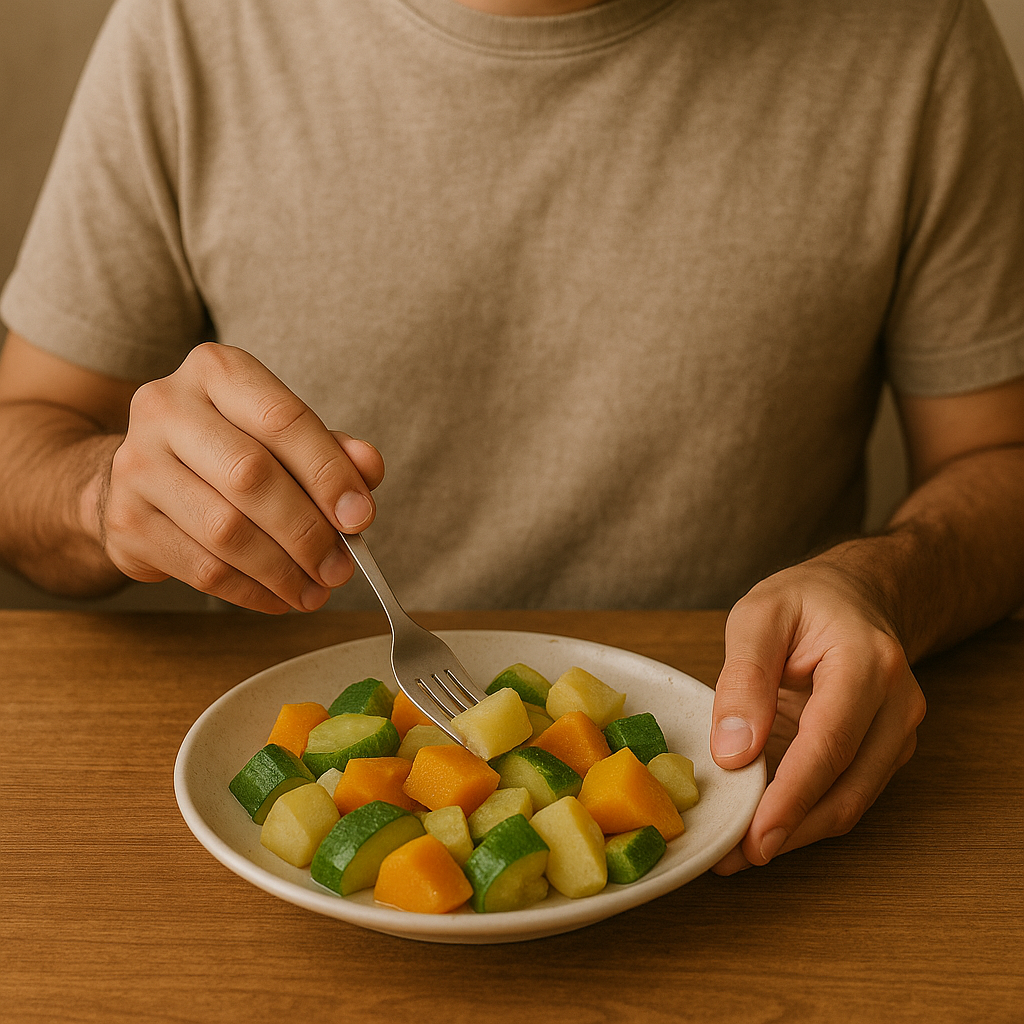
Favor soupy khichdis, dals, soft-cooked vegetables
-
Use ghee, cumin, and ginger to support Agni
-
Add variety slowly: one new ingredient every couple of days
-
Still avoid: raw food, dairy (except ghee), fermented stuff, leftovers
And hydration? Sip warm water. Maybe a bit of jeera or ajwain water if digestion’s sluggish. Avoid gulping cold drinks — that’s just asking for Ama to come back.
Common Mistakes and Precautions Post What to Eat After Virechana
Let’s list the big no-nos:
-
Overeating. “But it’s healthy!” Still. Too much is too much.
-
Cheating early. People eat pizza on Day 3 and wonder why they feel off.
-
Mixing incompatible foods. Like fruit with dairy, or yogurt with fish. (Just... no.)
-
Not following up with your vaidya. Recovery needs feedback and guidance.
And here’s one that’s subtle: not mentally preparing for boredom. Yes, the food is repetitive. That’s the point. You’re not entertaining your taste buds — you’re rehabbing your entire system. Big difference.
Scientific Studies and Modern Research on What to Eat After Virechana
Let’s be honest: Ayurveda isn’t always easy to fit into Western clinical trial models. But that doesn’t mean there’s no science behind it.
Research Validating the Benefits of What to Eat After Virechana
Some peer-reviewed journals and institutions (like AYUSH, CCRAS, and Banaras Hindu University) have studied Panchakarma and Virechana specifically — often showing:
-
Improved liver function markers
-
Reduction in inflammation and Pitta disorders
-
Improved bowel regularity and gut flora restoration
-
Marked mental health improvements post-therapy (including anxiety and mood balance)
But these benefits often hinge on proper post-therapy care, especially diet. Without that? The therapeutic effect plateaus or even reverses.
Clinical Trials and Evidence Supporting What to Eat After Virechana
There have been pilot studies on post-Virechana diet that measured markers like:
-
CRP (C-reactive protein) for inflammation
-
Liver enzymes
-
Hemoglobin and gut microbiome changes
One small study noted that patients who followed Samsarjana Krama strictly recovered digestive strength 40% faster than those who resumed normal eating after two days. It wasn’t just symptom relief — there were measurable biochemical improvements.
Another trial on ulcerative colitis patients receiving Virechana + tailored post-diet showed better remission rates than those on medication alone.
Comparison Between Ayurvedic and Conventional Methods Related to What to Eat After Virechana
Let’s say it: Western detox programs rarely include structured food reintroduction. They might recommend juice cleanses, then boom — back to burgers and salads.
Ayurveda, in contrast:
-
Puts agni (digestion) at the center
-
Reintroduces food based on bio-intelligence, not calorie counts
-
Recognizes individual variations — there’s no “universal” cleanse
And that’s what makes it so durable across centuries.
Real-Life Testimonials and Experiences with What to Eat After Virechana
These aren't clinical trials — they’re real stories. And sometimes, that’s just as powerful.
Patient Stories and Experiences with What to Eat After Virechana
Leena, 34, had Virechana for skin issues:
“I didn’t realize how emotional the post-diet phase would be. The khichdi felt like medicine. I weirdly started enjoying the stillness. My eczema hasn’t returned in 8 months.”
Arun, 51, did Virechana for high Pitta symptoms:
“The urge to eat spicy stuff came back hard by Day 3. I slipped. Paid the price. Had to repeat the Samsarjana Krama again. Lesson learned.”
Riya, 29, used post-Virechana diet to balance hormones:
“I was surprised at how clear my mind felt. My periods normalized. But the ghee-rice monotony? Brutal. Still worth it though.”
Results Achieved and Realistic Expectations from What to Eat After Virechana
Most people report:
-
Lighter body
-
Sharper mind
-
Improved bowel habits
-
Better sleep
-
More stable mood
Just don’t expect this to be some magical “reset button” if you’re not respecting the protocol. Ayurveda only works when you meet it halfway.
Conclusion and Final Thoughts on What to Eat After Virechana
So here we are. You came looking for answers about what to eat after Virechana. And I hope you found something more than a grocery list.
Because what you eat post-Virechana? That’s the bridge between cleansing and healing. Between purging the old and stepping into the new.
Let’s recap, just loosely:
-
Your digestive fire is like a baby animal. Feed it gently.
-
There’s a sequence to follow: manda → peya → vilepi → yusha → light solids
-
It’s not about taste. It’s about rebuilding inner strength
-
This phase deserves just as much attention as the therapy itself
-
The benefits are long-term — but only if you respect the post-care
Final word? Don’t treat it like an event. Treat it like a ritual. Let the food be part of your medicine. Let the discipline feel sacred. Even if it’s “just” rice water.
And if you’re unsure, overwhelmed, or need help personalizing your recovery?
👉 Talk to an expert. Seriously. Ayurveda works best when it’s guided.
Book a personalized consultation at Ask-Ayurveda.com and let a qualified Vaidya help you get it right.
Frequently Asked Questions (FAQ) About What to Eat After Virechana
Q1: Can I eat fruits after Virechana?
Not in the first few days. Fruits are generally cooling and can be too fibrous or heavy on digestion. Introduce them gradually, ideally after Day 5 or 6, and only if digestion is stable.
Q2: How long should I follow the Samsarjana Krama diet?
It depends on your body and the intensity of Virechana. Typically 3–7 days. A Vaidya can tailor it based on your Shuddhi level (purging intensity) and Agni condition.
Q3: Is coffee or tea allowed after Virechana?
Nope. Stimulants interfere with Agni restoration. Herbal infusions like cumin or coriander water are okay after Day 3–4, depending on how your gut responds.
Q4: What if I feel really hungry — like ravenous — on Day 2 or 3?
It happens! Hunger is a good sign — but don’t overeat. Stick to the appropriate consistency food for that day, just a slightly larger portion if approved by your guide.
Q5: Can I go to work while following this post-Virechana diet?
It’s best to take it easy. If work is sedentary and stress-free, maybe. But ideally, give yourself a few days off to rest and recover fully. Healing happens faster that way.
References and Sources
These are authoritative resources for exploring more on Ayurveda, Panchakarma, and post-Virechana dietary guidelines:
-
Ministry of AYUSH -
All India Institute of Ayurveda -
Banaras Hindu University - Faculty of Ayurveda
उपयोगकर्ताओं के प्रश्न
How to manage cravings during recovery after Virechana?
Client_09c651
1 दिन पहले
To manage cravings during recovery after Virechana, it's crucial to follow a simple, soothing diet such as plain rice or khichdi, as these foods are gentle on the digestive system and aid in restoring balance. This phase can typically last a few days to a week, depending on individual needs and how the body responds. It's important to avoid stimulants like caffeine, as they can disrupt the gut healing process. If cravings become overwhelming or persistent, consider consulting an Ayurvedic specialist or healthcare professional to tailor your post-Virechana diet and ensure you're on the right path.
What types of rice are best for refeeding after Virechana?
Client_e5162e
6 दिनों पहले
After Virechana, the best rice types for refeeding include easily digestible varieties like basmati or white rice. Start with rice water or rice porridge, often referred to as "manda," during the initial phase of refeeding. These forms are gentle on the digestive system. Gradually, the diet can progress to khichdi, a mixture of rice and lentils, which is a bit more substantial. It's crucial to introduce foods slowly over a span of days to avoid digestive overload, watching for signs of discomfort or indigestion. Seek medical advice if discomfort persists.
How to identify if my body needs more purges after Virechana?
Client_434c31
11 दिनों पहले
To determine if your body needs additional purges after Virechana, monitor your digestive health and symptoms. Ideally, Virechana should alleviate symptoms such as bloating, constipation, or skin issues by expelling toxins. If these symptoms persist or worsen, it might indicate the need for more purging. Typically, recovery and diet regulation should result in noticeable improvement within 3 to 7 days. However, excessive purging can lead to dehydration or weakness. Consult with a healthcare provider or a qualified Ayurvedic practitioner if you experience persistent adverse effects or if you have any health concerns post-procedure.
How can I support my digestion after Virechana?
Client_e678cb
16 दिनों पहले
To support digestion after Virechana, focus on gradually introducing easily digestible foods like rice, khichdi, and clear soups. Start with small portions to allow your digestive fire, or agni, to regain its strength. Avoid heavy, oily, or spicy foods, and stay hydrated with warm water or herbal teas. Monitor your body's response and adjust your diet accordingly. If you experience persistent digestive issues such as bloating or discomfort, consult with your healthcare provider for tailored advice.
What should I eat on Day 5 after Virechana?
Client_ed7886
21 दिनों पहले
On Day 5 after Virechana, it is crucial to gradually resume a light, easily digestible diet to support the recovery of your digestive fire, or Agni. Begin by consuming warm, soupy foods like thin rice gruel or khichdi, which are gentle on the stomach. Avoid heavy, oily, or spicy foods and raw vegetables. Monitor digestion closely; if you notice discomfort or unusual symptoms, revert to lighter options and consult a healthcare professional, particularly if issues persist. The timeline can vary based on individual response to Virechana.
What are the best meal options for post-Virechana recovery?
Client_8dacea
31 दिनों पहले
After the Virechana procedure, it's crucial to follow a specific diet that aids in recovery and supports your digestive system. Initially, opt for easily digestible, warm foods such as rice gruel (kanji) and thin soups, gradually transitioning over a few days to include well-cooked rice, light lentil soup (moong dal), and steamed vegetables. Avoid heavy and oily foods, raw fruits, and dairy, as they can burden the digestion. Monitor your body's response carefully and consult a healthcare provider if you experience persistent digestive issues, discomfort, or weakness.
What are the signs that my body is ready for solid foods post-Virechana?
Client_08a143
40 दिनों पहले
After undergoing Virechana, your body is ready for solid foods when your digestive fire, or Agni, feels stable and you no longer experience symptoms like bloating or indigestion after consuming liquid or semi-solid foods. Typically, this transition takes a few days, but the timeline can vary individually. Signs include feeling hungry at regular mealtimes and digesting simple foods without discomfort. Proceed gradually from liquids to well-cooked, simple solids. If you experience persistent digestive issues or significant discomfort, consult a healthcare professional.
How long should I continue avoiding raw foods after Virechana?
Client_9f485b
50 दिनों पहले
After undergoing Virechana, it is generally recommended to avoid raw foods for about 7-10 days. This timeframe allows your digestive system to recover and stabilize following the procedure. During this period, focus on consuming easily digestible, warm, and cooked foods to support your gut health. Raw foods can be harsh on the sensitive gut, potentially causing discomfort or digestive issues. If you notice any symptoms like bloating, cramps, or diarrhea, or if you're unsure when to reintroduce certain foods, consult with a healthcare professional for personalized advice.
How to prepare my body for the next Virechana cleanse?
Client_d2b53e
60 दिनों पहले
To prepare your body for a Virechana cleanse, start by simplifying your diet 3-7 days before beginning. Focus on easily digestible foods such as cooked vegetables, soft rotis, and khichdi to support your digestive fire, or agni. Avoid raw salads, smoothies, spicy foods like chillies, and processed foods. It's also important to minimize physical and mental stress, and ensure adequate rest. If you experience any discomfort or have health concerns, consult a healthcare professional before proceeding with the cleanse.
What is the importance of following a tailored diet after Virechana for recovery?
Client_b26972
69 दिनों पहले
Following a tailored diet after Virechana is super important because it helps restore balance and support your agni (digestive fire). A diet that's just right for your doshas aids recovery by gently nourishing your dhatus (tissues) without overwhelming your system. A Vaidya can help tweak it based on your individual needs, making sure it aligns perfectly with your body's current state.
संबंधित आलेख

General Medicine
प्राकृतिक खांसी के उपाय: क्या काम करता है और कब
<honey>शहद</honey>, <licorice>मुलेठी</licorice>, <menthol>मेंथॉल</menthol> और <ginger>अदरक</ginger> के काम करने के तरीके की तुलना — साथ ही कब एक उत्पादक खांसी को दबाना गलत होता है, और किन संकेतों पर ध्यान देना चाहिए।
142

General Medicine
अनिद्रा के घरेलू उपाय जो सच में काम करते हैं
26 घरेलू उपाय अनिद्रा के लिए: जानें क्यों आप जाग रहे हैं, आज रात के लिए सबसे तेज उपाय, क्या पीना चाहिए, सबसे अच्छे जड़ी-बूटियाँ, और कब डॉक्टर से मिलना चाहिए।
138

General Medicine
Agastiprash: Comprehensive Benefits and Ayurvedic Uses Explained
Discover the proven benefits, proper dosage, side effects, and scientific research behind Agastiprash, the powerful Ayurvedic herbal tonic.
2,543

General Medicine
जमैका का तेल बालों की बढ़त के लिए: क्या ब्लैक कैस्टर ऑयल काम करता है?
जमैका का ब्लैक कैस्टर ऑयल कैसे बनाया जाता है, यह किसके लिए उपयुक्त है, इसे सुरक्षित रूप से कैसे इस्तेमाल करें, और यह सामान्य कैस्टर ऑयल और आयुर्वेदिक भृंगराज और आंवला से कैसे तुलना करता है।
198

General Medicine
Panchatikta Kashayam – Natural Ayurvedic Detox & Healing Decoction
Discover the benefits and uses of Panchatikta Kashayam, a traditional Ayurvedic bitter decoction known for detoxification, balancing doshas, and promoting skin and digestive health.
3,347

General Medicine
अष्ट चूर्ण के उपयोग, सामग्री, और साइड इफेक्ट्स
अष्ट चूर्ण के उपयोग, सामग्री, और साइड इफेक्ट्स की खोज
1,769

General Medicine
How to Overcome Laziness and Sleepiness Naturally
Learn how to overcome laziness and sleepiness with Ayurvedic tips. Discover causes, natural remedies, lifestyle changes, and herbal support for lasting energy
3,972

General Medicine
Ideal Ayurvedic Lifestyle for Today’s Generation
Our lifestyle plays a critical role in determining how successful, happy, or fulfilling our life will be.
3,454

General Medicine
क्या चुकंदर का जूस इरेक्टाइल डिसफंक्शन में मदद करता है?
नाइट्रिक ऑक्साइड पाथवे की जानकारी, कितना चुकंदर का जूस पीना चाहिए, माउथवॉश की गलती जो इसे बेअसर कर देती है, इसके जोखिम, और कब इरेक्टाइल डिसफंक्शन दिल की समस्या का संकेत हो सकता है।
705

General Medicine
Saptasaram Kashayam – Benefits, Dose, Side Effects, Ingredients, Reference
Exploration of Saptasaram Kashayam – Benefits, Dose, Side Effects, Ingredients, Reference
3,056
विषय से संबंधित परामर्श
अतिरिक्त दस्तावेज़
© 2024 Ask Ayurveda. सर्वाधिकार सुरक्षित।