


Exploring Surgery in Ayurveda

Key Takeaways
- Surgery in Ayurveda combines ancient healing practices with surgical techniques, offering a unique perspective on treatment.
- Historical Ayurvedic surgery was advanced for its time, laying the groundwork for many modern surgical methods.
- Ayurvedic surgical techniques often incorporate herbal treatments alongside manual procedures, some of which are still relevant in today's healing practices.
- Aspects of Ayurvedic surgery continue to influence holistic approaches in modern healthcare, showing ongoing relevance.
- The future of Ayurvedic surgery may involve integrating ancient wisdom with modern technology, highlighting a growing interest in this unique approach.
Ayurveda, an ancient Indian system of medicine, offers a fascinating approach to surgery. This practice, known as surgery in Ayurveda, blends traditional wisdom with surgical techniques. It's a topic that's rich with history and full of insights. You might wonder how such an age-old practice aligns with modern medicine. Well, that's the intriguing part.
This article will take you on a journey through the world of ancient Ayurvedic surgery. We will explore its techniques and understand how they differ from today's surgical methods. If you’re curious about alternative medical practices or simply love learning about different cultures, keep reading. This exploration promises to be both educational and engaging.
Ancient Ayurvedic Practices
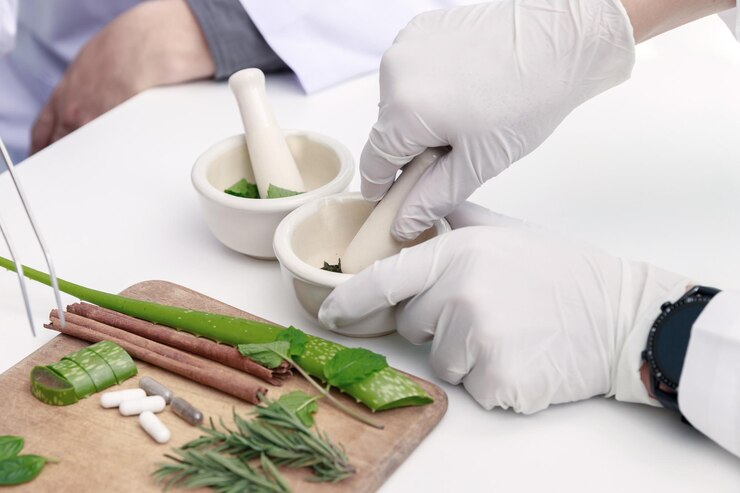
Diving into ancient Ayurvedic practices, we find a treasure trove of knowledge. These practices were rooted in holistic healing and well-being. Here's a glimpse into the rich world of Ayurvedic surgery, which dates back thousands of years.
-
Sushruta Samhita: This is one of the oldest texts in Ayurvedic medicine, attributed to the sage Sushruta. It describes over 300 surgical procedures and around 120 surgical instruments. Imagine the precision and care needed for such detailed work!
-
Types of Surgery: Ancient Ayurvedic surgery included procedures like rhinoplasty, cataract extraction, and even cesarean sections. These were done with a deep understanding of human anatomy and herbal anesthesia.
-
Herbal Anesthesia: Ayurveda relied on natural remedies to ease pain during surgery. Herbs like cannabis and wine were used to calm patients. This highlights Ayurveda's focus on using nature to heal.
-
Post-Surgery Care: Ayurveda stressed the importance of recovery. Special diets and herbal remedies were prescribed to ensure healing. This holistic approach is a key part of Ayurvedic surgical techniques.
These ancient practices showcase the depth and foresight of Ayurvedic medicine. They were innovative for their time and laid the groundwork for modern surgical methods.
Ayurvedic Surgical Techniques
Ayurvedic surgical techniques have a rich history dating back thousands of years. The ancient texts, particularly the Sushruta Samhita, describe over 300 surgical procedures and 120 surgical instruments. This highlights the advanced understanding of surgical practices in Ayurveda. Sushruta, often called the "father of surgery," detailed many of these techniques, showing how they were tailored to treat various ailments.
One common Ayurvedic surgical technique is the "Kshar Sutra" therapy. This method is primarily used to treat anal fistulas and involves the use of medicated threads. The threads are prepared with alkaline herbs and inserted into the fistula tract. Over time, this encourages healing and eradicates the tract. A study published in the Journal of Ayurveda and Integrative Medicine reports an 80% success rate for Kshar Sutra in treating fistulas, demonstrating its effectiveness.
Another technique is "Agni Karma," which involves the use of heat for therapeutic purposes. It is employed to treat conditions like arthritis and muscle pain. Heated metal rods are applied to specific points on the body, providing relief through controlled burns. This method reflects the holistic approach of Ayurvedic surgery, where balance and natural healing are prioritized.
Ayurvedic surgical techniques focus on minimal invasion and natural healing. They aim to restore balance in the body, using nature's own resources. This approach resonates with many modern patients seeking alternative treatments.

Modern Relevance of Ayurveda
Ayurveda, an ancient system of medicine, is finding its place in today's world. People are drawn to natural and holistic approaches, eager to explore what Ayurveda has to offer beyond just herbs and oils. It’s not just about the past; Ayurveda is integrating with modern healthcare, offering new perspectives on wellness and healing.
Many hospitals and clinics now offer Ayurvedic treatments alongside conventional medicine. This combination aims to treat the whole person, not just the symptoms. For instance, stress management programs might include Ayurvedic practices like yoga and meditation. These methods help in reducing stress and improving overall well-being.
In recent years, there's been a surge of interest in Ayurvedic diets. People want to eat according to their body types, known as doshas, to maintain balance and promote health. Ayurvedic nutrition emphasizes fresh, seasonal foods, which align with many modern dietary trends focusing on organic and local produce.
A key figure in promoting Ayurveda's relevance today is Dr. Deepak Chopra. He has brought attention to how Ayurveda can complement modern medicine. He once said,
"The way you think, the way you behave, the way you eat, can influence your life by 30 to 50 years."
- Deepak Chopra
His words highlight how lifestyle choices, a core principle of Ayurveda, affect our health.
Research is also supporting Ayurveda's benefits. Studies show Ayurvedic herbs like turmeric have anti-inflammatory properties. Such findings help in bridging the gap between traditional and modern science.
Yet, challenges remain. Standardizing treatments and ensuring quality are crucial for wider acceptance. Despite these hurdles, Ayurveda's focus on prevention and personalized care appeals to many seeking alternatives to conventional medicine. This ancient practice continues to evolve, adapting to the needs of the 21st century.
Future of Ayurveda in Surgery
The future for surgery in Ayurveda looks promising as more people seek holistic healthcare options. This ancient practice, with its roots deeply embedded in tradition, is slowly making its way into modern medical conversations. The blend of Ayurvedic surgical techniques with contemporary practices is creating a new wave of interest and acceptance.
Ayurveda's focus on balance and natural healing is drawing attention from those keen on integrative approaches. Researchers are exploring ancient Ayurvedic surgery methods to see how they can complement modern techniques. This fusion could lead to more personalized and effective treatments, offering patients a broader range of choices.
As awareness grows, the potential for Ayurveda in surgery continues to expand. There's a chance for a richer understanding of how these ancient methods can work alongside current medical practices. This collaboration might pave the way for innovative solutions that respect both the wisdom of the past and the advancements of today.
Feel inspired to explore more about Ayurveda and its evolving role in healthcare? Share your thoughts or experiences in the comments. You can also check out related articles to dive deeper into this fascinating world. Let's keep the conversation going and learn together about the possibilities Ayurveda holds for the future of surgery.
FAQ For Surgery
What is the role of surgery in Ayurveda?
Surgery in Ayurveda, known as "Shalya Tantra," is an ancient practice that integrates traditional healing methods with surgical procedures. It offers a holistic approach to treatment by addressing both physical and mental aspects of health.
How advanced were ancient Ayurvedic surgical practices?
Ancient Ayurvedic surgical practices were remarkably advanced for their time. They included a range of procedures such as rhinoplasty, cataract surgery, and even complex operations like tumor removal. These methods laid the foundation for many modern surgical techniques.
What are some specific Ayurvedic surgical techniques?
Ayurvedic surgical techniques often combined the use of herbal medicines and precise manual procedures. Techniques such as the use of "Ksharasutra" for treating fistulas and the "Jaluka" (leech therapy) for bloodletting are examples that continue to be relevant in some healing practices.
How does Ayurveda influence modern medical practices?
Ayurveda influences modern medicine by promoting a holistic view of health that includes physical, mental, and spiritual well-being. Its principles are increasingly being integrated into complementary and alternative medicine, inspiring a more comprehensive approach to healthcare.
What is the future of surgery in Ayurveda?
The future of surgery in Ayurveda holds the potential for blending ancient wisdom with modern technology. There is a growing interest in researching Ayurvedic practices and their integration into contemporary medical systems, potentially leading to innovative treatments.
Is Ayurvedic surgery still practiced today?
While not as prevalent as conventional surgery, some Ayurvedic surgical techniques are still practiced, particularly in regions where traditional medicine is more common. These practices are often used in conjunction with modern medical treatments for a holistic approach.
Can Ayurvedic surgery be combined with modern surgical techniques?
Yes, there is increasing interest in combining Ayurvedic surgery with modern techniques. This fusion aims to enhance patient care by utilizing the strengths of both systems, providing comprehensive treatment options that consider the patient's overall well-being.
आयुर्वेदिक डॉक्टर से एक प्रश्न पूछें और मुफ़्त या सशुल्क मोड में अपनी चिंता की समस्या पर ऑनलाइन परामर्श प्राप्त करें।
2,000 से अधिक अनुभवी डॉक्टर हमारी साइट पर काम करते हैं और आपके प्रश्नों की प्रतीक्षा करते हैं और प्रतिदिन उपयोगकर्ताओं को उनकी स्वास्थ्य समस्याओं को हल करने में मदद करते हैं।