आयुर्वेदिक डॉक्टर से प्रश्न पूछें और निःशुल्क या भुगतान मोड में अपनी चिंता की समस्या पर ऑनलाइन परामर्श प्राप्त करें। 2,000 से अधिक अनुभवी डॉक्टर हमारी साइट पर काम करते हैं और आपके प्रश्नों का इंतजार करते हैं और उपयोगकर्ताओं को उनकी स्वास्थ्य समस्याओं को हल करने में प्रतिदिन मदद करते हैं।


Body DetoxEar, Nose, and Throat DisordersGeriatrics & RejuvenationImmunodeficiencyInfertility TreatmentNutritionOrthopedic DisordersPediatricsRespiratory DisordersSexually Transmitted Diseases (STDs)Surgery RecoveryUrological DisordersVascular DisordersDental DisordersEndocrinological DisordersGastrointestinal DisordersYoga TherapyGeneral MedicineAllergic DisordersCardio DisordersGynecology and ObstetricsCosmetologySkin and Hair DisordersEye DisordersInfectious DiseasesMental DisordersNeurological DisordersOncologyPanchakarmaSexual Health & DisordersSports Medicine
पर प्रकाशित 05/02/25
(को अपडेट 08/09/26)
star_border 5
3,388
Ayurvedic Medicine for Hyperthyroidism: A Real Look at Natural Healing

Introduction
Hyperthyroidism. Honestly, it’s one of those medical conditions that sounds more complicated than it feels—until you're the one dealing with it. Your body is buzzing, you're sweating when it's chilly, your heart races over nothing, and that weight you keep losing? It's not the good kind.
And look, if you're reading this, there's a fair chance you've either been diagnosed or you're worried you might be. Maybe you've already gone down the rabbit hole of synthetic meds, radioactive iodine talk, or even surgery. It's all a bit overwhelming, isn’t it?
That’s where Ayurvedic medicine for hyperthyroidism comes in. Not as a miracle cure—but as a real, grounded system that looks at your whole self. Not just the overactive thyroid gland freaking out in your neck. We're talking lifestyle, food, mental state, gut health, sleep patterns—the whole messy, beautiful human experience.
Ayurveda doesn’t treat a “thyroid problem.” It treats you. And yeah, that sounds a little poetic. But in practice, it means the approach is slower, deeper, more intimate. It's not one-size-fits-all. It can feel annoyingly vague at first, but once it clicks, it makes a kind of organic sense.
Over the next sections, I’ll walk you through what Ayurvedic medicine for hyperthyroidism actually is, what herbs and therapies are used, what science says about it (yes, actual science), and even some stories from real people. You’ll get the full picture—not just the Instagram-filtered version.
Because if you’re here looking for something more natural, more sustainable, more you-centered, you're in the right place.
Let’s start at the beginning.
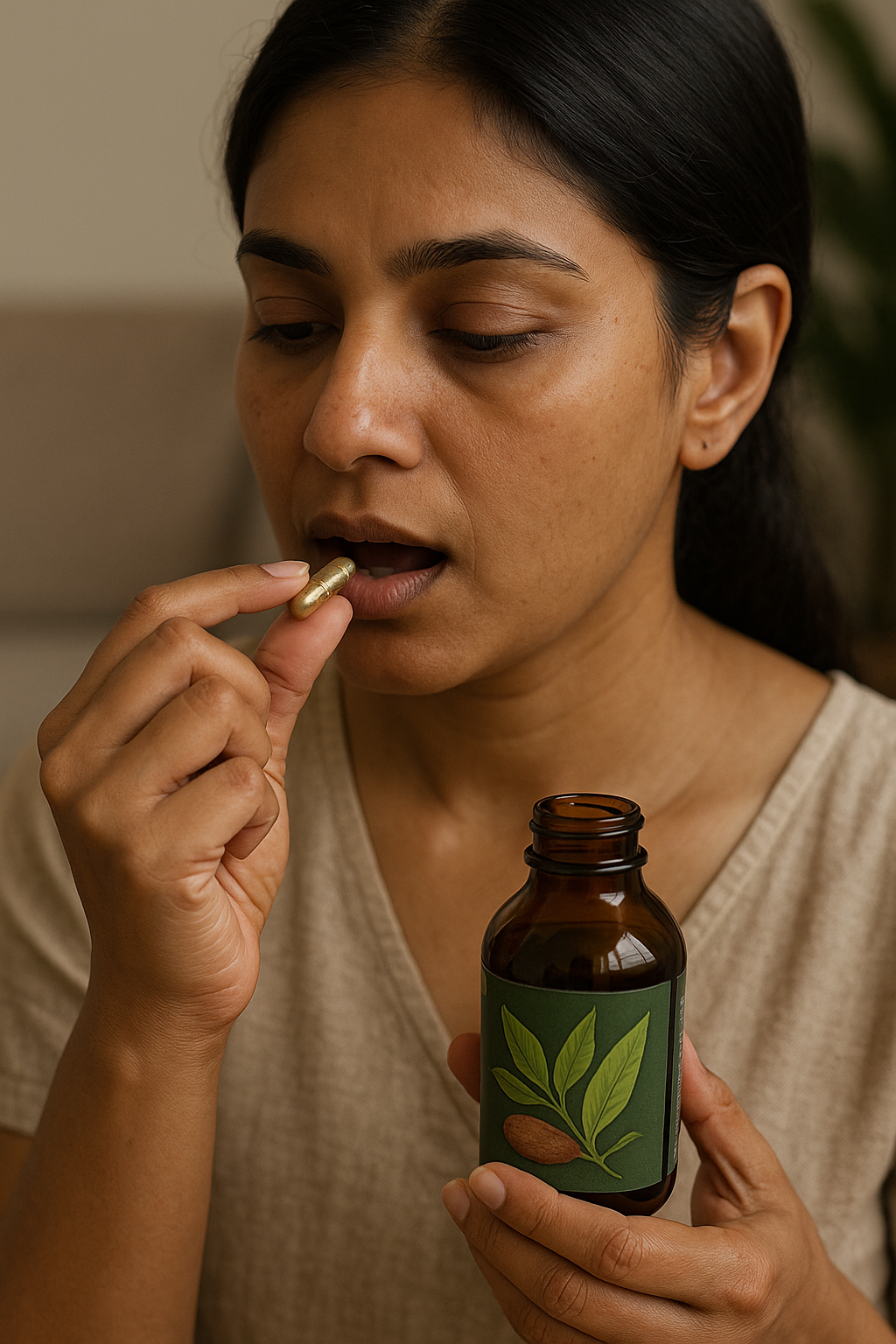
What is Ayurvedic Medicine for Hyperthyroidism?
Hyperthyroidism is such a modern-sounding word, isn’t it? Like it belongs in a lab. But the body imbalance it describes—excess heat, overactive energy, unstable digestion, nervous agitation—Ayurveda has been observing and addressing that for thousands of years. It just called it something different.
Definition and Origin of Ayurvedic Medicine for Hyperthyroidism
Okay, so here's the thing: Ayurveda doesn’t have a direct Sanskrit equivalent for "hyperthyroidism." That doesn't mean it doesn't know what it is. Instead, it understands this condition through the lens of dosha imbalance—mainly Pitta (fire) and sometimes Vata (air/ether).
Ayurvedic medicine for hyperthyroidism focuses on pacifying these over-agitated energies. The whole system is about balance—so instead of zapping the thyroid into silence (like Western treatments often do), Ayurveda aims to soothe the internal storm. It looks at hyperthyroidism as a symptom of deeper disharmony in digestion (Agni), stress response (Prana), and immunity (Ojas).
And it does so with personalized herbal remedies, diet modifications, detox practices like Panchakarma, and calming routines—like actual rituals for your nervous system.
Historical Use of These Remedies in Ayurveda
Historically, plants like Brahmi, Ashwagandha, Kanchanar Guggulu, and Shankhpushpi were never labeled as “thyroid-supportive.” But they’ve long been used for calming heat, boosting resilience, and regulating metabolism. So even if the ancients didn’t name the thyroid, they were absolutely treating it.
In fact, Ayurvedic texts like the Charaka Samhita and Ashtanga Hridaya describe conditions that sound eerily similar to hyperthyroidism—racing heart, anxiety, irregular digestion, weight loss, insomnia—and prescribe herbs that today’s research also recognizes as thyroid modulators.
Cultivation and Harvesting Details
Let’s talk herbs for a second—because where they come from and how they’re grown? It matters.
Take Kanchanar, for example. It’s a flowering tree found in the Himalayan foothills. The bark is used for its astringent and detoxifying properties. But it’s not just about what you use—it’s when and how you harvest it. Ayurveda emphasizes lunar cycles, soil energy, even the mood of the harvester. I know it sounds a little woo-woo, but there's something sacred about medicine that knows its roots.
Or Ashwagandha—grown primarily in dry regions of India. The roots must be aged, sun-dried, and sometimes fermented slightly for potency. A rushed or poorly stored batch? Basically useless.
So Ayurvedic medicine for hyperthyroidism isn’t just about buying a pill labeled “natural.” It’s about the whole life story of the plant you’re putting in your body.
And I kind of love that.
Key Components and Active Substances in Ayurvedic Medicine for Hyperthyroidism
Chemical Composition and Active Ingredients
Let’s break this down. The Ayurvedic approach to hyperthyroidism involves a cast of herbal characters—each with its own chemical quirks. These herbs aren’t just dried leaves and twigs. They’re chemical factories.
Ashwagandha, for instance, is famous for its withanolides—these steroidal lactones that are adaptogenic (a fancy word for "they help your body handle stress"). For someone with hyperthyroidism, who’s often stuck in overdrive, this is gold. It gently nudges the body toward calm, without forcing it into a corner.
Kanchanar Guggulu, another big player, combines the resin Guggul with Kanchanar bark, Triphala, and Trikatu. Guggul alone contains guggulsterones, which have been studied for their thyroid-modulating and lipid-lowering effects. Pretty wild how something that oozes out of a tree can help regulate your metabolism.
Then there’s Brahmi—loaded with bacosides that enhance cognition and reduce anxiety. And Shankhpushpi, which supports mental clarity and sleep.
Honestly, half of these names sound like something out of a fantasy novel, but they're real—and backed by ancient texts and modern research.
How These Components Affect the Body
Here’s where things get interesting. Most synthetic treatments for hyperthyroidism aim to block thyroid hormone production or destroy thyroid tissue altogether. Ayurveda? Not so much. It wants to calm the system—not silence it.
The active ingredients in these herbs work synergistically. Ashwagandha helps balance cortisol and thyroid hormone levels. Kanchanar Guggulu aids lymphatic drainage and detox, potentially reducing thyroid swelling (think: goiters). Brahmi and Shankhpushpi soothe the nervous system, which tends to be in hyper-alert mode in thyroid disorders.
Instead of suppressing the thyroid, Ayurvedic medicine aims to support the body’s innate intelligence. It believes the body wants to heal—sometimes it just needs help remembering how.
Comparison with Similar Ayurvedic Remedies
Now, not all Ayurvedic remedies are created equal for hyperthyroidism.
For instance, Triphala is an all-star detox formula, but it’s more general-purpose. Great for digestion and mild cleansing, but not targeted.
Punarnava is another herb often confused as thyroid-friendly. While it’s excellent for fluid retention and kidney health, it doesn’t directly regulate the thyroid.
Kanchanar Guggulu, in contrast, is specifically indicated in glandular swellings and metabolic imbalances. It’s one of the few classical Ayurvedic formulas that could be considered “thyroid-targeted.”
So yeah, knowing the difference matters.
Health Benefits and Therapeutic Uses of Ayurvedic Medicine for Hyperthyroidism
Physical Health Benefits
Let’s be real. When hyperthyroidism hits, your body feels hijacked. You're tired but wired, hungry but losing weight, active but shaky. Ayurvedic medicine for hyperthyroidism steps in with herbs that bring a grounding, stabilizing energy.
Physically, these remedies can help:
-
Reduce heart palpitations — especially with calming agents like Brahmi and Jatamansi.
-
Normalize weight — not by “slowing” the metabolism, but by reducing overactivity and improving nutrient assimilation.
-
Relieve tremors and muscle weakness — thanks to herbs like Ashwagandha and Bala.
-
Improve digestion — which gets erratic in thyroid disorders.
Some people also notice clearer skin, better sleep, and less hair loss. It’s not overnight, but it’s legit.
Mental and Emotional Health Benefits
Here's something I don’t think we talk about enough: how hyperthyroidism messes with your mind.
Anxiety, irritability, brain fog—it’s like someone cranked the internal volume knob and threw away the remote.
Ayurvedic herbs for hyperthyroidism don’t just support the gland. They nourish the nervous system. Brahmi, Shankhpushpi, and Jatamansi are especially famous for this. They help you feel like you again.
Some of my friends using these say they feel “more in their body.” Less reactive. More grounded. That's a big deal.
Most Effective Use Cases
Ayurvedic medicine works best when:
-
Hyperthyroidism is in early or moderate stages.
-
You're dealing with subclinical symptoms—the ones that don't always show up on labs but you feel them.
-
You want to complement allopathic treatment, not replace it entirely.
-
You’re interested in long-term management, not quick fixes.
It's not magic. But in the right hands, with the right approach? It’s powerful.
Use in Integrated Ayurvedic Therapy
Standalone herbs are helpful, but the real magic happens when you go full-Ayurveda.
That means:
-
Diet tweaks (cooling, calming foods)
-
Abhyanga (warm oil massage to settle Vata)
-
Pranayama (breathwork for nervous system reset)
-
Shirodhara (warm oil drip on the forehead—sounds weird, feels amazing)
Integrated therapy brings in body, mind, and spirit. And for something as complex as thyroid imbalance? That level of depth is often necessary.
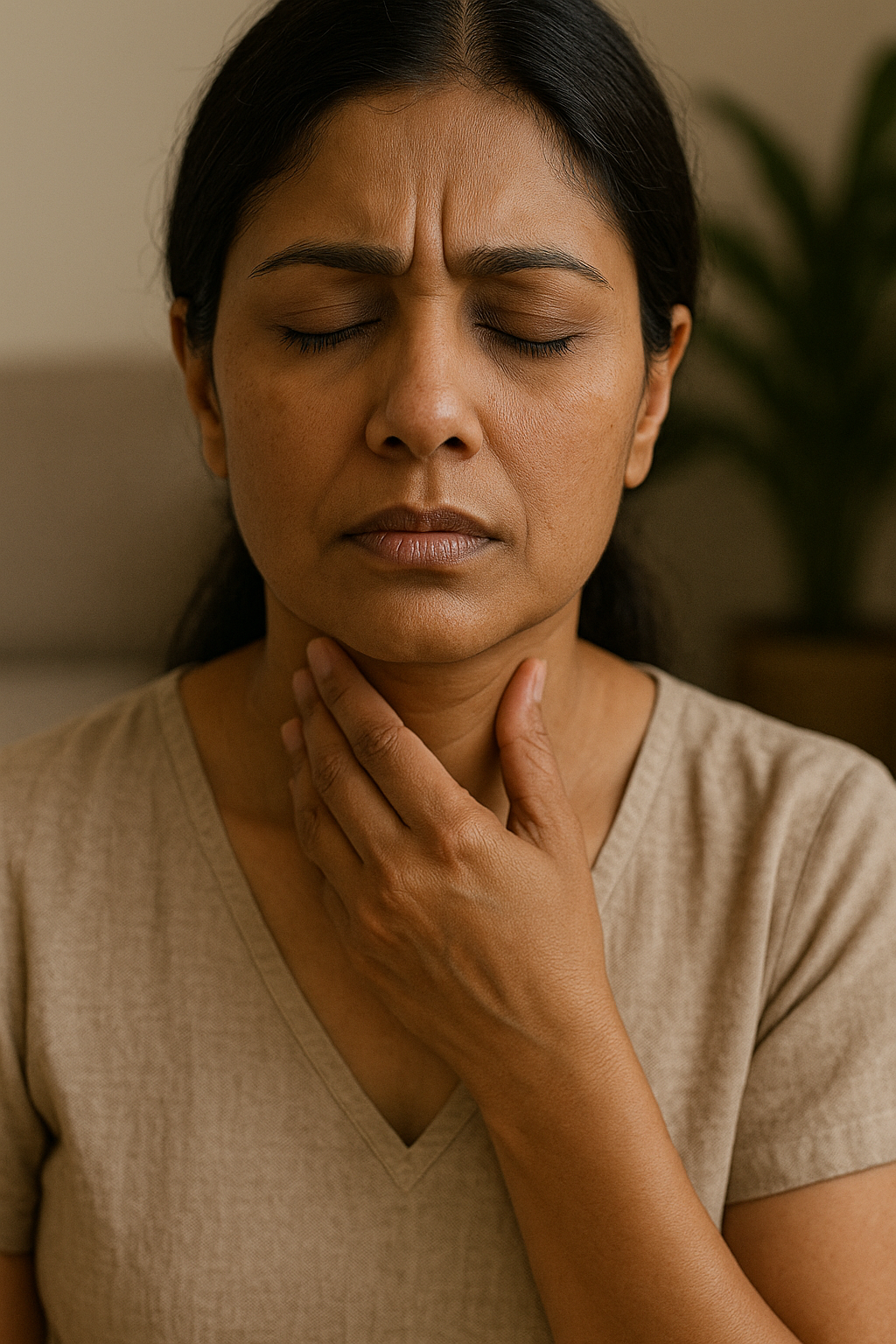
Indications and Contraindications of Ayurvedic Medicine for Hyperthyroidism
When It’s Recommended
So, who should consider Ayurvedic medicine for hyperthyroidism?
-
If you’re in the early stages of the condition.
-
If you’re experiencing mild to moderate symptoms like anxiety, weight loss, or menstrual irregularities.
-
If you’ve had bad reactions to synthetic meds.
-
If you believe in mind-body healing or want a more holistic approach.
-
Or even if you're on allopathic meds and want supportive therapy to reduce side effects.
Honestly, Ayurveda isn’t about replacing your endocrinologist. It’s about enhancing your resilience.
Possible Side Effects and Contraindications
Now, let’s not pretend it’s all sunshine and tulsi tea.
Some herbs can interact with other meds or cause reactions if not prescribed correctly. For example:
-
Guggulu can be irritating to people with gastritis or ulcers.
-
Ashwagandha might not suit people with high iron levels or severe anxiety with heat symptoms.
-
Overuse of Trikatu (black pepper, long pepper, ginger) can dry you out.
Always consult an experienced Ayurvedic practitioner. Your body isn’t a Pinterest board—it needs nuance.
Restrictions Based on Age, Health Status, or Drug Interactions
Children? Generally, no—Ayurvedic herbs for hyperthyroidism aren’t tested enough in pediatric cases.
Pregnant or breastfeeding? Very limited options—some herbs can be contraindicated entirely.
Already on levothyroxine or methimazole? You must get guidance. Combining herbs like Kanchanar Guggulu with strong meds can shift hormone levels more than expected.
Bottom line: Ayurveda is natural, but not casual. Take it seriously.
स्वयं दवा न लें और प्रतीक्षा न करें। अभी डॉक्टर से चैट शुरू करें
How to Properly Use Ayurvedic Medicine for Hyperthyroidism
Recommended Forms and Dosages
Most people go for:
-
Tablets or capsules (Kanchanar Guggulu, Ashwagandha)
-
Powders (churna) – usually mixed with warm water or ghee
-
Teas or decoctions (kashayam) – especially calming blends with Brahmi or Jatamansi
Dosages vary wildly based on the person. But a typical adult might take 1–2 tablets, twice daily, after meals. Still, this isn’t a DIY thing. Get it tailored.
Best Time to Take It / Dosage Schedule
-
Morning and evening are most common—after meals.
-
Calming herbs like Brahmi or Jatamansi may be best in the evening, to aid sleep.
-
Some treatments are done in phases—a detox cycle (Shodhana), followed by a toning phase (Rasayana).
And always, always—take herbs with warm water or ghee, unless directed otherwise. It enhances absorption and softens the impact on digestion.
Recipes and Practical Advice
Here’s a super simple one:
Thyroid-Calm Tea
-
1/2 tsp Brahmi powder
-
1/4 tsp licorice root
-
A pinch of fennel
-
Steep in hot water, strain, drink warm
It’s not going to fix your thyroid overnight. But drink this daily for a few weeks, and you'll notice the shift.
Also: self-abhyanga (warm oil massage with sesame or coconut oil) before a bath? Game changer for nervous exhaustion.
Success Stories and Real-Life Examples (Case Studies)
You know what's more convincing than science sometimes? Stories. Real people, real struggles, real wins.
Case 1: The Burned-Out Architect
Meet Priya, 34, a high-energy architect in Mumbai. She was juggling three big projects, skipping meals, barely sleeping. Then came the weight loss, the palpitations, the hand tremors. Diagnosis? Hyperthyroidism.
Instead of jumping straight into antithyroid meds, she tried a 3-month Ayurvedic program with a local Vaidya. Kanchanar Guggulu twice a day. Brahmi at night. A strict no-spicy-foods diet. Daily oil massage. She hated the routine at first—who has time to rub sesame oil on their legs for 15 minutes every morning?
But... things shifted. Sleep improved. She stopped feeling like her body was racing ahead of her mind. Labs? Stabilized. Her endocrinologist was surprised, and yes, a little skeptical. But it worked—for her.
Case 2: The Overmedicated Mom
Sandra, 46, in Boston, was already on methimazole for 2 years. It was helping—but slowly. And her liver enzymes were not happy. Plus, she felt constantly tired and moody.
She started seeing an Ayurvedic coach who added Ashwagandha, minor Panchakarma sessions, and encouraged her to quit coffee (a small tragedy, but she managed). Three months in, her fatigue lifted. She stayed on a lower dose of her meds, but her doctor approved. “I feel like me again,” she told me in an email.
This isn’t snake oil. It’s just... another way.
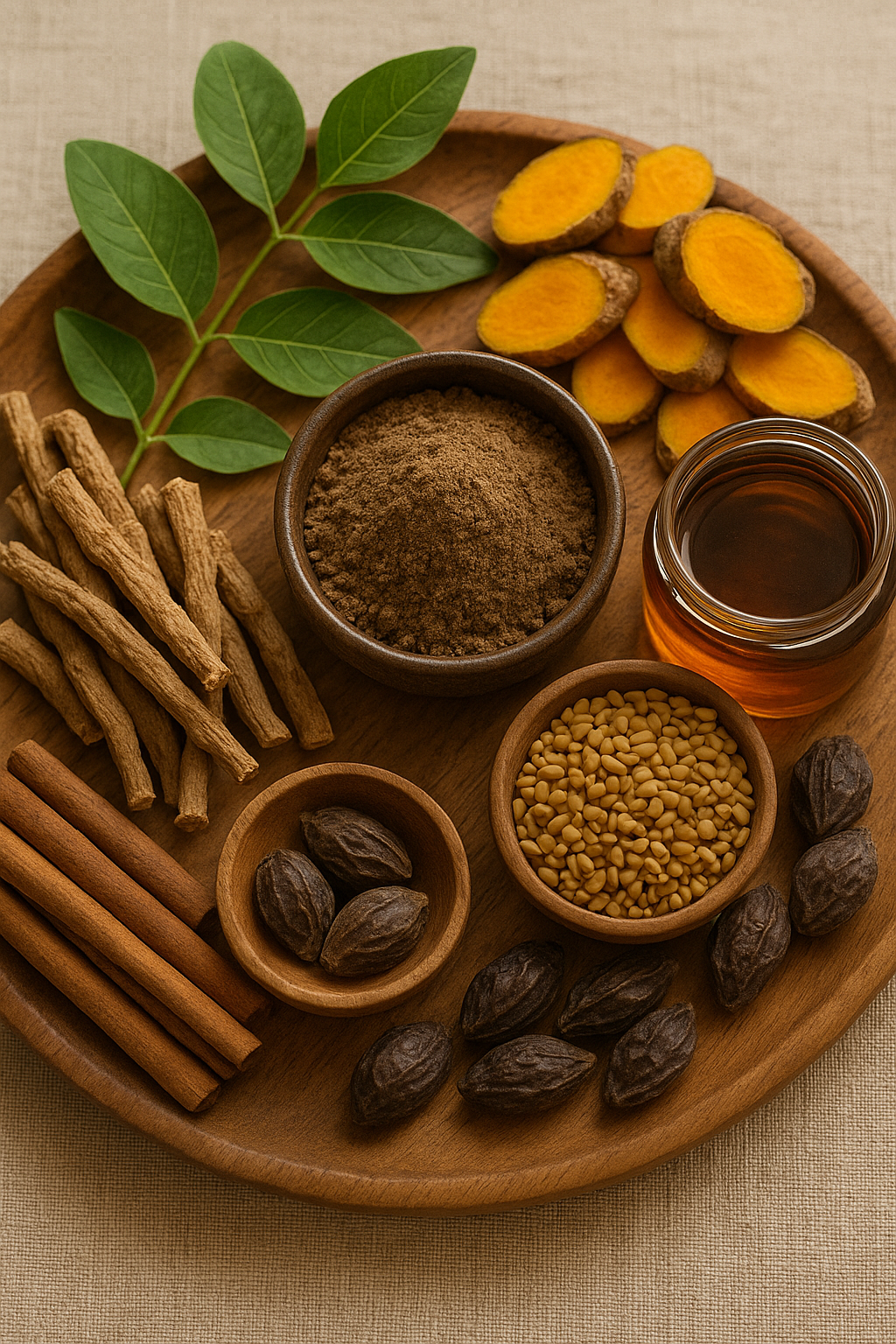
Scientific Research and Evidence of Effectiveness
Clinical Studies Supporting Ayurvedic Treatment
Now, let’s not pretend Ayurveda exists in a vacuum. There’s science—though it’s still catching up.
Several small studies have explored the role of Ashwagandha in regulating thyroid hormones, especially T3 and T4. A 2018 study published in the Journal of Alternative and Complementary Medicine found that Ashwagandha root extract helped normalize thyroid levels in subclinical hypothyroid patients. It’s a bit of a reverse situation—but still highlights the herb’s thyroid-modulating effect.
Kanchanar Guggulu has shown promise in animal studies for reducing goiter and balancing thyroid hormone levels, particularly when paired with detoxifying herbs.
Brahmi and Jatamansi have been studied for their impact on anxiety, sleep, and cognition—major symptoms in hyperthyroidism. The calming, adaptogenic profile of these herbs is well documented, even if the exact thyroid mechanism isn’t fully mapped yet.
Medical Journals and Sources
Look, not every Vaidya will quote PubMed. But for those who want the receipts:
-
Journal of Ayurveda and Integrative Medicine
-
Alternative Therapies in Health and Medicine
-
Indian Journal of Endocrinology and Metabolism
-
Evidence-Based Complementary and Alternative Medicine (eCAM)
These journals regularly feature studies on herbs like Ashwagandha, Guggul, and more.
Comparison with Conventional Medicine
Here’s where it gets tricky.
Allopathic medicine tends to go for the jugular—literally, sometimes. Antithyroid meds like methimazole are effective, but come with liver risks, fatigue, and dependency. Radioactive iodine therapy works—but it usually ends with lifelong hypothyroidism and dependence on hormone replacements.
Ayurveda moves slower. It’s gentler. It may not “cure” you in the Western sense. But it often brings lasting balance, fewer side effects, and better overall well-being.
So... what’s better? Honestly? Depends on the person. And the timeline. And their tolerance for uncertainty. That’s medicine. That’s life.
Conclusion
So there you have it.
Ayurvedic medicine for hyperthyroidism isn’t a quick fix. It’s not a magical detox tea or a viral superfood. It’s a system—one that looks at your body as a community of energies, not just a lab report.
It offers you herbs like Kanchanar Guggulu, Ashwagandha, and Brahmi. Practices like Abhyanga, diet tuning, and mindful daily rhythms. A language of healing that feels less mechanical, more intuitive.
Is it perfect? No. Is it backed by double-blind trials? Not always. But it’s time-tested, deeply holistic, and for many—life-changing.
If you’re curious, cautious, or just plain frustrated with your current options, it might be worth exploring.
👉 Get personalized advice about Ayurvedic medicine for hyperthyroidism
A real practitioner. Real time. Real you.
Frequently Asked Questions (FAQ)
1. Can Ayurveda completely cure hyperthyroidism?
No blanket cures here. Ayurveda focuses on balancing the body rather than erasing a disease. For some, that means full remission. For others, better management. Always consult both your doctor and an Ayurvedic practitioner.
2. How long does it take for Ayurvedic treatment to show results?
Patience is key. Some feel better within weeks; others take 3–6 months. It depends on your constitution, condition, and commitment.
3. Can I use Ayurvedic medicine alongside allopathic treatment?
Yes—but only under guidance. Herbs can interact with meds. Don’t DIY this. Work with both types of professionals if you can.
4. Are there diet restrictions in Ayurvedic treatment for hyperthyroidism?
Absolutely. Ayurveda often recommends avoiding spicy, fried, acidic, and stimulant-rich foods. Think cooling, grounding meals—like khichdi, ghee, herbal teas.
5. Is Panchakarma necessary for treating hyperthyroidism?
Not always, but it can help. Panchakarma is a deep detox and reset protocol. If your condition is chronic or toxin-related, it may be suggested.
References
Here are some authoritative sources you can explore:
-
National Center for Complementary and Integrative Health (NCCIH) -
Ministry of AYUSH, Government of India -
PubMed -
World Health Organization (WHO)
उपयोगकर्ताओं के प्रश्न
What are the signs that my metabolism is improving with Ayurveda?
Client_78038c
4 दिनों पहले
Signs that your metabolism is improving through Ayurvedic practices can include increased energy levels, better digestion, stable mood and mental clarity, gradual and consistent weight loss or maintenance, and improved skin and hair health. These changes often occur gradually over weeks or months. Practices such as improved diet, regular exercise, and stress management through mindfulness and Abhyanga (oil massage) are commonly part of this approach. If you experience adverse symptoms or no improvement after several months, consider consulting with a healthcare professional to rule out underlying conditions.
How long does it take to see results from Kanchanar Guggulu?
Client_3d7e9c
9 दिनों पहले
Results from Kanchanar Guggulu, an Ayurvedic herbal supplement, can vary significantly depending on individual health conditions and goals. Some people may notice improvements, such as better energy and sleep, within a few weeks, while for others, it might take 3 to 6 months or longer. It's essential to monitor any side effects and consult a healthcare provider, especially if you have underlying health issues or if you don't see expected results within a reasonable timeframe. Ayurveda emphasizes a holistic, slower approach, so patience and regular medical supervision are key.
What role do detox practices play in managing hyperthyroidism symptoms?
Client_fe9b73
14 दिनों पहले
Detox practices like Panchakarma may have a supportive role in managing hyperthyroidism symptoms by aiming to balance the body's internal systems such as digestion and stress response. However, scientific evidence directly linking detox treatments to improved hyperthyroidism outcomes is limited. Lifestyle changes, proper medication, and diet modifications are crucial for managing symptoms. Consult an endocrinologist for personalized treatment and regular monitoring of thyroid levels. If you experience worsening symptoms, immediate medical attention is advised.
How does stress management influence hyperthyroidism symptoms?
Client_9f6afb
19 दिनों पहले
Effectively managing stress can positively influence hyperthyroidism symptoms by reducing anxiety, irritability, and brain fog, which are common due to the condition's impact on the nervous system. Stress management techniques such as mindfulness, yoga, and cognitive-behavioral therapy may help regulate these symptoms. Results can vary; some see improvements within weeks, while others might need longer. If hyperthyroidism symptoms worsen or persist despite managing stress, consult a doctor for comprehensive treatment options.
What lifestyle changes can support hyperthyroidism management alongside Ayurveda?
Client_c8da79
29 दिनों पहले
To support hyperthyroidism management, focus on a balanced diet, regular exercise, and stress reduction techniques. Consuming foods rich in calcium and vitamin D can help counteract bone loss. Regular exercise, like walking or yoga, can boost overall well-being and reduce anxiety. Stress management, through techniques such as meditation, can positively impact thyroid function. Monitor symptoms, as severe cases can lead to complications if untreated. Consulting a healthcare provider is important if symptoms persist or worsen. Ayurveda suggests practices like meditation but should be complementary to medical treatment.
How do diet changes impact hyperthyroidism symptoms in Ayurveda?
Client_432228
39 दिनों पहले
Diet changes may help manage hyperthyroidism symptoms, but they should be part of a comprehensive treatment plan. For hyperthyroidism, reducing foods high in iodine, such as seafood and iodized salt, can potentially be beneficial, as excess iodine can exacerbate symptoms. Emphasize whole grains, fruits, and vegetables to support a balanced metabolism. While Ayurveda might suggest specific herbs for metabolic balance, any significant dietary changes should be discussed with a healthcare provider to ensure they complement your overall treatment strategy. If symptoms persist or worsen, it is crucial to see a doctor for tailored medical advice.
Is it beneficial to consult an Ayurvedic practitioner regularly for thyroid management?
Client_a93c90
49 दिनों पहले
Consulting an Ayurvedic practitioner can be beneficial for thyroid management as part of a holistic health plan, but it should not replace conventional medical treatment. Ayurveda may offer dietary advice, herbal supplements, and lifestyle changes that could support thyroid health. However, the effectiveness can vary and scientific evidence is limited. Regular monitoring by a healthcare professional is essential, especially for individuals with conditions like hypothyroidism or hyperthyroidism. Always consult a doctor before making changes to your treatment plan.
How can Abhyanga support overall well-being for hyperthyroidism patients?
Client_4e4cc7
58 दिनों पहले
Abhyanga, a form of Ayurvedic self-massage using warm oil, may help improve overall well-being for hyperthyroidism patients by promoting relaxation and reducing stress levels. Reducing stress can be beneficial for managing hyperthyroidism, as stress can exacerbate symptoms. Consistency is key, so performing Abhyanga regularly, such as daily or several times a week, can enhance its effects. However, it's crucial to consult with a healthcare provider to ensure it's appropriate for your condition, as hyperthyroidism requires comprehensive management.
Can I take antithyroid medications while using Ayurvedic treatments?
Client_93d471
68 दिनों पहले
You can use antithyroid meds with Ayurvedic treatments, but it should be under guidance of a healthcare proffessional who understands both systems. Methimazole is strong but has side effects, while Ayurveda takes time & might help with a more balanced approach. Keep an eye on your body's signals and consult with your doctors regularly.
What is Kanchanar Guggulu and how does it help with thyroid health?
Client_9a0f73
78 दिनों पहले
Kanchanar Guggulu is an ayurvedic formula that helps with thyroid health by reducing goiter and balancing thyroid hormone levels. It's primarily used for detoxification and addressing kapha dosha imbalances, which can contribute to thyroid issues. Pairing it with detoxifying herbs enhances its effect. If you've got specific conditions, it's a good idea to talk to an ayurvedic practitioner, cause they can best guide you based on your unique needs.
संबंधित आलेख

Endocrinological Disorders
Ayurvedic Treatment for Hyperthyroidism: A Deep Dive That’s Not Just About Herbs
Let’s talk about something that’s quietly wreaking havoc in people’s lives: hyperthyroidism. You know, that overachieving thyroid gland pumping out hormones like it’s training for an Olympic event. Palpitations, unexpected weight loss (which isn’t always
4,128

Endocrinological Disorders
Hyperthyroidism Ayurveda: What You’ve Probably Overlooked About Your Overactive Thyroid
Hyperthyroidism — simply put — is when your thyroid gland (a tiny butterfly-shaped thing in your neck) starts producing way more hormones than your body actually needs. It’s like your internal thermostat is stuck on “overheat.” But while conventional medi
2,341

Endocrinological Disorders
Hyperthyroidism Ayurvedic Medicine: Ancient Wisdom for a Modern Hormonal Storm
Hyperthyroidism is one of those things you don’t really think about until your body starts acting like it drank three espressos too many. Racing heartbeat, unexplained weight loss, shaky hands, that weird, restless energy that feels like anxiety but doesn
3,007

Endocrinological Disorders
Endocrine System
In the human physical body, the endocrine system plays a major role in the healthy body’s daily life.
3,081

Endocrinological Disorders
How to Get Rid of a UTI in 24 Hours: Ayurvedic Tips for Fast Relief
Learn how to get rid of a UTI in 24 hours using Ayurvedic herbs, hydration tips, and safe natural remedies. Stop discomfort quickly and effectively. Discover which herbs support urinary health
3,230

Endocrinological Disorders
Liv 52 Syrup or Tablet: Which Is Better for Liver Support?
Liv 52 syrup or tablet — which is better? Explore the uses, benefits, side effects, and differences between Liv 52 syrup vs tablet for liver care in Ayurveda
26,691

Endocrinological Disorders
What Are the First Signs of Kidney Stones: Early Symptoms and Ayurvedic Understanding
What are the first signs of kidney stones? Discover early symptoms, how to recognize the beginning stages, and Ayurvedic insights into kidney stone prevention and relief
2,432

Endocrinological Disorders
Hyponidd Tablet
Exploration of Hyponidd Tablet
6,825

Endocrinological Disorders
Which Juice Is Good for Liver: Detox, Healing, and Ayurvedic View
Which juice is good for liver health? Learn the best juices for liver detox, problems, and overall wellness. Discover fruit juices and Ayurvedic tips
7,767

Endocrinological Disorders
How to Prevent Kidney Stones: Ayurvedic Practices, Diet, and Lifestyle Tips
How to prevent kidney stones? Explore Ayurvedic diet tips, foods to avoid, natural remedies, and supplements that help prevent kidney stone formation and recurrence
2,701
विषय से संबंधित परामर्श
अतिरिक्त दस्तावेज़
© 2024 Ask Ayurveda. सर्वाधिकार सुरक्षित।