Our Team of Ayurvedic Experts
Convenient search allows you to find good specialists based on the following parameters: doctor’s rating, work experience, patient reviews, specialization, academic degree, and online presence.
On the page, you can get an individual consultation with a doctor. Many doctors provide online consultations in a consilium format (questions and answers from multiple doctors).
Currently online
With reviews only
Ayurvedic doctors
6
Consultations:

Dr. Ayush Varma
star_border
4.95
531,474
20 reviews
I am an Ayurvedic physician with an MD from AIIMS—yeah, the 2008 batch. That time kinda shaped everything for me... learning at that level really forces you to think deeper, not just follow protocol. Now, with 15+ years in this field, I mostly work with chronic stuff—autoimmune issues, gut-related problems, metabolic syndrome... those complex cases where symptoms overlap n patients usually end up confused after years of going in circles. I don’t rush to treat symptoms—I try to dig into what’s actually causing the system to go off-track. I guess that’s where my training really helps, especially when blending classical Ayurveda with updated diagnostics.
I did get certified in Panchakarma & Rasayana therapy, which I use quite a lot—especially in cases where tissue-level nourishment or deep detox is needed. Rasayana has this underrated role in post-illness recovery n immune stabilization, which most people miss.
I’m pretty active in clinical research too—not a full-time academic or anything, but I’ve contributed to studies on how Ayurveda helps manage diabetes, immunity burnout, stress dysregulation, things like that. It’s been important for me to keep a foot in that evidence-based space—not just because of credibility but because it keeps me from becoming too rigid in practice.
I also get invited to speak at wellness events n some integrative health conferences—sharing ideas around patient-centered treatment models or chronic care via Ayurvedic frameworks. I practice full-time at a wellness centre that’s serious about Ayurveda—not just the spa kind—but real, protocol-driven, yet personalised medicine. Most of my patients come to me after trying a lot of other options, which makes trust-building a huge part of what I do every single day.

Dr. M.Sushma
star_border
5
235,983
742 reviews
I am Dr. Sushma M and yeah, I’ve been in Ayurveda for over 20 yrs now—honestly still learning from it every day. I mostly work with preventive care, diet logic, and prakriti-based guidance. I mean, why wait for full-blown disease when your body’s been whispering for years, right? I’m kinda obsessed with that early correction part—spotting vata-pitta-kapha imbalances before they spiral into something deeper. Most ppl don’t realize how much power food timing, digestion rhythm, & basic routine actually have… until they shift it.
Alongside all that classical Ayurveda, I also use energy medicine & color therapy—those subtle layers matter too, esp when someone’s dealing with long-term fatigue or emotional heaviness. These things help reconnect not just the body, but the inner self too. Some ppl are skeptical at first—but when you treat *beyond* the doshas, they feel it. And I don’t force anything… I just kinda match what fits their nature.
I usually take time understanding a person’s prakriti—not just from pulse or skin or tongue—but how they react to stress, sleep patterns, their relationship with food. That whole package tells the story. I don’t do textbook treatment lines—I build a plan that adjusts *with* the person, not on top of them.
Over the years, watching patients slowly return to their baseline harmony—that's what keeps me in it. I’ve seen folks come in feeling lost in symptoms no one explained… and then walk out weeks later understanding their body better than they ever did. That, to me, is healing. Not chasing symptoms, but restoring rhythm.
I believe true care doesn’t look rushed, or mechanical. It listens, observes, tweaks gently. That's the kind of Ayurveda I try to practice—not loud, but deeply rooted.
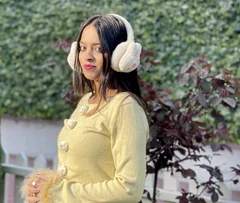
Dr. Maitri Bhavesh Kumar Acharya
star_border
5
4,419
604 reviews
I am Dr. Maitri, currently in my 2nd year of MD in Dravyaguna, and yeah, I run my own Ayurvedic clinic in Ranoli where I’ve been seeing patients for 2 years now. Honestly, what pulled me into this path deeper is how powerful herbs really are—when used right. Not just randomly mixing churnas but actually understanding their rasa, virya, vipaka etc. That’s kinda my zone, where textbook knowledge meets day-to-day case handling.
My practice revolves around helping people with PCOD, acne, dandruff, back pain, stiffness in knees or joints that never seem to go away. And I don’t jump to giving a long list of medicines straight away—first I spend time figuring out their prakriti, their habits, food cycle, what triggers what… basically all the small stuff that gets missed. Then comes the plan—herbs (single or compound), some diet reshuffling, and always some lifestyle nudges. Sometimes they’re tiny, like sleep timing. Sometimes big like proper seasonal detox.
Being into Dravyaguna helps me get into the depth of herbs more confidently. I don’t just look at the symptom—I think okay what guna will counter this? Should the drug be snigdha, ushna, tikta? Is there a reverse vipaka that’ll hurt the agni? I ask these questions before writing any combo. That’s made a huge diff in outcomes. Like I had this case of chronic urticaria that would flare up every week, and just tweaking the herbs based on sheetala vs ushna nature... helped calm the system in 3 weeks flat. Not magic, just logic.
I also work with women who are struggling with hormonal swings, mood, delayed periods or even unexplained breakouts. When hormones go haywire, the skin shows, digestion slows, and mind gets foggy too. I keep my approach full-circle—cleansing, balancing, rejuvenating. No quick fixes, I tell them early on.
What I’m hoping to do more of now is make Ayurveda feel practical. Not overwhelming. Just simple tools—ahara, vihara, aushadha—used consistently, with some trust in the body’s own healing. I’m still learning, still refining, but honestly, seeing people feel in control of their health again—that’s what keeps me rooted to this.

Dr. Hemanshu Mehta
star_border
5
2,182
241 reviews
I am Dr. Hemanshu—right now a 2nd year MD scholar in Shalya Tantra, which basically means I’m training deep into the surgical side of Ayurveda. Not just cutting and stitching, btw, but the whole spectrum of para-surgical tools like Agnikarma, Viddhakarma, and Kshara Karma... these aren’t just traditional, they’re super precise when done right. I’m not saying I know everything yet (still learning every day honestly), but I do have solid exposure in handling chronic pain issues, muscle-joint disorders, and anorectal conditions like piles, fissures, fistulas—especially where modern treatments fall short or the patient’s tired of going through loops.
During clinical rounds, I’ve seen how even simple Kshara application or well-timed Agnikarma can ease stuff like tennis elbow or planter fasciatis, fast. But more than the technique, I feel the key is figuring what matches the patient’s constitution n lifestyle... like one-size-never-fits-all here. I try to go beyond the complaint—looking into their ahar, sleep, stress levels, digestion, and just how they feel in general. That part gets missed often.
I honestly believe healing isn’t just a “procedure done” kind of thing. I try not to rush—spend time on pre-procedure prep, post-care advice, what diet might help the tissue rebuild faster, whether they’re mentally up for it too. And no, I don’t ignore pathology reports either—modern diagnostic tools help me stay grounded while applying ancient methods. It’s not this vs that, it’s both, when needed.
My aim, tbh, is to become the kind of Ayurvedic surgeon who doesn't just do the work but understands why that karma or technique is needed at that point in time. Every case teaches me something new, and that curiosity keeps me moving.

Dr. Anirudh Deshmukh
3,340
0 reviews
I am Dr Anurag Sharma, done with BAMS and also PGDHCM from IMS BHU, which honestly shaped a lot of how I approach things now in clinic. Working as a physician and also as an anorectal surgeon, I’ve got around 2 to 3 years of solid experience—tho like, every day still teaches me something new. I mainly focus on anorectal care (like piles, fissure, fistula stuff), plus I work with chronic pain cases too. Pain management is something I feel really invested in—seeing someone walk in barely managing and then leave with actual relief, that hits different.
I’m not really the fancy talk type, but I try to keep my patients super informed, not just hand out meds n move on. Each case needs a bit of thinking—some need Ksharasutra or minor para surgical stuff, while others are just lifestyle tweaks and herbal meds. I like mixing the Ayurved principles with modern insights when I can, coz both sides got value really. It’s like—knowing when to go gentle and when to be precise.
Right now I’m working hard on getting even better with surgical skills, but also want to help people get to me before surgery's the only option. Had few complicated cases where patience n consistency paid off—no shortcuts but yeah, worth it.
The whole point for me is to actually listen first, like proper listen. People talk about symptoms but also say what they feel—and that helps in understanding more than any lab report sometimes. I just want to stay grounded in my work, and keep growing while doing what I can to make someone's pain bit less every day.

Dr. Akshay Negi
star_border
5
1,121
93 reviews
I am currently pursuing my MD in Panchakarma, and by now I carry 3 yrs of steady clinical experience. Panchakarma for me is not just detox or some fancy retreat thing — it’s the core of how Ayurveda actually works to reset the system. During my journey I’ve handled patients with arthritis flares, chronic back pain, migraine, digestive troubles, hormonal imbalance, even skin and stress-related disorders... and in almost every case Panchakarma gave space for deeper healing than medicines alone.
Working hands-on with procedures like Vamana, Virechana, Basti, Nasya, and Raktamokshana gave me a lot of practical insight. It's not just about performing the therapy, but understanding timing, patient strength, diet before and after, and how their mind-body reacts to cleansing. Some respond quick, others struggle with initial discomfort, and that’s where real patient support matters. I learnt to watch closely, adjust small details, and guide them through the whole process safely.
My approach is always patient-centric. I don’t believe in pushing the same package to everyone. I first assess prakriti, agni, mental state, lifestyle, then decide what works best. Sometimes full Panchakarma isn’t even needed — simple modifications, herbs, or limited therapy sessions can bring results. And when full shodhana is required, I plan it in detail with proper purvakarma & aftercare, cause that’s what makes outcomes sustainable.
The last few years made me more confident not just in procedures but in the philosophy behind them. Panchakarma isn’t a quick fix — it demands patience, discipline, trust. But when done right, it gives relief that lasts, and that’s why I keep refining how I practice it.
Latest reviews

Audrey
5 hours ago
This was super helpful! Appreciate the clear breakdown for managing my Vata and diabetes. Feeling much more confident now. Thanks!
This was super helpful! Appreciate the clear breakdown for managing my Vata and diabetes. Feeling much more confident now. Thanks!
FAQ
How to ask ayurvedic doctor a question?
keyboard_arrow_down
What should be done to consult on the site?
keyboard_arrow_down
What does the doctor’s rating depend on?
keyboard_arrow_down
© 2024 Ask Ayurveda. All rights reserved.