Ask Ayurvedic doctor a question and get a consultation online on the problem of your concern in a free or paid mode. More than 2,000 experienced doctors work and wait for your questions on our site and help users to solve their health problems every day.


Body DetoxEar, Nose, and Throat DisordersGeriatrics & RejuvenationImmunodeficiencyInfertility TreatmentNutritionOrthopedic DisordersPediatricsRespiratory DisordersSexually Transmitted Diseases (STDs)Surgery RecoveryUrological DisordersVascular DisordersDental DisordersEndocrinological DisordersGastrointestinal DisordersYoga TherapyGeneral MedicineAllergic DisordersCardio DisordersGynecology and ObstetricsCosmetologySkin and Hair DisordersEye DisordersInfectious DiseasesMental DisordersNeurological DisordersOncologyPanchakarmaSexual Health & DisordersSports Medicine
Published on 05/28/25
(Updated on 08/10/26)
star_border 3.67
6,774
How to Dissolve Bone Spurs Naturally: Ayurvedic and Holistic Approach

Ever had that weird, sharp pain around a joint that just won’t go away? Like something is stabbing you every time you move? I felt that in my heel for months before a doctor casually said, “Ah, sounds like a bone spur.” And I thought, Wait, bone what? Bone spurs—also called osteophytes—aren’t rare. But the way they show up, the way they linger, and the way conventional medicine often rushes to offer surgery or steroids… well, it made me wonder if there was another path. Something slower, gentler. More in tune. That’s how I stumbled into the world of natural remedies for bone spurs—and yes, there are actual ways to heal bone spurs naturally.
In this article, we’ll walk through how to dissolve bone spurs naturally using time-tested Ayurvedic and holistic approaches. We’ll talk about herbs, diet, weird body stuff (hello, ama), and what you can do when your joints feel like they’re grinding gravel. Whether you're just curious or desperate for relief, there's something here for you.
What Are Bone Spurs in Ayurveda
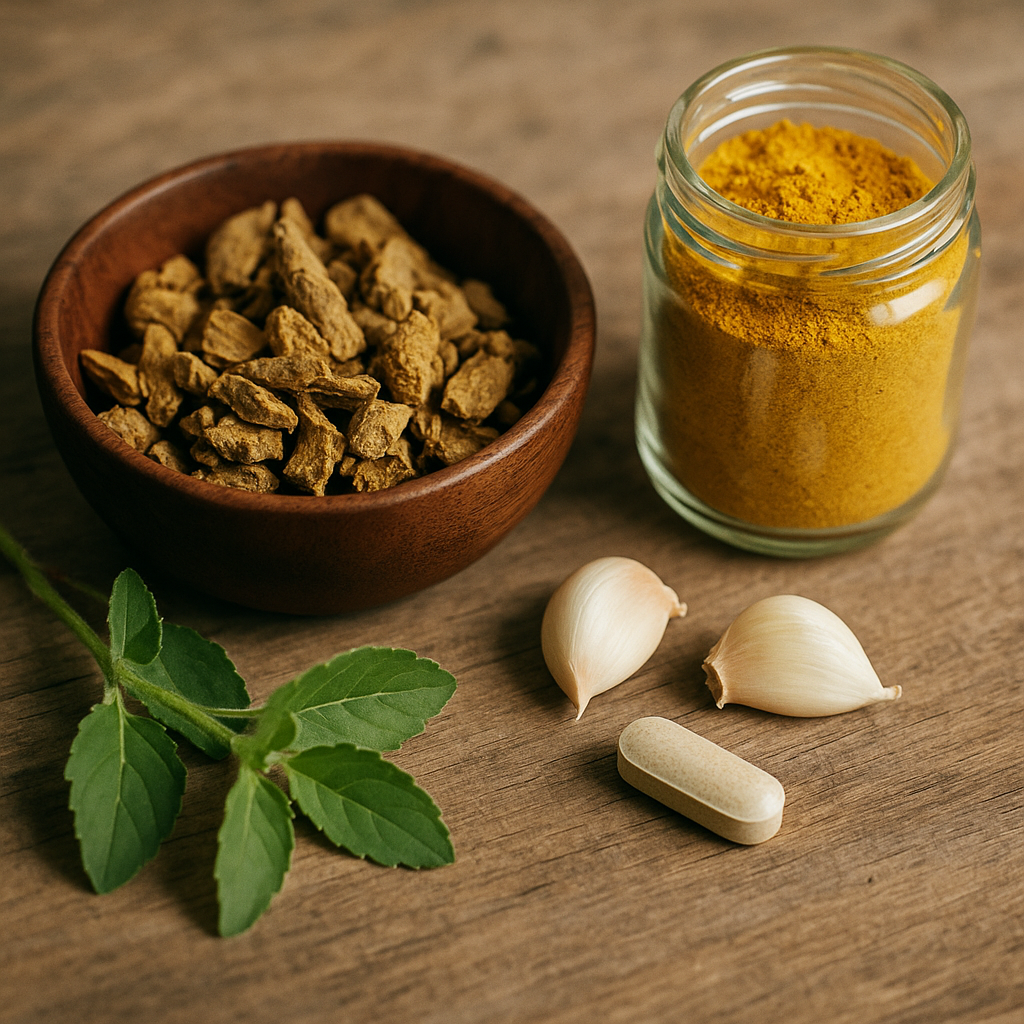
In the modern world, we usually define bone spurs as extra bony growths that form on the edges of bones, especially near joints. But in Ayurveda, things are rarely that mechanical. Everything is about balance—of energies, digestion, and even tissue memory. Bone spurs, from this lens, are seen as a sign of long-standing Vata imbalance, mixed with accumulated ama—a sort of toxic residue left behind by poor digestion and sluggish metabolic fire (agni).
Vata governs movement, space, dryness—so when it gets too high or disturbed, it can start drying out the joints, making them brittle, creaky, and susceptible to these strange bony formations. It’s like your body is trying to “patch” the instability with extra growth, which ends up causing even more friction. The goal, then, isn't just to scrape or dissolve the spur—it’s to calm the storm inside your tissues.
Causes of Bone Spur Formation
Understanding why these things form is key. And sure, we could go textbook here—but I’d rather talk like we’re sitting over tea.
Excessive Joint Wear, Tension, and Poor Lubrication
This one’s obvious, right? You wear down the cartilage, the body compensates by laying down new bone. Overuse, poor posture, years of standing or lifting—these stressors dry out the joint space, disrupt synovial fluid production, and boom: spur city. Not to mention the sheer tension modern life adds—sitting too long, moving too little. You don’t need to be an athlete to wreck your knees or back.
Role of Improper Diet, Digestion, and Ama Accumulation
Now this one’s sneakier. You might eat “healthy,” but if your digestion is weak, even good food turns into ama. Ayurveda is brutal about this—what you can’t digest becomes toxic, full stop. Ama clogs channels, weakens tissues, and in joints, it creates stiffness and the kind of inner environment where bone spurs can quietly grow. Spicy foods, cold dairy, eating late at night—all of it adds up. The more your digestion struggles, the more your bones pay the price later.
How to Get Rid of Bone Spurs Naturally
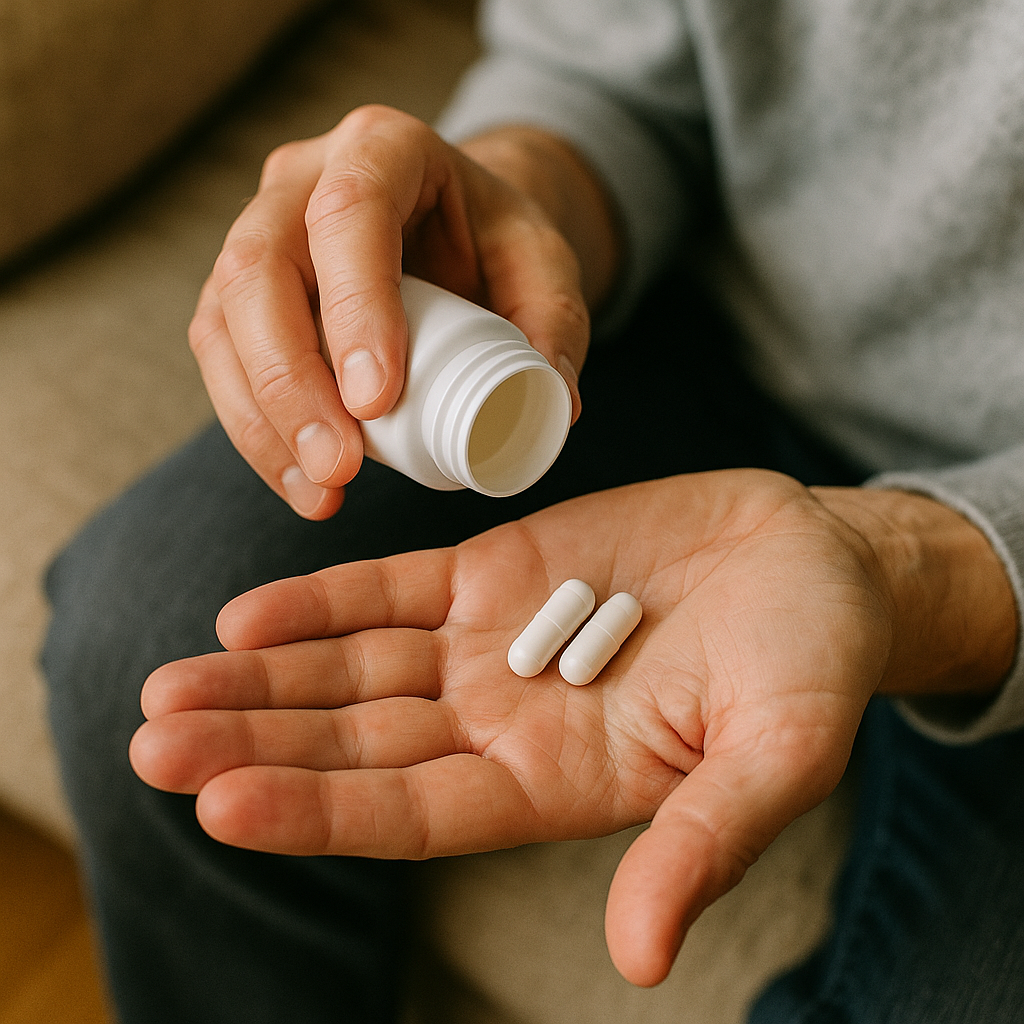
Okay, let’s get to the juicy part: how to get rid of bone spurs naturally. No surgery, no injections, no mystery pills with 19 syllables. Just real, grounded steps. Now, I won’t promise miracles overnight—but I will say this: with patience, the right tools, and a willingness to listen to your body (and maybe argue with it a little), healing bone spurs naturally is possible.
It’s not about fighting the spur itself, really—it’s about shifting the entire ecosystem of your joints so the body has no reason to keep creating those sharp little invaders. Think of it less like a war, more like rewiring a relationship.
Ayurvedic Remedies: Herbs, Formulas, and Oils
This stuff is ancient, yes. But not outdated.
Ashwagandha, for starters—it’s not just for stress. It's known to nourish bones and reduce inflammation. Think of it as a Vata-soother, perfect for reversing the dryness and brittleness that invites bone spurs in the first place.
Guggulu is another MVP. It’s in almost every classical Ayurvedic formula for bone and joint issues—especially Yograj Guggulu or Simhanada Guggulu. These formulas help detox the joints and break down ama, which is huge if your bone spur is fed by chronic inflammation.
Castor oil is weird but effective. Warm it up and use it as a massage oil. It’s deeply penetrating and often used to soften hardened tissue over time. Bonus: it helps you sleep better too.
And if you're really going for it? Panchakarma. The Ayurvedic detox and rejuvenation therapy. It's not something you DIY on a weekend, but if you can get to a good practitioner, it’s transformative.
Natural Treatments: Diet, Hydration, and Movement
Here’s a truth bomb: you can’t out-supplement a crappy diet. Healing from the inside means eating in a way that reduces inflammation, supports digestion, and nourishes your bones.
Cut back on processed foods, especially anything fried, overly salty, or sugar-loaded. They’re ama-factories.
Instead, lean into anti-inflammatory staples—turmeric, ginger, warm soups, lightly spiced lentils, ghee (yes, actual ghee—it’s joint lube in food form). Stay hydrated, but skip the icy drinks. Ayurveda’s not a fan of cold water—it weakens digestion, which is the opposite of what we’re going for here.
And movement? It matters more than you think. Not intense cardio or punishing workouts. Just gentle, consistent motion: walking, tai chi, light yoga. Joints need movement like plants need sunlight.
Holistic and Lifestyle-Based Support for Joint Healing
Okay, this might sound a little woo-woo—but your bones have memory. They respond to your environment, your habits, your mindset, even.
Sleep matters. So does your stress load. Chronic anxiety, overthinking, rushing—these spike Vata, drying out your system and leaving you more vulnerable to things like bone spurs. Try grounding practices. Oil massage before bed, warm baths, even journaling. It’s not fluff. It’s part of the whole.
Also: posture. It sounds boring, but poor alignment creates stress points. Fix how you stand, how you sit, how you sleep—and you're actually helping your body correct the patterns that caused the spur in the first place.
Conclusion
So—can you heal bone spurs naturally? Honestly? Yes, you probably can. But here’s the rub: it’s not just about popping a pill (natural or not) and waiting for your body to do its thing. It takes a shift. A mindset tweak. A sort of quiet agreement between you and your joints that you're willing to move differently, eat differently, be a little different.
I get it—when you’re in pain, patience feels like a luxury. But natural remedies for bone spurs aren't about speed. They're about depth. They aim to change the conditions that allowed the spur to form in the first place. Whether it’s bringing down inflammation with turmeric and guggulu, rebuilding tissues with nourishing foods, or simply committing to 10 minutes of stretching in the morning… it all adds up.
And here's something people rarely say out loud: you might not completely dissolve your bone spur. But if you can stop it from growing, reduce the pain, and move freely again—that's healing. That's winning.
I’ve seen people do it. I’ve done parts of it myself. It’s real. It’s possible. And it’s deeply human.
Don't wait or self medicate. Start chat with Doctor NOW
FAQs
What vitamin dissolves bone spurs?
While no vitamin literally “dissolves” bone spurs overnight, vitamin K2, vitamin D3, and magnesium can help guide calcium away from soft tissues and into bones where it belongs. That may help reduce abnormal calcium buildup over time. Think of them as long-game allies, not magic bullets.
Does apple cider vinegar dissolve bone spurs?
There’s anecdotal evidence that apple cider vinegar—especially in warm water with a bit of honey—can reduce inflammation and help break down mineral deposits. But... it’s not a miracle cure. Maybe use it alongside other natural treatments for bone spurs, but don’t expect it to singlehandedly do the job.
Is it good to rub a bone spur?
Yes—and no. If you're using gentle pressure, especially with warm oils like castor or sesame, it can help reduce stiffness and improve circulation around the joint. But aggressive rubbing or massage directly on the spur? Not a great idea. It can worsen inflammation. Listen to your body—it’ll tell you when it’s too much.
Questions from users
What dietary changes can enhance joint lubrication and health?
Client_e01099
2 days ago
To enhance joint lubrication and health, incorporating omega-3 fatty acids found in fatty fish, flaxseeds, and walnuts into your diet can help reduce inflammation and support synovial fluid production. Hyaluronic acid-rich foods, like bone broth and citrus fruits, may also promote joint lubrication. Consistent hydration is crucial since water helps maintain the viscosity of synovial fluid. Significant changes in joint health may take several weeks to become noticeable. If joint pain persists or worsens, consult a healthcare provider. Ashwagandha has potential benefits but should be integrated with a balanced diet.
What exercises can help improve mobility with bone spurs?
Client_b9ea6f
7 days ago
Exercises that can help improve mobility with bone spurs focus on low-impact stretching and strengthening to reduce pain and improve joint function. Incorporate gentle stretching exercises like calf stretches or toe stretches for bone spurs in the feet, and neck tilts or shoulder rolls for spurs in the spine. Strengthening exercises, such as resistance band work or light weight-bearing activities, can support the affected joint. It is important to start slowly and focus on maintaining proper form to avoid exacerbating symptoms. If pain persists or worsens, consult a healthcare professional for a personalized treatment plan.
How can grounding practices improve joint health and reduce pain?
Client_2d62ad
12 days ago
Grounding practices can improve joint health and reduce pain primarily through stress reduction and improved posture. Grounding, or "earthing," involves activities like walking barefoot on natural surfaces, which may help reduce inflammation by enhancing antioxidant mechanisms in the body. Stress reduction techniques, often part of grounding practices like mindfulness and meditation, can alleviate tension that exacerbates joint pain. Be mindful of your posture during these activities, as incorrect posture can contribute to joint stress. If joint pain persists or worsens, consult a healthcare provider to rule out serious conditions.
What are some effective natural remedies for bone spur pain relief?
Client_f61498
17 days ago
Effective natural remedies for bone spur pain relief include the use of anti-inflammatory supplements like turmeric and omega-3 fatty acids. Applying ice packs may help reduce inflammation and pain in the affected area. Stretching and low-impact exercises, like swimming or cycling, can be beneficial in maintaining joint mobility without exacerbating pain. It's important to avoid activities that trigger pain. Seek prompt medical advice if pain persists or worsens, as this could indicate a need for more tailored treatment options. While Ayurveda might suggest herbal remedies, scientific evidence supporting these is limited.
How does stress affect bone spur formation and joint health?
Client_c6e3d9
27 days ago
Stress can indirectly affect bone spur formation and joint health by increasing inflammation and muscle tension around joints. This response can contribute to joint wear over time. Stress management techniques, such as regular low-impact exercise, adequate rest, and proper hydration, can support joint health. In most cases, symptoms like pain or stiffness from bone spurs appear gradually. If such symptoms persist despite lifestyle adjustments, it is crucial to consult a healthcare provider to rule out other potential causes or to discuss more targeted treatments.
What lifestyle changes can help prevent bone spur development?
Client_db158f
37 days ago
To help prevent bone spur development, regular physical activity, maintaining a healthy weight, and good posture are essential. Exercise strengthens muscles and improves joint flexibility, reducing pressure on bones. A diet rich in calcium and vitamin D supports bone health, and proper hydration is important for joint lubrication. Avoid prolonged sitting and repetitive movements that put stress on specific joints. If you experience persistent pain or notice limited mobility, it's wise to consult a healthcare professional. While some turn to Ayurveda for natural wellness, always validate such approaches with evidence-based practices.
How can I identify early signs of bone spurs forming?
Client_e24adc
46 days ago
Early signs of bone spurs, or osteophytes, can vary but typically include localized pain, tenderness, and stiffness in the affected joint. You might also experience swelling, reduced range of motion, or a tingling sensation if the spur compresses surrounding nerves. Recognizing these symptoms early can prevent further complications. It's important to consult a doctor for a proper diagnosis through physical examinations and imaging tests like X-rays. Though some natural remedies, like maintaining a balanced diet and optimal joint alignment, can support joint health, they should complement medical advice.
How long should I follow an anti-inflammatory diet for better joint health?
Client_8bf213
56 days ago
For better joint health, it is recommended to follow an anti-inflammatory diet consistently as a long-term lifestyle change rather than a short-term solution. This diet, which includes foods like turmeric, ginger, warm soups, and lentils, can help reduce joint inflammation and potentially prevent conditions like osteoarthritis. Benefits may become noticeable within several weeks to a few months, but individual results can vary. Consulting a healthcare provider is important, especially if joint pain persists or worsens, to rule out underlying medical conditions and to ensure nutritional adequacy.
Can I safely use castor oil for treating bone spurs or joint pain at home?
Client_8d9fab
65 days ago
Yeah, you can use castor oil for joint pain or bone spurs at home, but caution's needed! It can soothe inflammation but sometimes it worsens it if not used right. Warm compression with castor oil, no aggressive rubbing, might help. Maybe test it on a small area first? Balancing vata could also be key here, so think about grounding foods and routines too!
How can I reduce inflammation naturally to prevent bone spurs from forming?
Client_2e4054
75 days ago
Reducing inflammation naturally can help prevent bone spurs. Start by cutting down on processed foods—especially fried, salty, or sugary things—that can create ama, or toxins, in the body. Eating anti-inflammatory foods, like leafy greens, tumeric, and ginger can support digestion and nourish your bones. Remember, staying hydrated and getting good sleep is important, too! A balanced diet and lifestyle tweak can make big difference. 💚
Related articles

Orthopedic Disorders
What Are the 5 Types of Psoriatic Arthritis?
What are the 5 types of psoriatic arthritis? Learn about each type, key symptoms, and Ayurvedic insights into natural psoriatic arthritis treatment and relief
1,725

Orthopedic Disorders
Kokilakshakam Kashayam Uses: A Comprehensive Guide
Discover the benefits, scientific evidence, and best practices for using Kokilakshakam Kashayam in Ayurveda. Learn how it supports holistic health.
2,475

Orthopedic Disorders
How to Massage Feet to Relieve Pain: Ayurvedic Steps and Oils
Learn how to massage feet to relieve pain using Ayurvedic oils and pressure points. Simple at-home techniques to relax legs, reduce fatigue, and ease tension
5,003
Orthopedic Disorders
Rasnadi Kwath Uses – Ayurvedic Herbal Decoction for Pain Relief
Explore the uses of Rasnadi Kwath in Ayurveda for managing pain and inflammation. Learn how this traditional herbal decoction supports joint health, alleviates discomfort, and promotes overall wellness.
2,807

Orthopedic Disorders
How to Increase Synovial Fluid Ayurveda – Natural Joint Lubrication Tips
Discover Ayurvedic strategies to increase synovial fluid naturally. Learn about herbs, diet, lifestyle changes, and therapies to support joint health and fluid production.
5,871

Orthopedic Disorders
Amavata Lakshana: A Comprehensive Overview
Discover amavata lakshana, its Ayurvedic background, modern scientific insights, and practical strategies for managing joint pain and inflammation.
2,622

Orthopedic Disorders
Saindhavadi Taila
Exploration of Saindhavadi Taila
2,390

Orthopedic Disorders
Vat Gajankush Ras: Benefits, Dosage, Ingredients, Side Effects
Exploration of Vat Gajankush Ras: Benefits, Dosage, Ingredients, Side Effects
6,061

Orthopedic Disorders
Best Ayurvedic Oil for Cervical Spondylosis – Natural Remedies for Pain Relief and Mobility
Discover the best Ayurvedic oils for cervical spondylosis, known for their ability to reduce pain, improve mobility, and promote overall spine health through natural healing.
5,487
Related consultations on the topic
Legal
Additional Documents
© 2024 Ask Ayurveda. All rights reserved.