Ask Ayurvedic doctor a question and get a consultation online on the problem of your concern in a free or paid mode. More than 2,000 experienced doctors work and wait for your questions on our site and help users to solve their health problems every day.


Body DetoxEar, Nose, and Throat DisordersGeriatrics & RejuvenationImmunodeficiencyInfertility TreatmentNutritionOrthopedic DisordersPediatricsRespiratory DisordersSexually Transmitted Diseases (STDs)Surgery RecoveryUrological DisordersVascular DisordersDental DisordersEndocrinological DisordersGastrointestinal DisordersYoga TherapyGeneral MedicineAllergic DisordersCardio DisordersGynecology and ObstetricsCosmetologySkin and Hair DisordersEye DisordersInfectious DiseasesMental DisordersNeurological DisordersOncologyPanchakarmaSexual Health & DisordersSports Medicine
Published on 02/13/25
(Updated on 08/12/26)
3,234
Ajmodadi Vati Uses – Effective Ayurvedic Remedy for Joint Health and Digestion
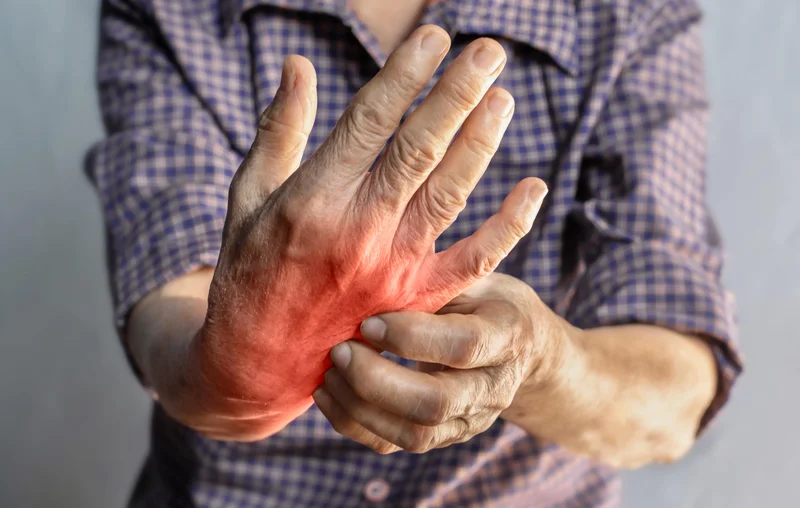
Ajmodadi Vati is a classical Ayurvedic tablet formulation used primarily for relieving joint pain, managing arthritis (Amavata), easing back pain, and correcting digestive disorders. Described in the ancient text Bhaishajya Ratnavali (Aamvaatrogadhikar 605/121-124), it combines celery seeds (Ajmoda) with warming spices and digestive herbs to pacify aggravated Vata dosha — the root cause of most musculoskeletal complaints in Ayurveda. If you're dealing with stiff joints, sciatica, bloating or chronic indigestion, Ajmodadi Vati offers a time-tested, natural approach that addresses both symptoms and their underlying cause.
- This comprehensive guide covers everything you need to know: complete ingredients with proportions, classical preparation method, proven health benefits, correct dosage, side effects, drug interactions, pregnancy safety, and dietary guidelines.
- We've also answered every common question patients ask — so you can make an informed decision before starting this remedy.
What Is Ajmodadi Vati?
Ajmodadi Vati is a polyherbal Ayurvedic tablet (Vati = tablet or pill) where "Ajmoda" refers to celery seed (Apium graveolens) — the primary ingredient — and "adi" means "and others." The formulation belongs to the Vata-shamana (Vata-pacifying) category of Ayurvedic medicines and has been prescribed by Vaidyas for centuries to treat joint diseases, rheumatic conditions, and digestive weakness simultaneously.
- What makes this formulation unique is its dual mechanism: it strengthens Agni (digestive fire) while clearing Ama (metabolic toxins) from joints.
- In Ayurveda, poor digestion is considered the first domino — undigested food creates Ama, which circulates and deposits in joints, causing pain, stiffness, and swelling. Ajmodadi Vati tackles this chain at every point.
Classical Reference (Bhaishajya Ratnavali)
The original formulation is documented in Bhaishajya Ratnavali, one of the most authoritative Ayurvedic pharmacopoeias compiled by Govind Das Sen in the 18th century. The specific reference is found in Aamvaatrogadhikar (Chapter on Amavata/Rheumatism), verses 605/121-124. Acharya Charaka also classifies several of its ingredients under Deepniya Mahakashaya (appetite-stimulating group) and Shoolhar Mahakashaya (pain-relieving group), lending additional classical credibility.
This is not a modern proprietary blend — it's a standardized classical formula that any licensed Ayurvedic manufacturer can prepare following the textual guidelines.
Ajmodadi Vati vs Churna vs Vatak — What's the Difference?
Many people search for "Ajmodadi Churna" and "Ajmodadi Vatak" and end up confused.
Here's the simple breakdown:
| Form | Description | Convenience | Shelf Life |
|---|---|---|---|
| Ajmodadi Vati | Compressed tablets made with herbal powder + jaggery binder | Most convenient; fixed dosage per tablet | 2–3 years |
| Ajmodadi Churna | Loose powder form of the same ingredients | Flexible dosage but less convenient; taste can be strong | 1–2 years |
| Ajmodadi Vatak | Traditional hand-rolled pills with jaggery | Classical form; slightly larger than modern tablets | 1–2 years |
The core ingredients are identical across all three. The difference is purely in dosage form. Vati (tablet) is the most popular today because of standardized dosing and ease of swallowing. Churna is sometimes preferred when the practitioner wants to adjust doses more precisely or combine it with other powders.
Ingredients (Composition)
Complete Ingredient List with Proportions
The classical formulation contains the following ingredients in equal parts (unless otherwise noted), with Guda (jaggery) used as a binding agent in quantity equal to the total weight of all powdered herbs:
| # | Sanskrit Name | Hindi Name | Botanical / English Name | Quantity (per 500 mg tablet, approx.) |
|---|---|---|---|---|
| 1 | Ajmoda | Ajmod | Apium graveolens (Celery seed) | ~38 mg |
| 2 | Vidhara | Vidhara | Argyreia nervosa (Elephant creeper) | ~38 mg |
| 3 | Shunthi | Sonth | Zingiber officinale (Dry ginger) | ~38 mg |
| 4 | Maricha | Kali Mirch | Piper nigrum (Black pepper) | ~38 mg |
| 5 | Pippali | Pippal | Piper longum (Long pepper) | ~38 mg |
| 6 | Haritaki | Harad | Terminalia chebula (Chebulic myrobalan) | ~38 mg |
| 7 | Saindhava Lavana | Sendha Namak | Rock salt | ~38 mg |
| 8 | Safed Jeerak | Safed Zeera | Cuminum cyminum (White cumin) | ~38 mg |
| 9 | Krishna Jeerak | Kala Zeera | Carum carvi (Black cumin / Caraway) | ~38 mg |
| 10 | Hapusha | Hauber | Juniperus communis (Juniper berry) | ~38 mg |
| 11 | Chitraka | Chitrak | Plumbago zeylanica (Leadwort) | ~38 mg |
| 12 | Devadaru | Devdaar | Cedrus deodara (Deodar cedar) | ~38 mg |
| 13 | Guda (binder) | Gur | Jaggery | Equal to combined powder weight |
Note: Some manufacturers may include minor variations based on regional textual traditions. Exact per-tablet milligram content may vary slightly between brands. Always check the label of the specific product you purchase.
Key Ingredient Details
Ajmoda (Celery Seed) — The hero ingredient. Rich in volatile oils (limonene, selinene), it acts as a potent anti-inflammatory, carminative, and antispasmodic. It directly targets joint inflammation and also relieves intestinal gas and colic. Shunthi, Maricha & Pippali (Trikatu) — These three spices form the famous "Trikatu" combination. They dramatically enhance digestive fire (Agni), improve bioavailability of other herbs, and possess analgesic properties. A 2012 study published in the Journal of Ayurveda and Integrative Medicine confirmed that Trikatu enhances absorption of co-administered herbal compounds by up to 30%. Haritaki (Chebulic Myrobalan) — Called the "King of Medicines" in Tibetan medicine. It's a mild laxative that clears Ama from the gastrointestinal tract and rejuvenates tissues. Research in Phytotherapy Research (2017) demonstrated its significant anti-inflammatory and antioxidant activity. Chitraka (Leadwort) — One of Ayurveda's strongest digestive stimulants. It directly increases Agni and helps metabolize Ama. Also shown to have anti-arthritic properties in preclinical studies. Vidhara (Elephant Creeper) — A Rasayana (rejuvenative) herb that nourishes nerve tissue and strengthens musculoskeletal structures. Particularly useful in Vata disorders involving weakness and degeneration. Devadaru (Deodar Cedar) — Anti-inflammatory and analgesic. Traditionally used specifically for bone and joint disorders, sciatica, and nerve pain.
Method of Preparation
Understanding how Ajmodadi Vati is traditionally prepared helps appreciate its quality:
- 1.Powdering: All dry herbal ingredients are individually cleaned, dried, and ground into fine powder (churna). Each is sieved through a mesh (#80 or #100) to ensure uniformity.
- 2.Mixing: The individual powders are combined in equal proportions and blended thoroughly.
- 3.Preparing the binder: Jaggery (Guda) is heated until it melts and reaches a soft-ball consistency. Impurities are skimmed off.
- 4.Combining: The hot jaggery is mixed with the herbal powder. The mixture is kneaded into a homogeneous mass while still warm.
- 5.Tablet formation: Small tablets (approximately 250–500 mg each) are rolled or pressed from the mass.
- 6.Drying: Tablets are air-dried in shade until moisture content drops below 5%.
This jaggery-based binding is not just mechanical — jaggery itself has mild iron content and acts as a yogavahi (carrier) that enhances herb assimilation. Modern manufacturers may use tablet-pressing machines but should follow the same fundamental process outlined in classical texts.
Medicinal Properties
Pharmacological Actions
Based on the combined pharmacology of its ingredients, Ajmodadi Vati exhibits the following actions:
- Anti-inflammatory — Reduces swelling in joints and surrounding tissues
- Analgesic — Relieves pain (Vedanasthapana)
- Carminative — Expels gas and reduces bloating
- Antispasmodic — Relaxes smooth muscle spasms in the gut and musculoskeletal system
- Digestive stimulant — Increases appetite and digestive capacity
- Anti-rheumatic — Specifically targets Amavata (rheumatoid conditions)
- Anthelmintic (Wormifuge) — Helps eliminate intestinal parasites
- Mild Laxative — Promotes regular bowel movements, prevents constipation (a major Vata-aggravating factor)
Ayurvedic Properties (Rasa-Panchaka)
| Property | Value |
|---|---|
| Rasa (Taste) | Katu (Pungent), Tikta (Bitter), Lavana (Salty) |
| Guna (Quality) | Laghu (Light), Tikshna (Sharp), Ruksha (Dry) |
| Virya (Potency) | Ushna (Hot) |
| Vipaka (Post-digestive effect) | Katu (Pungent) |
| Dosha Karma | Vata-Kapha Shamaka (pacifies Vata and Kapha) |
Because of its predominantly hot and sharp nature, this formulation powerfully counteracts the cold, heavy, and stagnant qualities of aggravated Vata and Kapha doshas. People with Pitta-predominant constitution should use it cautiously.
Health Benefits & Uses (Indications)
Joint Pain & Arthritis (Amavata)
This is the primary indication.
Ajmodadi Vati is most widely prescribed for:
- Rheumatoid arthritis (Amavata) — reduces joint inflammation, pain, and morning stiffness
- Osteoarthritis — slows degenerative changes and improves mobility
- Gouty arthritis — helps reduce uric acid-related inflammation when combined with appropriate diet
The formulation works by simultaneously clearing Ama from joint spaces and restoring normal Vata movement. Patients often report noticeable improvement in grip strength and walking comfort within 2–4 weeks of consistent use.
Back Pain & Sciatica (Katipeeda, Gridhrasi)
Ajmodadi Vati is highly effective for lower back pain, lumbar spondylosis, and sciatica. Ingredients like Devadaru and Vidhara have specific affinity for the lumbar region and sciatic nerve pathway. It's commonly prescribed alongside Mahayogaraj Guggulu or Maharasnadi Kwath for severe cases.
Digestive Disorders (Indigestion, Bloating, Gas)
Remember: in Ayurveda, digestive weakness is the root cause of joint disease, not just a separate problem.
Ajmodadi Vati addresses:
- Chronic indigestion (Mandagni)
- Flatulence and abdominal distension
- Loss of appetite
- Irregular bowel movements
- Intestinal colic and spasms
The Trikatu component (Shunthi, Maricha, Pippali) is particularly powerful for reigniting sluggish digestion.
Other Indications
- Intestinal worms — the combination of Ajmoda, Chitraka, and black pepper creates an unfavorable environment for intestinal parasites
- Oral health problems — some traditional practitioners recommend it for toothache and gum inflammation related to Vata
- Skin disorders — when caused by Ama accumulation, the blood-purifying and detoxifying action may provide indirect benefits
- Muscular pain & stiffness — effective for generalized body aches, especially those aggravated by cold weather or sedentary lifestyle
Don't wait or self medicate. Start chat with Doctor NOW
Dosage & How to Take
Recommended Dosage
| Patient Group | Dosage | Frequency |
|---|---|---|
| Adults | 1–2 tablets (250–500 mg each) | Twice daily, after meals |
| Elderly (above 60) | 1 tablet | Twice daily, after meals |
| Children (above 12 years) | 1 tablet | Once or twice daily (only under physician guidance) |
| Children below 12 | Not recommended without direct Ayurvedic practitioner supervision |
Important: Dosage can vary depending on the brand's tablet weight. Some brands manufacture 250 mg tablets while others make 500 mg. Always check the product label and ideally consult an Ayurvedic doctor for personalized dosing.
Duration of Course
This is something no other guide seems to mention, but it's crucial for patients. A typical course of Ajmodadi Vati runs 4 to 12 weeks depending on the condition:
- Acute joint pain or digestive complaints: 4–6 weeks
- Chronic arthritis or sciatica: 8–12 weeks
- Maintenance/preventive use: Can be taken for 4 weeks, followed by a 2-week break, then repeated
Do not self-medicate indefinitely. Reassess with your practitioner every 3 months.
Best Adjuvants (Anupana)
In Ayurveda, the vehicle (Anupana) used to take a medicine matters significantly:
- Warm water — most common; suitable for general use
- Ginger decoction — enhances anti-inflammatory and digestive action
- Dashamoola Kwath — for severe Vata disorders with pain
- Eranda Taila (Castor oil) — 5 ml mixed with warm water, specifically for rheumatoid arthritis and constipation
Side Effects & Precautions
This is arguably the most important section — and one that most Ayurvedic websites completely skip. Just because a medicine is herbal doesn't mean it carries zero risk.
Possible Side Effects
- Gastric irritation or heartburn — due to the hot potency (Ushna Virya) of ingredients like Chitraka, Maricha, and Pippali. More common when taken on an empty stomach.
- Excessive thirst or dry mouth — a sign of Pitta aggravation; reduce the dose if this occurs
- Loose stools — mild and usually temporary; caused by the laxative action of Haritaki
- Burning sensation during urination — rare; indicates Pitta imbalance; discontinue and consult your doctor
- Increased hunger — the formulation strongly stimulates Agni, which may cause excessive appetite in some individuals
Most side effects are dose-dependent and resolve once the dose is reduced or the medicine is taken after food.
Contraindications
Ajmodadi Vati should be avoided or used with extreme caution in the following conditions:
- Bhasmak Roga (pathologically excessive hunger/metabolism)
- Active gastric or duodenal ulcers
- Severe acidity or GERD
- High Pitta constitution with inflammation — the hot potency can worsen Pitta-type conditions
- Bleeding disorders — some ingredients may thin blood mildly
Pregnancy & Breastfeeding Safety
Pregnancy: Ajmodadi Vati is generally not recommended during pregnancy. Several ingredients (Chitraka, Ajmoda, Pippali) have uterine-stimulant properties and could theoretically increase the risk of contractions. No clinical safety data exists for pregnant women. Breastfeeding: Limited data available. While individual ingredients are not known to be toxic in breast milk, the hot potency may alter breast milk quality. Use only if prescribed by a qualified Ayurvedic practitioner who is aware of your breastfeeding status.
Drug Interactions
No clinical drug interaction studies have been conducted specifically on Ajmodadi Vati. However, based on pharmacological properties of its ingredients, exercise caution with:
- Blood thinners (Warfarin, Aspirin) — Pippali and Maricha may have mild antiplatelet effects
- Antidiabetic drugs — some ingredients may lower blood sugar; monitor glucose levels
- Antihypertensive medications — Ajmoda has mild hypotensive properties; combined effect could cause excessive blood pressure drop
- NSAIDs and corticosteroids — additive anti-inflammatory effect; discuss with your doctor to avoid over-suppression of inflammation
If you're taking any allopathic medication, always inform both your Ayurvedic and allopathic doctors.
Diet & Lifestyle During Ajmodadi Vati Course (Pathya-Apathya)
Classical Ayurvedic texts emphasize that medicine alone is half the treatment. Diet and lifestyle form the other half.
Here's what to follow and what to avoid:
Foods to Favor (Pathya)
- Warm, freshly cooked meals — avoid cold and raw foods
- Light grains: old rice (Purana Shali), barley, wheat
- Cooked green vegetables, especially drumstick (Sahijan), bitter gourd
- Ginger tea, cumin water, warm buttermilk
- Small amounts of ghee (clarified butter) to balance the drying nature of the medicine
- Garlic and fenugreek — both support joint health
Foods to Avoid (Apathya)
- Curd/yogurt (especially at night) — increases Ama and Kapha
- Cold beverages, ice cream, refrigerated foods
- Heavy, fried, and processed foods
- Excessive sweets and refined sugar
- Urad dal (black gram) — very heavy and Vata-aggravating when digestion is weak
- Incompatible food combinations (Viruddha Ahara) such as fruit with milk
Lifestyle Recommendations
- Light exercise daily — walking, gentle yoga (Sukshma Vyayama), swimming
- Oil massage (Abhyanga) with sesame oil or Mahanarayan Taila before bathing
- Avoid prolonged sitting, exposure to cold drafts, and daytime sleeping
- Maintain regular meal timings — never skip meals as it aggravates Vata
- Adequate sleep (7–8 hours) but avoid sleeping during the day
Ajmodadi Vati vs Other Ayurvedic Joint Formulations
How does it compare with other popular options? This comparison can help you and your practitioner choose the right formulation:
| Parameter | Ajmodadi Vati | Yogaraj Guggulu | Maharasnadi Kwath | Simhanada Guggulu |
|---|---|---|---|---|
| Primary action | Digestive + anti-arthritic | Anti-inflammatory + analgesic | Nerve pain + joint stiffness | Ama-clearing + laxative |
| Best for | Amavata with indigestion | General joint pain, gout | Sciatica, chronic Vata disorders | Rheumatoid arthritis with constipation |
| Dosha target | Vata-Kapha | Vata | Vata | Vata-Kapha-Ama |
| Digestive action | Very strong | Moderate | Mild | Strong (purgative) |
| Form | Tablet | Tablet | Liquid decoction | Tablet |
| Can be combined? | Yes, often with Guggulu preparations | Yes | Yes | Yes, with caution |
Many practitioners prescribe Ajmodadi Vati alongside Yogaraj Guggulu — one targets digestion and Ama, the other directly reduces joint inflammation. The combination is synergistic.
Scientific Research & Evidence
While large-scale randomized controlled trials on Ajmodadi Vati as a whole formulation are limited (a common gap in classical Ayurvedic medicine research), significant evidence exists for individual ingredients:
- Celery seed (Ajmoda): A 2019 study in Molecular Medicine Reports demonstrated potent anti-inflammatory effects through COX-2 inhibition — the same pathway targeted by modern NSAIDs like ibuprofen.
- Piper longum (Pippali): Research published in Bioorganic & Medicinal Chemistry (2012) showed analgesic activity comparable to standard painkillers in animal models.
- Terminalia chebula (Haritaki): A 2017 systematic review in Phytotherapy Research confirmed significant antioxidant, anti-inflammatory, and cytoprotective activities.
- Plumbago zeylanica (Chitraka): Preclinical studies published in Indian Journal of Pharmacology demonstrated anti-arthritic and immunomodulatory effects.
- Zingiber officinale (Shunthi): Perhaps the most researched — a 2015 meta-analysis in Osteoarthritis and Cartilage covering 593 patients concluded that ginger significantly reduces pain and disability in osteoarthritis.
A whole-formulation clinical study would be ideal, and some Ayurvedic universities in India have conducted small pilot studies showing promising results. But more rigorous research is clearly needed.
Storage & Shelf Life
- Store in a cool, dry place away from direct sunlight
- Keep the container tightly closed to prevent moisture absorption
- Shelf life: typically 3 years from the date of manufacture (for tablets); churna form may have a shorter shelf life of 1–2 years
- Do not use if tablets show signs of discoloration, unusual smell, or fungal growth
- Keep out of reach of children
Frequently Asked Questions (FAQ)
Are Ajmoda and Ajwain the same?
No. This is a very common confusion. Ajmoda is celery seed (Apium graveolens), while Ajwain is carom seed (Trachyspermum ammi). They belong to the same botanical family (Apiaceae) and have somewhat similar digestive properties, but they are distinct plants with different chemical profiles. Ajmodadi Vati uses Ajmoda (celery seed), not Ajwain.
What are the side effects of Ajmoda specifically?
Ajmoda (celery seed) in therapeutic doses is generally safe. However, it may cause photosensitivity in some individuals (increased skin sensitivity to sunlight), mild allergic reactions in people sensitive to the Apiaceae family (carrots, fennel, parsley), and uterine stimulation — which is why it is avoided during pregnancy.
Can Ajmodadi Vati be taken for diabetes?
Ajmodadi Vati is not a primary treatment for diabetes. However, some of its ingredients (particularly Haritaki and Pippali) have mild anti-hyperglycemic properties. If you have diabetes and are also dealing with joint pain, it can be used as a supportive therapy — but always under medical supervision and alongside your regular diabetes management protocol.
Can I take Ajmodadi Vati with allopathic painkillers?
It's best not to combine them without professional guidance. Both work through anti-inflammatory pathways, and combining them may increase the risk of gastric irritation. If you're currently on NSAIDs or corticosteroids, consult your doctor before adding Ajmodadi Vati.
How long does it take to show results?
Most patients begin noticing improvement in digestive symptoms within 1–2 weeks. Joint pain relief typically begins around weeks 2–4. For chronic conditions like rheumatoid arthritis or long-standing sciatica, expect 6–8 weeks for significant improvement. Consistency is key.
Is Ajmodadi Vati safe for long-term use?
It can be taken for up to 12 weeks continuously. For longer use, it's advisable to take periodic breaks (2 weeks off after every 8–12 weeks) and reassess with your practitioner. Long-term unsupervised use is not recommended due to the strong Agni-stimulating nature of the formulation.
Can children take Ajmodadi Vati?
Children above 12 years may take it in reduced doses under the supervision of a qualified Ayurvedic practitioner. It is not recommended for children below 12 due to the potent and heating nature of several ingredients.
Final Thoughts
Ajmodadi Vati stands out among classical Ayurvedic formulations because it addresses the root cause of joint disease — impaired digestion and Ama accumulation — rather than just masking pain. Its well-balanced combination of digestive herbs, anti-inflammatory agents, and Vata-pacifying ingredients makes it a versatile remedy for a range of musculoskeletal and gastrointestinal complaints.
That said, Ayurvedic medicine works best when it's personalized. Your Prakriti (constitution), Vikriti (current imbalance), the severity of your condition, and your existing medications all matter. Don't just self-prescribe based on internet research.
Consult a qualified Ayurvedic physician, get a proper assessment, and use Ajmodadi Vati as part of a holistic plan that includes appropriate diet, lifestyle changes, and possibly complementary therapies like Panchakarma. Have more questions about Ajmodadi Vati or your joint health? Drop your question below or consult with our verified Ayurvedic doctors for personalized guidance — it's completely free. Disclaimer: This article is for informational purposes only and does not constitute medical advice. Always consult a qualified healthcare practitioner before starting any new medication or supplement, especially if you are pregnant, breastfeeding, or taking prescription medications.
Scientific Sources
- Merger of ayurveda and tissue culture-based functional genomics: inspirations from systems biology — Deocaris CC et al., 2008, Journal of translational medicine
- An overview on ashwagandha: a Rasayana (rejuvenator) of Ayurveda — Singh N et al., 2011, African journal of traditional, complementary, and alternative medicines : AJTCAM
- Confessions of an Ayurveda professor — Patwardhan K, 2023, Indian journal of medical ethics
- Ayurveda.Caraca Samhita(https://pubmed.ncbi.nlm.nih.gov/781343/) — Yano M, 1976, Nihon rinsho. Japanese journal of clinical medicine
- Fumigation in Ayurveda: potential strategy for drug discovery and drug delivery — Vishnuprasad CN et al., 2013, Journal of ethnopharmacology
- Network Pharmacology of Ayurveda Formulation Triphala with Special Reference to Anti-Cancer Property — Chandran U et al., 2015, Combinatorial chemistry & high throughput screening
- Conquering the common cough with ayurveda — Ziment I, 1996, The National medical journal of India
- Lead poisoning from Indian herbal medicine (Ayurveda) — Dunbabin DW et al., 1992, The Medical journal of Australia
- Arsenic and Ayurveda — Treleaven J et al., 1993, Leukemia & lymphoma
- Ayurveda and yoga in cardiovascular diseases — Mamtani R et al., 2005, Cardiology in review
- Swarna Prashana - faith in the embrace of research — Verma S et al., 2022, Journal of complementary & integrative medicine
- Sleep medicine in ayurveda — Kumar VM et al., 2016, Sleep medicine reviews
- Brahmi (Bacopa monnieri): An ayurvedic herb against the Alzheimer's disease — Dubey T et al., 2019, Archives of biochemistry and biophysics
- Ayurveda--knowledge of the long life.An ancient Indian "revelatory medicine"]](https://pubmed.ncbi.nlm.nih.gov/542178/) — Lechner-Knecht S, 1979, Medizinische Klinik
- Why the "sugars" in traditional Unani formulations are a pivotal component: A viewpoint perspective — Fazil M et al., 2022, Journal of integrative medicine
- Influence of Yoga and Ayurveda on self-rated sleep in a geriatric population — Manjunath NK et al., 2005, The Indian journal of medical research
- Ayurveda for diabetes in India — Vasudevan R et al., 2016, The lancet. Diabetes & endocrinology
- Ayurveda for chemo-radiotherapy induced side effects in cancer patients — Metri K et al., 2013, Journal of stem cells
- Integrated approaches towards drug development from Ayurveda and other Indian system of medicines — Mukherjee PK et al., 2006, Journal of ethnopharmacology
- Food allergies--leads from Ayurveda — Arora D et al., 2003, Indian journal of medical sciences
Questions from users
What dietary changes should accompany Ajmodadi Vati for best results?
Client_862dd9
25 days ago
To maximize the effectiveness of Ajmodadi Vati and minimize potential side effects like gastric irritation, individuals should consider a diet that is mild and cooling. This involves incorporating foods such as fresh fruits, vegetables, whole grains, and plenty of water to stay hydrated and balance the body's temperature. Avoid spicy, oily, and acidic foods that could exacerbate heartburn or gastric issues. If symptoms persist or if there are additional health concerns, consult a healthcare professional to tailor a plan that suits your specific needs.
How does Ajmodadi Vati support digestive health for teenagers?
Client_9adfe1
35 days ago
Ajmodadi Vati may support digestive health in teenagers by enhancing digestive fire (Agni), which can improve digestion and nutrient absorption. However, it should only be used under the supervision of a qualified Ayurvedic practitioner, especially because its potent nature can stimulate digestion too strongly, potentially causing issues if misused. Teenagers over 12 years may take it in reduced doses. Watch for signs of digestive discomfort or allergic reactions, and consult a healthcare provider if such symptoms occur or if there's a need for long-term use.
Is it okay to take Ajmodadi Vati during breastfeeding?
Client_24d5c9
44 days ago
It is generally not recommended to take Ajmodadi Vati while breastfeeding without consulting a healthcare professional. This Ayurvedic remedy may stimulate the uterus, a concern for breastfeeding mothers similar to its use during pregnancy. It's crucial to consider potential effects on milk production and the baby. Additionally, its ingredients could cause reactions in individuals sensitive to the Apiaceae family. If you're considering Ajmodadi Vati for joint pain or other Vata disorders while breastfeeding, consult your healthcare provider for personalized advice.
Can Ajmodadi Vati help with anxiety or stress-related digestion issues?
Client_51208e
54 days ago
Ajmodadi Vati could potentially help with anxiety or stress-related digestive issues due to its primary action on improving digestion and alleviating inflammation, but scientific evidence specifically linking it to anxiety relief is limited. Users often notice improvements in digestive symptoms, like reduced bloating, within 1-2 weeks. However, its ingredients, such as Chitraka and Pippali, can cause gastric irritation, so caution is advised. Consult a healthcare professional before use, especially if you are pregnant or on medications like NSAIDs or corticosteroids.
Is Ajmodadi Vati effective for treating muscle cramps or spasms?
Client_b4b377
64 days ago
Ajmodadi Vati can be helpful for muscle cramps and spasms, especially if they're related to Vata imbalances, which often cause such issues. It works through anti-inflammatory pathways, so it might ease discomfort. But if your cramps are severe or ongoing, it's a good idea to chat with an ayurvedic practitioner or doctor to get to the root of it. You might need a personalized approach considering factors like your Agni and overall Prakriti.
Is it safe to use Ajmodadi Vati while trying to conceive?
Client_8f294e
73 days ago
Ajmodadi Vati has ingredients that could stimulate the uterus, so it might not be the best idea when you're trying to conceive. Safety is key, so I'd suggest discussing it with your healthcare provider. They can provide guidance based on your specific needs and health condition. Better to be cautious in such sensitive times!
What conditions or symptoms should I not use Ajmodadi Vati for?
Client_aad9eb
83 days ago
Ajmodadi Vati may not be suitable if you have really sensitive digestive issues or conditions like ulcers, as it can stimulate digestion. It's best avoided if you're pregnant or breastfeeding too. If you're not sure, it's always a good idea to chat with an Ayurvedic practitioner for personalized advice. Stay safe!
Can Ajmodadi Vati help reduce inflammation in conditions like arthritis?
Client_53ac2d
92 days ago
Yes, Ajmodadi Vati can help reduce inflammation in conditions like arthritis. It's packed with herbs known for their anti-inflammatory properties, which may help in easing joint pain and improving mobility. However, for specific advice, especially with conditions like arthritis, it’s always best to consult with an Ayurvedic practitioner.
What is the role of Pippali in Ajmodadi Vati and its benefits for digestion?
Client_56a6be
101 days ago
Pippali in Ajmodadi Vati plays a key role by boosting digestion and metabolism. It's great for balancing agni, helping your body absorb nutrients better. Think of it as a little digestive enhancer that also supports your immune system. If you're having digestive issues, Pippali could be a good ally.
Can Ajmodadi Vati be used for improving nutrient absorption and overall digestive health?
Client_8fff90
110 days ago
Yes, Ajmodadi Vati can indeed help with nutrient absorption and digestive health. It has herbs like Pippali and Giloy that boost digestion, reduce gas, and enhance nutrient uptake. It acts as a digestive tonic, which can calm and improve your digestive system. Just make sure to check with a healthcare pro if it's right for you!
Related articles

Orthopedic Disorders
Paddari Malam: Benefits, Uses, and Complete Guide
Discover the benefits, uses, and dosage of Paddari Malam. Learn how this traditional remedy helps with skin issues, pain relief, and more.
2,898
Orthopedic Disorders
Shringa Bhasma: Ayurvedic Benefits, Uses, and Dosage Guide
Explore the benefits, proper dosage, uses, and scientific research behind Shringa Bhasma, a potent Ayurvedic mineral preparation for enhancing health and vitality.
4,426

Orthopedic Disorders
Krikatika Marma: Understanding a Vital Energy Point in Ayurveda
Explore Krikatika Marma in Ayurveda—its traditional significance, therapeutic applications, and guidelines for marma therapy to enhance vitality and balance.
3,371

Orthopedic Disorders
Which Oil Is Best for Knee Pain: Ayurvedic Remedies and Relief
Which oil is good for dandruff? Learn the best oils for dandruff and hair fall. Discover Ayurvedic hair oil remedies and essential oils for scalp health
9,883

Orthopedic Disorders
Rheumallin Tablet Benefits, Dosage, Ingredients, Side Effects
Exploration of Rheumallin Tablet Benefits, Dosage, Ingredients, Side Effects
3,075

Orthopedic Disorders
Rasnadi Guggulu – Uses, Dose and Side Effects
Exploration of Rasnadi Guggulu – Uses, Dose and Side Effects
2,830
Orthopedic Disorders
Marmani Vati: Ayurvedic Remedy for Calm and Clarity
Discover Marmani Vati, an Ayurvedic herbal formulation. Learn about its traditional uses, benefits, dosage, and how it supports holistic well-being.
3,321

Orthopedic Disorders
Kasisadi Tailam Benefits, How To Use, Ingredients, Side Effects
Exploration of Kasisadi Tailam Benefits, How To Use, Ingredients, Side Effects
2,212

Orthopedic Disorders
Why Is Only My Left Leg Swelling: Ayurvedic Explanation and Natural Remedies
Why is only your left leg swelling? Discover Ayurvedic causes of left leg pain and swelling, common signs of imbalance, and natural ways to reduce inflammation
3,008
Related consultations on the topic
Legal
Additional Documents
© 2024 Ask Ayurveda. All rights reserved.