Ask Ayurvedic doctor a question and get a consultation online on the problem of your concern in a free or paid mode. More than 2,000 experienced doctors work and wait for your questions on our site and help users to solve their health problems every day.


Body DetoxEar, Nose, and Throat DisordersGeriatrics & RejuvenationImmunodeficiencyInfertility TreatmentNutritionOrthopedic DisordersPediatricsRespiratory DisordersSexually Transmitted Diseases (STDs)Surgery RecoveryUrological DisordersVascular DisordersDental DisordersEndocrinological DisordersGastrointestinal DisordersYoga TherapyGeneral MedicineAllergic DisordersCardio DisordersGynecology and ObstetricsCosmetologySkin and Hair DisordersEye DisordersInfectious DiseasesMental DisordersNeurological DisordersOncologyPanchakarmaSexual Health & DisordersSports Medicine
Published on 01/31/25
(Updated on 08/08/26)
3,796
Yograj Guggulu Easy Ayurveda – Simple Ayurvedic Formula for Health & Wellness
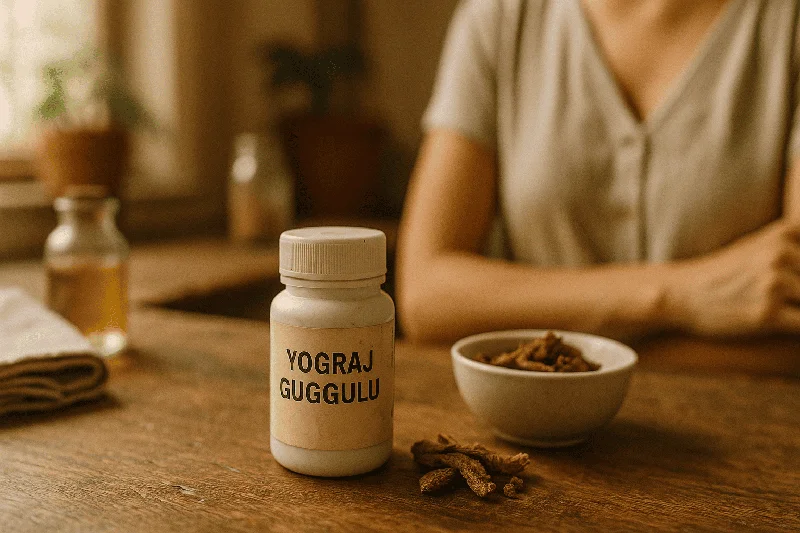
Yograj Guggulu is a classical Ayurvedic polyherbal formulation primarily used to manage joint pain, arthritis, gout, muscle stiffness, and digestive disorders. Described in ancient texts like Bhaishajya Ratnavali and Sharangdhara Samhita, this powerful combination of Guggulu resin (Commiphora mukul) with over 20 therapeutic herbs works by pacifying aggravated Vata dosha, burning accumulated toxins (Ama), and strengthening the musculoskeletal system. If you're dealing with chronic joint discomfort, inflammatory conditions, or sluggish metabolism — this guide covers everything you need to know before starting Yograj Guggulu, including what no other resource online tells you about its pharmacology, drug interactions, and quality selection.
What Is Yograj Guggulu and Why Is It So Widely Used?
- Yograj Guggulu (also spelled Yogaraj Guggulu or Yogaraja Guggulu) is a traditional Ayurvedic tablet formulation that has been prescribed for centuries across the Indian subcontinent.
- The name itself tells you a lot: "Yograj" means "king of formulations," and "Guggulu" refers to the oleogum resin of the Commiphora mukul tree — the base ingredient that binds the entire formula together.
The Ayurvedic Philosophy Behind Yograj Guggulu
In Ayurveda, most musculoskeletal diseases stem from two root causes: aggravated Vata dosha (the principle governing movement and nerve function) and accumulated Ama (metabolic toxins that clog channels). When Vata becomes vitiated, it dries out synovial fluid in joints, causes stiffness, and creates pain. Meanwhile, Ama deposits in joints and tissues, triggering inflammation.
- Yograj Guggulu addresses both problems simultaneously.
- The Guggulu resin acts as a Yogavahi — a bioenhancer that carries other herbs deep into tissues. The warming herbs like Chitraka, Pippali, and Shunthi ignite digestive fire (Agni), burning Ama at its source. And the balancing herbs like Triphala ensure toxins are safely eliminated through the gut.
The Classical Sanskrit Reference (Shloka)
The original formulation is described in Bhaishajya Ratnavali, Amavata Chikitsa chapter:
> "योगराजो गुग्गुलुः सर्ववातरोगनाशनः"
> ("Yogaraja Guggulu destroys all diseases born of Vata.")
This classical reference establishes its primary indication: Vata-predominant disorders affecting joints, muscles, nerves, and the digestive system.
How Yograj Guggulu Is Traditionally Prepared
The classical method of preparation (as described in Sharangdhara Samhita) involves:
- 1.Purification of Guggulu — Raw Guggulu resin is purified (shodhana) by boiling it in Triphala decoction or cow's milk, removing impurities and reducing potential gastric irritation
- 2.Preparation of herbal powders — All supporting herbs are individually dried, powdered, and sieved to uniform mesh size
- 3.Blending — Purified Guggulu is warmed until soft, then each herbal powder is added sequentially in precise proportions and kneaded into a homogeneous mass
- 4.Pill formation — The mass is rolled into uniform pills (typically 250–500 mg each) and dried in shade
This process ensures the Guggulu acts as both a binding agent and a delivery system for the entire formula. Modern GMP-certified manufacturers follow the same sequence with standardized quality controls.
Yograj Guggulu Ingredients: Full Composition with Botanical Names
One of the things that makes Yograj Guggulu remarkable is its complex, multi-targeted formula. It contains approximately 28 ingredients, each serving a specific therapeutic purpose.
Here's the complete breakdown:
| # | Ingredient (Sanskrit) | Botanical / English Name | Part Used | Key Role in Formula |
|---|---|---|---|---|
| 1 | Guggulu (Shuddha) | Commiphora mukul | Oleogum resin | Anti-inflammatory base, bioenhancer |
| 2 | Chitraka | Plumbago zeylanica | Root | Digestive stimulant, Ama-digesting |
| 3 | Pippali | Piper longum | Fruit | Bioavailability enhancer, respiratory support |
| 4 | Pippali Mool | Piper longum | Root | Deepana (appetite stimulant) |
| 5 | Chavya | Piper chaba | Stem | Carminative, anti-spasmodic |
| 6 | Haritaki | Terminalia chebula | Fruit | Laxative, Vata-balancing |
| 7 | Bibhitaki | Terminalia bellirica | Fruit | Astringent, Kapha-reducing |
| 8 | Amalaki | Emblica officinalis | Fruit | Antioxidant, rejuvenative |
| 9 | Mustaka | Cyperus rotundus | Rhizome | Digestive, anti-inflammatory |
| 10 | Shunthi | Zingiber officinale | Rhizome | Anti-inflammatory, analgesic |
| 11 | Marich | Piper nigrum | Fruit | Bioenhancer, kapha-reducing |
| 12 | Ajmoda | Apium graveolens | Seed | Carminative, anti-rheumatic |
| 13 | Vidanga | Embelia ribes | Fruit | Anthelmintic, detoxifier |
| 14 | Devdaru | Cedrus deodara | Heartwood | Anti-inflammatory, Vata-pacifying |
| 15 | Ela | Elettaria cardamomum | Seed | Aromatic, digestive |
| 16 | Rasna | Pluchea lanceolata | Leaf | Anti-rheumatic, analgesic |
| 17 | Gokshura | Tribulus terrestris | Fruit | Urinary support, reproductive tonic |
| 18 | Dhanyaka | Coriandrum sativum | Seed | Cooling, digestive |
| 19 | Haridra | Curcuma longa | Rhizome | Anti-inflammatory, antioxidant |
| 20 | Twak | Cinnamomum zeylanicum | Bark | Circulatory stimulant |
| 21 | Jeeraka | Cuminum cyminum | Seed | Carminative, digestive |
| 22 | Kushtha | Saussurea lappa | Root | Nervine tonic, anti-spasmodic |
| 23 | Talispatra | Abies webbiana | Leaf | Respiratory support |
| 24 | Tejpatra | Cinnamomum tamala | Leaf | Aromatic, digestive |
| 25 | Nagkeshar | Mesua ferrea | Stamen | Anti-hemorrhagic, anti-inflammatory |
| 26 | Renuka | Vitex agnus-castus | Seed | Hormonal balancing |
| 27 | Sarshapa | Brassica nigra | Seed | Rubefacient, pain-relieving |
| 28 | Ghrita (Ghee) | Clarified butter | — | Vehicle, Vata-pacifying |
Note: Exact proportions may vary slightly between manufacturers. Always check the label for the specific formulation used.
The Triphala combination (Haritaki + Bibhitaki + Amalaki) provides the detoxification backbone. Trikatu (Shunthi + Marich + Pippali) fires up metabolism. And herbs like Rasna, Devdaru, and Gokshura target the musculoskeletal and urinary systems specifically.
Yograj Guggulu Benefits: Evidence-Based Uses
Joint Health and Arthritis Management
This is the primary and most well-documented use of Yograj Guggulu.
It is traditionally prescribed for:
- Amavata (Rheumatoid Arthritis) — reducing morning stiffness, joint swelling, and pain
- Sandhivata (Osteoarthritis) — improving joint mobility, especially in knees and hips
- Vatarakta (Gout) — helping reduce uric acid-related inflammation
A 2015 clinical study published in the Journal of Ayurveda and Integrative Medicine evaluated Guggulu-based formulations in patients with osteoarthritis and found significant reduction in pain scores (VAS) and improvement in joint function over 8 weeks of treatment. The anti-inflammatory effect was attributed primarily to guggulsterones — the active compounds in Commiphora mukul.
Yograj Guggulu for Knee Pain
Knee pain is probably the single most common reason people seek out this formulation. The combination of Rasna (a classical anti-rheumatic herb), Guggulu's anti-inflammatory action, and the circulatory-stimulating spices helps improve blood flow to the knee joint, reduce synovial inflammation, and gradually restore range of motion. Most practitioners recommend a minimum 6–8 week course for noticeable improvement in chronic knee conditions.
Yograj Guggulu for Sciatica and Disc Problems
Sciatica (Gridhrasi in Ayurveda) is a Vata-predominant condition involving nerve compression and radiating pain from the lower back down through the leg. Yograj Guggulu is frequently prescribed alongside Panchakarma therapies (especially Kati Basti and Virechana) for disc bulges and sciatica. The formulation's nervine herbs like Kushtha and Devdaru help reduce nerve inflammation, while Guggulu's deep-tissue penetrating ability delivers relief to the affected spinal segments.
Digestive Health and Metabolism
Yograj Guggulu is not just an orthopedic remedy.
Its potent digestive herbs — Chitraka, the entire Trikatu complex, Ajmoda, and Mustaka — make it equally valuable for:
- Chronic indigestion and bloating
- Loss of appetite (Agnimandya)
- Flatulence and abdominal discomfort
- Constipation (mild, through Triphala's action)
- By restoring proper Agni, the formulation prevents new Ama formation, which in turn reduces the root cause of many inflammatory conditions.
- This is the fundamental Ayurvedic insight: fix digestion first, and many downstream problems resolve on their own.
Muscle Pain and Neuromuscular Support
The anti-spasmodic action of Chavya, the nervine tonic properties of Kushtha, and the muscle-relaxant effect of Guggulu resin make this formulation effective for:
- Muscle spasms and cramps
- Fibromyalgia-type diffuse pain
- Post-exercise muscle soreness
- Stiffness upon waking
Weight Management and Fat Metabolism
Guggulsterones have been extensively studied for their effect on lipid metabolism. A landmark 2003 study published in JAMA investigated guggulipid (standardized Guggulu extract) and found that guggulsterones influence thyroid hormone metabolism and activate peroxisome proliferator-activated receptors (PPARs), which play a role in fat storage and glucose metabolism.
While Yograj Guggulu is not a "weight loss pill," its metabolic-enhancing properties — combined with proper diet and exercise — can support healthy weight management, particularly when excess weight is associated with sluggish metabolism and Kapha-Ama accumulation.
Reproductive Health and Hormonal Balance
This is an area most online resources overlook. Yograj Guggulu contains Gokshura (Tribulus terrestris) and Renuka (Vitex agnus-castus), both of which have documented effects on reproductive hormones:
- For men: Gokshura supports healthy testosterone levels and prostate function. Yograj Guggulu is sometimes prescribed as adjunct therapy for benign prostate enlargement (Mutraghata)
- For women: Renuka has been studied for its effect on prolactin regulation and menstrual cycle regularity
Prostate Gland Enlargement
In Ayurvedic practice, Yograj Guggulu is used in the management of early-stage benign prostatic hyperplasia (BPH). The combination of Gokshura's urinary tract support with Guggulu's anti-inflammatory action helps reduce prostate swelling and improve urinary flow. However, this should always be done under medical supervision — BPH requires proper diagnosis and monitoring.
How Guggulsterones Actually Work: The Mechanism of Action
This is where we go deeper than any other resource. Understanding why Yograj Guggulu works helps you use it more effectively.
NF-κB Inhibition and COX-2 Suppression
Guggulsterones (specifically Z-guggulsterone and E-guggulsterone) have been shown in multiple in-vitro and animal studies to:
- 1.Inhibit NF-κB activation — NF-κB is the master transcription factor that switches on inflammatory genes. A 2009 study in Molecular Pharmacology demonstrated that guggulsterone suppresses NF-κB activation induced by TNF, IL-1β, and other pro-inflammatory triggers
- 2.Downregulate COX-2 expression — COX-2 is the enzyme responsible for producing inflammatory prostaglandins (the same target as ibuprofen and other NSAIDs). Guggulsterone achieves this without the gastric side effects of conventional NSAIDs
- 3.Inhibit MMP enzymes — Matrix metalloproteinases break down cartilage in arthritic joints. Guggulsterones help preserve cartilage integrity by reducing MMP activity
Lipid Metabolism Pathway
Guggulsterones act as antagonists of the Farnesoid X Receptor (FXR), a nuclear receptor that regulates cholesterol and bile acid metabolism. By blocking FXR, guggulsterones increase the conversion of cholesterol into bile acids, effectively lowering serum cholesterol. This partly explains the traditional use of Guggulu formulations for Medoroga (obesity/metabolic disorders).
Synergistic Bioenhancement
- Pippali and Marich contain piperine, a well-studied bioenhancer that increases the bioavailability of other compounds by inhibiting hepatic and intestinal glucuronidation. A 1998 study in Planta Medica showed piperine can increase the bioavailability of co-administered compounds by 30–200%.
- This is not accidental — the ancient formulators understood synergy at a practical level, even without modern pharmacokinetic tools.
Yograj Guggulu Dosage and How to Use It
Standard Adult Dosage
| Parameter | Recommendation |
|---|---|
| Dose | 1–2 tablets (250–500 mg each), twice or thrice daily |
| Timing | After meals, or as directed by physician |
| Vehicle (Anupana) | Warm water (most common), warm milk, or castor oil (for severe Vata conditions) |
| Duration | Typically 4–12 weeks per course |
When to Take: Morning vs Evening
For joint pain and stiffness that's worse in the morning, taking a dose after breakfast and after dinner covers both the Vata-aggravating periods (early morning and late evening). For digestive complaints, taking it after lunch and dinner is generally more effective.
Dosage for Children
Children aged 5–12 years: ½ to 1 tablet twice daily, strictly under practitioner guidance. Not recommended for children under 5 without specific medical advice.
Dosage for Elderly Patients
Elderly patients (above 65) should start with the lower end — 1 tablet twice daily — and increase gradually, as digestive capacity and liver function may be reduced.
Adjuvants (Anupana): What to Take It With
The anupana or vehicle you use with Yograj Guggulu can modify its action:
- Warm water — General purpose, most common
- Castor oil (Eranda taila) — For severe Vata conditions, sciatica, constipation-dominant presentations
- Dashamoola decoction — For acute inflammatory joint conditions
- Warm milk — For underweight patients or those with Pitta sensitivity
- Rasnadi Kashayam — Specifically for rheumatoid arthritis (common in Kerala Ayurveda protocols)
Seasonal Considerations (Ritucharya)
Yograj Guggulu is most effective during Shishira (late winter) and Varsha (monsoon) seasons — both periods when Vata is naturally aggravated and joint problems tend to flare up. During Grishma (summer), when Pitta is already elevated, some practitioners reduce the dose or add a cooling adjuvant like milk to prevent excessive heat generation.
Don't wait or self medicate. Start chat with Doctor NOW
Side Effects and Safety: What You Must Know
Are There Any Side Effects of Yograj Guggulu?
When taken at recommended doses and for appropriate durations, Yograj Guggulu is generally considered safe for most adults.
However, potential side effects include:
- Mild gastric irritation — especially if taken on an empty stomach or without proper Guggulu purification
- Loose stools — due to the Triphala component
- Skin rashes — rare, usually indicating Pitta aggravation or individual sensitivity
- Increased body heat — the warming herbs can cause discomfort in Pitta-dominant individuals
Detailed Contraindications
No other online resource provides this level of specificity on contraindications:
| Condition | Risk Level | Explanation |
|---|---|---|
| Pregnancy | Contraindicated | Guggulu has uterine-stimulating properties; multiple herbs in the formula are classified as garbhashaya sankochaka |
| Breastfeeding | Use with caution | Limited safety data; consult practitioner |
| Gastric/duodenal ulcers | Contraindicated | Chitraka, Marich, and Pippali increase gastric acid secretion |
| Hyperthyroidism | Contraindicated | Guggulsterones may stimulate thyroid hormone production |
| Active liver disease | Use with caution | Hepatic metabolism of multiple herbal compounds; may stress compromised liver |
| Active bleeding disorders | Contraindicated | Some ingredients have mild anticoagulant properties |
| Inflammatory bowel disease | Use with caution | Heating herbs may aggravate active Crohn's or ulcerative colitis flares |
Drug Interactions With Western Medications
This is critically important safety information that no competing resource currently provides:
- Warfarin / anticoagulants — Guggulu may have mild blood-thinning effects; concurrent use could increase bleeding risk. Monitor INR closely
- Statins (atorvastatin, rosuvastatin) — Guggulsterones affect the same lipid pathways; co-administration may alter statin efficacy. Some evidence suggests guggulsterones may reduce statin absorption
- Metformin — Guggulu may enhance hypoglycemic effect. Blood sugar should be monitored more frequently
- NSAIDs (ibuprofen, diclofenac) — Combined use increases gastric irritation risk. If using both, add a gastroprotective agent
- Thyroid medications (levothyroxine) — Guggulsterones' thyroid-stimulating effect may necessitate dose adjustment of synthetic thyroid hormones
- Oral contraceptives — Theoretical interaction due to the presence of hormone-modulating herbs (Renuka, Gokshura); consult gynecologist
> Important disclaimer: Always inform your physician about all Ayurvedic supplements you're taking. The interactions listed above are based on pharmacological reasoning and limited clinical reports — not all have been confirmed in large-scale clinical trials.
How to Choose a Quality Yograj Guggulu Product
Not all Yograj Guggulu products are equal.
Here's a practical quality checklist:
Certifications to Look For
- GMP (Good Manufacturing Practices) certification
- AYUSH Ministry license — mandatory for Ayurvedic manufacturers in India
- FSSAI registration — for products sold as supplements
- ISO certification — additional quality assurance
- Heavy metal testing reports — critical; Guggulu resin can accumulate heavy metals from soil
Signs of a Quality Product
- 1.Properly purified Guggulu — The label should mention "Shuddha Guggulu" (purified Guggulu). Unpurified Guggulu can cause skin rashes and gastric issues
- 2.Complete ingredient list — All 25+ ingredients should be listed with quantities. Vague labels are a red fla
- 3.Manufacturing and expiry dates clearly printed
- 4.Uniform tablet appearance — Tablets should be dark brown to black, with consistent size and no mold or unusual odor
- 5.Classical reference mentioned — Reputable manufacturers cite the classical text (e.g., "As per Bhaishajya Ratnavali")
Red Flags to Avoid
- Unusually cheap pricing (quality Guggulu resin is expensive)
- No manufacturer address or license number
- Claims of "instant relief" or "miracle cure"
- Missing ingredient proportions on the label
Yograj Guggulu vs Other Guggulu Formulations: Which One Do You Need?
This comparison table helps you choose the right Guggulu formula for your specific condition — something no other resource provides comprehensively:
| Feature | Yograj Guggulu | Mahayograj Guggulu | Kaishore Guggulu | Triphala Guggulu |
|---|---|---|---|---|
| Primary Focus | Vata disorders, joints, muscles | Severe Vata-neurological conditions | Pitta-inflammatory conditions, gout | Ama detox, lipid metabolism |
| Dosha Target | Vata (primary), Kapha | Vata (severe) | Pitta, Vata-rakta | Kapha, Ama |
| Best For | Osteoarthritis, general joint pain, sciatica | Paralysis, severe neuropathy, advanced arthritis | Gout, skin diseases, inflammatory arthritis | Obesity, high cholesterol, toxin removal |
| Contains Metals? | No | Yes (contains purified metals/Bhasmas like Loha, Abhraka) | No | No |
| Potency | Moderate | High (due to mineral additions) | Moderate | Mild-Moderate |
| Safety Profile | Generally safe for self-use with guidance | Requires strict medical supervision | Generally safe | Generally safe |
| Key Differentiating Herb | Chitraka, Rasna | Rasa Sindoor, Loha Bhasma | Guduchi (Tinospora) | Triphala-dominant |
Quick decision guide:
- Joint pain with stiffness and crackling → Yograj Guggulu
- Gout with burning, red, swollen joints → Kaishore Guggulu
- Severe neurological involvement or paralysis → Mahayograj Guggulu (medical supervision required)
- Primarily weight/cholesterol management → Triphala Guggulu
Diet and Lifestyle Recommendations During Yograj Guggulu Course
What you eat during the treatment significantly affects outcomes.
Here are specific recommendations:
Foods to Favor
- Warm, freshly cooked meals (soups, stews, khichdi)
- Healthy fats: ghee, sesame oil, olive oil
- Warming spices: cumin, ginger, turmeric, asafoetida
- Whole grains: wheat, rice, barley
- Warm water throughout the day
Foods to Avoid
- Cold, raw, and refrigerated foods
- Excessive dairy (especially cold milk and ice cream)
- Fermented foods in excess (they can aggravate Vata)
- Processed and fried foods
- Excessive caffeine and carbonated beverages
Lifestyle Adjustments
- Regular gentle exercise — walking, swimming, yoga (especially Pawanmuktasana series)
- Warm oil self-massage (Abhyanga) with sesame oil before bathing
- Avoid excessive physical strain or prolonged sitting
- Maintain regular sleep schedule; sleep before 10 PM
Realistic Timeline: When to Expect Results
One of the biggest questions people have — and one that no competitor answers honestly — is how long it takes to work.
Here's a realistic timeline based on practitioner experience:
| Timeframe | What to Expect |
|---|---|
| Week 1–2 | Improved digestion, reduced bloating, slight warming sensation |
| Week 3–4 | Noticeable reduction in morning stiffness, mild pain relief begins |
| Week 5–8 | Significant improvement in joint mobility and pain levels; swelling reduces |
| Week 8–12 | Maximum benefits for chronic conditions; many patients report 50–70% improvement in symptoms |
| After 12 weeks | Re-evaluation recommended; course may be extended, modified, or paused |
Note: Results vary based on disease severity, individual constitution (Prakriti), adherence to diet, and whether Panchakarma therapies are combined with oral medication.
Frequently Asked Questions (FAQ)
Can I take Yograj Guggulu daily?
Yes, Yograj Guggulu can be taken daily for the duration prescribed by your Ayurvedic practitioner — typically 4 to 12 weeks. It is not generally recommended for indefinite continuous use without periodic breaks. A common protocol is 8 weeks on, 2–4 weeks off, then reassess. Long-term continuous use without supervision may lead to gastric irritation or excessive Pitta accumulation.
How long should I take Yograj Guggulu?
For acute conditions (like a recent joint flare-up), 4–6 weeks may be sufficient. For chronic conditions like long-standing osteoarthritis or sciatica, 8–12 weeks is typical, sometimes extending to 16 weeks with practitioner supervision. The key indicator to continue is progressive improvement; if no benefit is observed after 6 weeks, the formulation or diagnosis may need reassessment.
Which Guggulu is best for knee pain?
For most cases of knee osteoarthritis with stiffness and crackling (crepitus), Yograj Guggulu is the first choice. If the knee pain involves significant inflammation, redness, and warmth (suggesting a Pitta component), Kaishore Guggulu may be more appropriate. For severe cases with cartilage degeneration, some practitioners combine Yograj Guggulu with Laksha Guggulu (which contains lac — a bone and cartilage strengthener).
Can Yograj Guggulu be taken with blood pressure medications?
Yograj Guggulu does not have significant direct interactions with most antihypertensive drugs. However, some of its heating herbs may slightly elevate blood pressure in sensitive individuals. If you're on amlodipine, losartan, or other BP medications, start with a lower dose and monitor your blood pressure for the first two weeks. Always inform your cardiologist.
Is Yograj Guggulu safe for diabetic patients?
Generally yes, and it may actually complement diabetes management through its metabolic-enhancing properties. However, since Guggulu can potentiate the hypoglycemic effect of medications like metformin or glimepiride, blood sugar levels should be monitored more frequently during initial weeks of use.
What is the difference between Yograj Guggulu and Mahayograj Guggulu?
- Mahayograj Guggulu contains all the herbs present in Yograj Guggulu PLUS purified mineral/metallic preparations (Bhasmas) such as Loha Bhasma (iron), Abhraka Bhasma (mica), and Rasa Sindoor (mercury-sulfur compound).
- This makes Mahayograj significantly more potent — but also requiring stricter medical supervision. Yograj Guggulu is the safer, herbal-only version suitable for mild to moderate conditions.
Can Yograj Guggulu help with weight loss?
It can support weight management as part of a holistic approach, but it is not a standalone weight loss solution. The guggulsterones enhance lipid metabolism and thyroid function, while the digestive herbs improve caloric utilization. Combined with proper diet and exercise, patients have reported gradual weight reduction over 2–3 months of use. For obesity as the primary concern, Triphala Guggulu or Medohar Guggulu may be more specifically targeted.
Final Thoughts: Making the Most of Yograj Guggulu
- Yograj Guggulu remains one of the most versatile and time-tested formulations in the entire Ayurvedic pharmacopoeia.
- Its multi-targeted approach — addressing inflammation, digestion, metabolism, and tissue nourishment simultaneously — reflects the sophisticated systems-thinking that makes Ayurveda uniquely effective for chronic, multi-factorial conditions.
But here's what matters most: this formulation works best when used as part of a complete protocol. That means proper diagnosis of your specific condition and constitution, appropriate dietary and lifestyle modifications, and ideally, guidance from a qualified Ayurvedic practitioner who can adjust your treatment as you progress.
- If you're considering starting Yograj Guggulu, consult with a certified Ayurvedic doctor who can evaluate your Prakriti, assess your current health status, and design a personalized treatment plan.
- The right formulation, at the right dose, at the right time — that's the real meaning of Ayurveda.
This article is for informational purposes only and does not replace professional medical advice. Always consult a qualified healthcare practitioner before starting any new supplement or medication.
Scientific Sources
- Ayurvedic and Chinese Herbs against Coronaviruses — Gasmi A et al., 2024, Current pharmaceutical design
- Ayurveda and in silico Approach: A Challenging Proficient Confluence for Better Development of Effective Traditional Medicine Spotlighting Network Pharmacology — Sahu R et al., 2023, Chinese journal of integrative medicine
- Indian Traditional Treatments for Psoriasis: A Critical Appraisal of Available Evidence Supporting Efficacy — Dayanand ND et al., 2023, Chinese journal of integrative medicine
- Traditional Formulations for Managing COVID-19: A Systematic Review — Bhandari RB et al., 2024, Journal of integrative and complementary medicine
- Chyawanprash: A Traditional Indian Bioactive Health Supplement — Sharma R et al., 2019, Biomolecules
- The practitioner's perspective: introduction to Ayurvedic herbalism — Khalsa KP, 2007, Journal of herbal pharmacotherapy
- Efficacy and Safety of an Ayurveda Herbal Formulation in Uncomplicated Type 2 Diabetes mellitus — Perera B et al., 2025, Journal of evidence-based integrative medicine
- Complementary therapy and infertility: an Icelandic perspective — Veal L, 1998, Complementary therapies in nursing & midwifery
- Natural Medicines for Psychotic Disorders: A Systematic Review — Hoenders HJR et al., 2018, The Journal of nervous and mental disease
- Ayurveda and yoga in cardiovascular diseases — Mamtani R et al., 2005, Cardiology in review
- SitoshnaPred: Learning phytochemical descriptors to elucidate Ayurvedic herbal potency — Panghalia A et al., 2026, Journal of ethnopharmacology
- Pharmacological potentials of Premna integrifolia L — Mali PY, 2016, Ancient science of life
- Exploring Ayurveda's Potential in Parkinson's Disease: A Comprehensive Narrative — Chikkanna U et al., 2025, Cureus
- Natural Compounds with Anti-BACE1 Activity as Promising Therapeutic Drugs for Treating Alzheimer's Disease — Naushad M et al., 2019, Planta medica
- Medicinal plants of genus Curculigo: traditional uses and a phytochemical and ethnopharmacological review — Nie Y et al., 2013, Journal of ethnopharmacology
- Terminalia bellirica (Gaertn.) roxb. (Bahera) in health and disease: A systematic and comprehensive review — Gupta A et al., 2020, Phytomedicine : international journal of phytotherapy and phytopharmacology
- Medicinal system of Ladakh, India — Navchoo IA et al., 1989, Journal of ethnopharmacology
- Ayurveda and herbs in dental health — Saini R et al., 2011, Ayu
- Contemporary approaches in the management of uterine leiomyomas — Singh S et al., 2023, European journal of obstetrics, gynecology, and reproductive biology
- A review on corona virus and treatment approaches with Allium sativam — Pandey RK et al., 2021, Future journal of pharmaceutical sciences
Questions from users
How long should I take Yograj Guggulu for best results?
Client_7abba2
4 days ago
A common protocol for taking Yograj Guggulu is 8 weeks on, followed by a 2-4 week break, and then reassessment. This allows you to monitor its effects on your condition and make necessary adjustments. If you're taking medication like NSAIDs or statins, be cautious of interactions that could affect efficacy or cause side effects. For instance, it may alter lipid pathways when combined with statins. Also, monitor your blood sugar and blood pressure, especially if you have diabetes or are on any BP medications. Consult your healthcare provider to tailor the dosage and duration to your specific needs.
What are the signs that indicate the need for Yograj Guggulu for knee pain?
Client_71093d
9 days ago
Yograj Guggulu might be indicated for knee pain characterized by stiffness, joint pain, and muscular aches without significant inflammation, especially if related to chronic conditions or degenerative changes. If you notice these signs alongside impaired mobility or chronic pain aggravated by physical activity, this supplement might help. It is often best for non-inflammatory types of pain, unlike Kaishore Guggulu which suits inflammatory pain with redness and warmth. As its benefits and safety can vary, consult a healthcare provider to assess if Yograj Guggulu suits your specific condition and consider its interaction with any existing medications.
What are the potential benefits of Yograj Guggulu for joint health?
Client_bb7c1d
14 days ago
Yograj Guggulu is traditionally used in Ayurvedic medicine to support joint health, particularly for those experiencing stiffness and pain. It may help by promoting better joint function and flexibility through its anti-inflammatory properties. However, its effects can vary, and benefits might take several weeks to manifest, typically 4-6 weeks for acute conditions. Monitor for any gastric irritation or changes in blood pressure, and consult a healthcare provider if problems persist or if you are concurrently taking medications, such as those for blood pressure.
How does Yograj Guggulu interact with diabetes medications?
Client_cbfc5c
19 days ago
Yograj Guggulu may interact with diabetes medications like metformin by potentially enhancing its hypoglycemic effect. This means that the combined use of Yograj Guggulu and metformin could lower blood sugar levels more than intended, possibly leading to hypoglycemia. Thus, cautious use is advisable, with regular monitoring of blood glucose levels. Patients should consult their healthcare provider before using Yograj Guggulu alongside their diabetes medications, especially if they have concerns about blood sugar management or experience symptoms of low blood sugar.
How does Yograj Guggulu affect hormone levels in the body?
Client_5c44d8
29 days ago
Yograj Guggulu, containing guggulsterones, may affect hormone levels by influencing thyroid hormone metabolism, potentially boosting the metabolic rate. It can activate peroxisome proliferator-activated receptors (PPARs), impacting fat storage and glucose metabolism. Evidence suggests it may aid hormonal balance, but specific effects on hormone levels can vary individually. Typically, protocols recommend 8 weeks of use followed by a 2–4 week break. Consult a healthcare provider for hormonal disorders or before starting supplementation, as it should be supervised medically.
How does Mahayograj Guggulu compare to Yograj Guggulu in effectiveness?
Client_b76df2
39 days ago
Mahayograj Guggulu is often considered more potent than Yograj Guggulu due to its additional ingredients, including purified mineral and metallic preparations like Loha Bhasma, Abhraka Bhasma, and Rasa Sindoor. These compounds can enhance the overall efficacy but also necessitate stricter medical supervision due to potential toxicity risks. Both formulations are used to support joint health, lipid metabolism, and thyroid function. However, due to the complexity and potency of Mahayograj Guggulu, it is crucial to use it under the guidance of a healthcare professional. If experiencing any adverse effects, consult a doctor promptly.
Can I take Yograj Guggulu for improving lipid metabolism?
Client_7428b2
49 days ago
Yes, Yograj Guggulu can potentially help improve lipid metabolism. The guggulsterones in Yograj Guggulu act as antagonists to the Farnesoid X Receptor (FXR), which can lead to increased conversion of cholesterol into bile acids, thereby lowering serum cholesterol levels. For most conditions, including possible lipid metabolism support, a typical duration of use may range from 8 to 12 weeks, possibly up to 16 weeks, under a practitioner's guidance. Watch out for gastrointestinal side effects and consult a healthcare provider before starting, especially if you have health conditions or are taking other medications.
What should I do if Yograj Guggulu causes gastric irritation?
Client_d31380
58 days ago
If Yograj Guggulu causes gastric irritation, you should stop taking it immediately and consult a healthcare provider. Gastric irritation can occur due to long-term use without supervision or because of its potential to increase Pitta. To alleviate symptoms, try eating smaller, more frequent meals and avoiding spicy or acidic foods, which can aggravate gastric issues. Herbal adjuncts like fennel tea or ginger can sometimes soothe mild irritation. If the problem persists or if you experience severe pain, consult a healthcare provider.
Can I use Yograj Guggulu for managing symptoms of benign prostatic hyperplasia?
Client_430d4d
68 days ago
Yograj Guggulu can be used for early-stage benign prostatic hyperplasia (BPH), but it’s essential to have this managed with medical guidance. BPH requires proper diagnosis and monitoring. Keep an eye on your symptoms, and consult with an Ayurvedic doctor to see if it's really right for you based on your whole constitution!
Can I use Yograj Guggulu for managing stress and anxiety symptoms?
Client_85d0ef
77 days ago
Yograj Guggulu might not be the best for stress and anxiety directly; it's usually more for joint and muscle health. For stress, you might consider Ashwagandha or Brahmi. They're more calming for the mind. Always good to check with an Ayurvedic practitioner, as they'll understand your unique dosha balance! 🌿
Related articles

Orthopedic Disorders
How to Increase Synovial Fluid Ayurveda – Natural Joint Lubrication Tips
Discover Ayurvedic strategies to increase synovial fluid naturally. Learn about herbs, diet, lifestyle changes, and therapies to support joint health and fluid production.
5,873

Orthopedic Disorders
Kshara Thailam Uses – Powerful Ayurvedic Oil for Health and Healing
Discover the benefits and uses of Kshara Thailam, an Ayurvedic oil known for its therapeutic properties in treating skin conditions, digestive issues, and promoting overall well-being.
3,349

Orthopedic Disorders
Patanjali Divya Peedantak Taila
Exploration of Patanjali Divya Peedantak Taila
3,335

Orthopedic Disorders
Mushak Tail: Discover the Benefits of Mushak Tail for Wellness
Discover Mushak Tail, its benefits, proper dosage, uses, and the scientific evidence supporting this Ayurvedic remedy for joint health, mobility, and overall well-being.
3,523

Orthopedic Disorders
Maharajaprasarini Thailam Benefits, How To Use, Side Effects, Ingredients
Exploration of Maharajaprasarini Thailam Benefits, How To Use, Side Effects, Ingredients
2,459

Orthopedic Disorders
Vatarakta Treatment in Ayurveda – Holistic Approach for Joint & Blood Disorders
Discover the Ayurvedic approach to treating Vatarakta, a condition marked by joint pain, inflammation, and blood imbalances. Learn about herbal therapies, detoxification, and lifestyle changes for effective management.
2,739

Orthopedic Disorders
What Does Arthritis Feel Like: Pain Through an Ayurvedic Lens
What does arthritis feel like? Understand the sensations of arthritis pain, stiffness, and discomfort in joints, including hands and knees. Discover Ayurvedic view
1,565

Orthopedic Disorders
Sunarin Capsules – Benefits, Dosage, Ingredients, Side Effects
Exploration of Sunarin Capsules – Benefits, Dosage, Ingredients, Side Effects
4,851

Orthopedic Disorders
Navaka Guggulu Benefits – Natural Detoxification & Joint Health
Discover Navaka Guggulu benefits, uses, and how this Ayurvedic formulation supports joint health, reduces inflammation, and promotes overall wellness.
4,221
Related consultations on the topic
Legal
Additional Documents
© 2024 Ask Ayurveda. All rights reserved.