Ask Ayurvedic doctor a question and get a consultation online on the problem of your concern in a free or paid mode. More than 2,000 experienced doctors work and wait for your questions on our site and help users to solve their health problems every day.


Body DetoxEar, Nose, and Throat DisordersGeriatrics & RejuvenationImmunodeficiencyInfertility TreatmentNutritionOrthopedic DisordersPediatricsRespiratory DisordersSexually Transmitted Diseases (STDs)Surgery RecoveryUrological DisordersVascular DisordersDental DisordersEndocrinological DisordersGastrointestinal DisordersYoga TherapyGeneral MedicineAllergic DisordersCardio DisordersGynecology and ObstetricsCosmetologySkin and Hair DisordersEye DisordersInfectious DiseasesMental DisordersNeurological DisordersOncologyPanchakarmaSexual Health & DisordersSports Medicine
Published on 07/28/25
(Updated on 08/10/26)
6,260
How to Cure Gum Swelling Naturally at Home

Swollen, tender gums can seriously mess with your day. Eating becomes uncomfortable, brushing your teeth hurts more than helps, and sometimes you even start to worry something worse is going on. So, if you’ve been searching for how to cure gum swelling or looking up swollen gums treatment at home, you're definitely not alone. In fact, gum swelling is one of the most common oral health issues people face—often caused by simple things that can actually be handled right at home.
Before you run out to the dentist (which you totally should if the pain is severe or doesn’t go away), there are actually quite a few effective gum swelling home remedies you can try first. They’re safe, affordable, and might just save you a trip. Let’s dive into how to cure gum swelling at home the natural way—and why it matters.
Common Triggers of Mouth Gum Swelling
Mouth gum swelling can pop up for a bunch of reasons, and not all of them are obvious. Poor dental hygiene is a biggie—if you’re not brushing and flossing properly, plaque builds up and bacteria starts causing trouble. But that's just the start.
Gum swelling might also be caused by:
-
Food particles stuck between teeth
-
Allergic reactions to toothpaste or mouthwash
-
Hormonal changes (especially during pregnancy)
-
Vitamin deficiencies (like vitamin C or B12)
-
Ill-fitting dentures or dental appliances
-
And yes—stress! It messes with everything, even your gums.
Sometimes, it’s just a sign that your body’s trying to tell you something’s off. And catching it early means you’ve got better chances of stopping it before it gets worse.
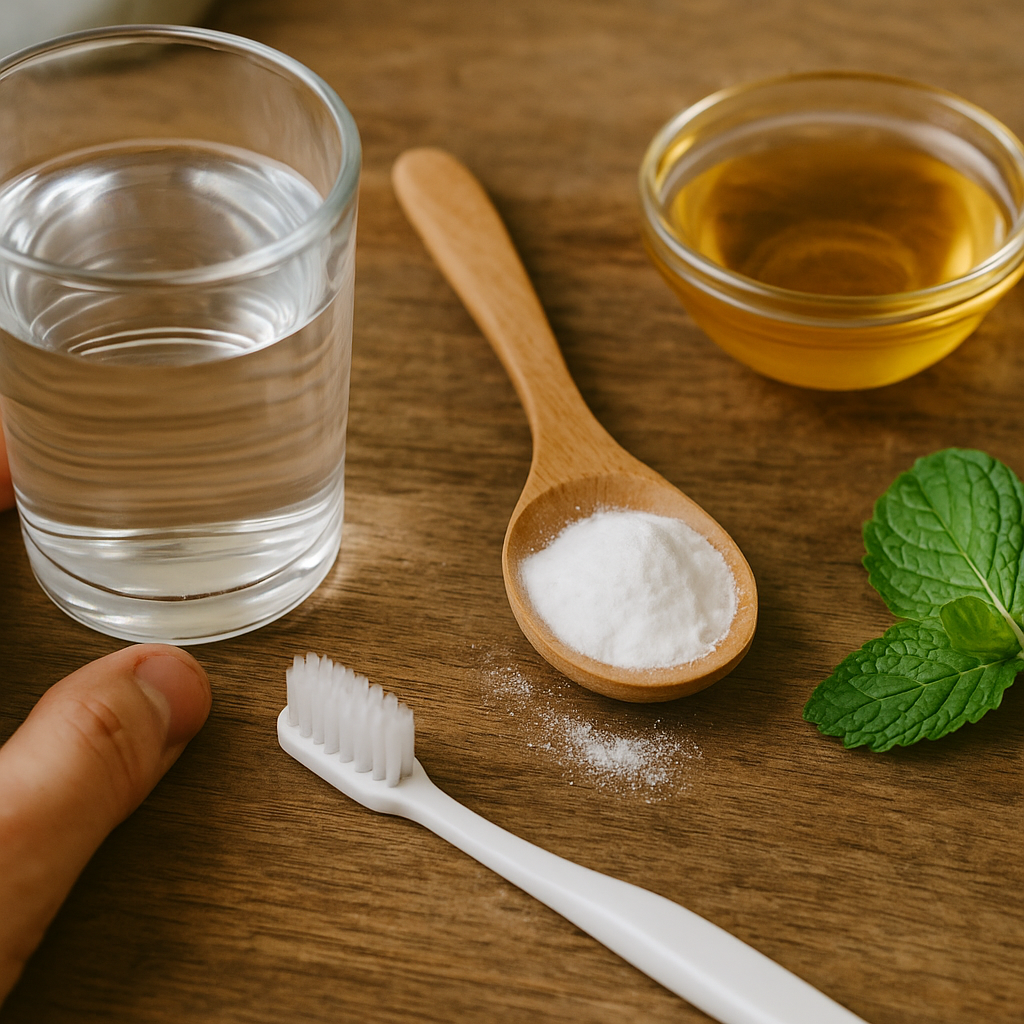
How to Cure Gum Swelling at Home
Swollen Gums Treatment at Home: Ayurvedic View
In Ayurveda, swollen gums are often linked to excess "Pitta" dosha—essentially heat and inflammation in the body. The approach? Cool it down with herbs, oils, and dietary changes.
-
Triphala rinse: Mix Triphala powder in warm water and swish it around your mouth. It’s cleansing and reduces inflammation.
-
Amla (Indian gooseberry): Rich in vitamin C, Amla strengthens gums and can be consumed daily or used in mouth rinses.
-
Avoid spicy, acidic foods: They can make things worse according to Ayurvedic belief.
This ancient method doesn’t just treat the symptom but goes after the root cause.
Fast and Safe Gum Swelling Cure Remedies
When it comes to swollen gums pain treatment at home, speed and safety matter. Here are a few remedies that check both boxes:
-
Saltwater rinse: Simple but powerful. Dissolve a teaspoon of salt in warm water and rinse twice a day. It helps fight infection and soothes the swelling.
-
Cold compress: Wrap ice in a towel and apply to the outside of your cheek. Reduces inflammation and numbs the pain.
-
Hydrogen peroxide rinse (diluted!): Mix equal parts of 3% hydrogen peroxide and water. Swish around gently (don’t swallow it!) to kill bacteria and reduce gum irritation.
Always remember—these are temporary fixes. If symptoms get worse or stick around longer than a week, see a dentist ASAP.
Effective Home Remedies for Gum Swelling
You don’t always need to rush to the pharmacy. Many gum swelling home remedies are already sitting in your kitchen or bathroom cabinet. These are natural, easy to try, and surprisingly effective when used consistently.
Natural Pastes for Gum Swelling Cure
Let’s start with homemade pastes — simple blends that can be dabbed directly onto the affected gums.
-
Turmeric Paste: Turmeric is a natural anti-inflammatory and antibacterial agent. Mix half a teaspoon of turmeric powder with a little water or coconut oil to form a paste. Apply it gently to your gums, leave for 5–10 minutes, then rinse. It might sting a little, but it’s working.
-
Baking Soda Paste: Mix a small amount of baking soda with water and apply it to the swollen area. It helps neutralize acids in the mouth and reduce bacteria, which can ease the swelling.
-
Aloe Vera Gel: Not just for sunburns. Aloe vera is soothing, antimicrobial, and works wonders on inflamed gums. Use pure aloe gel (the kind with no weird additives) and rub it on your gums twice daily. Spit, don’t swallow!
These pastes are easy to make and offer a gentle gum swelling cure for mild inflammation and soreness.
Oils and Spices for Swollen Gums Pain Treatment at Home
Now let’s talk oils and spices. These might sound like something out of a cooking blog, but trust me — they pack a punch when it comes to swollen gums pain treatment at home.
-
Clove Oil: This one’s a classic. Clove oil has natural numbing properties thanks to eugenol. Dab a little on a cotton swab and press gently against the swollen area. You’ll feel relief in minutes. Just don’t overdo it — clove oil is potent stuff.
-
Coconut Oil Pulling: Swish 1 tablespoon of coconut oil around in your mouth for 10–15 minutes. Yes, it’s a bit gross at first, but oil pulling draws out toxins and bacteria from your gums. Spit it out (never into the sink — it can clog drains!) and rinse with warm water.
-
Peppermint Tea Bags: Steep a peppermint tea bag, let it cool a little, and place it directly on the swollen gum area. The menthol cools and soothes, plus peppermint’s antimicrobial properties can help fight infection.
You might not find all of these remedies in medical textbooks, but lots of people swear by them. And hey, they’re cheap and easy to try — what’s the harm?
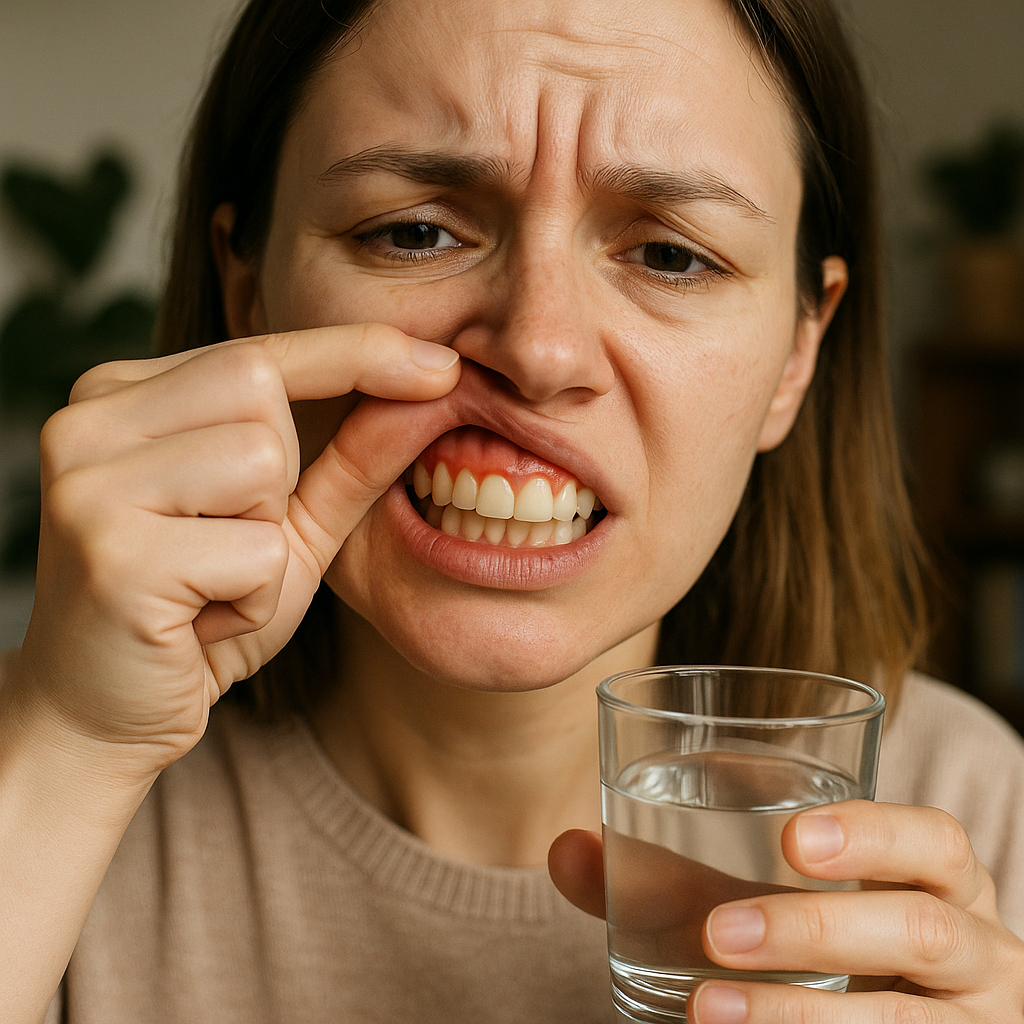
Ayurvedic Treatment for Swollen Gums at Home
Ayurveda doesn’t treat just the symptoms — it aims to balance your body so the issue doesn’t return. Treatment for swollen gums at home through Ayurveda includes diet, herbs, oils, and lifestyle tweaks.
Best Herbs and Powders for Gum Swelling Home Remedy
-
Neem (Indian Lilac): A powerful antimicrobial, neem powder can be mixed with water into a paste and applied to the gums. You can also boil neem leaves in water and use it as a mouth rinse. Bitter? Yup. But incredibly effective.
-
Licorice Root Powder: This lesser-known remedy helps reduce inflammation and supports healing. A pinch rubbed gently onto the gums can bring some relief.
-
Manjistha: Known for its blood-purifying properties. Available in powder form, it can be used as a rinse or taken internally under guidance.
These are some of the best natural options when you're wondering how to cure teeth gum swelling with herbs — just remember to source them from a reputable place.
Ayurvedic Oils for Massage and Rinsing
-
Sesame Oil: Often used in Ayurvedic oil pulling, it’s rich in antioxidants and helps soothe inflamed tissues.
-
Tea Tree Oil (diluted!): Antibacterial and anti-inflammatory. Mix a drop with a carrier oil and massage gently around the gums.
Don’t forget — consistency is key. One rinse or paste won’t magically fix everything. But a few days of regular use? You might just see and feel a difference.
Conclusion
Dealing with gum swelling can be annoying, painful, and, let’s be honest, kinda gross. But here’s the good news: you don’t always need fancy treatments or expensive products to find relief. If you’ve been wondering how to cure gum swelling or looking for a trusted gum swelling cure you can try without leaving home — you’ve now got a whole list of options right at your fingertips.
From turmeric and clove oil to ancient Ayurvedic powders and DIY rinses, the home remedies for gum swelling covered here are not only practical but actually backed by generations of use. And while no remedy is one-size-fits-all, you can try a few, mix and match, and see what works best for your body. Everyone's gums are a little different.
But just one small note: If you’ve tried several treatment for swollen gums at home options and nothing seems to be working—or the swelling gets worse—it’s time to stop Googling and go see a dentist. Some things need professional eyes (and tools).
Still, for those mild cases, or when you feel the early signs coming on, you now know exactly how to cure gum swelling at home—without panicking, spending a ton of money, or resorting to harsh chemicals.
So next time your gums start acting up? You'll be ready.
Don't wait or self medicate. Start chat with Doctor NOW
FAQs
Which home remedies help with gum swelling pain?
Some of the most effective gum swelling home remedies for pain relief include:
-
Clove oil for its numbing and antimicrobial properties
-
Cold compresses to reduce inflammation
-
Saltwater rinses to soothe and clean the area
-
Turmeric paste to fight infection and bring down swelling
-
Peppermint tea bags to cool and calm irritated gums
You can try one or rotate between a few of them. Just don’t overdo it—your gums are delicate!
Can turmeric or clove oil reduce gum inflammation?
Yes, absolutely. Turmeric contains curcumin, which is a powerful anti-inflammatory compound. It not only helps reduce swelling but also prevents bacterial growth. As for clove oil, it’s long been used in dental care due to eugenol, a natural anesthetic and antiseptic. Just a dab can bring real relief—but remember, always use clove oil in moderation.
How long does gum swelling take to heal at home?
It depends on the cause and how quickly you start treatment. For minor swelling due to irritation or poor brushing habits, you might see improvement in 2 to 3 days with proper care. But if there’s an infection or underlying issue, it could take a week or more—and you may need medical attention if it doesn’t start improving by then.
Your oral health plays a big role in your overall well-being, and sometimes it’s the little habits that make the biggest difference. Try out some of these gum swelling home remedies and see which ones bring you the most relief.
If this article helped you even a bit, share it with a friend who might be dealing with the same issue. You never know who’s suffering in silence with sore, swollen gums!
And hey—want more practical health tips like this? Subscribe to our newsletter or bookmark this blog. We're all about making self-care feel simple and real.
Questions from users
What are the benefits of peppermint tea for swollen gums?
Client_f5d24c
19 days ago
Peppermint tea can be beneficial for swollen gums due to its anti-inflammatory and antimicrobial properties. Placing a cooled peppermint tea bag on the affected area may help reduce swelling and temporarily numb pain. Additionally, peppermint tea's natural compounds can help inhibit bacterial growth, contributing to overall oral health. However, these effects are generally mild and temporary. If swelling persists for more than a few days or is accompanied by severe pain, bleeding, or signs of infection, it is advisable to see a dentist for professional evaluation and treatment.
How to choose the right home remedy for gum swelling?
Client_a9a26f
24 days ago
Choosing the right home remedy for gum swelling involves understanding the cause and experimenting with options like clove oil or turmeric. Clove oil, containing eugenol, can numb the area and reduce inflammation when applied with a cotton swab. Turmeric's anti-inflammatory properties may also help. If your swelling persists beyond a few days or is severe, consult a dentist to rule out infections such as gingivitis or periodontitis. Regular dental hygiene is crucial to prevent further issues, so ensure proper brushing and flossing.
Is neem water effective for treating bad breath caused by swollen gums?
Client_1bfa49
29 days ago
Neem water can be an effective remedy for bad breath and swollen gums due to its antimicrobial properties. Boiling neem leaves in water and using this as a mouth rinse may help reduce bacteria that contribute to bad breath and inflammation in the gums. However, results can vary, and improvement might be seen in a few days to a week. If symptoms persist beyond a week or worsen, it is advisable to consult a dentist, as chronic swollen gums may indicate underlying issues like gingivitis or periodontal disease. Always prioritize professional advice when dental symptoms persist.
How to use aloe vera gel for gum inflammation relief?
Client_2f592c
34 days ago
To use aloe vera gel for gum inflammation relief, apply a pea-sized amount of pure aloe vera gel directly to the affected gum area twice daily. Aloe vera contains natural anti-inflammatory and antimicrobial properties that can help reduce gum swelling and discomfort. Improvement in symptoms can typically be noticed within a few days. Ensure you are using a gel that is free from additives to avoid irritation. If the inflammation persists for more than a week or is accompanied by severe pain, consult a dentist to rule out underlying issues like infection.
What are the symptoms indicating swollen gums need immediate attention?
Client_ef60d4
39 days ago
If your swollen gums are accompanied by symptoms like persistent pain, bleeding, receding or separating gums, pus, or bad breath, it’s crucial to see a dentist immediately. These could indicate a severe infection, such as periodontitis, that requires professional treatment. Swelling that affects your entire face or is coupled with fever also merits urgent dental evaluation. While home remedies can offer temporary relief for minor gum swelling, they are not substitutes for medical care when symptoms persist or worsen. Regular dental check-ups can help catch issues early and prevent complications.
What are the potential side effects of using clove oil on gums?
Client_a189d7
44 days ago
Using clove oil on gums can cause potential side effects such as irritation, a burning sensation, or allergic reactions in some individuals. When applying clove oil, it's important to dilute it with a carrier oil, such as coconut or olive oil, to minimize these risks. While clove oil is popular for its ability to relieve dental pain and gum swelling, its effects are temporary. If symptoms worsen or persist beyond a week, it's crucial to consult a dentist, as prolonged gum issues may indicate underlying problems that require professional attention. Avoid swallowing clove oil, and discontinue use if you experience adverse reactions.
How often should I brush my teeth to prevent swollen gums?
Client_cf9633
49 days ago
To prevent swollen gums, brush your teeth at least twice a day using a soft-bristled toothbrush. This helps remove plaque and reduce bacteria in the mouth, which are key contributors to gum inflammation. Effective brushing should last about two minutes per session. Flossing daily and using an antimicrobial mouthwash can also aid in maintaining healthy gums. If persistent swelling occurs despite good oral hygiene, consider visiting a dentist, as it might indicate conditions like gingivitis that require professional care.
How to know if my swollen gums indicate a serious condition?
Client_12b070
54 days ago
Swollen gums can indicate various conditions, ranging from mild irritation to more serious gum disease, such as gingivitis or periodontitis. If your swollen gums persist for more than a week, bleed easily, are accompanied by severe pain, or you're experiencing symptoms like loose teeth or persistent bad breath, it's important to see a dentist. Home remedies can provide temporary relief, such as using clove oil or peppermint tea bags, but they aren't a substitute for professional dental care. Persistent or severe swelling might require antibiotics or other treatments from a healthcare professional. Regular dental visits and proper oral hygiene are key in preventing the progression of gum issues.
What lifestyle changes can help prevent gum swelling?
Client_f95599
59 days ago
To prevent gum swelling, adopting a thorough oral hygiene routine is crucial. This includes brushing your teeth twice daily with a fluoride toothpaste, flossing daily, and using an antiseptic mouthwash. Limiting sugary foods and stopping smoking can also reduce risk. Regular dental check-ups allow for early detection and treatment of gum issues. Additionally, consume a well-balanced diet rich in vitamins C and D, which support gum health. If swelling persists despite these lifestyle changes, consult a dentist to rule out more serious conditions like periodontal disease.
What dietary changes can support healthy gums and reduce swelling?
Client_a30f4d
64 days ago
To support healthy gums and reduce swelling, consider increasing your intake of vitamin C and calcium-rich foods like citrus fruits, leafy greens, and dairy products, which can strengthen gums and reduce inflammation. Omega-3 fatty acids, found in fatty fish and flaxseeds, can also help alleviate gum swelling. Drinking plenty of water, reducing sugar intake, and maintaining proper oral hygiene are crucial. Persistent gum swelling should be evaluated by a dentist to rule out conditions like gingivitis. While some find Ayurvedic remedies like turmeric paste helpful due to its anti-inflammatory properties, these should complement—not replace—clinical advice.
Related articles

Dental Disorders
Which Fruit Is Good for Mouth Ulcer? Ayurvedic Tips and Best Choices
Which fruit is good for mouth ulcer? Discover the best fruits and juices for mouth ulcer relief, healing tips, and Ayurvedic diet suggestions
12,072

Dental Disorders
How to Cure Cavity at Home: Natural Remedies and Ayurvedic Tips
How to cure a cavity at home? Discover Ayurvedic remedies and natural ways to reduce tooth decay, clean cavity teeth, and relieve cavity pain without chemicals
2,636

Dental Disorders
How to Cure Gum Disease Without a Dentist: Ayurvedic and Home Treatment Guide
How to cure gum disease without a dentist? Discover Ayurvedic and home remedies for gum infection, gingivitis, and periodontitis, including natural treatment tips
3,146

Dental Disorders
What Is Oil Pulling? Ayurvedic Meaning, Method, and Benefits
What is oil pulling? Learn about the meaning, method, benefits, and Ayurvedic technique for teeth cleaning using oils like coconut oil and sesame oil
4,157

Dental Disorders
Ayurvedic Treatment for Teeth Cavities: A Holistic Guide
Discover how Ayurveda may help prevent and manage teeth cavities. Learn about scientific insights, holistic remedies, and tips for lasting oral health.
5,383

Dental Disorders
Dant Dhavan: Achieve Optimal Oral Health with Dant Dhavan Herbal Formula
Discover the benefits, proper dosage, uses, and scientific evidence behind Dant Dhavan, a trusted Ayurvedic remedy for dental health and overall oral hygiene.
3,380

Dental Disorders
How to Treat Sensitive Teeth with Natural Remedies and Ayurvedic Tips
Discover how to treat sensitive teeth at home with natural remedies. Explore Ayurvedic care tips, pain relief, and long-term sensitive teeth treatment
5,009

Dental Disorders
Ayurvedic Dentistry: Nurturing Oral Well-Being through Ancient Wisdom
In the realm of holistic well-being, Ayurveda, the ancient Indian system of medicine, extends its wisdom to every aspect of our lives, including dental health.
4,160

Dental Disorders
How to Protect Teeth from Decay: Ayurvedic Guide to Prevention and Care
Discover how to protect teeth from decay with Ayurvedic remedies, prevention tips, and natural treatments to keep your smile healthy and strong
4,289

Dental Disorders
Dental problems
The oral disease remains a major health problem worldwide. Oral health is an integral part of general well-being and refers to the quality of life.
3,287
Related consultations on the topic
Additional Documents
© 2026 Ask Ayurveda. All rights reserved.