Ask Ayurvedic doctor a question and get a consultation online on the problem of your concern in a free or paid mode. More than 2,000 experienced doctors work and wait for your questions on our site and help users to solve their health problems every day.


Body DetoxEar, Nose, and Throat DisordersGeriatrics & RejuvenationImmunodeficiencyInfertility TreatmentNutritionOrthopedic DisordersPediatricsRespiratory DisordersSexually Transmitted Diseases (STDs)Surgery RecoveryUrological DisordersVascular DisordersDental DisordersEndocrinological DisordersGastrointestinal DisordersYoga TherapyGeneral MedicineAllergic DisordersCardio DisordersGynecology and ObstetricsCosmetologySkin and Hair DisordersEye DisordersInfectious DiseasesMental DisordersNeurological DisordersOncologyPanchakarmaSexual Health & DisordersSports Medicine
Published on 09/03/25
(Updated on 08/11/26)
9,115
Which Oil Is Good for Dandruff: Ayurvedic Oils and Remedies

Dealing with dandruff is one of those stubborn hair problems that just never seems to go away, right? You try shampoos, you switch brands, you even stop using conditioner for a while, but those white flakes still keep showing up on your shoulders like uninvited guests. That’s why so many people turn to oils. But here’s the thing — not every hair oil for dandruff actually works, and some can even make the situation worse if used wrong. So the big question is: which oil is good for dandruff and which one should you avoid?
In this guide, we’ll break down the best oil for dandruff, Ayurvedic options that have been trusted for centuries, and even some modern essential oils that help fight itchy scalp and hairfall too. If you’re looking for practical, real solutions that go beyond fancy product labels, you’re in the right place.
Role of Hair Oils in Dandruff Treatment
Before we dive into the names of specific oils, it’s important to understand why oils even matter for dandruff treatment. Dandruff is often linked to a dry scalp, fungal growth, or excessive oil production (yep, both extremes can trigger it). Using the right oil for dandruff helps in multiple ways:
-
Moisturizing the scalp: Oils prevent dryness and flaking.
-
Reducing fungal growth: Some oils have natural anti-fungal properties.
-
Soothing irritation: Oils calm itching and redness.
-
Strengthening hair roots: Good oils not only reduce dandruff but also control hairfall.
The key, though, is choosing wisely. Because, honestly, some oils clog the scalp, make it greasy, and only worsen the condition. That’s why people keep asking: which oil is best for dandruff?
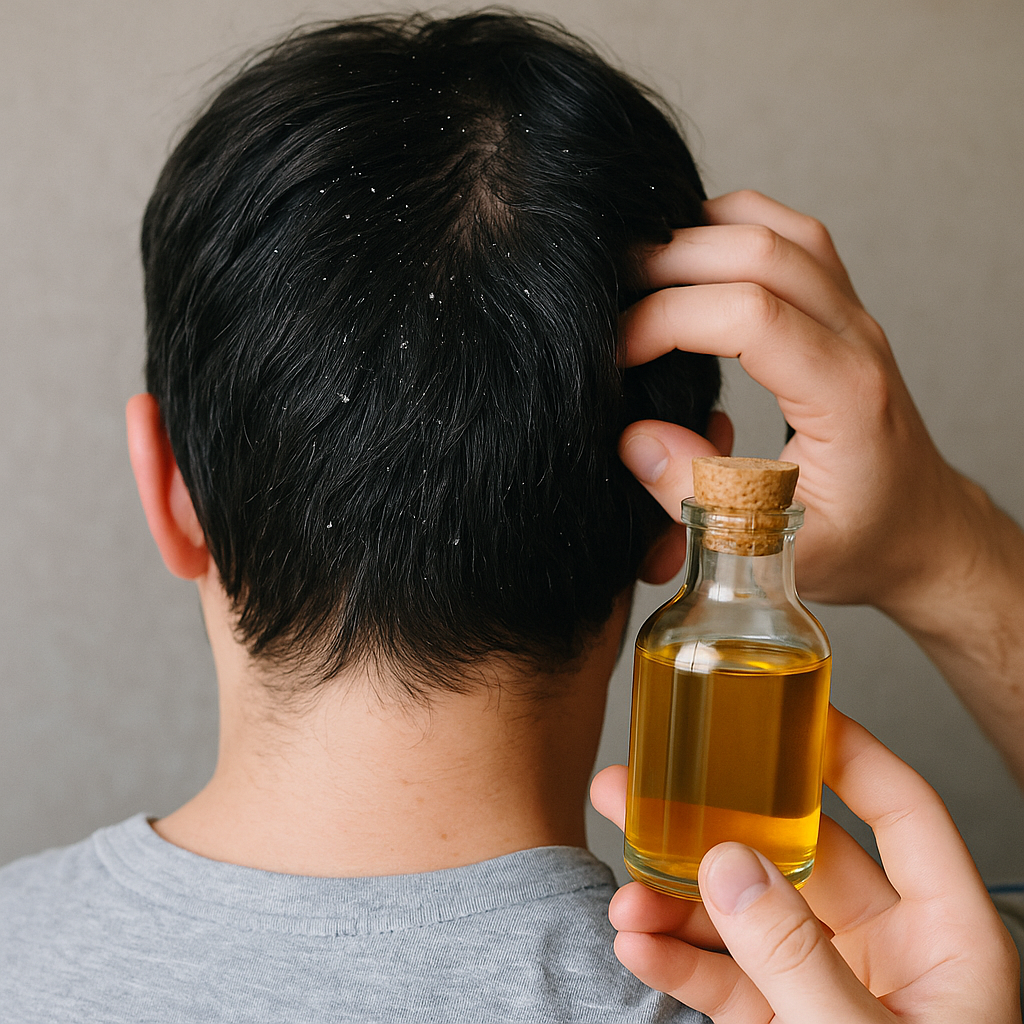
Which Oil Is Good for Dandruff?
Let’s face it, there’s no “one size fits all” answer. The best oil for dandruff depends on your scalp type, the severity of flakes, and whether you also struggle with hairfall or itching. But a few names keep showing up in both Ayurvedic traditions and modern dermatology research.
Best Oil for Dandruff Relief
Coconut oil often tops the list because of its natural anti-fungal properties. It penetrates deep into the scalp and fights the yeast that commonly causes dandruff. However — and this is where some confusion happens — coconut oil doesn’t suit everyone. If you already have an oily scalp, it might feel too heavy.
Tea tree oil is another popular choice. Just a few drops mixed with a carrier oil (like jojoba or almond) can drastically reduce flaking. This one’s also great for itchy scalp relief.
And don’t underestimate neem oil. Sure, it smells a bit strong (okay, a lot strong), but its anti-bacterial and antifungal effects make it one of the best oils for dandruff problems that just don’t quit.
Best Hair Oil for Dandruff and Hairfall
Now, what if you’re not only battling flakes but also watching more hair fall out than usual? In that case, oils like rosemary oil and castor oil are worth adding to your routine. Rosemary stimulates circulation to the scalp, promoting new growth, while castor oil strengthens hair shafts. A blend of these with coconut or almond oil can be the best hair oil for dandruff and hairfall combined.
Ayurvedic Oils for Dandruff Treatment
Ayurveda has always believed in the healing power of oils, and for dandruff, it offers some timeless remedies.
Herbal and Essential Oils for Dandruff
Bhringraj oil, for instance, is a classic Ayurvedic solution for scalp health. It not only clears dandruff but also deeply nourishes hair roots. Brahmi oil is another, often used with amla oil, which is rich in vitamin C and antioxidants. These herbal blends are considered some of the finest essential oils for dandruff because they target the root cause instead of just masking symptoms.
Best Oil for Dandruff and Itchy Scalp
If your main problem is the constant urge to scratch (ugh, so annoying in public), then lavender oil mixed with sesame oil can be a game-changer. Lavender’s soothing properties calm irritation, while sesame balances scalp oils. Many Ayurvedic practitioners recommend this combo as the best oil for dandruff and itchy scalp, especially for people with sensitive skin.
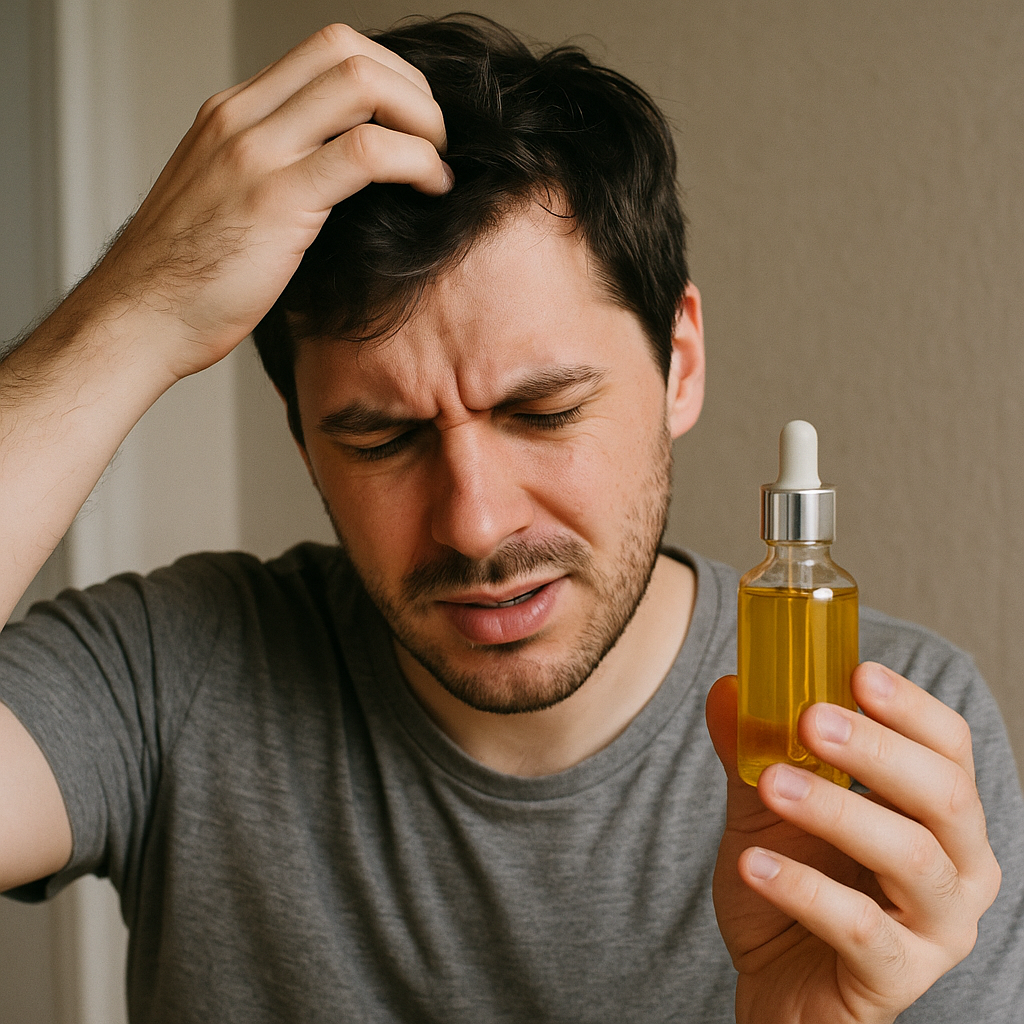
How to Use Oils for Dandruff Effectively
Knowing which oil is good for dandruff is only half the battle. The way you apply and use these oils makes a huge difference in how well they actually work. Many people just slather oil on their hair, leave it overnight, and hope for the best. But honestly, that doesn’t always do the trick. You need to be a little bit intentional with your routine.
Oil Massage Techniques for Healthy Scalp
A good oil massage is more than just a feel-good ritual. Massaging the scalp improves blood circulation, helps the oil penetrate deeper, and even relaxes stress (which, by the way, is another hidden trigger for dandruff).
Here’s a simple method:
-
Warm the oil slightly (don’t overheat it, just lukewarm).
-
Use your fingertips (not nails!) to gently massage in circular motions.
-
Focus on the scalp, not just coating the hair strands.
-
Leave it for at least 30–45 minutes before washing.
Pro tip: If you’re using strong essential oils like tea tree or neem, always dilute them with a carrier oil. Direct application can be too harsh and sometimes even irritate the scalp. I made that mistake once — trust me, not fun at all.
Combining Oils with Home Remedies
Oils work wonders when paired with simple home remedies. For example:
-
Lemon juice + coconut oil: This combo reduces flakiness and balances scalp pH.
-
Aloe vera gel + castor oil: Hydrates scalp and strengthens hair at the same time.
-
Fenugreek seeds + mustard oil: Old-school Ayurvedic hack for stubborn dandruff patches.
Mixing oils with natural ingredients is often the secret behind those traditional remedies passed down by grandmothers. Sure, it may look messy in your kitchen, but the results are usually worth it.
Conclusion
So, after all this, which oil is best for dandruff? The truth is, it depends on your scalp type and hair needs. Coconut oil, tea tree oil, neem oil, and rosemary oil are some of the best oils for dandruff relief, while Ayurvedic options like bhringraj, brahmi, and amla oil offer deeper nourishment. And if you’re struggling with more than just flakes — like hairfall or itchiness — blends of castor, lavender, or sesame oil can target those specific issues.
The important thing is consistency. One or two applications won’t change much. Commit to a routine for a few weeks, and you’ll start noticing real results. Remember: oils are not a “quick fix,” but they’re powerful long-term allies in keeping your scalp healthy and flake-free.
If this guide helped you, why not share it with a friend who’s constantly scratching their scalp in frustration? You never know, a simple tip like this might make their day (and save their black T-shirts from those annoying white specks!).
Don't wait or self medicate. Start chat with Doctor NOW
FAQs
What is the best oil for dandruff?
Coconut oil, tea tree oil, and neem oil are considered some of the best options. For people with hairfall issues too, rosemary and castor oil are great additions.
Which oil to avoid for dandruff?
Heavy mineral oils or greasy petroleum-based oils can actually worsen dandruff by clogging the scalp. Avoid oils that don’t absorb well.
Can I apply coconut oil if I have dandruff?
Yes, but it depends. Coconut oil works well for dry scalp and mild dandruff. But if your scalp is already oily, it may feel too heavy and worsen the flakes. Always test and see how your scalp responds.
Questions from users
Can I use tea tree oil for dandruff prevention?
Client_22df08
1 day ago
Yes, tea tree oil can be used for dandruff prevention. Tea tree oil has antifungal and anti-inflammatory properties that combat the condition's symptoms. To use it, mix a few drops of tea tree oil with a carrier oil like coconut or jojoba oil, apply it to your scalp, and leave it on for 15 to 30 minutes before rinsing. Consistent use, typically once or twice a week, can help manage flakes and itching. However, always conduct a patch test first to avoid allergic reactions. If dandruff persists or worsens despite home remedies, consult a healthcare professional.
What effects do heavy mineral oils have on dandruff?
Client_71c404
6 days ago
Heavy mineral oils can exacerbate dandruff by clogging the pores on the scalp, leading to increased greasiness and worsening flakiness. This buildup creates an environment where dandruff can thrive, as it traps oil and dead skin cells. To alleviate dandruff, opt for lighter oils such as coconut, tea tree, or neem oil, which have antifungal properties and are less likely to obstruct pores. Persistent dandruff, especially if accompanied by itching or inflammation, should be evaluated by a healthcare professional to rule out conditions like seborrheic dermatitis.
How to choose the right oil for sensitive scalp dandruff?
Client_ba10c7
11 days ago
To choose the right oil for sensitive scalp dandruff, opt for lightweight, non-comedogenic oils like tea tree oil or jojoba oil. These oils help reduce dandruff without clogging pores or irritating the scalp. Avoid heavy or greasy oils, which can exacerbate dandruff. When using these oils, massage gently into the scalp to improve circulation and facilitate absorption, leaving it for at least 30 minutes before washing out. If dandruff persists for several weeks despite treatment, it’s advisable to consult a dermatologist, as persistent dandruff may indicate a more serious condition like seborrheic dermatitis. Ayurveda offers additional options like neem oil, but it's crucial to prioritize dermatologically-tested products for a sensitive scalp.
How often should I apply oil to my scalp for dandruff?
Client_5bef50
16 days ago
To manage dandruff effectively, applying oil to your scalp once or twice a week is generally recommended. Opt for oils like coconut oil, which can penetrate the scalp and combat the yeast responsible for dandruff. Leave the oil on your scalp for at least 30 minutes before washing it off thoroughly to prevent residue buildup. Watch for any irritation or worsening of dandruff symptoms, and consult a dermatologist if dandruff persists despite regular oiling. This balanced approach should help maintain scalp health without exacerbating the problem.
What is the best application method for oils to treat dandruff?
Client_ee235d
26 days ago
The best method to apply oils for dandruff treatment typically involves massaging a small amount of oil into your scalp gently, ensuring full coverage. Let it sit for at least 20-30 minutes before rinsing it out with a mild shampoo. Oils like tea tree, coconut, and neem are effective due to their antimicrobial properties. Apply 2-3 times a week for optimal results. Watch for irritation or increased dandruff, and if symptoms persist after a few weeks, consult a healthcare professional. Ayurveda suggests coconut oil for its soothing properties, but effectiveness can vary.
How to properly massage oil into my scalp for dandruff?
Client_2d7b28
36 days ago
To properly massage oil into your scalp for dandruff relief, start by choosing the right oil. Coconut oil is effective due to its anti-fungal properties, and tea tree oil can help reduce dandruff with its antimicrobial benefits. Warm a small amount of oil in your hands to improve absorption. Gently apply the oil directly to your scalp using your fingertips, focusing on areas with dandruff. Massage in circular motions for about 5-10 minutes to increase blood circulation and ensure even distribution. Leave the oil on for at least 30 minutes or overnight if possible, then wash it out with a mild shampoo. Avoid using too much oil as it can make the scalp greasy and worsen dandruff. If dandruff persists or worsens, consult a dermatologist for further evaluation and treatment.
What ingredients should I look for in oils to treat dandruff effectively?
Client_507304
45 days ago
For effective dandruff treatment, look for oils containing tea tree oil, neem oil, or eucalyptus oil, as these have antifungal and antibacterial properties that can combat dandruff-causing organisms. Coconut oil can be beneficial due to its moisturizing capabilities, but it may not work for everyone, especially if your dandruff is due to an overly oily scalp. Avoid heavy mineral oils or petroleum-based oils, which can clog pores and worsen flakiness. If dandruff persists despite these measures, consult a dermatologist for personalized advice.
How long should I leave castor oil on my scalp for dandruff relief?
Client_19233b
55 days ago
For dandruff relief, leave castor oil on your scalp for about 30 minutes to 1 hour before rinsing it out. Castor oil can help by moisturizing the scalp, but leaving it on too long might clog pores and worsen dandruff. After applying, use a gentle dandruff shampoo to wash your hair. Results vary; improvement might be seen in a few weeks with regular weekly treatments. If dandruff persists despite treatment, consider consulting a dermatologist. Ayurvedic approaches may include herbs like neem, but evidence on these is not as robust as conventional treatments.
What is the best way to test for an allergic reaction to oils used for dandruff?
Client_937c7b
64 days ago
To test for an allergic reaction to oils, do a quick patch test. Apply a little bit on your inner forearm or behind your ear, then wait 24 hours to see if any irritation pops up. If you experience redness or itching, it's a no-go for that oil. If you're unsure, maybe check with a dermatologist for what's best for your skin.
Can I use rosemary oil for dandruff if I have a sensitive scalp?
Client_437425
74 days ago
You can use rosemary oil on a sensitive scalp, but be cautious. It's best to dilute it with a carrier oil, like coconut or jojoba, to reduce irritation. Also, test a little on your skin first to see how it reacts. Because rosemary helps circulation, it could boost scalp health! But if sensitivity is an issue, going gentle is key.
Related articles

Skin and Hair Disorders
Can We Use Rice Water Daily on Hair: Benefits and Risks
Discover if you can use rice water daily on hair, its benefits, side effects, and Ayurvedic tips for healthy, strong hair with natural shine
10,185

Skin and Hair Disorders
Pithorin: Ayurvedic Remedy for Skin Disorders and Healthy Skin
Discover the proven benefits, proper dosage, side effects, and scientific research behind Pithorin, a powerful natural supplement for holistic wellness.
4,603

Skin and Hair Disorders
How to Use Baheda for Hair: Ayurvedic Remedies and Benefits
Exploration of Discover the Hair Benefits and Uses of Baheda in Ayurvedic Hair Care
3,212

Skin and Hair Disorders
How to Remove Facial Hair Permanently in Ayurveda
Explore Ayurvedic methods for permanent facial hair removal. Learn evidence-based tips, real research findings, and practical steps for smoother skin.
8,225

Skin and Hair Disorders
Which Oil Is Best for Face Massage: Ayurvedic Guide by Skin Type
Discover which oil is best for face massage based on your skin type. Explore Ayurvedic benefits of almond, coconut, castor, and jojoba oils for healthy glow
23,244
Skin and Hair Disorders
Yashad Bhasma Uses for Skin – Ayurvedic Remedy for Skin Health and Rejuvenation
Discover the benefits and uses of Yashad Bhasma, an Ayurvedic zinc-based formulation, renowned for its ability to treat skin conditions like acne, pigmentation, and aging signs.
5,018

Skin and Hair Disorders
How to Use Nutmeg Powder Effectively in Daily Life
Learn how to use nutmeg powder for skin, face, sleep, and pigmentation. Discover its Ayurvedic benefits, recipes, and practical tips for daily wellness
7,527

Skin and Hair Disorders
Cyst Treatment in Ayurveda: A Comprehensive Overview
Explore cyst treatment in Ayurveda, backed by scientific insights. Learn herbs, lifestyle tips, and evidence-based approaches for holistic cyst management.
6,341

Skin and Hair Disorders
Lohasava for Hair Loss – Ayurvedic Solution to Promote Hair Growth and Prevent Balding
Discover how Lohasava, an Ayurvedic herbal tonic, helps in preventing hair loss and promoting healthy hair growth. Learn its benefits, uses, and how it can improve hair health naturally.
3,172

Skin and Hair Disorders
Panchvalkal Kwath: A Comprehensive Exploration of Ayurveda’s Ancient Remedy
Discover Panchvalkal Kwath—its benefits, scientific insights, and usage. Learn how this Ayurvedic formulation supports holistic wellness and skin care.
2,978
Related consultations on the topic
Legal
Additional Documents
© 2024 Ask Ayurveda. All rights reserved.