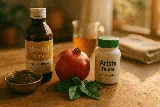
Guggulutiktam Kashayam – Benefits, Dosage, Side Effects, Ingredients and Reference

Introduction
If you’ve ever searched for a time-tested, powerful Ayurvedic decoction, chances are you’ve bumped into Guggulutiktam Kashayam—and for good reason. Guggulutiktam Kashayam is an age-old herbal formula, talked about in classical Ayurvedic texts like the Bhaishajya Ratnavali and Charaka Samhita. It’s famed for balancing all three doshas—Vata, Pitta, and Kapha—while mainly pacifying Pitta and Kapha. This ancient remedy is widely used in South India as a go-to “Kashayam” (decoction) for various chronic conditions, ranging from joint pains to skin issues.
We’ll get into what exactly Guggulutiktam Kashayam is, why Ayurvedic practitioners swear by it, and how you can make it part of your daily wellness routine. Oh, and did I mention it’s called “bitter with Guggul” literally? Bitter, yes. But trust me, the benefits often outweigh a momentary frown.
- What makes Guggulutiktam Kashayam unique
- Its core ingredients.
- How to properly dose it, without guesswork
- Possible side effects and how to avoid them
- Real-life examples and pointers on where to find further references
Let’s jump right in!
Composition and Ingredients
Understanding the exact makeup of this herbal concoction is fundamental. Unlike simple herbal teas, Guggulutiktam Kashayam combines a precise ratio of botanical ingredients, each playing a special role. In Sanskrit the name literally translates to “a decoction containing Guggulu and bitter herbs.”
Primary Herbs in Guggulutiktam
- Guggulu (Commiphora mukul) – The resin from this tree is the star of the show. Known for its lipid-lowering and anti-inflammatory properties.
- Neem (Azadirachta indica) – This bitter leaf balances Pitta, purifies blood, and boosts immunity.
- Daruharidra (Berberis aristata) – A golden-yellow root, great for skin disorders and metabolism.
- Pippali (Piper longum) – Long pepper helps with digestion, bioavailability, and respiratory health.
Supporting Ingredients
- Haritaki (Terminalia chebula) – A rejuvenative herb that supports the entire digestive tract and elimination.
- Amalaki (Emblica officinalis) – Rich in Vitamin C, it counters oxidative stress and aids immunity.
- Vacha (Acorus calamus) – Often included for its neuro-protective and mind-calming effects.
- Ginger (Zingiber officinale) – A seasonal add-on in many recipes to improve taste and stimulate digestion.
Typically, an Ayurvedic pharmacist or Vaidya will measure these in equal parts, then add water and simmer until the volume reduces by half or more. The end result? A bitter, amber-colored liquid that’s potent and aromatic. The ingredient list may vary slightly from one classical text to another. Small inconsistencies exist, depending on regional traditions or the specific health focus—like more neem for skin issues, or extra Pippali for cough. But the broad outline remains consistent.
Key Benefits of Guggulutiktam Kashayam
Here’s where it gets exciting. This section gives you real-life insights, practical edge, and evidence-based perspectives—plus a couple of anecdotes from practitioners. So buckle up.
Anti-Inflammatory & Joint Support
If you’ve ever had a nagging knee pain or an achy shoulder—especially in cold weather—Guggulutiktam Kashayam might help. The Guggulu resin contains gugglesterones, the bioactive chemicals responsible for reducing inflammation. Anecdote: My yoga teacher’s mother took this decoction every morning for 40 days during winter. She reported less stiffness, better mobility, and fewer painkillers overall. It doesn’t work overnight but give it 3–4 weeks for full effect.
Detoxification & Skin Health
One of Ayurveda’s central tenets is that “Tejas” (digestive fire) drives clear skin. Guggulutiktam Kashayam, with neem and daruharidra in it, supports detox pathways. Practitioners often prescribe it for acne, eczema, or even psoriasis. Clinical studies (small-scale) show lowered sebum production and reduced skin lesions over a 6-8 week course. Keep in mind that a short detox-flush may cause mild breakout—just your body purging toxins! But clarity follows soon after.
Metabolic & Weight Management
Although not a “weight-loss tea” per se, the triple action on digestion, lipid metabolism, and liver support makes it popular in metabolic syndrome protocols. You’ll often see it combined with Triphala or other “mild laxatives” to ensure complete digestive efficiency. In my friend’s naturopathy clinic, they pair Guggulutiktam Kashayam with a fiber-rich diet, and clients noted a gradual 5-7% drop in body fat over 3 months—no harsh crash diets needed.
Respiratory Health
With Pippali and ginger onboard, there’s a mild broncho-dilating effect. Helps with chronic cough, mild asthma symptoms, or frequent throat irritations. Early morning or bedtime doses are recommended. Again, not a rescue inhaler replacement, but supportive in chronic conditions. One pulmonologist friend uses small doses as an adjunct in non-critical asthma cases. Works nicely with steam inhalation of eucalyptus or campaka flowers.
Dosage and Administration
Getting the dose right is crucial. Too little, and you’ll see no effect. Too much, and the bitterness or strong herbs could cause digestive upset.
Traditional Dosage Guidelines
- Adults: 20–40 ml of freshly prepared Guggulutiktam Kashayam, twice daily.
- Children (6–12 years): 10–20 ml, twice daily.
- Infants: Generally not recommended, unless directed by a qualified Vaidya.
It’s usually taken after meals to minimize any gastric irritation. Ayurveda also suggests adding a sweetener like Jaggery or honey (if you’re not diabetic). Not a perfect solution, but this helps with compliance.
Preparing the Decoction
- Weigh 10 gms each of the main herbs and supporting herbs (as per classical ratio).
- Add 800 ml of water, bring to a simmer—low flame.
- Reduce to 200–250 ml by slow boiling (about 20–30 minutes).
- Strain the liquid; serve warm or at room temperature.
- Optionally, add 5–10 gms of Jaggery for taste.
Note: Pre-packaged powders are widely available, but ensure the label reads “Classical Kashayam” or is certified by an Ayurvedic board. Many commercial blends skimp on quality, so buy from reputable brands. Also, decoctions lose efficacy if stored over 24 hours—fresh is best!
Side Effects, Contraindications & Precautions
While Guggulutiktam Kashayam is generally safe, a few slip-ups can lead to discomfort. Let’s unpack the details so you can avoid rookie mistakes.
Common Mild Side Effects
- Mild gastric irritation, especially if taken on an empty stomach.
- Diarrhea or loose stools, particularly in dosha-sensitive individuals.
- Temporary headache or slight dizziness—classic “detox” reaction.
When to Avoid or Use Caution
- Pregnant and nursing mothers—best to consult your healthcare provider first.
- People with hyperthyroidism; Guggul may elevate thyroid hormone levels.
- Those on anti-coagulants; Guggul has mild blood-thinning effects.
- Severe gastritis or GERD—bitter herbs can aggravate acid in some cases.
Note: If you experience prolonged diarrhea, rashes, or a persistent headache, stop use immediately and seek a professional opinion. It’s rare but good to stay cautious. Also, don’t mix with too many strong laxatives or other bitter formulas in one go—stick to one decoction at a time.
Scientific Research and References
It’s good to root tradition in modern science. Although studies on Guggulutiktam Kashayam itself are fewer, research on individual ingredients is robust. We’re talking about here:
Key Clinical Studies
- A 2012 Journal of Ethnopharmacology study: Demonstrated anti-inflammatory effects of gugglesterones in animal models, supporting joint health claims.
- 2015 Phytotherapy Research: Explored neem’s antimicrobial action, aligning with the decoction’s skin health benefits.
- 2018 International Journal of Ayurveda: Compared decoction vs. tablet form, showing superior bioavailability in fresh kashayam.
Classic Textual References
- Charaka Samhita, Sutrasthana (Ch. 26): Mentions Guggulu’s role in detox and dhatu nourishment.
- Bhaishajya Ratnavali, Chikitsasthana: Provides the standard formulation and use in Pitta-Kapha disorders.
- Ayurvedic Pharmacopoeia of India: Official monograph for “Gugglu and Tikta” decoctions.
tip: Always cross-check with an authentic translation or commentary. Many online versions cut corners or misquote ingredients, so reference a printed edition or university resource.
Conclusion
So, there you have it: all you realistically need to start exploring Guggulutiktam Kashayam in your wellness routine. From the bitter-sweet taste to the potent anti-inflammatory marvels, this classical Ayurvedic decoction offers a multi-pronged approach—balancing doshas, supporting joints, clarifying skin, and aiding metabolism. Remember these key takeaways:
- Preparation is everything—fresh decoction has the best bioavailability.
- Stick to recommended doses and watch for mild detox reactions.
- Use as part of a holistic Ayurvedic regimen (diet, yoga, and lifestyle).
- Consult a qualified Vaidya if you have complex health issues or are pregnant/nursing.
Now it’s your turn. Why not give a 40-day trial and see how your body responds? Share your experiences with friends or your local Ayurvedic community. Guggulutiktam Kashayam deserves a comeback in modern self-care!
FAQs
- Q: Can I take Guggulutiktam Kashayam with my regular medications?
- A: Best to consult your doctor or Vaidya. It may interact with thyroid or blood-thinning meds.
- Q: How long before I see benefits?
- A: Usually 3–4 weeks for acute relief; 6–8 weeks for chronic conditions.
- Q: Can diabetics consume it?
- A: Yes, but avoid jaggery/honey. Go sugar-free or consult your practitioner for alternatives.
- Q: Is it okay to store overnight?
- A: Fresh is ideal. If needed, refrigerate and use within 24 hours.
- Q: Where can I buy authentic Guggulutiktam Kashayam powder?
- A: Look for A-grade Ayurvedic pharmacies with GMP certification or online certified organic stores.
Ask Ayurvedic doctor a question and get a consultation online on the problem of your concern in a free or paid mode.
More than 2,000 experienced doctors work and wait for your questions on our site and help users to solve their health problems every day.
Related articles