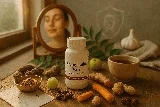
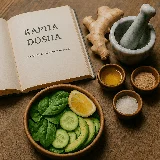
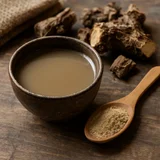
Shweta Parpati Benefits, Dosage, Ingredients, Side Effects

Introduction
Shweta Parpati Benefits, Dosage, Ingredients, Side Effects are often the first things you’ll type into Google when you stumble upon this intriguing Ayurvedic formulation. In fact, Shweta Parpati Benefits, Dosage, Ingredients, Side Effects is the long-tail search that leads curious minds to ancient texts and modern wellness blogs alike. So if you’ve been wondering what exactly Shweta Parpati is, why it’s gaining traction among holistic healers, and how to take it safely (without turning your day upside down), you’re in the right place.
Let’s be honest: Ayurveda can feel kind of complex. We’ve got Sanskrit names, bhasmas, herbs, minerals, fancy processes like shodhana and marana and for someone new, it’s easy to glaze over. But I promise, we’ll keep it simple, conversational, with just the right amount of imperfection. By the end, you’ll understand what Shweta Parpati really does, who might benefit from it, what’s hiding in those little pills, and whether you need to watch out for any weird side effects.
Ready for a journey through ancient wisdom with a modern twist? Grab your cup of herbal tea, and let’s dive into the world of Shweta Parpati.
What Is Shweta Parpati?
At its core, Shweta Parpati is an Ayurvedic preparation categorized under Rasa Shastra the alchemical branch of Ayurveda that deals with minerals and metals processed into bioavailable medicines. Specifically, it’s a kind of “Parpati” or calcareous powder, traditionally white in color (hence “Shweta,” meaning white). Often used to pacify aggravated Vata and Kapha doshas, Shweta Parpati is renowned for its rejuvenative and detoxifying actions.
Think of it like a time-tested detox combo: a bit of purified mercury (processed to be safe), some herb-infused ash, and other supportive ingredients, all ground into a fine powder. But don’t worry the production follows rigorous steps to eliminate toxicity.
Historical Background
Shweta Parpati’s origins trace back to classical Ayurvedic texts like Rasa Tarangini and Rasa Prakasha, penned centuries ago by scholars such as Govind Das. It was traditionally prescribed for conditions ranging from chronic fevers and skin disorders to certain neurological concerns. Fast forward to today, and you’ll find it in modern clinics tackling everything from migraines to joint stiffness.
However, modern research is still playing catch-up. While anecdotal reports are abundant “it really helped my arthritis pain” scientific trials are slowly emerging, validating some of these claims. So yes, there’s both tradition and curiosity fueling Shweta Parpati’s comeback in wellness circles.
Understanding the Ingredients
Before you go grabbing any bottle off the shelf, it’s crucial to know what’s inside. After all, we don’t want any surprises like discovering mercury was never your thing to begin with, right? Let’s break down the core components that make up Shweta Parpati.
Key Ayurvedic Components
- Kajjali (Purified Black Sulfide of Mercury): Despite the scary-sounding name, in Ayurvedic practice, mercury is carefully detoxified and transformed to remove toxicity, resulting in a bioactive compound that’s believed to have potent healing properties.
- Purified Gandhaka (Sulfur): Acts like a supportive detox hero, enhancing the formula’s ability to clear metabolic wastes.
- Marana Dravyas: These are calcified ashes of specific herbs or animal shells, often processed multiple times to achieve the proper consistency and potency.
- Ghee or Honey (Optional Anupana): Sometimes used during the final grinding process to improve absorption and to give that final sheen plus it tastes better, honestly.
Role of Minerals and Herbs
In Ayurveda, mineral-based medicines (Rasaoushadhi) are revered for their strength and deep action. The synergy of mercury and sulfur, once detoxified, is believed to open cellular channels and support the body’s natural elimination processes. Then, the herbal ashes bring in anti-inflammatory and nourishing qualities.
Real-life example: My friend Raj swears by Shweta Parpati for his chronic sinus congestion. He was skeptical at first mercury? But after sourcing a reputable marca (brand) and following the recommended dosage, he noticed less post-nasal drip within two weeks. Now he keeps a small jar by his bedside.
Shweta Parpati Benefits
Now, the million-dollar question: what do you actually get from taking this stuff? While experiences vary, here are some of the most commonly reported Shweta Parpati Benefits:
Healing Properties
- Detoxification: Helps eliminate ama (metabolic toxins) and supports liver and kidney function.
- Anti-Inflammatory Action: May reduce inflammation in joints, respiratory passages, and even digestive linings.
- Neurological Support: Traditionally used to calm Vata-related issues like tremors, neuralgia, and insomnia.
- Skin Health: Anecdotally used in conditions like eczema, psoriasis, and acne when combined with external therapies.
Just remember: everyone’s constitution is different. What works like magic for someone might just be for you. Still, the breadth of benefits is pretty impressive, spanning from internal cleanses to neurological tonics.
Conditions It Supports
Here’s a quick list of common ailments where Shweta Parpati has been traditionally recommended:
- Chronic Rheumatism and Joint Stiffness
- Neuropathy and Neuralgic Pain
- Frequent Headaches and Migraines
- Respiratory Disorders like Bronchial Asthma
- Digestive Complaints including IBS and Indigestion
- General Debility and Low Immunity
Of course, these are meant to complement not replace modern medical advice. It’s always best to consult a qualified Ayurvedic practitioner before self-medicating.
Dosage and Administration
One of the trickiest parts about Shweta Parpati is getting the dosage right. Under-dosing might yield no results, while overdosing can lead to needless discomfort (or worse!). Let’s get down to specifics.
Recommended Dosage
- Standard Adult Dose: 15–30 mg (about the size of a single grain of rice) once or twice daily.
- Child Dose: Typically 5–10 mg, adjusted by weight and age; must only be under supervision of a practitioner.
- Course Duration: 1–3 months depending on severity of condition; periodic breaks (e.g., 7 days off every month) are common.
- Maintenance Dose: After relief, 5–10 mg once daily for another month to support stability.
Tip: Always use a micro-spoon or a precision scale. Eyeballing milligrams is asking for trouble.
How to Take Shweta Parpati
Most practitioners recommend taking Shweta Parpati on an empty stomach, early morning, with warm water or milk. Here’s a step-by-step:
- Measure the exact dosage using a micro-spoon.
- Mix it in 50–100 ml of warm water or milk (cow’s or goat’s, preferably).
- Stir gently to dissolve any clumps.
- Drink immediately, then wait 30 minutes before eating.
Real-life hiccup: I once forgot and took it with my breakfast porridge tasted okay, but I felt a bit queasy. So, follow the protocol, folks!
Possible Side Effects and Precautions
Yes, even traditional remedies can throw curveballs. Let’s talk about Shweta Parpati Side Effects you need to watch out for and who might want to bypass it altogether.
Common Side Effects
- Nausea or Mild Gastric Discomfort
- Headache or Dizziness (usually transient)
- Metallic Taste in Mouth
- In rare cases, allergic skin reactions
In most situations, these side effects subside within a few days as the body acclimatizes. If they persist, stop immediately and consult your practitioner.
Who Should Avoid It
- Pregnant or Breastfeeding Women—safety data is very limited.
- People with Known Mercury Sensitivity or Severe Kidney Disorders.
- Children under 5 years—unless under strict supervision.
- Individuals on certain medications (e.g., blood thinners) check for interactions.
tip: Always inform your general physician and Ayurvedic doctor about all supplements or drugs you’re taking. Transparency = safety.
Conclusion
There you have it a fairly detailed tour of Shweta Parpati Benefits, Dosage, Ingredients, Side Effects. From its ancient roots to modern usage, this white calcareous powder stands out as a potent Ayurvedic ally when handled responsibly. Sure, you’ll read glowing testimonials and maybe a few horror stories but balance that hype with professional guidance and personal caution. Remember, it’s not a magic bullet, but rather a tool in Ayurveda’s vast toolkit.
Thinking of giving it a try? Start small, document your journey in a wellness journal, and keep an eye on any unexpected reactions. And, share your experience good or bad in your social circle or comment section of your favorite health blog.
FAQs
- Q: Can I take Shweta Parpati with other Ayurvedic formulations?
A: Often yes, but it depends on the combination. Avoid mixing with other heavy metal-based bhasmas unless directed by an expert. - Q: How soon can I expect relief?
A: Some report improvement within a week; others take 3–4 weeks. It varies by condition and dosage. - Q: Is it safe for long-term use?
A: Typically, it’s used short-term (1–3 months). For maintenance, lower doses under supervision are common. - Q: Where can I buy authentic Shweta Parpati?
A: Look for reputable Ayurvedic pharmacies with Good Manufacturing Practices (GMP) certification. Avoid local bazaars with ambiguous sourcing. - Q: Any dietary tips while on Shweta Parpati?
A: Follow light, easily digestible foods—khichdi, warm soups, steamed veggies. Avoid heavy fried or processed meals. - Q: Can I stop modern medicines and switch entirely?
A: Never abruptly. Always discuss with both your physician and Ayurvedic doctor to ensure safe transitioning.
Ask Ayurvedic doctor a question and get a consultation online on the problem of your concern in a free or paid mode.
More than 2,000 experienced doctors work and wait for your questions on our site and help users to solve their health problems every day.
Related articles