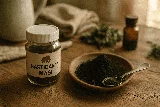
Brahmi Thailam Benefits, Use, Ingredients, Side Effects

Introduction
If you’ve ever wondered about that ancient, aromatic oil your grandma swears by, welcome to the world of Brahmi Thailam Benefits, Use, Ingredients, Side Effects all wrapped in one handy guide. Brahmi Thailam is a classical Ayurvedic oil preparation that blends the powerhouse herb Bacopa monnieri (Brahmi) with various carrier oils like sesame or coconut. It’s been used in traditional Indian households for centuries as a remedy for cognitive health, stress relief, and more.
Why This Oil Matters
Whether you’re a busy professional battling screen-fatigue, a student cramming for finals, or someone simply chasing that inner calm, Brahmi Thailam can help. It’s not just some random “miracle oil” slapped together. No, sir. It’s backed by thousands of years of practical use, sprinkled with modern research (some preliminary studies hint at improved memory and mental focus). Plus, you get the bonus of a blissful self-massage ritual hello relaxation! Just imagine melting away stress while the subtle, earthy aroma of Brahmi fills your room.
Origins and Scientific Basis
Ancient Roots
Brahmi Thailam’s origin story is pretty fascinating. It’s first mentioned in classic Ayurvedic texts like the Charaka Samhita and Sushruta Samhita, dating back over 2,000 years. These treatises, written by sage-physicians, prescribed Brahmi-infused oils to pacify the Vata and Pitta doshas, supporting the nervous system and sharpening the intellect. Families passed down their own little tweaks adding a pinch of turmeric here, a dash of ashwagandha there so every region (and sometimes every household!) had its unique spin on the recipe.
Modern Research Insights
Fast forward to the 21st century, and some scientists have taken a peek at Brahmi’s bioactive compounds like bacosides. Early laboratory studies suggest these compounds might support neuronal communication and antioxidant activity in the brain. Clinical trials, though limited, have reported modest improvements in attention span, memory recall, and mood among participants who used Brahmi extracts consistently. Sure, more high-quality studies are needed, but the existing data is promising enough that herbal supplement makers everywhere are adding “Brahmi extract” to their brain-boost formulas.
Brahmi Thailam Benefits
Internal Benefits: Brain Health & Mental Wellness
One of the most touted claims of Brahmi Thailam is its positive effect on our mental faculties. People often massage it on the scalp or apply it behind the ears and eyebrows (the so-called “third eye” zone) to absorb its good stuff through skin. Here are some potential perks you might feel over time:
- Enhanced Memory & Concentration: Folk wisdom says regular application can sharpen the mind, and small human trials do hint at better recall and focus.
- Stress & Anxiety Relief: The cooling, Vata-pacifying qualities of Brahmi might help calm an overactive mind great for those battling insomnia or racing thoughts.
- Mood Stabilization: Anecdotal reports and preliminary research indicate reduced irritability and a mild uplift in overall mood.
- Neuroprotection: Antioxidant components in Brahmi may help guard neurons against free radical damage though this is mostly from test-tube studies, so grain of salt.
It’s worth noting that while many users rave about “brain fog” lifting, consistent practice (massage + a weekly routine) seems key. You won’t get overnight genius, be real but a gentler, clearer mind could be your new norm.
External Benefits: Skin, Hair & Beyond
Beyond the brain, this herbal oil can do wonders for your skin and hair too. Not convinced? Check this out:
- Hair Growth & Scalp Health: Applying Brahmi Thailam to a dry, flaky scalp can hydrate and reduce dandruff. The massage also boosts circulation to hair follicles may help reduce hair fall.
- Smooth, Glowing Skin: Brahmi’s anti-inflammatory profile can calm redness and small irritations. People with dry or sunburn-prone skin sometimes use a light temple and forehead massage in summer odd, but it seems to work.
- Joint & Muscle Comfort: Though less common, some apply the oil to stiff joints or achy muscles for that gentle, warming relief (kind of like an Ayurvedic muscle balm).
Remember, these external benefits build up over weeks of regular use. Your first massage might feel soothing, but stay consistent to really notice changes. Also, always do a patch test.
Key Ingredients & Their Role
Core Herbal Components
Every quality Brahmi Thailam hinges on a staple lineup of herbs. The big star is, of course, Brahmi (Bacopa monnieri), but there’s often a herbal troupe supporting the main act:
- Brahmi Leaves: Contain bacosides A & B, believed to support neuron communication and antioxidant defense.
- Amla (Indian Gooseberry): A Vitamin C powerhouse that enhances oil stability and adds extra antioxidant value.
- Gotu Kola (Centella asiatica): Often included for its skin-healing and circulation-boosting vibes.
- Turmeric: Adds anti-inflammatory and antiseptic properties plus it gives the oil that warm yellow hue.
- Other Ayurvedic herbs: Depending on tradition, you might see ashwagandha, neem, mulethi (licorice), or even jatamansi for extra calm-inducing effects.
Carrier Oils and Additives
Herbal powders alone won’t do they need a fat medium to extract and deliver their goodness. Common carrier oils include:
- Sesame Oil: The classic choice: warming, deep-penetrating, and Vata-pacifying.
- Coconut Oil: Light, cooling, and great for Pitta types (plus it smells divine!).
- Almond or Olive Oil: Sometimes blended in small amounts for a smoother texture and added emollience.
After slow-cooking the herbs with oil and water to form a decoction, the final mixture is strained and then simmered further till all the water evaporates. The result? A potent, deeply golden oil, heavy with tradition and herbal goodness. Yep, making at home can be a weekend project, but many prefer to buy ready-made, especially certified organic blends that’ve gone through lab tests.
Uses, Application & Side Effects
Application Techniques
One of the simplest rituals: a gentle scalp massage. Here’s a quick how-to:
- Warm 5–10 ml of Brahmi Thailam by placing the bottle in hot water.
- Sit comfortably and part your hair in sections. Pour a few drops on your fingertips and massage in slow, circular motions, covering the scalp.
- Extend to the temples, forehead, and nape if you like. You can even rub some along the jawline if tension likes to hide there.
- Leave it on for 30 minutes to an hour. For deep therapy, some leave it overnight, wrapping a towel around the pillow.
- Wash gently with a mild shampoo. You may need two rinses if you used a lot.
Feels like a mini-spa at home, right? Plus, the circular massage strokes physically stimulate the scalp and calm the mind double win.
Potential Risks & Precautions
Now, moms and Ayurvedic docs always say: “Every herb has its shadow.” So here are some side notes worth noting:
- Allergic Reactions: Rare, but skin patch-test is a must. A tiny dab on the inner forearm for 24 hours should reveal any red flags.
- Oiliness & Clogging: People prone to acne (especially on the forehead) might find heavy oils can clog pores use sparingly or skip facial application.
- Interactions: If you’re on blood thinners or sedatives, Brahmi’s mild anticoagulant and calming effects could theoretically interact. Always check with your doc.
- Overuse: Applying oil daily for months without breaks could imbalance your doshas. Traditional advice: 2–3 times a week is ideal for most.
In short, side effects are few and mild, but yes, you gotta treat it like any potent herbal remedy respect the dose, watch for reactions, and pause if something feels off.
Conclusion
Brahmi Thailam bridges the best of old-world wisdom and modern wellness. We’ve covered its roots in Ayurvedic science, broken down the main ingredients, explored its multifaceted benefits (mental clarity, skin glow, hair health), and even warned you about a few tiny bumps on the road. The real magic, though, lies in consistent practice: a weekly ritual that soothes your nerves, uplifts your mood, and nourishes both scalp and skin.
So next time you hear “oil massage,” think beyond basic relaxation. Embrace the legacy of Brahmi Thailam, make it part of your self-care lineup, and heck share the experience with a friend. You never know who might finally beat that mid-afternoon slump or soothe an overworked brain with just a few drops of ancient herbal gold.
FAQs
1. How often should I apply Brahmi Thailam?
Most Ayurvedic experts recommend 2–3 times weekly for general wellness. If you’re dealing with severe stress or hair thinning, you might increase to 4–5 sessions for a short period—but listen to your body and dosha balance.
2. Can I leave the oil on overnight?
Yes, you can. Wrapping your head in a warm towel or wearing a sleep cap helps keep linens clean. Just ensure you don’t overdo it—overnight application once a week is plenty for deep conditioning.
3. Is Brahmi Thailam safe for children?
Generally it is safe for kids (scalp massage is common in many Indian households), but use a minimal amount and do a patch test. Avoid if your little one has eczema or very sensitive skin.
4. Can vampires (or vegans) use Brahmi Thailam?
Haha, no bloodsuckers here! But yes, vegans can use it—most traditional formulas use plant-based oils only. Just read the label carefully if you’re super strict.
5. What’s the shelf life of homemade vs. store-bought?
Homemade Brahmi Thailam lasts about 6 months if stored in a cool, dark place. Commercial, lab-tested products with added preservatives might go up to a year or more—check the packaging.
6. Does it stain clothes or pillows?
It can, especially darker fabrics. Use an old towel or wrap your pillow in something washable when you leave the oil on longer than an hour.
Ask Ayurvedic doctor a question and get a consultation online on the problem of your concern in a free or paid mode.
More than 2,000 experienced doctors work and wait for your questions on our site and help users to solve their health problems every day.
Related articles